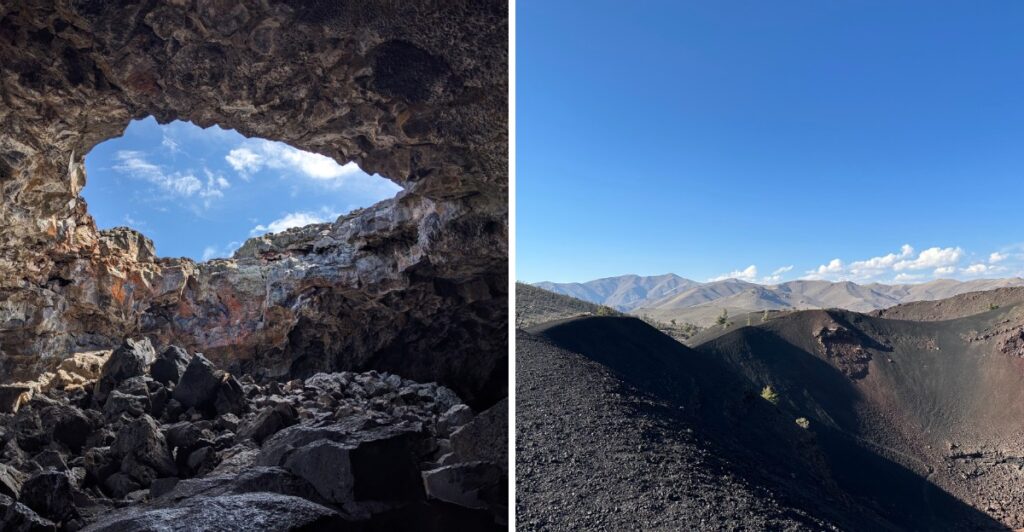
In 1969, NASA astronauts trained on this Idaho lava field before heading to the actual moon. Standing where future moonwalkers studied rocks sounds like the coolest field trip I could imagine.
The ground here formed during eight major eruptive periods between 15,000 and 2,000 years ago. Lava poured from a crack in the earth that stretches 52 miles long.
Geologists call these volcanoes dormant rather than extinct, which adds a dash of suspense to any hike. Below the surface, caves open for exploring with a free permit that helps protect the bats inside.
After dark, the sky stacks stars so thick they look painted on. Astronauts needed a rocket for the real thing, but this moonscape only asks for a tank of gas.
Astronauts Practiced Here, So Your Road Trip Is Basically Space Training
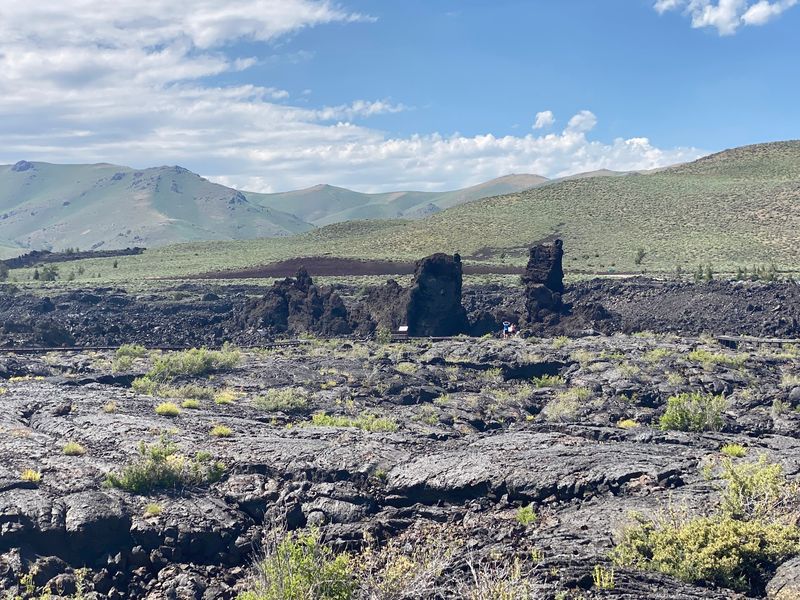
Moon training on a family road trip sounds wild, yet it is real history. NASA astronauts studied the terrain at Craters of the Moon National Monument and Preserve in 1969 to prepare for lunar missions.
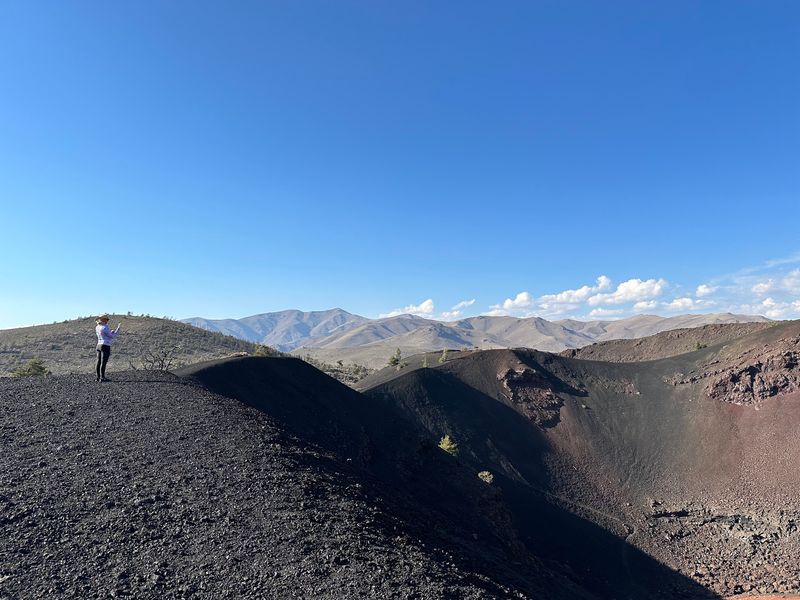
The landscape earned its name honestly. Picture an ocean of black lava flows dotted with cinder cones and patches of silvery sagebrush.
President Calvin Coolidge made it a national monument on May 2, 1924. He called it a weird and scenic landscape peculiar to itself, which is still the best description around.
The protected area has grown a lot since then. It started near 53,500 acres and now covers roughly 750,000 acres across several Idaho counties.
Explorer Robert Limbert helped put this place on the map. His adventures and a National Geographic article in the early 20th century brought national attention here.
Part of the park also became one of the first federally designated wilderness areas in 1970. The national monument was greatly expanded in 2000 to protect more of the Great Rift volcanic landscape.
For a 2027 trip, that history adds real meaning to every step. You’re walking on ground that helped humans reach another world, and that is a pretty great souvenir.
Seven Paved Miles Pack In A Whole Volcanic Greatest-Hits Album
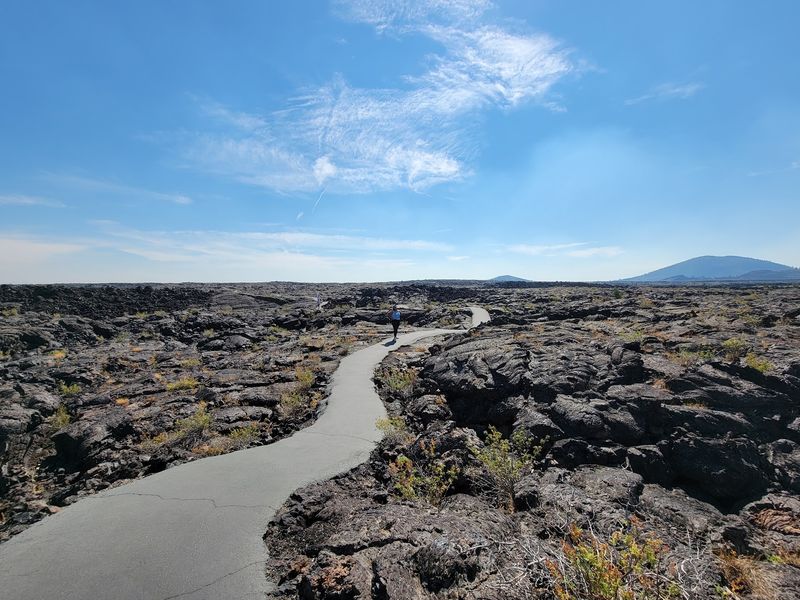
Short drives rarely deliver this much variety. The paved Loop Road runs about seven miles and introduces you to the park’s whole volcanic personality.
Along the way, you’ll find pullouts and trailheads for many of the main highlights. Cinder cones, spatter cones, lava flows and tree molds all line up like exhibits in an outdoor museum.
Timing matters here. The Loop Road usually opens from mid-April through late November, depending on conditions.
Winter closes the road to cars, so plan a warm-weather visit if driving is the goal. Late spring and early fall can be lovely shoulder-season choices.
Biking the loop is another option for the energetic crowd. Just know the road has real hills and very little shade, so bring plenty of water.
Vault toilets sit at several stops, including Devils Orchard, the Tree Molds Area and the Caves Area. That small detail makes a big difference on a family day.
Give yourself time to actually get out of the car. The loop is compact, but the short trails are where the strange details really come alive.
Climb A Dark Cinder Cone For Views That Feel Borrowed From Another Planet
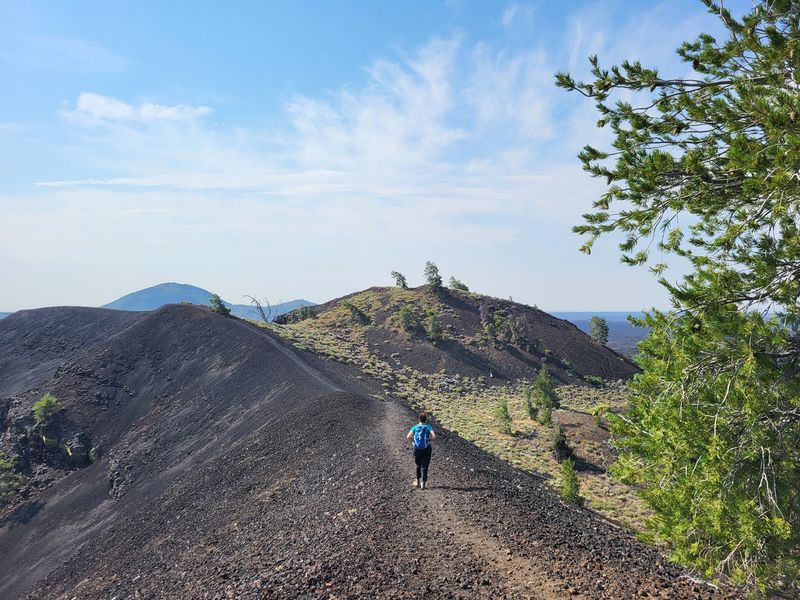
Black cinder crunches underfoot on the steep path up Inferno Cone. It is a short climb, but your legs will absolutely notice the grade.
The reward is a huge view across lava plains and scattered cones. On a clear day, the scale of this volcanic field finally makes sense.
Hiking options cover a nice range of energy levels. The interpretive Devils Orchard trail offers an easier stroll among odd lava fragments and hardy plants.
For something tougher, the North Crater Trail runs about 3.5 miles and is rated strenuous. Plan it for cooler hours, because shade is hard to find out there.
The Spatter Cones trails lead to small volcanic vents that look almost cartoonish. Tree Molds Trail shows where lava wrapped around trees and left their shapes behind.
Experienced hikers can head off-trail into the Wilderness area with proper preparation. That means serious water, navigation skills and a solid respect for rough terrain.
Sturdy shoes are smart on any route. Lava rock is sharp and unforgiving, and it has zero interest in your favorite sneakers.
Bring A Flashlight Because The Best Rooms Here Are Underground
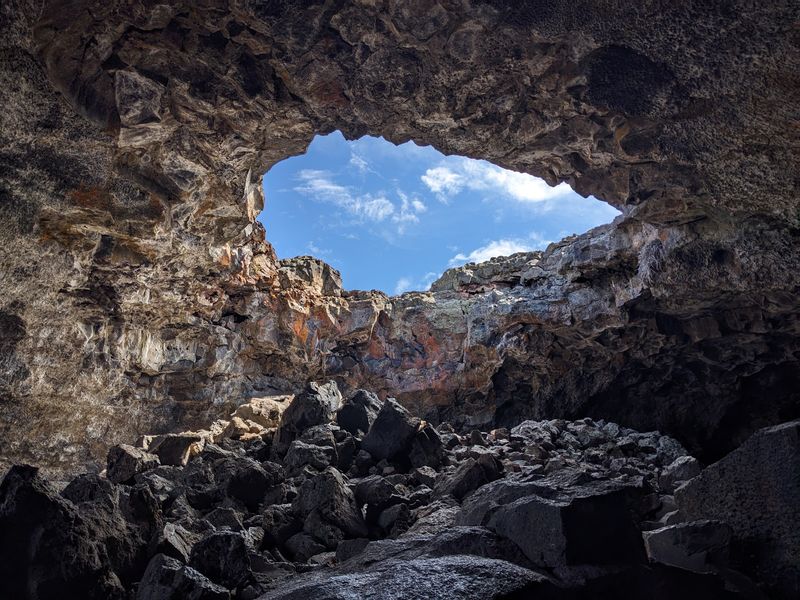
Lava tubes form when the outside of a lava flow hardens while hot rock keeps moving inside. Once the flow drains away, a tunnel is left behind.
The Caves Trail leads to several of these underground passages. Indian Tunnel and Dewdrop Cave are two of the explorable options.
Before you go, stop at the Robert Limbert Visitor Center for a free cave permit. You must get it in person, and it exists to protect the park’s bats.
The concern is white-nose syndrome, a disease that harms bat colonies. Staff ask about clothing and gear that have been in other caves, so plan accordingly.
Pack clean clothes that have never been underground anywhere else. That simple step helps keep these colonies healthy for future visitors.
A reliable flashlight or headlamp is a must. Some caves get very dark, and the floors can be rocky and uneven.
Caves can also close seasonally, so ask rangers about current access. Honestly, chatting with them is a bonus, since they know these tunnels well and share smart safety tips.
Your First Stop Should Be The Building With The Rangers And The Maps
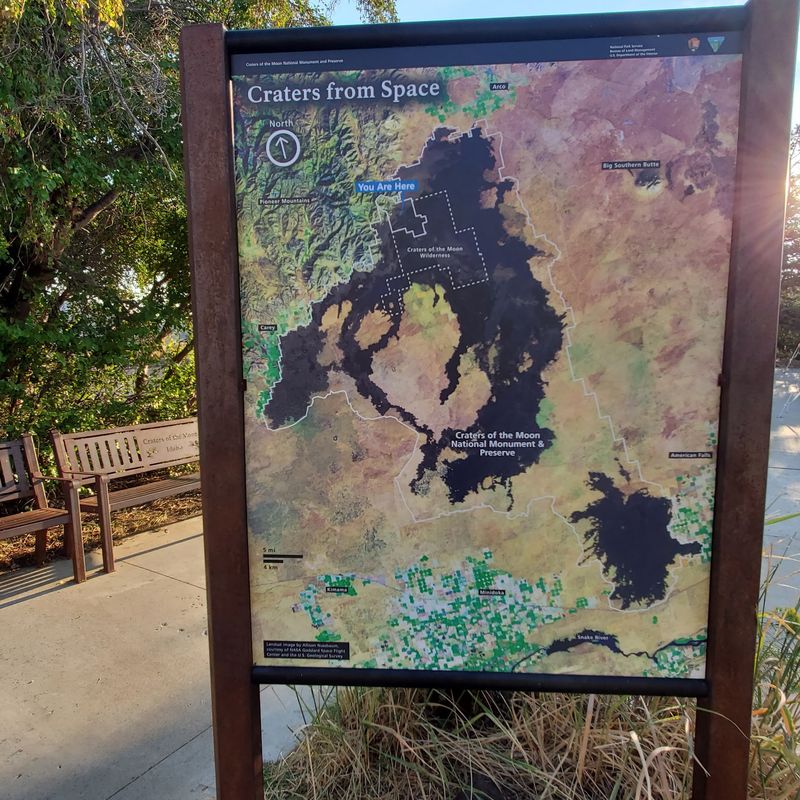
Smart road trippers start at the Robert Limbert Visitor Center, which sits at 1266 Craters Loop Road, Arco, ID 83213. It is the official hub for Craters of the Moon National Monument and Preserve.
Inside, you’ll find interpretive exhibits, maps, and rangers ready to help. There’s also a gift area with books and souvenirs for the space fans in your crew.
Summer hours generally run from 8 a.m. to 6 p.m. from late May through early September, with exact dates varying by year.
Outside the summer season, the visitor center generally opens from 9 a.m. to 4:30 p.m. when operating, with reduced opening days in winter and spring and a seasonal closure in early winter.
The visitor center closes on Christmas and New Year’s Day, but Thanksgiving hours may vary, so check the current schedule. Check current alerts before your trip, since schedules can shift.
Kids can grab a Junior Ranger program here, too. It turns a lava field into a fun mission with a badge at the end.
Wi-Fi is available at the center, which matters a lot. Cell service across the park is very limited, so download the NPS app for offline use beforehand.
Fill your water bottles here as well. The visitor center is the only drinking water spot outside the campground season.
Pack The Snacks Yourself, Since Lava Doesn’t Do Lunch
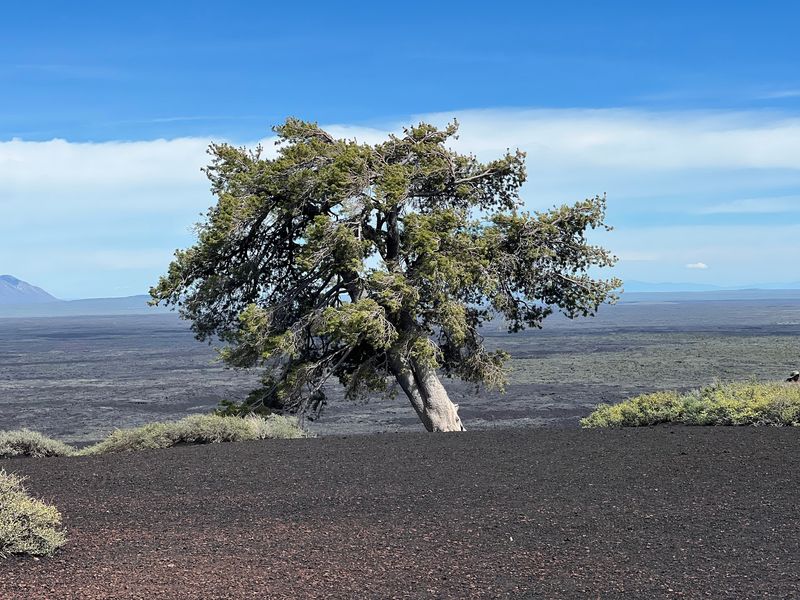
Food service at Craters of the Moon National Monument and Preserve is simple. Beyond vending machines at the visitor center, there isn’t any.
That makes a packed cooler your best friend. Sandwiches, fruit, salty snacks and lots of water will keep the group cheerful between hikes.
Picnic tables sit on the east side of the visitor center. They make a handy spot for lunch before or after the Loop Road.
Water is the big one in this high desert. Drinking water is only available at the visitor center, plus the campground during its season.
Bring more than you think you need. Dark lava soaks up sunshine, and open trails offer very little shelter from it.
Nearby Arco and Carey are small towns with limited options. For more dining choices, many travelers look to Ketchum, Hailey, Jerome or Twin Falls, all within about two hours.
A little planning saves a lot of grumbling. Nobody wants to discover halfway around the loop that the only snack left is a single crushed cracker.
Spend The Night Among Lava Flows At A No-Frills Campground
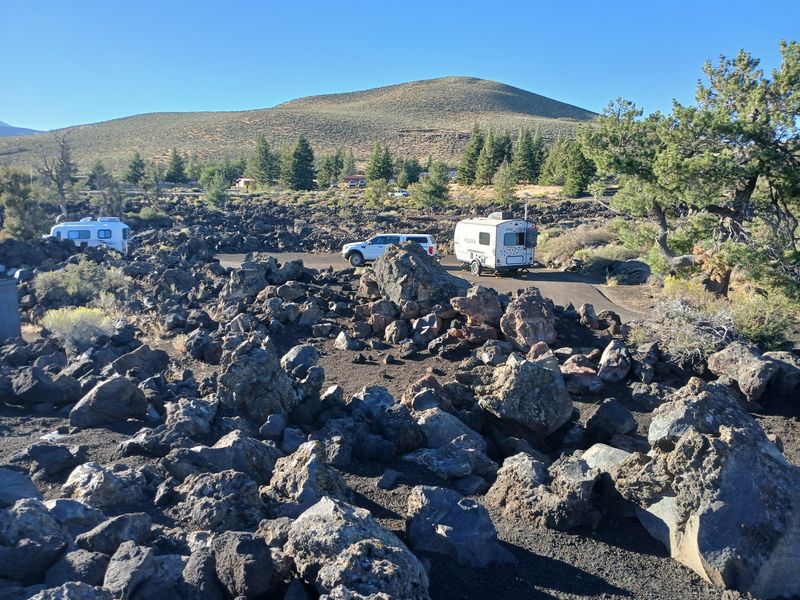
Lava Flow Campground offers 42 sites right in the middle of the volcanic scenery. Every site is first-come, first-served, so arriving early is a wise move.
The campground typically opens in mid-April and remains accessible to vehicles until mid-November, depending on road and weather conditions.
Restrooms and drinking water are available, but there are no hookups.
Vault toilets stay open around the clock, which campers will appreciate at 2 a.m. Simple comforts go a long way in rugged country.
Want more solitude? Backcountry camping is allowed in the Wilderness and Preserve areas with a free permit from the visitor center.
Dispersed camping is another option on BLM-managed lands in and near the Monument. Just follow local rules and leave each spot cleaner than you found it.
Desert nights can turn chilly fast, even after a warm afternoon. Pack layers and a sleeping bag rated for cool temperatures.
Not a camper at all? Plenty of road trippers base themselves in nearby towns instead. Still, waking up beside ancient lava is a pretty memorable way to start a 2027 morning.
Plan Your Route Smart And Maybe Come Back When Snow Arrives
Getting here takes a little care, and that’s part of the adventure. The entrance sits off U.S. Highway 20/26/93, about 18 miles southwest of Arco and 24 miles northeast of Carey.
Don’t trust GPS blindly on this one. The visitor center is accessed directly from the highway, not by unpaved back roads.
Boise is roughly two hours and 45 minutes away. Salt Lake City sits just under four hours out, making this an easy add-on for a western loop.
Craters of the Moon National Monument and Preserve stays open 24 hours a day, all year. That means your visit doesn’t have to stop when summer ends.
Once winter closes the Loop Road to cars, the park becomes a quiet playground for cross-country skiing and snowshoeing. Black lava under white snow is a striking sight.
Wildlife adds even more reasons to linger in any season. Raptors, rabbits and many hardy plants thrive in this tough high-desert habitat.
So mark the calendar for 2027. Idaho has a slice of the moon waiting, no rocket required.