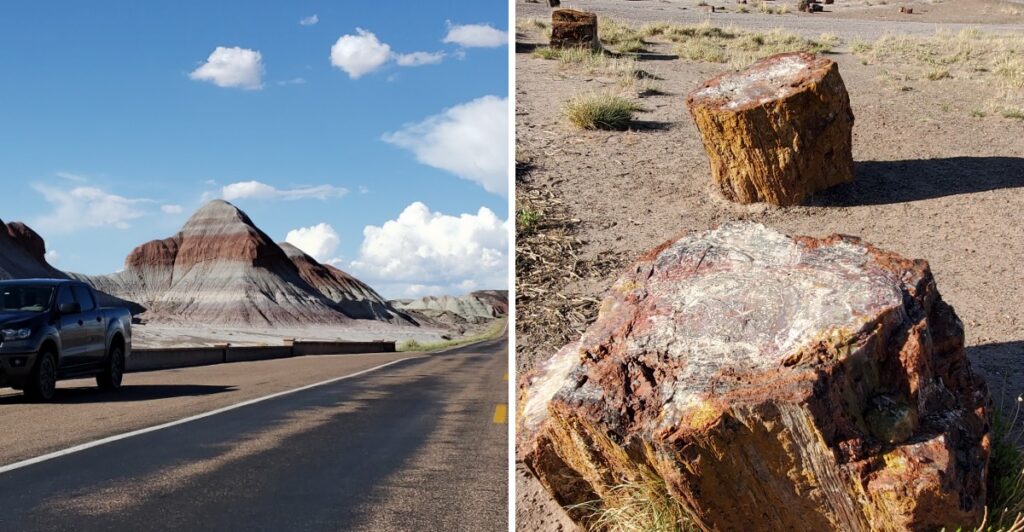
Ancient builders in northeastern Arizona made a pueblo out of petrified wood more than 900 years ago. Their bricks were 225-million-year-old trees, which makes a hardware store lumber aisle look pretty tame.
Those trees grew in a steamy, subtropical world back when dinosaurs were just getting started. Now their crystal-stuffed trunks glow red, orange, and purple like geodes that skipped the gift shop.
Nearby badlands stripe the horizon in rose, lavender, and blue-gray, like someone spilled a pastel paint set. Then a rusty 1932 car shows up beside an old highway, looking like it took a very wrong turn.
Summer turns these trails into a frying pan, so cooler months are the smart play. Leave the petrified wood where it lies, because rangers don’t accept “it fell in my pocket” as an excuse.
Those Shiny Logs Date Back To The Dawn of the Dinosaurs
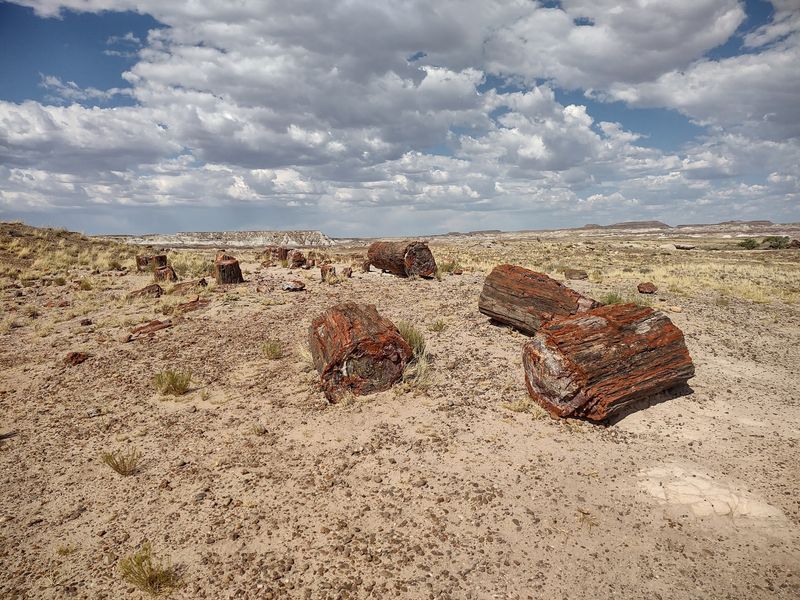
Rainbow-colored stone is the star at Petrified Forest National Park. The park holds one of the world’s largest and most colorful collections of petrified wood.
These trees grew about 225 million years ago during the Late Triassic period. Back then, this part of the world had a warm, subtropical climate with rivers winding through it.
Fallen trees got buried under river sediment and volcanic ash. Over time, minerals seeped in and slowly replaced the wood with sparkling quartz.
Much later, the Colorado Plateau rose up and erosion went to work. Wind and water peeled back the layers and exposed the logs you see today.
The result looks like someone carved tree trunks out of jewels. Some pieces show rings and bark textures so clearly that you’ll want to knock on them.
Arizona even made petrified wood its official state fossil. That’s a pretty big honor for a bunch of old trees.
One firm rule applies here, though. Taking any petrified wood or natural feature from the park is strictly prohibited, so snap photos instead and leave the stones for the next curious visitor.
Bring Your Best Camera Face For The Painted Desert At Sunset
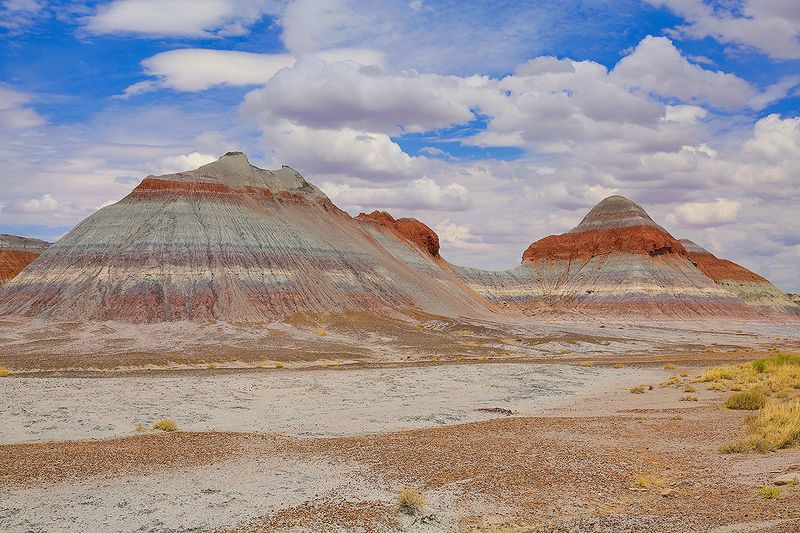
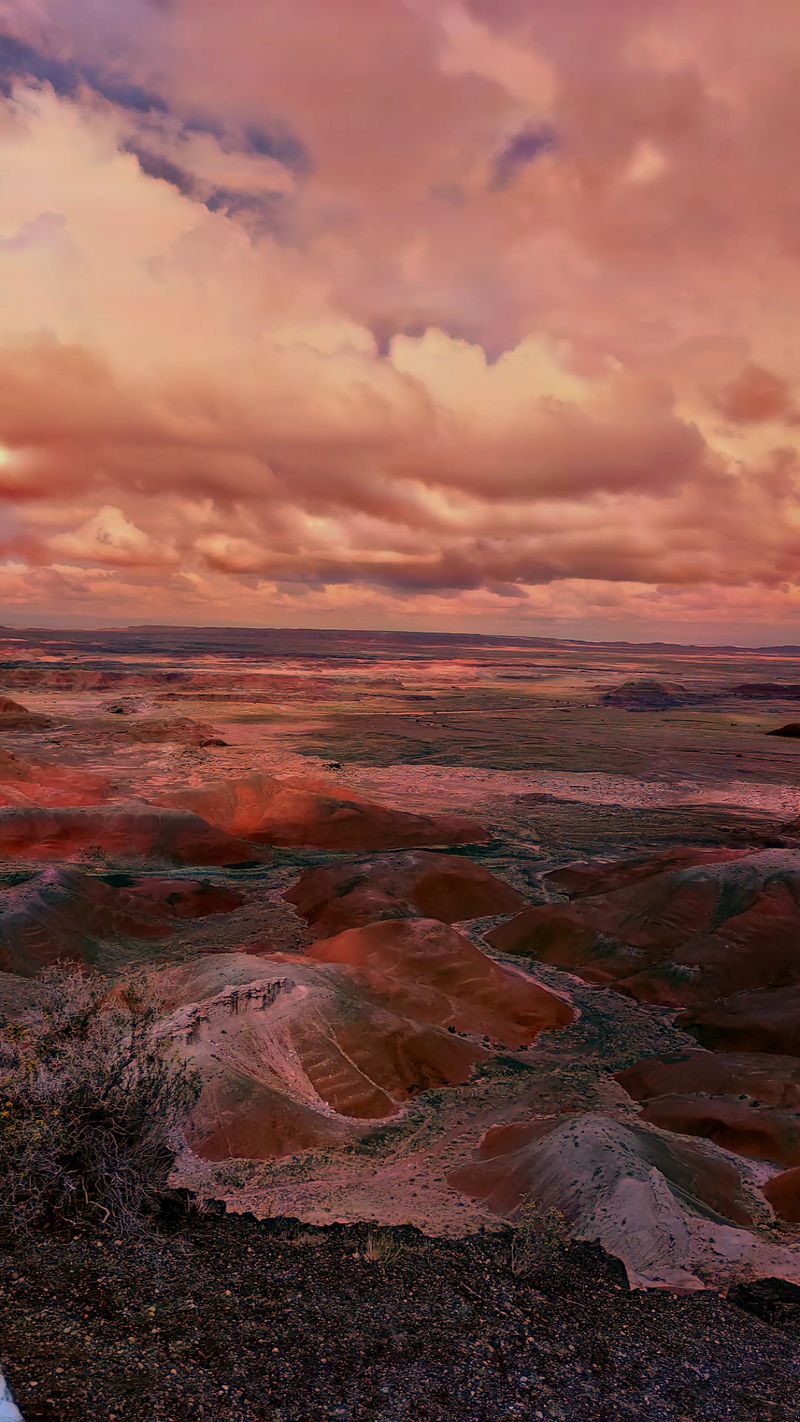
Stripes of red, pink, and purple roll across the horizon like a giant layered dessert. Welcome to the Painted Desert, the northern section of the park.
These multi-colored badlands formed from eroded clay and rock. Every band of color tells a slightly different story about ancient soil and minerals.
Timing matters a lot here. Sunrise and sunset light up the hills with the richest colors, so plan your drive around those golden hours.
Kachina Point is a great place to start. The Painted Desert Rim Trail begins there and offers wide, sweeping views across the landscape.
Several overlooks line the northern stretch of the park road too. You can hop out, take a look, and climb back into the car in minutes.
Winter adds a bonus twist. Occasional snow dusts the red hills, creating a bright contrast that photographers love.
Just remember to watch the clock. The park closes in the evening, so you’ll need to be heading toward an exit at closing time, even if the sky is still showing off.
October And Winter Are The Sweet Spots You Should Grab Before 2026 Ends
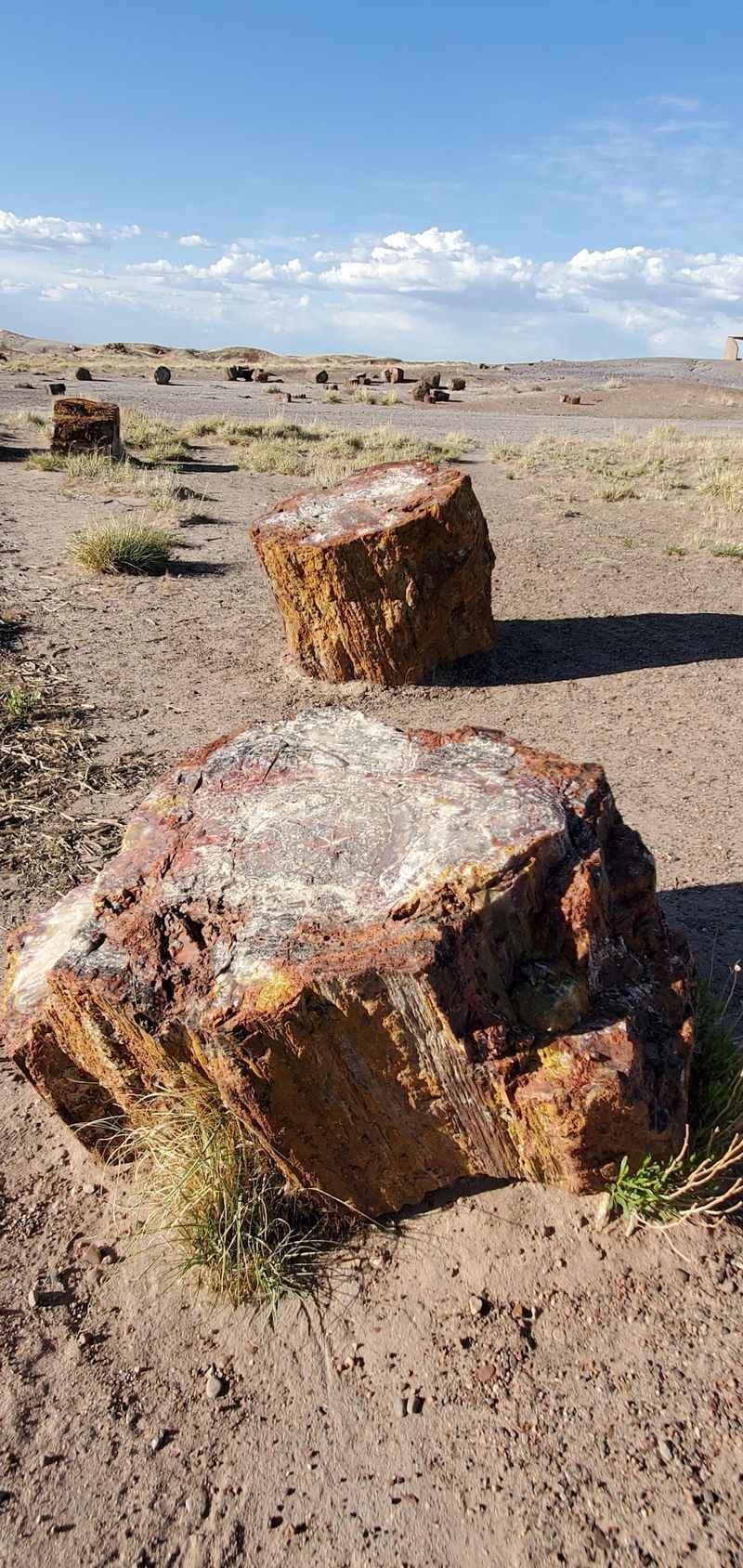
Summer in the high desert can feel like standing inside a toaster. Cooler months make this trip far more pleasant for walking among the logs.
October stands out as a prime month. The weather tends to be calm and comfortable, which makes longer hikes into the wilderness area a lot more fun.
November and December bring colder air but manageable daytime temperatures. Highs can reach the mid-to-upper 40s, so pack layers, gloves, and a warm hat.
Crowds also thin out a lot in winter. Nearby hotel rates may drop too, which leaves more room in the budget for souvenirs and snacks.
Plan around two holiday closures this year. The park shuts its gates on Thanksgiving Day, November 26, 2026, and on Christmas Day, December 25, 2026.
Snow and ice can sometimes delay the morning opening. Park road hours may change for safety reasons, so check conditions before you leave.
Normal hours run from 8 a.m. to 5 p.m. Mountain Standard Time. Arizona skips daylight saving time, so your watch won’t play tricks on you.
Short Trails Deliver Big Payoffs Without Wearing Out Your Legs
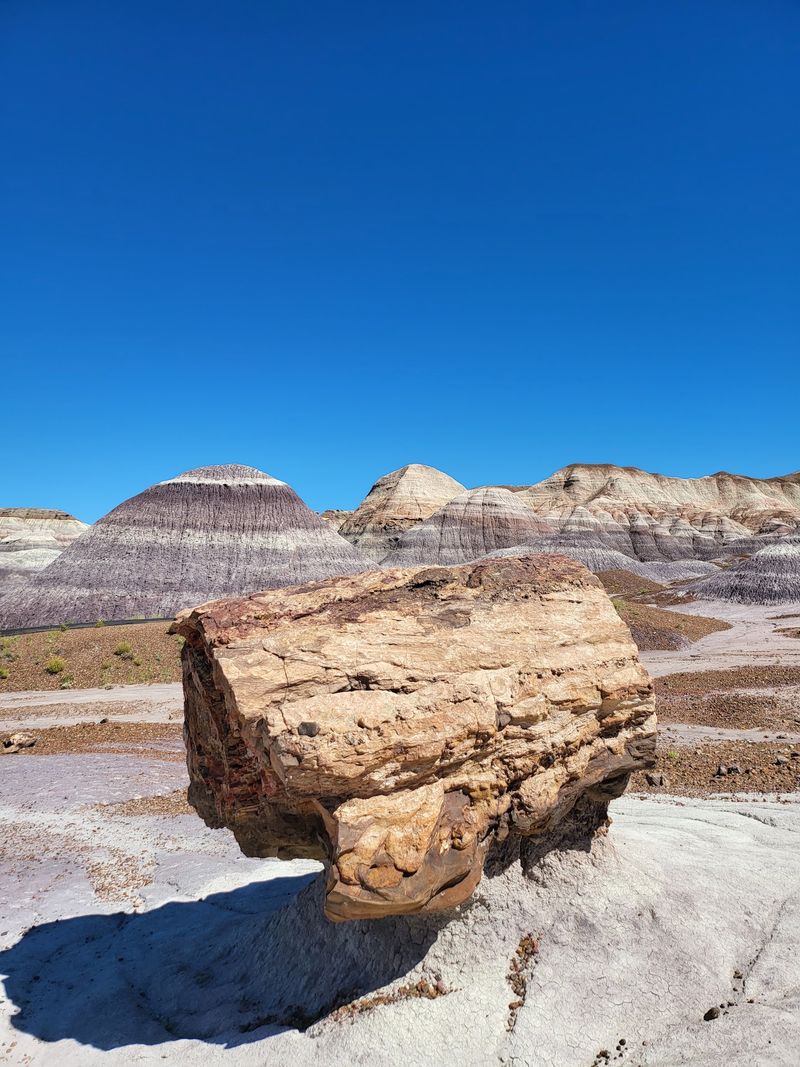
Good news for anyone who prefers a stroll over a sweaty climb. Most trails here are short and easy to reach right off the main road.
Crystal Forest Trail is a 0.75-mile loop packed with colorful logs. It’s a great pick if you want lots of petrified wood in very little time.
Blue Mesa Trail loops for just under a mile through bluish clay hills. Keep your eyes open, because plant and animal fossils sometimes appear along the way.
Giant Logs Trail is only 0.4 miles round trip. It features some of the largest logs in the park, including one called Old Faithful.
Old Faithful measures nearly 10 feet wide at its base. That’s wider than most cars, which is a fun fact to share with kids.
Craving more adventure? Longer routes like the Blue Forest Trail and the 7-mile Wilderness Loop take you farther from the parking lots.
Free backpacking permits are issued in person the same day at visitor centers. Grab one before 4:30 p.m., and bring a fuel stove, since fires aren’t allowed.
Ancient Neighbors Left Carvings And Even A House Made Of Stone Trees
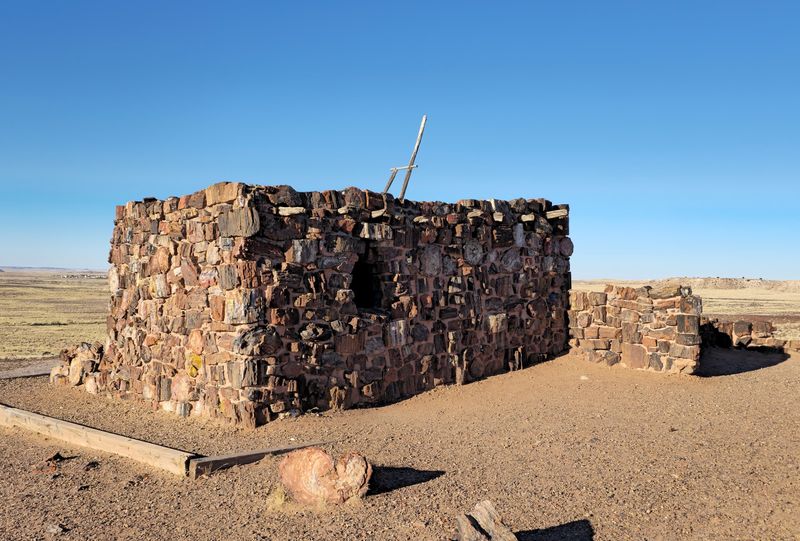
People have been calling this land home for about 13,000 years. The park protects many signs of those earlier communities.
Agate House is the showstopper. This small pueblo was built more than 900 years ago primarily from petrified wood, making it one of the most colorful homes ever.
Puerco Pueblo tells a bigger story. Remnants of masonry walls mark where a hundred-room pueblo once stood near the Puerco River.
Then there are the petroglyphs. These ancient carvings on rock can be spotted at Newspaper Rock and along several trails in the park.
Looking at them feels like reading notes left by neighbors from long ago. We may not know every meaning, but the care behind them is clear.
Treat these places with respect. Stay on marked paths and avoid touching walls or carvings, since oils from hands can cause damage.
Agate House sits along a trail near the Rainbow Forest Museum in the southern part of the park. Pair it with Giant Logs for an easy, history-rich morning in Arizona.
Get Your Kicks Beside A Rusty Studebaker On Old Route 66
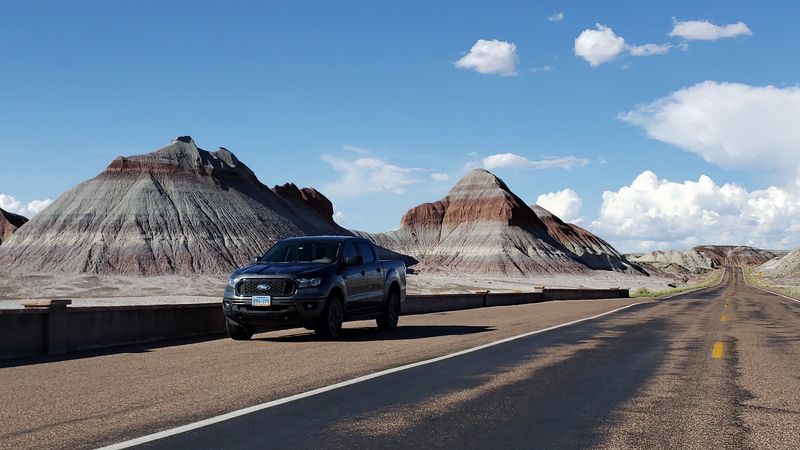
Here’s a trivia gem for your next road trip. Petrified Forest National Park is the only national park that contains a section of historic Route 66.
A rusty 1932 Studebaker marks the spot. It sits along the old road alignment, looking like it pulled over for a very long nap.
Kids usually find the car hilarious. Adults tend to get a little nostalgic about the golden age of road trips.
The Painted Desert Inn adds more Route 66 flavor. This restored National Historic Landmark once welcomed travelers along the famous highway.
Today, the inn serves as a visitor center in the north part of the park. It sits at Kachina Point, about 2 miles from the north entrance.
Inside, you’ll find visitor information, a museum, gallery space, a bookstore, and a gift shop. There’s even an ice cream parlor, which feels perfectly retro.
Step outside and the Painted Desert Rim Trail is right there. History, views, and a cold treat in one stop is a pretty strong combo.
Explore Prehistoric Fossils At The Southern Museum
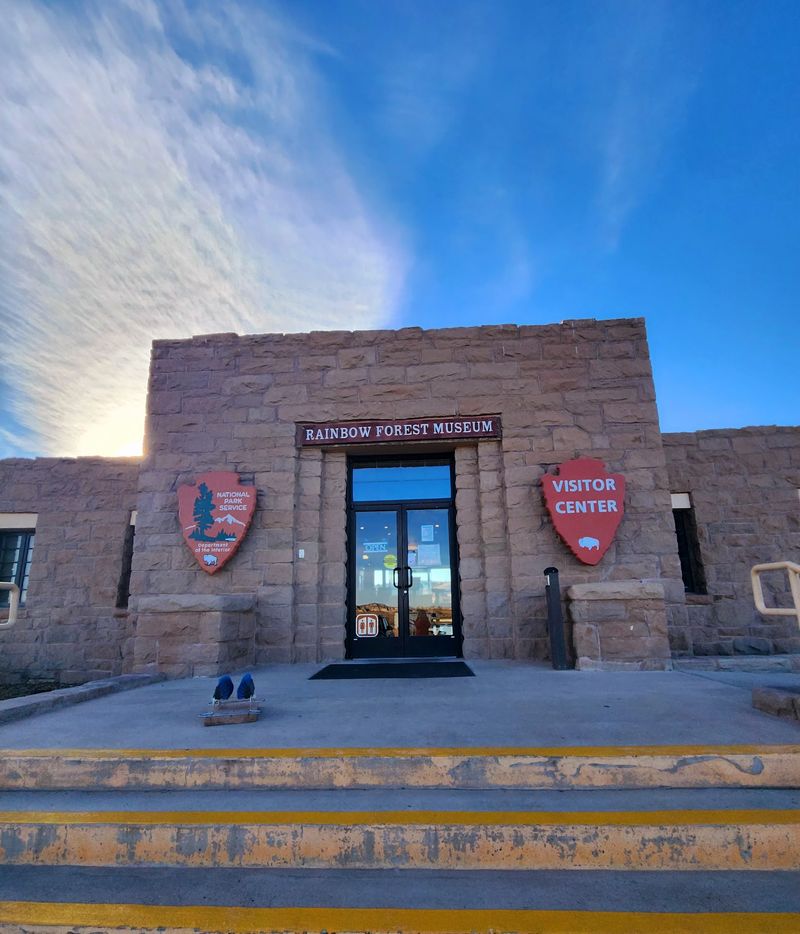
Fossil fans, this stop belongs at the top of your list. The Rainbow Forest Museum near the south entrance is packed with prehistoric surprises.
Exhibits feature skeletons of ancient animals that lived alongside the giant trees. They help you picture the swampy Triassic world that once covered this region.
Another notable feature is the Museum Demonstration Lab, although it is currently closed to visitors.
The park’s Museum Demonstration Lab offers opportunities to watch paleontologists prepare real fossils, but it is currently closed until 2027.
The Museum Demonstration Lab is currently closed until 2027, so visitors should check the park’s official website for reopening information.
Plan your south-end visit around the museum’s exhibits and nearby trails if science thrills you.
The museum also has visitor information, a bookstore, and a gift shop. Limited snacks are available too, which helps when hunger strikes mid-hike.
It’s a handy launch point for nearby trails. Giant Logs, Long Logs, and Agate House all start close by.
Families can easily spend a morning here without much driving. Learn inside, explore outside, then compare notes over a snack.
Cruise 28 Miles Of Scenery And Keep An Eye Out For Pronghorn
A single paved road ties the whole adventure together. It stretches 28 miles between I-40 and Highway 180, linking overlooks, trails, and historic sites.
Start at the north entrance from Exit 311 on I-40. The main address for planning is 1 Park Road, Petrified Forest, AZ 86028.
Coming from Holbrook instead? The south entrance sits along US Route 180, about 19 miles from town.
Download the audio tour before you go. It turns the drive into a rolling history and science lesson, no textbook required.
Wildlife adds extra fun to the ride. Coyotes, bobcats, pronghorn, horned lizards, and even tarantulas live here.
Bird lovers get a treat too. Nearly 260 bird species have been recorded in the park.
Dawn and dusk usually offer the best viewing. Drive slowly, keep binoculars handy, and let the animals cross first.
Driving straight through takes under an hour, but plan for a full day. With so many stops, Petrified Forest National Park rewards anyone willing to pull over often.