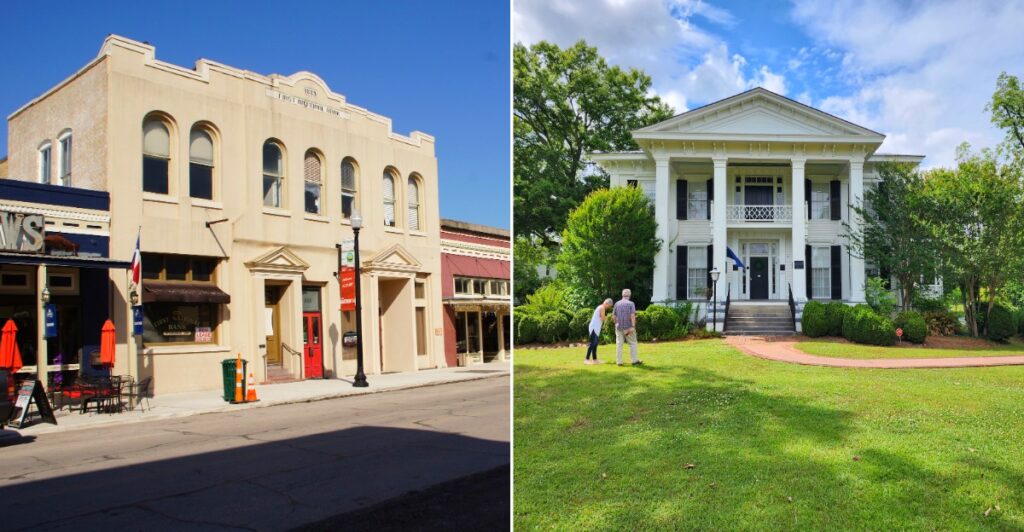
One Louisiana town earned its name by staying dry while Mississippi River floods swamped the land around it. That bold name was earned long before modern levees existed. Today, the bigger challenge is keeping people from leaving.
I find that twist fascinating. Another small town has a giant replica Indian mound greeting drivers at its entrance. A third keeps holding community events after hurricanes reshaped its streets several times over.
These places are getting smaller, but they are not empty. Old depots have become museums. A former Coca-Cola bottling plant now hosts weddings, and a 1927 high school became homes for seniors.
I love how small towns adapt when the crowds thin out. The courthouse squares, festivals, and river landings still tell stories worth hearing. So what does a main street look like when the town around it is quietly changing shape?
9. Waterproof
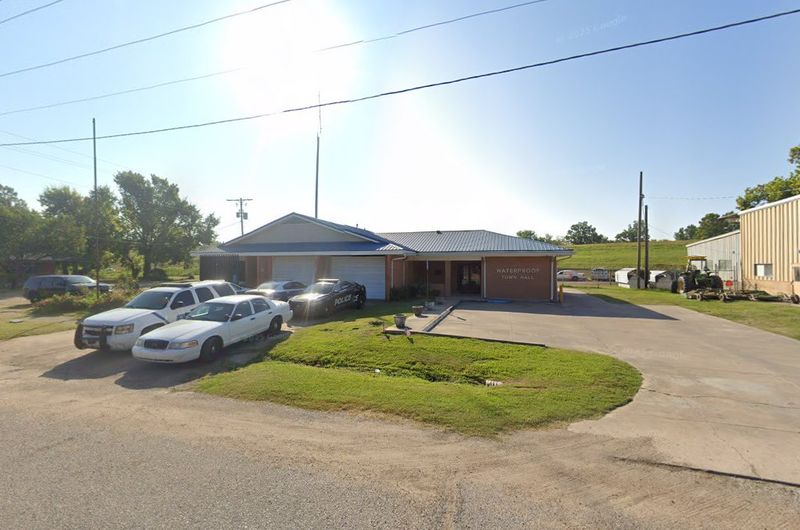
A town named Waterproof sounds like it should shrug off anything. Floods were the original test, and the name came from staying dry before the levee system arrived.
Population loss has proven a tougher opponent. This Tensas Parish village now counts only a few hundred residents, and estimates show the number sliding since 2020.
History runs deeper than you might guess for such a small spot. Waterproof was incorporated in 1872, and it saw fighting during the Civil War.
Union troops, backed by a gunboat, held the town against Confederate attacks. That’s a lot of drama for a place you can cross in a couple of minutes.
Some reminders of the past still stand along the landscape. The Burn, a Greek Revival plantation house from 1856, is listed on the National Register of Historic Places.
Don’t plan a tour, though, since it isn’t open to the public right now. Waterproof High School also made the National Register in 2002, and much of it now sits in ruins.
Life keeps moving on Highway 65, where Bubba’s Deli and Grocery serves sandwiches. Watch for its weekend brisket special if your timing lines up.
Poverty here is high, and jobs have been hard to hold onto. That reality shapes how the streets look and how quiet they feel.
Still, the name carries a kind of stubborn pride you have to admire. Louisiana towns rarely give up easily, and Waterproof seems determined to live up to its label.
Address: Waterproof, Tensas Parish, LA 71375
8. Jonesville
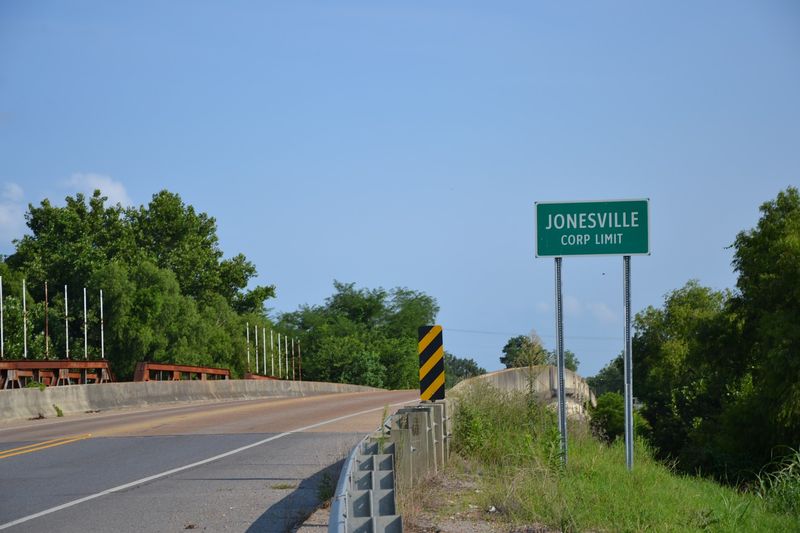
Few towns welcome you with a giant mound, but Jonesville does. The replica honors the Great Mound of the Troyville Earthworks, which once rose about 82 feet.
Much of the original was torn down in 1931 for bridge construction. Today the replica stands at the town’s entrance like a reminder of what was lost.
Water defines this Catahoula Parish town. Jonesville sits where the Ouachita, Tensas, and Little rivers meet, giving it the nickname Where Four Rivers Meet.
Yes, that’s three rivers making four. The Black River begins at the meeting point, so the math actually works.
All that water once made Jonesville a trade center. Later, a textile mill closed in the late 1980s, and the population began falling.
The town has lost close to 40 percent of its residents over about 25 years. That kind of drop changes how a downtown feels.
Still, people find reasons to gather. Jonesville RiverFest brings a Rotary car show and craft booths, and Jonesville Landing is the spot for boating and picnics.
Food options mix local and familiar. Mi Parilla Mexican Restaurant and Papa’s Pit BBQ give you choices beyond the drive-thru.
Here’s a fun reuse story too. The Post House, a former post office from around 1925, now works as a rental with exposed brick and hardwood floors.
Old buildings finding new jobs is a hopeful sign. Jonesville seems to know its rivers and history are still worth sharing.
Address: Jonesville, Catahoula Parish, LA 71343
7. Vivian
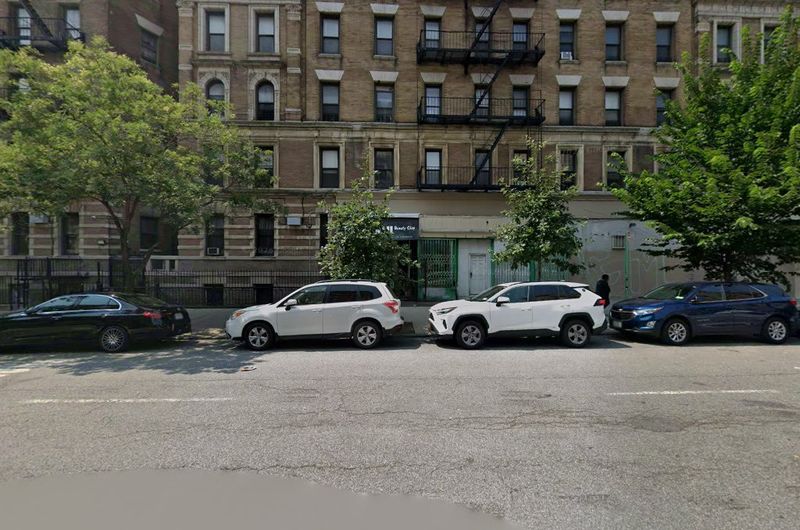
Trains built Vivian, and a train depot still tells its story. The Kansas City Southern Railway arrived in 1898, and timber and oil soon followed.
Those industries rose and fell, and so did the town. Vivian in Caddo Parish has lost more than a quarter of its residents since its 1990 peak.
The good news? Downtown still acts like the heart of the place.
The Vivian Railroad Station Museum sits inside the 1921 Kansas City Southern Depot. It’s on the National Register of Historic Places, and admission is free.
Inside, you’ll find railroad artifacts and local exhibits. It’s an easy stop if you want to understand why a town grew up right here.
Spring brings the Louisiana Redbud Festival in March. February has the Black History Festival and Parade, and December rolls out the Annual Christmas Festival.
That’s a strong calendar for a town under 3,000 people. Small numbers clearly don’t mean small effort.
Hungry travelers can head to Rascals Restaurant on West Louisiana Avenue for cheeseburgers. Save room, because its bread pudding is a known favorite.
Sam’s Southern Eatery serves fried chicken, and BOGA Coffee Co. on Georgia Avenue keeps the coffee flowing. New shops opening is always a hopeful sign.
Vivian sits way up in the northwest corner of Louisiana, close to Texas and Arkansas. It feels like a town fighting to keep its square full, one festival at a time.
Address: Vivian, Caddo Parish, LA 71082
6. Bastrop
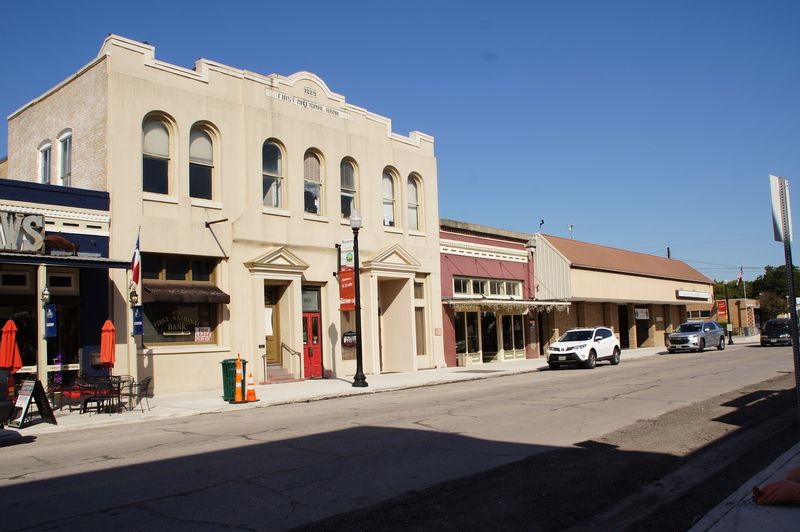
Bastrop once earned a spot on the National Trust for Historic Preservation’s Dozen Distinctive Destinations list. That’s quite a badge for a north Louisiana town of fewer than 10,000 people.
The population has fallen roughly 30 percent since 1990. Timber and manufacturing jobs faded, and many families followed work elsewhere.
Downtown, though, still has real anchors. The restored 1914 Morehouse Parish Courthouse stands at the center of the square.
Nearby, the Rose Theatre on East Jefferson Avenue started as a vaudeville and silent movie house. It reopened in 1986 as a stage theater.
Curious about the area’s deep past? The Snyder Museum and Art Center on East Madison shows local history and archaeological artifacts.
One of the cleverest changes involves the old Bastrop High School from 1927. The National Register building now holds affordable independent living for seniors.
Think about that for a second. Former students could, in theory, move back into their old school.
Street life picks up during Morehouse May Madness, an annual street festival. Monthly F.A.M.E. Days also bring people around the Courthouse Square.
For lunch, Paesano’s on South Washington Street serves pizza and Italian dishes. It’s right in the downtown core, so you can walk off the extra slice.
Bastrop shows how a shrinking town can reuse what it already has. Sometimes the smartest growth comes from saving the buildings you’ve got.
Address: Bastrop, Morehouse Parish, LA 71220
5. Bogalusa
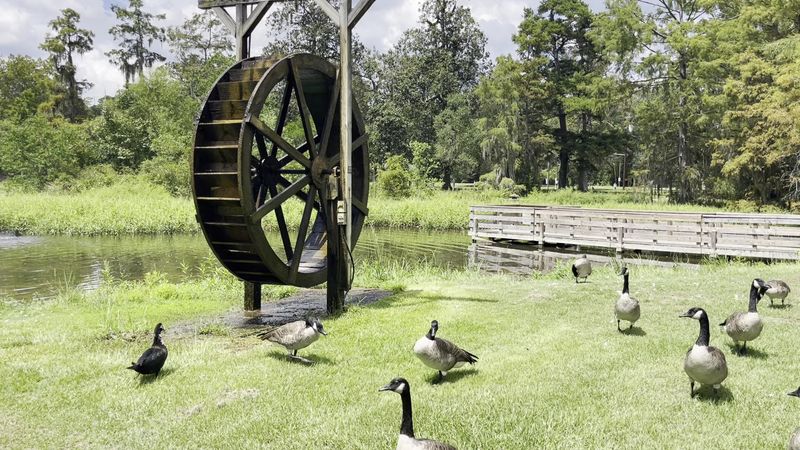
They called it the Magic City because Bogalusa seemed to appear overnight. The town was founded in 1906 around a massive sawmill.
Magic fades when industries shrink. Timber and paper jobs declined, and the population has dropped more than 20 percent since 1990.
Bogalusa’s history goes beyond wood and paper. The city also holds an important place in the civil rights movement.
City Hall on Arkansas Street joined the National Register of Historic Places in 1979. It still serves as the center of civic life.
Now for the best plot twist in town. A Coca-Cola bottling plant from around 1930 reopened in 2023 as The Coke Plant, a wedding and event venue.
It sits on Shenandoah Street after extensive renovations. Saying vows where soda bottles once rolled by is a pretty sweet story.
Downtown shopping includes Vintage Veranda on South Columbia Street for antiques. Bino’s Seafood Restaurant, also on Columbia, serves Gulf seafood.
Music fans should know about the Bogalusa Blues and Heritage Festival. It celebrates the area’s musical roots and draws people back to town.
Nature lovers have options too. Bogue Chitto State Park nearby offers canoeing and hiking trails.
Bogalusa may be smaller than it once was, but it keeps finding new uses for old spaces. That’s a skill plenty of bigger cities could learn from.
Address: Bogalusa, Washington Parish, LA 70427
4. Tallulah
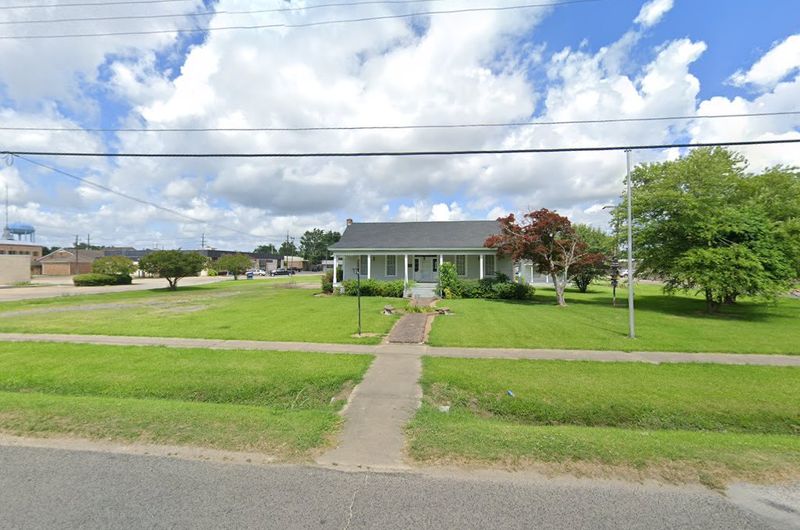
A teddy bear helped put this corner of Louisiana on the map. Tallulah’s Teddy’s Bear Fest nods to Theodore Roosevelt’s famous bear hunt in the nearby Tensas area.
That hunt is tied to the story of the teddy bear itself. Not bad bragging rights for a Delta town.
Tallulah, the seat of Madison Parish, was founded in 1857. Cotton and pecans once powered the local economy.
Farm machines and industry changes later cut the need for workers. The town has lost more than a third of its residents since 2000.
History lovers should head to the Hermione House Museum on North Mulberry Street. The Greek Revival home dates to around 1855 and has been carefully restored.
Inside are exhibits on Civil War artifacts, Native American relics, and parish history. There’s also a display about Madam C.J. Walker, the self-made millionaire born in the area.
Her story alone makes the stop worthwhile. She went from Delta roots to building a beauty business empire.
Planes fans get a treat too. The Southern Heritage Air Foundation Museum at the Vicksburg-Tallulah Regional Airport preserves World War II aviation history.
Hungry after all that? Farmer’s Club Café on Highway 65 South serves Southern comfort food.
Tallulah’s streets are quieter than they used to be. Yet the stories here are big enough to fill a much larger town.
Address: Tallulah, Madison Parish, LA 71282
3. Abbeville
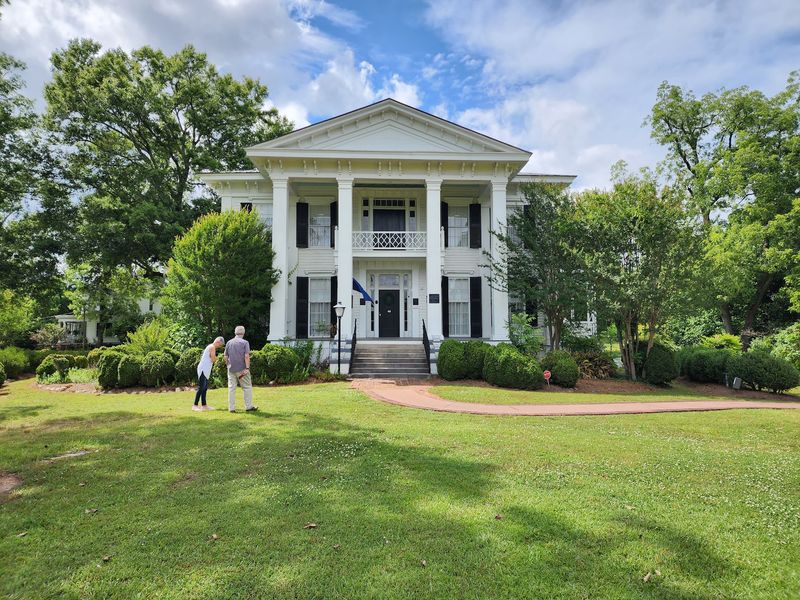
Thousands of eggs cracked into one giant pan? Abbeville does exactly that every November at its Giant Omelette Celebration on Magdalen Square.
It’s a tasty tradition with French roots. The festival shows off the town’s deep Cajun and French heritage.
Abbeville was founded in 1843 by French missionary Père Antoine Désiré Mégret. He planned it like a village back in France.
Magdalen Square still sits at the center, with a gazebo and fountain. St. Mary Magdalen Church rises beside it.
Even with that charm, the population is slipping. Abbeville has lost close to 20 percent of its residents since 2000, as younger people head to larger cities.
Culture keeps the square busy anyway. The Abbeville Cultural and Historical Museum and Art Gallery covers Acadian heritage and local art.
Theater fans can catch a show at the Abbey Players Theatre on South State Street. The community group has staged performances since 1976.
Seafood is a natural fit this close to the coast. Dupuy’s Seafood and Steak on South Main Street serves local catches.
The Vermilion River runs right through town too. Riverfront: A Louisiana Grill serves Louisiana dishes along the water.
Abbeville proves a smaller town can still throw a big party. Just bring a fork, because that omelette isn’t going to eat itself.
Address: Abbeville, Vermilion Parish, LA 70510
2. Maringouin
Naming your town after mosquitoes takes honesty. Maringouin means mosquito in Louisiana Creole, and anyone who’s spent a summer evening outside here understands.
The Iberville Parish town got its start in 1882 when the railroad arrived. Former plantations like West Oak shaped its early history, built on the labor of enslaved people.
Today, Maringouin is shrinking slowly but steadily. It had more than 1,200 residents in 2000, and now it’s well under 1,000.
Daily life centers on a few key stops. Bobben’s Supermarket on Landry Drive and Chris’ Pharmacy on Highway 22 keep basic needs close to home.
That matters a lot in a small community. Losing a grocery store or pharmacy can push more families to move away.
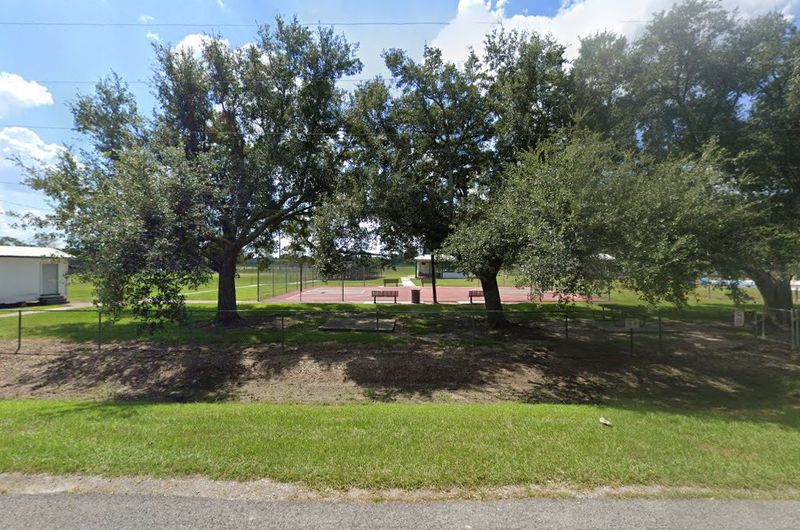
The Maringouin Town Park on Ventress Drive is a bright spot. It has a baseball field, basketball courts, playgrounds, and a splash pad.
Historic homes such as Tanglewild and Mound House still stand nearby. They’re privately owned, so admire them politely from the road.
Nature here is changing too. The nearby Maurepas Swamp Wildlife Management Area offers fishing, hunting, and wildlife viewing.
Yet the swamp faces sinking land and saltwater creeping in. Those shifts show how south Louisiana’s landscape is transforming alongside its towns.
Maringouin is small, but it hasn’t lost its sense of humor. Pack bug spray, and you’ll fit right in.
Address: Maringouin, Iberville Parish, LA 70757
1. Cameron
Hurricanes have rewritten Cameron’s map more than once. Audrey hit in 1957, followed by Rita in 2005, Ike in 2008, and Laura and Delta in 2020.
After so many storms, the population plunged. Many residents now drive about an hour for groceries or medical care.
Rebuilding isn’t simple either. Stricter building codes and rising insurance costs have made it tough for families to return.
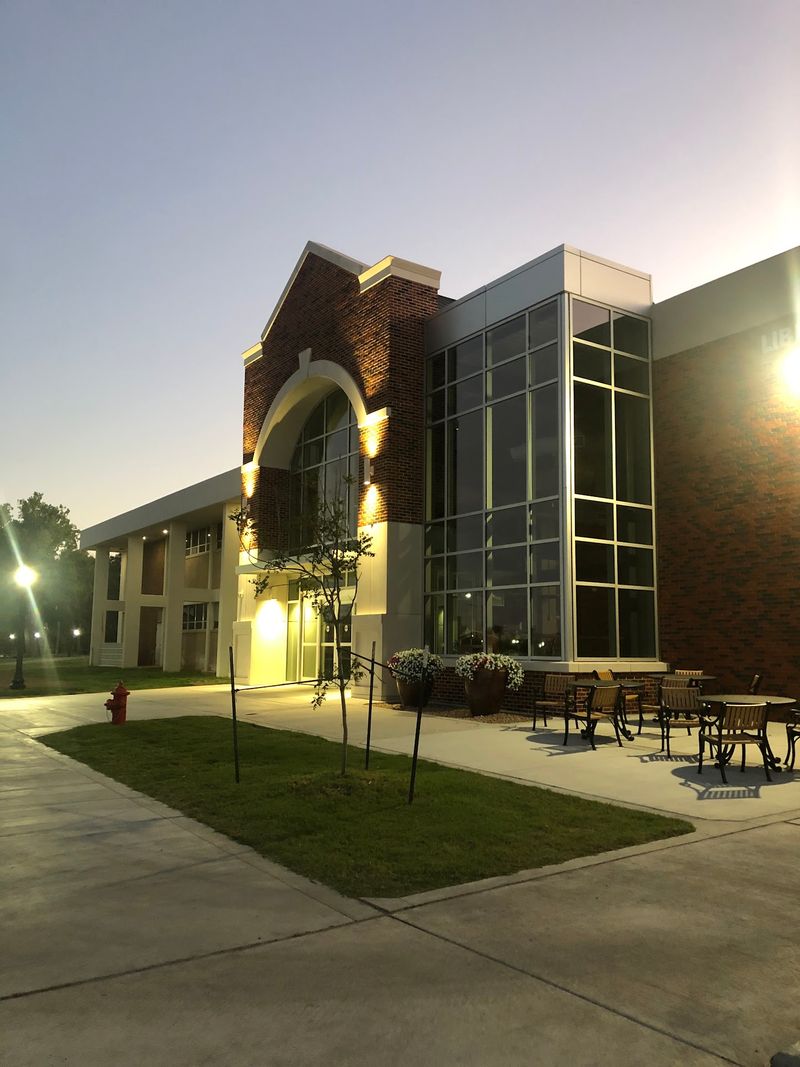
Through it all, one building keeps standing. The Cameron Parish Courthouse, an Art Deco structure from 1938, remains a symbol of the parish.
That’s a lot of storms for one courthouse to face down. It’s the kind of stubbornness you have to respect.
Fun fact: the town was originally called Leesburg. It later grew into a hub for oil production in the early 1900s.
Community spirit still shows up on the calendar. Events like Truck or Treat at the courthouse and a Catfish Courtbouillon Cook Off bring people together.
New investment is appearing too. Lighthouse Bend offers Louisiana food, a market, an RV resort, and a marina along the coast.
The whole area sits along the Creole Nature Trail All-American Road. Holly Beach, fishing spots, and wildlife viewing draw visitors to this wild stretch of Louisiana.
Cameron may never look like it once did. Still, people keep showing up, and that might be the most hopeful change of all.
Address: Cameron, Cameron Parish, LA 70631