A column of solid rock salt sits under one patch of south Louisiana, and it may plunge deeper than Mount Everest rises. Wait, what? A buried salt dome is holding up the scenery.
Over ages, that salt pushed the land upward into a rare green hill surrounded by flat marsh.
Today the same ground hosts nesting egrets, sunbathing alligators, and a centuries-old Buddha statue. It also helped launch one of the most famous pepper sauces on the planet.
I like how one strange rock formation shaped wildlife, gardens, and dinner tables all at once. I can’t imagine a better excuse for a road trip through Cajun country. Under the moss-draped oaks, even the dirt has a backstory.
So how does a giant underground block of salt end up growing a jungle?
A Spicy Family Legacy Grew Right Out Of This Salty Hill
Red peppers and rock salt make a pretty famous team. Edmund McIlhenny started making his Tabasco pepper sauce on Avery Island in 1868.
His recipe needed salt, and the island had plenty right underfoot. That local salt still plays a role in how the sauce gets made.
The McIlhenny family still owns the island today. That long family connection ties the sauce, the salt, and the gardens together in one tidy package.
Visitors can tour the nearby Tabasco experience, which covers the brand’s history and production. Jungle Gardens sits just down the road on the same island.
Here’s a helpful tip for planning. Some ticket options bundle the Tabasco tour with entry to the gardens, so check combo choices before you go.
That bundle makes a full day feel easy. Learn how the sauce comes together, then wander through the greenery the same family planted.
Honestly, few places let you connect a bottle on your kitchen table to the actual ground it came from. Louisiana pulls that trick off with style here.
Highway 329 Leads To The Salt-Dome Island
Avery Island lies south of New Iberia in Louisiana’s coastal marsh country. From U.S. Highway 90 near New Iberia, follow Louisiana Highway 329 south toward the island.
The unusual island rises above the surrounding flat wetlands, with Jungle Gardens and the TABASCO visitor attractions providing recognizable destinations. The great salt dome itself lies below ground and is not a surface landmark to navigate by.
Continue to the signed Jungle Gardens visitor entrance on Highway 329 and follow the ticketing instructions for the public garden route. This is a practical place to explore the island rather than attempting to enter private areas.
Meet The Garden One Plant-Obsessed Son Built From Scratch
Ned McIlhenny, son of the sauce founder, had a serious love for plants and wildlife. He shaped Jungle Gardens into the lush landscape that welcomes visitors today.
The gardens opened to the public in 1935. Nearly a century later, the grounds still carry his vision across roughly 170 acres.
He collected plants from far-off places and mixed them with native Louisiana growth. Camellias, azaleas, bamboo, and towering live oaks share the property.
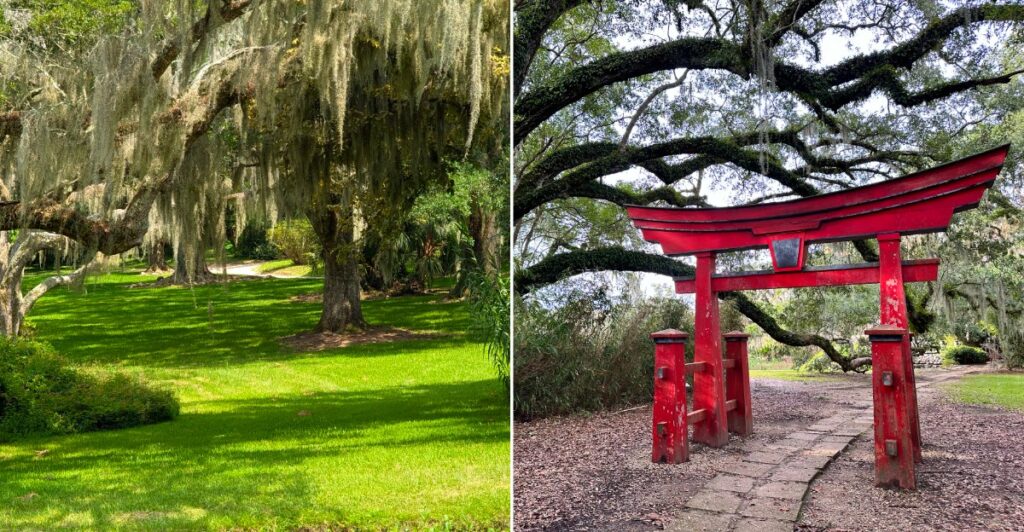
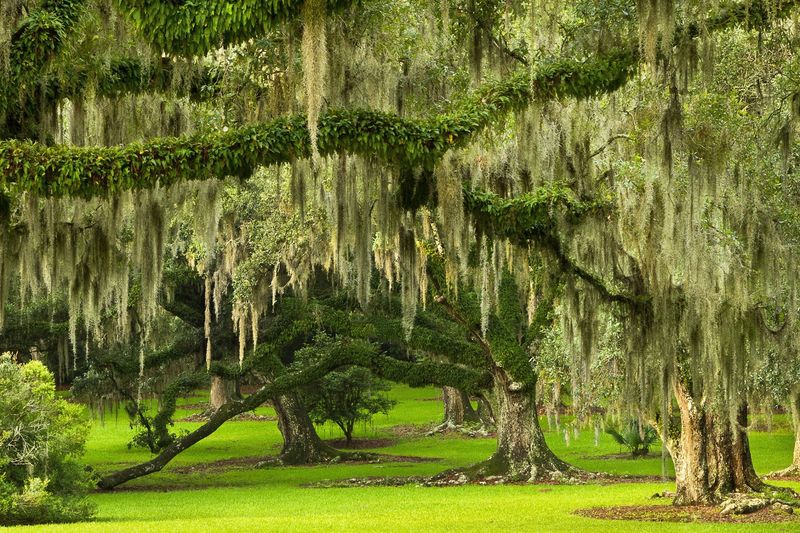
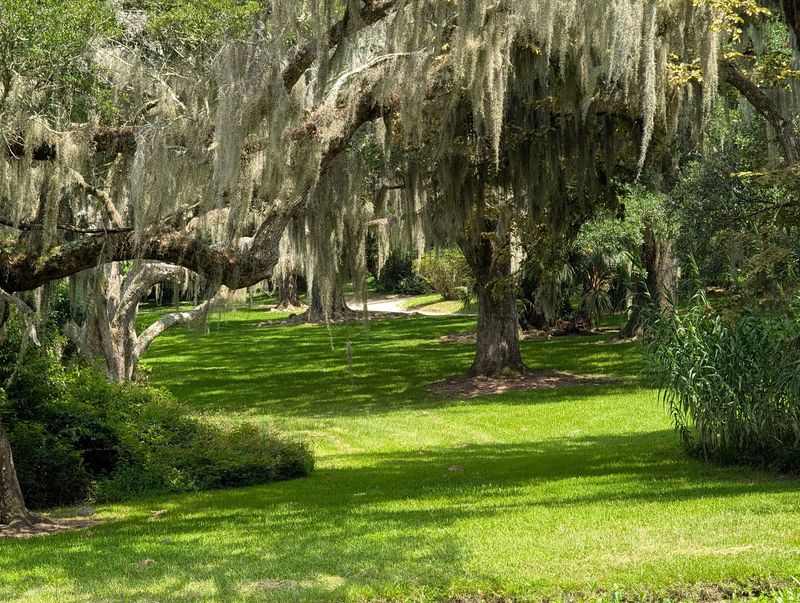
Spanish moss drapes from the old trees like gray party streamers. It gives the whole place a moody, storybook feel that photographs beautifully.
The visitor entrance sits along Louisiana Highway 329, Avery Island, Louisiana 70513. From there, a paved loop guides you through the property.
Hours run from 9 a.m. to 5 p.m. every day of the week. Arriving early gives you more time to explore without feeling rushed.
Bring water and comfy shoes, especially during the warmer months. South Louisiana humidity doesn’t care how excited you are about azaleas.
You Can Explore The Whole Loop Without Leaving Your Car
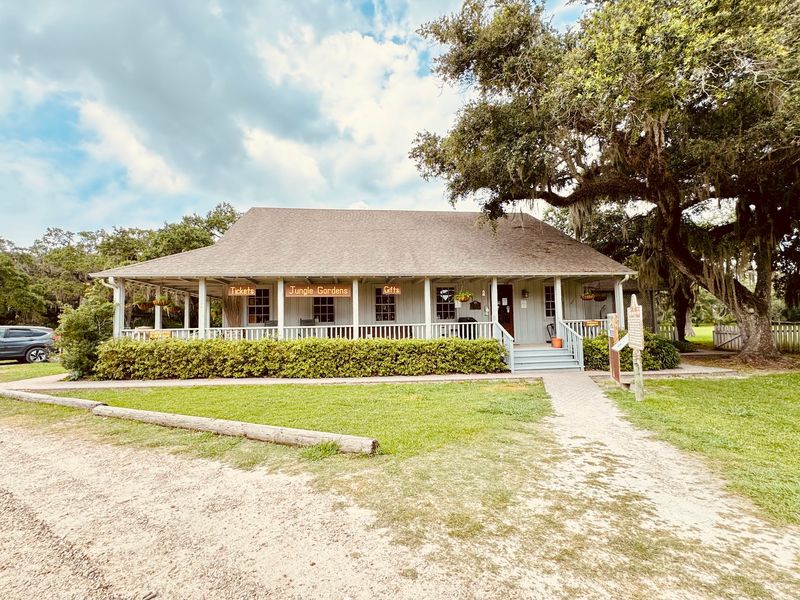
Lazy explorers, rejoice. Jungle Gardens offers a driving loop of about three miles, with marked stops along the way.
You can roll slowly from one highlight to the next. Pull over, hop out, snap photos, then climb back into the air conditioning.
Walkers can tackle the route on foot too. Plenty of trails branch off the main road toward ponds, lawns, and shady corners.
A map helps you follow the stops in order. An audio tour adds history and stories as you move through the gardens.
Keep your speed low and your eyes open. The roads can be narrow in spots, and wildlife sometimes shares the pavement.
Planning a mix works nicely for most groups. Drive between the far points, then walk the areas that need a closer look.
Families with little ones will appreciate that flexibility. Tired legs get a break, and nobody misses the good stuff.
Think of it as a safari with Southern charm. Just swap the jeep for your sedan and the lions for gators.
Thousands Of Egrets Owe Their Comeback To Bird City
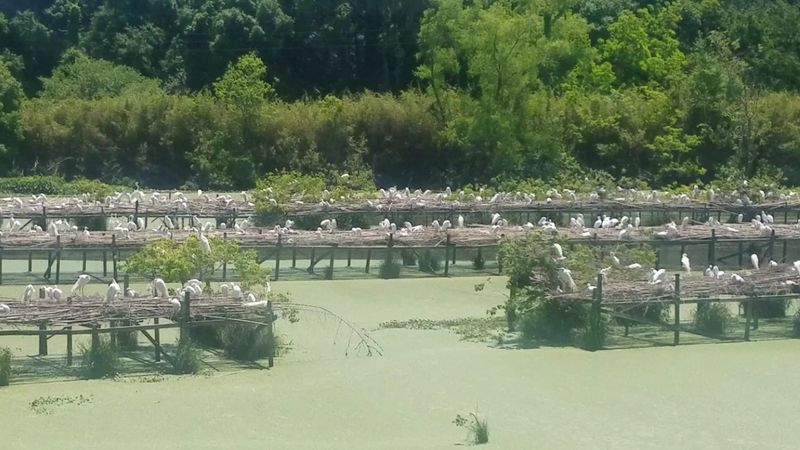
Back in the late 1800s, plume hunters nearly wiped out snowy egrets for fancy hat feathers. Ned McIlhenny decided to step in and help.
He raised a small group of young egrets on the island around 1895. When they flew south and came back, they brought more birds with them.
That effort grew into Bird City, a rookery inside Jungle Gardens. It’s one of the earliest bird conservation projects in the country.
Wooden platforms over the pond give the birds safe places to nest. In spring and early summer, the scene gets wonderfully busy.
Egrets fill the branches with white feathers and noisy chatter. Herons and other waterbirds often join the gathering too.
Bring binoculars for a closer view of nests and chicks. A zoom lens on your camera works nicely as well.
Bird City sits a short walk from the road. Park your car, stretch your legs, and follow the path to the viewing area.
It’s quietly inspiring to see what one stubborn bird lover started. The egrets clearly appreciate the effort.
Keep Your Eyes On The Water, Because Gators Live Here
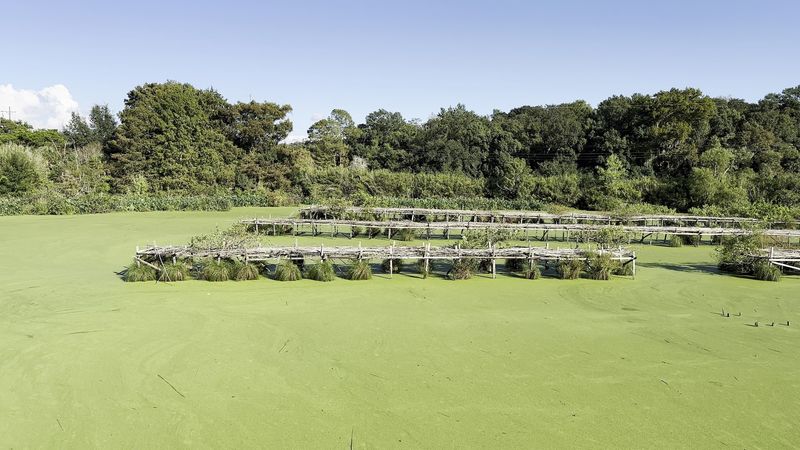
Plenty of folks show up for flowers and leave talking about alligators. Wild gators live throughout the ponds and lagoons of Jungle Gardens.
They aren’t kept in pens or put on display. You’re simply visiting their neighborhood, so polite behavior matters.
Look along muddy banks and still water for a lumpy log with eyes. Sunny days often bring them out to warm up.
Turtles also bask on logs around the ponds. Rabbits, squirrels, and wading birds round out the wildlife roster.
Here’s the big rule: never feed the alligators. Signs across the property say it clearly, and it keeps both people and animals safer.
Give every gator plenty of space too. A good zoom lens beats getting close for a selfie every single time.
Kids usually treat a gator sighting like spotting a celebrity. Turn it into a friendly game and count how many you find.
Just remember who has the bigger teeth. Respect wins the day out here.
An Ancient Buddha Rests Peacefully Among The Camellias
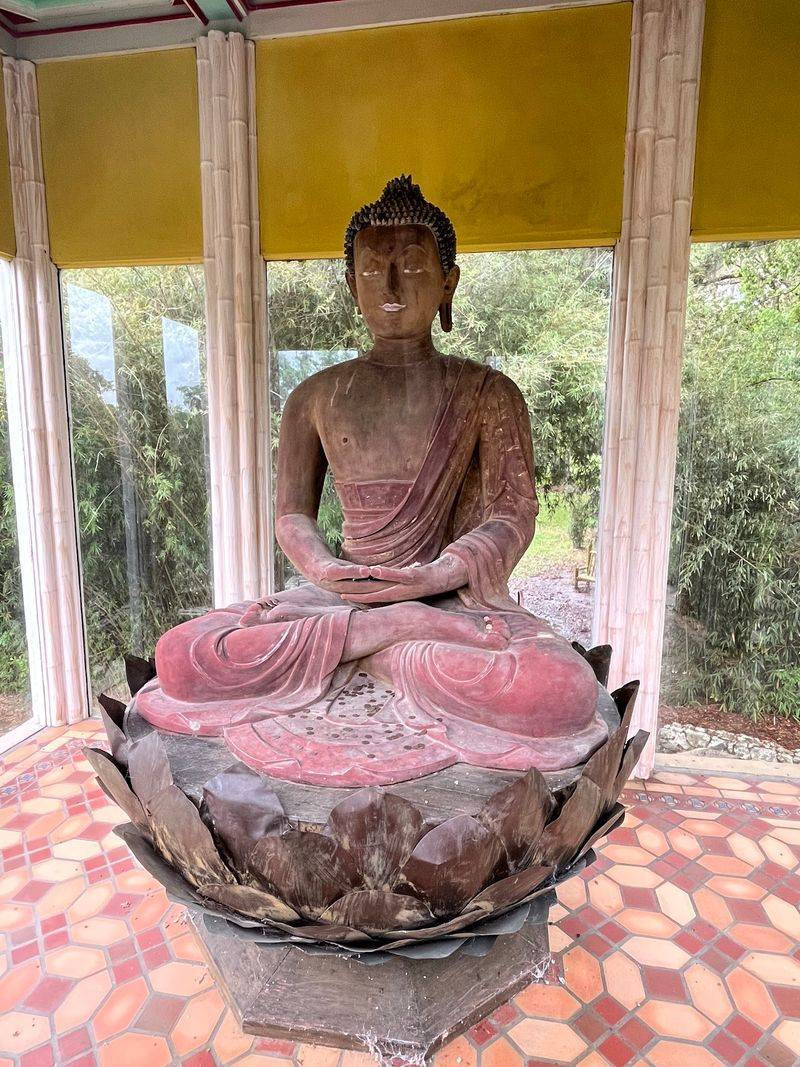
Few things surprise people in a Louisiana swamp like a Buddha statue. Jungle Gardens has one, and it’s considered very old.
The statue came to Ned McIlhenny in the 1930s. Friends gave him the gift, and he built a special spot for it in the gardens.
Today it sits in a sheltered pavilion overlooking a peaceful lagoon. Camellias and other plantings frame the area with soft color.
The setting feels calm and thoughtful. It’s a natural place to slow down, breathe, and simply look around.
Reaching the Buddha requires a short walk from the road. Park nearby and follow the path to the viewing area.
Photographers love this stop for good reason. The reflections, greenery, and statue create a frame-worthy scene without much effort.
Please keep voices low and hands off the statue. It’s a treasured piece of history, and respect keeps it beautiful for future visitors.
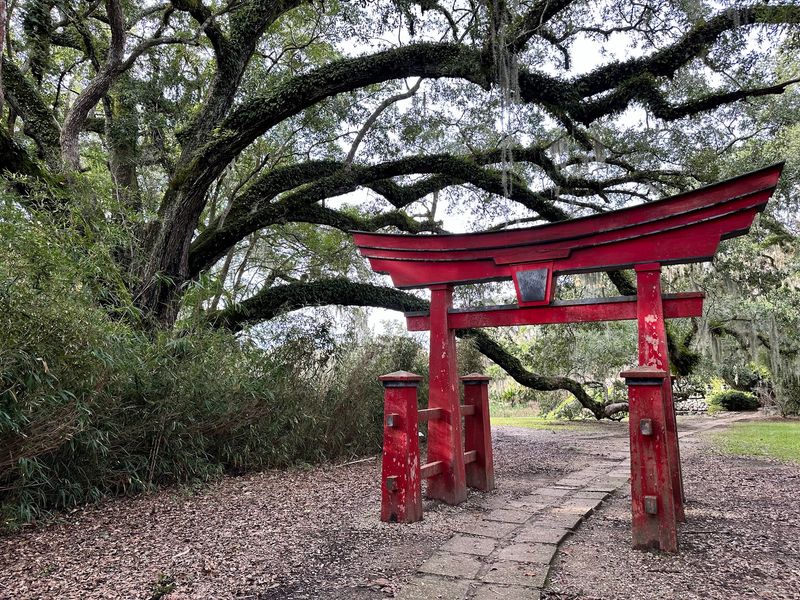
Honestly, the contrast is delightful. Asian art, Southern oaks, and maybe a passing egret, all in one quiet corner.
Bloom Season Turns The Paths Into A Pink And Red Parade
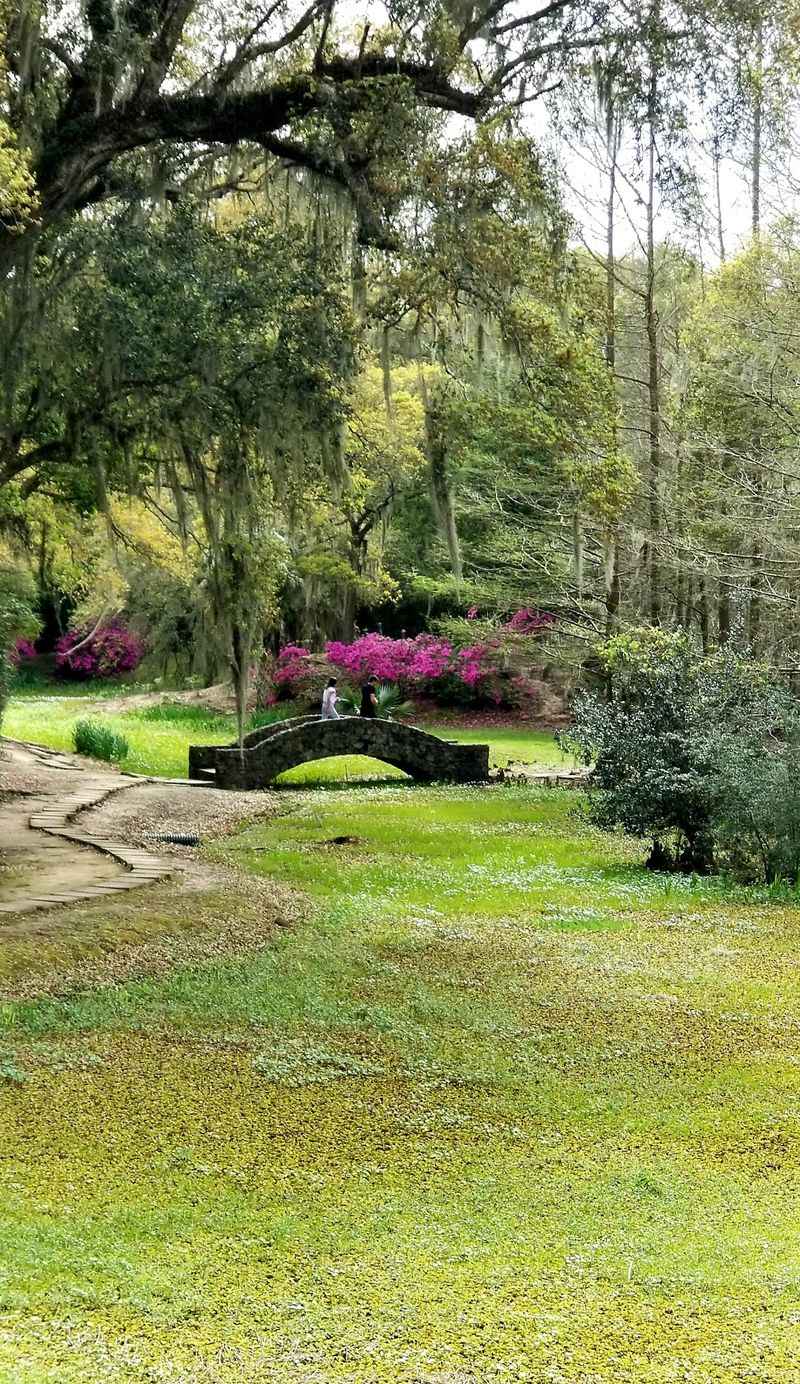
Winter visitors get a colorful bonus here. Camellias bloom during the cooler months, adding pinks, reds, and whites to the green scenery.
Ned McIlhenny loved camellias and planted many varieties. Those blossoms remain a signature part of Jungle Gardens.
Spring brings the azaleas into the spotlight. Bright clusters of color line paths and lawns under the giant oaks.
That season also matches up with busy nesting at Bird City. Flowers and feathers make for a pretty great combo.
Summer stays lush and green, though the heat gets serious. Plan early morning visits and pack plenty of water.
Bamboo groves add another texture worth seeing. Their tall stalks rustle overhead and make the paths feel like a different world.
Open lawns give space for family photos and a little running around. Graduation and engagement photos happen here for obvious reasons.
No matter the month, something usually looks good. The gardens just change outfits with the seasons.
Plan A Smart Trip So Nothing Salty Catches You Off Guard
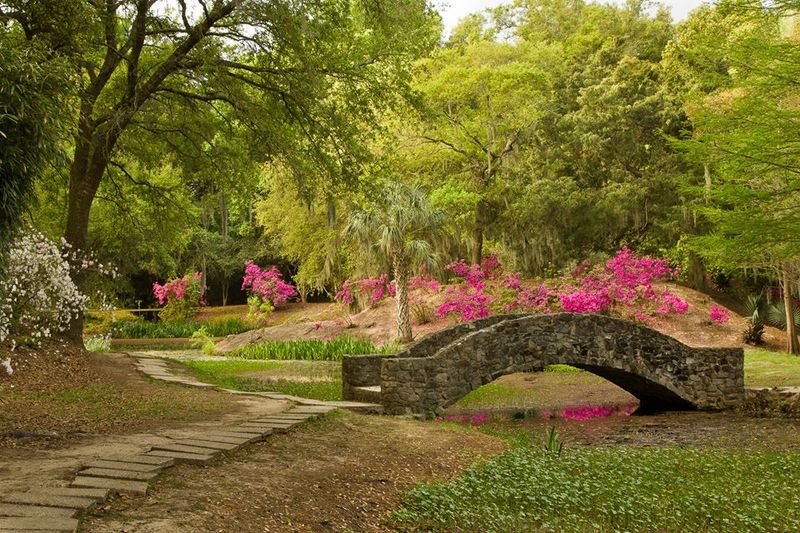
A little planning makes a visit to Avery Island much smoother. Start by giving yourself at least two hours for Jungle Gardens alone.
Nature fans who walk every trail may want even more time. The grounds reward people who slow down.
A gift shop and restrooms sit near the start. A picnic area also makes a nice spot to refuel before or after the loop.
Pack snacks, water, sunscreen, and bug spray. South Louisiana weather can get steamy, and mosquitoes love a crowd of one.
Drive carefully along the narrow roads inside the gardens. Some spots have uneven pavement, so take your time behind the wheel.
If you’re pairing the trip with the Tabasco tour, check closing times for each spot. Then build your day around them.
The nearby town of New Iberia offers more history and food stops. That makes this island an easy add-on to a bigger Cajun country road trip.
Leave with good photos and maybe a bottle of hot sauce. The salt dome stays behind, holding everything up.