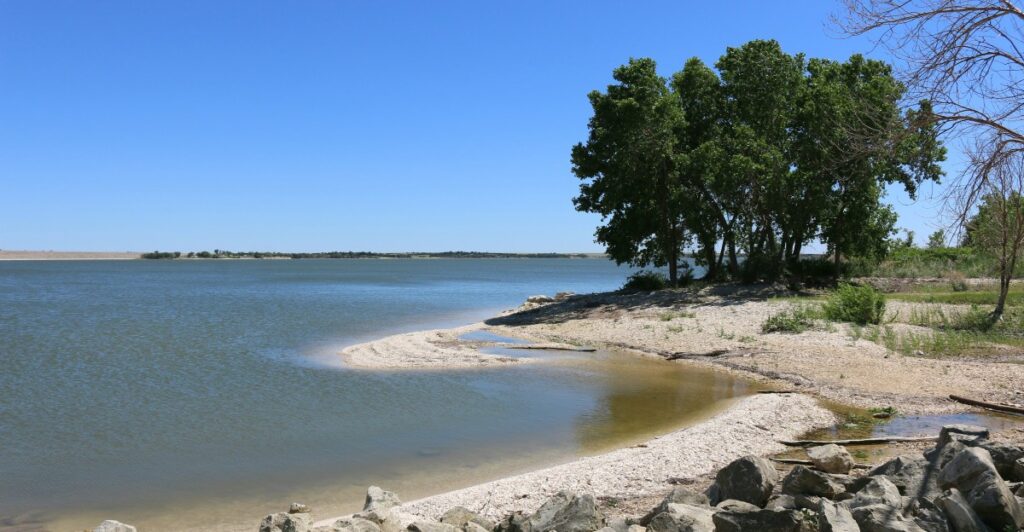
Fossils from an ancient sea dot the rock formations around a clear prairie lake. Yes, sea fossils, in the middle of the plains.
That same lake has sandy swimming beaches, rocky stretches of shoreline, and eagles stopping by during migration.
The rocks around it can hold crinoids, corals, and tiny shells from a sea that vanished long ago.
Kansas rarely gets credit for beach days, but this spot quietly makes a strong case.
I like how a simple walk along the water can turn into a puzzle. Every stone could be a clue about what lived here first.
I believe the best adventures feel a little unexpected. A sandbox, a fossil hunt, and a fishing trip all in one place?
That sounds like a weekend worth planning.
An Ancient Sea Left Treasure Along This Prairie Shoreline
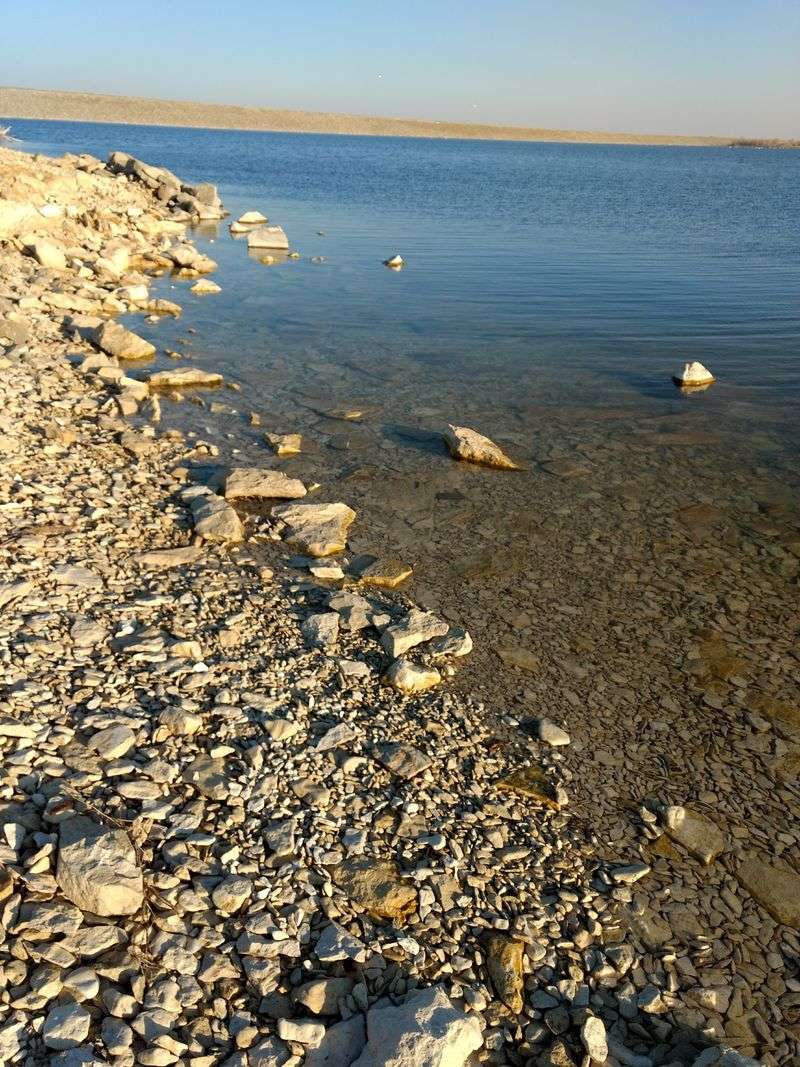
Long before anyone cast a fishing line here, warm seas covered this part of the country.
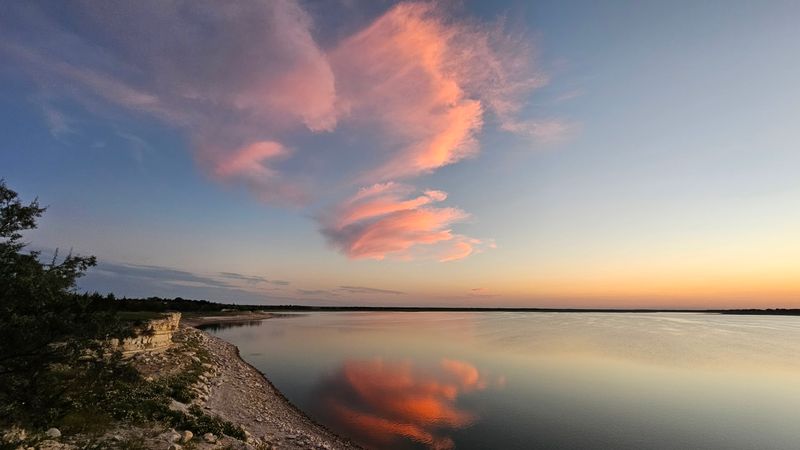
Webster State Park sits in the High Plains region, where those old seas left their mark in stone.
Fossils dot the rock formations around the lake. That turns an ordinary shoreline stroll into something closer to a treasure map.
Common Kansas finds include crinoids, corals, brachiopods, and snails. Crinoid stem fossils often show up as small, round pieces that look like tiny stacked buttons.
Brachiopods look a bit like clams, with ribbed, fan-shaped shells. Spotting one feels like catching a creature in a very, very long nap.
Western Kansas can also yield quartz-family minerals like agates and petrified wood. Keep your eyes moving and your expectations playful.
Rules matter here. Kansas state park regulations prohibit removing geological formations without authorization, so don’t collect rocks or fossils unless park officials expressly permit it.
A quick question at the park office can help you understand the rules. Photography is a simple way to document interesting finds without disturbing them.
Honestly, a great photo of a fossil might be the better souvenir. You get the memory, and the next explorer gets the thrill.
Sandy Beaches Make A Surprising Case For Kansas Beach Days
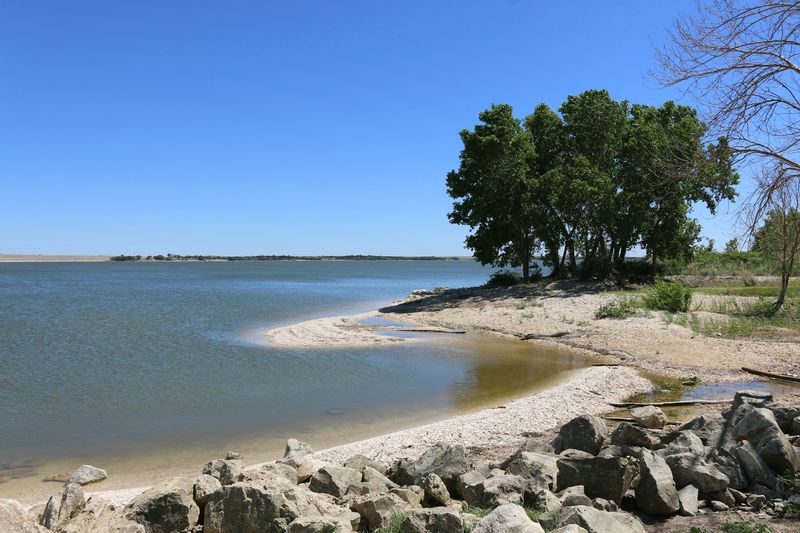
Sand between your toes in western Kansas sounds like a mix-up.
At Webster State Park, it’s simply part of the plan.
The park has designated swimming beaches along Webster Reservoir. At its normal conservation level, the lake covers roughly 3,700 acres, so there’s plenty of water to admire.
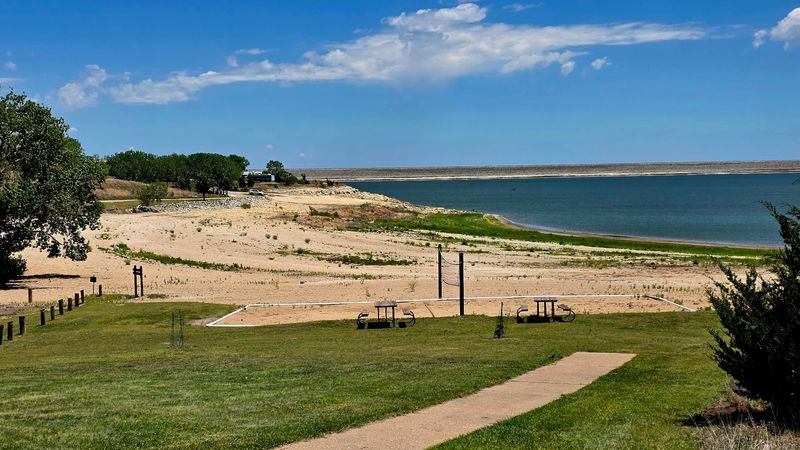
One important detail for visitors: water levels have been unusually low.
Kansas wildlife officials reported the reservoir approximately 26 feet below its normal conservation level in 2026, which can affect shoreline access and water activities.
Beach time can also double as rock-hunting inspiration. Sandy stretches give way to rocky shoreline in some areas, and that’s where the fun starts.
Kids can build sandcastles where beach conditions permit, then look for interesting rock patterns and fossils nearby.
Few beach outings offer a science lesson within walking distance of the towel. Bring water shoes if you plan to explore the rocky edges.
Rough stones and bare feet rarely make good friends. Be cautious around exposed mud, which can be soft and unstable.
Check current water levels, swimming access, and water-quality advisories before you go.
Kansas lakes sometimes post harmful algae warnings, and low water can affect access even when no algae advisory is in place.
A quick check with the state park office keeps your day on track. If swimming isn’t practical, shoreline walks and nature trails still offer plenty to explore.
Pack sunscreen, snacks, and a camera for recording interesting finds. Leave rocks and fossils in place unless you have permission to collect them.
Turn Your Rock Finds Into Art Without Taking Them Home
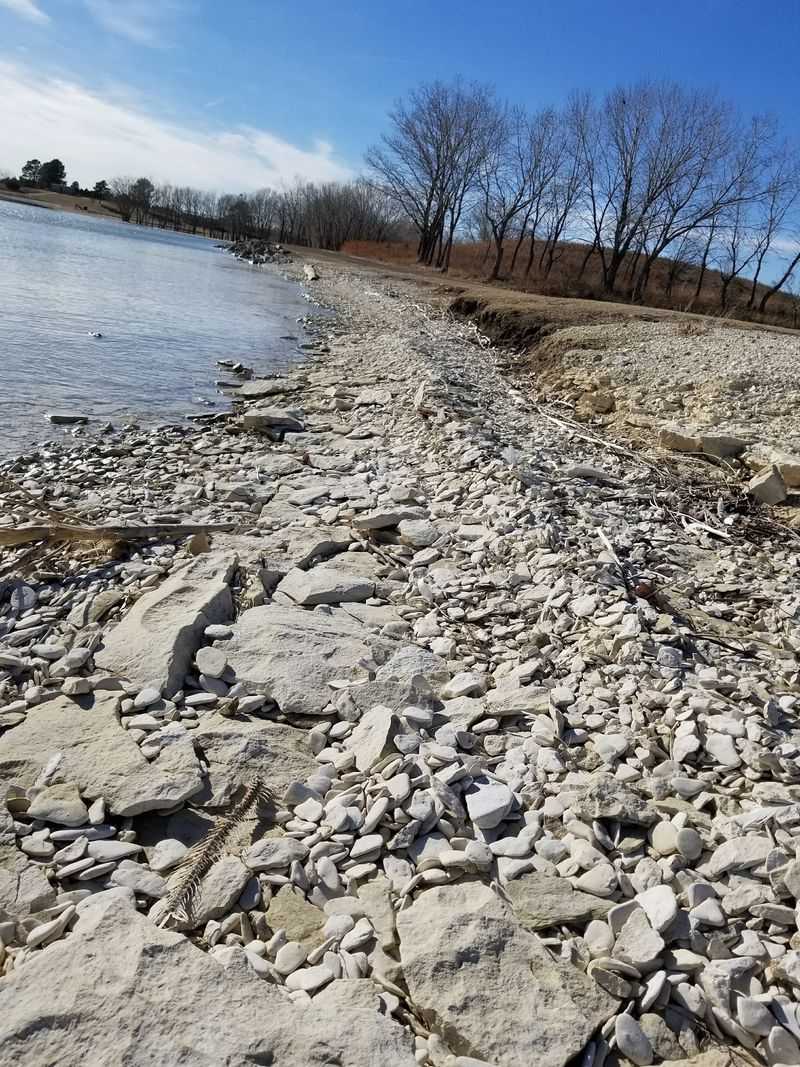
Creativity starts the moment you stop seeing rocks as just rocks. Webster State Park gives you plenty of material to play with.
Try a shoreline scavenger hunt with a simple list. Look for something striped, something round, something that might be a fossil, and something oddly shaped.
Sketching is another great option. A small notebook and pencil let kids draw the crinoids and shells they spot.
Photography works beautifully too. Line up interesting stones on the sand, snap a picture, then return them to where they belong.
Rock rubbings add a crafty twist. Lay thin paper over a fossil surface and gently rub with a crayon to capture the pattern.
Families can also make a rock journal with dates, spots, and guesses about each find. Later, a library book or museum website can help identify them.
This approach keeps the park’s natural story in place for others. It also follows the smart rule of checking with staff before collecting anything.
The best part? Nobody needs fancy gear.
A curious mind, a pencil, and a sunny shoreline cover almost everything you need for an afternoon of art.
Follow 33 Little Stops Along The Coyote Trail
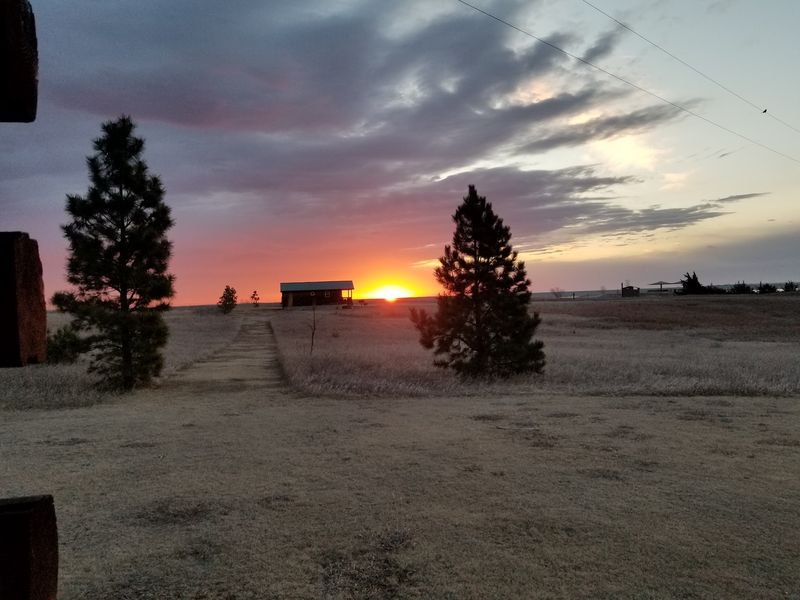
Thirty-three interpretive stations sit along one three-mile path.
That’s a lot of learning packed into a pleasant prairie walk.
The Coyote Trail at Webster State Park works for both hiking and biking. It gives rock hunters a break from the shoreline while still keeping nature front and center.
Each station adds a small piece of the bigger picture. Think of it as a field trip where nobody hands out a quiz at the end.
The trail winds through rolling prairie terrain under wide-open skies. Wildflowers add color depending on the season.
Families with younger kids can turn each stop into a mini challenge. Who can find the next marker first?
Bring plenty of water, because prairie sun doesn’t mess around. A hat and sturdy shoes make the walk much more comfortable.
Bikers should watch for hikers and take corners with care. Shared trails stay fun when everyone gives a little room.
Three miles feels manageable for most active families. Still, nobody says you have to finish it in one go, and snack breaks absolutely count as part of the adventure.
Bald Eagles And Golden Eagles Might Steal Your Attention
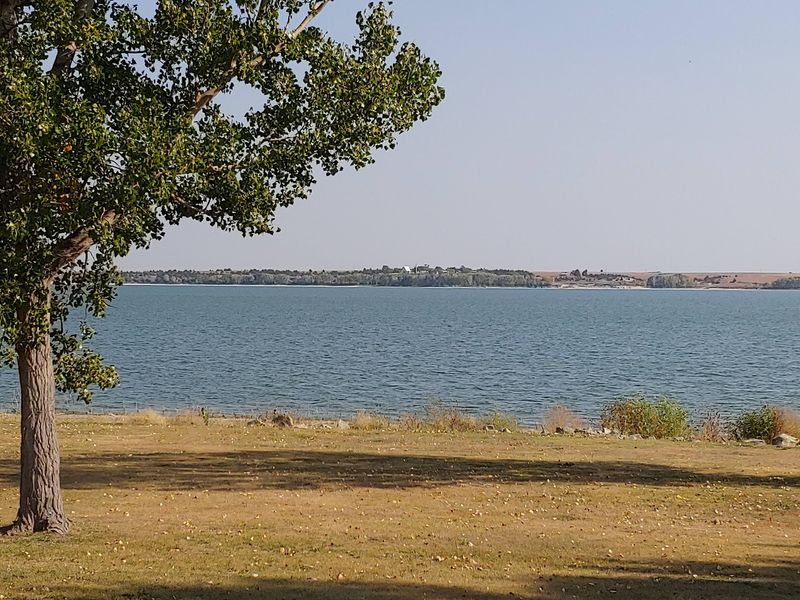
Keep one eye on the rocks and one eye on the sky.
Webster Reservoir serves as a stopover for migrating birds, including Bald Eagles and Golden Eagles.
That’s a pretty impressive guest list for a prairie lake. Migratory waterfowl and shorebirds also pass through the area.
On land, deer, turkeys, quail, and pheasants make their home around the park. Wildflowers fill in the scenery during warmer months.
Wildlife watching pairs nicely with rock hunting. Both reward patience, quiet steps, and sharp eyes.
Binoculars are worth packing, even for beginners. A simple pair can turn a distant dot into a stunning eagle.
Early mornings and evenings tend to be calmer times for watching animals. Give every creature plenty of space, especially nesting birds.
Kids might enjoy keeping a wildlife tally alongside their rock journal. Fossils on one page, feathers and hoofprints on the next.
Kansas often surprises people with how much life thrives on its plains. Around this lake, the show runs all year long with a changing cast.
Just remember that eagles don’t take requests. Showing up is your part, and luck handles the rest.
Pickleball Fans Get Bragging Rights Here
Here’s a fun bit of trivia to share at the campfire.
Webster State Park is the only Kansas state park with a pickleball court.
That makes it a quirky stop for paddle lovers. You can hunt rocks in the morning and rally in the afternoon.
The fun doesn’t stop there. The park also has a disc golf course, a sand volleyball court, and horseshoes.
Playgrounds give little ones their own space to burn off energy. Picnic areas with shelters make lunch breaks easy and shady.
This mix works well for groups with different interests. One person hunts fossils while another tries to beat the family disc golf record.
Bring your own gear for the games, since you’ll want to be ready. Paddles, discs, and a volleyball take up little space in the trunk.
Western Kansas wind can add a wild twist to any game. A disc might drift, and a pickleball might wander, but laughs usually follow.
After a match, the shoreline waits nearby. Cooling off with a slow rock walk feels like the perfect way to wind down from all that friendly competition.
Pick Your Campground And Stay For The Stars
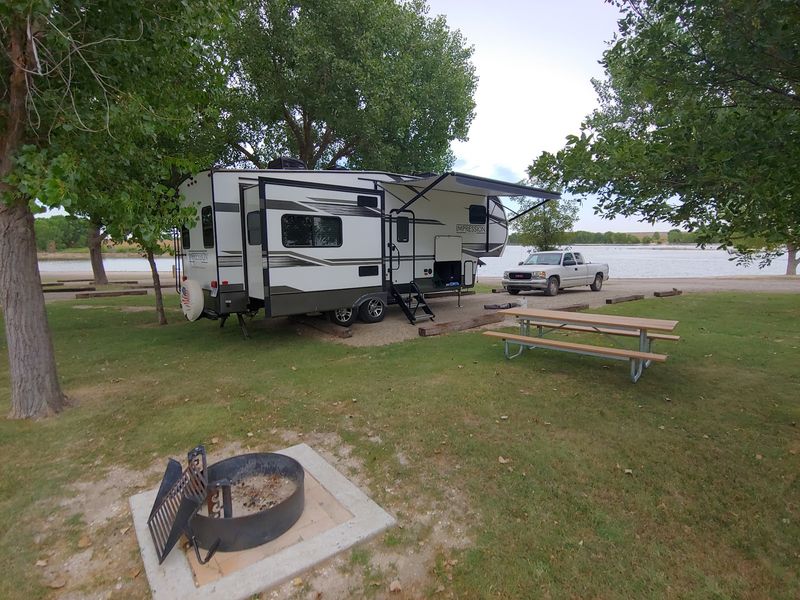
Eagles Landing, Old Marina, Hill Top, Lakeview, and Rock Point.
Those campground names alone sound like chapters in an adventure book. Webster State Park offers around 200 campsites across several campgrounds.
Choices range from primitive tent spots to electric and water sites and full-hookup RV spaces.
Shower facilities and a dump station help longer stays run smoothly. Some campgrounds have more shade than others, so plan with summer heat in mind.
Prefer walls and a roof? Two modern rental cabins offer views of the lake.
Staying overnight gives rock hunters a major advantage. You can explore the shoreline at sunrise when the light makes textures pop.
Once darkness falls, look up. Stargazing is a popular activity here, thanks to the wide, open prairie skies.
A blanket and a star chart app can turn evening into a cosmic show. Kids might even spot a satellite gliding past.
Reservations are smart during busy summer weekends and holidays. Booking ahead means less guessing and more time enjoying the view from your campsite.
Anglers Have Plenty To Smile About On This Reservoir
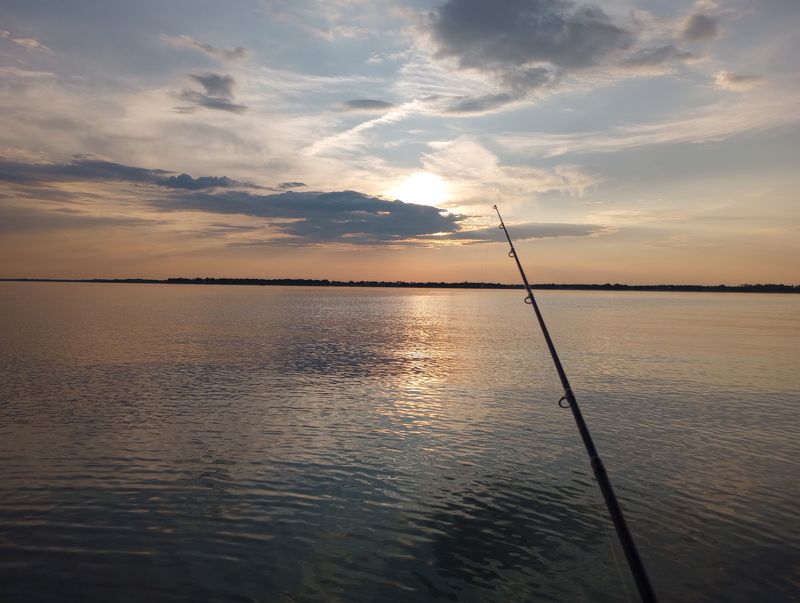
Walleye, crappie, white bass, channel catfish, and wipers all swim in Webster Reservoir. That’s a solid lineup for anyone with a tackle box.
Boat access requires some planning because water levels have been unusually low.
Kansas wildlife officials reported in May 2026 that several ramps, including Old Marina, Morel, Goose Flats, and Lakeview, were unusable. The south ramp at Rock Point remained available.
Check the latest ramp conditions before bringing a boat. A fish cleaning station is available, and bank fishing is another option for anglers who want to combine fishing with shoreline exploring.
The lake also offers boating, water skiing, and windsurfing when conditions permit.
Western Kansas breezes give windsurfers plenty to work with, although shallow water and submerged hazards require caution.
Fishing and rock hunting actually pair nicely. While you wait for a bite, scan the rocks around you for fossil shapes.
Make sure your Kansas fishing license is current before you cast. Rules and limits can change, so a quick check keeps things simple.
Life jackets matter on the water for every age. Wind can pick up fast on open prairie lakes, and low water levels can create additional navigation hazards.
Patience pays off with both hobbies. A quiet spot, a sandwich, and a little luck can make any afternoon feel successful.
Even a fishless day still offers lake views and fresh air. Plus, you might reel in a story about the big one that almost got away.
Finding This Peaceful Prairie Escape Is Easier Than You Think
Off-the-beaten-path doesn’t mean hard to reach.
The park sits about eight miles west of Stockton along Highway 24.
The official address is 1140 10 Road, Stockton, KS 67669. Plug it into your GPS and enjoy the wide prairie views on the way.
The story here starts with water. The U.S.
Bureau of Reclamation built Webster Reservoir in the 1950s for flood control and irrigation.
The state park arrived in the 1960s and now covers about 880 acres of rolling prairie. It’s grown into a favorite for campers, anglers, and curious explorers.
The park stays open around the clock, which helps campers arriving late. Day visitors should plan for a vehicle permit, since Kansas state parks charge an entry fee.
Stockton is close by for supplies and extra family fun. The nearby Chalk Hills area adds even more interesting geology to the region.
History lovers can also plan a stop at Nicodemus National Historic Site in the area. That turns one trip into a broader Kansas adventure.
Pack curiosity, sunscreen, and a notebook. Webster State Park handles the rest.