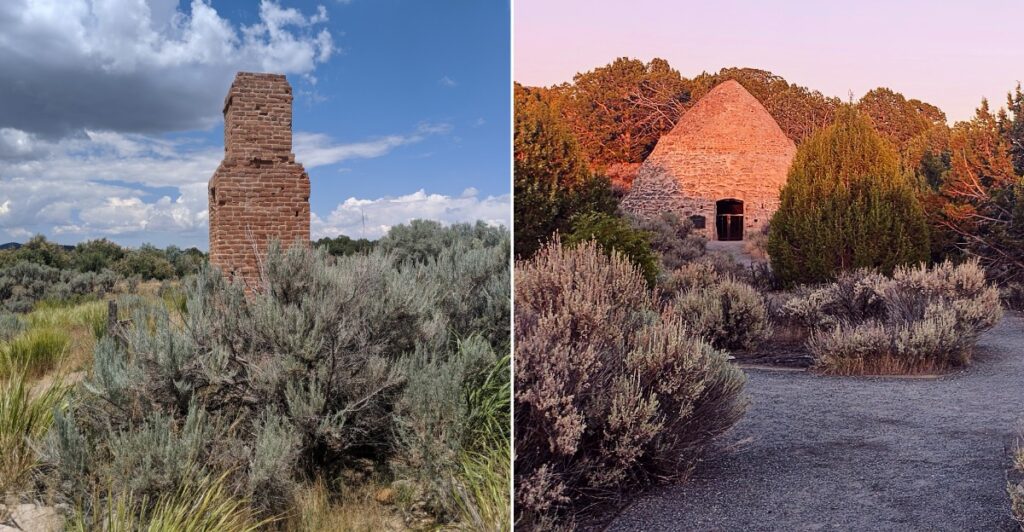
A brick oven shaped like a giant beehive sits in the hills, and you can walk right inside it. Pioneers once used it to bake wood into charcoal for a roaring iron furnace.
That furnace helped a busy little town turn out several tons of pig iron a day. Then the money ran dry, the workers left, and the whole place went quiet.
Many call it Utah’s first ghost town.
I like how the ruins still stand where the workers left them. Crumbling stone walls, an old foundry, and a grinding stone wait along a short gravel path.
Signs tell the story as you go.
I can’t imagine a cheaper history lesson, because it costs nothing to visit. So how did a booming iron town vanish so fast?
Crawl Inside A Pioneer Beehive Oven That Still Stands Strong
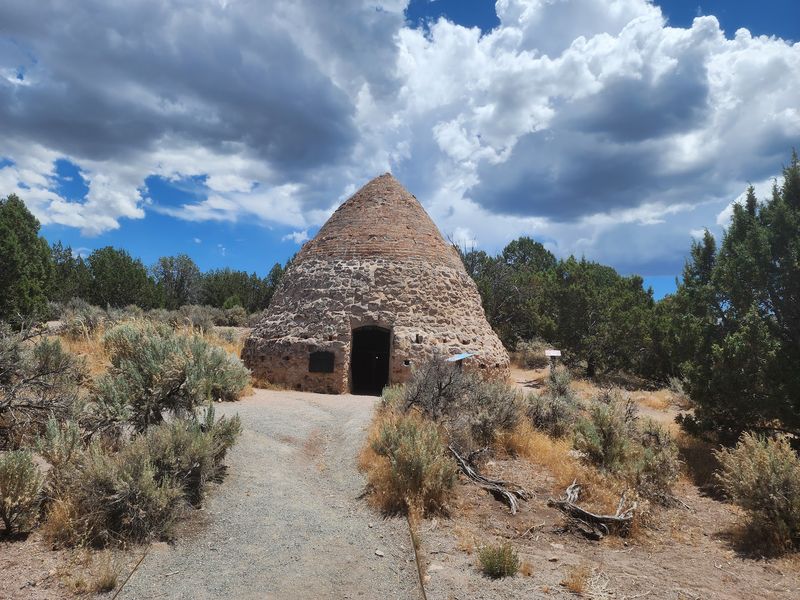
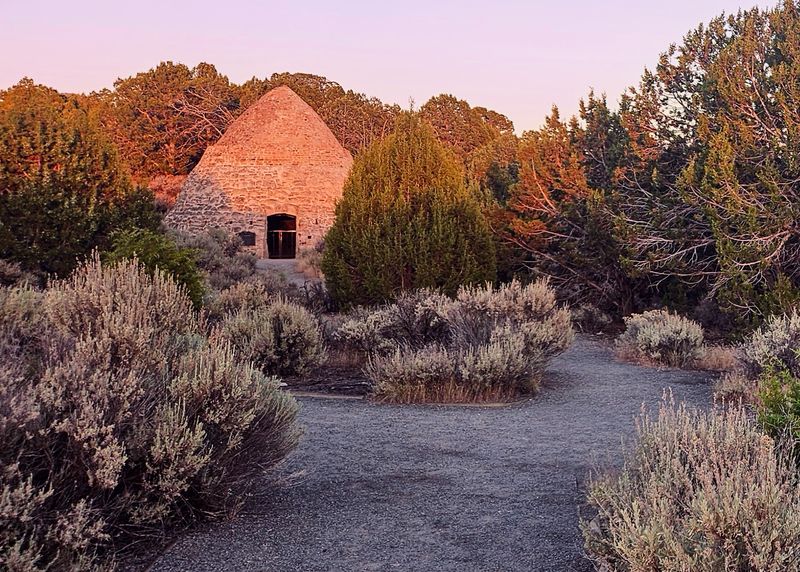
Few ruins let you step inside them, but this one practically waves you in. The star of Old Iron Town State Monument is a tall charcoal kiln shaped like a beehive.
Workers once packed it with wood and burned it slowly to make charcoal. That charcoal fed the iron furnace nearby, which needed a huge, steady supply of fuel.
Inside, the curved walls rise over your head like a stone dome. It feels a bit like standing inside a giant overturned bowl.
Kids tend to think it’s the coolest room ever built.
Bring your phone for photos, because the arched doorway frames the sky nicely. Try snapping a shot from inside looking out at the hills.
It makes a fun picture with a family member standing in the opening.
Take a moment to look closely at the stonework and brick. Pioneers built it by hand without modern machines or power tools.
That fact alone makes the effort feel pretty impressive.
Treat the kiln gently, since it’s more than 150 years old. No climbing on the walls, and no carving names.
A protected kiln means future visitors get the same awesome view you do.
Brigham Young Wanted Iron, And Pioneers Built A Whole Town For It
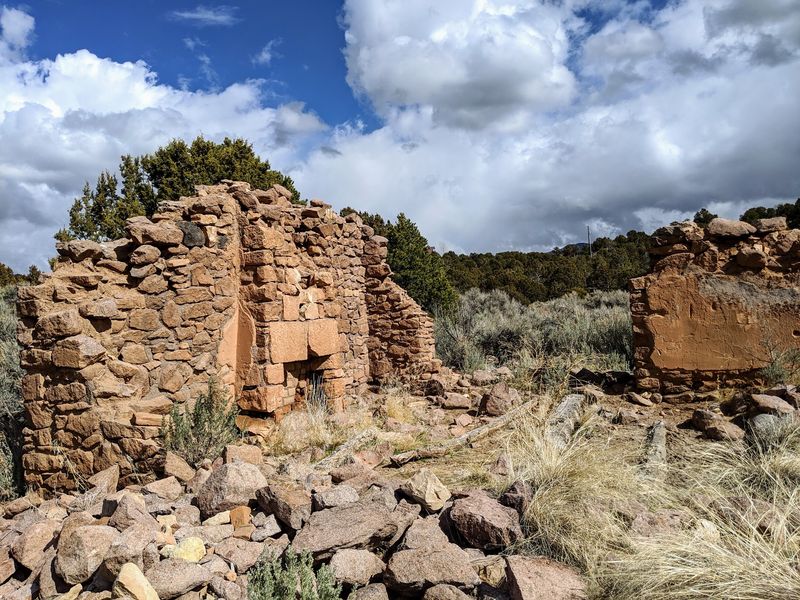
Iron was a big deal for early settlers in Utah. They needed it for tools, wagon parts, and nails, and shipping it in was slow and costly.
Under the direction of Brigham Young, Mormon pioneers worked to make their own iron. The settlement here was first called Iron City.
It was actually Iron County’s second big try at mining and making iron.
The workers were busy, too. At its height, the operation produced about five to seven tons of pig iron each day.
Pig iron is raw iron, poured into rough bars before being shaped into useful things.
Sadly, the good times didn’t last. Iron City ran for about seven years before closing around the mid-1870s.
Hauling the iron ore was hard, and the Panic of 1873 hit the economy badly.
Once the money stopped, people moved on and left the buildings behind. That’s how the town earned its reputation as Utah’s first ghost town.
Knowing this backstory makes the ruins feel alive. Every wall you pass was part of a bold plan to build something lasting in the desert.
A Quarter-Mile Loop Packs In More History Than Most Textbooks
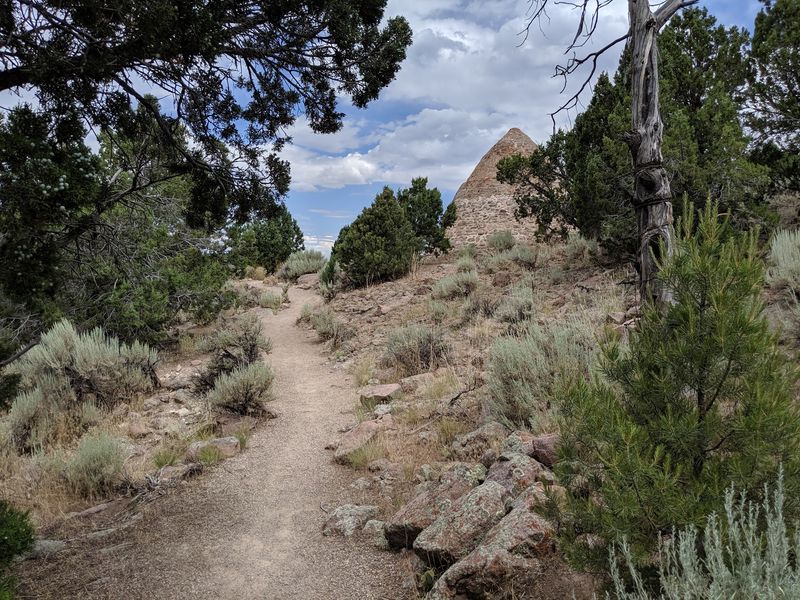
Short legs, tired legs, and curious legs all win on this one. The Old Iron Town Ruins trail runs about a quarter mile on an easy gravel path.
Along the way, plaques explain how each part of the ironworks did its job. You’ll pass the kiln, the furnace, and the foundry area.
It’s basically a step-by-step tour of how raw rock became usable iron.
One stop shows an arrastra, sometimes spelled erastra. It’s a grinding stone setup used to crush material into smaller bits.
Picture a very slow, very heavy kitchen blender powered by muscle instead of electricity.
The furnace ruins are worth a long look. Seeing the size of the stones helps you understand how hot and intense this work must have been.
Take your time reading the signs, since they connect all the dots. Skipping them is like watching only the last ten minutes of a movie.
Some signs have faded with weather over the years, so a quick photo can help. You can zoom in later and read the story at your own pace.
Swap The Rusty Ruins For Wildflowers On The Nature Trail
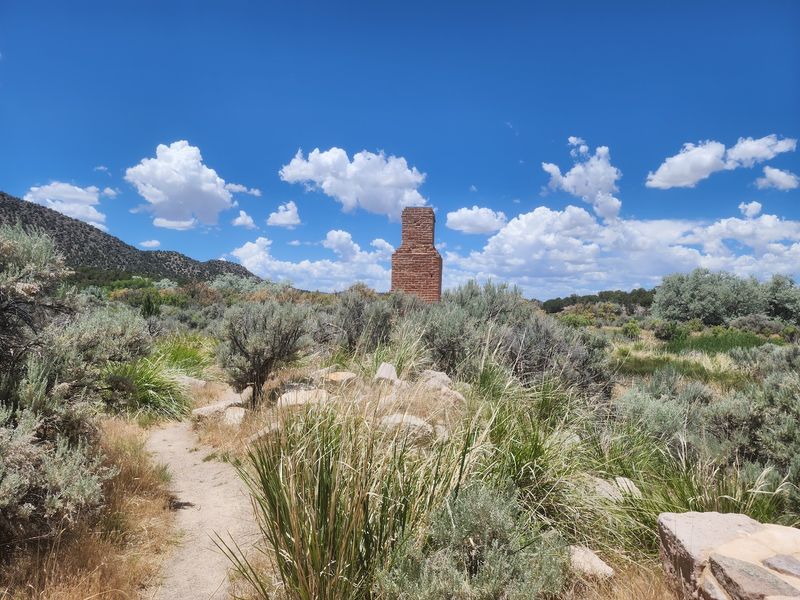
History buffs and plant lovers can call a truce here. A second path, the Nature Trail, focuses on the plants that grow around the old town site.
This loop is also roughly a quarter mile, so it won’t wear anyone out. Signs along the way share facts about the local vegetation.
You’ll learn what thrives in this dry, high country.
The trail’s big reward is the remains of a pioneer cabin. Standing near it, you can almost hear the clink of dishes and the crackle of a stove fire.
Okay, maybe that’s just your imagination, but it’s a fun one.
Wildlife can show up out here too. Keep your eyes open for small critters like rabbits, lizards, and birds darting between the shrubs.
Pairing both trails makes for a well-rounded visit. One shows how people worked, and the other shows the land they lived on.
Wear sturdy shoes, since the ground is natural and uneven in spots. Bring water too, because Utah sunshine can feel strong even on cooler days.
Blacksmiths, Students, And Furnace Crews Once Shared This Hillside
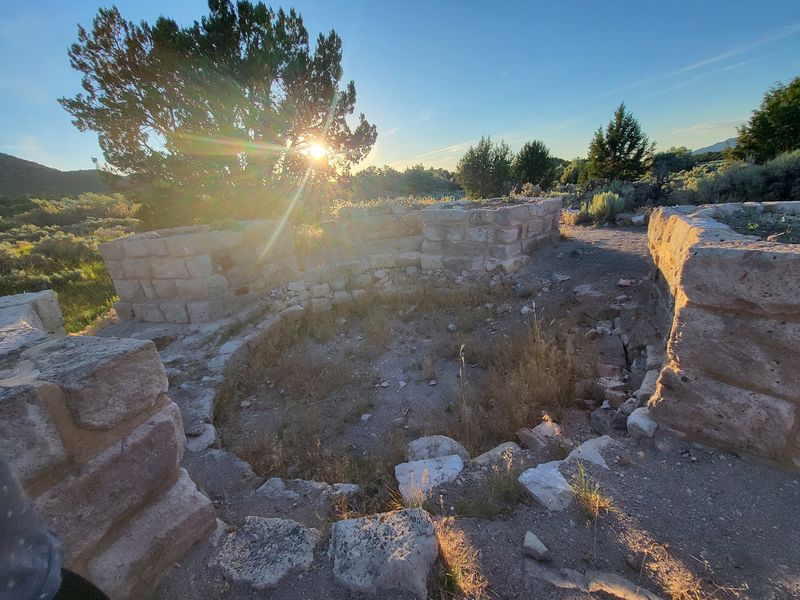
Iron towns needed more than furnaces to function. People lived here, worked here, and even sent their kids to school here.
Among the ruins are remnants of a schoolhouse. It’s fun to think about pioneer kids doing lessons while furnaces hummed nearby.
Homework probably felt easy compared to hauling charcoal.
A blacksmith shop also stood on the site. Blacksmiths shaped metal into tools and repaired equipment, so they kept everything else running.
The foundry was another key building. That’s where melted iron was poured and shaped into usable forms.
Together, these structures show a small but organized community built around one big job.
Walking among the stone foundations helps you picture the layout. Try guessing which walls belonged to which building before reading the nearby sign.
For families, this makes a great talking point. Ask kids what job they would have picked back then, schoolteacher, blacksmith, or furnace worker.
The answers can be pretty entertaining.
Your Wallet Gets The Day Off, But Plan Ahead Anyway
Good news for budget travelers: admission is free. Old Iron Town State Monument stays open year-round during daylight hours.
No staff members are stationed on site full-time, so this is a self-guided adventure. That means you set the pace, but you also need to come prepared.
Pack snacks, water, and anything else you might want.
The basics are covered, though. Restrooms are available, along with a small, shady picnic area.
It’s a nice spot to eat lunch after walking the trails.
Since the site is fairly small, many folks finish in about an hour or so. That makes it easy to fit into a bigger road trip day.
Plan your visit during daylight, since there aren’t any streetlights out here. Arriving in the morning or late afternoon can mean softer light for photos.
Free entry doesn’t mean free upkeep. Treat the ruins with care, follow posted signs, and pack out your trash.
A little respect goes a long way at a place this old.
Follow A Gravel Road Into Dixie National Forest To Find It
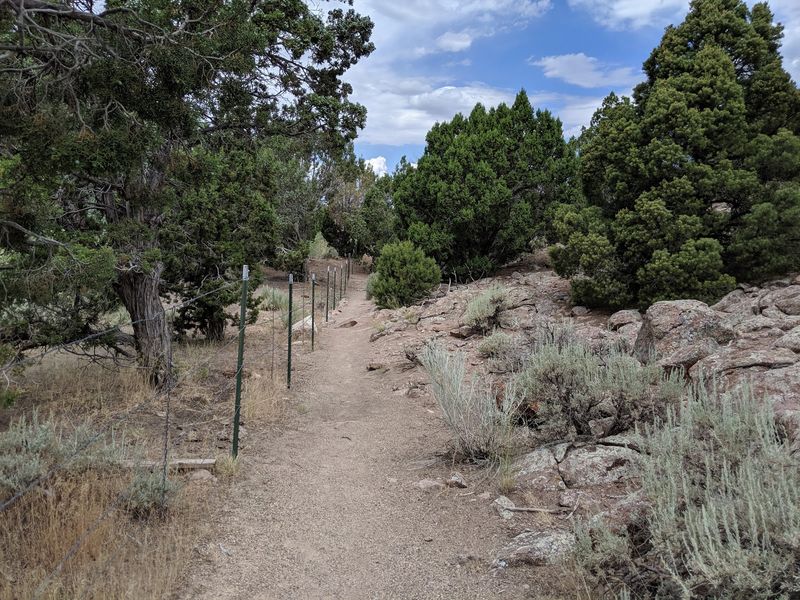
Getting here is half the fun, especially if you like scenic backroads. The monument sits about 20 to 25 miles west of Cedar City, within Dixie National Forest.
From Cedar City, head west on UT-56. Then turn south onto Old Iron Town Road, a gravel road that leads to the ruins about five miles down.
For GPS, use 4128 S 17800 W, Cedar City, UT 84720. Typing in that address can save you from second-guessing at every turn.
Drive slowly on the gravel stretch. Free-range cattle sometimes wander near roads in this part of Utah.
A cow in the road always wins the right of way.
Cell service can be spotty in rural areas, so download your map ahead of time. A full gas tank is a smart move too.
Most regular cars can handle a gravel road in good weather. After storms, though, check conditions before heading out.
Mud has a talent for turning short trips into long ones.
Grab A Free Brochure In Cedar City Before You Go
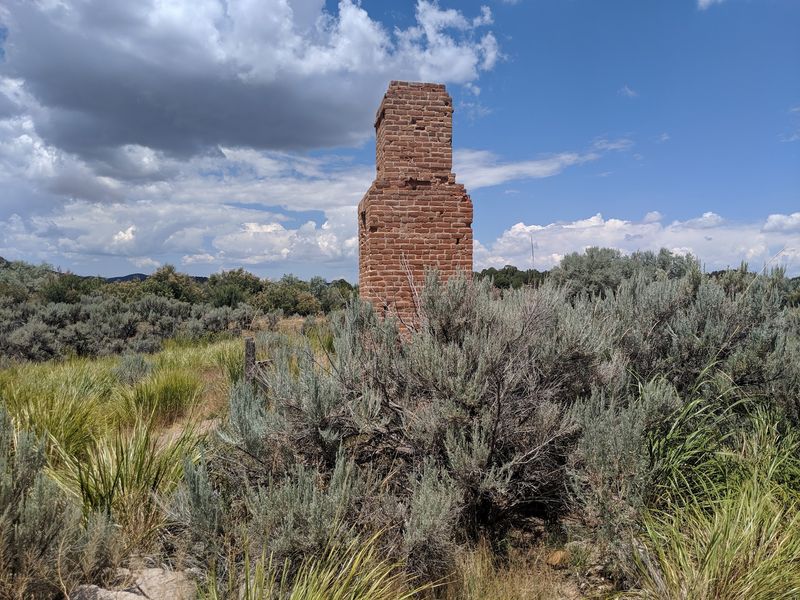
A smart pit stop can make your visit way better. Before driving out, swing by Frontier Homestead State Park Museum in Cedar City.
The museum digs deeper into the area’s iron history. You can learn about the people and plans behind the ironworks.
That background makes the ruins feel less like rocks and more like a story.
It’s also the place to pick up a self-guided tour brochure. With no staff at the monument, that brochure becomes your pocket tour guide.
The museum is connected to Old Iron Town State Monument, so the two pair naturally. Think of it as reading the book jacket before opening the book.
Families with kids will appreciate the extra context. A little prep helps young visitors know what to look for once they reach the kiln and furnace.
Check the museum’s current hours before your trip. Planning the stop around them keeps your day smooth.
Then you can head west with fresh knowledge and a brochure ready to go.
Volunteers Saved These Ruins, And They Still Need Friends
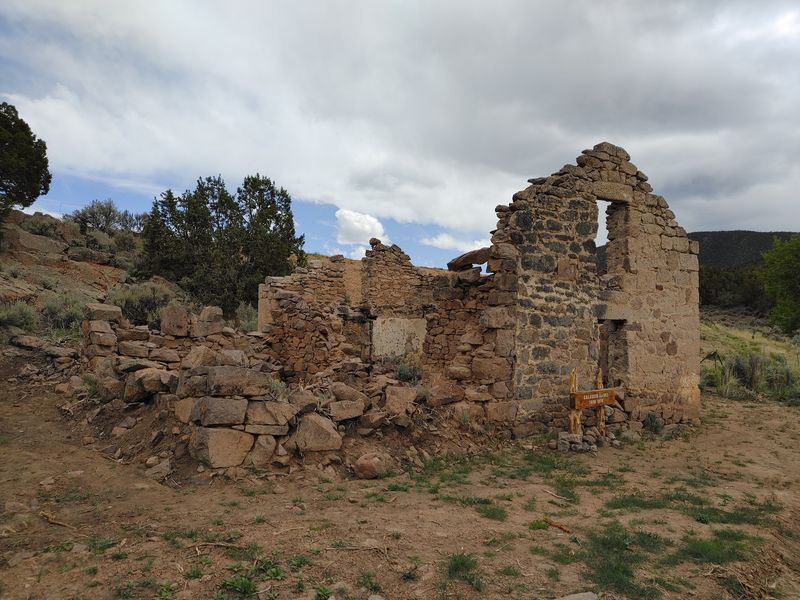
Old walls don’t protect themselves. The Sons of Utah Pioneers helped fence off this site so the ruins could be preserved.
Their work paid off in a big way. Old Iron Town was added to the National Register of Historic Places in 1971.
That listing honors places that matter to the nation’s story.
Today, the site remains a peaceful spot to connect with Utah’s pioneer past. The fences help keep the kiln and furnace standing for future visitors.
You can help, too. Stay on marked trails and avoid touching fragile stonework.
Even small actions add up over the years.
The site has offered ways to donate toward upkeep and preservation. If you enjoy your visit, chipping in a little helps keep the signs and trails in good shape.
Leaving a place better than you found it is a great habit anywhere. Here, it feels especially meaningful.
These ruins have survived for well over a century, and with some care, they can stick around for many more.