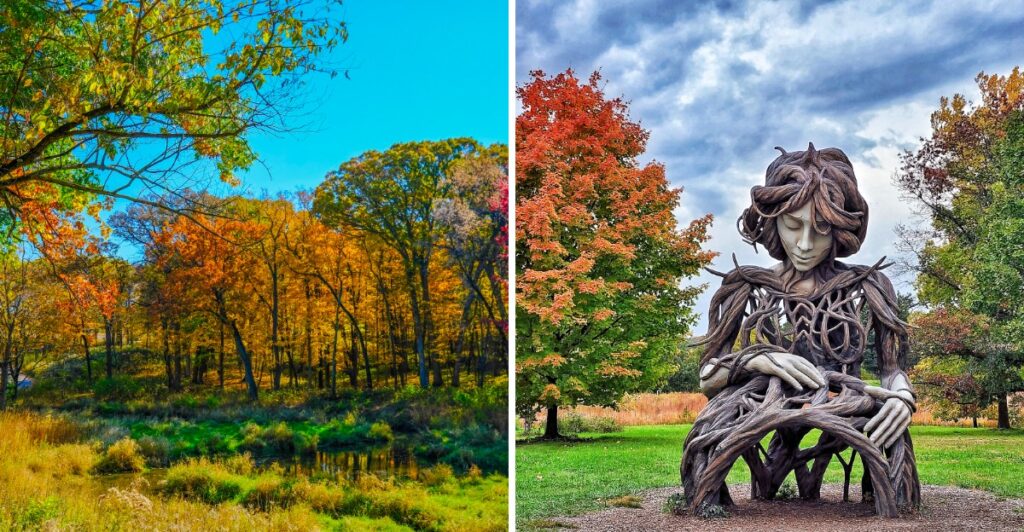
A salt fortune paid for one of the best fall color shows in the Midwest. The family behind it even had a motto that fits on a bumper sticker: Plant Trees.
They took that advice seriously. The grounds now hold more than 100,000 living plants from 40 countries, spread across 1,700 acres in Illinois.
The founder’s father also started Arbor Day, which feels almost too perfect. Honestly, that family tree is the most on-the-nose thing I’ve ever read.
Every autumn, those collections flip from green to red, orange, and gold. There’s even a weekly report that tracks the color like a weather forecast.
Turns out salt money really does grow on trees.
A Salt Fortune Built This Forest, And It Shows
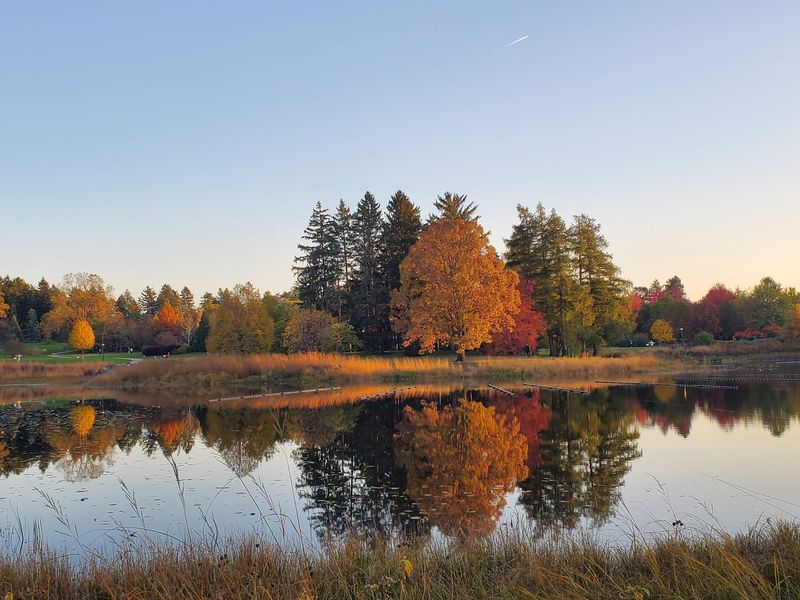
Joy Morton made his name with Morton Salt, then spent his free time thinking about trees. He founded The Morton Arboretum on December 14, 1922, using his Lisle country estate as the starting point.
That estate was called Thornhill, and he bought the land back in 1909. It formed the core of the original 175 acres, which sounds big until you see today’s number.
The grounds now cover 1,700 acres. That’s nearly ten times the starting size, and every bit of it seems to show off in October.
Here’s the fun twist. Joy’s father, J. Sterling Morton, created Arbor Day, so tree love basically ran in the family.
The family motto was simply Plant Trees. Few families have a motto you can actually see from the road, but this one counts.
The Arboretum celebrated its centennial in 2022. A hundred years of planting adds up to one of the most important collections of cold-hardy trees and shrubs in the world.
That history matters when the leaves turn. This is a family idea that grew way past its original fence line.
Check The Leaf Forecast Before You Grab Your Keys
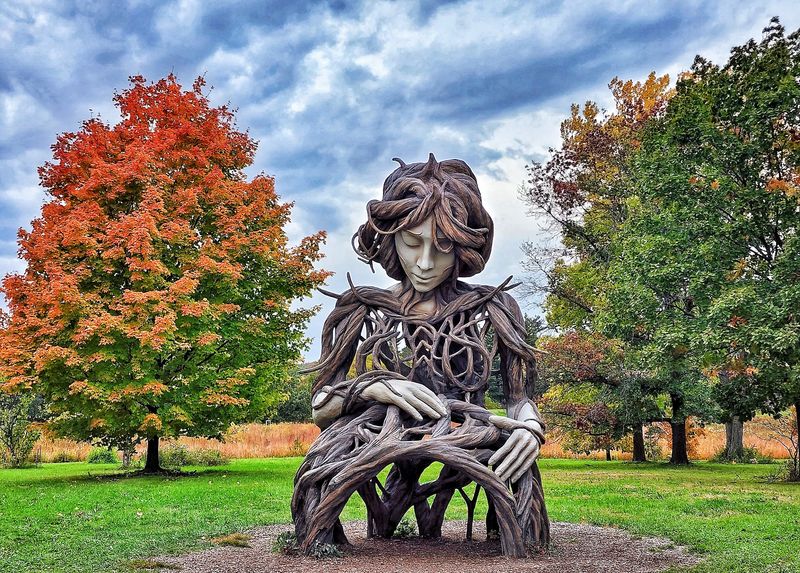
Weather apps tell you about rain. The Morton Arboretum tells you about leaves, with a weekly Fall Color Report posted during autumn.
That report is your secret weapon for timing a visit. Leaves don’t follow a calendar, so checking first saves you from showing up a week too early.
Some trees steal the spotlight every year. Freeman’s maples, hackberries, redbuds, and Kentucky coffeetrees all get noticed for their fall shades.
The supporting cast deserves credit too. Red sumac shrubs and Virginia creeper vines add bold pops of crimson along the edges.
Want a starting point? The West Side is known for especially colorful trees and plants, so it’s a smart first stop.
Because the collections come from 40 countries, the color doesn’t all turn at once. One area might peak while another is still warming up, which stretches the show out nicely.
Think of it like a slow-motion fireworks display. Each tree gets its moment, and you get several chances to catch the best ones.
Bring a camera with a charged battery. Trust that advice, because a dead phone in peak season is a special kind of heartbreak.
Nine Miles Of Road Means Your Car Gets A Front-Row Seat
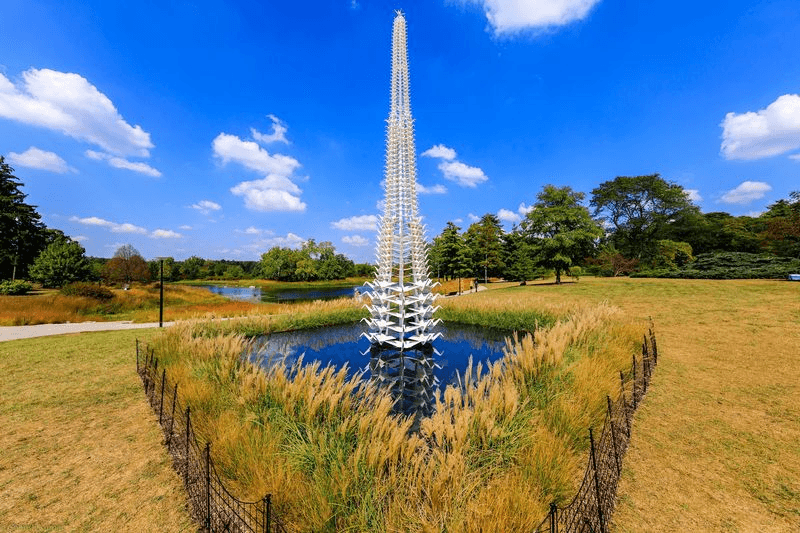
Not everyone wants to hike to see the leaves, and that’s totally fine here. The grounds include 9 miles of paved roads open to driving and bicycling.
That makes it one of the easiest fall drives in Illinois. You can cruise slowly, park at different spots, and hop out whenever a tree catches your eye.
Walkers get even more room to roam. About 16 miles of trails wind through the woods, prairies, and collections.
The trails vary in style. Some near the Visitor Center are paved and accessible, while others use wood chips for good footing.
Maps help you plan a route, and you’ll want one. With this much ground, wandering without a plan can turn a quick loop into a surprise workout.
Bikes add another fun option. Rolling under a canopy of gold leaves feels a lot more exciting than any spin class.
Wear shoes that can handle a little mud after rain. Fall trails can get soft, and nobody wants soggy socks on the drive home.
Mix it up if you can. Drive to a far corner, then walk a short trail for the full experience.
Let Someone Else Steer On The Acorn Express
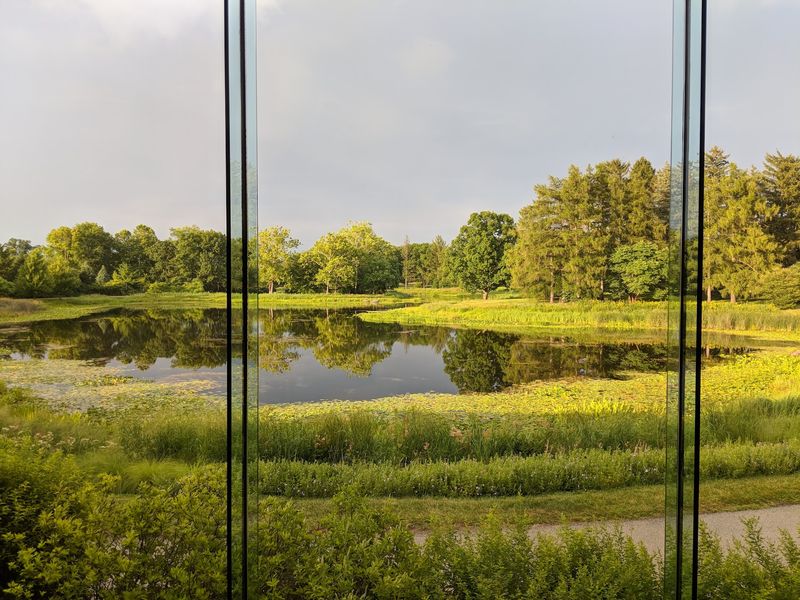
Seventeen hundred acres is a lot of ground for one afternoon. The Acorn Express Tram Tours solve that problem in a very relaxing way.
These guided rides roll through the woods, prairies, and tree collections. You sit back while a guide explains what you’re looking at.
That’s a big deal for first-time visitors. Without some help, it’s easy to miss whole sections of The Morton Arboretum.
Fall makes the tram even better. You can soak in the colors without worrying about directions, parking, or which trail goes where.
It’s also a great scouting trip. Spot a grove you love during the ride, then head back later on foot for a closer look.
Families with tired little legs will appreciate this option. Grandparents might love it even more.
Tours can fill up on busy days, so plan ahead. Arriving early to purchase same-day tram tickets beats watching the tram pull away without you.
Think of it as the highlight reel before the full movie. Once you know the layout, the rest of your visit feels a lot less like guesswork and a lot more like fun.
Kids Get A Giant Acorn, And Adults Get A Maze

A colossal acorn to climb. Giant tree roots to slide down. Secret streams for splashing.
That’s the award-winning Children’s Garden, a 4-acre space built for kids to explore and play among trees.
It is generally open from 10 a.m. to 5 p.m. from March through October and from 10 a.m. to 4 p.m. from November through February.
Closures on certain holidays and during severe weather are possible.
Newer garden spaces encourage storytelling, observation, and conversation. There’s even a Mud Kitchen for messy, creative outdoor play.
Yes, a Mud Kitchen. Pack a change of clothes and thank yourself later.
Right across the way sits the Maze Garden. It’s a 1-acre living puzzle made from green shrubs.
Adults tend to act like they’re just supervising. Then they get competitive about finding the exit first.
Fall adds a nice bonus here. The surrounding trees change color while the kids burn off energy, so parents get a show too.
Plan a little time for both spots. Little explorers can easily spend an hour in each without noticing the clock.
Need a break afterward? Manual wheelchairs are available to borrow at the Visitor Center, but strollers are currently unavailable for loan.
Nobody leaves this corner bored, and that includes the grownups.
Refuel Near The Ginkgos Before Round Two
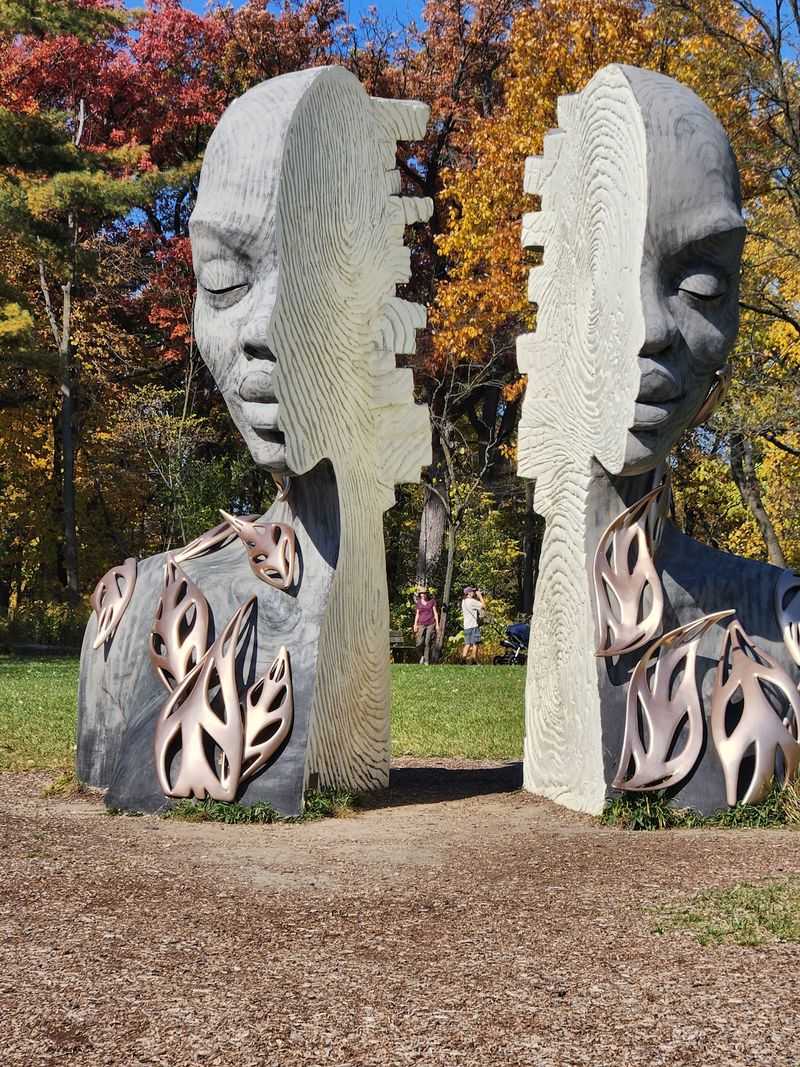
Leaf peeping burns more energy than you’d expect. Luckily, the Visitor Center has food waiting.
The Ginkgo Restaurant serves freshly prepared, internationally inspired dishes. It focuses on sustainable practices and local resources.
Diet needs are covered too. Vegan, vegetarian, and gluten-free options are available.
Lunch runs from 11 a.m. to 2 p.m. Monday through Friday from April through October, Wednesday through Friday from November through March, and from 10 a.m. to 2 p.m. on weekends year-round.
Missed that window? The Ginkgo Café stays open until 6 p.m. from May through October, 5 p.m. from March through April, and 4 p.m. from November through February.
Arbor Court connects these spaces with outdoor seating. On a crisp fall day, eating outside feels like the obvious choice.
The Arboretum Store sits nearby with more than 8,000 nature-inspired items. Books, jewelry, art, home decor, and clothing all make the list.
Shopping here actually helps. Purchases support the Arboretum’s mission, and members get a discount.
Got a struggling houseplant at home? The Plant Clinic in the West Pavilion offers science-based advice on plant ID, pests, and garden design.
So you might leave with lunch, a gift, and a healthier fern. That’s a productive afternoon.
Golden Grass Gets Its Moment On The Prairie
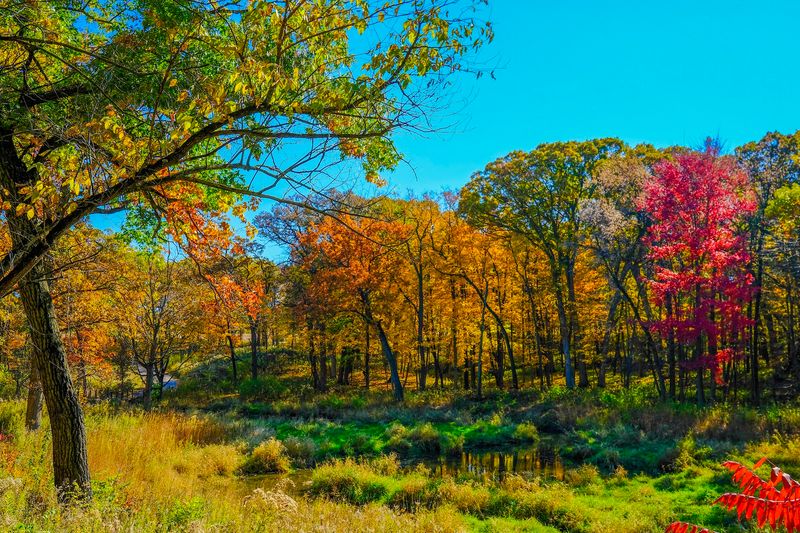
Trees grab most of the fall attention. The Schulenberg Prairie quietly makes a strong case for grass.
Located on the West Side, it ranks among the earliest prairie restoration projects in the Midwest. It’s also one of the largest restored prairies in the Chicago suburbs.
That matters in a state nicknamed the Prairie State. Most of Illinois’s original prairie disappeared long ago, so seeing a restored one feels special.
In autumn, the open landscape offers a different kind of color. It’s a wide, sweeping view instead of a leafy tunnel.
The change of scenery is refreshing. After a forest walk, stepping into open sky feels like opening a window.
Bring a little patience here. Prairies reward slow walkers who stop to look closely at the plants.
It also pairs nicely with the colorful West Side trees. You can see woods and prairie in one easy outing.
Photographers, take note. Low afternoon sun over prairie grasses makes even a basic phone photo look like you planned it.
Getting There Is Easy, And Timing Is Everything
Finding the place takes zero detective work. The Morton Arboretum sits at 4100 Illinois Route 53, Lisle, IL 60532, just west of I-355 and north of I-88.
The grounds open every day of the year from 9 a.m. to sunset. Last entry is one hour before sunset, which comes earlier as fall goes on.
Members get early access from 7 to 9 a.m. daily. Morning light through autumn leaves is a pretty good perk.
Buying general admission tickets online ahead of time saves a little money. It only takes a few minutes on your phone.
DuPage County residents get discounted admission on Wednesdays. The Museums for All program also offers reduced tickets for eligible guests.
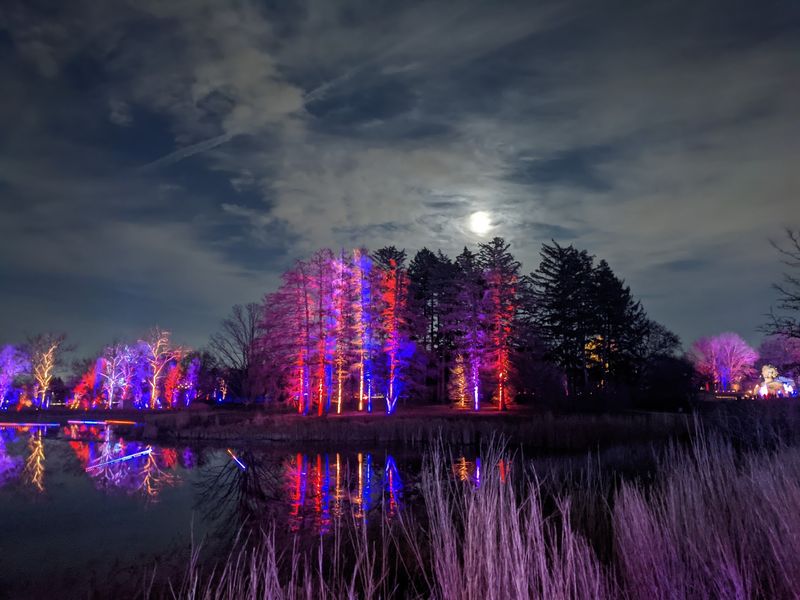
Visiting deep into fall? Illumination: Tree Lights returns November 14, 2026, turning the grounds into a glowing nighttime landscape.
That means the season doesn’t really end when the leaves drop. It just switches to a different kind of glow.
Check the color report, pick your day, and go. A hundred years of tree planting is waiting in Illinois, and it looks best in gold.