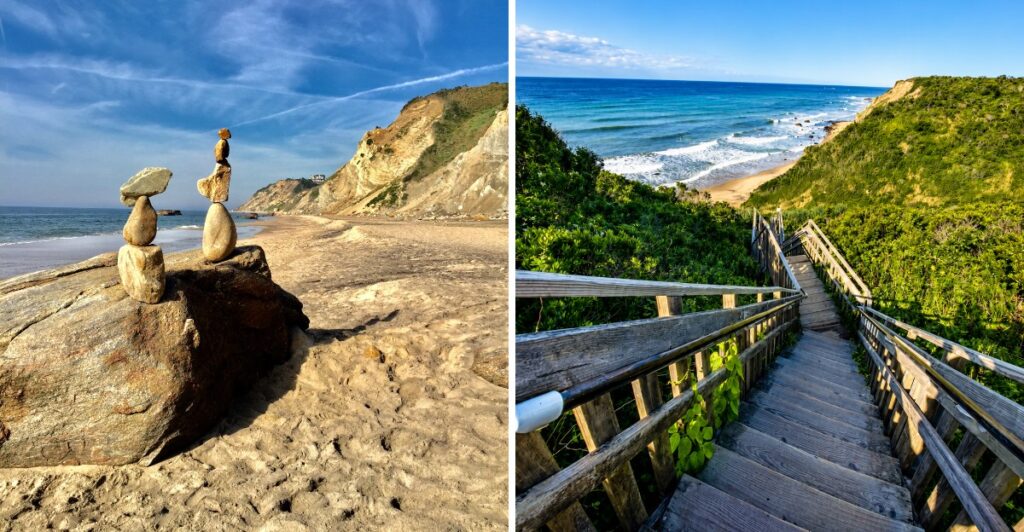
About 141 wooden steps zigzag down a clay cliff that rises roughly 200 feet above the Atlantic. A rocky, wave-smacked beach waits at the bottom, though erosion closures sometimes block the staircase.
The cliffs stretch for close to three miles along an island shoreline. On a clear day, the view reaches all the way to New York, which is a serious bragging right for one overlook.
No bridge connects this island to the Rhode Island mainland, so the trip starts with a ferry ride.
From there, you pedal or drive to the overlook, and the Atlantic spreads out below like a giant blue welcome mat. Up top, a red brick lighthouse keeps watch over the water.
Going down those 141 steps takes a few minutes, but climbing back up takes a pep talk.
These Clay Giants Rise Higher Than A 15-Story Building
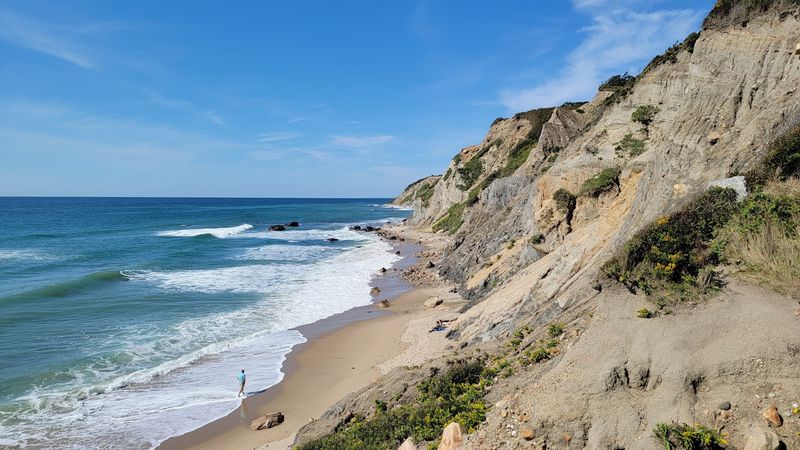
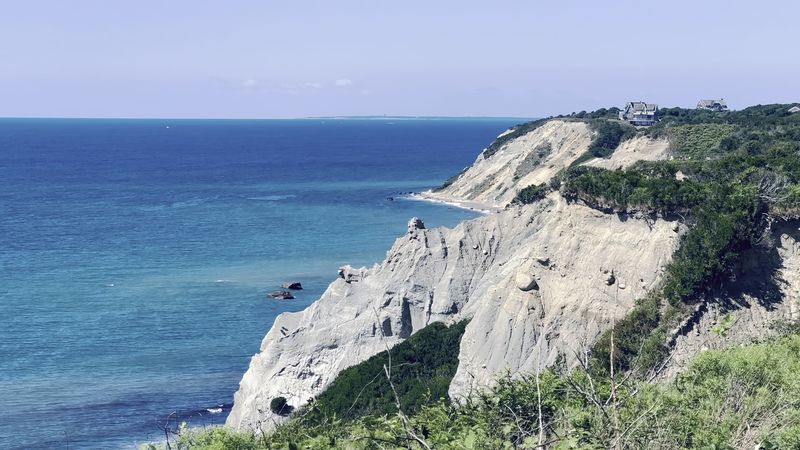
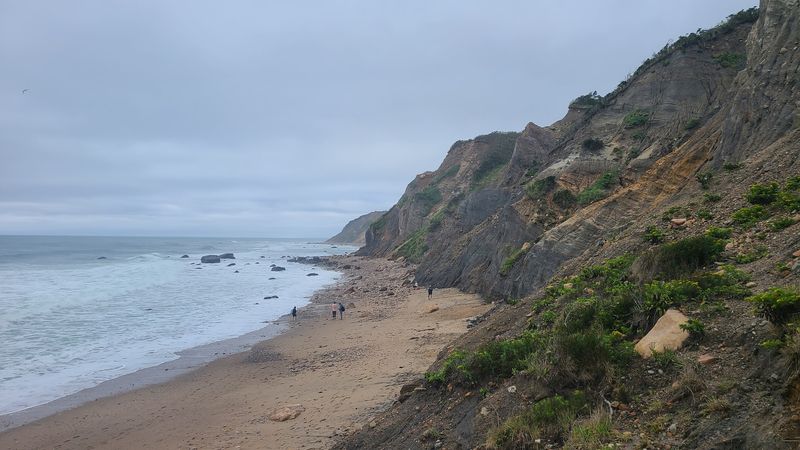
Two hundred feet of clay, sand, and gravel. Mohegan Bluffs on Block Island rises roughly 150 to 200 feet straight above the Atlantic Ocean.
The bluffs run for nearly three miles along the island’s southern shore. That’s a long, dramatic wall of earth, and it doesn’t look like the rest of New England’s coast. Rhode Island is the smallest state, yet it hides scenery this big.
Most visitors start at the Edward S. Payne Overlook. From there, you get a sweeping look at open water in nearly every direction.
On a very clear day, you might even spot Montauk Point on Long Island, New York.
The cliff faces show layers that change color in different light. Morning can look softer, while afternoon sun makes the clay pop. Bring your camera, and maybe a backup battery, because you’ll take more photos than you planned.
The overlook area is open 24 hours, according to its Google listing. That makes early or late visits possible if you want the view with fewer distractions. Just remember there are no railings on most of the cliff edges.
Stay on marked paths and keep a safe distance from the edge. Erosion keeps shaping these bluffs every year.
A Wild, Rocky Beach Waits At The Bottom
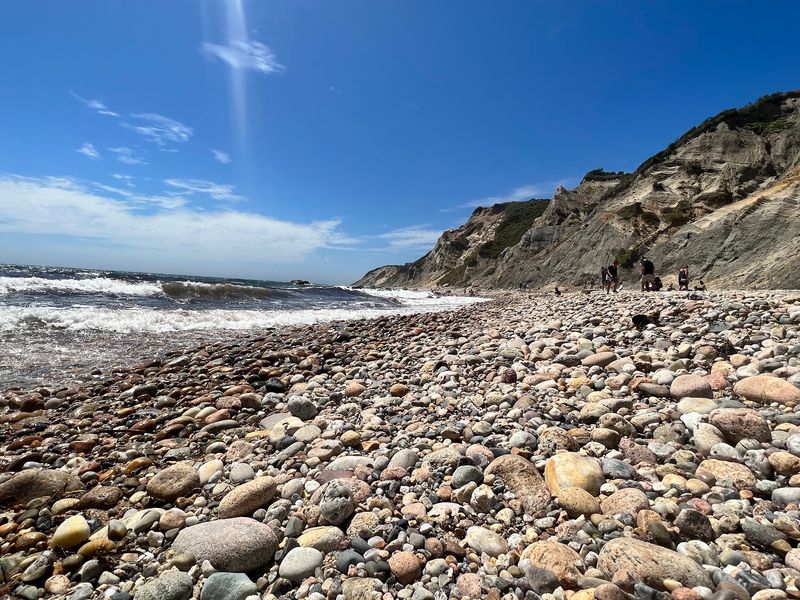
Smooth stones, crashing surf, and a towering clay wall behind you. The beach below Mohegan Bluffs feels nothing like a typical boardwalk shore.
Some call this stretch Corn Cove. Strong waves have rounded the stones over time, giving the shoreline a rugged, untamed look. Looking up at the cliffs from here is a whole different experience than looking down.
Swimming takes extra caution. There are no lifeguards on duty, and the surf and currents can be strong. Think dramatic walk and wave watching, not lazy floating.
Footwear matters again here. The rocks can be uneven, so water shoes beat flip-flops every time. Your ankles will thank you.
If beach access is officially open, a small picnic can be a pleasant way to enjoy the shoreline.
There are no snack stands down there, so pack what you need and carry your trash back up.
Clear days can show off the offshore wind turbines in the distance. The Block Island Wind Farm was the first offshore wind farm in the United States. It adds an unexpected modern touch to an ancient-looking shoreline.
Your Legs Will Remember All 141 Steps
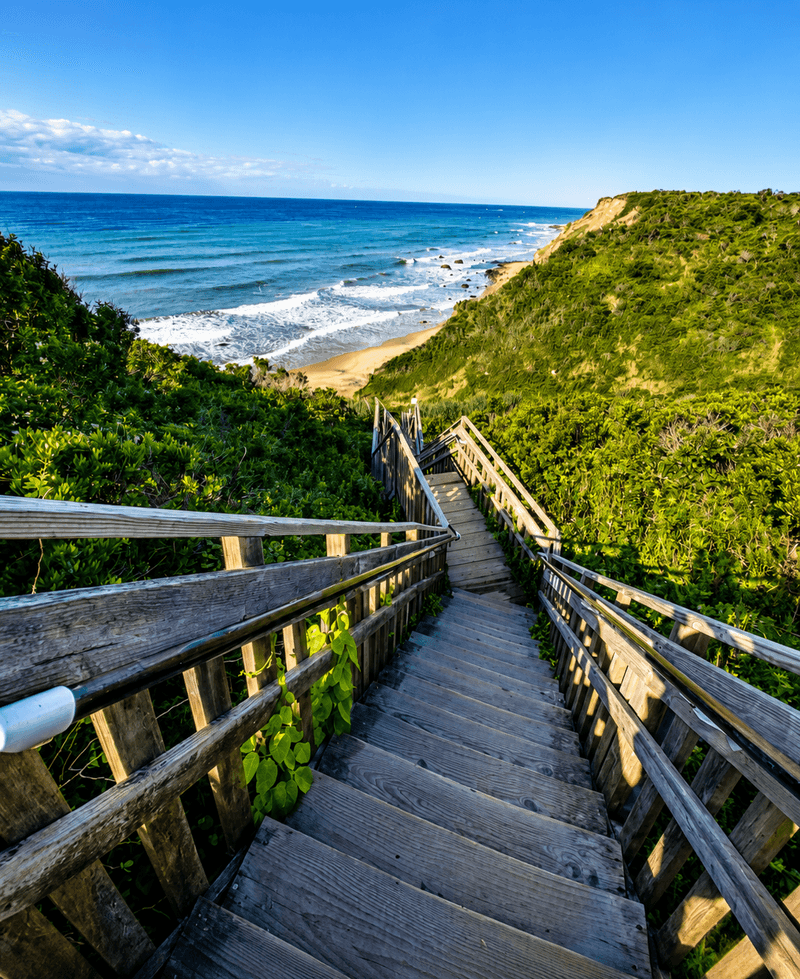
Counting steps is optional, but you’ll probably do it anyway. A wooden staircase of about 141 steps winds down the steep face of the bluffs.
The trip down feels like an adventure. Every landing gives you a slightly different angle on the ocean and the clay walls beside you. Kids often treat it like a mission, which helps a lot.
Here’s the honest part. The climb back up is a serious workout, so pace yourself and take breaks on the landings. Posted signs warn visitors to judge their own fitness before heading down.
The stairs also don’t reach all the way to the sand. The stairs do not reach the beach directly, and erosion has previously forced authorities to close the lower access route. Check current restrictions before planning a descent.
Sneakers or sturdy water shoes make a big difference here.
Use the handrail the whole way, especially if the steps feel damp. Bring water too, because summer heat makes that climb feel twice as long.
If stairs aren’t your thing, no problem at all. The view from the top is spectacular on its own, and nobody will hand you a medal for sore calves anyway.
A Red Brick Lighthouse That Once Moved House
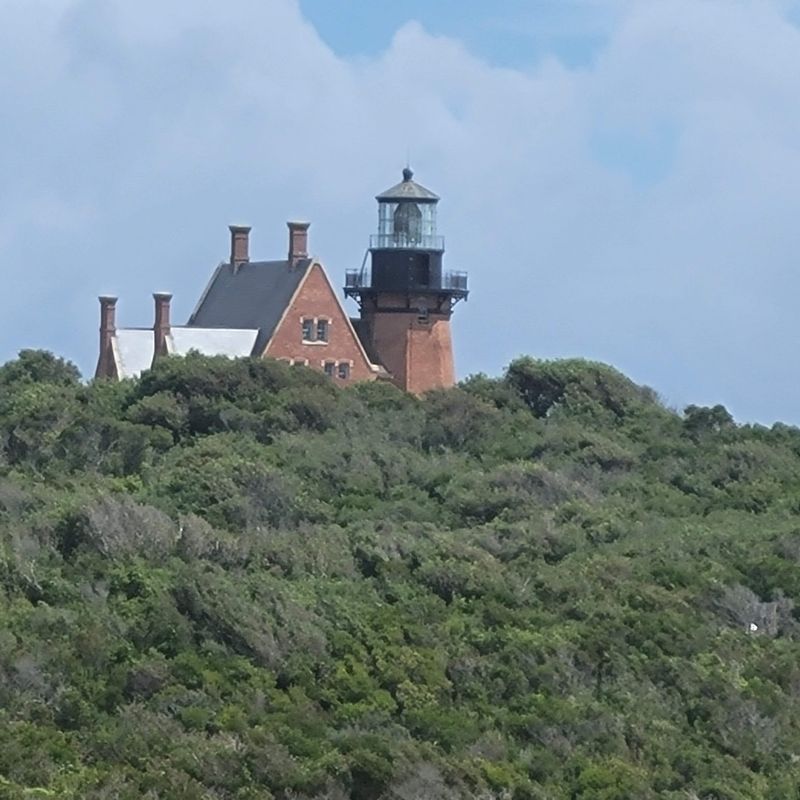
Moving a 2,000-ton lighthouse sounds impossible. In 1993, crews did exactly that with the Block Island Southeast Lighthouse near Mohegan Bluffs.
Erosion had crept too close to the tower. Workers shifted the whole structure roughly 300 feet inland to keep it safe from the crumbling cliff edge. Talk about a dramatic relocation.
The lighthouse first lit the sea in 1875. Its red brick, Gothic Revival design makes it one of the most striking lighthouses in Rhode Island. It’s also a National Historic Landmark.
The grounds are open year-round. Strolling around the lawn gives you another excellent view of the bluffs and the water. It’s an easy add-on before or after the overlook.
Photographers love pairing the lighthouse with the clay cliffs in one frame. Late-day light warms up the brick and makes the scene glow.
Plan a little time here instead of rushing past. The story of saving the tower makes the bluffs’ constant change feel very real. Every inch of that cliff is still on the move, slowly but surely.
The Name Comes With A Centuries-Old Legend
Names usually come from somewhere, and this one has a story. Mohegan Bluffs is linked to a clash that took place around 1590.
According to local legend, the island’s native Manissean people drove a raiding party of about 40 Mohegan warriors to these cliffs. The bluffs have carried the Mohegan name ever since. A plaque at the overlook shares the tale for visitors.
Take a minute to read it before snapping photos. It adds a human layer to a place that can feel purely about scenery.
The land itself tells an even older story. The bluffs formed from glacial deposits left behind during the last ice age. Clay, sand, and gravel piled up as massive ice sheets melted away.
Wind, rain, and waves have been carving at those layers ever since. That’s why the cliff faces look striped and shift in color.
Here’s a fun way to think about it. You’re standing on leftovers from a glacier while gazing at the same sea people watched centuries ago. That’s a lot of history for one parking stop.
Pedal, Putt, Or Drive To The South Shore
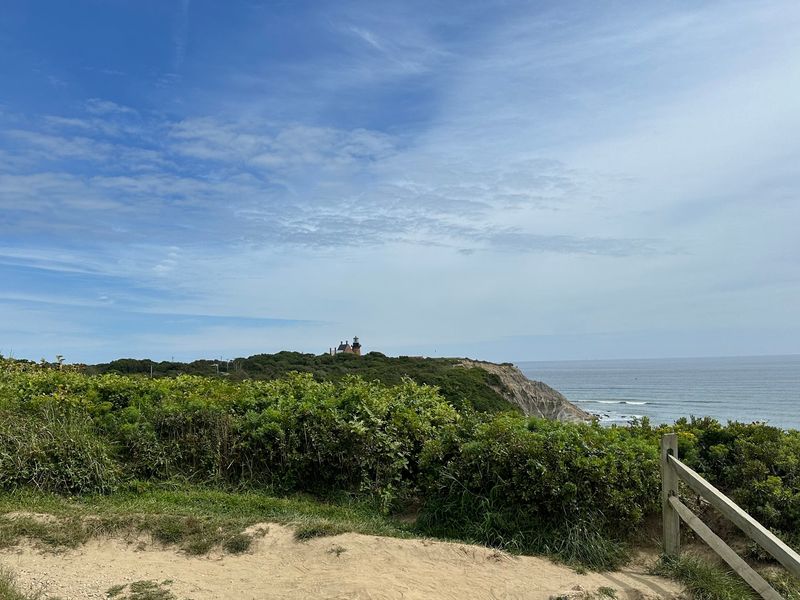
Bikes, mopeds, and cars all share the roads toward the island’s southern tip. You’ll find Mohegan Bluffs at 121 Mohegan Trail, New Shoreham, RI 02807.
From Old Harbor, where many ferries dock, the bluffs sit about two to two and a half miles away. Driving takes around 10 minutes. Biking usually takes 15 to 20 minutes.
Fair warning for cyclists. The route includes some uphill stretches near the bluffs, so you’ll earn that view. Electric bikes make those hills much friendlier.
Rental shops near the ferry docks offer bikes and mopeds. Renting is a popular way to explore the whole island in a day. You can link the bluffs with the lighthouse and other stops.
A free gravel lot sits at the Edward S. Payne Overlook. Bike racks are there too.
Both can fill up fast on busy summer days, so arriving early helps.
Wear sunscreen for the ride, since shade is limited on open roads. A small backpack keeps water and snacks handy. Then you’re ready for those stairs.
Sunset Turns The Cliffs Into Pure Gold
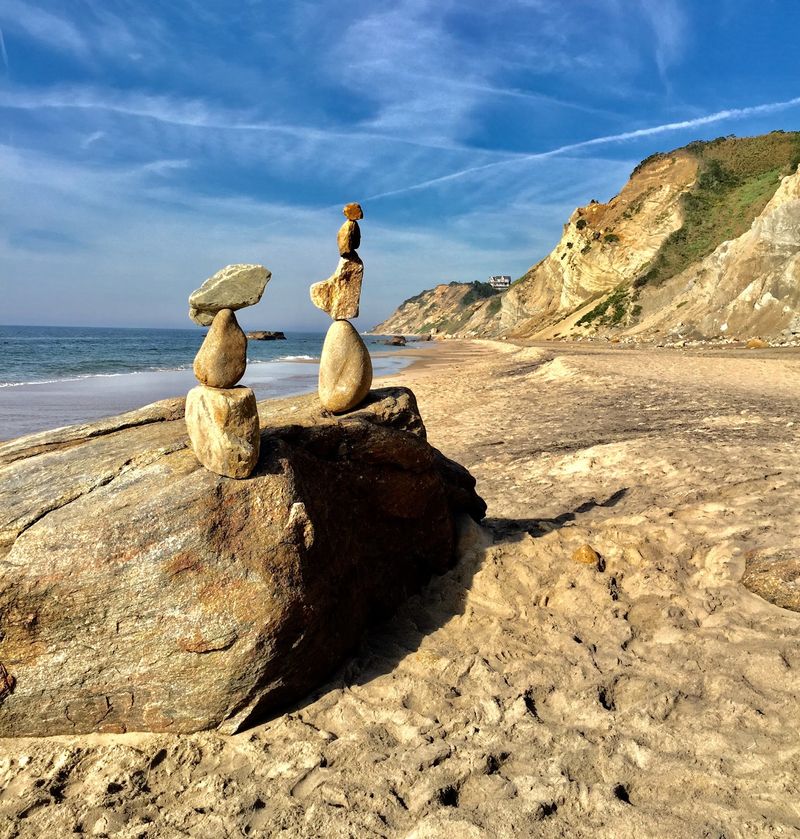
Golden hour hits differently on a clay cliff. The south shore location of Mohegan Bluffs catches warm evening light beautifully.
As the sun drops, the bluffs glow in shades of tan, orange, and rose. The ocean shimmers below, and the whole scene feels calmer. It’s a great finale for a busy island day.
Timing helps. Check the sunset time before you leave town, then give yourself room to park and walk. Arriving a bit early lets you claim a good spot at the overlook.
Bring a light jacket, even in summer. Ocean breezes can turn cool once the sun slips away.
Skip the stairs at dusk unless you’re very comfortable with them. Climbing 141 steps in fading light isn’t the smartest plan. The top views are more than enough for sunset.
Biking back after dark needs lights. Plan your return before it gets fully dark, or arrange a ride. Then you can relax and enjoy the glow without any rush.
Planning For 2027? Think Beyond Summer
Summer gets the spotlight, but it isn’t the only season worth considering. Mohegan Bluffs offers striking views throughout the year, weather permitting.
Peak season brings warm weather and full ferry schedules. It also brings busier parking lots and fuller bike racks. Early mornings help you beat much of that bustle.
Spring and fall can feel quieter on the island. The traditional ferry from Point Judith runs year-round, though fast ferries are seasonal. Check schedules before locking in plans.
The Southeast Lighthouse grounds stay open all year. That means you can pair bluff views with lighthouse photos in any season. Cooler days also make the stair climb more comfortable.
Book lodging early for summer 2027, since the island is small. Car reservations on the ferry fill quickly too.
Pack layers, sturdy shoes, water, and sunscreen no matter when you go. Rhode Island weather can shift fast near the ocean. With smart planning, Mohegan Bluffs can easily become the highlight of your entire year of travel.