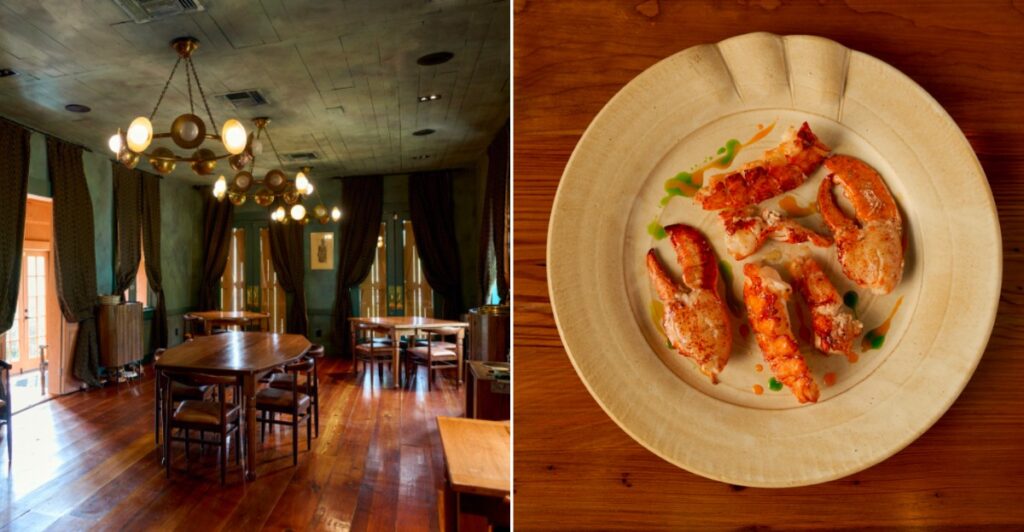
A chef raised in Senegal now serves a seven-course seafood feast inside a small cottage. That cottage just earned a Michelin star. Not bad for a place that started as a pandemic pop-up.
The menu leans on Gulf shrimp, local fish, and Louisiana produce. Then it pulls them toward West Africa with jollof rice, fonio, and tamarind. I like how the whole meal feels like two coastlines talking to each other.
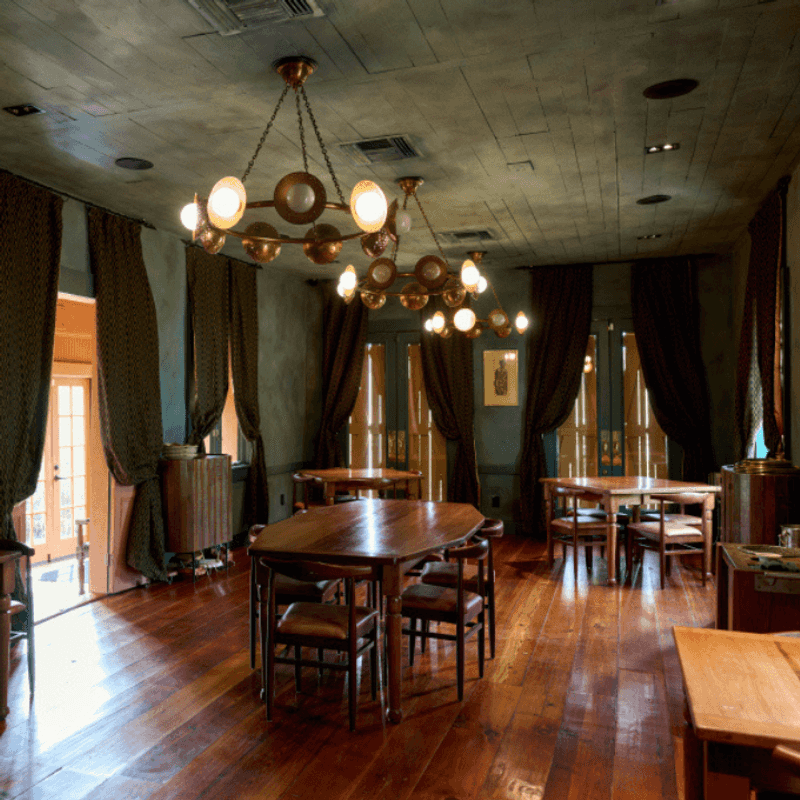
Some courses arrive family-style, a nod to how many West African meals are shared. The dining room is small, with African art and a wall of West African masks. I can’t imagine a more personal setting for food this ambitious.
Louisiana already knows great cooking, so a new star here means something. So how did one tiny cottage pull it off?
The Chef’s Journey Reads Like A Passport Full Of Stamps
Born in Harlem and raised in Dakar, Senegal, Chef Serigne Mbaye brings two worlds to every plate. His path to New Orleans took plenty of turns along the way.
He trained at the New England Culinary Institute. Then he cooked in some serious kitchens, including Commander’s Palace and Cafe Adelaide right here in Louisiana.
His resume also includes Atelier Crenn and L’Atelier Joel Robuchon. Those names carry a lot of fine-dining polish, and you can see that precision in how his menu is built.
Here is the fun part. He mixed that high-end training with the flavors he grew up eating in Senegal.
The awards followed quickly. Chef Mbaye was named a TIME 100 Next honoree in 2024, and he won the 2026 James Beard Award for Best Chef (South).
That is a lot of hardware for one cottage kitchen. Still, the story behind his cooking matters as much as the trophies.
When you sit down to eat, you are tasting a life lived across continents. That is something no ingredient list can fully explain.
A Star Landed On A Cottage, And Nobody Is Complaining
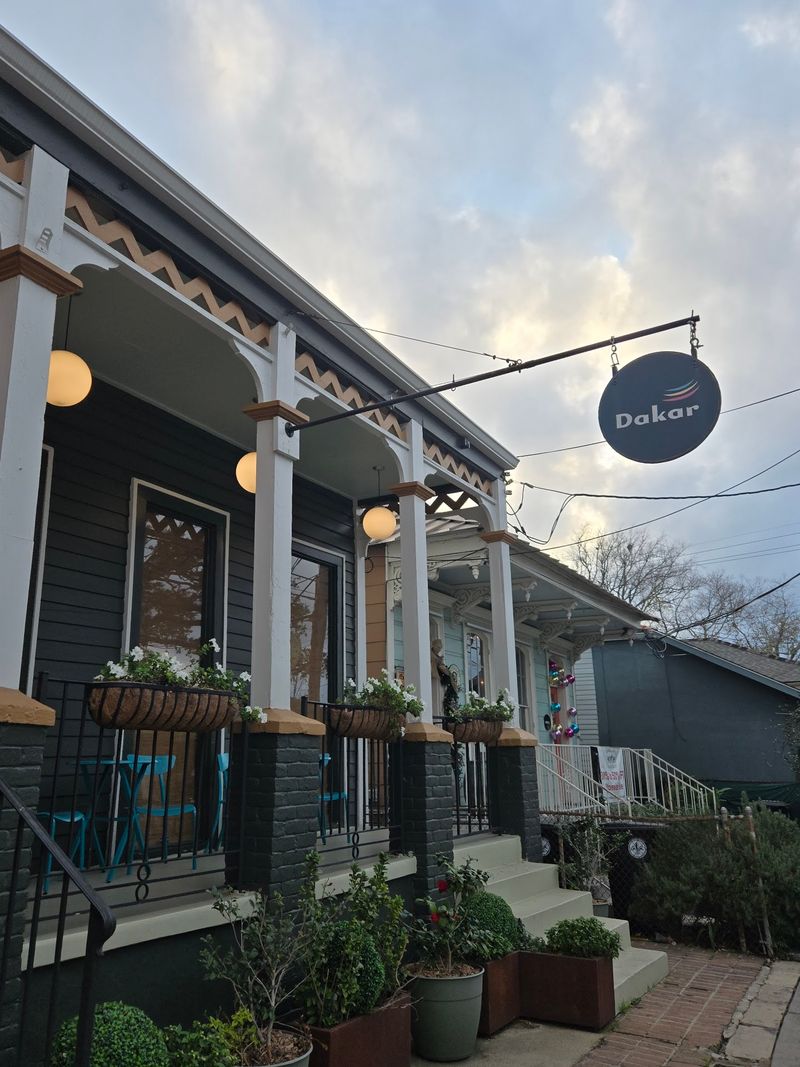
Dakar NOLA is at 937 Leonidas Street in the Riverbend area of New Orleans, Louisiana. Approach through Uptown toward the neighborhood near the Mississippi River levee, then follow Leonidas Street to its intersection with Freret Street.
The intimate restaurant occupies a renovated cottage rather than a grand hotel dining room. The Leonidas Street and Freret Street corner is the useful final reference, with the building set close to River Road and the levee.
Use legal neighborhood street parking and enter through the restaurant’s designated door. The indoor tasting menu requires an advance paid reservation, while the newer Dakar Terrace offers a separate walk-in experience.
Seven Courses Of Seafood Make The Evening Feel Like A Story
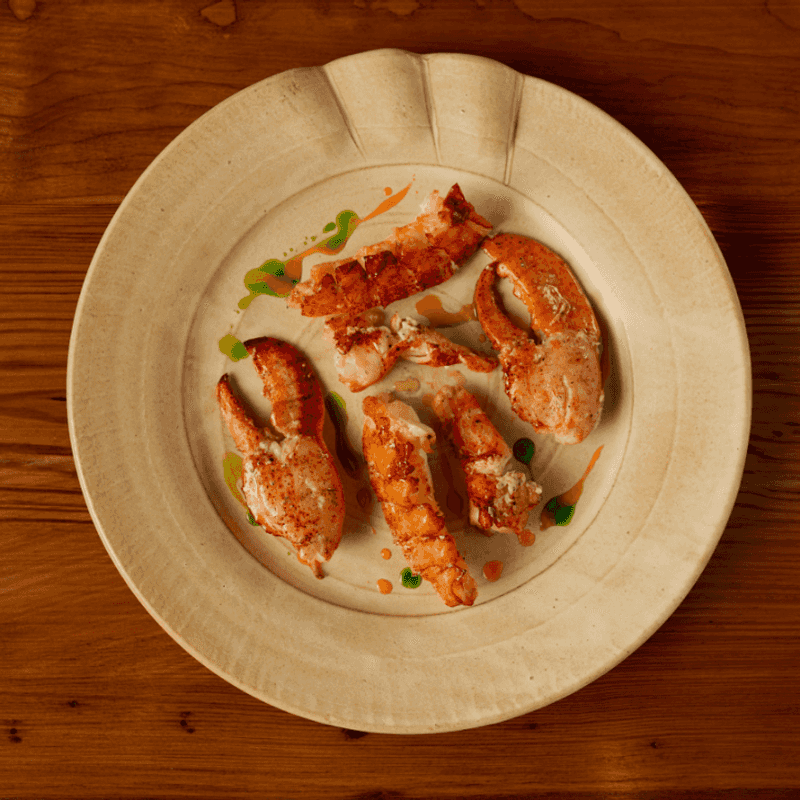
Seafood fans, this one is for you. The tasting menu runs seven courses and stays pescatarian from start to finish.
Gulf shrimp might show up with thiéré, a Senegalese couscous, and a coconut tamarind sauce. That pairing alone sounds like a vacation in a bowl.
Jollof rice also makes appearances, often with fiery habanero chilis. Spice lovers will feel right at home, while cautious eaters might keep water close.
Other dishes have included fonio salad and Gulf fish with tamarind broth. A shrimp and okra soup rounds out the list of standouts tied to the cuisine.
Okra lovers in Louisiana will notice a familiar friend there. The link between West African cooking and local favorites is part of the magic.
The menu changes with the seasons, so dishes rotate often. Your meal may look different from your friend’s meal a month earlier.
That keeps things exciting for repeat visits. It also means you should go in curious instead of hunting for one exact plate.
Louisiana Waters And Local Farms Do Plenty Of Heavy Lifting
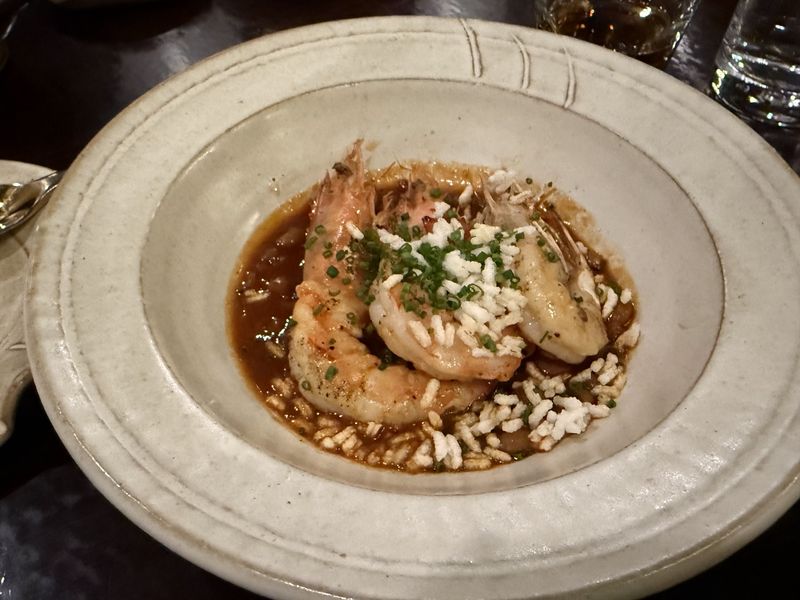
Great cooking starts long before the stove gets hot. At Dakar NOLA, it starts with what Louisiana pulls from its waters and fields.
Chef Mbaye highlights fresh seafood from local Gulf waters. He also works with produce from regional farmers.
Then he gives those ingredients a Senegalese accent. The result blends West African traditions with the rich, soulful abundance New Orleans is famous for.
I like how this approach feels honest. The food celebrates where it’s cooked while remembering where the recipes came from.
Okra, rice, and seafood show up in both Senegalese and Louisiana kitchens. Seeing them meet on one menu makes the connection hard to miss.
There’s also a practical bonus for diners with certain needs. The menu is largely dairy-free and gluten-free, which surprises many people expecting rich, buttery fine dining.
Not every dietary need can be handled, so check before booking. More on that in a later section, because it really matters for planning your night.
Masks On The Wall Set A Mood You Won’t Forget
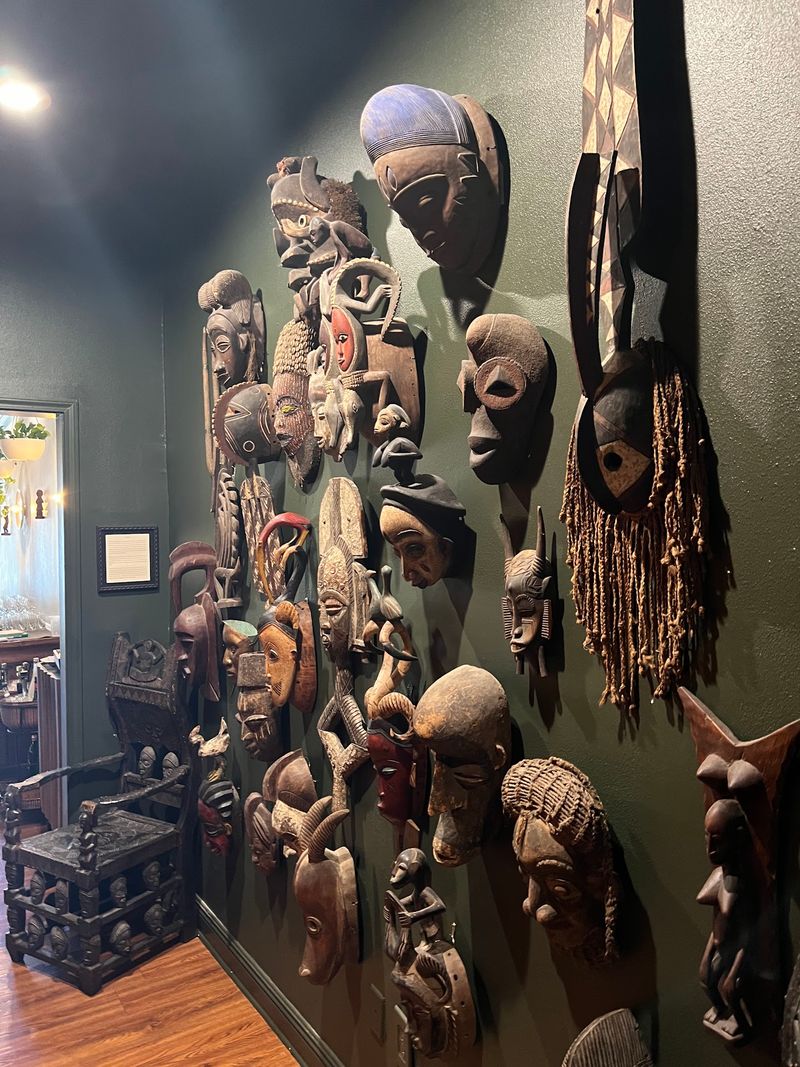
A wall covered in West African masks greets diners inside. It’s one of the most memorable details in the whole cottage.
The interior keeps things spare yet warmly elegant. African art and artifacts fill the room without crowding it.
Only a limited number of tables fit inside. That small size gives the meal a cozy, close-up feeling that big dining halls can’t copy.
Think of it as dinner at a stylish friend’s home. Except this friend happens to have a Michelin star.
The decor also supports the storytelling that often comes with each course. Surrounded by art from West Africa, the food’s roots feel present all night.
Dress codes aren’t something you should stress over here. The focus stays on the food, the art, and the people at your table.
Take a moment to look around between courses. The room says a lot about the chef’s pride in his heritage, and it deserves your attention as much as the plates do.
Sharing Plates Turns Strangers Into Dinner Companions
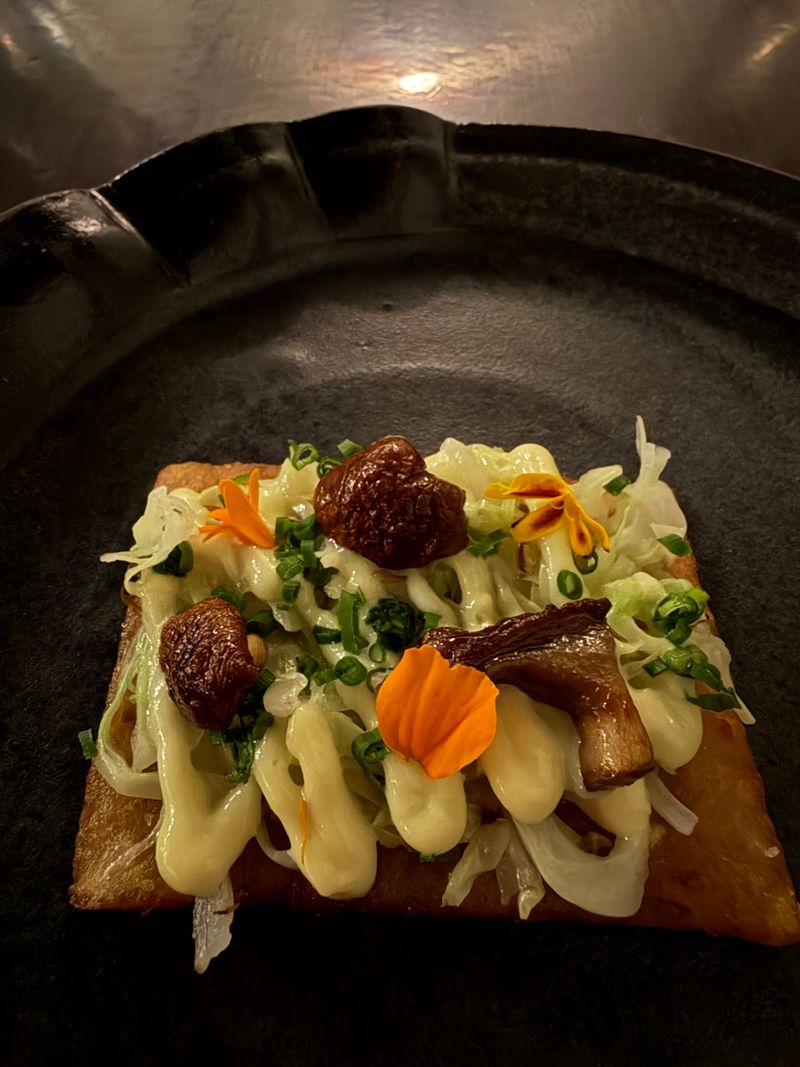
In many West African homes, a meal is meant to be shared. Dakar NOLA honors that idea by serving some courses family-style.
That small choice changes the whole vibe of the evening. Passing dishes around feels warmer than staring at your own tiny plate.
The pace is unhurried on purpose. A full tasting experience usually runs about two hours, so clear your evening calendar.
Courses often arrive with stories behind them. You learn where a dish comes from and why it matters to the chef.
Is it formal? Somewhat, but the goal seems to be comfort rather than stiffness.
I believe that balance is hard to pull off. Fine dining can feel cold, yet shared food has a way of melting the chill fast.
Bring someone you enjoy talking with, because there’s plenty of time for conversation. Or come open to chatting with the people nearby.
Either way, the meal feels less like a performance and more like a gathering. That’s a pretty rare quality at this level.
Set An Alarm For 10 AM If You Want A Seat
Ten o’clock in the morning, Central Time. That’s when new reservation dates open for the tasting menu.
Bookings run on a 21-day rolling window through OpenTable. Each day, one more date becomes available.
Tables go quickly, which makes sense for a small cottage with a big reputation. Treat it like grabbing concert tickets, minus the screaming.
Dinner service runs Tuesday through Saturday, starting at 5 PM. The restaurant is closed on Sundays and Mondays.
Plan your trip around those days if you’re visiting Louisiana from out of town. A Monday arrival won’t help you here.
Arriving on time matters too, since the tasting menu follows a set rhythm. Nobody wants to miss the first course because of parking.
Flexibility helps a lot. If one date fills up, check again the next morning, because a fresh day will open.
A little planning now saves a lot of disappointment later. Good luck ignoring that alarm once you know what’s waiting.
No Reservation? The Patio Might Save Your Night
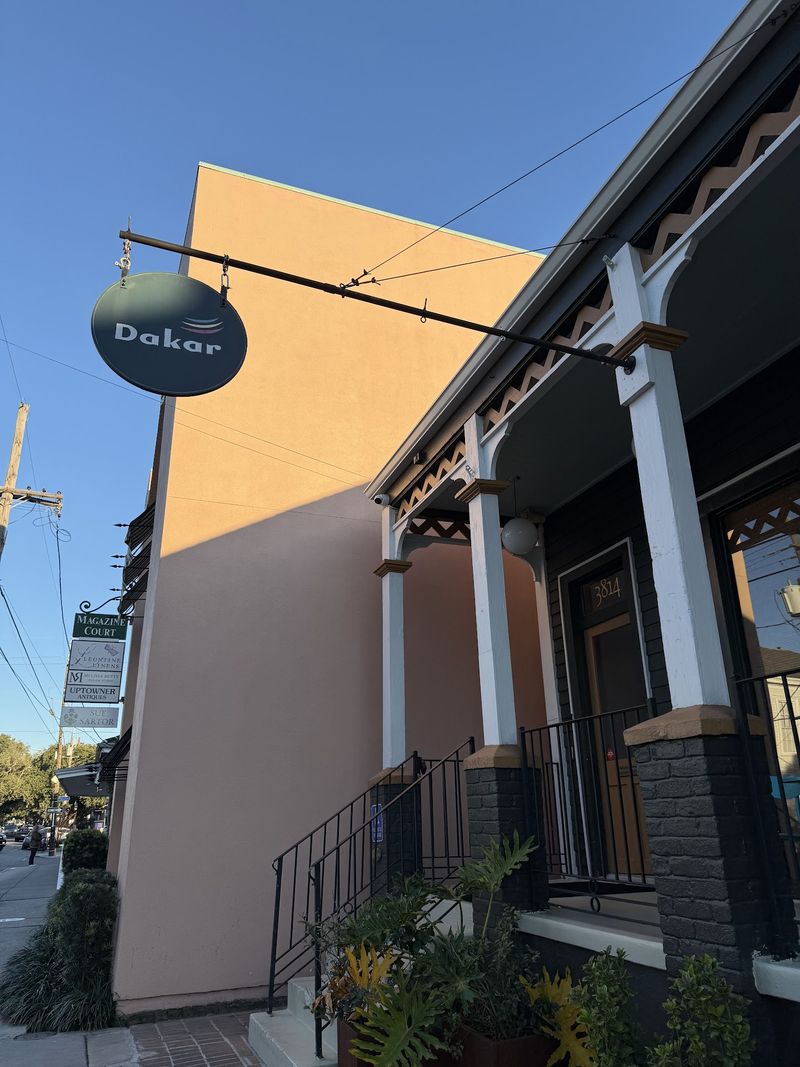
Good news for spontaneous eaters. Dakar NOLA recently added a patio with walk-in, à la carte dining.
That means you don’t need to land a tasting menu seat to try the food. You can order individual dishes instead of committing to seven courses.
It’s a more relaxed way to get a taste of the kitchen. Some people may prefer it for a lighter evening out.
The patio also opens the door for curious first-timers. If Senegalese food is new to you, it’s an easy starting point.
Before you go, know the menu’s limits. The kitchen cannot accommodate fin fish, soy, shellfish aroma or fumes, allium, or honey allergies.
It also can’t serve vegans, or vegetarians who avoid food cooked in seafood broth. Seafood runs through this whole kitchen, so that rule makes sense.
Everyone else gets a lucky break. The patio turns a hard-to-book restaurant into something a little more reachable, and that feels like a gift.
The Trophy Shelf Keeps Getting More Crowded
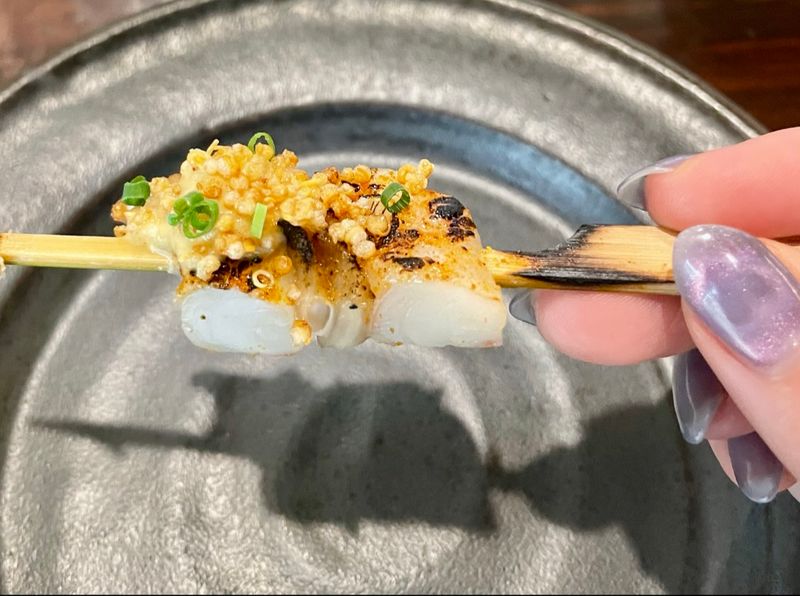
From pop-up to powerhouse in just a few years. Chef Mbaye launched Dakar NOLA as a pop-up in 2020, then opened the brick-and-mortar spot in November 2022.
The awards piled up fast. It won the 2024 James Beard Award for Best New Restaurant.
North America’s 50 Best Restaurants ranked it No. 6 in 2025 and No. 4 in 2026. Both years, it was also named The Best Restaurant in South USA.
Eater added it to the All-Time Eater 38. That list highlights essential and influential restaurants in America over the past two decades.
You’ll find the cottage at 937 Leonidas Street, New Orleans, LA 70118. It sits in an Uptown neighborhood, away from the busy French Quarter crowds.
Older references may mention Magazine Street, so double-check your map. Leonidas Street is the current home.
With a Michelin star now added, the shelf looks pretty full. Still, I suspect Louisiana hasn’t seen the last chapter of this story yet.