Old West African tales about a clever rabbit named Compair Lapin were recorded in cabins that still stand beside a Louisiana river road. Those stories became part of the Br’er Rabbit tales many of us heard as kids. That fact stopped me in my tracks.
The same river route passes earthworks built more than 3,000 years ago. It also passes a dining room with a giant ceiling fan that was once worked by pulling a rope. A navy destroyer museum sits right on the riverbank too.
The Mississippi ties these stops together like beads on a very long, very muddy string. From ancient earthworks to music landmarks and historic dining rooms, a Louisiana Mississippi River road trip packs centuries of stories into one winding route.
You can follow it from the northern part of the state almost to the Gulf. One stretch hums with music history. Another serves gumbo with a river view from five floors up.
Plan your route, pack snacks, and leave room for a few surprise detours. With so much history along the water, the hardest part might be deciding where to stop first.
11. Poverty Point World Heritage Site
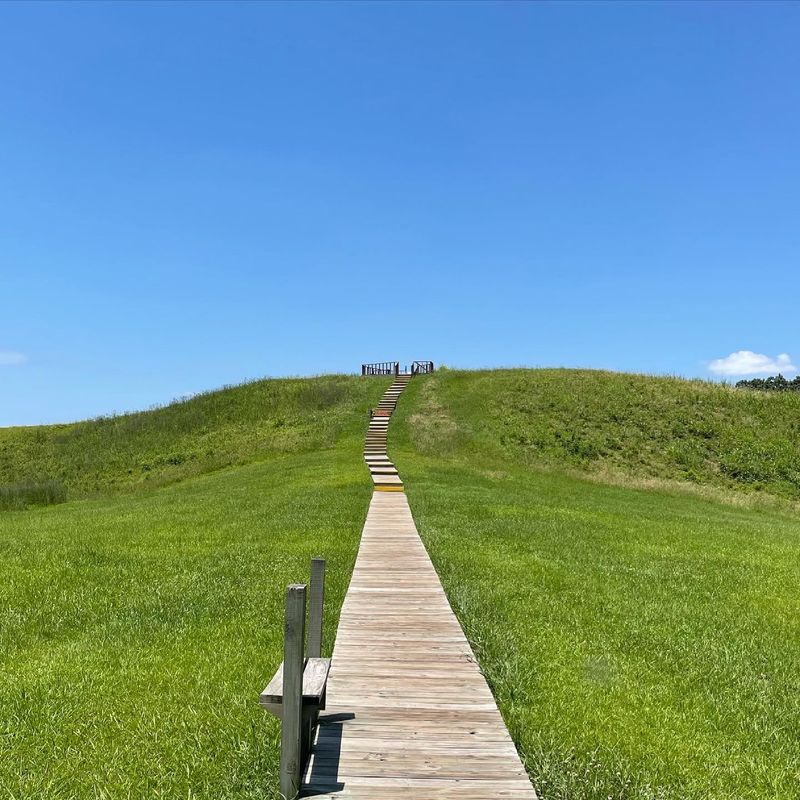
Long before anyone paved a single road in Louisiana, people here moved mountains of dirt by hand. The earthworks at this site went up between about 1700 B.C. and 1100 B.C.
That makes the place older than plenty of ancient wonders you learned about in school. It became a National Historic Landmark in 1962 and a UNESCO World Heritage Site in 2014.
The grounds cover 402 acres. You’ll see curved ridges and big mounds that once formed a city built by the Lower Mississippi Poverty Point Culture.
Honestly, the scale is the wow factor here. These builders had no bulldozers, just muscle and serious patience.
Start inside the interpretive museum to get your bearings. Seeing the layout explained first makes the ridges outside click into place.
Guided tours are offered, and so are demonstrations and programs. Check the schedule before you go so you can match your visit to something fun.
Want to stretch your legs after hours in the car? A 2.6-mile hiking trail loops through the site.
Bring binoculars, too. The site doubles as a wildlife sanctuary, and it’s especially good for birds.
A picnic area and restrooms make this an easy stop for families. Pack sandwiches and eat lunch near land shaped more than 3,000 years ago.
Doors open daily from 9 a.m. to 5 p.m. The site closes on Thanksgiving, Christmas, and New Year’s Day.
Address: 6859 LA Hwy. 577, Pioneer, LA 71266
10. Delta Music Museum
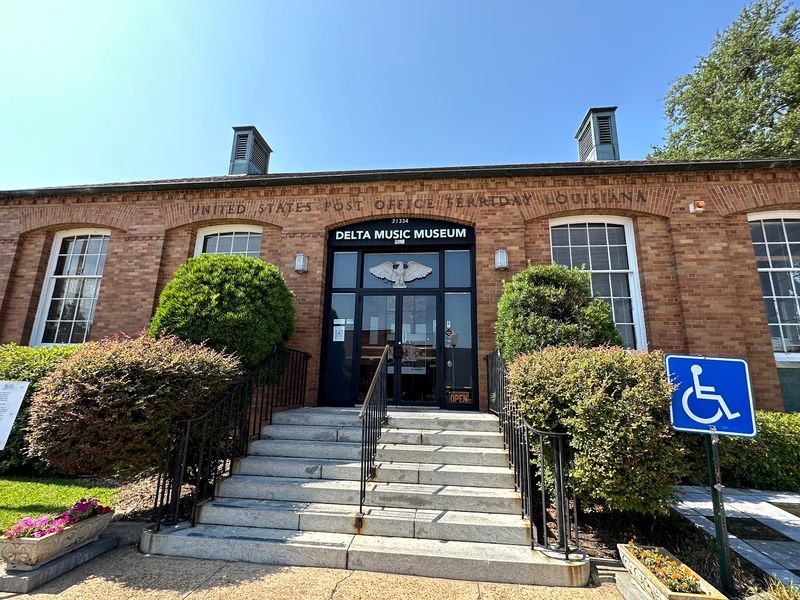
One small town gave the world a surprising pile of music legends, and it keeps their stage outfits handy. Ferriday was a big hub of the Mississippi Delta music scene in the 1950s.
The museum here spotlights 30 artists from blues, soul, gospel, and country. Best part for your wallet? Admission is free.
You’ll find personal memorabilia, stage costumes, awards, and records. Names include Jerry Lee Lewis, Mickey Gilley, and Jimmy Swaggart.
Don’t skip the replica of Haney’s Big House. The famous juke joint once hosted Ray Charles, B.B. King, and Little Richard.
That lineup sounds like a dream concert poster. Standing in a copy of the room helps you picture how lively those nights must have been.
The museum also earned a neat title. It was the first Louisiana location marked with a Mississippi Blues Trail designation.
Part of the museum is the Arcade Theater, which hosts performances, lectures, and film screenings. Peek at the calendar to see if anything lines up with your trip.
Plan around the hours, since this stop keeps a shorter week. Doors open Tuesday through Saturday, 9 a.m. to 4 p.m., and stay closed Sunday and Monday.
Music fans could easily spend a happy morning here. Hum a little Jerry Lee on the way in. Nobody will judge.
Address: 218 Louisiana Ave, Ferriday, LA 71334
9. Pointe Coupee Parish Museum
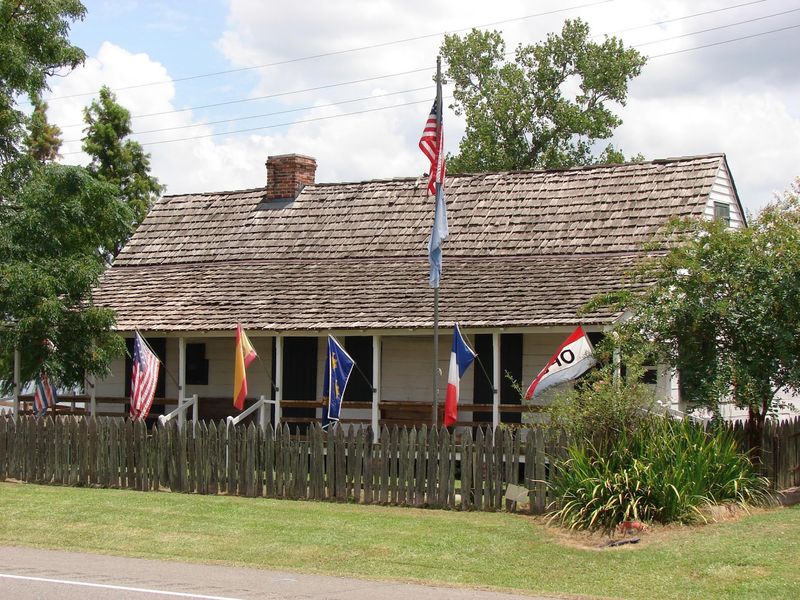
Log cabins usually make you think of the frontier, not French Creole country. Here, though, hewn logs and dovetailed corners hide inside a Creole-style house.
That combo makes the building a rare bit of architecture. The original part dates to around 1800 and belonged to the Olivo family, early French settlers.
Inside, 19th-century furnishings fill the rooms. You get a quick sense of how a family lived in this corner of Louisiana two centuries ago.
The Pointe Coupee Historical Society maintains the museum. One highlight is a Pointe Coupee Architecture exhibit about local building styles.
Parish history runs deep, with records going back to 1699. That’s older than the United States by a long shot.
Admission is free, which makes this an easy add to your route. It sits on False River Road, along a lake that formed from an old bend of the Mississippi.
Hours can be tricky to pin down, so call or check online before you head over. A quick check saves you from staring at a locked door.
Pair your stop with a stroll around New Roads afterward. The town makes a pleasant break between bigger attractions.
Small museums like this reward curious people. Look closely at the corners of those old logs and enjoy the craftsmanship.
Address: 8348 False River Rd., New Roads, LA 70760
8. Rosedown Plantation State Historic Site
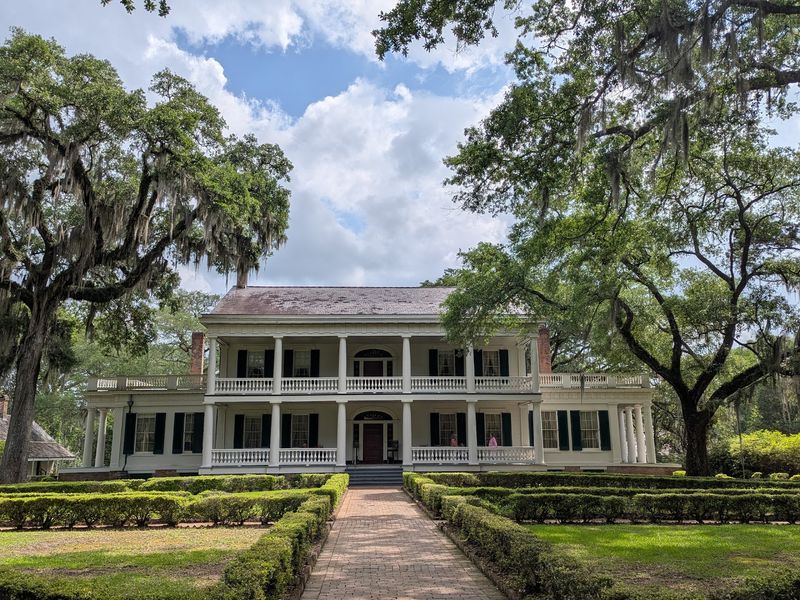
Ceiling fans used to need a person, not a switch. The dining room at this St. Francisville estate still has a punkah, a big fan worked by pulling a rope.
That’s just one detail inside the 8,000-square-foot home. The house keeps its original contents, which is rare for a place this old.
Daniel and Martha Turnbull commissioned the plantation in 1835. Enslaved people built it, and that history matters as you tour the grounds.
Today it ranks among the most documented and intact domestic plantation complexes in the South. That makes it a rich place to learn.
Then come the gardens, all 28 formal acres of them. They were developed following Martha Turnbull’s 1836 diary.
Expect Asian camellias, European design touches, and local plants. It’s like a garden scrapbook from someone who clearly had big plans.
Guided tours cover the house. The grounds work best on a self-guided walk at your own pace.
Wear comfy shoes and give yourself time. Rushing through 28 acres of gardens would be a shame.
As a Louisiana State Historic Site, it’s run for learning as much as for looks. Come curious and leave with stories.
The site is open daily from 9 a.m. to 5 p.m. It closes on Thanksgiving, Christmas, and New Year’s Day.
Address: 12501 Highway 10, St. Francisville, LA 70775
7. Donaldsonville Historic District
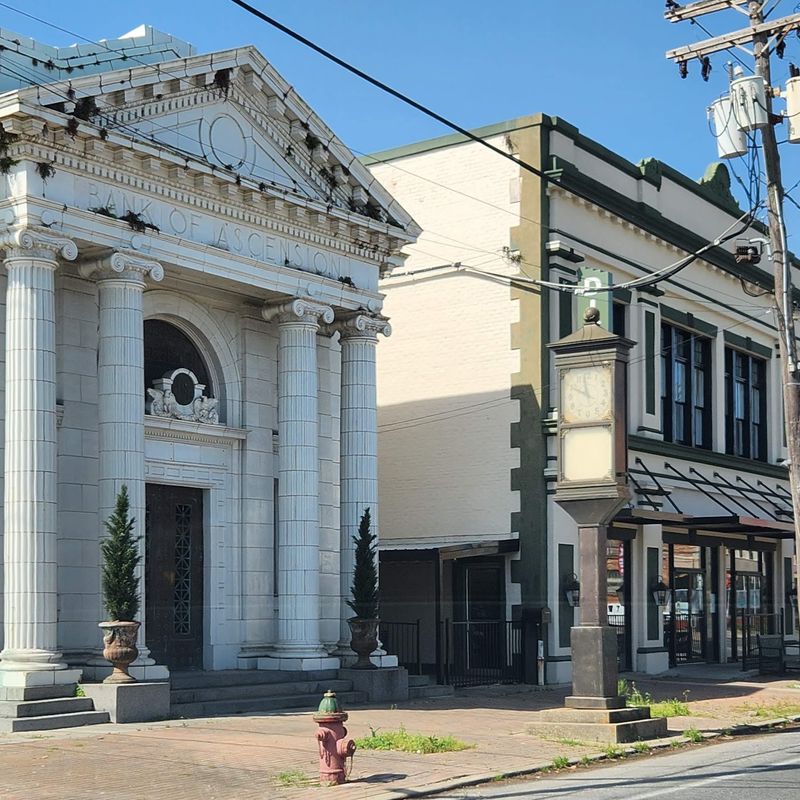
Quick trivia for your road trip crew: Louisiana’s capital once sat in Donaldsonville. The town held that role in the early 1830s.
Not bad for a place many drivers zoom past. The historic district sits near where the Mississippi River meets Bayou Lafourche.
That meeting point shaped the town. Waterways meant trade, travel, and people from many backgrounds passing through.
Downtown, the buildings tell that story without saying a word. The architecture reflects generations of change, resilience, and culture.
The best way to enjoy it is on foot. Park once, then wander the streets and look up at the old facades.
Bring your phone camera and a little patience. Old storefronts and homes reward people who slow down and notice details.
This stop costs nothing but time, since the district is open to the public. It makes a nice break when your legs need a stretch.
History buffs can turn the capital fact into a game. Try guessing which streets would have bustled the most back then.
Kids might enjoy it more if you frame it like a scavenger hunt. Look for the oldest-looking doorway or the fanciest window trim.
Donaldsonville sits between bigger River Road stops, so it fits neatly into a day trip. Think of it as the bridge between chapters of your drive.
Address: Downtown Donaldsonville, LA 70346
6. Houmas House and Gardens
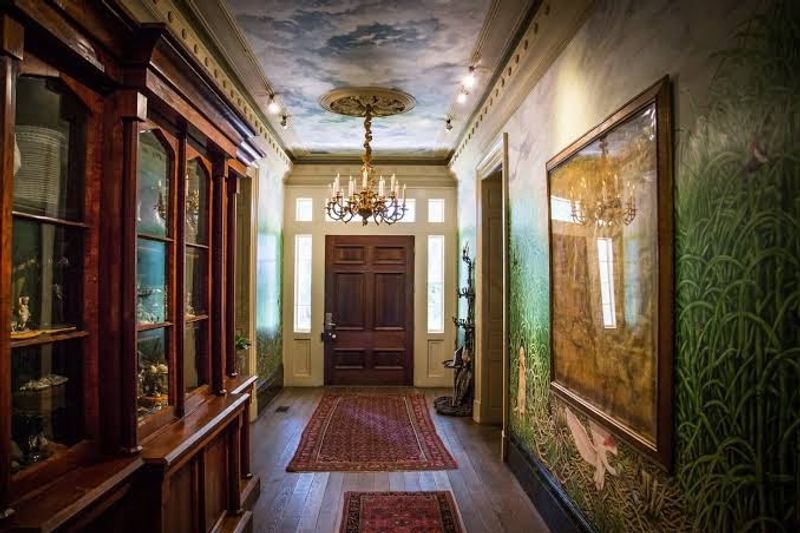
Thirty-eight acres of gardens is a lot of flowers to admire before lunch. Luckily, this Darrow estate has three on-site restaurants waiting for you.
Houmas House and Gardens claims a 250-year history. The mansion has been restored to show the lavish life of a sugarcane farm in the 1880s.
Guided mansion tours run daily, starting at 9:30 a.m. The grounds open at 9 a.m. and stay open until 7 p.m.
Those long hours give you room to breathe. You could tour in the morning, wander the gardens, and eat without watching the clock.
The gardens are carefully kept, so bring a camera. Strolling them is a sweet reward after long highway stretches.
Don’t miss the Great River Road Museum on the property. It covers early life along the lower Mississippi, from culture and commerce to folklore and music.
That museum adds helpful context to your whole drive. Visit it early, and the other river stops will make more sense.
Want to stretch the visit? The estate runs an inn for overnight guests.
Staying over means you can catch the gardens at quiet hours. It also saves you from driving River Road after dark.
For a single stop that blends history, food, and greenery, this one covers a lot of ground. Literally, 38 acres of it.
Address: 40136 Highway 942, River Road, Darrow, LA 70725
5. Oak Alley Plantation
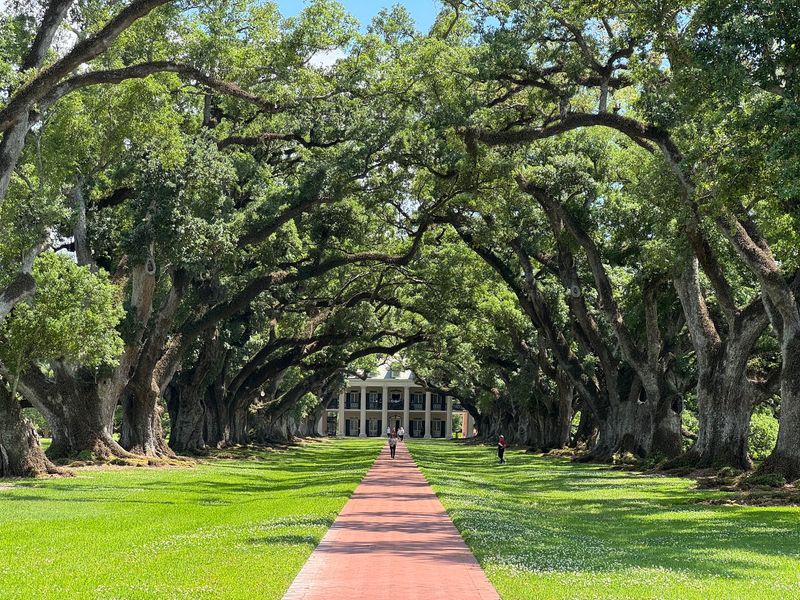
A quarter mile of oak trees, some more than 300 years old, forms one famous tunnel of shade. Bring a camera, because one photo won’t be enough.
Oak Alley Plantation in Vacherie is a National Historic Landmark. The Oak Alley Foundation, a nonprofit, preserves the mansion and its 63-acre site.
Guided Big House tours run daily from 9 a.m. to 4:30 p.m. The grounds open from 8:30 a.m. to 4:45 p.m.
Arriving early gives you more time with the oaks. Walk the alley slowly and look up at how far the limbs stretch.
Beyond the house, you can explore several exhibits. They add depth to the story of the place and the people connected to it.
Hungry? An on-site restaurant serves Southern comfort food, so you don’t have to leave to refuel.
Overnight guests can book private cottages. Waking up near those old trees sounds pretty great.
Check the calendar before you plan. The plantation closes on New Year’s Day, Mardi Gras, Thanksgiving Day, and Christmas Day.
That Mardi Gras closing is a classic Louisiana touch. Even historic sites take parade day off.
Pair this visit with nearby Laura Plantation, also on Highway 18. The two stops sit close together, so one morning can cover both.
Address: 3645 Highway 18 (Great River Road), Vacherie, LA 70090
4. Laura Plantation
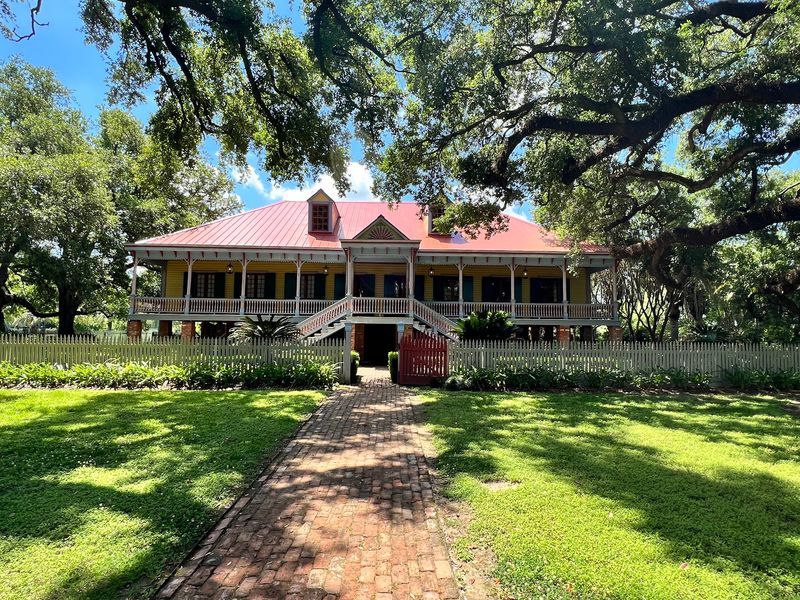
Br’er Rabbit hopped into American storytelling partly through cabins in Vacherie. Ancient West African tales of Compair Lapin were recorded in original 1840s slave cabins here.
That detail alone makes this site worth a stop. It calls itself Louisiana’s Creole Heritage Site, and the tour backs that up.
The Big House, or Maison Principale, dates to 1805. It’s a traditional Louisiana Creole raised house, built up off the ground.
A 75-minute guided tour covers the main house, gardens, and enslaved quarters. You’ll hear about four generations of Creole families and the enslaved community.
In 1994, Laura became the first historic attraction in the state to include the stories of enslaved Africans in its tour. The museum exhibit From the Big House to the Quarters continues that work.
Twelve buildings here are on the National Register of Historic Places. That’s a lot of history packed onto one stretch of road.
Three gardens add color to the visit. Look for the Jardin Français, the kitchen potager, and the BananaLand grove.
BananaLand might be the most fun garden name on the whole river. Kids will probably agree.
Tours start at 10 a.m. and run about every 40 minutes until the last one at 4 p.m. The site opens daily from 9:30 a.m. to 5 p.m., except major holidays.
Address: 2247 Highway 18, Vacherie, LA 70090
3. Destrehan Plantation
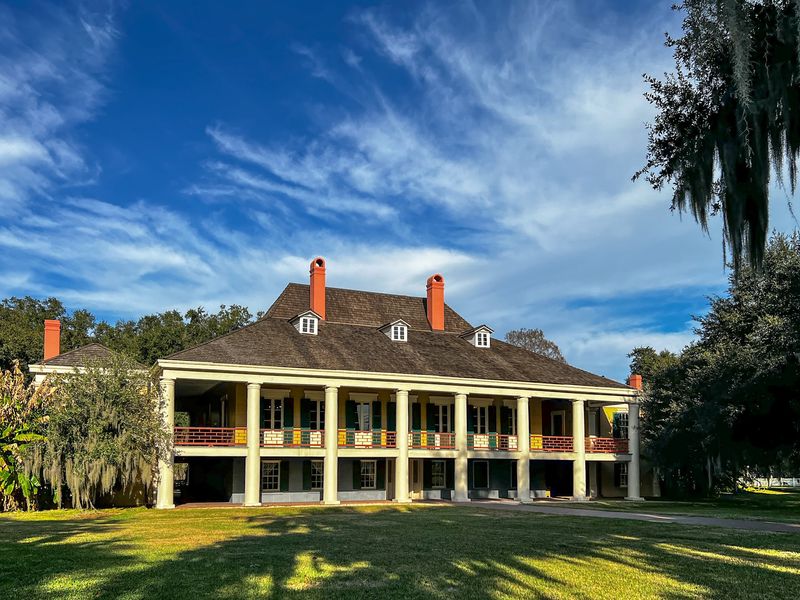
Old is relative, but 1787 is seriously old for a house. Destrehan Plantation is the oldest documented plantation home in the Lower Mississippi River Valley.
That makes it a great first or last stop if you’re driving from New Orleans. It sits right on River Road in the town that shares its name.
Being so close to the city makes this stop easy to squeeze in. You get deep history without a long detour.
The Greek Revival architecture grabs attention fast. Tall columns give the home a stately look.
Daily tours walk you through the house and its story. They explore the social, economic, and architectural side of the plantation era.
The fun twist here is the costumed artisans. Their demonstrations bring old skills to life right in front of you.
Watching a craft done by hand beats reading about it on a sign. It’s a smart way to keep younger travelers curious.
The site works as both a museum and a cultural site. Events and exhibits change, so check what’s happening before you go.
Hours are simple to remember. Doors open daily from 9 a.m. to 5 p.m.
Plan a few hours if you like to linger. History fans could easily stay longer, studying the details and soaking up the stories.
Address: 13034 River Road, Destrehan, LA 70047
2. USS KIDD Veterans Museum

Heads up, ship fans: the destroyer is on a little road trip of its own. The USS KIDD is currently undergoing repairs in Houma, so only the museum building is open.
Don’t cross this one off your list yet. The museum in Baton Rouge still has plenty to see.
Exhibits, special displays, and military artifacts honor the American armed forces. The building also houses the Louisiana Veterans Hall of Honor.
Educational programs round out the visit. Families and school groups can learn a lot in a short stop.
So what makes the ship special when it’s home? KIDD is a Fletcher-class destroyer, one of only four preserved as museums.
It’s also the only known destroyer kept in its World War II configuration. That care has earned it recognition as one of the most authentically restored vessels around the world.
Once the repairs wrap up, it’ll be worth a return trip. Seeing the ship back on the river should be a thrill.
For now, hours run from 9:30 a.m. to 3:30 p.m. daily. Arrive earlier in the day so you don’t feel rushed.
The museum sits on South River Road near downtown Baton Rouge. That makes it easy to pair with lunch in the capital city.
Check for updates on the ship before your visit. A quick look online keeps your expectations right on course.
Address: 305 South River Road, Baton Rouge, LA 70802
1. Chemin à la Mer
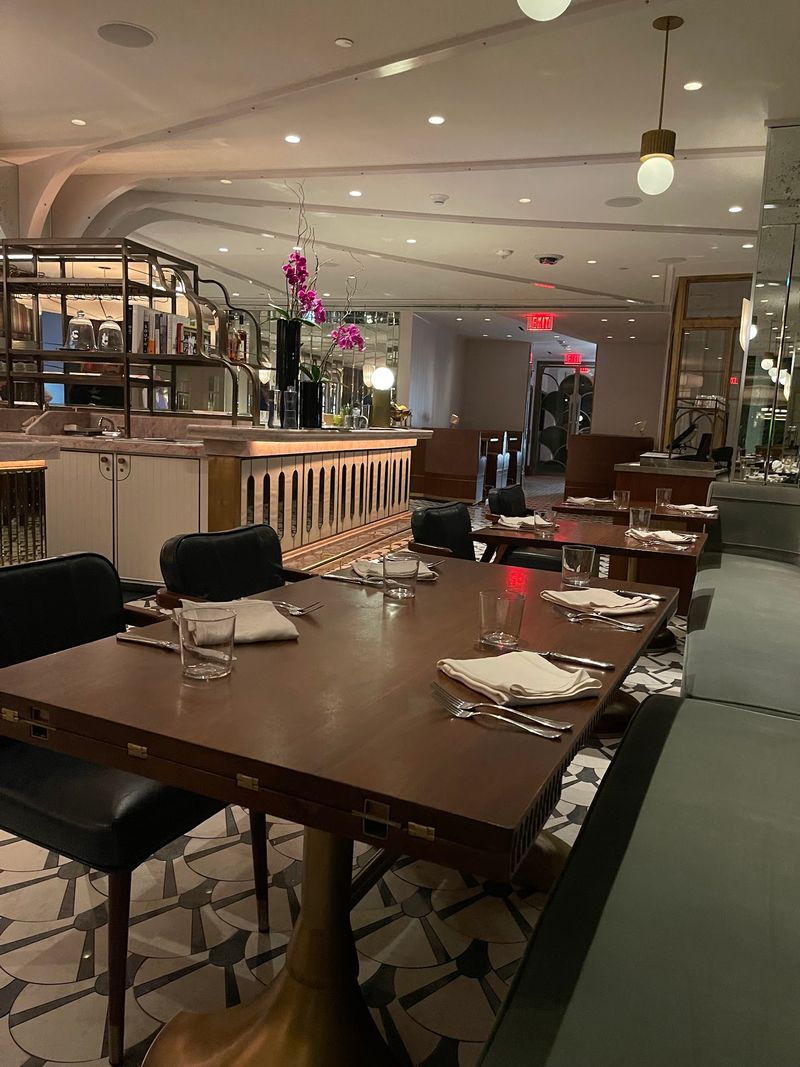
Five floors above Canal Street, the Mississippi becomes your dinner view. Chemin à la Mer sits on the fifth floor of the Four Seasons Hotel New Orleans.
Floor-to-ceiling windows frame the river. A wrap-around deck gives you an even better look.
James Beard Award-winning Chef Donald Link leads the kitchen. The food blends French brasserie style with Creole, Cajun, and Gulf Coast cooking.
The menu reads like a Louisiana greatest hits album. Think gumbo, shrimp étouffée, duck confit, chicken fricassée, and pan-roasted drum.
Seafood lovers should check out the oyster bar. Options include steamed shell-on Louisiana shrimp, ceviche, and a seafood tower.
Crab and artichoke au gratin and Ora King salmon are on the list too. Picking just one dish might be the hardest part of your trip.
Weekend brunch starts at 10 a.m. on Saturday and Sunday. Boudin-stuffed beignets and buttermilk pancakes make a strong case for waking up early.
Save room for dessert. Crêpes Suzette gets flambéed right at your table, so dinner comes with a show.
Look around the dining room, too. Art by Southern naturalist painter John Alexander celebrates the region’s plants and animals.
The restaurant opened in 2021 and serves lunch and dinner from 11 a.m. to 10 p.m. It’s a tasty finish line for a long river drive.
Address: Four Seasons Hotel New Orleans, 2 Canal Street, New Orleans, LA 70130