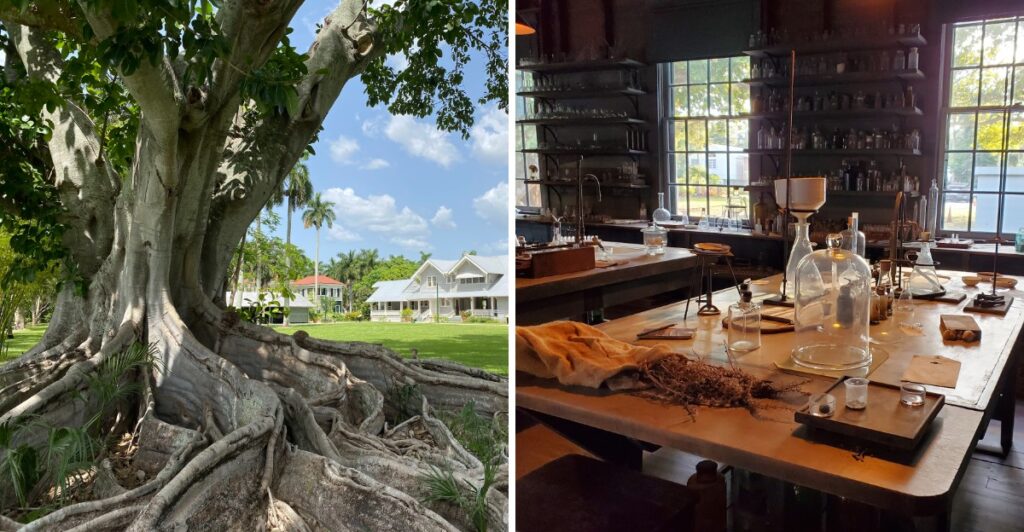
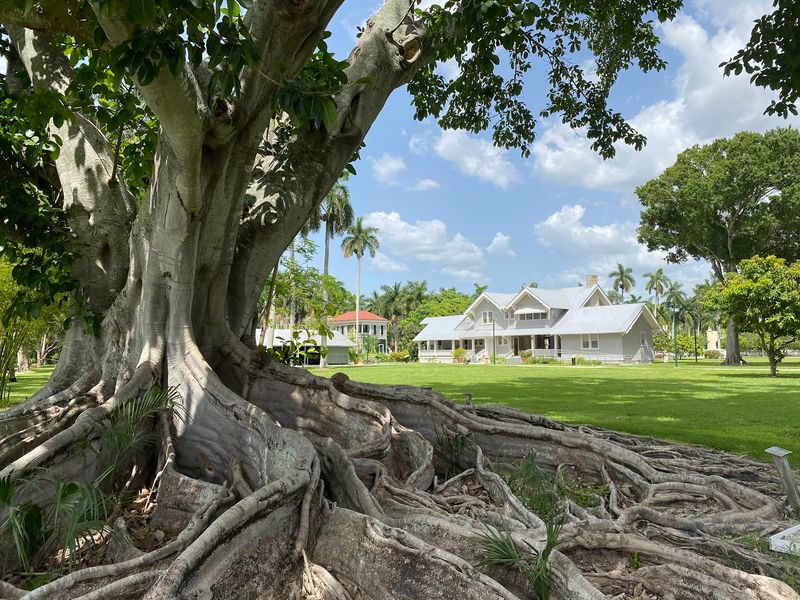
One banyan tree at this Florida estate spreads across roughly half an acre. Thomas Edison planted it around 1928, and it hasn’t stopped growing since.
Edison spent his winters here, right next door to his friend Henry Ford. Borrowing sugar from the neighbors clearly came with bonus brainstorming.
More than 1,700 plants from six continents line the paths. Edison’s lab still has his equipment on the benches, where he hunted for a homegrown source of rubber.
A brand-new welcome center is in the works, so changes are on the way. See it soon, while the lab still looks like Edison just stepped out for lunch.
Two Inventors Picked The Same Riverbank, And It Shows
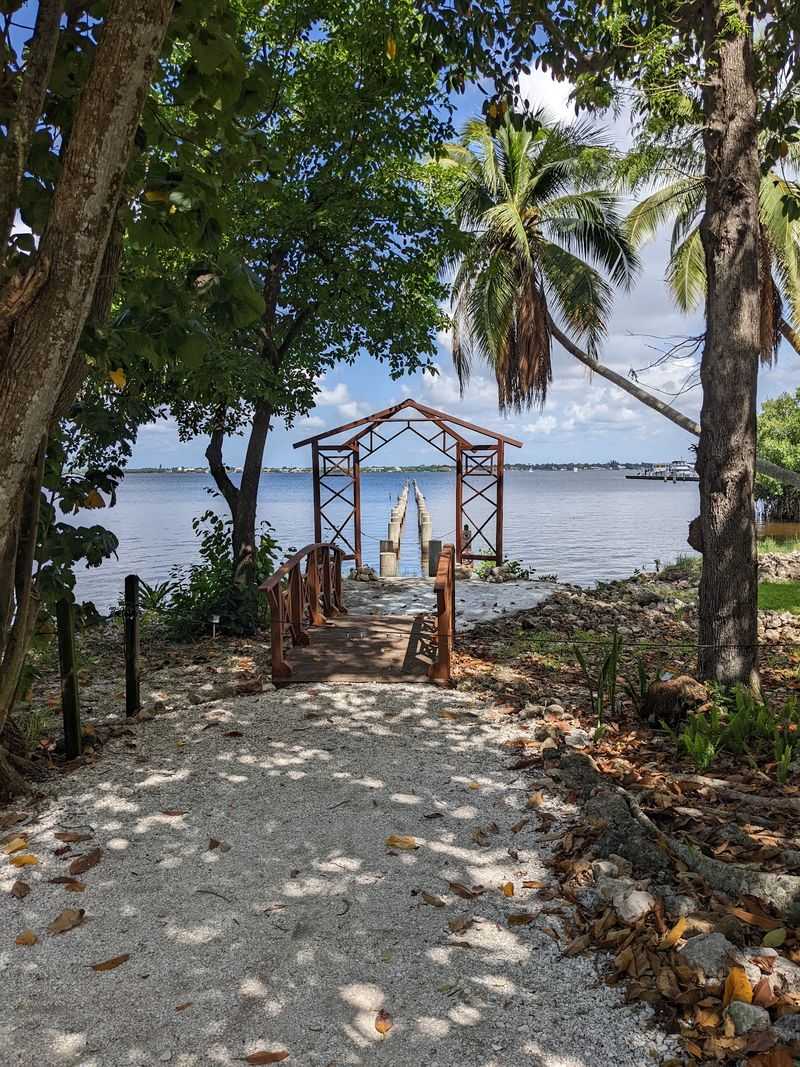
Back in 1885, Thomas Edison visited Southwest Florida and liked it enough to buy land. He picked 13 acres along the Caloosahatchee River and finished his winter home, Seminole Lodge, in 1886.
Fast forward to 1914, when his close friend Henry Ford came to visit. Two years later, Ford bought the property right next door, known as The Mangoes.
That is how the Edison & Ford Winter Estates came to be. Two of the most famous names in American history spent winters as neighbors, sharing ideas and friendship.
The whole site now covers over 20 acres of homes, gardens, a museum, and a research lab. It is listed as a National Register Historic Site and is accredited by the American Alliance of Museums.
Those honors matter because they mean the history is cared for seriously. You are not touring a replica or a theme park version of the past.
Plan for a few hours rather than a quick stop. Between the houses, the gardens, the lab, and the museum, there is a lot of ground to cover here.
Comfortable shoes are a smart call. Your feet will thank you by the time you reach the river.
Half An Acre Of Banyan Tree Will Mess With Your Sense Of Scale
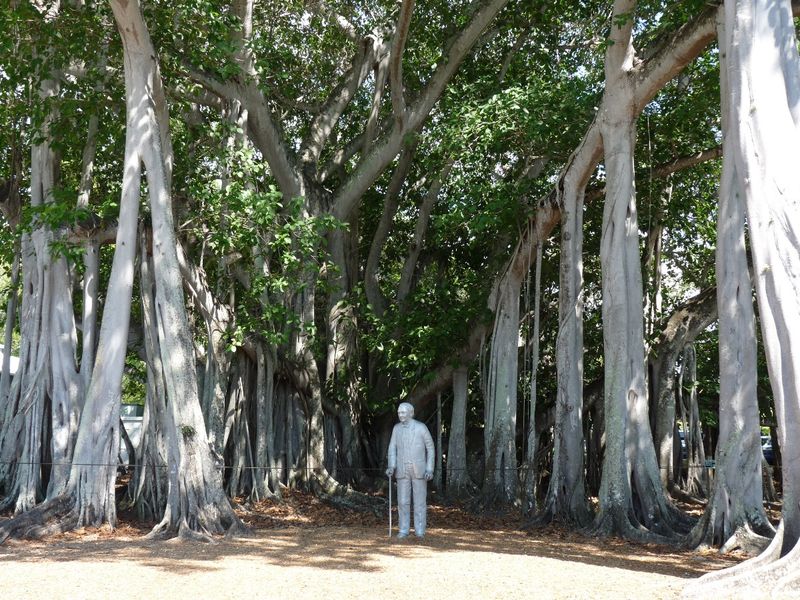
Most trees fit in a photo. The giant banyan at this estate refuses to cooperate.
Thomas Edison planted it around 1928, and today it spreads across about half an acre. Banyans send down roots from their branches, and those roots turn into new trunks over time.
The result looks less like one tree and more like a small forest. Kids tend to stare at it like it might start walking.
The banyan ranks as one of the most talked-about sights on the grounds. It makes a great first stop for photos, so have your camera ready.
Here is a fun bit of backstory. Edison’s interest in plants was not just a hobby, since his later research focused on finding rubber in plants.
That makes this tree feel like a living link to his work. It is part science project, part shady hangout, and fully impressive.
Try circling it slowly to see how the trunks connect. Each angle shows a new tangle of roots and branches.
On a warm Florida afternoon, the shade alone feels like a gift. Nobody will blame you for lingering a few extra minutes underneath.
Plants From Six Continents Share One Very Lucky Garden
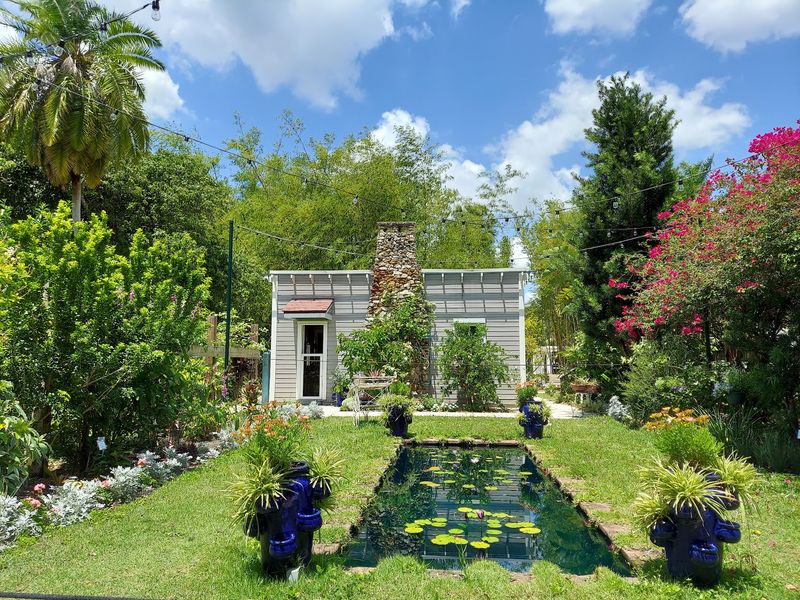
Over 1,700 plants grow across these grounds, gathered from six different continents.
That includes more than 400 plant species, ranging from trees and palms to other tropical and subtropical plants.
Fruit lovers get a treat too. The collection holds over 75 types of fruit trees, which feels very on brand for a property called The Mangoes.
Wandering the paths here is half history lesson and half nature walk. Big shade trees, open lawns, and tropical plants fill the space between the historic buildings.
Mina Edison has a special spot here called the Moonlight Garden. It is one of the garden highlights, so keep it on your list.
The gardens are a big part of why Mina Edison gave the estate to the city. In 1947, she deeded it to Fort Myers to honor her husband and create a public botanical garden.
Her gift is still paying off for everyone who visits. Thanks, Mina.
Plant fans should look into the Garden Tour, led by a garden professional. It offers a deeper look at what grows here and why.
Even casual visitors will enjoy the variety. You may spot a plant you have never seen before around nearly every corner.
Step Into A Lab Where Edison Chased Homegrown Rubber
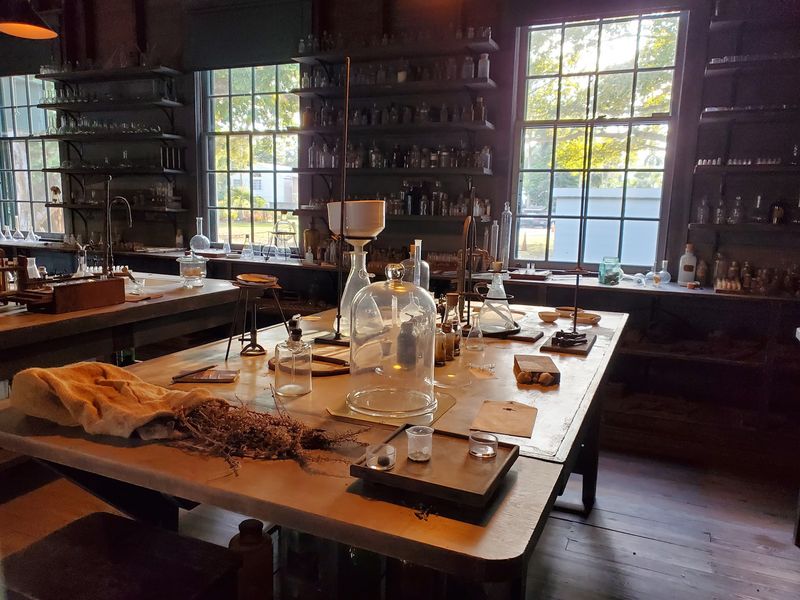
Rubber was a big worry in the early 1900s. The United States relied on other countries for it, and three famous friends wanted a solution.
Thomas Edison, Henry Ford, and Harvey Firestone teamed up for research on a domestic rubber source. Their work took place right here at the Edison Botanic Research Laboratory.
The lab is now a National Historic Chemical Landmark. That is a fancy title, and it is well earned.
What makes it so cool is the equipment itself. The lab is preserved with Edison’s actual tools and gear, not lookalikes.
Long wooden tables, glassware, and bottles fill the workspaces. It feels like the scientists might return any minute to finish an experiment.
Science-minded kids will likely find this the best part of the day. Adults who loved chemistry class might too, even if they never admit it.
Take your time reading about the research goals here. Understanding the rubber problem makes the whole estate make more sense.
Suddenly the gardens feel connected to the lab. Edison was testing plants, so his love of greenery had a practical purpose behind it.
Phonographs, Lightbulbs, And Old Cars Get Their Own Cool Room
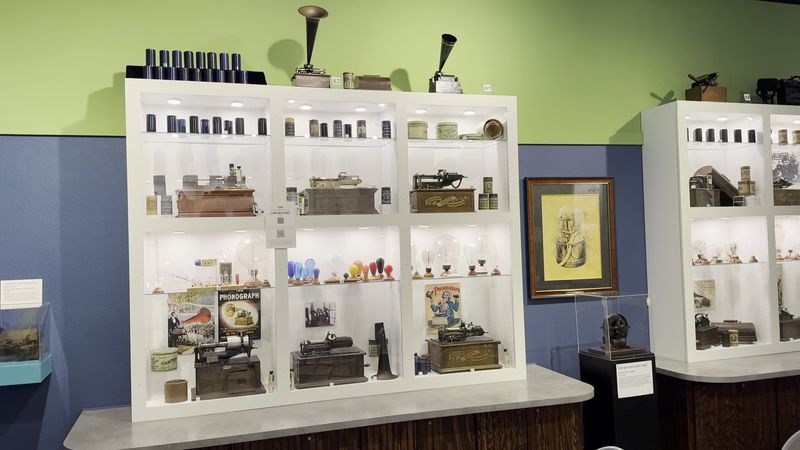
Good news for hot days. The museum here is a 15,000-square-foot space, and it is fully air-conditioned.
Inside, you will find artifacts tied to Edison’s inventions. Early phonographs, lightbulbs, and movie projectors line up to tell the story of how everyday life changed.
Car fans are covered too. Antique automobiles sit on display, connecting the collection to Henry Ford and his famous work.
The exhibits are arranged to trace the careers of both men. Walking through feels like flipping pages in a giant, shiny history book.
Think about how strange it is that these objects were once brand new. The phonograph was cutting-edge tech long before anyone owned headphones.
A smart plan is to visit the museum during the hottest part of your day. Save the gardens for cooler hours if you can.
Families should ask about kid activities while visiting. A scavenger hunt can keep younger explorers busy and searching every display.
Give yourself room to read the signs and soak in the details. There is plenty to see, so rushing through would be a shame.
Peek Inside The Homes Where Two Legends Unwound
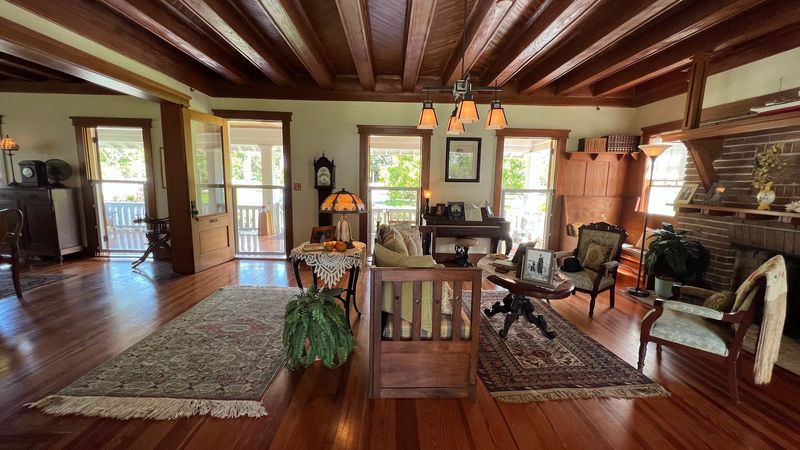
Famous people need vacations too. For Edison and Ford, winter meant trading cold northern weather for warm riverside living.
Nine historic buildings stand on the Edison & Ford Winter Estates grounds. These include Edison’s main house, guest house, and caretaker’s house, all part of Seminole Lodge.
Henry Ford’s home, The Mangoes, is a bungalow-style house. It feels cozy and approachable rather than grand.
The homes hold original furnishings, giving a glimpse of how these families lived day to day. It is a little like visiting very accomplished relatives who just stepped out.
Want to see more than the usual stops? The Inside the Homes Tour takes visitors into areas not usually seen on other tours.
That option is a great pick for serious history fans. You get closer to the personal side of these two inventors.
After the Ford Estate was sold to Fort Myers in 1988, it opened to the public in 1990. So both homes are now open for you to explore.
Look for small details in each room. Furniture, layouts, and decor all hint at the personalities of the people who wintered here.
Pick Your Pace With A Phone App Or A Real Historian
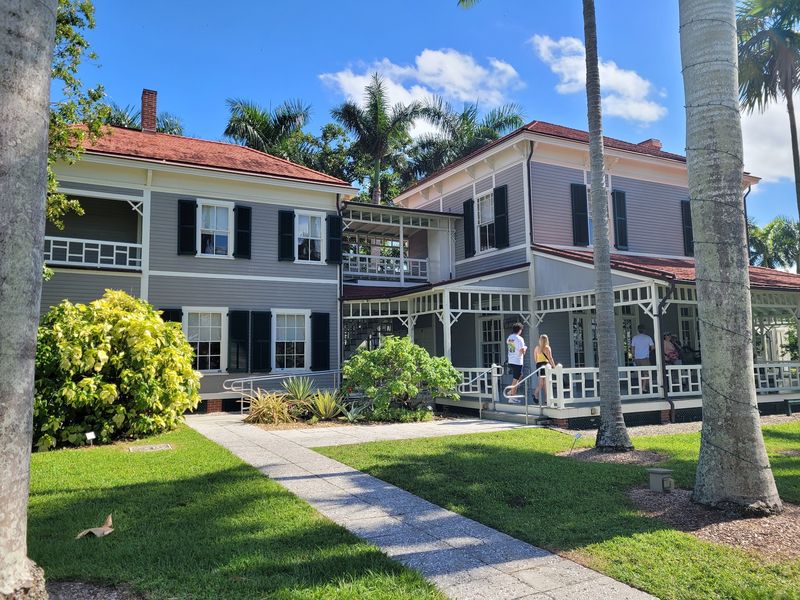
Some people love a guide, while others like to wander. Happily, this place works for both styles.
Self-guided tours run daily. A free audio guide app is available in English, German, French, and Spanish.
Each stop shares narrated history, and you can pause whenever you want. Bring headphones so you can listen without bothering anyone nearby.
Prefer a real person? Historian-led tours cover the homes and gardens, and those tickets also include full access to the museum and lab.
Guided tours run often throughout the day on a first-come, first-served basis. Arriving earlier gives you better odds of getting the time you want.
There are also specialty options. The Automotive Tour focuses on the historic vehicle collection, which is perfect for anyone who gets excited about old engines.
A quick practical note for planning. The estates open daily at 9 a.m. and close at 5:30 p.m., with the last ticket sold at 4:30 p.m.
They close on Thanksgiving Day and Christmas Day. Wheelchairs are available first-come, first-served, and fully trained service animals are welcome.
Catch The Classic Version Before The Big Makeover Arrives
Change is on the horizon at 2350 McGregor Blvd, Fort Myers, FL 33901. The estates have launched a five-year expansion plan to modernize visitor facilities.
First up is a brand-new Welcome Center. Construction is expected to take about 12 months once it gets going.
New facilities will likely be great. Still, there is real charm in seeing the place as it stands right now.
That is why 2026 feels like a sweet spot for a visit. You get to experience the estates before the new entry point fully changes the flow.
Don’t skip the river while you are here. The Caloosahatchee runs along the grounds, offering wide views and a calm break from the exhibits.
The site sits on both sides of the road. The museum and lab are on one side, while the homes, gardens, and riverfront fill the other.
A souvenir shop is on site for a little something to take home. Plant lovers may enjoy browsing for garden-themed finds.
Florida has plenty of attractions, but few mix invention, friendship, and gardens like this. Go soon, and see it while this chapter lasts.