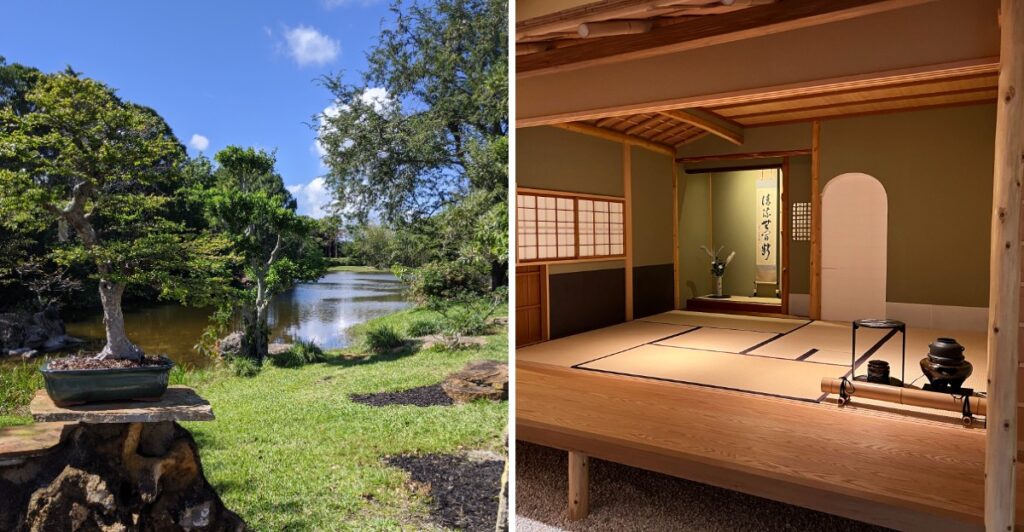
Japan called, and South Florida picked up. This garden borrows ideas from a 17th-century imperial villa. Then it plops them right next to palm trees and suburban traffic.
Six garden styles cover about a thousand years of Japanese design. A history class you can walk through in flip-flops? Yes, please.
The bonsai are so neatly groomed, they could teach a self-care class.
Two museum buildings add Japanese art and tea ceremony pieces. They also tell the true story of young Japanese farmers who settled South Florida over a century ago. Your average plaque could never.
The garden turns 50 in 2027. Fifty years old and still this peaceful? We’d love to know its secret.
Six Gardens, One Stroll, And A Thousand Years Of Design
Most gardens pick one style and stick with it. The Morikami Museum and Japanese Gardens went bigger and packed six historic Japanese garden styles into one loop.
The gardens are called Roji-en, which means Garden of the Drops of Dew. They cover about 16 acres and were designed by master garden builder Hoichi Kurisu.
Each garden reflects a different period, stretching from roughly the 8th century to the 20th century. You’ll pass a Shinden garden, inspired by old aristocratic estates, and a Paradise Garden shaped by Buddhist ideas.
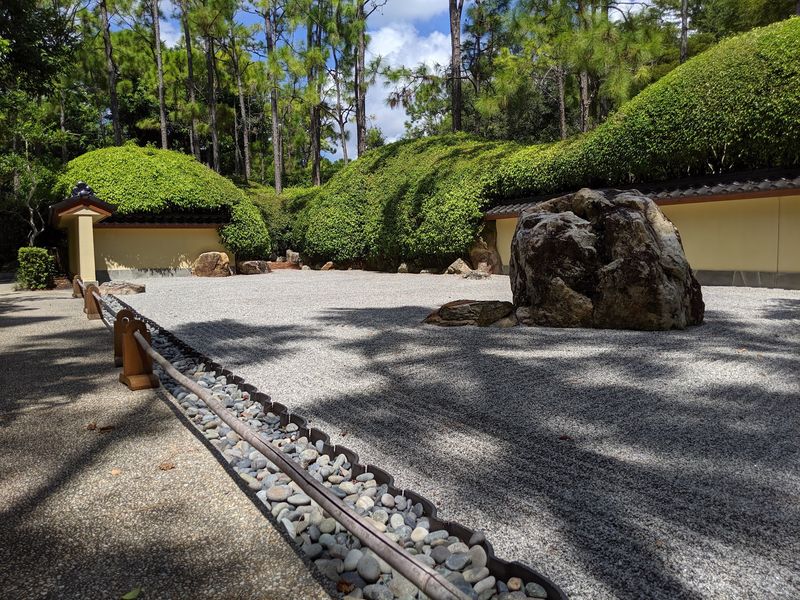
Later comes a Karesansui rock garden, where raked gravel and boulders do all the talking. It looks simple, yet every stone sits exactly where the designer wanted it.
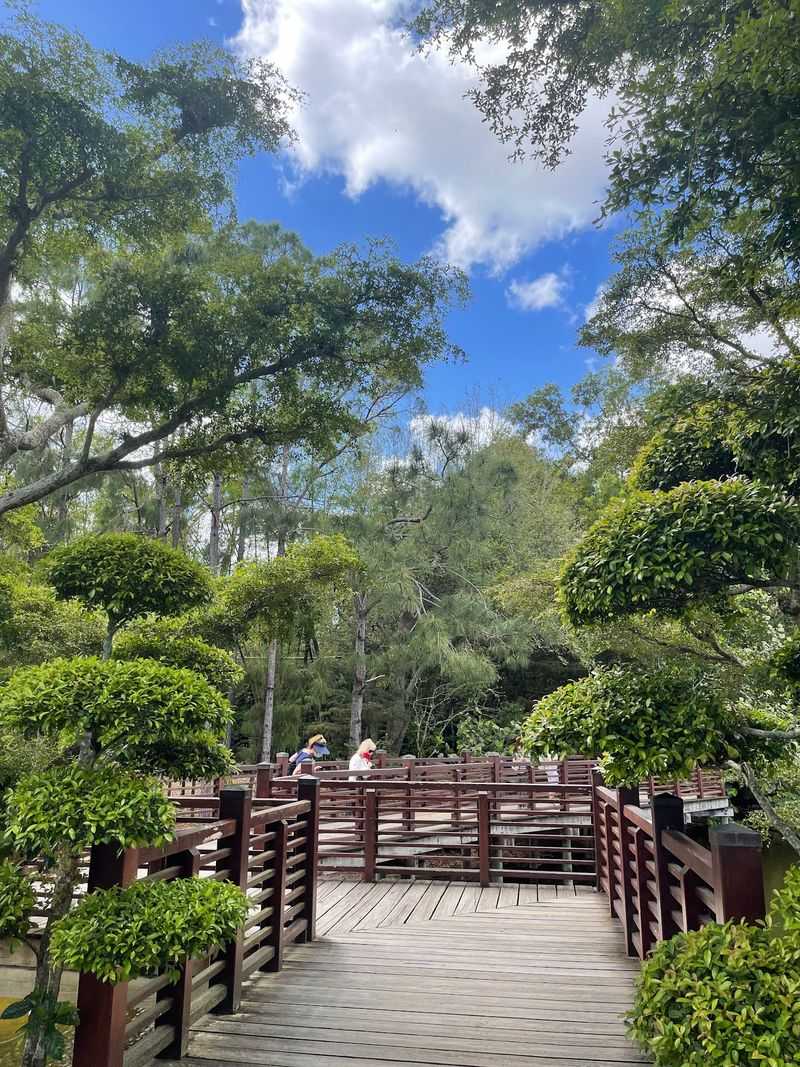
Winding paths link everything around a large central lake. Ponds, bridges, and carefully pruned pines keep changing the view as you go.
Wear comfortable shoes, because the full loop is a real walk. Benches appear along the trail, so you can pause whenever a view catches you.
Bring water and a hat on sunny days. Some stretches have shade, but Florida sunshine rarely takes a day off.
Tiny Trees With Very Big Patience
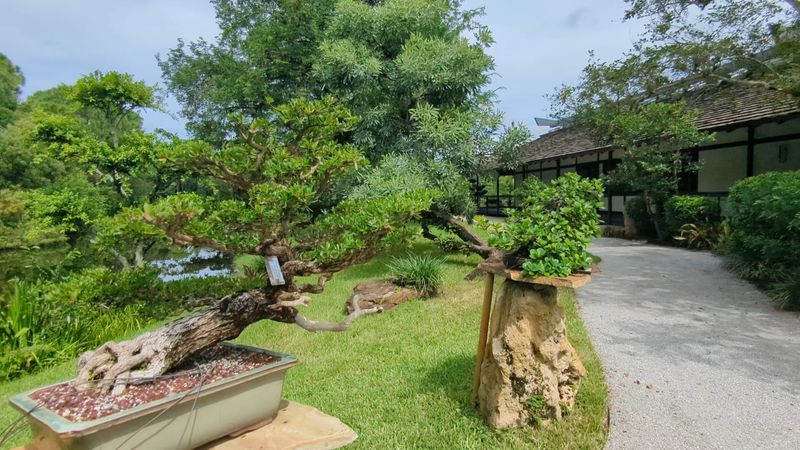
Some of these trees have spent longer in training than most people spend in school. Every branch on display tells a story of years of careful trimming and shaping.
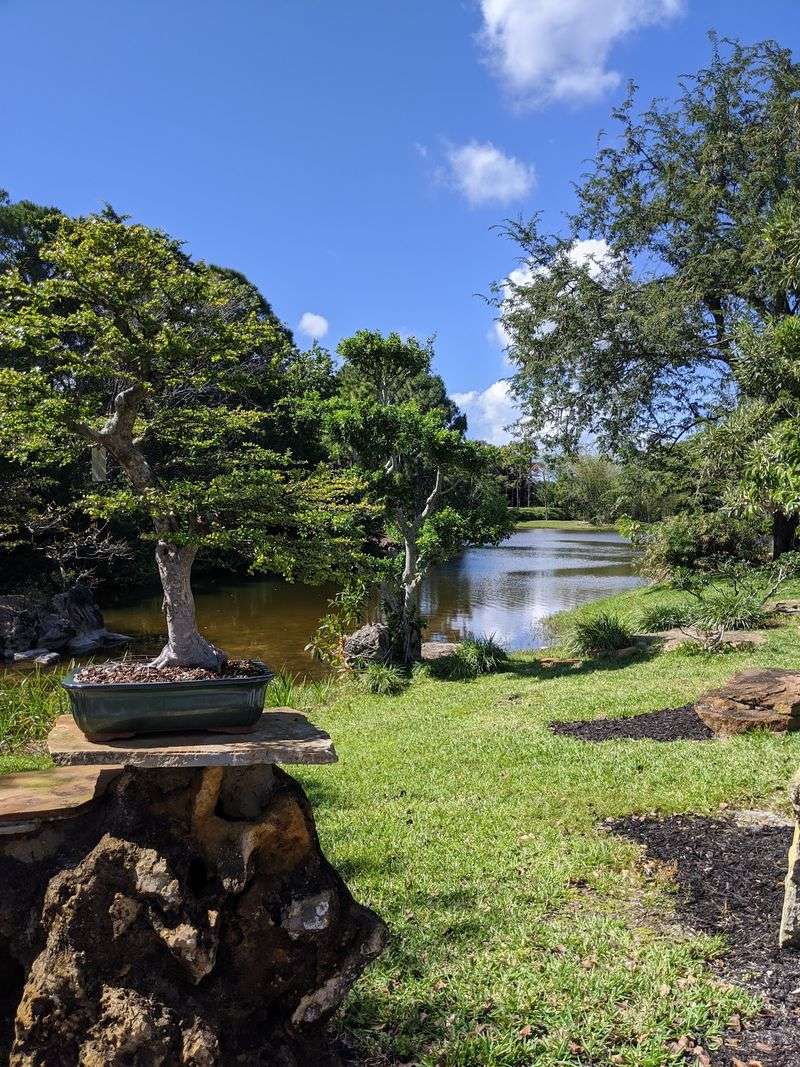
The collection lives along the Dr. Ron and Arlene Kessler Bonsai Walk inside the Roji-en gardens. It’s one of the most popular stops at Morikami, and it’s easy to see why.
In 2013, the World Bonsai Friendship Federation designated Morikami’s bonsai collection as its third Cooperation Center in the United States.
That puts it among a select group of recognized bonsai gardens around the world.
Bonsai is less about making trees small and more about making them look old and wise. Twisted trunks, balanced branches, and tidy roots are all part of the art.
Take your time here, and don’t rush the walk. Look at each tree from a few angles, since the shape often changes as you move.
Curious about trying it yourself? The museum offers bonsai classes for beginners and for people with some experience already.
Just remember one thing before you sign up. Your first bonsai will not look like these, and that is completely normal.
Two Museum Buildings Packed With Japanese Art
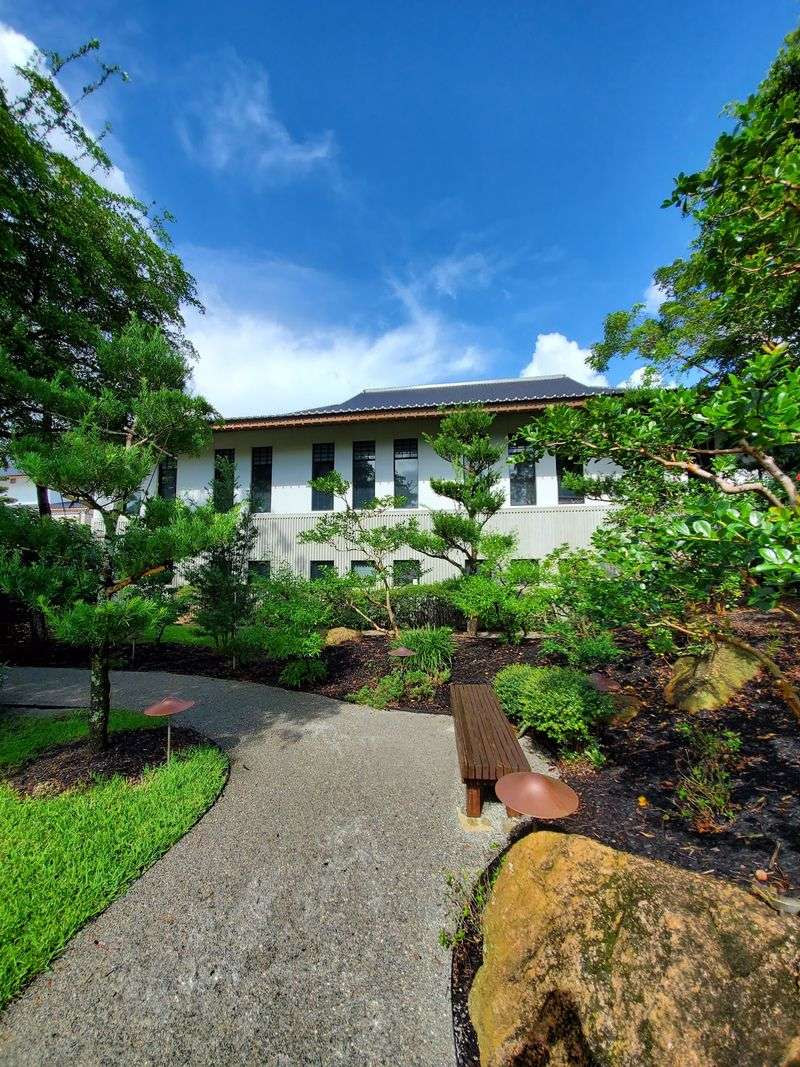
Art lovers get a double feature here. The Morikami Museum and Japanese Gardens has two separate museum buildings, each with its own personality.
The original building, called the Yamato-kan, is modeled after a Japanese villa. Inside, a permanent exhibit tells the story of the Yamato Colony, the Japanese farming settlement behind this whole place.
The main museum building opened in 1993 and holds three exhibition galleries. The collection includes thousands of Japanese art objects and artifacts, with a notable group of tea ceremony items.
Exhibits rotate on a schedule, so the galleries can look different from one visit to the next. Recent shows have explored painting, kintsugi repair art, and even origami inspired by architecture.
Kintsugi is a lovely idea, by the way. Broken pottery gets mended with gold, turning the cracks into the best part.
Check the current exhibit list before you go. That way, you can plan extra time for a show that matches your interests.
A short film near the start also shares the history behind the museum. It’s a smart warmup before heading outside.
Slow Down For A Proper Tea Ceremony
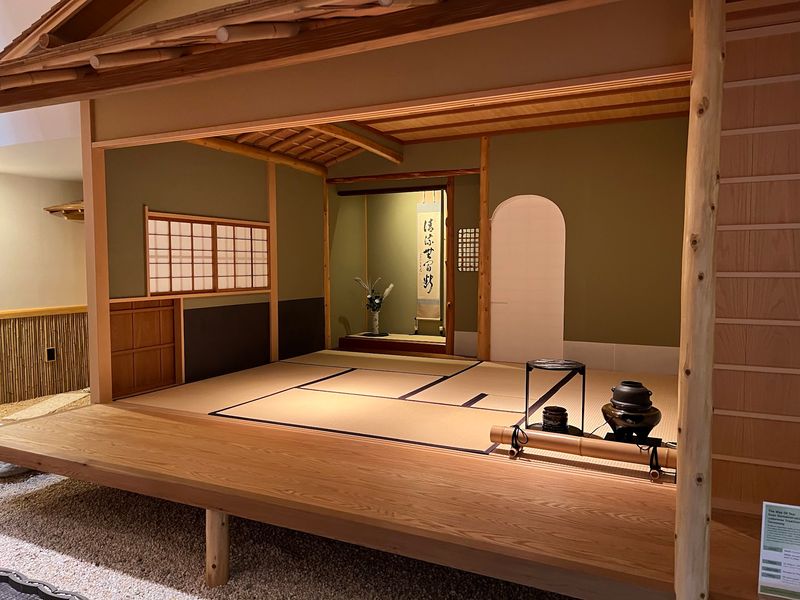
Whisking green tea sounds easy until you learn how much meaning goes into every motion. That’s the magic of sado, the Japanese way of tea.
Morikami hosts traditional Japanese tea ceremony demonstrations in the Morikami Theater on select Saturdays during its season.
Guests watch the ceremony from seats in the Morikami Theater.
Each step follows careful tradition, from cleaning the utensils to serving the bowl. The goal is calm attention, respect, and harmony between host and guest.
Honestly, it’s a nice reset for anyone who eats lunch over a keyboard. Watching someone focus on one simple task can feel surprisingly refreshing.
Demonstrations run on a set schedule and can be limited, so plan ahead. Check the calendar before you visit if the tea ceremony tops your list.
Other cultural demonstrations appear throughout the year too. Past programs have covered kimono culture, kyudo archery, and the koto, a 13-string instrument.
Arrive a little early to find a good viewing spot. Then put your phone away for a while, since the tea will not hurry for anyone.
Lunch With A Lake View Hits Different
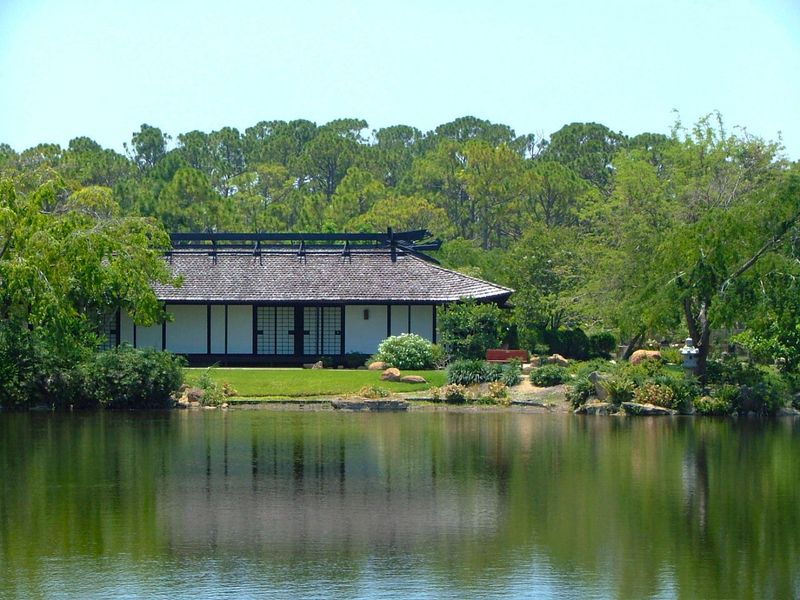
Bento boxes taste even better with a garden view. The Cornell Café serves a Pan-Asian menu right on the grounds, so you never have to leave for lunch.
The café is usually open Tuesday through Sunday from late morning into the afternoon. It serves lunch only, so plan your garden walk around that window.
Small plates include miso soup and gyoza. Bigger appetites can choose entrees like teriyaki salmon or one of the bento boxes.
Sushi also appears on the menu for anyone craving rolls. Vegetarian options are labeled, and some dishes may be adjusted for vegans if you ask.
The best part might be the seating. Lakeside terraces look out over the gardens, giving your meal a front-row view.
Here’s a practical tip for a smooth day. Eat after your stroll, when you’ve earned it and can rest your legs.
Matcha fans can look for green tea drinks too. A cold one feels like a small reward after walking in South Florida warmth.
Meet The Farmer Who Gave It All Away
George Sukeji Morikami grew pineapples and vegetables long before anyone pictured koi ponds on his land.
His story is the heart of this whole Florida landmark.
In the early 1900s, young Japanese farmers led by Jo Sakai founded the Yamato Colony. It sat in what is now northern Boca Raton.
The settlers hoped to farm successfully in a brand-new place. They faced plenty of challenges, from tough crops to a changing economy.
Over time, most colonists moved away. George Morikami stayed, kept farming, and held onto his land for decades.
Later in life, he donated his land to Palm Beach County. His wish was a park that would honor the Yamato Colony and share Japanese culture.
The museum opened in 1977 thanks to that gift. Pretty generous move for a farmer, right?
You can learn more inside the Yamato-kan, the original museum building. Photos and artifacts help bring the colony back to life.
Knowing this history changes the whole visit. Every bridge and bench suddenly feels like part of one man’s thank-you note.
Catch The Calm Before The 50th Birthday Party
Big birthdays bring big crowds. The museum turns 50 in 2027, and celebrations are expected throughout the year.
That’s exactly why the end of 2026 feels like a sweet spot. You can enjoy the gardens in their usual peaceful mood before the anniversary buzz builds.
The museum keeps a busy calendar all year. Past events have included Obon weekend in summer and evening strolls in the gardens.
Oshogatsu, the Japanese New Year festival, usually lands in January. An orchid weekend has also been planned for early 2027.
Workshops add hands-on fun for curious visitors. Options have included kokedama moss balls, origami, kirigami, and Japanese New Year cards called nengajo.
Families with kids may love the crafts most. Folding paper cranes is a great way to keep little hands busy and happy.
Event days can feel very different from regular days. If quiet paths are your goal, choose a normal weekday morning instead.
Either way, peek at the schedule first. A little planning can turn a nice visit into a memorable one.
More Park Than You Expected, Plus How To Get There
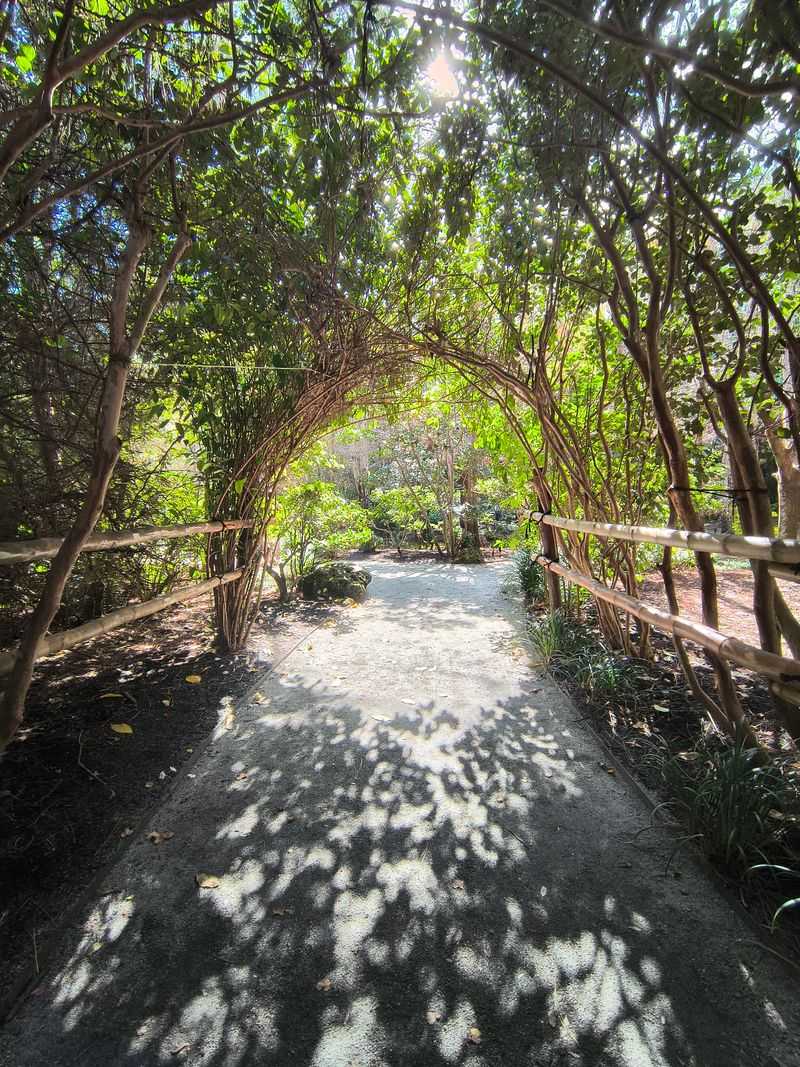
Sixteen acres of gardens sounds like plenty. Yet the surrounding Morikami Park stretches across roughly 188 acres in Palm Beach County.
Nature trails wind through pine forests beyond the formal gardens. They offer a wilder, quieter contrast to all that careful pruning.
The park also has picnic areas and a playground. Families can let kids burn off energy before or after the museum visit.
You’ll find everything at 4000 Morikami Park Rd, Delray Beach, FL 33446. The drive is easy from much of South Florida, including Boca Raton and West Palm Beach.
The museum and gardens open Tuesday through Sunday from 10 a.m. to 5 p.m. They close on Mondays, so don’t plan your day off around that.
Arriving right at opening is a smart move. Morning air feels cooler, and the paths are usually calmer early in the day.
Plan for a few hours to enjoy it properly. Rushing through a Japanese garden kind of defeats the purpose.
Go before 2026 wraps up. The pines, ponds, and bonsai will still be waiting patiently, as always.