Somebody once bought this Kentucky land for about a dollar an acre. Today, a dollar barely covers a vending machine snack.
Back then, iron ore mining had scraped the hills bare. Now they hold more than 16,000 acres of protected forest, one of the biggest private forest blocks in the eastern U.S.
Even the Frederick Law Olmsted design firm got involved. Talk about hiring the A-team for a fixer-upper.
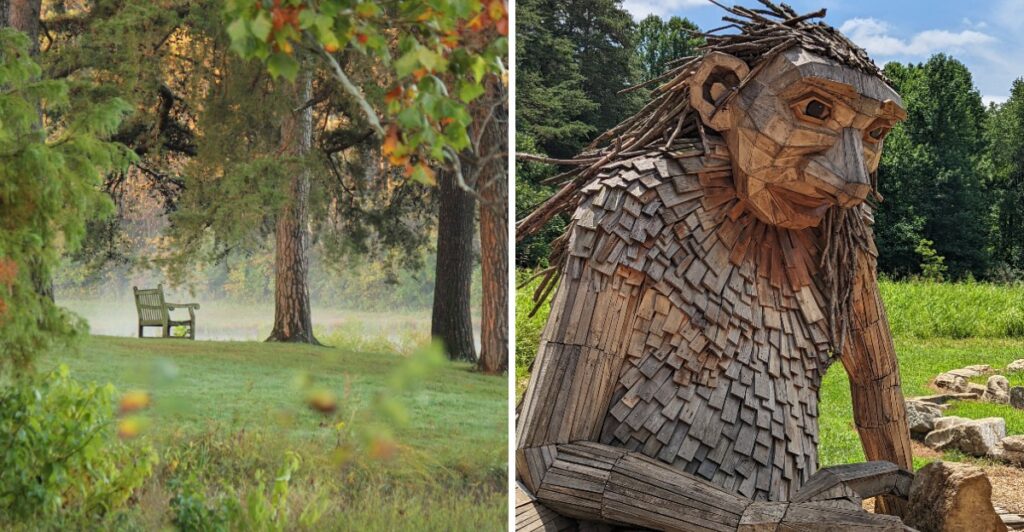
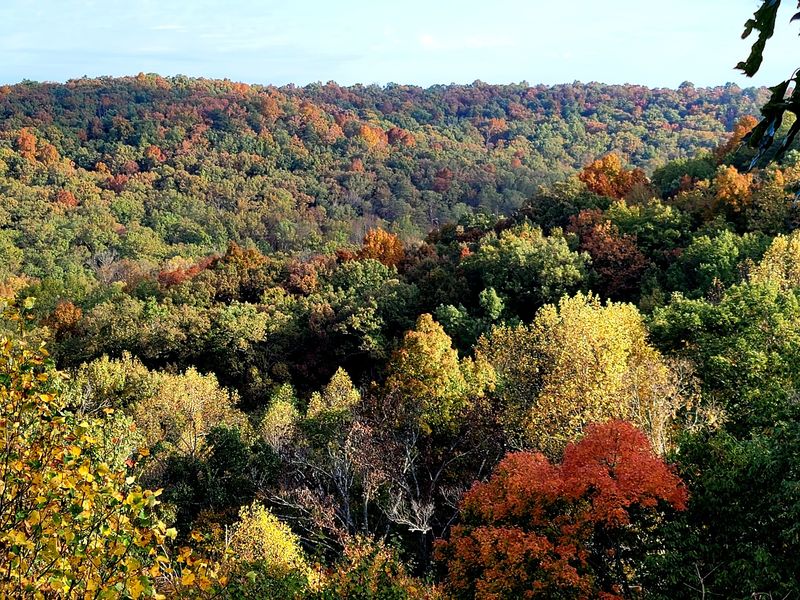
Come fall, oaks and beeches paint the hills orange, red, and gold. Out in those woods, three giant wooden figures are playing the world’s slowest game of hide-and-seek.
Not bad for a dollar-an-acre deal.
A Rescued Landscape Now Wears Kentucky’s Brightest Autumn Coat
Back in 1928, Isaac Wolfe Bernheim bought worn-out land that most folks would have ignored. He had a big plan to restore it and give it to the public.
That gift became Bernheim Forest and Arboretum, which was established in 1929 and opened to the public in July 1950.
Today it stretches across more than 16,000 acres in Clermont, Kentucky.
Bernheim was a German immigrant who wanted to thank his adopted home. He chose to say it with trees, which feels like the best kind of thank-you note.
The grounds now hold a 600-acre arboretum plus a huge research forest. The arboretum is the official arboretum of Kentucky, which is a pretty fancy title.
Fall turns this comeback story into a color parade. Knobby hills that were once bare now glow with warm leaves for weeks.
Knowing the history makes every bright maple and oak feel a little like a victory lap. You’re not just looking at pretty trees.
You’re seeing what nearly a century of care can do. Pack a camera, because the hills tend to steal every photo.
Bring patience too, since you’ll keep stopping to stare.
Time Your Trip Right And The Oaks Turn Into A Sunset
Timing matters here more than snacks. Peak fall color at Bernheim usually lands around early November.
The best viewing window often runs from late October into the second week of November. Mark your calendar and keep an eye on the weather.
Oaks along Forest Hill Drive shift into orange, red and rich brown. It’s like the whole road decided to dress for a harvest party.
Beech trees bring their own style with a golden bronze shine. They seem to glow when the sun hits them just right.
Down lower, smaller plants join the fun. Hornbeam and spicebush add yellows, oranges and even purples beneath the taller trees.
That layering is what makes a walk here so rewarding. Look up, look down, and you’ll spot color at every level.
Here’s a smart move for planning. A slow drive along the main roads gives you a quick preview before choosing a trail.
Then park and walk where the color looks strongest. Your feet will thank you later, and your camera roll will be stuffed.
Wear layers, since fall mornings in the knobs can start chilly.
Three Wooden Giants Are Hiding Out On The Trail

Mama Loumari, Little Elina and Little Nis are not your average trail markers. They’re towering sculptures made from recycled wood.
Danish artist Thomas Dambo created the trio for an exhibit called Forest Giants in a Giant Forest. They live along a trail of about two miles.
Dambo builds his giants to show that discarded materials still have value. Some of the wood here came from the forest and from scrap sources nearby.
That means a pile of leftover lumber became a family of forest characters. Pretty impressive glow-up for something headed to the trash.
Finding all three takes some walking, so plan ahead. Expect ups and downs, and give yourself plenty of time.
Comfy shoes are a must on this one. Water and a snack help too, especially with younger hikers.
Fall adds a bonus layer to the hunt. Bright leaves frame the giants like nature built them a picture frame.
Kids usually treat it like a treasure hunt, and grown-ups secretly do too. Feeling tiny next to a giant made of scraps is oddly delightful.
Take a group photo with each one.
Walk Right Out Into The Treetops Without A Single Rope
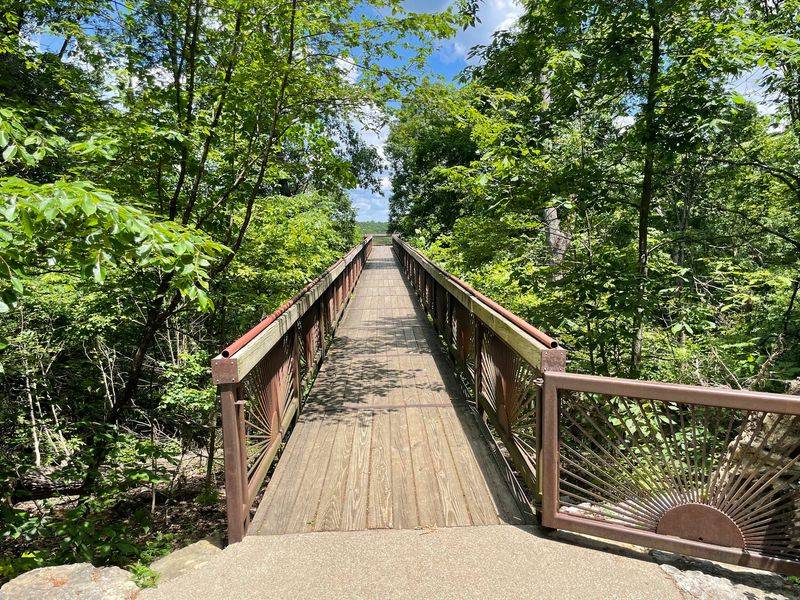
Seventy-five feet up feels pretty different from ground level. The Canopy Tree Walk puts you right at eye level with the leaves.
This elevated boardwalk was completed in 2006. It stretches out from a hillside and lets you peek into the forest canopy.
No climbing gear needed, which is great news for anyone who skipped gym class rope day. You just stroll out and enjoy the view.
From up there, you can see the rolling knobs that shape this part of Kentucky. In fall, those hills look like a giant patchwork quilt.
Treetop views change how you see a forest. You notice branches, birds and leaf colors you’d miss from the trail.
Morning and late afternoon light can make the colors look extra warm. Plan your stop around those hours if you can.
Bring binoculars if you own a pair. Birds and squirrels often show up right at canopy level.
Hold onto your hat on breezy days, too. The walk is short, but you’ll probably want to linger longer than planned.
Snap a photo looking straight out across the treetops.
Lakes And Ponds Double The Color With Every Reflection
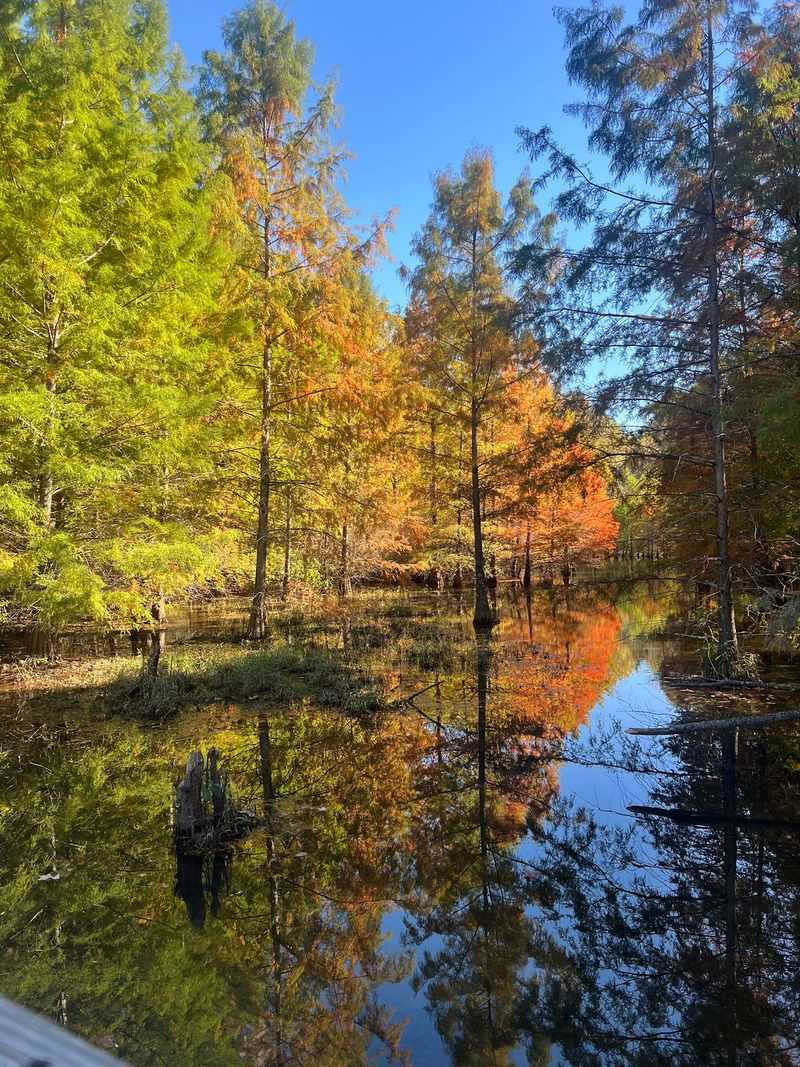
Why settle for one view of fall color when water hands you two? The lakes and ponds at Bernheim act like giant mirrors.
Trees along the shores reflect in the calm water. On a still day, the whole scene looks painted twice.
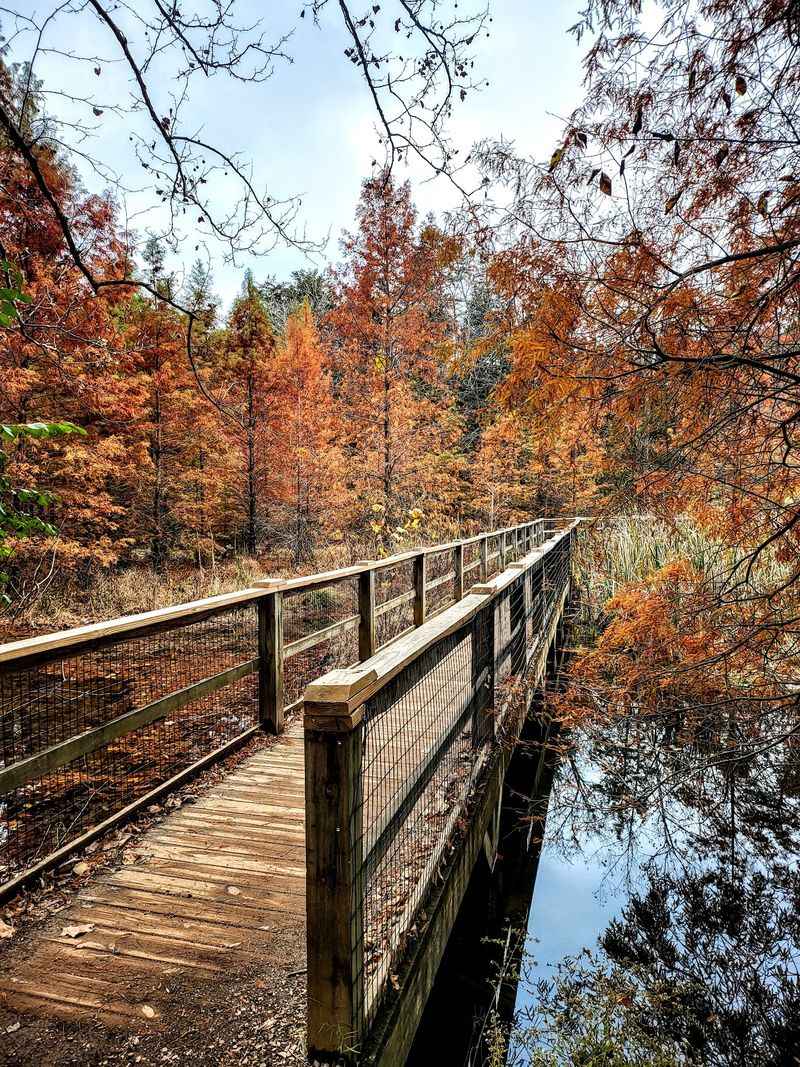
Water views also show up along the Forest Giants trail. Several footbridges cross wet areas, adding fun spots to pause.
Wildlife likes these waters as much as photographers do. Turtles, fish and birds often make appearances around the ponds.
Keep your eyes on logs and rocks near the edges. Turtles love sunning themselves there when the weather is mild.
Here’s a helpful tip for better photos. Calm mornings usually give the clearest reflections before the wind picks up.
Bring a light jacket for lakeside strolls. Air near water often feels a few degrees cooler in autumn.
Benches and quiet edges make good resting spots after longer hikes. Sitting still for a few minutes can reveal more wildlife than walking fast.
Just remember to stay on marked paths. The habitat around these waters is part of what keeps the forest healthy.
Gardens Here Invite You To Touch, Smell And Even Snack
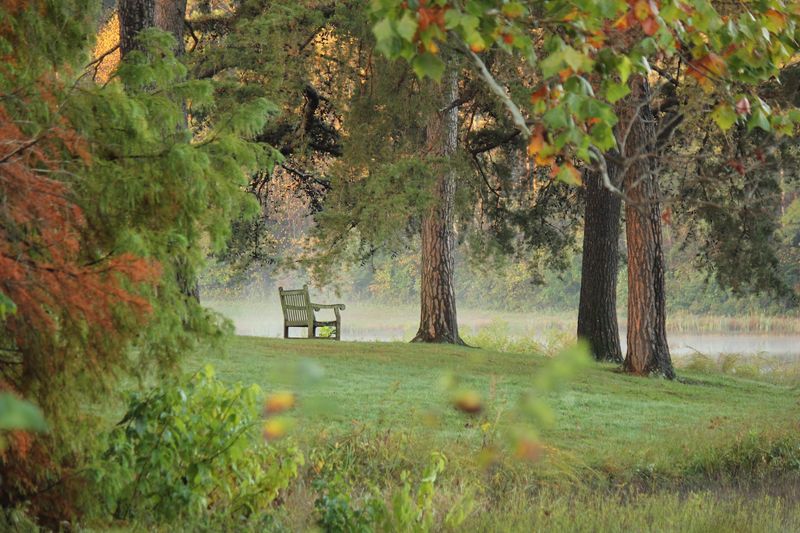
Gardens at Bernheim aren’t just for looking. A few of them practically ask you to use every sense.
The Edible Garden covers 2.4 acres of fruits, vegetables, and herbs.
It shows off sustainable, organic growing methods in a friendly way.
Fall harvest season gives this garden extra personality. Late crops and fading blooms create a cozy, homegrown look.
Nearby, the Sensory Garden is built for slow exploring. It features tactile plants, Braille signs, quiet seating, and an audio tour.
That design helps more people enjoy nature in their own way. Run your fingers over fuzzy leaves or sniff fragrant herbs.
There’s also a Quiet Garden for peaceful moments. It’s a smart spot when you need a calm break from busier trails.
Gardeners will leave with fresh ideas for their own yards. Seeing plants grown well up close can spark big weekend projects.
Take a small notebook or snap photos of plant labels. You’ll want those names later at the garden store.
Kids enjoy spotting veggies they actually recognize. Bonus points if it convinces anyone to eat more greens at dinner.
Kids Get A 17-Acre Playground Built From Nature Itself
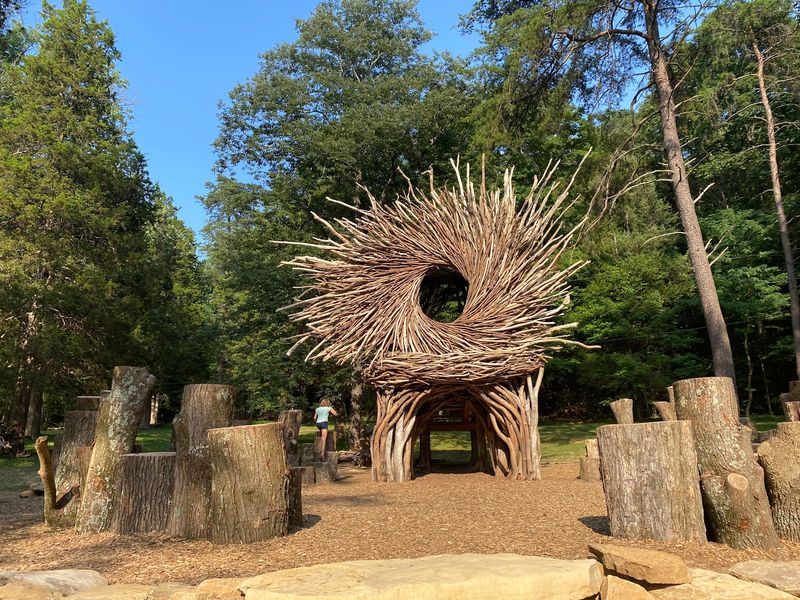
Seventeen acres of play space would make any kid cheer. Playcosystem at Bernheim mixes free play with the outdoors.
It’s designed for wild, active, and imaginative fun. Kids can climb, dig, balance, and explore at their own pace.
The star attraction is a wheelchair-accessible treehouse.
The wheelchair-accessible treehouse is part of Bernheim’s efforts to make outdoor play accessible to visitors of different abilities.
Accessible pathways help more families enjoy the area together. Picnic tables give grown-ups a spot to rest and snack.
A sandbox and old-style water pump keep little hands busy. Expect muddy sleeves, so a spare shirt is a wise idea.
Fall makes playtime even better with cooler temperatures. Colorful leaves turn the whole area into a cheerful backdrop.
Parents can plan a full day around this spot and the giants. Play first, then hike, or reward tired legs with play afterward.
Sunscreen and water still matter on mild days. Kids burn energy fast when nature is the playground.
Don’t be shocked if adults sneak a turn on something too. Honestly, nobody’s judging here.
Refuel At The Café Before One More Lap Of Leaf Peeping
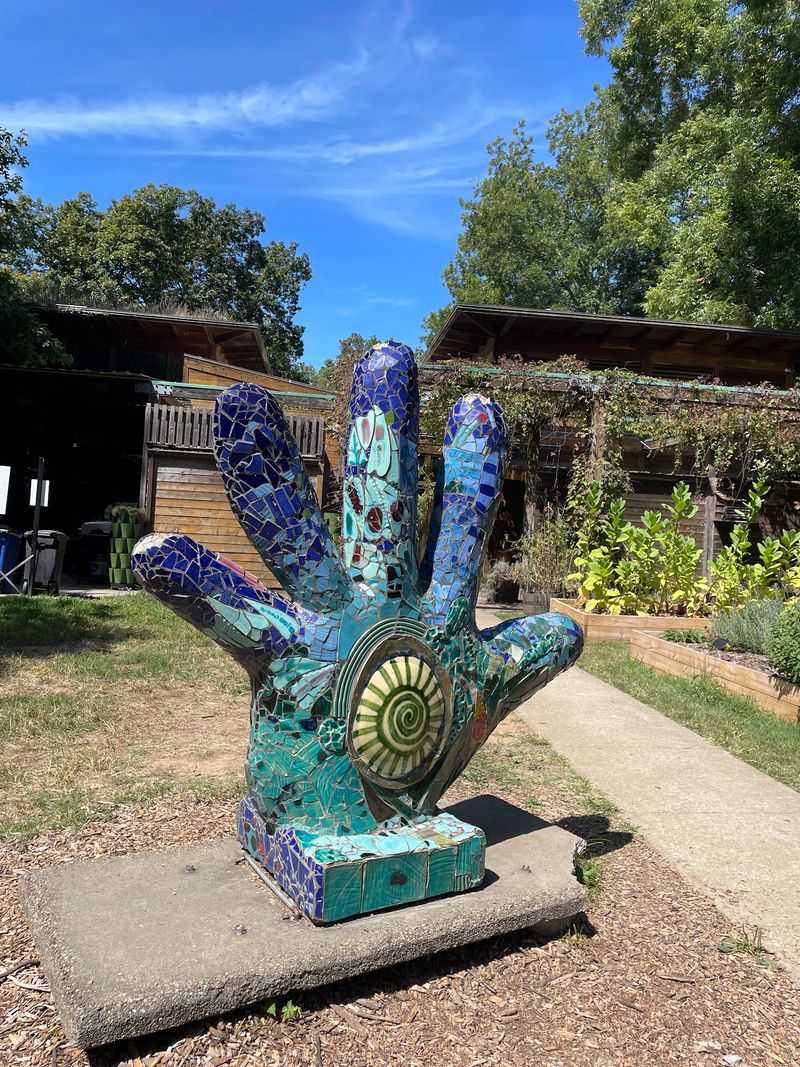
Hungry hikers have a happy ending waiting at Isaac’s Café. It sits inside the Visitor Center at Bernheim Forest and Arboretum.
That Visitor Center was Kentucky’s first LEED Platinum building. It’s a green building that suits a place devoted to nature.
The café serves seasonal menus with salads, soups and sandwiches. Some ingredients come straight from the nearby Edible Garden.
Kids’ meals are available, plus sweet treats like lemon bars. Ice cream with rotating flavors is a crowd-pleaser after a long walk.
The Visitor Center and café typically open from 10 a.m. to 4 p.m. Plan lunch early so you don’t miss your window.
A gift shop shares the building, and purchases help support Bernheim’s work. It’s a nice way to bring home a souvenir with purpose.
Fall also brings ColorFest, a seasonal celebration of autumn. Check the event calendar before your visit.
You’ll find everything at 2075 Clermont Road, Clermont, KY 40110. It’s an easy day trip from Louisville.
Grab a snack, then head back out for one more look at those blazing hills.