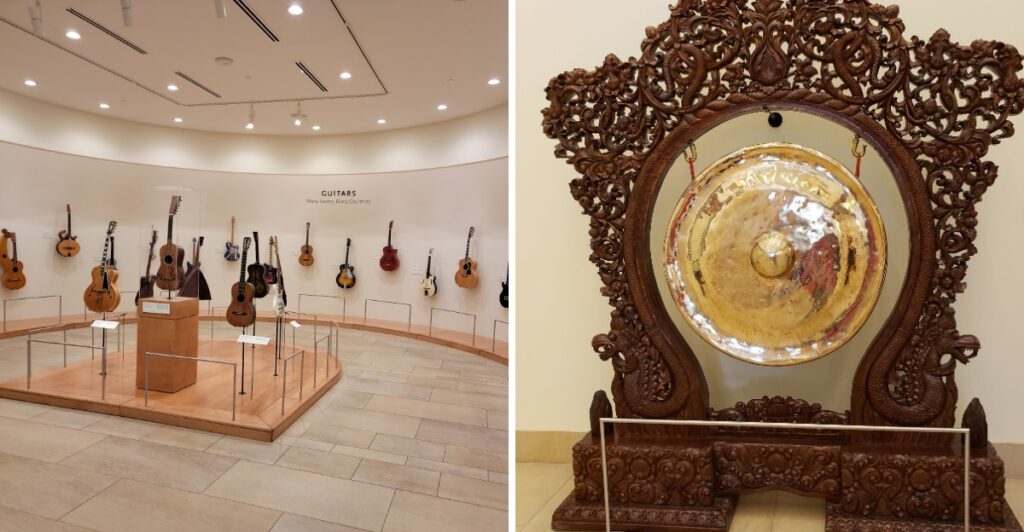
Walk up to an exhibit at this Arizona museum, and your headphones start playing on their own. The sound syncs with video of real musicians playing that exact instrument, no buttons required.
More than 7,500 instruments fill the collection, from over 200 countries and territories. That’s a world tour without the jet lag.
The galleries are organized by region, so you can hop from one corner of the globe to another in just a few steps. Your playlist back home might start feeling a little small.
Everything stretches across two full floors. One room even lets you bang on gongs yourself, which is extremely satisfying and only slightly loud.
Walk closer, and the whole world starts singing.
Your Headset Does The Listening Work For You
Museum quiet usually means reading tiny signs and guessing how things sound. At the Musical Instrument Museum, guests receive a wireless headset when they arrive.
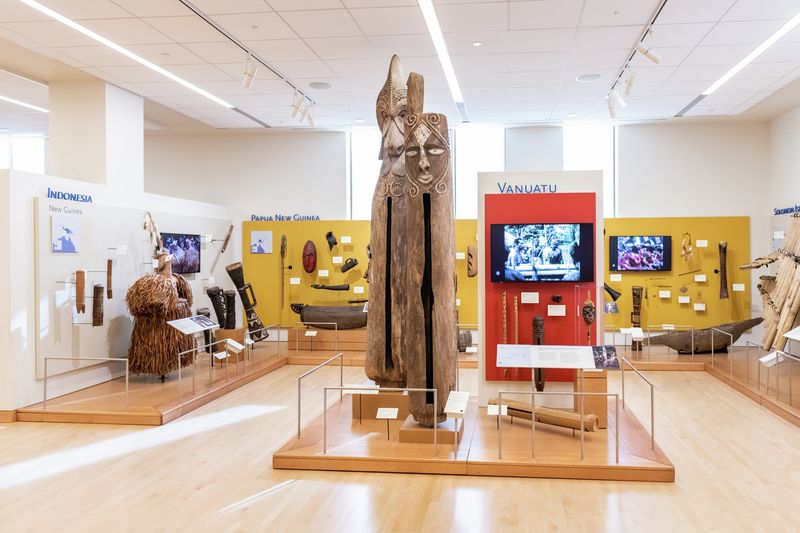
The headsets sync automatically with high-resolution video screens at each exhibit. Step near a display, and the sound fades in without any tapping or scrolling.
What plays is the best part. You see and hear people performing these instruments in their original cultural settings.
A dusty case of flutes suddenly becomes a living scene. The instrument stops being an object and starts being somebody’s song.
The museum calls its system GuidePORT. Staff on the floor can help if your headset acts up, which is nice when tech gets moody.
One fun habit to try is lingering a little longer at displays that look unfamiliar. The stranger the instrument looks, the bigger the surprise usually is when it starts playing.
Keep the volume comfortable, because you’ll be wearing these for hours. Many visitors spend most of a day upstairs alone.
Think of it as a personal concert that follows your footsteps. Every few feet, you trade countries without packing a suitcase.
More Than 200 Countries Wait On The Upper Floor
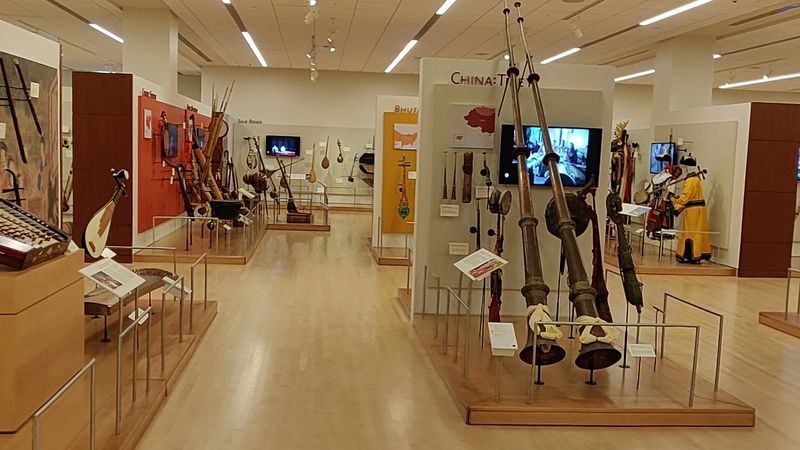
Five world regions shape the heart of the museum. The Geographic Galleries cover Africa and the Middle East, Asia and Oceania, Europe, Latin America, and the United States and Canada.
Inside, you’ll find ethnic, tribal, and folk instruments. Many come with costumes and videos that show how communities actually use them.
Here’s a practical tip worth remembering. Pick one region that excites you most and start there while your energy is fresh.
The collection is huge, with thousands of items on display at once. Trying to see everything in one go can leave your feet filing complaints.
Each region feels like its own small trip. Drums, strings, horns, and objects you may never have seen before sit side by side.
Kids often love spotting instruments from countries they’re studying in school. It turns a geography lesson into something they can actually hear.
Grown-ups get hooked too, because the variety keeps surprising you. Just when you think you’ve seen every kind of guitar, another country shows up with a fresh twist.
Leave room in your schedule for wandering. This floor rewards curiosity more than speed.
Go Ahead And Bang The Gong
Most museums guard their treasures with a polite do-not-touch sign. The Experience Gallery flips that rule completely.
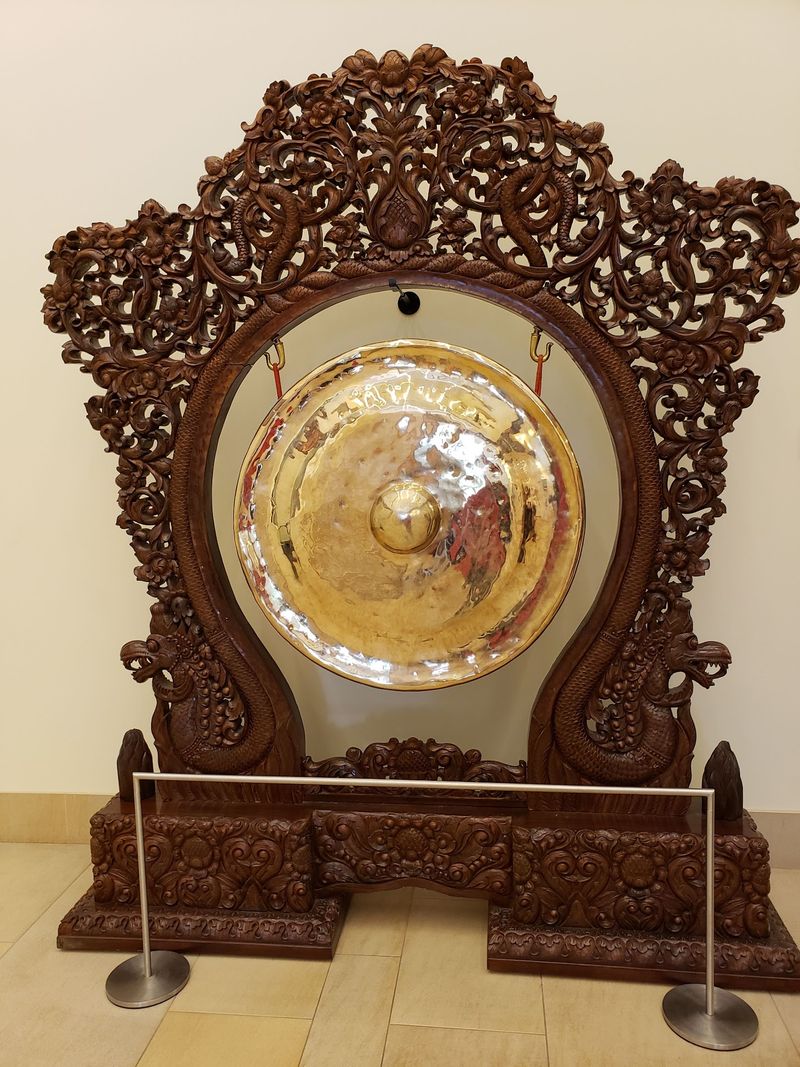
Guests of all ages can play instruments from different cultures here. The lineup includes drums, guitars, harps, gongs, and even a theremin.
The theremin deserves a special mention. You play it without touching it, moving your hands through the air to change the sound.
Yes, it’s loud in there. That’s part of the charm, so leave your library voice at the door.
Families with restless kids should plan this room as a reward. After a long stretch of looking and listening, hands-on time hits just right.
Adults sneak in plenty of fun too. Nobody needs musical training to tap a drum or pluck a harp string.
It’s a great spot to discover which sounds you secretly love. Maybe you leave dreaming about a gong for your living room.
Your neighbors might not share that dream. Still, the joy of making noise freely feels like a gift after quietly studying glass cases.
Rock Legends Left Their Gear Behind
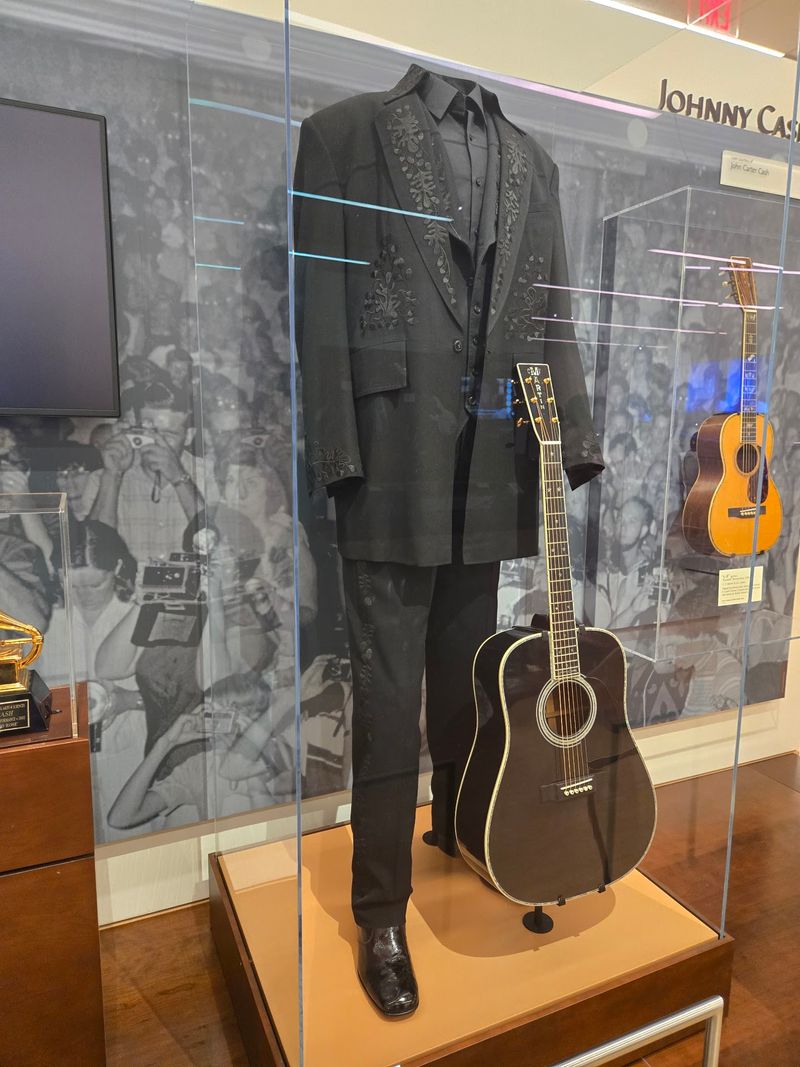
Elvis Presley, John Lennon, and Taylor Swift all have a connection to this building. The Artist Gallery showcases instruments and memorabilia from influential musicians.
Displays mix instruments, concert footage, photographs, and performance outfits. Carlos Santana, Madonna, and Johnny Cash are among the big names featured.
Seeing a real stage costume up close hits differently than seeing it online. You notice the stitching, the size, and the little details that made a show memorable.
The headsets work here too. That means you can hear the music connected to the objects in front of you.
Fans of different generations can share this room happily. Grandparents might head straight for Johnny Cash while teens hunt for Taylor Swift.
Exhibits can change, so check what’s featured before your trip. That keeps the gallery fresh even if you’ve visited before.
The Artist Gallery sits on the first floor. Some visitors finish the upper level, think they’re done, and nearly miss it.
Don’t make that mistake. Save some energy, because the star power downstairs is worth it.
Pianos That Play Themselves Are Pretty Wild
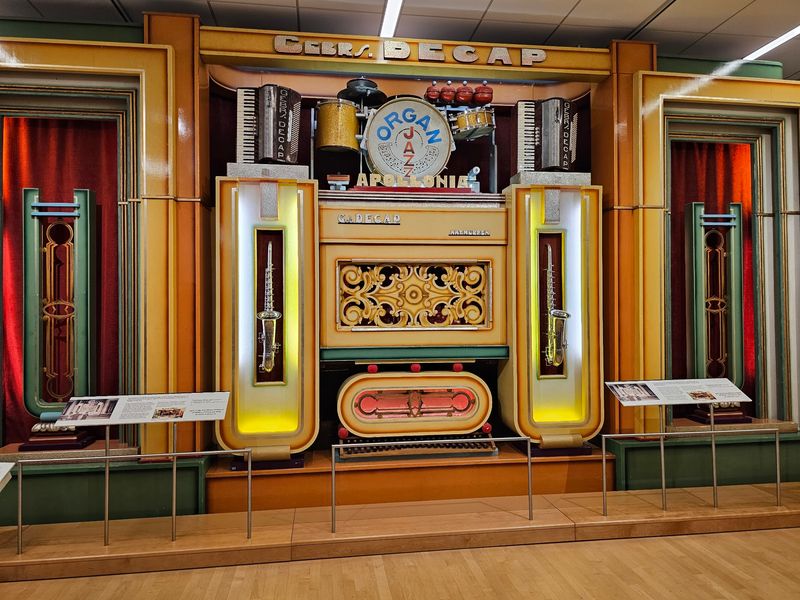
Long before streaming apps, machines were already making music on their own. The Mechanical Music Gallery shows off these clever self-playing instruments.
Player pianos sit alongside mechanical zithers and cylinder music boxes. Each one was built to perform without a musician touching a key.
It’s like peeking at the great-great-grandparents of your playlist. The engineering feels charming and a little bit spooky at the same time.
Kids who enjoy building things often find this gallery fascinating. Gears, rolls, and cylinders show that music can also be a puzzle.
Take a moment to compare these machines with the handmade folk instruments upstairs. Both show how creative people get when they want music in their lives.
This gallery makes a nice change of pace. After so many cultural videos, it adds a mechanical twist to your day.
Spend a few extra minutes here if you love history or inventions. It’s a quieter corner that sparks big questions.
How did anyone figure this out without computers? That question alone could fill your drive home.
After Dark, The Music Gets Live
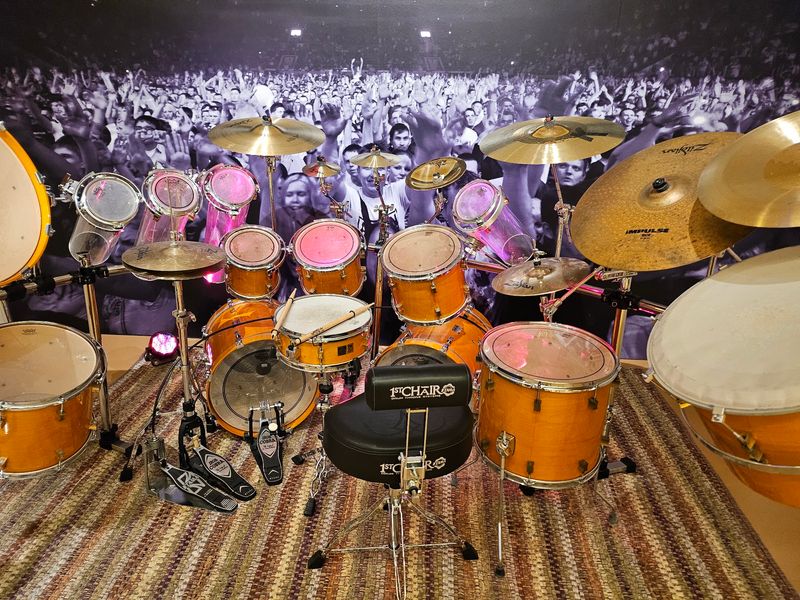
Around 200 concerts a year happen under this roof. The MIM Music Theater hosts artists from around the world, mostly after regular museum hours.
The venue holds roughly 300 seats. That smaller size creates a close, personal feel between performers and the audience.
Its acoustics are known for being excellent. Every note has room to shine without getting lost in a giant arena.
The lineup covers a wide mix of styles and cultures. You might see a favorite artist or discover someone completely new.
Pairing a concert with a museum day makes a great Arizona outing. Explore the galleries first, then come back for live music later.
Check the schedule early if a certain show catches your eye. Smaller venues mean fewer seats to go around.
Concerts here feel like a natural next step after the galleries. You spend the day hearing music on screens, then hear it in person.
That shift from recorded to live feels special. It’s the museum’s message coming to life right on stage.
Desert Heat Can’t Touch This Indoor Escape
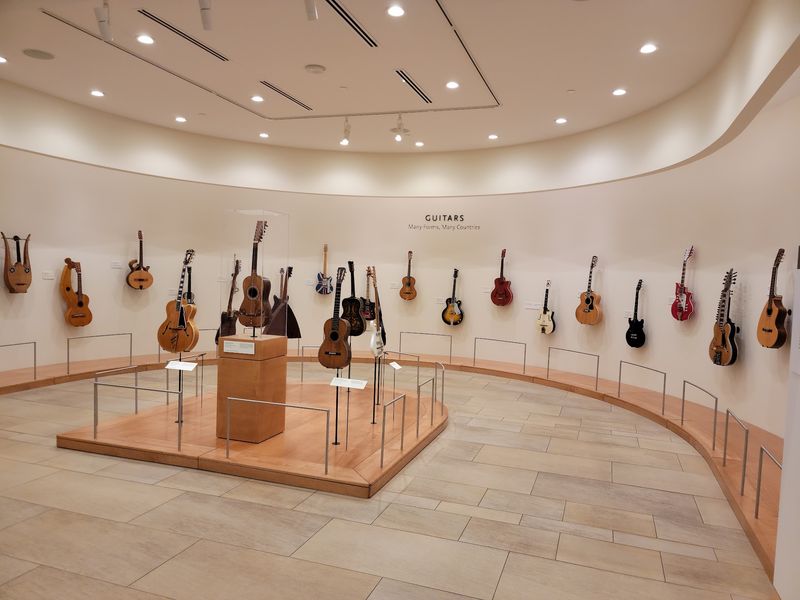
Phoenix summers can turn sidewalks into griddles. A 200,000-square-foot building with two floors of galleries makes a cool alternative.
The Musical Instrument Museum sits at 4725 E Mayo Blvd, Phoenix, AZ 85050. Ample free parking is available on-site, which is a small win worth celebrating.
The museum is open daily from 9 AM to 5 PM.
The museum closes on Thanksgiving Day but opens from 10 AM to 5 PM on Christmas Day.
The building itself is a treat. Its exterior features Indian sandstone, while inside you’ll find Venetian plaster walls and Italian porcelain floors.
Arriving right at opening gives you the most time. Many visitors need three or four hours, and some easily stretch longer.
Two-day tickets are offered for people who want to slow down. With this much to see, splitting the visit is a smart move.
Wear comfy shoes and plan your breaks. You’ll be on your feet more than you expect.
Before 2026 wraps up, this makes an easy weather-proof plan. Blazing sun or rare rain, the music keeps playing indoors.
Families Get A Few Thoughtful Bonuses
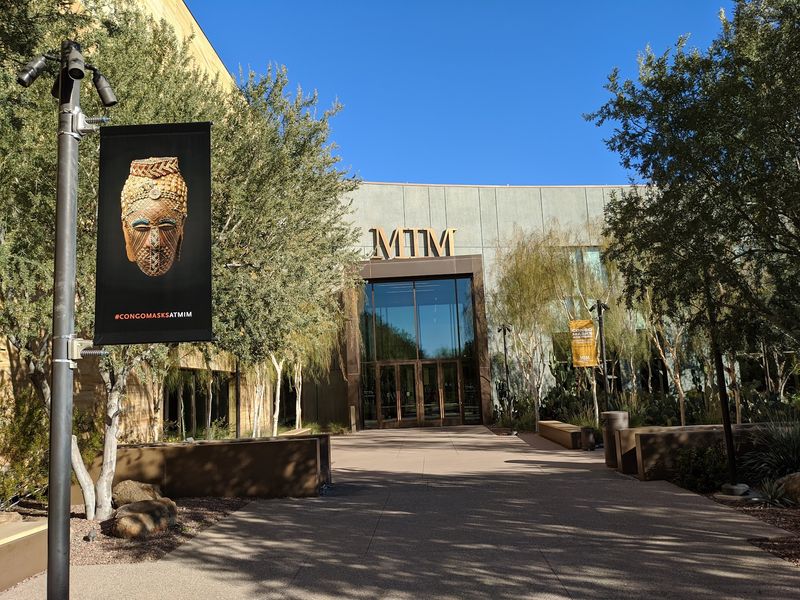
USA Today Travel once ranked this place the fourth Best Museum for Families nationwide. A few smart touches help explain that honor.
The PNC Bank Family Center offers a peaceful space for families with young children. It includes seating, a family restroom, a nursing room, toys, and books.
Every parent knows meltdown moments can strike without warning. Having a calm room nearby turns a rough patch into a quick reset.
Strollers are welcome throughout the museum. The building is accessible to all, which makes getting around easier for everyone.
Before heading out, swing by the Museum Store. It’s open daily during museum hours and sells books, CDs, instruments, handmade gifts, and gift cards.
Small instruments make fun souvenirs for kids. Just know they may keep practicing in the car the whole ride home.
The museum was founded by Robert J. Ulrich, former CEO and chairman of Target, and opened in April 2010. A visit to a music museum in Brussels helped inspire the idea.
That spark grew into a world-class Arizona favorite. Families have been finding their rhythm here ever since.