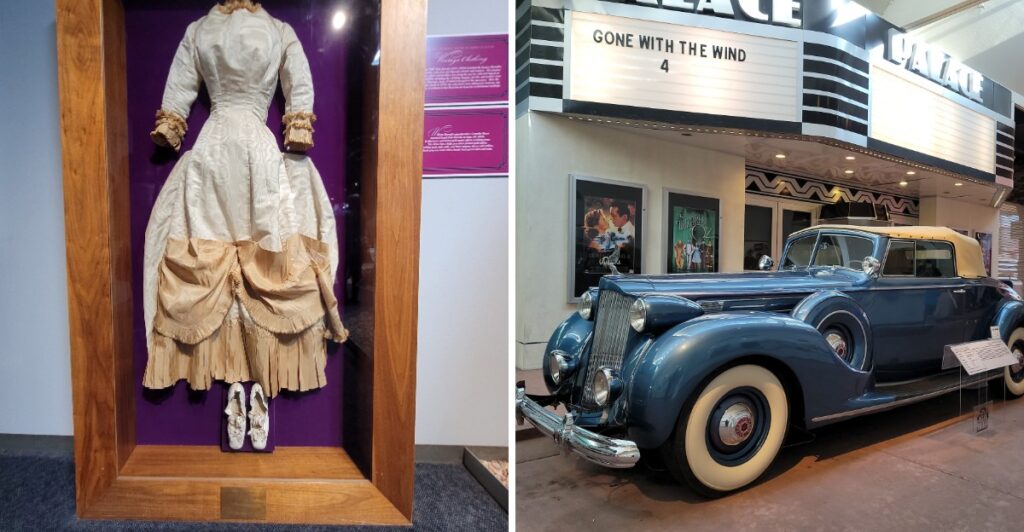
A 24-karat gold DeLorean sits inside a museum in Nevada. Yes, an actual gold-plated DeLorean. I can barely keep crumbs out of my own car.
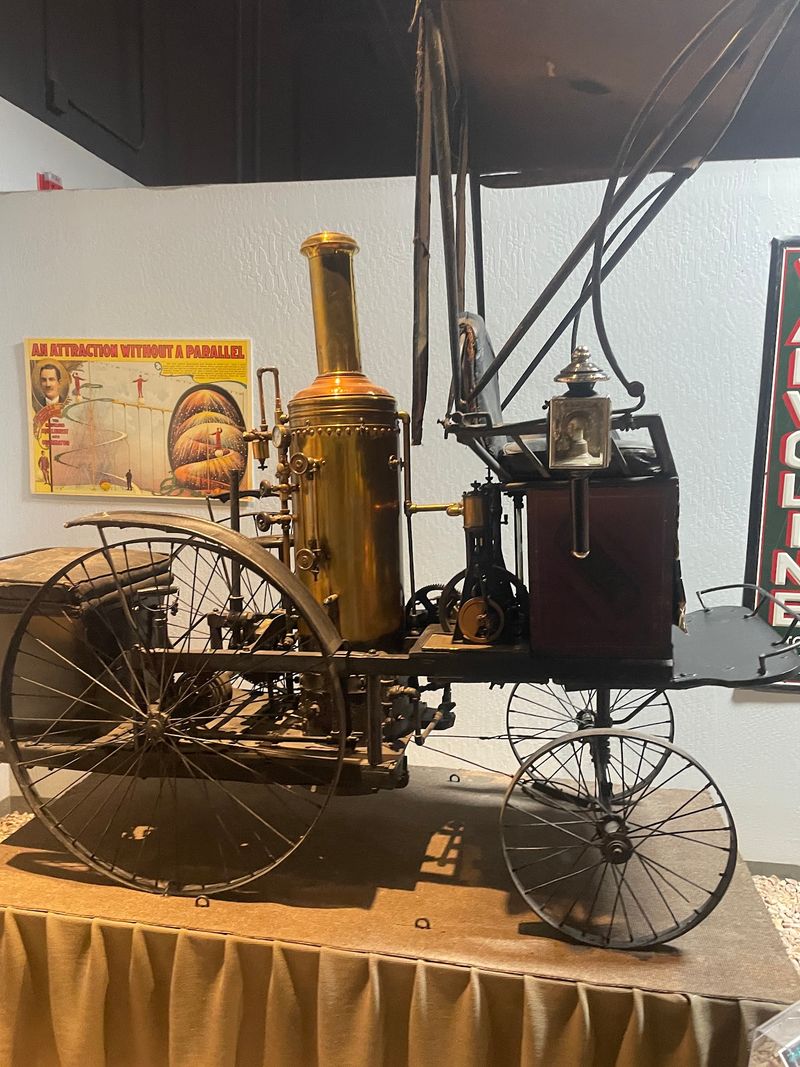
And that’s just the beginning. The collection features more than 200 vehicles, with some dating all the way back to 1892. Back then, cars were still experimental machines that looked more like horseless carriages.
Cobblestone streets and old-fashioned shop fronts connect the galleries, giving each era its own little world.
You’ll also spot James Dean’s movie Mercury, Elvis’s Cadillac, and Frank Sinatra’s sleek Ghia. Now that’s one seriously impressive celebrity parking lot.
The best part? The entire place is heated, air-conditioned, and protected from the elements.
So even when winter is doing its worst outside, you can wander past some of the world’s most iconic cars in total comfort.
Thank A Passionate Car Collector For This Wildly Shiny Garage
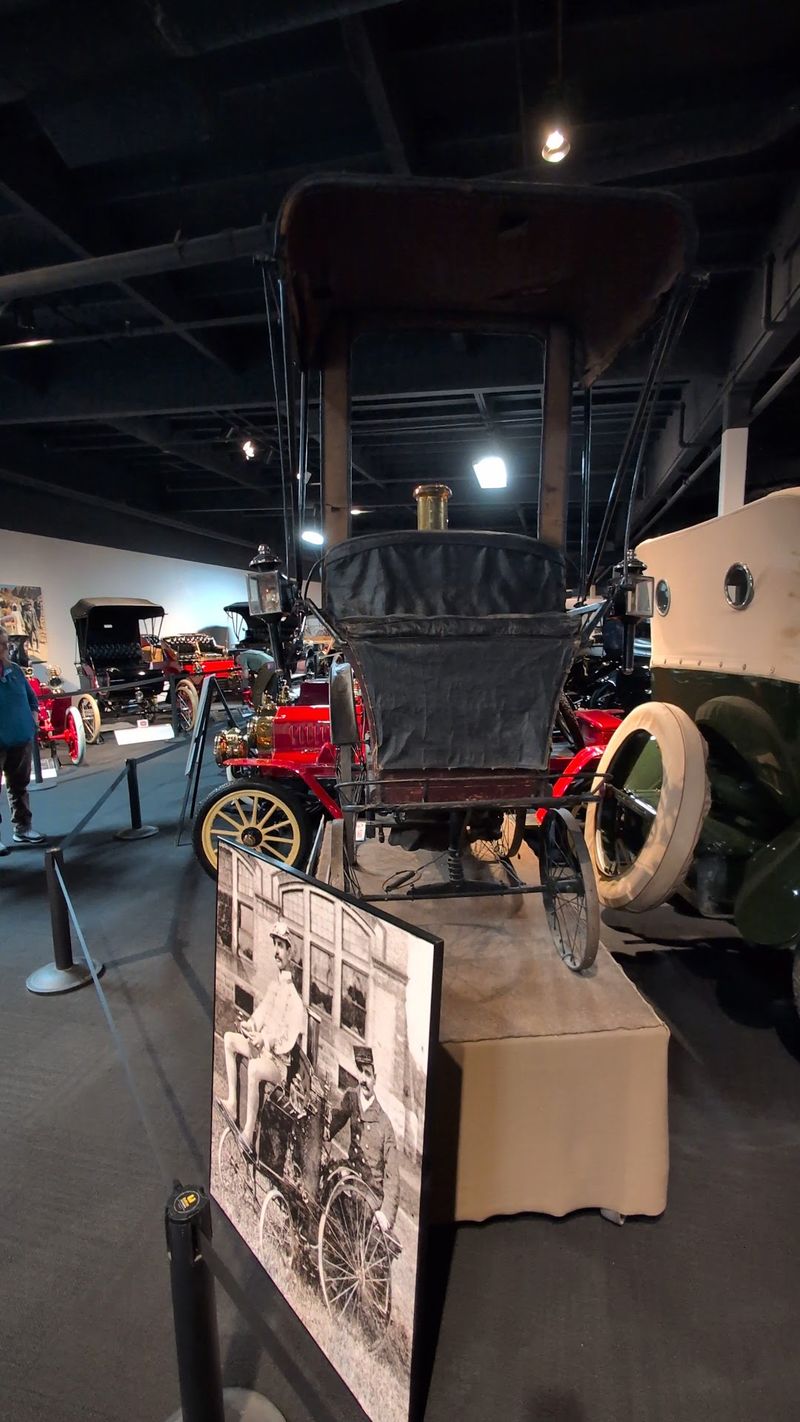
One man collected about 1,400 vehicles in his lifetime.
Renowned automobile collector William F. Harrah built that massive fleet, and the National Automobile Museum grew from his legacy.
After Harrah passed in 1978, Holiday Inn acquired his collection. Public outcry followed, and the company donated 175 cars to launch a nonprofit museum.
The doors opened on November 5, 1989. Many folks still call it The Harrah Collection, which makes sense once you see the scale.
Today the building covers 105,000 square feet. More than 200 historic automobiles make up the collection, with vehicles dating back to 1892 and spanning more than a century of automotive history.
That range is the fun part. You get early horseless carriages, sleek mid-century stunners, and later models that feel almost modern by comparison.
The museum has earned some big praise too. It’s been named one of America’s Five Greatest Automobile Museums and one of USA Today’s Top Ten Transportation Museums.
Those titles aren’t handed out like parking tickets. They point to a collection with real depth and real stories behind each fender.
Start with a quick look at the history displays before rushing to the flashy stuff. Knowing how this place came together makes every gallery feel more personal.
Plus, you’ll understand why one man’s hobby became Nevada’s favorite garage.
Stroll Down Cobblestone Streets That Shift With Every Decade
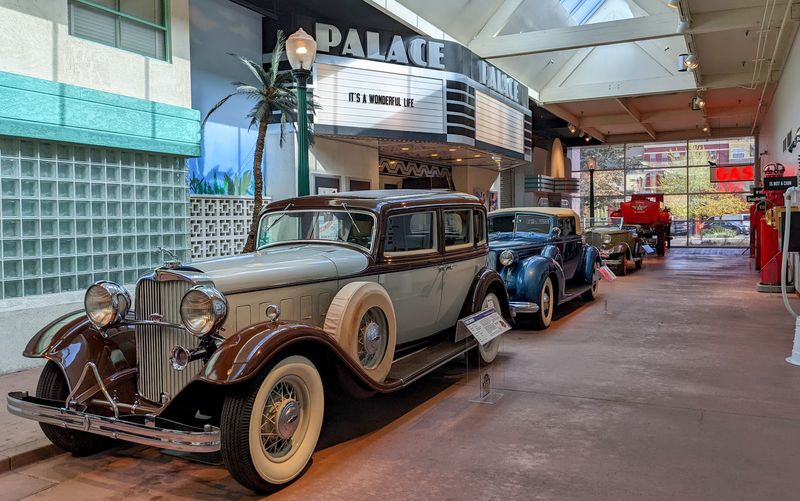
Cobblestones under your feet. Old shop windows beside you. That’s how the galleries connect inside the museum.
The layout follows four chronological galleries. Each one links to the next through a recreated historic street scene from a different era.
Faux storefronts and period artifacts line these streets. Authentic sounds play in the background, adding a soundtrack that makes the setting feel lived in.
The cobblestoned 1930s Street is a standout example. Cars sit right along the curb, like their owners just ducked into a shop.
Why does this matter? Seeing a car in its proper setting helps you understand how people actually lived with it.
A tall early auto looks strange on its own. Parked beside an old-fashioned storefront, it suddenly makes perfect sense.
Take your time on these streets instead of hurrying to the next big car. Read the signs in the shop windows and check out the small details.
Kids often enjoy spotting the props more than the vehicles. Grown-ups might find themselves doing the same thing.
Bring your camera, because these scenes make great backdrops. Your photos will look like postcards from a century ago.
Bow Down To A Car That Raced Around The World
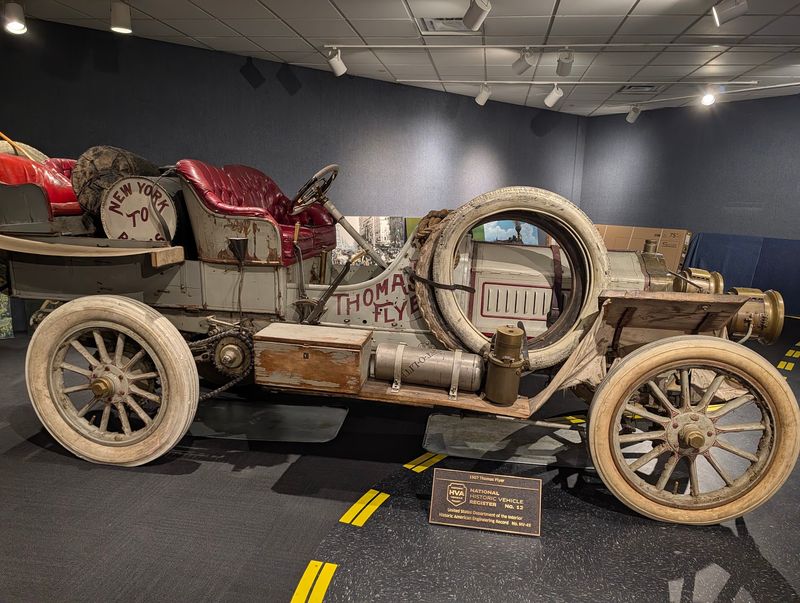
In 1908, a car raced from New York to Paris. The winner was the 1907 Thomas Flyer, and the original sits inside this Reno museum.
Think about that trip for a second. Early roads were rough, maps were limited, and gas stations were not exactly on every corner.
Somehow this tough machine pushed through and won. It’s one of the most famous victories in early automotive history.
Seeing it in person hits differently than reading about it. The car looks sturdy and a bit battered, like it earned every scratch.
Many visitors focus on the celebrity cars first. That’s understandable, but the Thomas Flyer deserves a slow, careful look.
Read its display closely to learn about the route and the challenges. The story feels more like an adventure movie than a history lesson.
Families can turn it into a fun talk afterward. Ask the kids how long they’d last on a road trip without phone chargers.
This car proves that early drivers had serious grit. Your toughest commute will feel pretty tame after hearing what this crew faced.
Celebrity Rides Steal The Spotlight Here
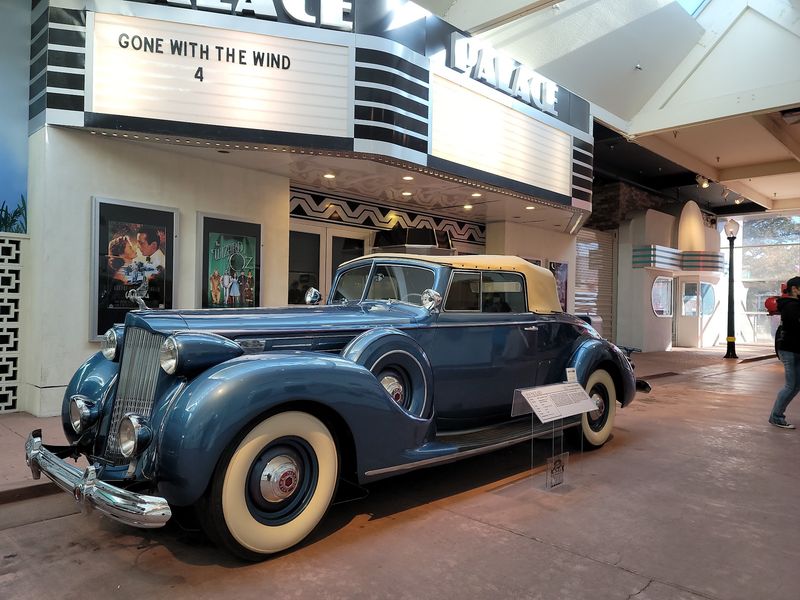
Hollywood and music royalty left their wheels behind. The National Automobile Museum shows off several famous celebrity-owned cars.
James Dean’s 1949 Mercury Coupe from Rebel Without a Cause is a big draw. Film fans will recognize that cool, low profile right away.
Elvis Presley’s 1973 Cadillac Eldorado Custom Coupe brings serious flair. It’s exactly the kind of car you’d expect from the King.
Frank Sinatra’s 1961 Ghia L6.4 adds a dose of classy style. It’s sleek, rare, and a little bit fancy, much like Sinatra himself.
These cars connect pop culture with automotive history. Even guests who don’t know a carburetor from a cupholder tend to love this part.
A smart move is to pair the visit with a little movie or music night later. Watching Rebel Without a Cause after seeing the actual car feels extra fun.
Grandparents can share memories here, too. Younger family members might finally understand why Elvis was such a big deal.
Snap a photo with these legends from a respectful distance. They’re famous, after all, and they still deserve their personal space.
Gold, Prototypes, And Cars You Won’t Find Anywhere Else
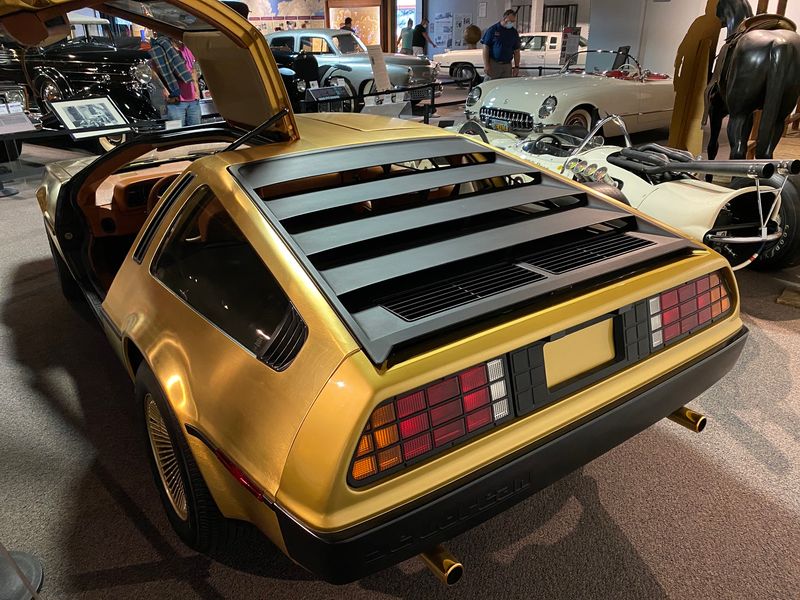
Some cars are rare. A few are truly one-of-a-kind, and this museum has some of those.
The Phantom Corsair is the only one ever made. Its smooth, futuristic shape looks like it rolled out of a sci-fi movie from long ago.
Then there’s Buckminster Fuller’s Dymaxion car. The museum holds the only surviving prototype, which makes it a true treasure.
Fuller was famous for bold, inventive ideas. His car shows how some designers tried to completely rethink what a vehicle could be.
And yes, the gold-plated DeLorean is real. It’s covered in 24kt gold, which is wonderfully over the top.
This section works great for curious minds. Ask yourself why some ideas caught on while others stayed one-time experiments.
Kids love the gold car for obvious reasons. Adults often end up fascinated by the odd shapes of the prototypes.
Give yourself extra time here for reading displays. Each car has a backstory full of risk, creativity, and a little stubbornness.
You might leave with a new favorite car. Odds are good it won’t be something you could ever buy at a dealership.
Need For Speed? Head Straight To The Race Cars
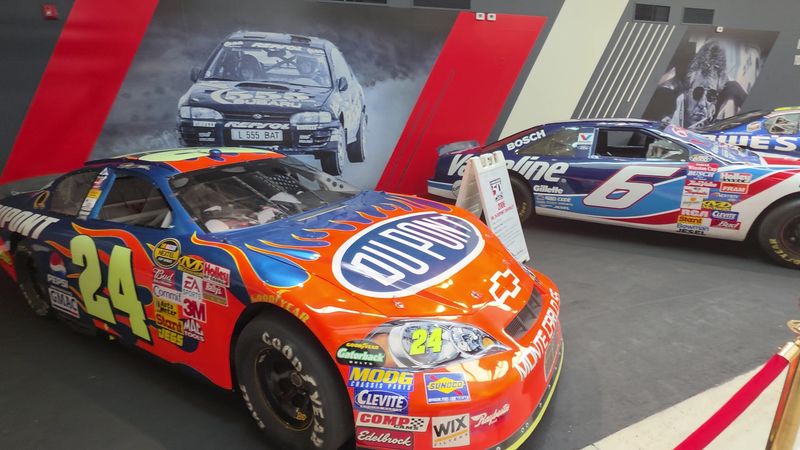
Racing isn’t just about trophies. The Speed Exhibit shows how fast cars shaped the vehicles we drive every day.
Race cars and land speed record holders fill this part of the museum. Each one represents someone chasing a faster, bolder goal.
The exhibit explains how racing innovations influenced automotive design. Ideas tested on tracks often found their way into regular cars later.
That connection makes this gallery more than eye candy. You’ll start noticing how shapes and parts evolved for better performance.
Speed fans will feel right at home here. Casual visitors can still enjoy the bright colors and wild designs.
Look closely at the body shapes of the record holders. Many look stretched and smooth, built to slice through the air.
Here’s a fun game for families. Have everyone pick which car they’d choose for a dream race, then explain why.
Racing history can feel loud and intense. Indoors, though, you can study these speedsters calmly and up close.
Leave this gallery with fresh respect for engineers and drivers. Those everyday safety and design features had some pretty exciting beginnings.
Honk An Old Horn And Dress Like A 1910 Road Tripper
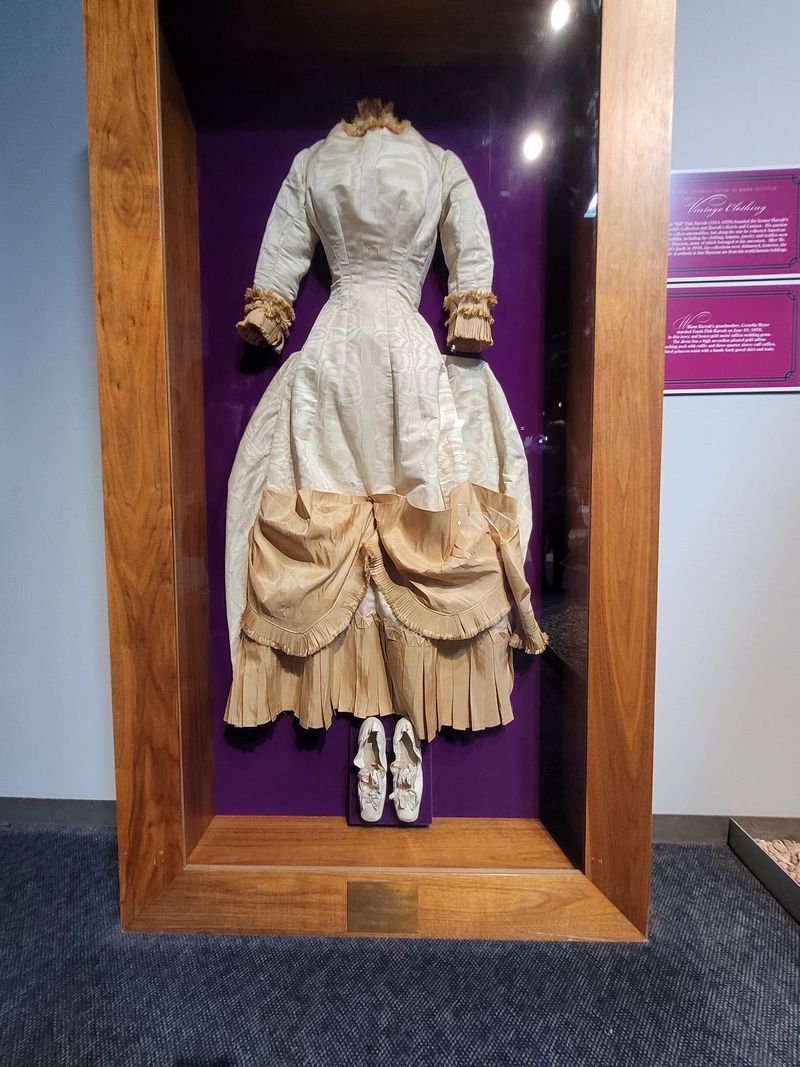
Ooga! That classic antique horn sound is something you can make yourself here. The museum lets visitors honk an old-fashioned horn.
There’s also a dress-up spot with period hats and dusters. You can wear them and pose in a vintage car for photos.
Dusters were long coats early drivers wore to block road dirt. Putting one on gives you a small taste of old-school motoring.
Families with younger kids get extra perks too. The interactive children’s center offers activities and classes, and it has been expanded.
It gives little ones a break from looking without touching. Hands-on time helps them stay excited for the rest of the visit.
Plan the kids’ area for the middle of your trip. It works like a pit stop that recharges small explorers.
Bring a phone with plenty of battery for the dress-up photos. Those pictures make great holiday cards or family keepsakes.
Grown-ups shouldn’t feel shy about joining in. Nobody ever looked too serious wearing a duster and honking an ooga horn.
Plan Your Cozy Indoor Escape Before 2026 Wraps Up
Chilly weather hits northern Nevada, and indoor plans start looking really good. This museum makes an easy pick for cooler days.
You’ll find the National Automobile Museum at 1 Museum Dr, Reno, NV 89501. It sits in downtown Reno, close to plenty of other city spots.
Hours run 9 a.m. to 5 p.m. Monday through Friday. Weekends run 10 a.m. to 4 p.m.
The museum closes on Thanksgiving, Christmas Eve, and Christmas Day. Keep that in mind if you’re planning a holiday visit.
Free parking makes arrival simple. Restrooms, Wi-Fi, and air conditioning add to the comfort.
A gift shop waits near the end of your visit. It’s a handy place to find a car-themed present for someone back home.
Arriving near opening time can give you a calmer start. You’ll have more room to linger at your favorite displays.
Wear comfy shoes, since the building is large. Give yourself a few hours so you don’t rush the best parts.
Before 2026 ends, put this Nevada classic on your list. Cold air outside, shiny chrome inside, and zero snow on your windshield.