Somewhere in Utah, you can drive across a 7-mile causeway and end up sharing the road with hundreds of wild bison. That sounds like a tall tale.
It isn’t, and I love it.
There’s more. One island out in the same salty lake still shows a cross carved into rock back in 1843.
Fun fact: the explorers who marked it weren’t impressed. Another island sits beside a bay that turns pink thanks to tiny salt-loving microbes.
Then the list heads south and east. Think campsites on river islands, red canyon walls, and a rope swing over a mountain reservoir.
I can’t imagine a better excuse to pack a tent and some sunscreen.
Islands in a desert state feel a little backwards, right? That’s exactly why they’re so fun.
A few are easy drives, and one demands a long, salty walk. Which one is calling your name first?
1. Antelope Island State Park
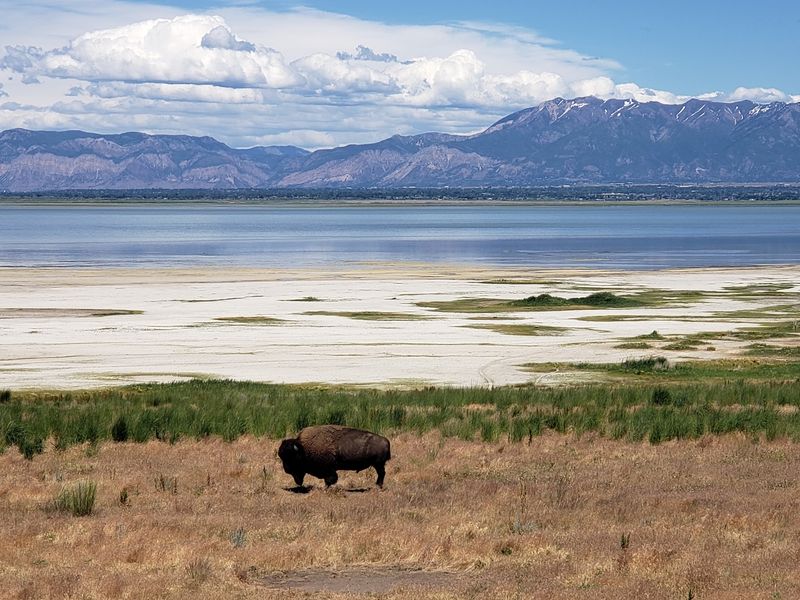
Bison have the right of way here, and with a herd of roughly 550 to 700, they know it. The largest island in the Great Salt Lake covers 28,022 acres, and you reach it by a 7-mile causeway.
Wildlife spotting comes easy on this island. Pronghorn, mule deer, bighorn sheep, and coyotes share the land, and more than 250 bird species show up too.
Want a workout with a view? About 25 miles of backcountry trails welcome hikers, mountain bikers, and horseback riders, and Frary Peak tops the island’s mountains.
History buffs should swing by the Fielding Garr Ranch, built in 1848 and 1849. It’s recognized as the oldest continually inhabited Anglo home in Utah, and it’s open Tuesday through Sunday from 10 a.m. to 4 p.m.
Bridger Bay Beach is where you test the famous salty float. The Island Buffalo Grill serves food at the beach’s indoor pavilion, so a snack break is easy.
Stick around after sunset if you can. The park is an International Dark Sky Park that hosts star parties and astronomy programs.
Explorer John C. Fremont named the island in 1845 for the pronghorn his party hunted.
The north end became a state park in 1969, and the rest joined in 1981.
Gates open daily from 6 a.m. to 10 p.m., and the visitor center runs from 9 a.m. to 5 p.m. Check ahead, since the main boat ramp is closed due to low water.
Address: 4528 West 1700 South, Syracuse, UT 84075
2. Kingfisher Island Campground
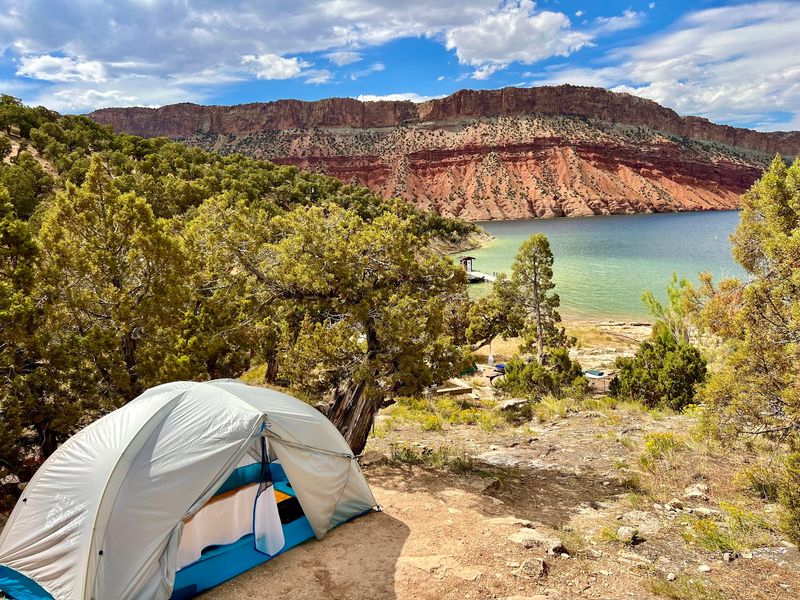
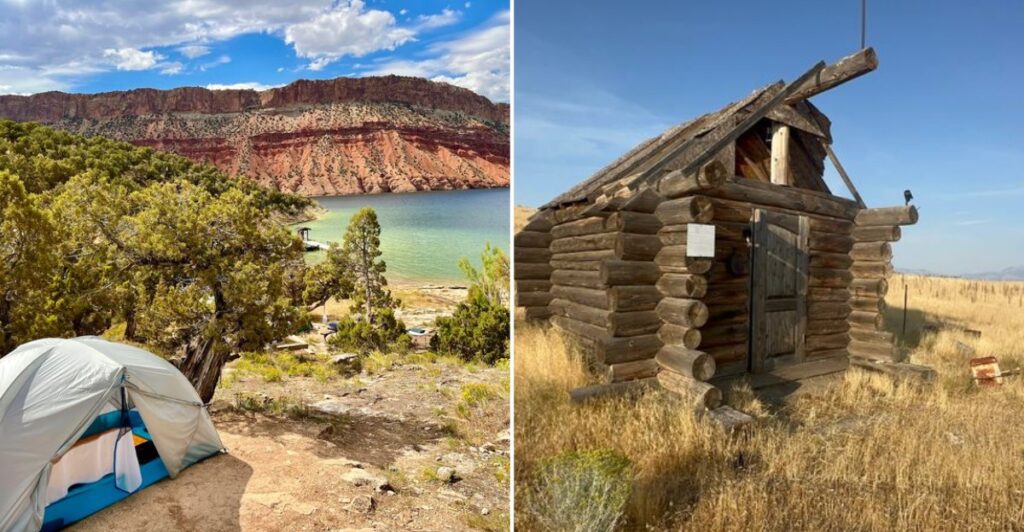
A rope swing and a campsite on an actual island? Kingfisher Island Campground sits right on an island within Flaming Gorge Reservoir, up in the far northeast corner of Utah.
Run within the Ashley National Forest, it’s a spot for tent campers who like their scenery with a side of splashing. Cliff jumping and a rope swing give the place its reputation for fun.
Keep your expectations simple and your packing list smart. The campground offers eight boat-access-only tent sites and restrooms, but visitors must park on the mainland and travel to the island by boat.
Simple can be a gift, though. Fewer gadgets mean more time watching the water and less time untangling extension cords.
Before you jump, scout the landing zone. Water levels in a reservoir can change through the seasons, so check depth every single time and never leap blind.
Bring a life jacket for younger swimmers and anyone who’s still deciding how brave they feel. A buddy system makes the rope swing more fun and a lot safer.
Flaming Gorge gets its name from the red rock that glows around the reservoir. Plan your evenings so you can catch that color when the light hits it.
Planning tip: reach out to the Forest Service in the Vernal area before you go. Details like seasonal openings are worth confirming ahead of time.
Pack a dry bag for phones and snacks, too. Island camping and wet hands don’t mix well with electronics.
Address: Vernal, UT 84078
3. Goose Island Campground
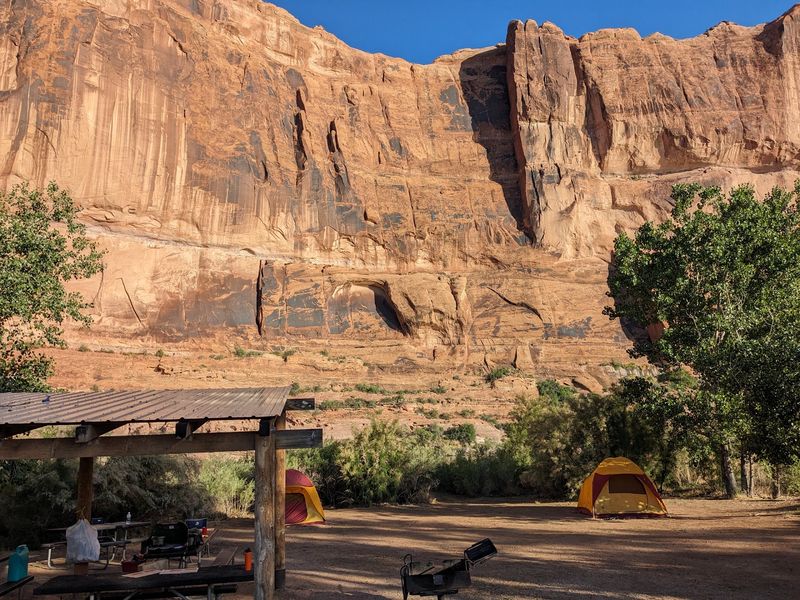
Few campgrounds let you trade a morning in downtown Moab for a riverside nap so quickly. Goose Island Campground is the closest BLM site to town, right along the Colorado River.
Scenery does the heavy lifting here. Canyon walls rise around the sites, and big shady trees give you a break from the desert sun.
River access means you can wade, skip rocks, or just sit and listen to the water. It’s an easy way to cool off after a dusty trail day.
Facilities stay basic but useful. Expect fire grates, vault toilets, and paid campsites, but bring your own drinking water because the campground has no water supply.
Tent campers and RV travelers both have room to set up. Group sites are available too, which helps when your crew is bigger than one car.
Dogs are welcome, so your four-legged hiking partner can come along. Keep them close, since a river and a curious pup can get exciting fast.
Location is the real perk. Arches National Park and the rest of Moab’s adventures sit a short drive away, so you spend less time commuting and more time exploring.
Utah Highway 128 counts as an attraction on its own. The road follows the river through red rock scenery that makes passengers glue their faces to the windows.
Reserve ahead when you can, especially for the group sites. A spot this close to town can fill up, and nobody likes scrambling for a backup plan at dusk.
Address: Bureau Of Land Management Moab Utah 128, Goose Island Campsite Rd, Moab, UT 84532
4. Sand Island Campground
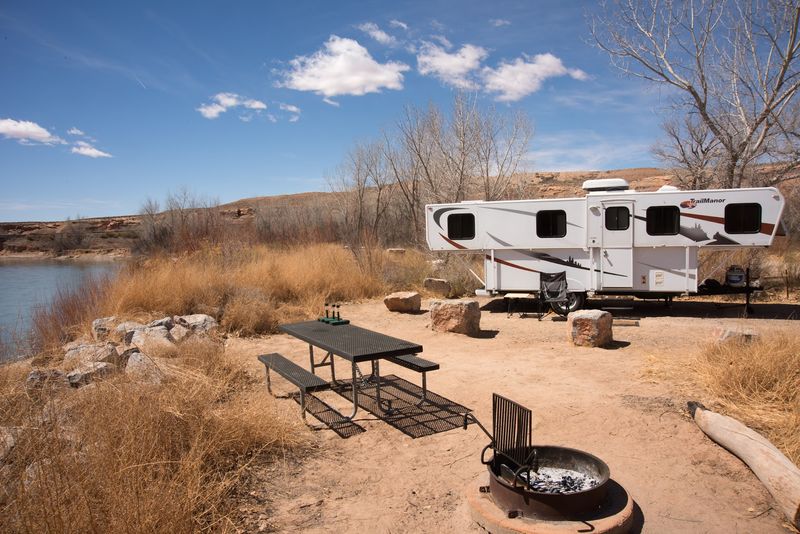
Sand might be in the name, but the San Juan River steals the show. Sand Island Campground sits on the north bank of the San Juan River near Bluff, but it has been temporarily closed since October 26, 2026, following flooding in the area.
River access ranks as the top reason to stay. You can wander to the shore, cool your feet, and watch the current roll past the campground.
Trails sit nearby for stretching your legs between meals. A morning walk before the heat climbs is a smart move in this part of the desert.
Comfort levels land in a nice middle zone. Running water, restrooms, tent sites, and RV camping are all on hand, along with paid on-site parking.
Pets can come too, since dogs are allowed. Pack extra water for them, because desert sand gets hot under paws in a hurry.
Bluff itself makes a handy base for supplies and a bit of small-town charm. It’s a short trip from the campground, so a forgotten item won’t wreck your weekend.
Want a more comfortable trip? Spring and fall usually bring milder temperatures to southern Utah, which makes long days outside far more pleasant.
Bring shade, sunscreen, and a good camp chair. The river view is the kind you’ll want to sit with for a while.
Before heading out, check with the BLM office in Monticello for current conditions. River levels and seasonal rules can shift, and it pays to know first.
Address: Sand Island Rd, Bluff, UT 84512
5. Stansbury Island
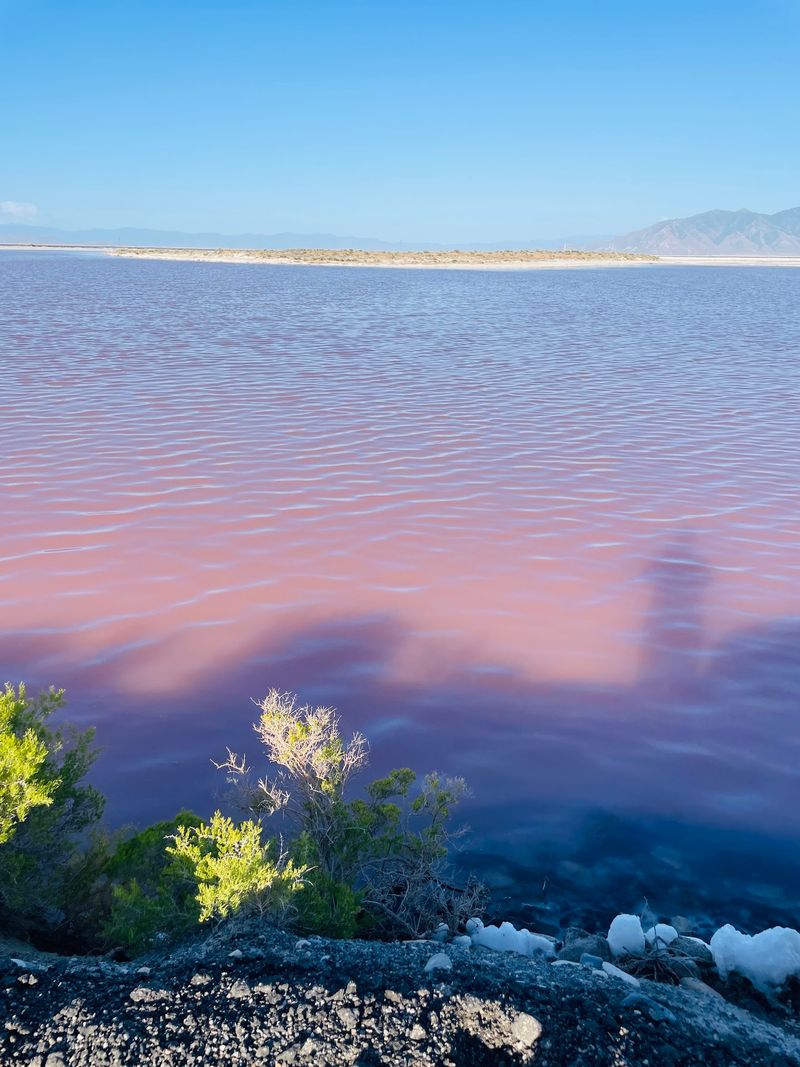
Pink water is not a filter trick on this island. A bay on the western side of Stansbury Island turns rosy thanks to high salt and tiny salt-loving microbes.
You can see that color from an observation point at the northern tip. Getting there means about 15 miles of dirt and gravel after the pavement ends, and the ride gets bumpy.
Location helps a lot. The island sits about 40 miles west of Salt Lake City on the southwestern shore of the Great Salt Lake, reached from I-80 Exit 84.
As the lake’s second-largest island, it stretches about 11.5 miles long and 4.5 miles wide. Castle Rock is the high point at 6,647 feet.
Mountain bikers, this one’s for you. An 11-mile loop runs through desert scenery, and hikers have trails to explore as well.
Curious explorers can look for ancient petroglyphs and two large caves. Treat them gently, since they can’t be replaced.
Old Lake Bonneville shorelines also mark the slopes. They’re lines from a huge prehistoric lake, and they’re easy to spot once you know what to look for.
Services are slim, so plan like a pro. There’s no drinking water or designated campground, so pack in what you need.
Dispersed camping may be possible in many areas, though most visitors treat it as a day trip. Either way, stay for sunset, because the views over the lake are stunning.
Address: Stansbury Island Road, Tooele County, UT
6. Fremont Island
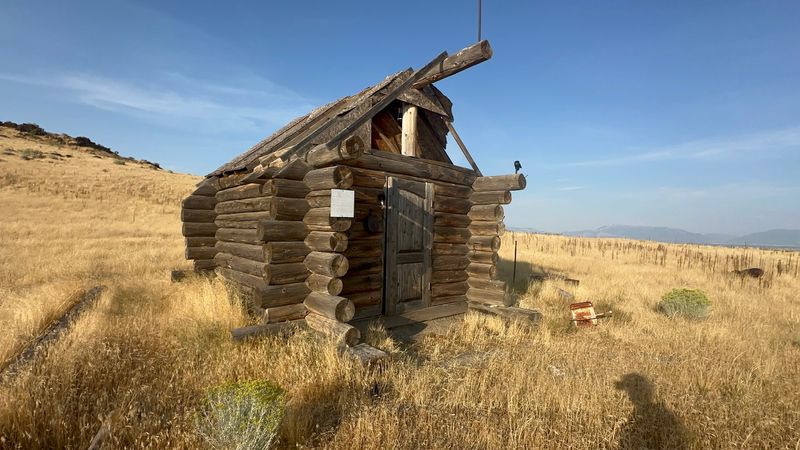
Kit Carson carved a cross into rock here in 1843, and it’s still visible today. Not bad for a place first nicknamed Disappointment Island.
The grumpy name came from the lack of fresh water. John C.
Fremont explored it with Carson, and Captain Howard Stansbury made the name Fremont Island official in his 1850 survey.
Today the island belongs to the public. It became state-owned in December 2020 after The Nature Conservancy donated it, with an easement that blocks commercial development.
Getting there is the adventure. When the Great Salt Lake drops below 4,194 feet, a sandbar appears, and the land bridge starts about a mile east of the Antelope Island Marina.
Park near the Antelope Island State Park entrance gate or marina, not on the causeway. From there, you can walk or bike, since motorized vehicles are banned on the lakebed and island.
Plan for a long day. A round trip can run around 20 miles, and it can take about 11 hours.
Water is the big deal here, because the island has none. Carry more than you think you need, plus snacks, sun protection, and a solid plan for heading back.
Your reward is wild, undeveloped ground. Castle Rock and David E.
Miller Hill stand out, and ancient rock art and old Lake Bonneville shorelines add layers of history.
Rock fans can also spot diamictite, a glacial till, and little pyrite cubes. Overnight camping isn’t allowed, so time your trek to finish before dark.
Address: Hooper, UT
7. Bird Island
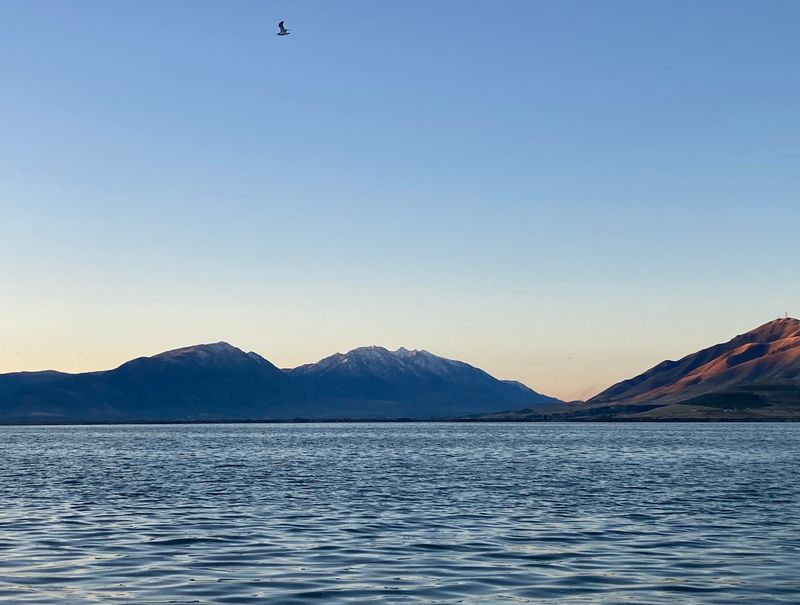
An island made from mineral deposits and crowded with birds? That’s Bird Island, one of the most unusual little landmarks hiding in Utah Lake.
Located a couple of miles north of Lincoln Beach, this rocky island formed through deposits from underwater springs. Over many years, those minerals built up into a feature that rises above the surrounding lake when water levels allow.
Birdwatchers have a good reason to get excited. Hundreds of birds have been observed gathering here, filling the little island with movement and noise.
The island has a history that goes beyond wildlife. It was once known as Rock Island, and during the early twentieth century, sightseeing boats carried passengers out to see it.
Fishing is another reason people explore the surrounding water. The shallow areas around Bird Island have been known for sport fishing, making it an interesting destination for anglers.
There’s a catch, though. The island’s size changes with Utah Lake’s water level, and during particularly high-water periods, it can disappear beneath the surface.
Boaters should be especially careful around the area. Submerged rocks and shallow outcrops can damage propellers, even when the water looks deep enough to pass safely.
Want a simpler way to appreciate the scenery? Head to Lincoln Beach, where you can enjoy views across the lake without needing to launch a boat.
Bring binoculars if you’re hoping to spot birds. Watching wildlife from a respectful distance helps keep nesting areas undisturbed.
Address: Bird Island, Utah Lake, Utah County, UT
8. Osprey Island
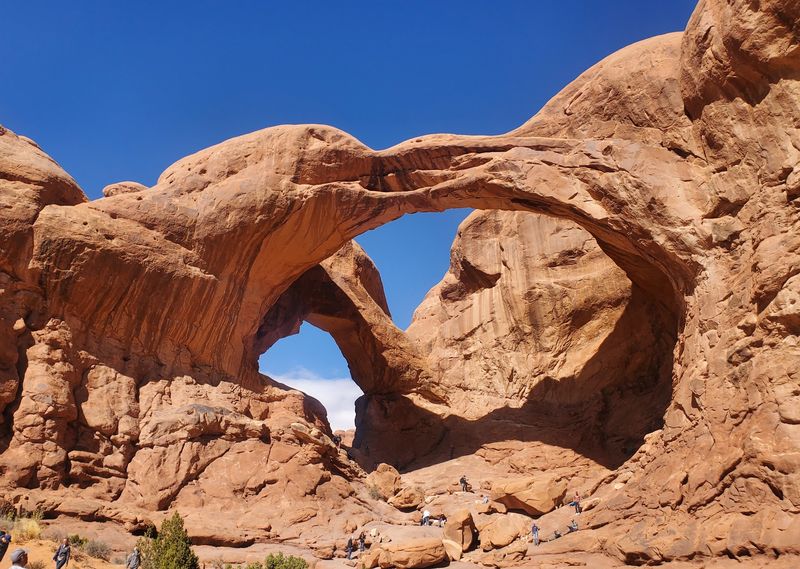
A tiny island in the middle of a sparkling reservoir sounds like something out of a summer adventure story. Osprey Island brings exactly that kind of scenery to Starvation Reservoir in northeastern Utah.
The island sits about half a mile southwest of the state park campground’s boat ramp. It’s a small destination surrounded by the reservoir’s blue water and rugged Utah landscape.
Getting a closer look means heading out onto the water. Kayaking and boating are popular activities at Fred Hayes State Park at Starvation, making an island-focused outing a fun addition to a day on the reservoir.
Fishing enthusiasts have plenty of reasons to visit the surrounding lake. Starvation Reservoir is especially famous for its walleye fishing, and the annual fishing tournament attracts anglers hoping to catch impressive fish.
The scenery deserves attention, too. Rocky shores, remote coves, and surrounding hills give the reservoir a peaceful feeling, especially when you’re away from the busiest recreation areas.
Want to stretch the adventure into a weekend? The state park offers developed and primitive camping areas, along with access to beaches and other outdoor activities.
The park also provides boat-launching facilities, restrooms, and drinking water in designated areas. Don’t assume those amenities extend to Osprey Island itself, though.
Keep your plans flexible around water levels. A small reservoir island can look very different as the shoreline changes, so check current conditions before planning an approach.
Pack a life jacket, plenty of drinking water, and something to protect your phone from splashes. Even a short trip across open water deserves proper preparation.
Address: Osprey Island, Starvation Reservoir, Duchesne, UT 84021
9. The Island at Scofield Reservoir
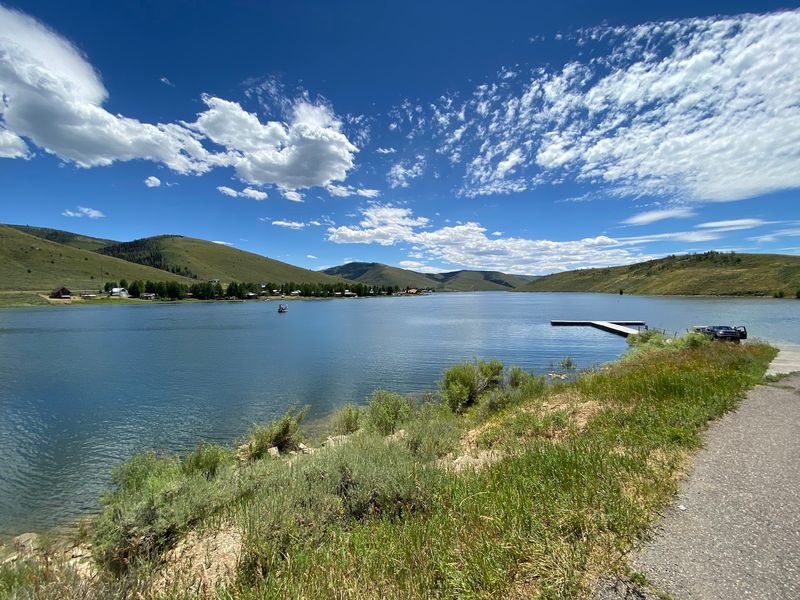
Sometimes the most interesting place on a lake is the little piece of land sitting right in the middle of it. That’s the appeal of The Island at Scofield Reservoir in central Utah.
Located in Carbon County, this small island is the reservoir’s only recognized island. Its position makes it an unusual landmark in a lake better known for fishing and mountain scenery.
Scofield Reservoir sits high in the mountains, where cooler temperatures offer a refreshing change from Utah’s hotter desert destinations.
Fishing is the big attraction here. Anglers visit Scofield for rainbow trout, cutthroat trout, and tiger trout, and the waters around the island are known as a productive fishing area.
Have a boat? Exploring the reservoir gives you the chance to appreciate the island from different angles while enjoying views of the surrounding mountains.
You don’t need to set foot on the island to enjoy the experience. A slow trip around the nearby water offers plenty of scenery, especially when the reservoir is calm.
Scofield State Park also has developed campgrounds, a primitive camping area, and boat-launching facilities, making it convenient for visitors who want to spend more than one afternoon outside.
Summer brings opportunities for boating and relaxing near the shoreline. Fall adds another layer of beauty as the surrounding mountain vegetation changes color.
Winter transforms the area completely. Scofield is a popular ice-fishing destination, although frozen conditions make it a very different kind of island getaway.
Before heading out, check current reservoir conditions and fishing regulations. Water levels, weather, and seasonal access can affect your plans.
Address: The Island, Scofield Reservoir, Scofield, UT 84526