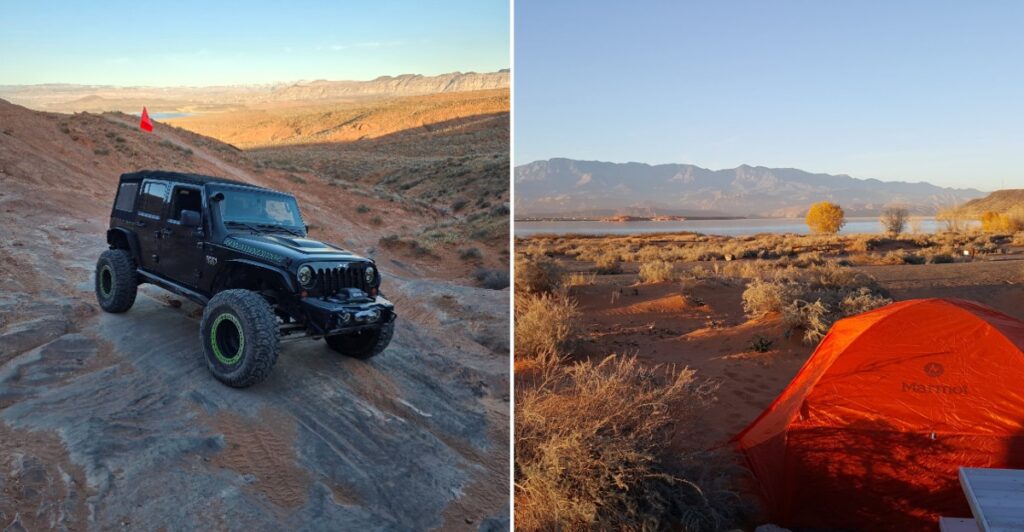
A trail called Double Sammy has a section riders simply call The Chute, and the name tells you plenty. It sits inside a 15,000-acre playground of red sand dunes and bare sandstone in southern Utah.
The sand here glows a deep, rusty red that looks almost unreal against a blue desert sky. The rock is Navajo sandstone, the same stuff that shapes the cliffs of nearby canyon country.
I like how the terrain refuses to pick one personality. Soft dunes roll into slickrock ledges, sandy washes, and rock-crawling routes that test both machines and nerves.
Then there’s the view from the top, around 4,000 feet up, where clear days reveal faint hints of Zion and even the Grand Canyon. I can’t imagine a better reward for climbing a hill made of sand, can you?
Fifteen Thousand Acres Of Red Sand Are Waiting For Your Tires
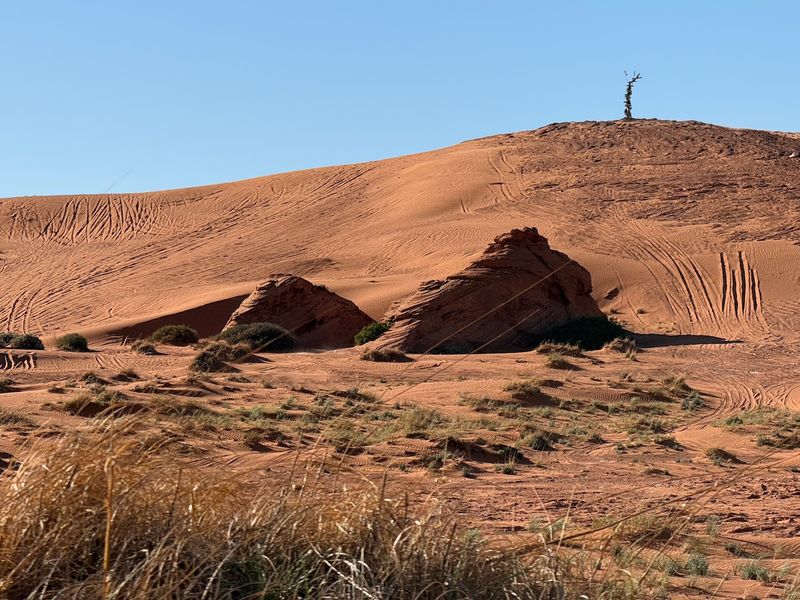
Size matters out here, and the Sand Mountain Open Off-Highway Vehicle Area has plenty of it. The place covers about 15,000 acres of dunes, rock, and dirt trails near Hurricane, Utah.
That’s a lot of room to roam. You could spend a full weekend exploring and still leave corners untouched.
The Bureau of Land Management runs the area through its St. George Field Office. It earned its official open OHV designation in the agency’s 1999 Resource Management Plan.
So this isn’t some random patch of desert people stumbled onto. It was set aside on purpose for folks who love engines, sand, and a little dust in their teeth.
The best part might be the welcome mat. The BLM charges no fee to enter the OHV area itself, which leaves more budget for fuel and snacks.
It’s also open year-round. Spring and fall tend to be the friendliest seasons for riding, since summer heat in this corner of the desert can get serious fast.
Bring water, sunscreen, and patience for sand in every pocket. That last one isn’t optional, trust me.
Dunes, Slickrock, And Washes All Share The Same Backyard
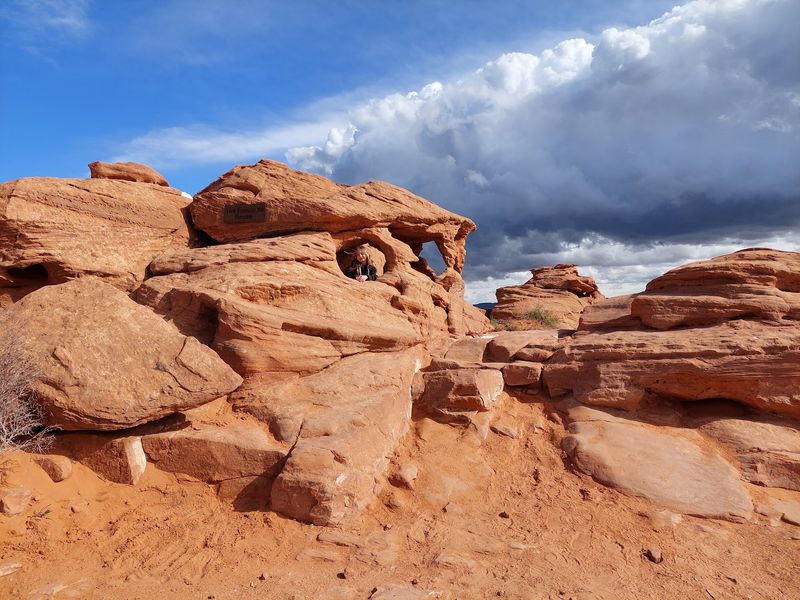
Variety is the secret sauce at Sand Mountain. One minute you’re floating over smooth red dunes, and the next you’re climbing bare sandstone.
Most of the rock here is Navajo sandstone. It forms wide slickrock benches that feel grippy under tires and look amazing in afternoon light.
Between the big features, you’ll find red dirt trails and sand whoops. Those rolling bumps can turn a calm ride into a bouncy comedy show if you take them too fast.
Washes cut through the landscape too. They make natural pathways that connect different zones and break up the scenery nicely.
Then there are the technical rock crawling routes. These are the slow, careful lines where every wheel placement matters and spotters earn their keep.
The mix means almost every type of machine fits in. ATVs, UTVs, Jeeps, dirt bikes, sand rails, and dune buggies all have places to play.
I love that a family in side-by-sides and a crew of built rock crawlers can share the same mountain. Everyone just picks their flavor and heads out.
Try a little of everything before choosing a favorite. You might surprise yourself.
New Riders Can Start Easy And Still Feel Like Heroes
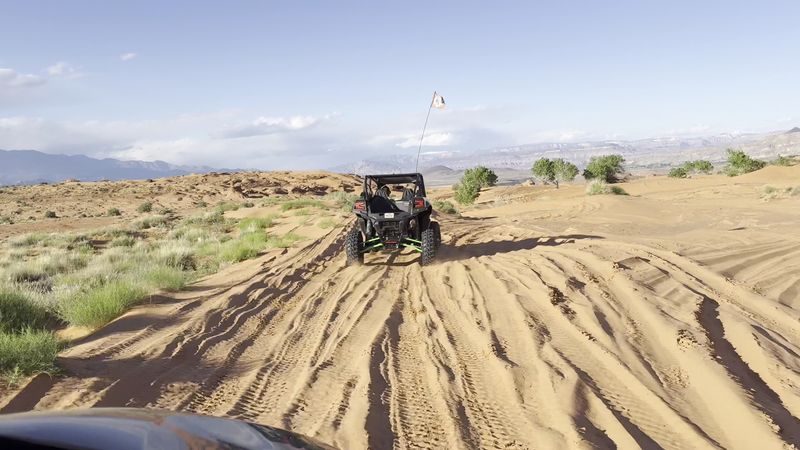
Nobody has to tackle a cliff on day one. Sand Mountain has friendly routes that help beginners build confidence without white knuckles.
Sand Dune Way is a solid place to start. It lets newer riders get a feel for driving in soft sand, which behaves very differently than dirt.
East Rim and West Rim are also popular with those still learning. They offer scenic cruising while keeping the difficulty in a comfortable range.
Easy doesn’t mean boring here. The red landscape alone makes even a mellow loop feel like a postcard come to life.
A smart move is to ride with someone who knows the area. Sand can hide drop-offs, and dune faces sometimes look gentler than they really are.
Lower speeds help too. You’ll spot more details, save your machine, and avoid that awkward moment of getting stuck in front of an audience.
Kids and first-timers usually love the dunes most. There’s something about cresting a sandy hill that makes everyone laugh out loud.
Once those easy trails feel natural, you can level up gradually. The mountain isn’t going anywhere, and it rewards steady progress.
The Toughest Trails Have Names That Sound Like Warnings
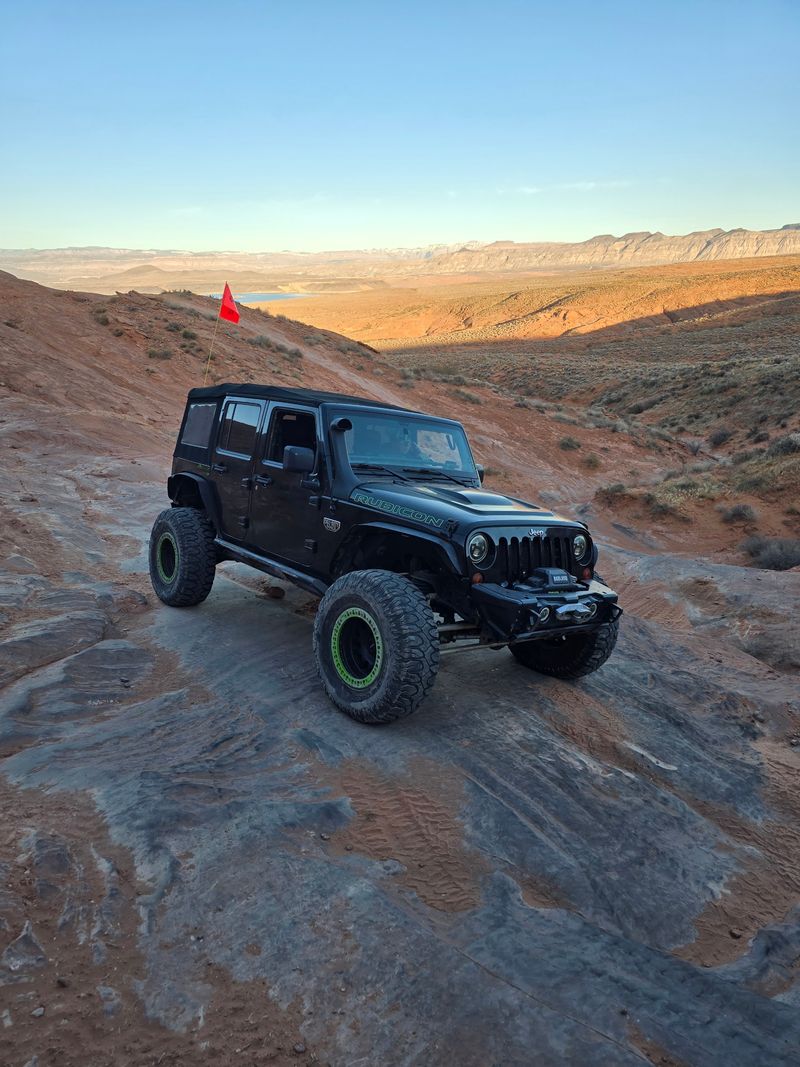
Risky Biz. Sanitarium.
Unforgiven. These trail names aren’t trying to sell you on a relaxing afternoon.
Sand Mountain is known for serious technical routes. They’re built for experienced drivers with capable rigs and a good sense of when to back off.
Double Sammy may be the most famous of the bunch. Its section called The Chute is a steep, intense stretch that gets plenty of attention from rock crawlers.
The Maze is another challenge worth knowing about. Its name hints at twisting lines through rock, where route finding matters as much as horsepower.
Sanitarium and Unforgiven are often mentioned together. Both sit firmly in the expert category, so casual riders should admire them from a distance.
Preparation is everything on these routes. Lockers, good tires, recovery gear, and a reliable spotter can make the difference between a great run and a long afternoon.
Never ride hard trails alone. Bring friends who can help with recovery and share in the bragging rights later.
Watching an expert pick through a ledge is entertainment by itself. Honestly, it’s like a slow-motion puzzle solved with steel and patience.
Your Adventure Probably Starts At This Roomy Trailhead
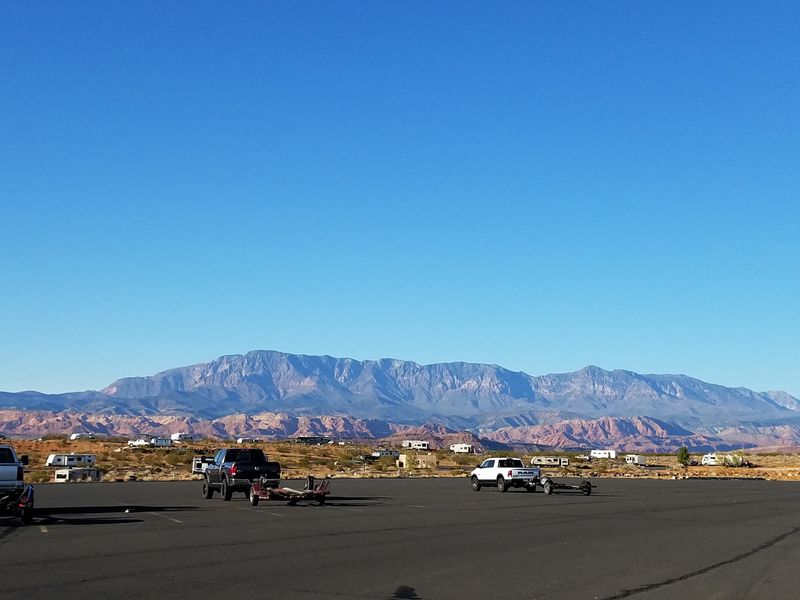
Parking a truck and trailer can be half the battle at popular riding spots. Waddy’s Corral Trailhead makes that part refreshingly simple.
You’ll find it at Waddy’s Corral Trailhead, Sand Hollow Road, Hurricane, UT 84737. It sits about half a mile south of Sand Hollow Road and serves as a main entry point to the dunes.
The BLM expanded the lot, finishing the work by summer 2022. Today it offers more than five acres of parking with room for at least 50 trucks and trailers.
That upgrade wasn’t just about space. It also improved safety for people unloading machines and maneuvering big rigs.
A vault toilet is on site, which every rider appreciates sooner or later. There’s also an information kiosk with helpful details about the area.
Take a minute at that kiosk before heading out. Checking maps and posted rules beats guessing once you’re deep in the sand.
Early arrivals tend to have an easier time finding a good spot on busy days. Plus, morning air feels a lot kinder than midday sun.
Unload, gear up, and point those wheels toward the red horizon.
Climb High Enough And Two National Parks Wave Back
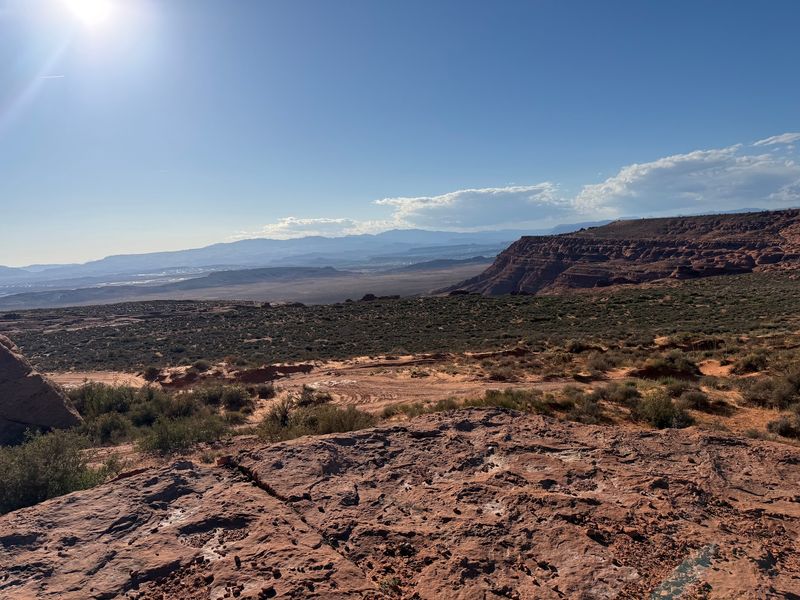
Around 4,000 feet up, Sand Mountain turns into a giant viewing platform. The 360-degree panorama might be the most underrated part of the whole trip.
Look one way and downtown St. George spreads across the valley. Turn around and the Hurricane Cliffs stretch along the horizon.
The Pine Valley Mountains rise in the distance. Closer in, you can spot the Red Cliffs National Conservation Area, Warner Valley, and Quail Reservoir.
Sand Hollow Reservoir shines below like a blue gem dropped into red rock. The contrast is wild, especially when the light starts to soften.
Then come the big bonus views. On clear days, riders can enjoy panoramic views of the Hurricane Cliffs, Arizona Strip, Pine Valley Mountains, and Red Cliffs National Conservation Area.
The Arizona Strip spreads out to the south as well. It’s a reminder that you’re riding right near the edge of two states.
Bring a camera or at least a charged phone. You’ll want proof that the colors were really that bright.
My tip is to plan a stop near sunset if conditions allow. Just leave enough daylight to get back to your camp or trailer safely.
Free Desert Camping Comes With Steel Fire Rings And Starry Skies
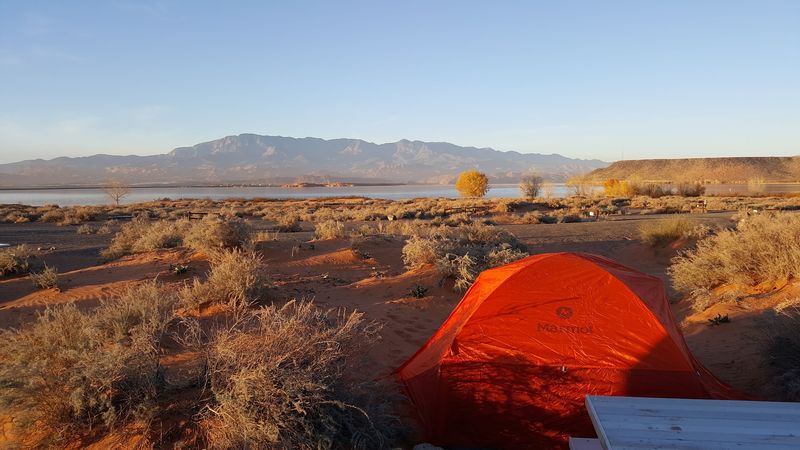
Why rush home when the desert offers free camping? Sand Mountain allows dispersed camping without fees, which makes a long weekend very tempting.
You can stay up to 14 days within any 28-day period. That’s plenty of time to ride, rest, and ride again.
Along the Sand Mountain Pipeline Road, there are eight numbered campsites. Each one comes with a steel fire ring and works on a first-come, first-served basis.
Restrooms sit near these camping areas. The BLM has also worked on adding composting restrooms at busy spots like Competition Hill and the West Rim.
Desert camping does ask a little more from you. Bring all your water, food, shade, and a plan for packing out every bit of trash.
Wind can pick up out here, too. Sturdy tents and well-anchored canopies are a smart investment for any Utah desert trip.
Nights are where this area really shines. Once the engines go quiet, the open sky feels huge and peaceful.
Grab a site early if you’re arriving on a busy weekend. Those numbered spots don’t stay empty for long.
An Eight-Foot Flag Is Your New Favorite Accessory
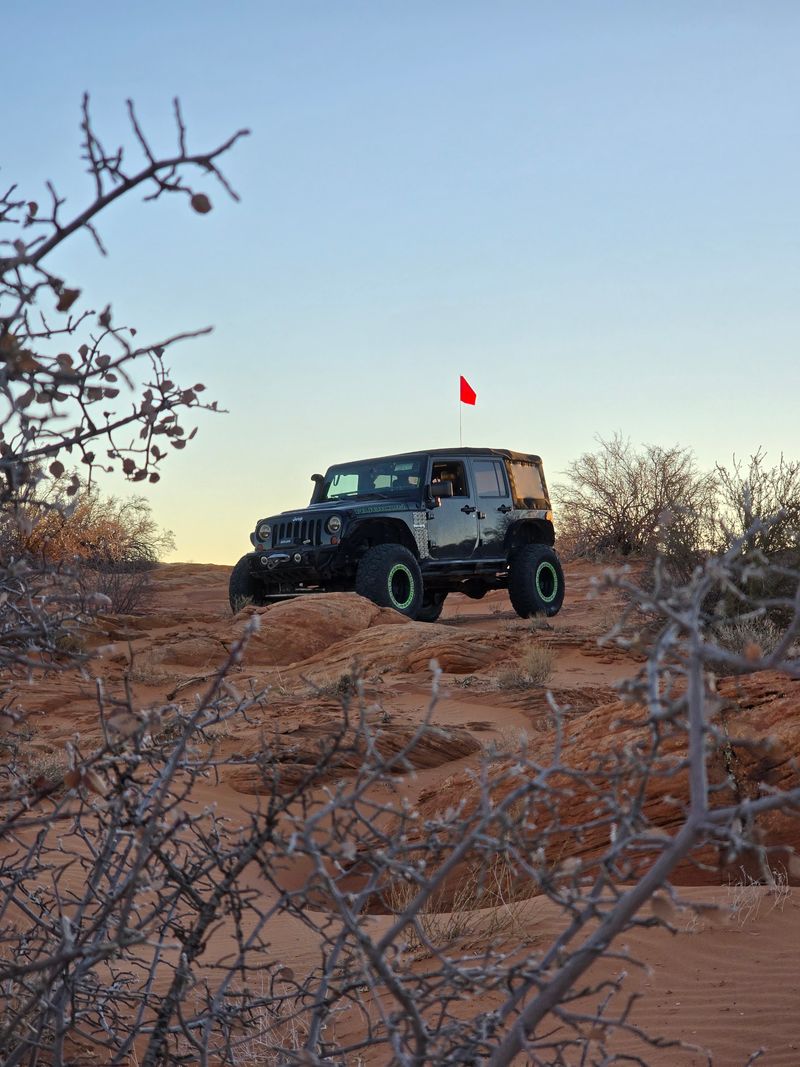
Whip flags look a little silly until you crest a dune and realize why they matter. On designated sand dunes, OHVs generally need a safety flag measuring at least 6 by 12 inches and mounted at least eight feet above the ground, although qualifying helmet-mounted flags on off-highway motorcycles are permitted.
Those tall flags help riders see each other over blind hills. In rolling sand, that bit of color can prevent a scary surprise.
Paperwork matters here too. OHVs operated on Utah’s public lands and roads must have the appropriate registration or non-resident permit, subject to applicable exemptions.
Operators also need to complete an OHV education course. It’s a quick way to learn the rules and pick up safety tips before hitting the trails.
Riders may travel cross-country within Sand Mountain’s designated open OHV area but must stay on designated routes in areas where off-road travel is restricted. That protects the landscape and keeps this place open for future adventures.
Remember that some nearby lands are off-limits to OHVs. Wilderness areas and national parks like Zion and the Grand Canyon don’t allow this kind of riding.
None of this is meant to spoil the fun. Think of it as the entry ticket to a playground that respects its visitors and its scenery.
Double-check your gear before leaving home. Showing up without a flag is a rookie mistake you only make once.
A Sparkling Reservoir Next Door Doubles The Fun
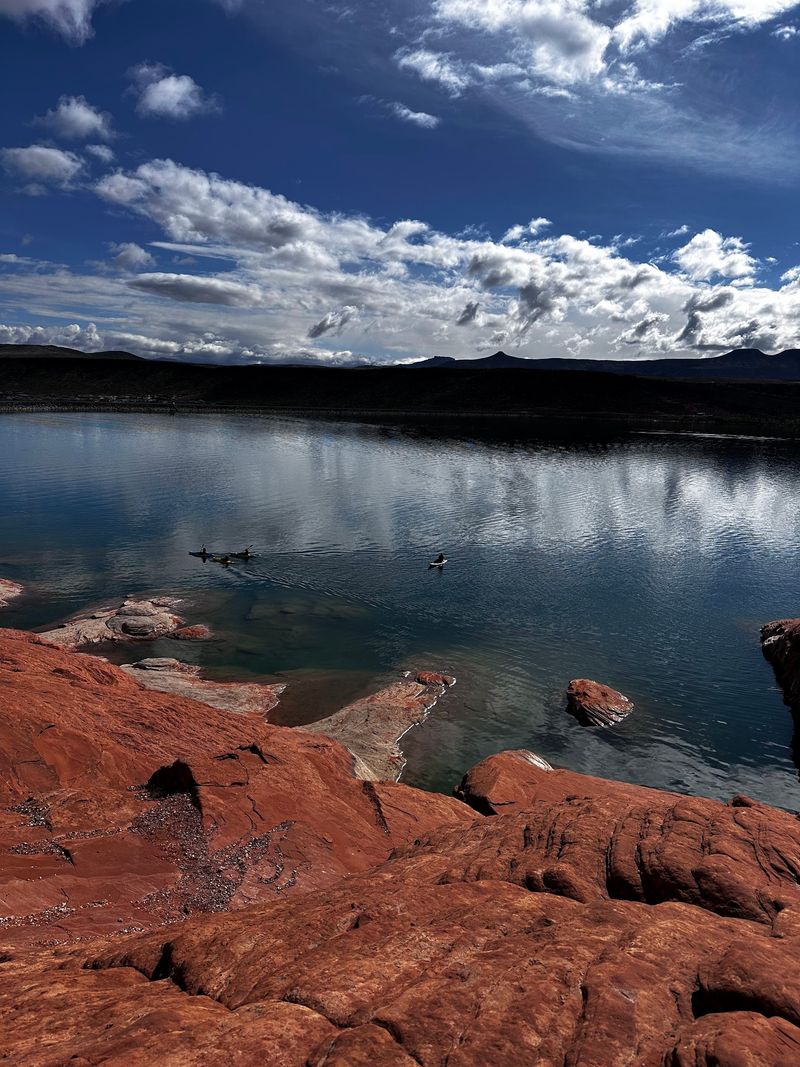
Here’s a sweet combo: dunes in the morning and cool blue water in the afternoon. Sand Hollow State Park sits right beside the Sand Mountain Open Off-Highway Vehicle Area.
The state park was dedicated in April 2003. Its reservoir draws people for boating, fishing, paddleboarding, kayaking, swimming, and even scuba diving.
Riders get a special perk inside the park. The Sand Pit campground is an OHV loop with ride-in, ride-out access to Sand Mountain through a tunnel.
Other campgrounds include Westside and Lakeview, which offer hookups and modern restrooms. Primitive beach camping along the shore is another option, though only propane fires are allowed there.
Keep in mind that the state park charges a day-use fee per vehicle. A valid Utah State Parks annual pass also works for entry.
The park has a visitor center, too. It’s a handy stop for questions, maps, and current water conditions.
Pairing both places turns a riding trip into a full desert vacation. Few spots in Utah let you swap a dune buggy for a paddleboard so easily.
Pack a swimsuit next to your helmet. You’ll be glad you did.