Nearly one-third of the students at one small Iowa college were receiving full-tuition scholarships according to a recent college report. Read that again.
For families who expect college costs to feel like a second mortgage, that number lands like good news.
The aid story gets even better. Admission decisions ignore a domestic applicant’s ability to pay.
Then the school promises to meet every admitted student’s full demonstrated need, without stuffing loans into the package.
Fewer than 10 schools in the country combine those policies with test-optional admission, according to the college. I appreciate a place that puts real money behind its big talk.
For me, that alone earns a closer look.
The classes back it up, too. National rankings place its undergraduate teaching among the very best in America.
Students also design most of their own course plans.
Amazing, right?
The No. 1 Small College In Iowa Earned Its Crown
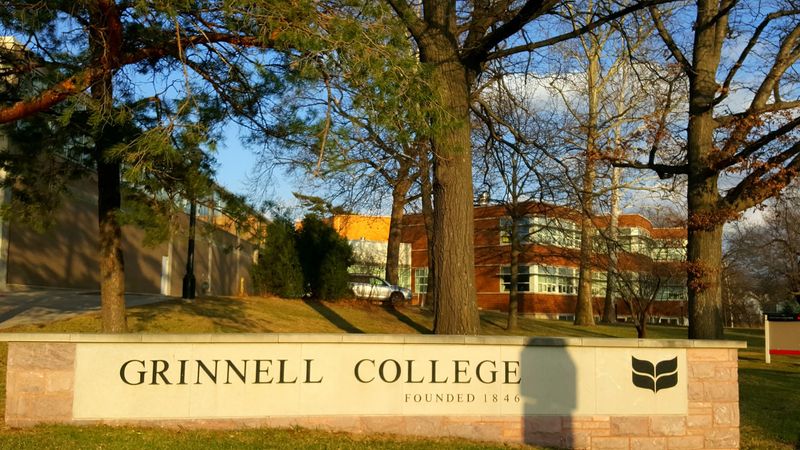
Bragging rights matter, and Grinnell College has plenty. Niche ranks it the No. 1 Best Small College in Iowa, beating 22 other schools.
It also takes the top spot in Iowa for best academics. Add first place for most diverse colleges and top private universities, and that’s a full trophy shelf.
The national picture looks just as sharp. U.S.
News & World Report ranks Grinnell 16th among national liberal arts colleges in its latest rankings.
That same list puts it sixth for best undergraduate teaching. It also lands eighth for best value and 20th for most innovative schools.
The Princeton Review ranks it 17th for best classroom experience. Town & Country has also recognized it among the Best Alt-Ivies, which sounds fancy because it is.
So why should rankings matter to you? They give families a quick way to compare schools without visiting dozens of campuses.
Still, numbers only tell part of the story. Use them as a starting point, then look closer at the classes, aid, and campus life.
Grinnell keeps showing up on lists for teaching, not just fame. That’s a good sign for anyone who wants professors who actually care about the classroom.
Your Bank Account Won’t Decide If You Get In
Money talks at a lot of colleges. At Grinnell College, it stays out of the admission room for domestic applicants.
The school practices need-blind admission for U.S. citizens, eligible noncitizens, and domestic noncitizens, including undocumented students. Your family’s ability to pay plays no part in the yes or no.
Grinnell reviewed this policy in February 2025 and kept it. That’s a big deal, since some colleges have quietly stepped back from similar promises.
Then comes the second half of the deal. The college commits to meeting 100 percent of each admitted student’s demonstrated financial need.
For students with need, aid packages skip loans entirely. Scholarships, grants, and student employment help cover the cost, so students are not required to borrow to meet their calculated need.
Fewer than 10 schools in the United States combine need-blind admission, full need met, no-loan financial aid, and test-optional admission, according to Grinnell. The college sits in that very small club.
Here’s a practical tip. Fill out your financial aid forms early and carefully, since demonstrated need is based on that paperwork.
Costs can change each year, so review your package annually. Ask the aid office questions anytime something looks unclear.
A Giant Endowment Does Some Very Generous Math
Three point three billion dollars. That’s where Grinnell College’s endowment stood at the end of fiscal year 2026.
Big numbers can feel far away, so let’s bring this one closer. The real story is where that money goes each year.
Grinnell sends the equivalent of 74 percent of its annual endowment payout toward financial aid. The national average sits around 47 percent, so Grinnell blows past it.
The results show up in student wallets. For the 2026-27 school year, 94 percent of students receive financial aid.
That number climbed from 92 percent the year before. When nearly everyone gets help, nobody has to feel singled out for needing it.
Almost half of students fall into the high or very high need category. Nearly one-third of the student body attends on a full-tuition scholarship.
Think about that next time a pricey sticker price scares you off. The listed cost and the real cost can look totally different.
Families should always run the net price calculator before crossing a school off the list. At a place like this, the final number might surprise you in the best way.
Build Your Own Schedule Like A Custom Pizza
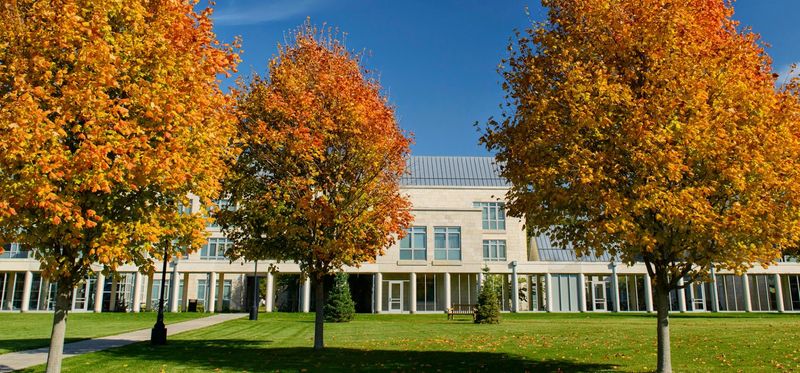
One required class. That’s it at Grinnell College, where the only must-take course is the First-Year Tutorial.
After that, the open curriculum lets students pick their own path. Faculty advisors help guide choices, so nobody wanders off into a confusing maze alone.
The menu is big for a small school. Students can choose from 42 areas of study and more than 500 classes.
Love biology but also want to study music? Go ahead and mix them.
This setup rewards curious people who like exploring before settling down.
The student-to-faculty ratio is 9 to 1. That means smaller classes and more chances to actually talk with your professors.
Hiding in the back row gets tricky in a room that small. But that’s kind of the point, since you learn more when you take part.
A smart tip for open curriculum students is to plan ahead. Map out a rough four-year idea with your advisor during your first year.
Freedom works best with a little structure. Try new subjects early, then focus as your interests grow clearer.
Engineering Dreams And Public Health Plans Fit Here Too
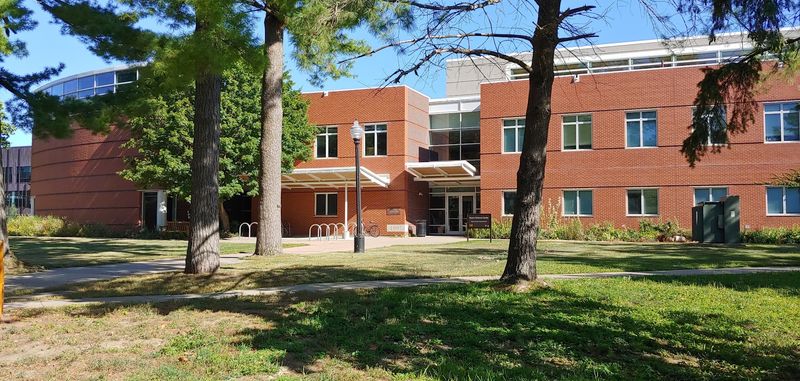
Liberal arts and engineering sound like an odd couple. Grinnell College makes them work together through dual degree programs.
Its 3-2 engineering programs connect with some heavy hitters. Partners include Columbia University, Rensselaer Polytechnic Institute, and Caltech.
Students usually spend three years at Grinnell, then two at the partner school. They leave with two degrees and a much broader skill set.
Washington University in St. Louis offers a different 3-3 pathway. Students can earn a Grinnell bachelor’s degree along with undergraduate and master’s degrees from Washington University.
Dartmouth College offers another route through a 2-1-1-1 engineering program. Yes, that name looks like a locker combination, but it describes a split schedule between schools.
Health-minded students get an option as well. A cooperative program with the University of Iowa leads toward a Master of Public Health.
That keeps a top Iowa partnership right inside the same state. Pretty handy for students who want to stay close to the Midwest.
Here’s practical advice for anyone interested. Talk with an advisor early, because these programs need careful planning for math and science courses.
Missing one requirement could slow things down. Getting organized in your first year makes the whole path much smoother.
Gothic Towers And Bauhaus Lines Share One Campus
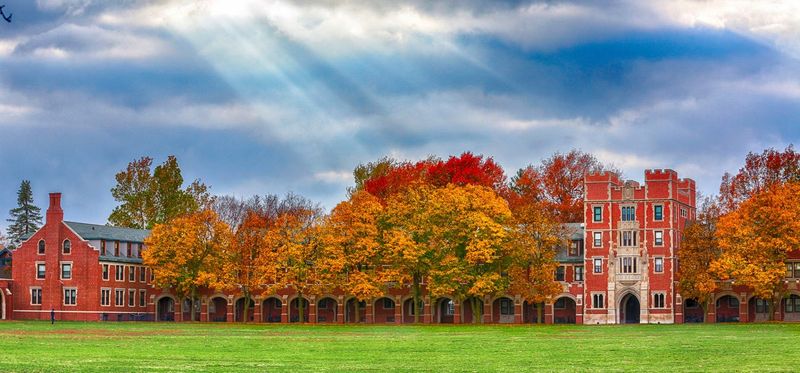
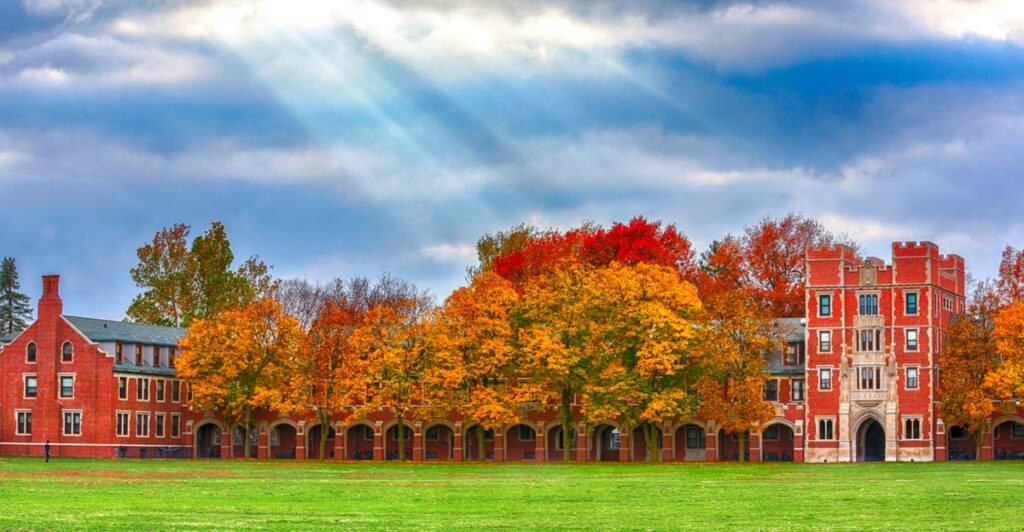
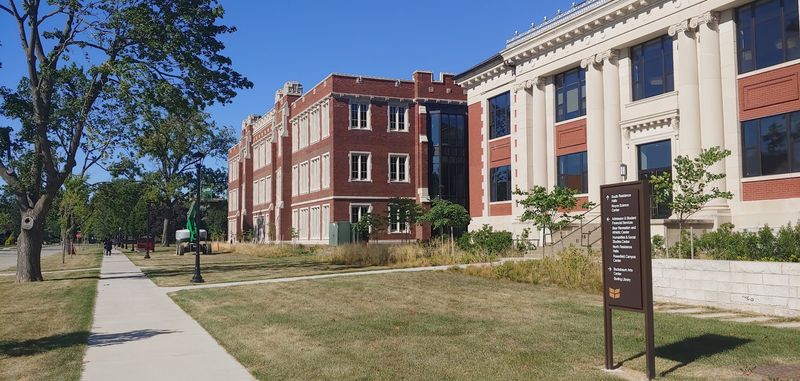
Architecture fans, get your cameras ready. Grinnell College packs a surprising variety of building styles onto its 120-acre campus.
Collegiate Gothic stands next to Bauhaus, Tudor, and Modernist designs. Walking across campus can feel like flipping through an architecture textbook.
History runs deep here, too. The school started in 1846 as Iowa College and officially became Grinnell College in 1909.
The town of Grinnell also served as a stop on the Underground Railroad. Town founder J.B.
Grinnell helped people seeking freedom, including those who stayed at his home and barn.
The main college address is 1115 8th Ave, Grinnell, IA 50112. The Office of Admission is at 1227 Park St., which is handy to know for a campus tour.
A railroad line runs right through the campus. Trains rolling past make for a uniquely Midwestern soundtrack to study sessions.
Planning a visit? Leave time to wander outside your scheduled tour so you can see different building styles up close.
Comfortable shoes are a must. A campus this varied deserves a slow walk, not a rushed sprint between appointments.
Dorms Inspired By Oxford, With Air Conditioning Upgrades
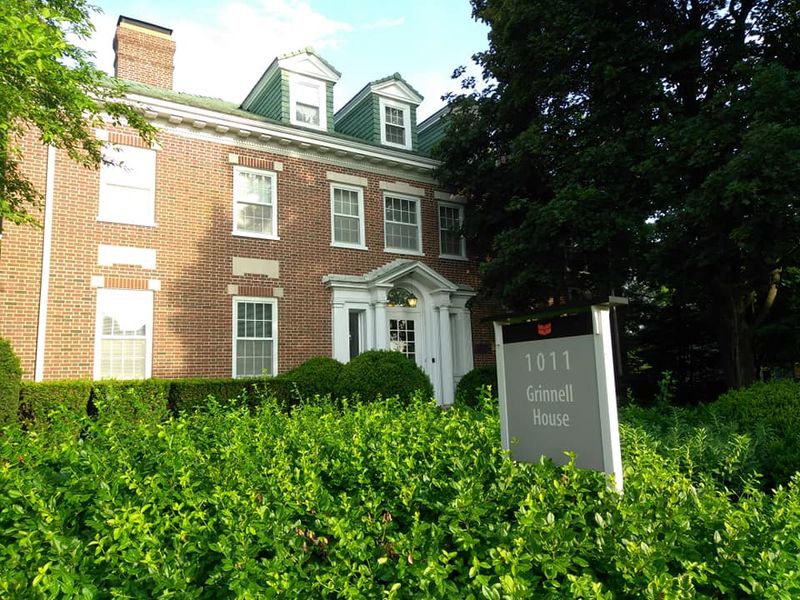
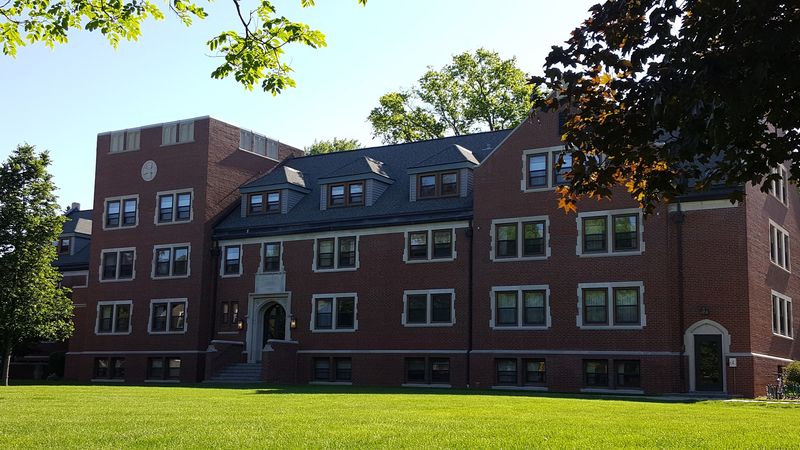
Oxford served as a model for Grinnell College’s traditional residential system. Not bad for a campus in rural Iowa.
Housing includes North, South, East, and West Campus residence halls, along with the newer Renfrow Hall. These college-owned spaces keep students close to classes and friends.
East Campus brings the newer touches. Its residence halls include air conditioning and elevators, two things you’ll appreciate on move-in day.
Residence halls come stocked with useful basics. Expect laundry facilities, computer labs, kitchens, lounges, and wireless internet in many of the buildings.
Those kitchens matter more than you’d think. A late-night batch of cookies can turn strangers down the hall into real friends.
One thing you won’t find is Greek life. Grinnell has no fraternities or sororities, so social life centers on halls, clubs, and shared interests.
Here’s a tip for incoming students. Think about whether you prefer classic charm or modern comfort before choosing housing.
Bring a small fan if you land in an older hall. Iowa summers and early fall can get warm, and you’ll thank yourself later.
Swing Dancing, Smash Battles, And Students Running The Show
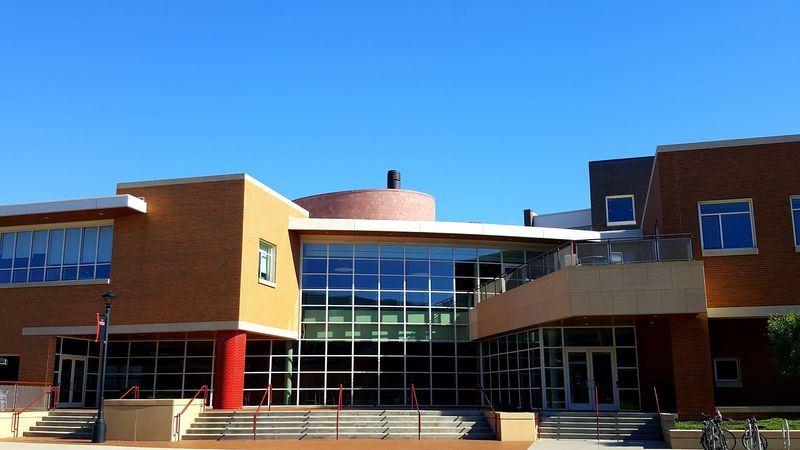
Self-governance is a big idea at Grinnell College. Students help shape campus life instead of just following rules handed down to them.
That spirit shows up in the club scene. More than 100 student organizations cover everything from academics to activism.
Some groups sound like pure fun. Swing Society brings the dance moves, while Smash at Grinnell gathers video game fans for friendly battles.
Music lovers can check out the Grinnell Singers. Visiting artists also add to a lively arts scene across campus.
With about 1,700 students, the community stays close-knit. Faces become familiar fast, and friendships can grow deep.
The college celebrates ethnic and racial diversity. It also has a strong LGBTQ community, helping many students feel welcome.
So how should a new student jump in? Try visiting three or four club meetings during your first few weeks.
You don’t have to commit right away. Sample a few, then stick with the groups that make you excited to show up.
Your future best friend might be waiting at a swing dance practice.
Art, Ice Skating, And 365 Acres Of Prairie Await
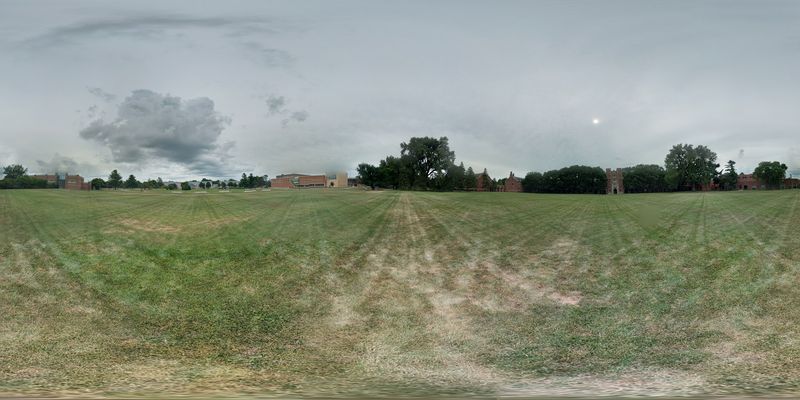
A golf course that turns into a skating spot? Grinnell College makes good use of its Grinnell College Golf Course all year.
Students use it for recreation like ice skating and cross-country skiing. When Iowa winters arrive, that’s a smart way to beat cabin fever.
Art lovers have their own stop. The Grinnell College Museum of Art gives students a creative space right on campus.
Science and nature fans get even more room to roam. The 365-acre Conrad Environmental Research Area is part of the college’s facilities.
That’s three times bigger than the main campus itself. Researchers and curious minds can study the land up close, far beyond any textbook photo.
Dining options vary across campus, too. Having choices helps when you’re tired of eating the same thing every day.
Here’s practical advice for new students. Pack warm gear like gloves, a hat, and a heavy coat before winter hits.
Being ready lets you enjoy snowy activities instead of hiding indoors. A small Iowa town with this many things to do proves bigger isn’t always better.