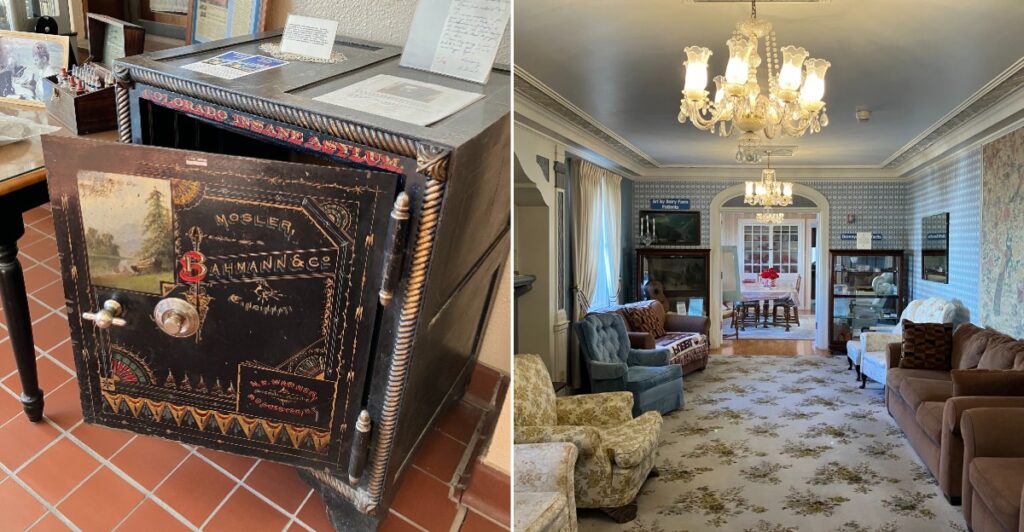
A museum about the history of mental health care sits inside a 1934 house with crystal chandeliers and deep red velvet sofas. That pairing alone made me stop scrolling.
It sounds like a mystery novel, but it’s a real place in Colorado.
The front door opens only two days a week. Your credit card won’t help you either, because the admission desk takes cash only.
Kids 12 and under get in free, which feels generous for a place this unusual.
Inside, you’ll find old intake records from the late 1800s and a filing cabinet stuffed with historic salaries. There’s also a display of belongings that patients never got to take home.
I can’t imagine reading those labels without feeling something.
I like how a small team of volunteers keeps this story alive. So what makes people bundle up and plan around such tight hours?
Bring Cash, Because The Card Reader Simply Does Not Exist
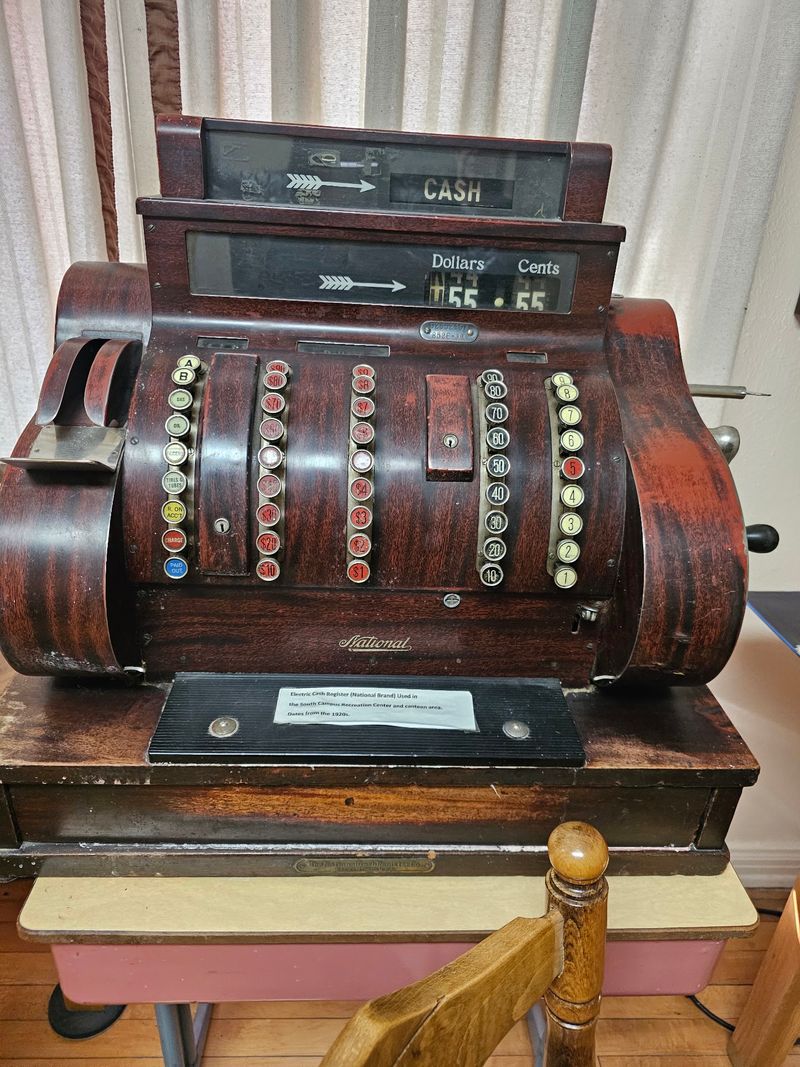
Cash is king at the Colorado State Hospital Museum, and that’s not a figure of speech. The museum doesn’t accept credit cards, so a quick stop at an ATM beforehand saves real embarrassment.
Adult admission is modest, and children 12 and under get in free. That makes it one of the friendlier museum budgets you’ll find in Colorado.
Why cash only? The museum is run by volunteers, not a big staff with fancy payment systems.
Simple setups help small places like this keep their doors open.
Bringing a little extra is a smart move too. Donations help support the exhibits, the upkeep, and the people who give their time.
Even a few bills can feel like a thank-you note.
Small bills are your best friend here. Showing up with exact change keeps things moving and lets you start exploring faster.
Think of the cash rule as part of the charm. It feels a little old-fashioned, which suits a museum built around more than a century of history.
Honestly, it’s like a time machine that starts at the front desk. Just make sure your wallet makes the trip with you.
Two Days A Week Means You Need A Game Plan
Tuesdays and Saturdays are the magic days. The museum usually opens from 10 am to 4 pm on those two days and stays closed the rest of the week.
That schedule catches plenty of travelers off guard. A weekend road trip through Pueblo might line up perfectly, but a Thursday visit won’t.
Hours can change, too. Construction work and volunteer availability have caused surprise closures before, so checking ahead is a wise habit.
A quick call before you leave home can spare you a wasted drive. Some past visitors have recommended calling ahead to set up a guided tour as well.
Planning around the clock pays off. Arriving earlier in the day gives you more breathing room to read the clippings, records, and labels.
Many people spend about 30 minutes to an hour inside. History fans who love reading every detail could easily stretch that longer.
Here’s a simple plan that works well. Pick a Tuesday or Saturday, confirm the museum is open, and grab some cash on the way.
After that, the only tough decision left is which room to explore first.
A Superintendent’s Home That Looks Way Too Pretty For This Topic
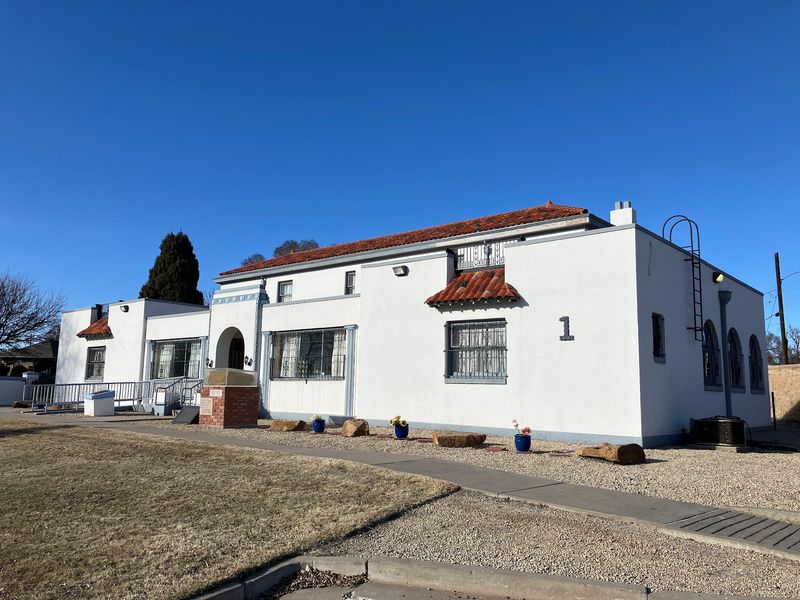
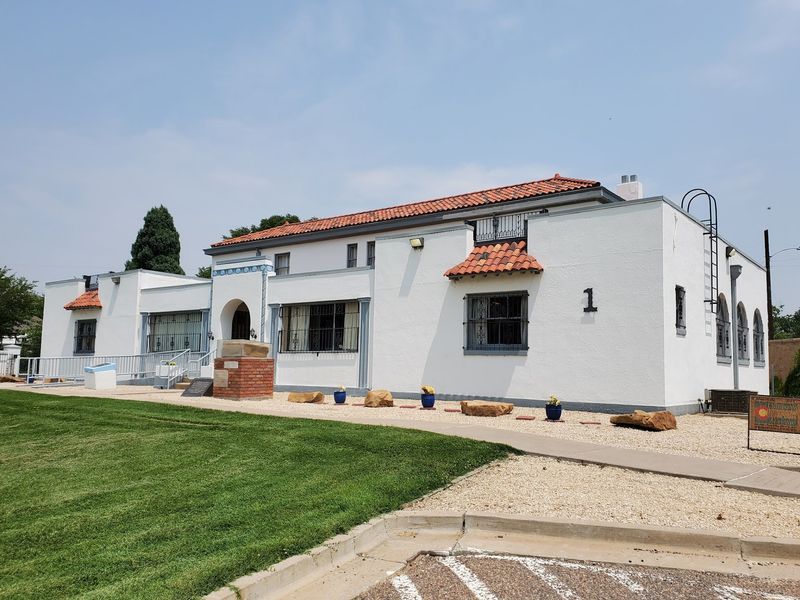
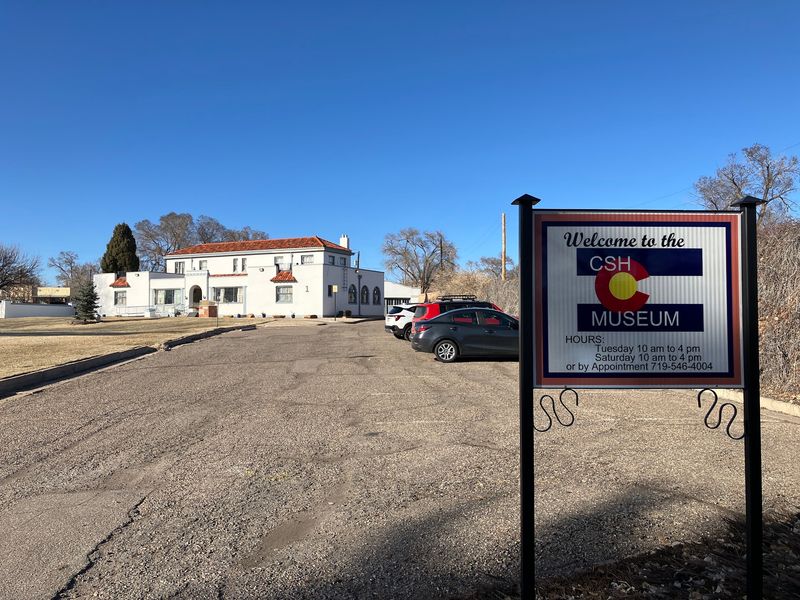
White stucco walls, a red tile roof, and arched windows with iron trim greet you outside. The building looks calm and dignified, almost like a stately family home.
That’s because it was one. The museum sits inside the former Superintendent’s House, built in 1934 for the person who led the hospital.
The house stands on the grounds of the Colorado Mental Health Institute at Pueblo. That institute is still active today, which gives your visit an extra layer of meaning.
You’re not visiting a ghost town or an abandoned ruin. You’re stepping onto a working campus with deep roots in the community.
Some visitors expect to tour old patient wards. That’s not what this is, so it helps to set your expectations before you arrive.
Instead, the house becomes a frame for the hospital’s long story. Its rooms hold artifacts, photos, and records gathered from many decades.
Take a moment outside before heading in. The ironwork and arches are worth a photo, and they hint at the polished rooms waiting inside.
Respect the campus around you, though, since real people still receive care nearby.
Chandeliers And Red Velvet Make The Mood Delightfully Strange
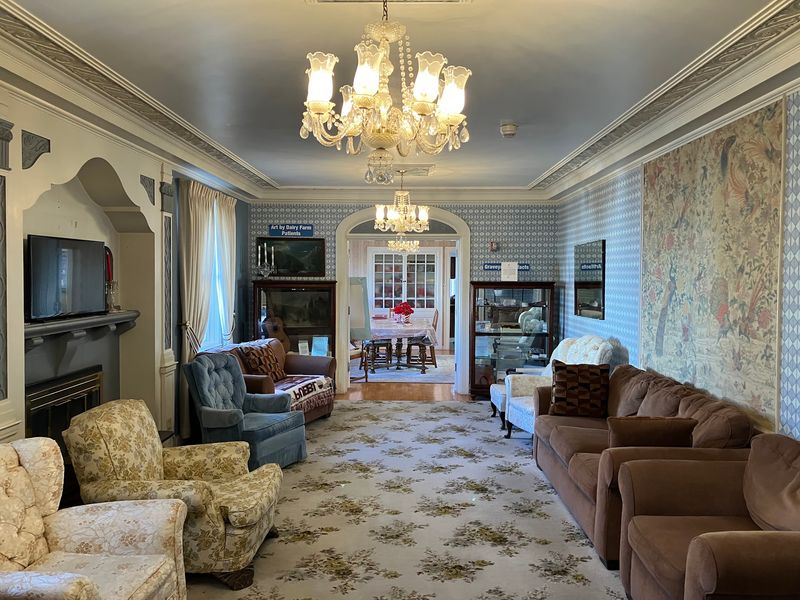
Crystal chandeliers hang overhead at the Colorado State Hospital Museum. Below them, deep red velvet sofas sit near warm wood trim and terracotta tile floors.
It feels more like a grand old home than a medical building. That contrast is exactly what makes the place so memorable.
One minute you’re admiring a fancy light fixture. The next, you’re looking at equipment once used to treat patients.
That swing in mood keeps you alert the whole time. It also reminds you that hospital leaders lived comfortable lives just steps from the people in their care.
Look closely at the details as you move from room to room. The woodwork and floors tell their own quiet story about the 1930s.
Photo lovers will enjoy the setting, too. Past visitors have mentioned being allowed to take pictures, though asking first is always polite.
Don’t rush through the parlor spaces just to reach the exhibits. Sitting with the atmosphere helps the history land a little harder.
The elegance isn’t decoration only. It’s part of the lesson, and it makes the whole visit feel richer and more thoughtful.
Old Machines That Will Make You Grateful For Modern Medicine
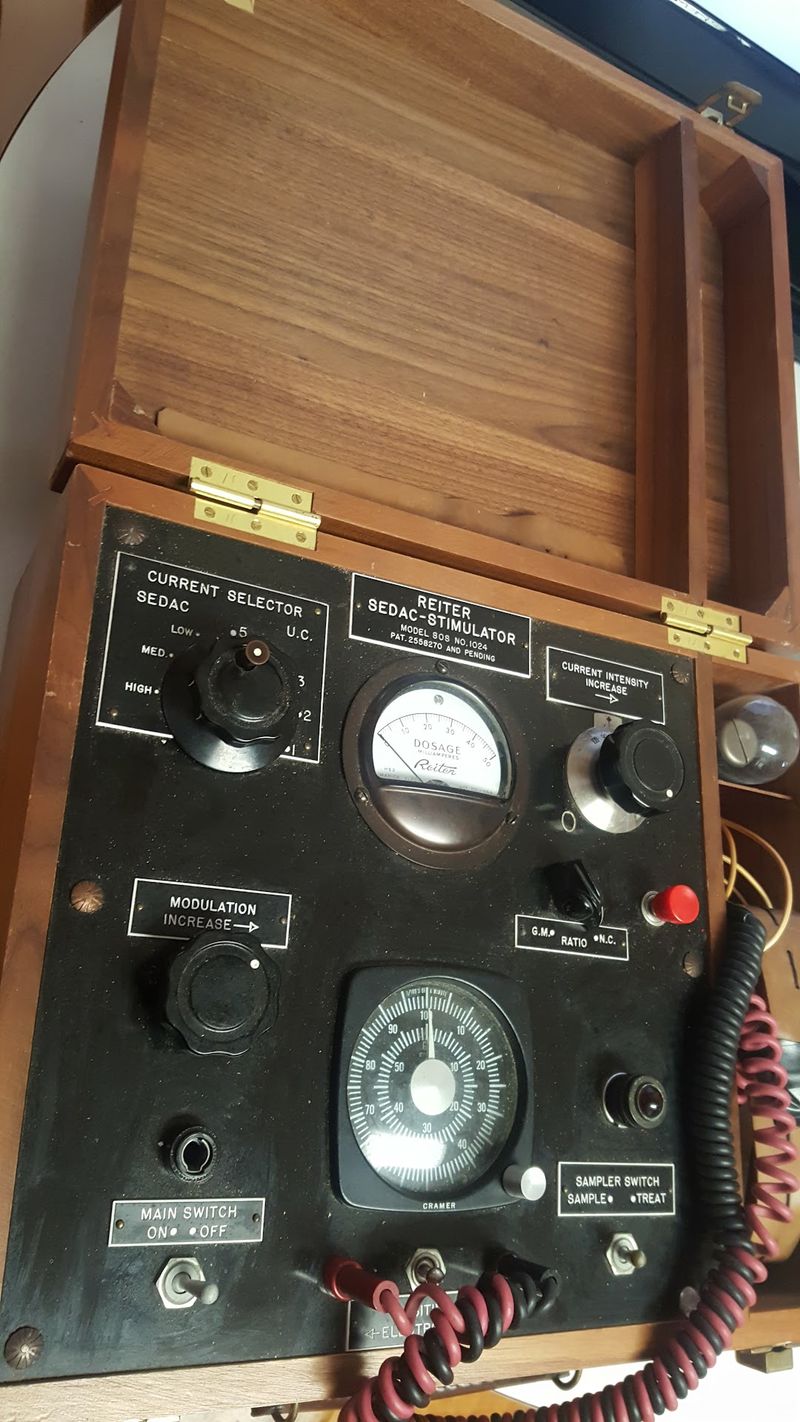
Electroshock therapy equipment sits on display here, and it’s a lot to take in. Nearby, you’ll spot respiratory therapy machines from the mid-1900s and even prosthetic legs.
Some pieces look downright unsettling. Others look like something from an old science fiction movie set.
These objects show how doctors tried to help people with the tools they had. Some ideas worked, and some clearly didn’t.
Seeing the real equipment makes history feel personal. Reading about old treatments in a textbook is one thing, but standing next to them is another.
The collection covers more than a century of mental health care. Antique devices, artifacts, and photographs help connect each era to the next.
Younger visitors may need some context here. Some past guests have suggested the museum suits middle schoolers and older, which seems like fair advice.
Talking about the exhibits afterward can help, too. Ask your group what surprised them most, or what they think has improved since then.
You might leave with fresh respect for how far medicine has come. That’s a pretty good souvenir from a small museum in Colorado.
Paperwork Has Never Been This Fascinating
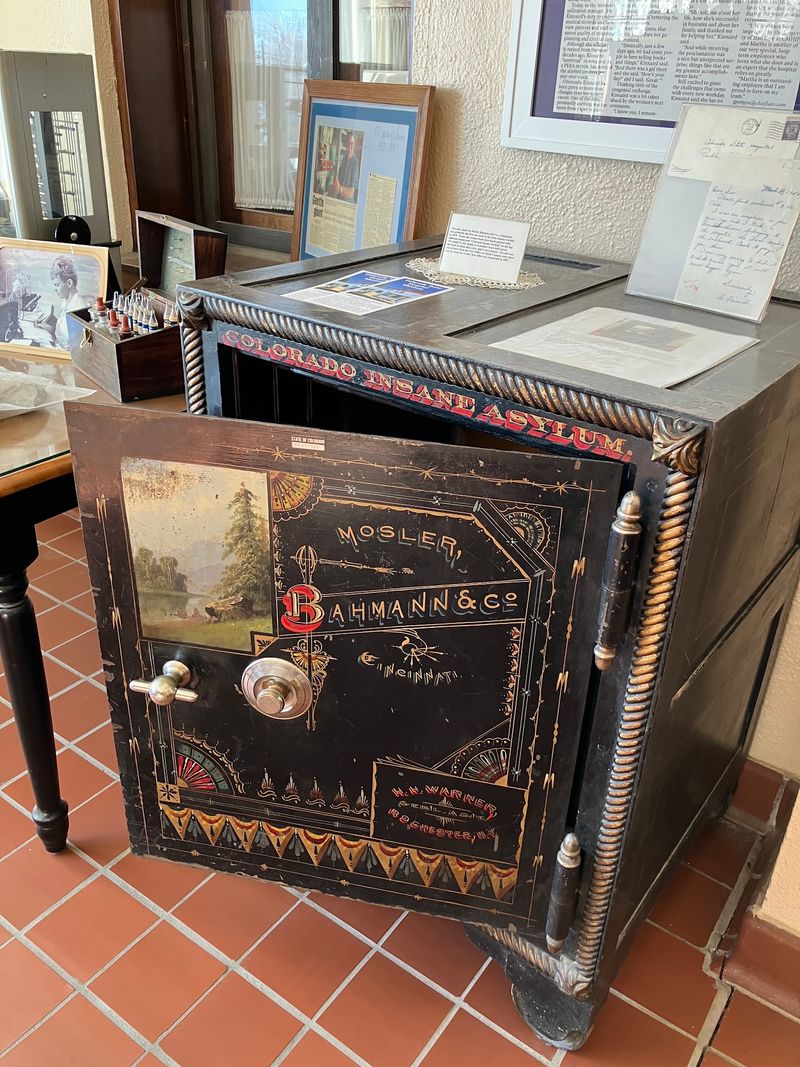
Old paperwork rarely gets anyone excited. Here, though, a giant filing cabinet full of historic salaries might steal the show.
Past visitors have pointed out salary records going back to the 1920s. Comparing those old paychecks to modern wages is surprisingly fun.
Patient intake records from the late 1800s are another big draw. They offer a glimpse at who arrived and why during the hospital’s earliest years.
The institution opened as the Colorado State Insane Asylum on October 23, 1879. It became the Colorado State Hospital in 1917.
Old newspaper clippings fill in even more of the story. You could spend a long time reading headlines about hospital life and the people who worked there.
Photo albums add faces to the names. They show staff, buildings, and daily routines from decades long past.
Bring your reading glasses if you need them. Much of the magic here lives in small print and faded ink.
Slow down and let the documents talk. A dusty record can tell a bigger story than a flashy exhibit, especially when real lives sit behind every line.
The Display That Stays With You Long After You Leave
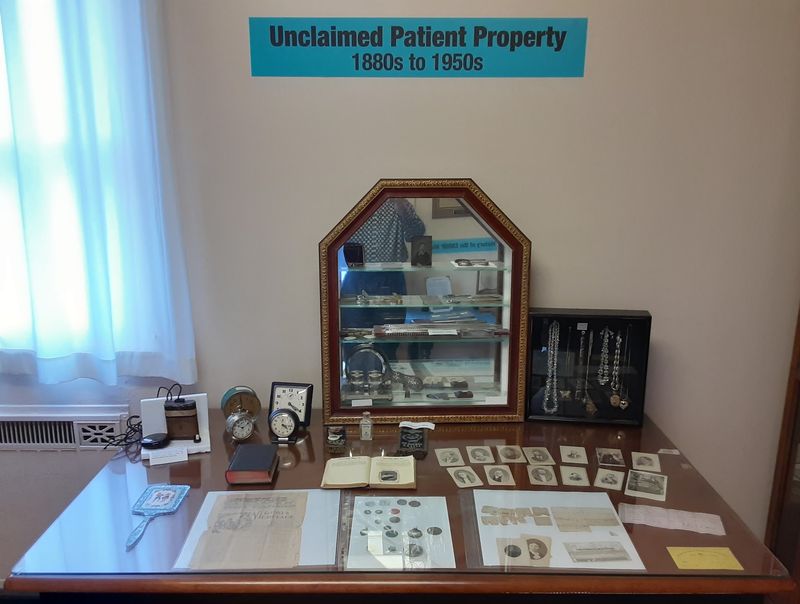
Hand mirrors, small books, jewelry, clocks, and old photographs fill one quiet case. They make up the Unclaimed Patient Property exhibit.
The exhibit contains possessions left unclaimed by former patients or their families, including belongings of patients who passed away at the hospital.
It’s a simple display, but it hits hard. Everyday objects suddenly feel heavy with meaning.
A mirror once helped someone get ready in the morning. A tiny book may have offered comfort on a lonely afternoon.
This corner turns history into something human. You stop thinking about patient numbers and start thinking about people with stories and families.
Give yourself a few extra minutes here. Many visitors find it the most emotional part of the museum.
It’s a good spot to pause and reflect quietly. Kids may have questions, and this is a gentle place to answer them honestly.
The exhibit also shows why museums like this matter. Someone cared enough to save these items instead of tossing them.
That care feels like a small act of respect, and you’ll likely carry it home with you.
Nurses, Rules, And A Hospital That Ran Like A Small Town
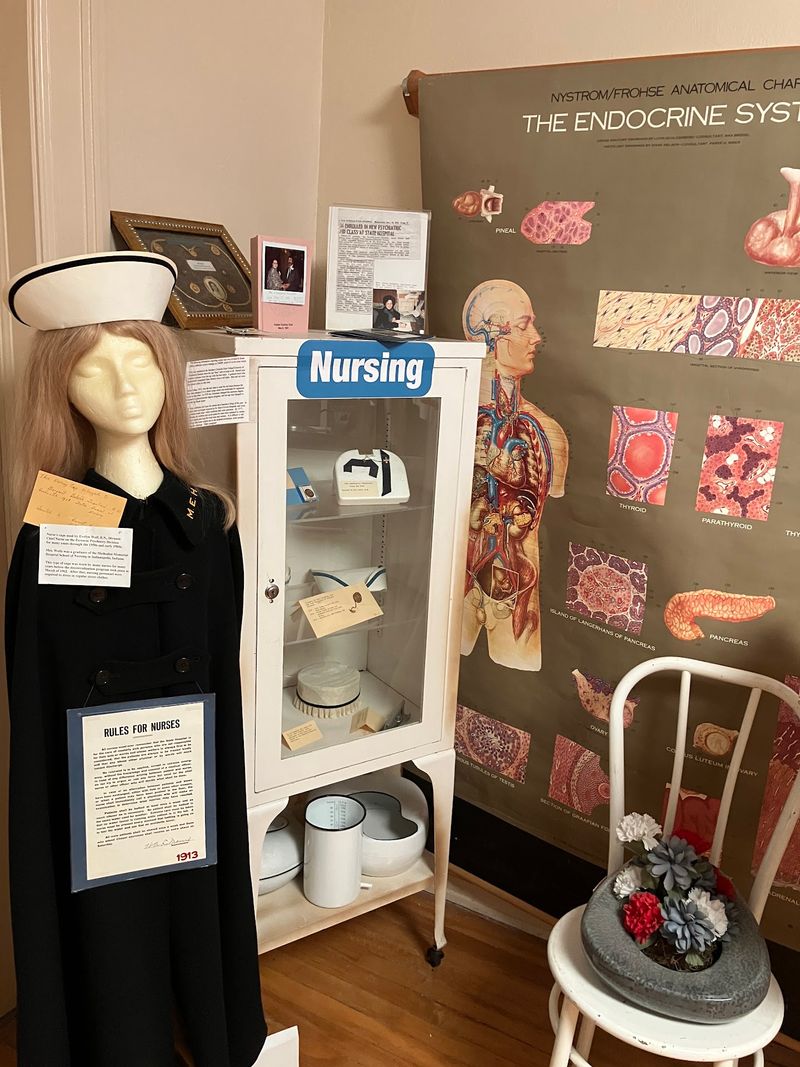
A mannequin in a historic nursing uniform stands ready for duty. Beside it hangs a Rules for Nurses placard from 1913.
Reading those rules is half the fun. They reveal how strict and demanding the job could be over a century ago.
The nursing exhibit honors the workers who kept the hospital running. Many exhibits here focus on staff life, not only patient care.
That makes sense when you learn how big the place became. Around 1961 or 1962, the hospital housed nearly 6,000 patients.
It worked like a self-contained community back then. Operations even included a dairy farm, which sounds wild for a hospital.
Patient numbers dropped greatly by 2005. New medications and changing ideas about treatment helped shape that shift.
Office-related displays fill in more of the daily picture. They show the paperwork, schedules, and systems behind such a huge operation.
It’s easy to forget the cooks, nurses, clerks, and farmhands of history. Here, they finally get some spotlight.
Next time you see a nurse, you might appreciate those comfy modern shoes a little more.
Volunteers Bring The Stories, And Pueblo Brings The Setting
Volunteers are the heartbeat of the Colorado State Hospital Museum. Guides like Nancy Hall and Nell Mitchell share deep knowledge and personal insight into the hospital’s past.
A guided tour turns objects into stories. Suddenly, a photo or tool comes with a name, a date, and a reason it matters.
Some visitors have also learned about tunnels and local secrets from guides. Those little extras make questions worth asking.
Finding the museum takes a bit of attention. It sits at W 13th St & Francisco St, Pueblo, CO 81003, on the northwest corner.
Pueblo makes a great stop on a southern Colorado road trip. Pair the museum with lunch in town or a stroll around other local spots.
Remember the basics before you go. Bring cash, check the Tuesday and Saturday hours, and call ahead about tours.
A little patience goes a long way with a volunteer-run spot. These folks give their time because they care about this history.
Thank them, drop something in the donation box, and leave with stories you won’t hear anywhere else.