Napoleon’s face is on display in Louisiana. Well, a plaster mask of it is, and I can’t stop thinking about that.
It’s one oddball treasure among many on this list. Another stop holds a patrol torpedo boat built in 1943 by a local company.
Another lets you wander past 32 historic buildings spread across 25 acres. A ranger-led boat ride on a quiet bayou is in the mix, too.
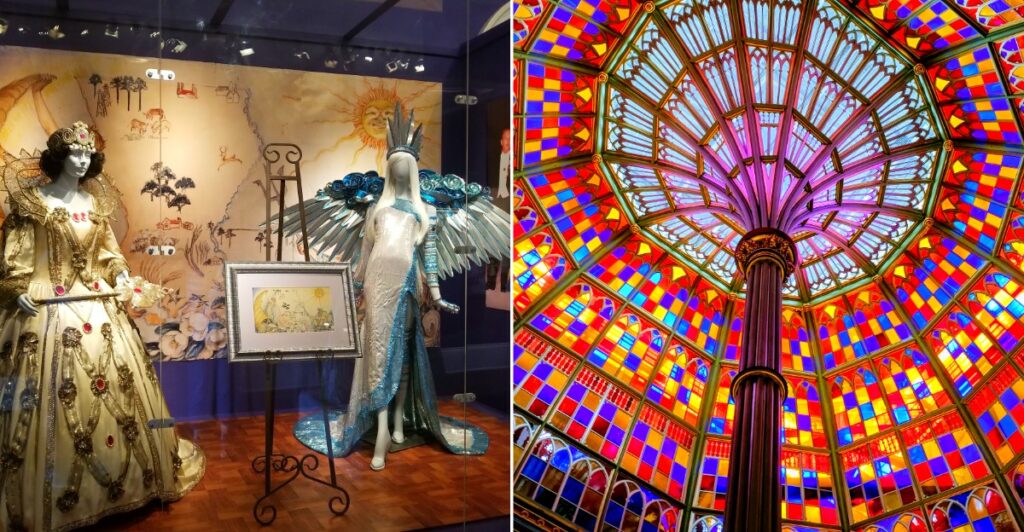
I love how different these museums feel from each other. One minute you’re staring at sparkly Mardi Gras costumes.
The next, you’re looking at murals painted by a self-taught folk artist who once worked as a cook. I can’t think of a better reason to fill up the gas tank.
So yes, I think a museum can be the whole reason for a road trip. Pack snacks, charge your phone, and leave room for detours. Which treasure would you drive to see first?
12. The National WWII Museum
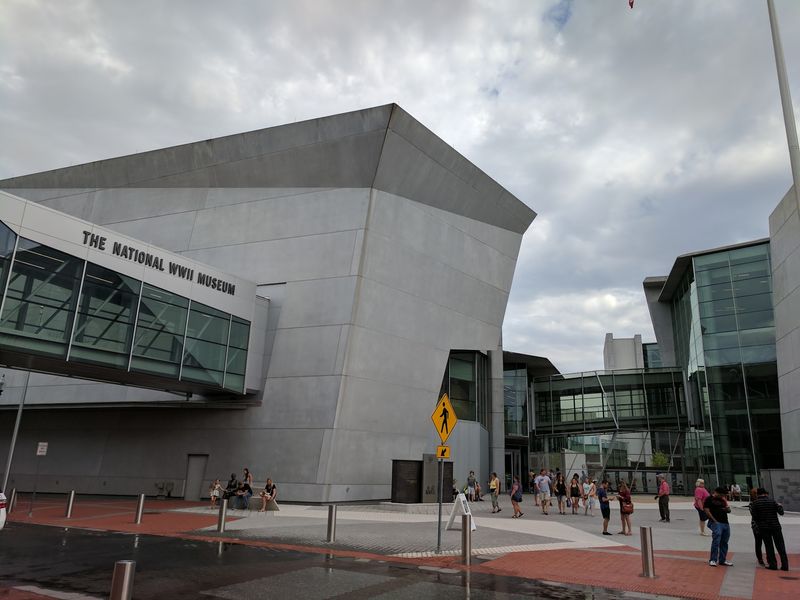
A boat built in New Orleans in 1943 now sits indoors, fully restored and ready for its close-up. PT-305 is one of the stars at The National WWII Museum, but it has plenty of company.
The campus covers seven acres and seven pavilions. You’ll find warbirds hanging overhead, plus Jeeps, tanks, and other vehicles from the past.
The museum opened in 2000 as The National D-Day Museum. Congress later named it America’s National WWII Museum, which shows how big its mission grew.
Want a jolt of drama? Beyond All Boundaries is a 4D experience shown in the Priddy Family Foundation Freedom Theater.
The quieter moments hit hard too. Voices from the Front lets you hear oral histories from people who lived through the war.
Kids who love machines will have plenty to point at. Grown-ups who love stories will probably linger at the personal accounts.
Give yourself most of a day here, because the exhibits explain why the war was fought and how it was won. Guided tours are available if you like a leader with answers.
Hungry halfway through? The Jeri Nims Soda Shop and The American Sector Restaurant offer food right on site.
Hours run 9 a.m. to 5 p.m. daily. The museum closes on Thanksgiving, Christmas Eve, Christmas Day, and Mardi Gras Day.
For a Louisiana road trip, this makes a strong first stop. Start here, and the rest of the state’s history will feel even richer.
Address: 945 Magazine Street, New Orleans, LA 70130
11. The Cabildo
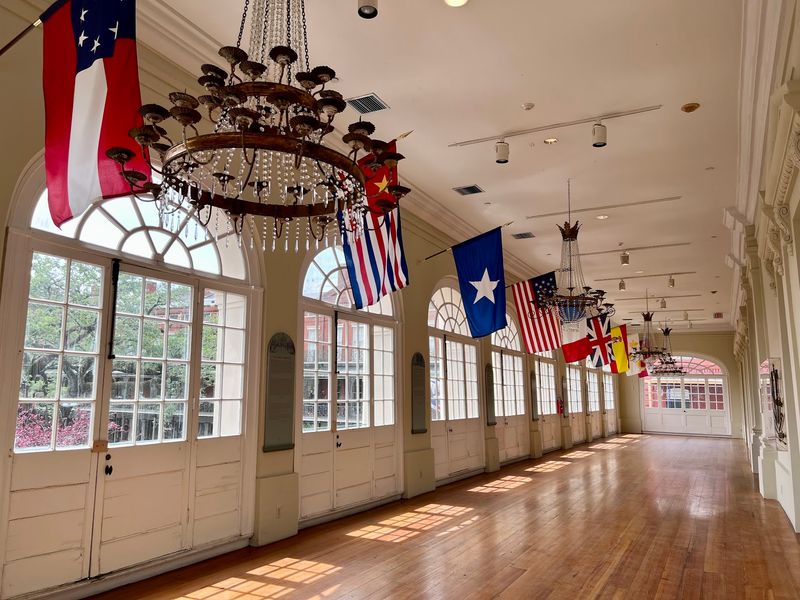
Napoleon never set foot in New Orleans, yet a plaster mask cast from his face sits inside The Cabildo. That’s a pretty wild souvenir for a building next to St. Louis Cathedral.
History happened right here in a big way. The Louisiana Purchase transfer ceremonies took place in this building in 1803.
Spanish builders put up the current structure between 1796 and 1799. An earlier building on the site was lost in the Great Fire of 1788.
Then came another blaze in 1988 that badly damaged the place. Crews restored it within five years, using French timber framing methods that date back about 600 years.
Inside, three floors of exhibits cover Louisiana’s story. You’ll move from Native nations and colonial days to the Battle of New Orleans.
Keep an eye out for Jordan Noble’s drum. A self-portrait by Julien Hudson is another treasure worth a slow look.
Snack fans, listen up. A limited-time residency called Calas Café serves fresh calas, coffee, and light fare Thursday through Sunday, 11 a.m. to 4 p.m.
Calas are rice fritters with a long New Orleans history, so this is history you can taste. Grab one before the residency wraps up.
The museum is open 9 a.m. to 4 p.m., with the last ticket sold at 3:30. It closes on Mondays during summer and on some state holidays.
Your best plan? Pair this stop with its twin next door, which comes up next.
Address: 701 Chartres Street, New Orleans, LA 70116
10. The Presbytère
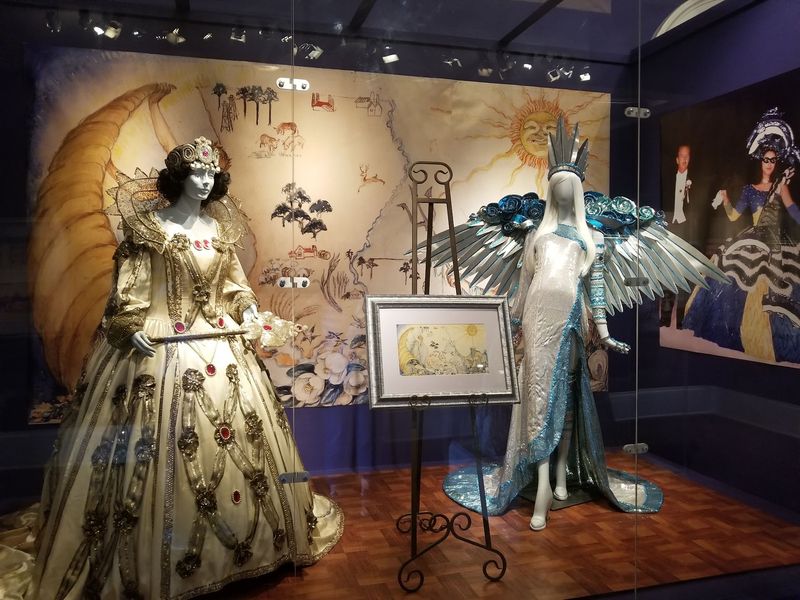
Feathers, sequins, and serious craftsmanship take center stage at The Presbytère. Its Mardi Gras exhibition shows off elaborate costumes and the skill behind Louisiana’s famous celebration.
The building has a backstory of its own. It was designed in 1791 to mirror the Cabildo, its neighbor on the other side of St. Louis Cathedral.
Its first name was Casa Curial, which means ‘Ecclesiastical House.’ It stands where Capuchin monks once lived.
Plans changed over the years, as plans tend to do. It became a courthouse in 1834 and joined the Louisiana State Museum in 1911.
The front faces Jackson Square, the French Quarter’s famous square. Snap your picture outside, then head in for the sparkle.
Families get a nice break here too. The museum is wheelchair and stroller accessible, with an elevator between its two floors.
One heads-up before you go. The ‘Living with Hurricanes: Katrina and Beyond’ exhibit is temporarily closed right now.
The upside is that Mardi Gras admission comes at a discounted rate. That leaves a little more room in your budget for snacks later.
Hours match the Cabildo, 9 a.m. to 4 p.m. daily, with last tickets at 3:30. Summer Mondays and select state holidays are closed days.
Visiting both buildings in one morning is easy since they’re steps apart. Your feet will barely notice the commute.
Address: 751 Chartres Street, New Orleans, LA 70116
9. New Orleans Museum of Art
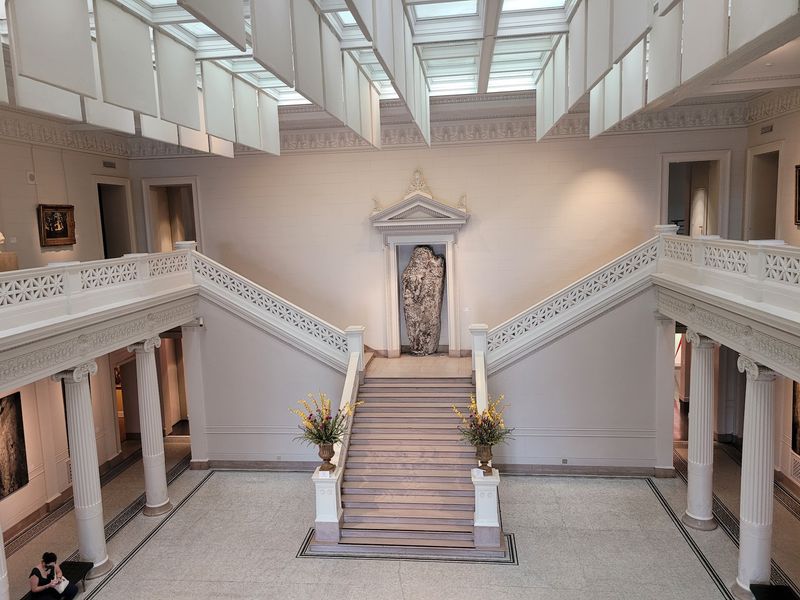
Back in 1911, the New Orleans Museum of Art opened with just nine works. Today the count sits near 40,000 objects, which is quite a glow-up.
The collection spans 5,000 years of art. It’s especially strong in French and American art, photography, glass, and African and Japanese works.
Art history has a fun local twist here. Edgar Degas lived in New Orleans in the early 1870s, and his work appears alongside pieces by Monet, Renoir, and Picasso.
The museum started as the Isaac Delgado Museum of Art, named for its founder. It took its current name in 1971.
Outside, the Sydney and Walda Besthoff Sculpture Garden spreads across five acres. More than 60 modern and contemporary sculptures sit among live oaks, lagoons, and footbridges.
Best part? The garden is free and open to the public seven days a week.
Louisiana residents get free general admission on Wednesdays. That’s also the late day, with hours from noon to 7 p.m.
Other open days run 10 a.m. to 5 p.m., and the museum is closed Mondays. Check holiday closures too, including Lundi Gras and Mardi Gras.
Need a snack break? Café NOMA, a restaurant by Ralph Brennan, sits inside, and the museum shop is ready for souvenir hunters.
The whole setting lives inside City Park, so you can stretch your legs after the galleries. Art plus fresh air makes a pretty great afternoon.
Address: One Collins Diboll Circle, City Park, New Orleans, LA 70124
8. Ogden Museum of Southern Art
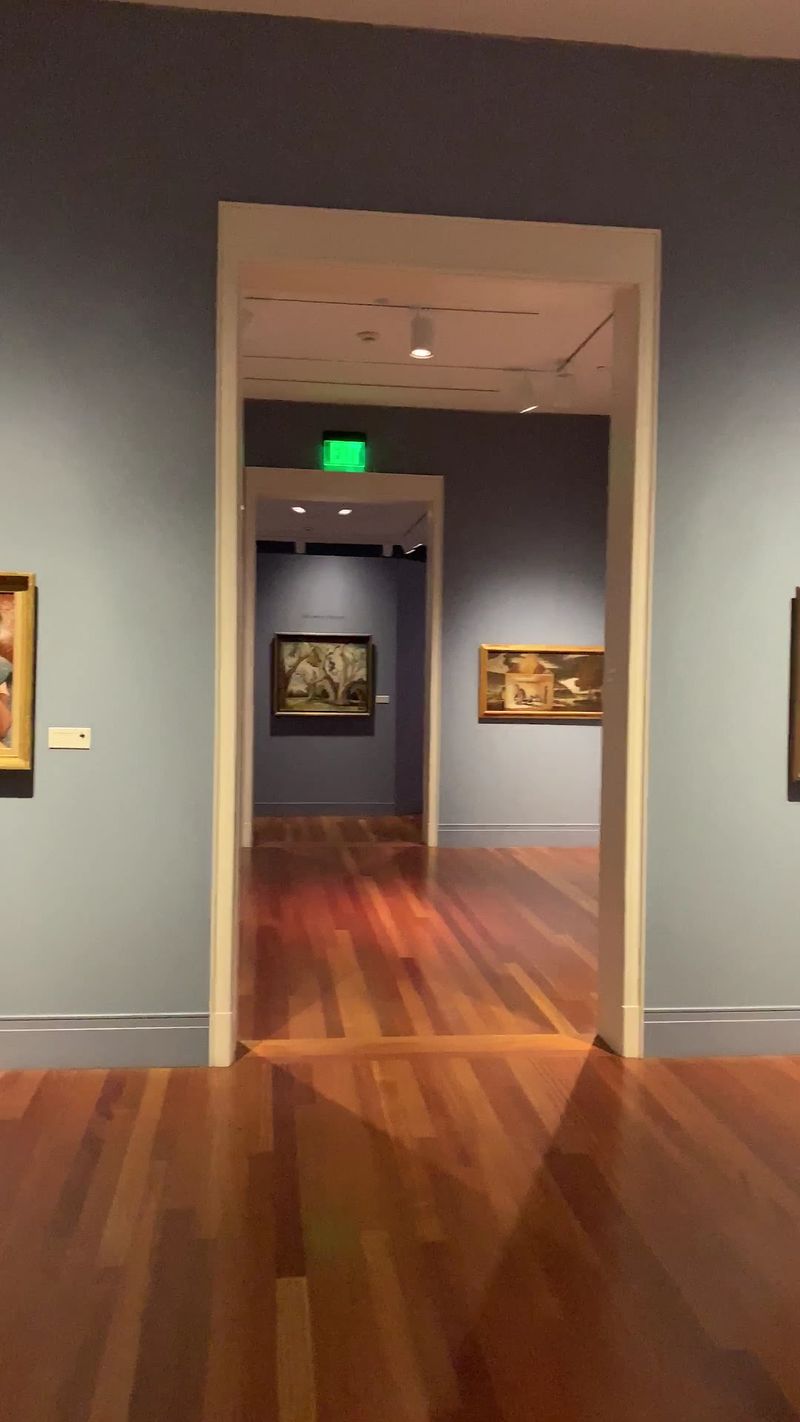
Southern art gets its own spotlight at the Ogden Museum of Southern Art, home to the largest and most comprehensive collection of it anywhere. That’s a big claim, and over 4,000 works back it up.
The range is wide. Paintings, watercolors, drawings, prints, photographs, sculpture, woodwork, and crafts are part of the mix.
The museum traces back to Roger H. Ogden’s private collection. It was established in 1999 and moved into its current home in 2003.
Architecture fans, look up. The Patrick F. Taylor Library dates to 1889 and was designed by Henry Hobson Richardson.
Right next door stands Stephen Goldring Hall, a 2003 addition by Errol Barron and Michael Toups. Old meets new without any awkward small talk.
The Ogden is also an affiliate of the Smithsonian Institution. It’s known for original exhibitions plus programs that explore Southern music, literature, and food traditions.
You’ll find it in the Warehouse Arts District of downtown New Orleans. The National WWII Museum is a short walk away, so you can stack both into one day.
Before you leave, browse the Museum Store. The Center for Southern Craft and Design is another reason to linger.
Hours are easy to remember: 10 a.m. to 5 p.m. daily. No complicated schedule math required.
If you think Southern art means only porch scenes and magnolias, this place will widen your view. Give yourself time to wander both buildings.
Address: 925 Camp Street, New Orleans, LA 70130
7. USS KIDD Veterans Museum
A destroyer that earned eight battle stars in World War II normally floats on the Baton Rouge riverfront. Right now, though, the ship is away getting hull repairs.
It’s expected back in spring 2027. Until then, tours aboard are on hold, but the shoreside USS KIDD Veterans Museum is open daily.
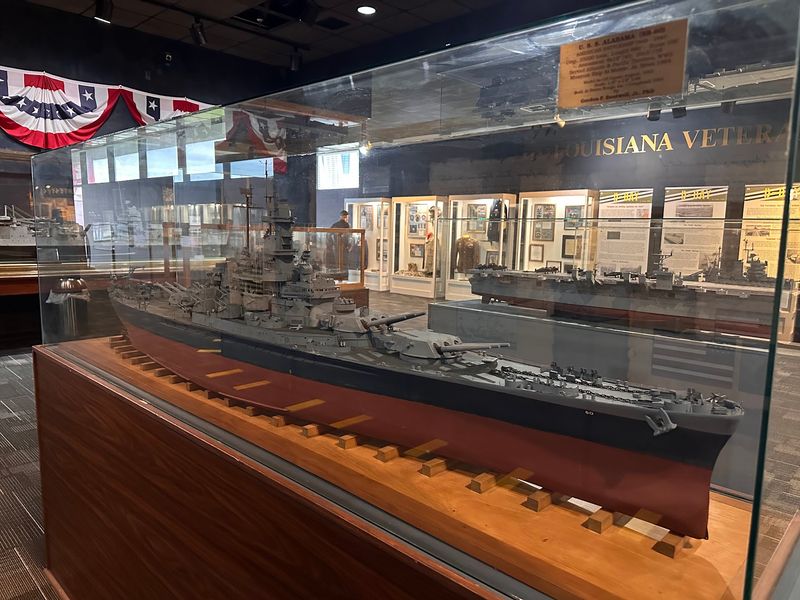
Don’t skip it just because the big boat is out of town. The museum building holds plenty to explore.
You’ll find a restored WWII officers’ wardroom and a pirates exhibit. Yes, pirates, which feels like a fun surprise in a naval museum.
A P-40 aircraft is on display too. Ship models and a WWI trench exhibit add more layers to the visit.
The Louisiana Veterans Hall of Honor salutes people from the state who served. Outside, you can see the Louisiana Memorial Plaza and a Corsair A-7E jet.
The ship’s story is a gripping one. The USS Kidd (DD-661), a Fletcher-class destroyer commissioned in 1943, was struck by a kamikaze off Okinawa on April 11, 1945.
The Historic Naval Ships Association recognizes it as one of the most authentically restored vessels in the world. That’s why its return is such a big deal.
Plan around the hours, which run 9:30 a.m. to 3:30 p.m. That’s an earlier finish than many attractions, so arrive in the morning if you can.
Fold this stop into a Baton Rouge day with the Old State Capitol close by. Then mark spring 2027 on your calendar for a return trip.
Address: 305 South River Road, Baton Rouge, LA 70802
6. Louisiana’s Old State Capitol
Yes, Louisiana’s Old State Capitol really does look like a castle. The Gothic Revival building perches on a bluff above the Mississippi River in Baton Rouge.
It’s a National Historic Landmark with a dramatic past. The building was completed between 1847 and 1852, then gutted by fire during the Civil War.
Workers restored it in the early 1880s. It was saved and restored again in the 1970s, which makes it quite the comeback story.
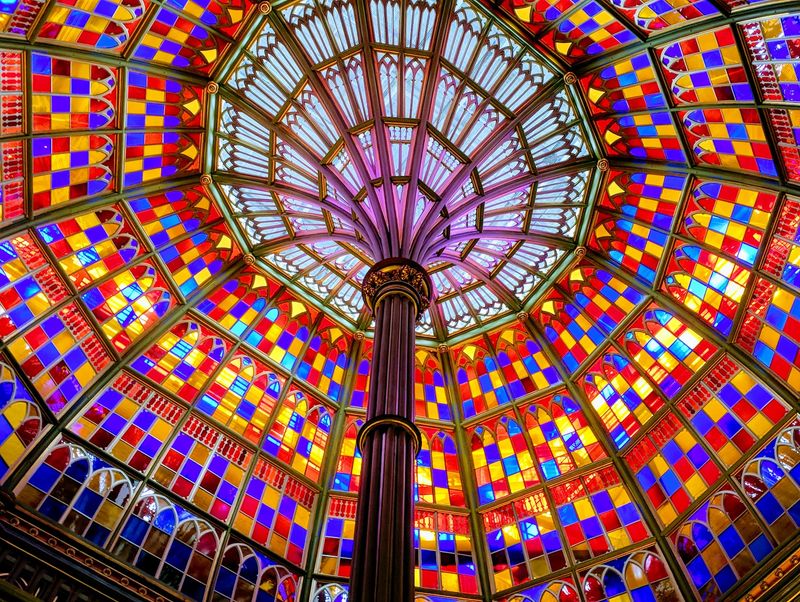
Once through the doors, look up. A stained-glass dome crowns the space, and a cast-iron spiral staircase steals plenty of attention too.
Marble and rich wood paneling fill the interior. It feels like a place where big decisions happened, because they did.
The House Chamber is where Louisiana voted to secede from the Union in 1861. The Senate Chamber saw the impeachment proceedings of Governor Huey P. Long.
Exhibits on the state’s political history use modern displays. Interactive stations cover voting and citizenship, which beats a dull civics lecture.
Don’t miss ‘The Ghost of the Castle,’ a multimedia presentation. Self-guided tours come in several languages, too.
Here’s great news for your wallet: general admission is free. Hours run 10 a.m. to 4 p.m. Tuesday through Friday and 9 a.m. to 3 p.m. Saturday.
Sundays and Mondays are closed days. Plan accordingly, or you’ll be admiring the castle from the sidewalk.
The river setting is a nice bonus. Bring your camera for the building’s towers, too.
Address: 100 North Blvd, Baton Rouge, LA 70801
5. LSU Rural Life Museum
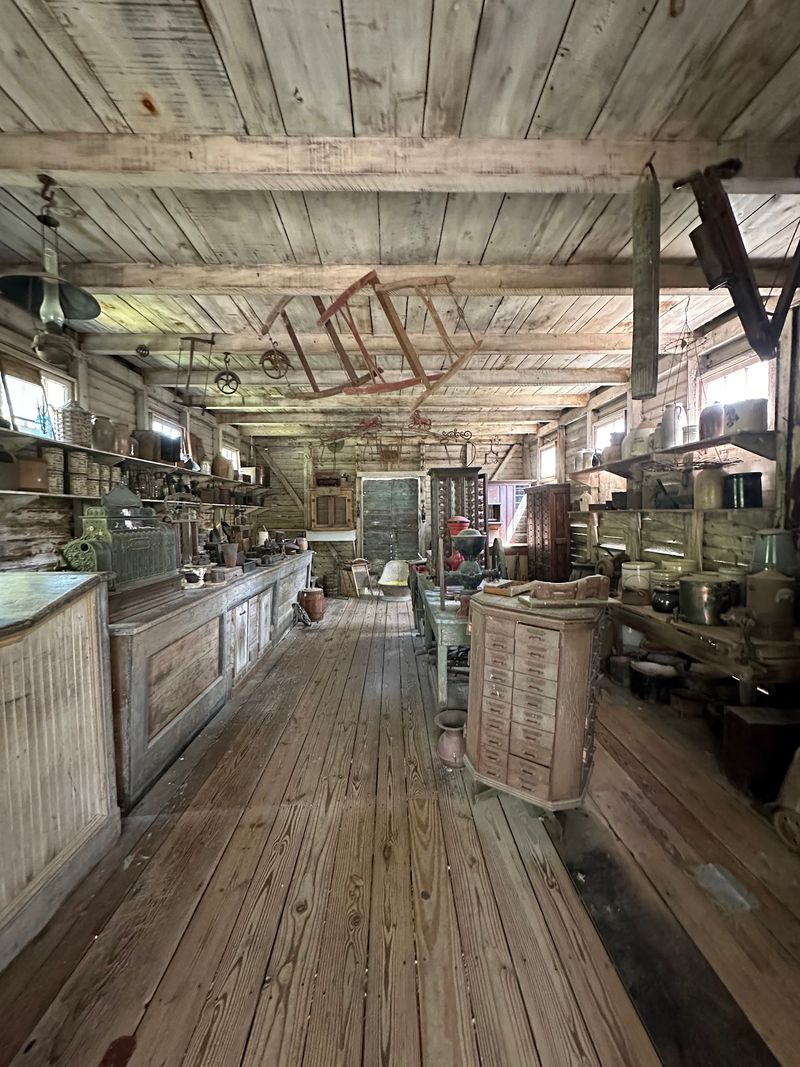
Thirty-two historic buildings across 25 acres make the LSU Rural Life Museum feel like a small village frozen in time. Wear comfy shoes, because you’ll be walking.
The museum focuses on rural Louisiana life in the 1700s and 1800s. It holds the largest collection of Louisiana vernacular architecture, meaning everyday buildings regular people built.
Four sections organize the grounds. They include the Working Plantation, the Upland South Region, the Gulf Coast Region, and an Exhibit Barn.
The Working Plantation area includes a commissary, blacksmith’s shop, sugar house, schoolhouse, and slave cabins. Those cabins bring hard truths into the story, and they deserve your time.
Over in the folk architecture area, you’ll see a dogtrot house, a shotgun house, and a pioneer’s cabin. There’s even a country church and a jail.
The Exhibit Barn is a treasure chest. It holds a large collection of 19th-century horse-drawn carriages, plus farming equipment and tools.
Plan at least two hours for the self-guided tour. Rushing through would be like speed-reading a great novel.
The museum sits within Burden Museum and Gardens. That larger site also includes the LSU AgCenter Botanic Gardens and Windrush Gardens.
Early birds win here, since the museum opens at 8 a.m. daily and closes at 4:30 p.m. Holiday closures include Easter Sunday, Thanksgiving, and Christmas.
Pair it with downtown Baton Rouge for a full day of Louisiana history. You’ll get politics in the morning and pioneer life after lunch.
Address: 4560 Essen Lane, Baton Rouge, LA 70809
4. Vermilionville Living History Museum and Folklife Park
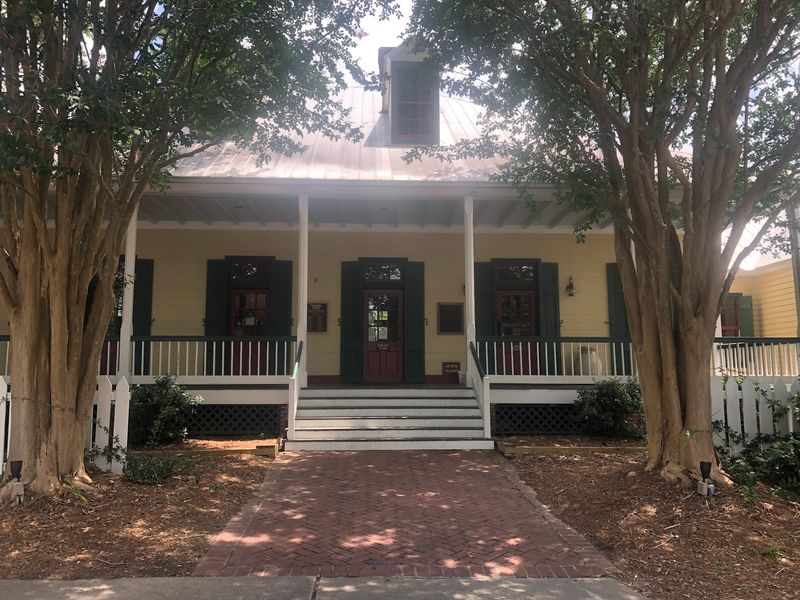
Costumed interpreters, live music, and dance lessons turn Vermilionville into history with a beat. Acadian, Creole, and Native American cultures from 1765 to 1890 come alive here.
The park sits on 23 acres along Bayou Vermilion in Lafayette. Its full name is a mouthful, but the idea is simple: history you can walk through.
You’ll find 19 attractions spread across the grounds. Seven of them are restored original homes.
The interpreters show traditional crafts and musical styles. Ask questions, since they’re there to help the past make sense.
Guided tours suit folks who like a storyteller. Roamers can set their own pace instead.
Food lovers have a reason to stay curious. The park runs a cooking school, which fits nicely in a region famous for its kitchens.
Dancing is part of the deal too. Lessons give you a chance to learn a few steps instead of just watching.
The park’s mission is to promote and preserve the cultural resources of Acadiana. It’s a fun pick for families and history buffs alike.
Timing matters here. Hours run 10 a.m. to 4 p.m., Tuesday through Sunday, with last admission at 3 p.m.
Mondays are closed, and so are major holidays like Mardi Gras Day and Thanksgiving. Check before you go if your trip lands near a holiday.
Bring a hat on sunny days. Much of the visit happens outdoors between buildings.
Lafayette makes a great midpoint on a Louisiana road trip. Stop here, and you’ll leave knowing more about Cajun and Creole roots.
Address: 300 Fisher Road, Lafayette, LA 70508
3. Melrose Plantation
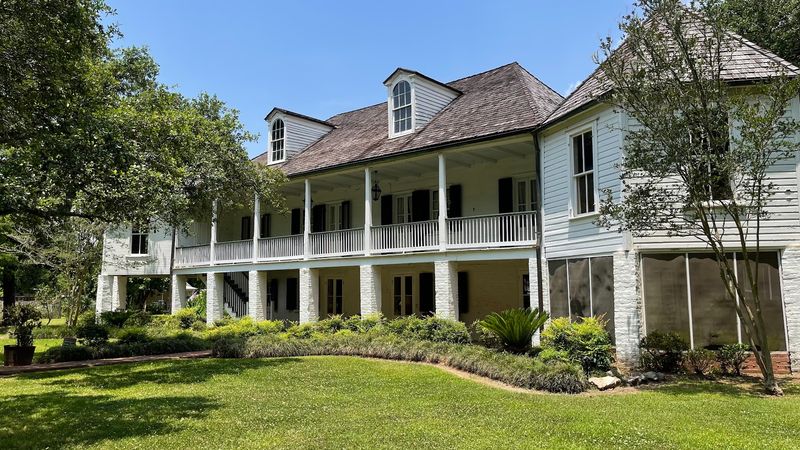
Clementine Hunter worked as a cook at Melrose Plantation before becoming a world-famous folk artist. Her African House Murals still show scenes of life on the property.
That alone is worth the drive to Cane River country. The site is a National Historic Landmark run by the Association for the Preservation of Historic Natchitoches.
Nine historic buildings stand on the grounds. They include the African House, Yucca House, Weaving Cabin, Bindery, and the Big House.
The story here goes deep. Marie Thérèse Coincoin was a formerly enslaved woman whose ten children with Claude Thomas Pierre Metoyer founded the Isle Brevelle Creole community.
Her legacy shaped Cane River Creole culture. Melrose lets you learn that history in the place where it unfolded.
Visits happen on guided tours that last about 45 minutes. Expect uneven ground and some stairs, so wear shoes with good grip.
Scheduling takes a little planning. Melrose is open Thursday through Saturday, with tours at 10:15, 11:30, 12:45, 2:00, and 3:15.
Sunday tours run at 12:45, 2:00, and 3:15. The site stays closed Monday through Wednesday.
Holiday closures include Easter Sunday, July 4th, Thanksgiving, and Christmas. New Year’s Day is off the calendar too.
Build it into a Natchitoches-area day so the drive feels easy. Arrive early so you don’t miss your tour slot.
Art fans and history lovers will both find plenty here. Hunter’s murals alone make the detour feel smart.
Address: 3533 Hwy 119, Melrose, LA 71452
2. Capitol Park Museum
An early iron submarine from the Civil War era is one of the eye-catchers at Capitol Park Museum. It’s a sturdy reminder that Louisiana tried some bold ideas a long time ago.
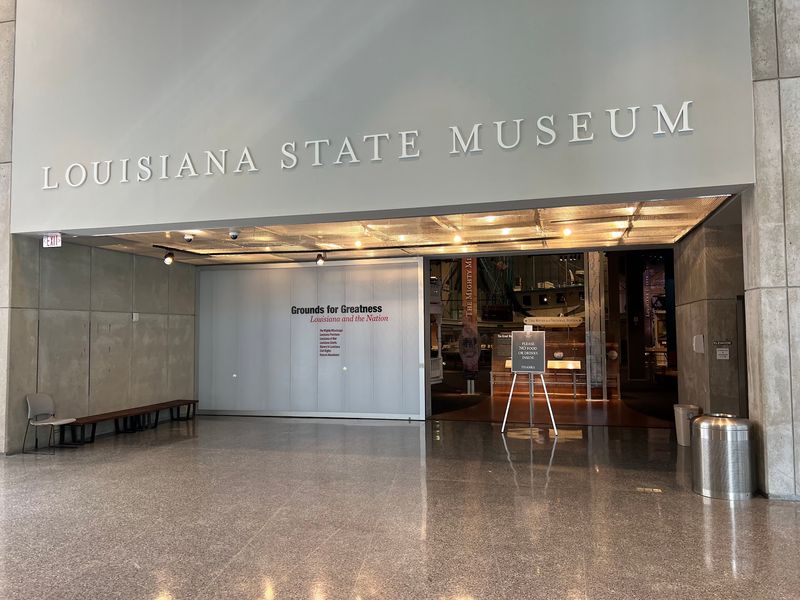
The museum is part of the Louisiana State Museum system. It opened in 2006 in downtown Baton Rouge, near the towering State Capitol.
Exhibits here focus on the people, history, and culture of the whole state. Think of it as a crash course in what makes Louisiana tick.
That makes it a smart stop early in a road trip. You’ll recognize names and places later when you see them in person.
The building is modern and roomy, which feels different from the older landmarks on this list. It’s a nice change of pace after castles and colonial halls.
Families can split up and meet back in the lobby later. Some folks will race to the submarine, while others drift toward the culture displays.
Downtown Baton Rouge keeps several stops close together. The Old State Capitol and the riverfront veterans museum are a short drive away.
That means you could knock out three museums in one day. Just leave time for a real lunch in between.
Hours and holiday schedules can shift, so check before you head over. A quick look saves you from a closed-door surprise.
Big state stories can feel dry in textbooks. Here, they come with objects you can actually see up close.
Give yourself at least an hour or two. The submarine alone tends to spark plenty of questions.
Address: 660 North 4th Street, Baton Rouge, LA 70802
1. Wetlands Acadian Cultural Center
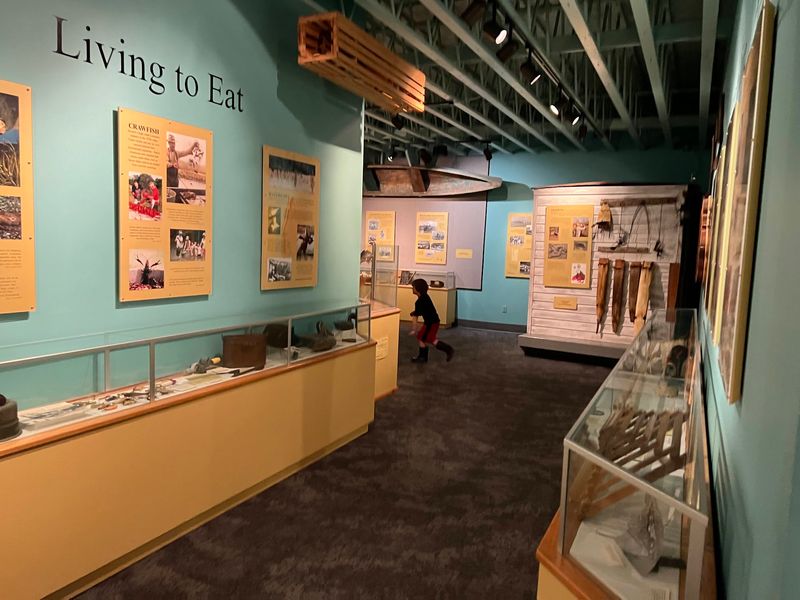
A park ranger, a boat, and Bayou Lafourche make one of the best free-feeling field trips in the state. The Wetlands Acadian Cultural Center in Thibodaux is part of Jean Lafitte National Historical Park and Preserve.
The center tells the story of the Mississippi River delta region. Its exhibits explore the lives of Acadians, or Cajuns, and other communities who settled along Louisiana’s bayous.
Artifacts, videos, and films show their traditions. You’ll learn about fishing, food, clothing, religion, home furnishings, and fun.
Now about that boat. Ranger-guided tours of Bayou Lafourche run Fridays and Saturdays, 10 a.m. to noon, October through May.
Reservations are required, so book ahead. The tour visits the E. D. White Historic Site, birthplace of Edward Douglass White in 1845.
Back on land, kids can burn energy in an interactive playroom. An art gallery shows work by Louisiana artists.
The center also has a 200-seat theater used by the Thibodaux Playhouse. Historic walking tours of Thibodaux and Music on the Bayou events add more options.
Want to practice Cajun French? Cercle Francophone sessions meet on Tuesday evenings.
Admission to the center and most programs is free. Hours run 11 a.m. to 7 p.m. Tuesday, then 9:30 a.m. to 4:30 p.m. Wednesday through Saturday.
Sundays, Mondays, federal holidays, and Mardi Gras are closed days. Plan your bayou time around that schedule.
It’s a fitting final stop for a road trip built on stories. You may even drive home saying a few words in Cajun French.
Address: 314 St Mary St, Thibodaux, LA 70301