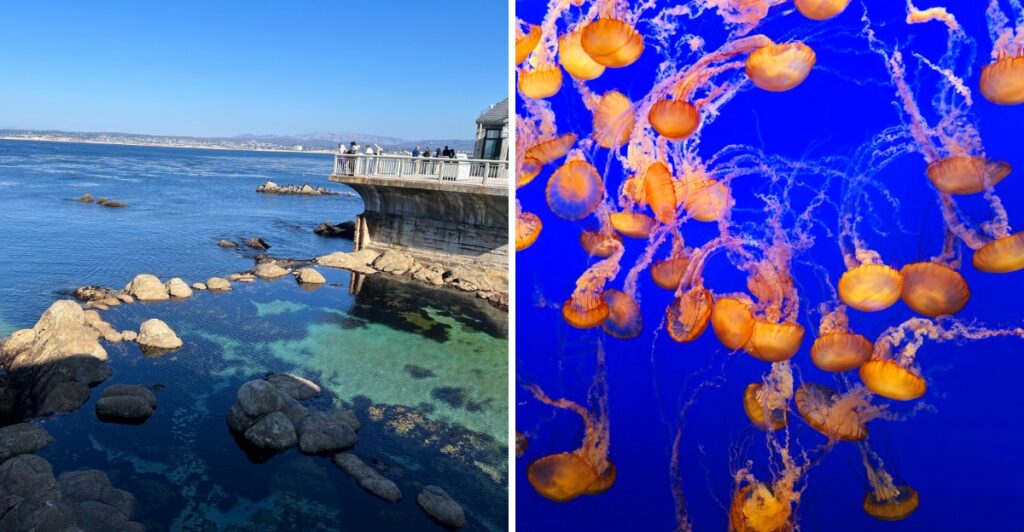
A building that once packed sardines into tins now has them swimming around in giant tanks. Back then, the sardines went into cans. Now in this California building, they get an audience instead.
And the aquarium inside has pulled off something pretty remarkable: growing a living kelp forest three stories tall, using seawater pumped straight from the bay.
It was the first aquarium to successfully recreate one.
The old cannery smokestacks are still on the roof, too. A little reminder of what went on here before the fish got the run of the place.
You can watch hammerhead sharks glide past the windows, then head outside to look for wild sea otters.
The sardines are my favorite part. After all those years as the cannery’s main product, they’re finally getting some room to swim.
I wonder what the old cannery workers would make of that reversal.
Those Smokestacks On The Roof Have A Fishy Past
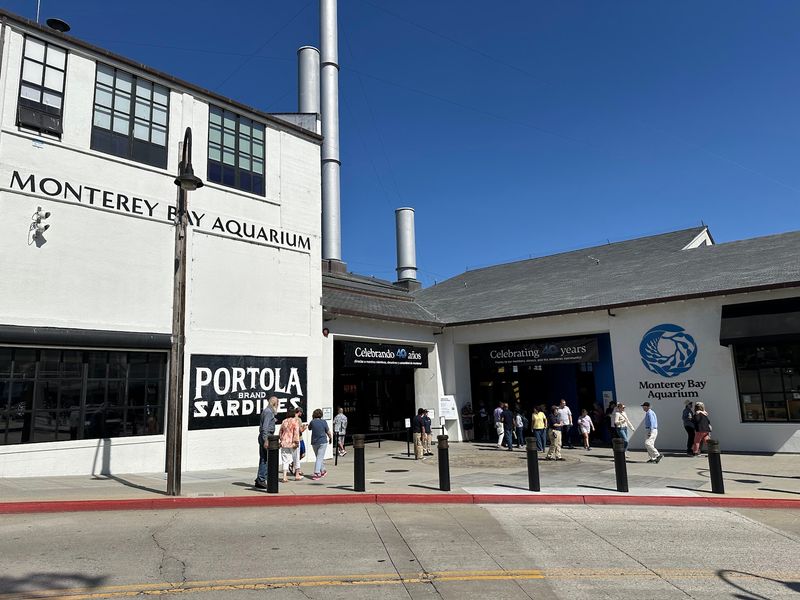
Sardines built this spot long before sharks moved in. The Monterey Bay Aquarium sits where Knut Hovden opened his cannery on July 7, 1916.
Hovden’s operation grew into the largest sardine cannery on Cannery Row. For decades, this waterfront hummed with fishing boats and busy packing lines.
Then the sardine fishery collapsed in the early 1950s. The Hovden Cannery hung on for years but finally closed in 1973.
Plans for an aquarium began forming in November 1977. The Monterey Bay Aquarium Foundation followed in April 1978, and the doors opened on October 20, 1984.
Here’s the fun part. Designers kept pieces of the old industrial look instead of erasing them.
The remodeled facade nods to the cannery days. Those smokestacks on top are fiberglass versions of the originals, so they look tough but weigh a lot less.
Near the entrance, historical displays tell the cannery story. Give them a few minutes before you rush toward the otters.
The opening also helped bring new life to Cannery Row. A street once known for canned fish became a California destination for ocean lovers, which is quite a glow-up.
Look Up, Way Up, At A Forest That Grows Underwater
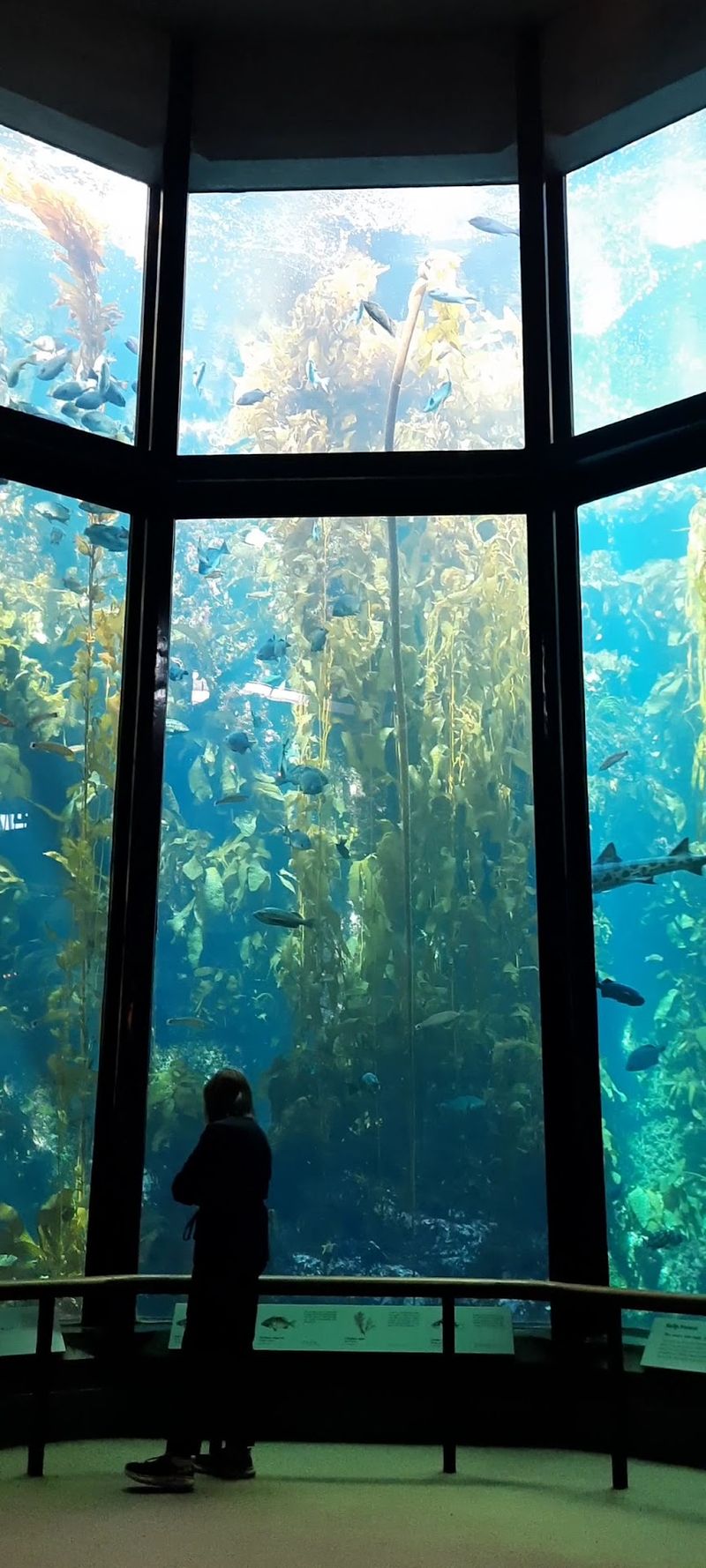
Twenty-eight feet tall. That’s the height of the Kelp Forest exhibit, a three-story tank that makes most living room aquariums look like teacups.
The big deal is what it achieved. It was the first successful attempt to keep a living kelp forest growing in an artificial setting.
Its secret ingredient comes from right next door. The exhibit uses unfiltered seawater from Monterey Bay, which carries tiny living things that help the whole system thrive.
Because it stretches across multiple levels, you can view it from different heights. Each angle shows something new, from the swaying canopy to the rocky bottom.
Daily feeding presentations are scheduled here too. Check the day’s schedule when you arrive so you can plan around the one you want.
A quick tip for photo fans: skip the flash. Natural light filtering through kelp looks better anyway, and the animals will appreciate the courtesy.
Kelp forests like this one grow wild just offshore along the California coast. Seeing one up close inside helps you understand the busy neighborhood hiding beneath those waves.
A 90-Foot Window Turns The Open Sea Into Your Personal TV
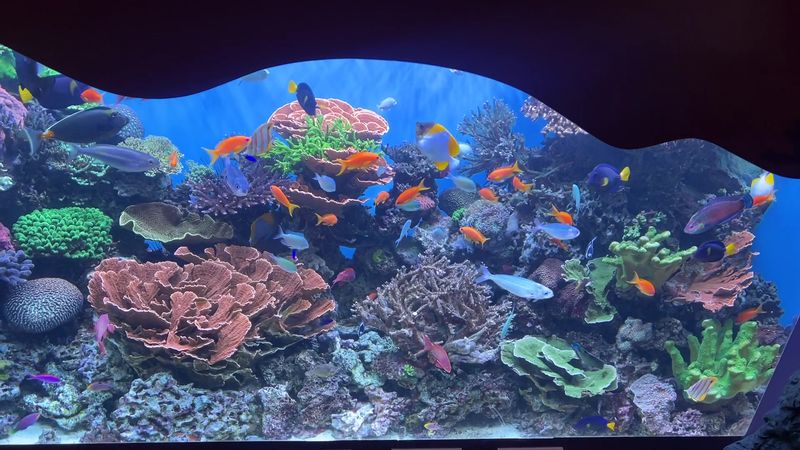
How big is the biggest exhibit here? The Open Sea holds 1.2 million gallons of water, which is a whole lot of bathtubs.
A 90-foot viewing window stretches across the front. Standing there feels a bit like watching an ocean documentary on a screen that refuses to end.
The cast is impressive. Tuna, sea turtles, hammerhead sharks, and stingrays share the space with jellies and shimmering schools of sardines.
Yes, sardines. After all those years of canning them on this exact spot, they now get starring roles instead of tin cans, which feels like poetic justice.
Feeding presentations happen here on a set schedule. Watching tuna race in at feeding time shows just how fast those torpedo-shaped fish can move.
Arrive a little early for a good view. Many people sit on the floor during programs, so wear clothes that don’t mind a carpet picnic.
The deep blue light makes everything feel calm and far away. Bring patience, because the hammerheads cruise on their own schedule, and they don’t take requests.
Rescued Otters Steal The Show On Two Floors
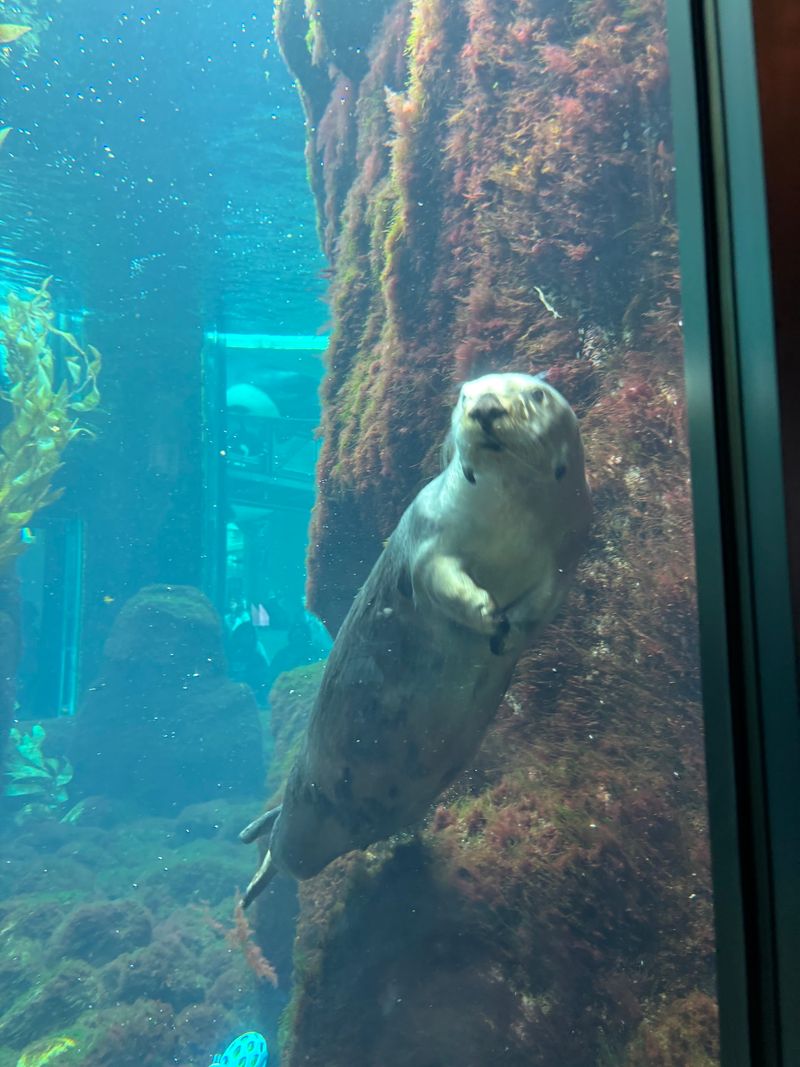
Fluffy, whiskered, and wildly busy, the sea otters rank among the biggest crowd magnets at the Monterey Bay Aquarium. Their exhibit offers viewing areas on two floors, so you can watch them at the surface or underwater.
These otters are rescued females. Each one has a story connected to the aquarium’s long-running conservation work.
That work began in 1984 with the Sea Otter Research and Conservation program. The team rehabilitates wild southern sea otters and studies how to help the species recover.
Scheduled otter feedings are a highlight. Watching them grab snacks and roll around in the water is pure entertainment with a science lesson tucked inside.
Want to go deeper? The aquarium offers expert-led experiences focused on the care and research of southern sea otters.
Here’s a sweet bonus. Wild otters live in the bay right outside, so after the exhibit, head to the decks and look for them floating in the kelp.
Spotting a wild one after meeting the rescued residents makes the whole conservation story click. It’s a pretty great full-circle moment.
Jellies, An Octopus, And Some Seriously Strange Deep-Sea Neighbors
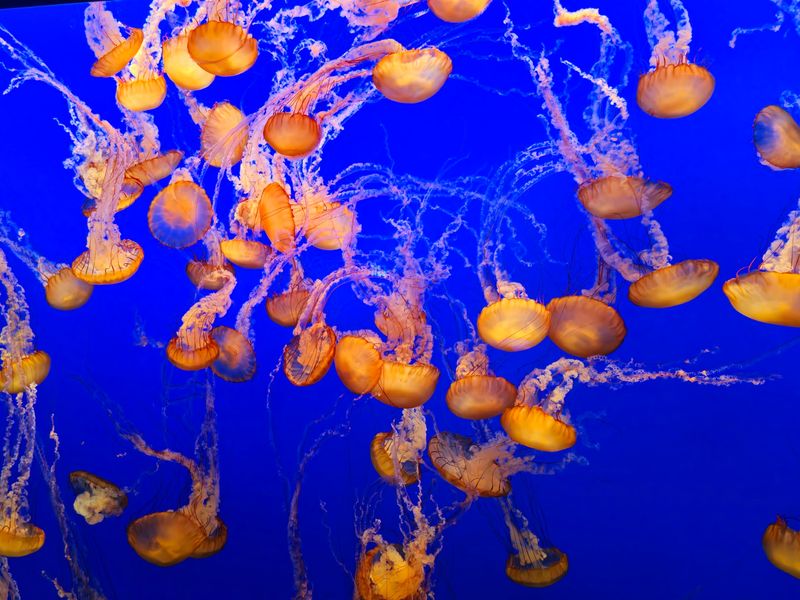
Jellies don’t swim so much as drift. The Monterey Bay Aquarium helped pioneer the techniques for exhibiting them, and the results look almost like moving art.
Plan to slow down in these rooms. The glowing tanks and gentle pulsing motion have a calming effect on even the most hyper ten-year-old.
Nearby, the giant Pacific octopus deserves its own fan club. This clever animal is known for its mastery of disguise, solving mazes, and even recognizing its aquarists.
Finding it can take effort. Octopuses love blending into rockwork, so give the tank a careful second look before giving up.
Then there’s Into the Deep. The exhibit explores the dark ocean abyss and features the largest collection of deep-sea animals in North America.
Expect creatures that look like they were designed by a sci-fi writer on a creative day. Deep-sea life has to handle cold, darkness, and crushing pressure, so odd shapes come with the territory.
Together, these three areas show how weird and wonderful ocean life can get. Your camera roll may never recover.
Kids Can Get Their Hands Wet And Meet Some Penguins
Little hands, meet sea stars.
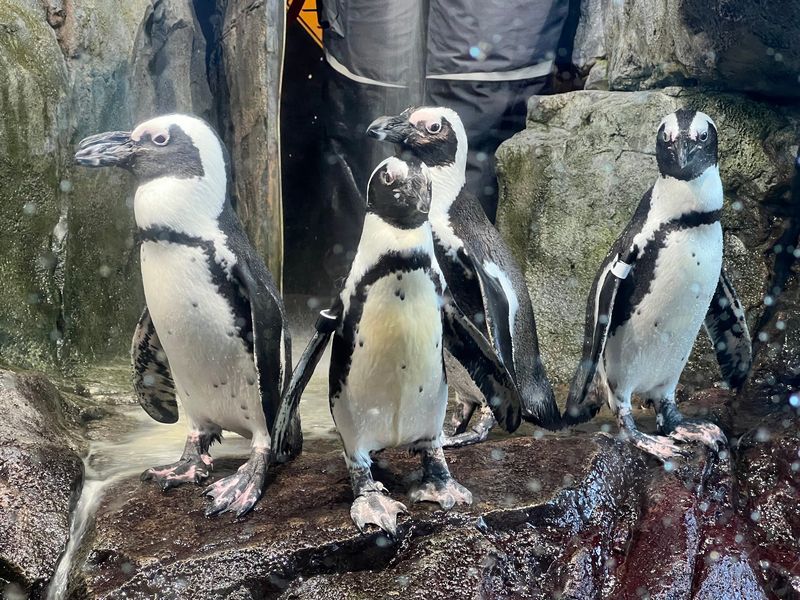
The new Ocean in Motion exhibit features African penguins and interactive play areas, making it a natural magnet for families.
In the touch pools, kids can gently feel animals like bat rays, sea stars, sea cucumbers, and urchins. Use two fingers and a soft touch, and you’ll be doing it right.
The African penguins add plenty of personality. They waddle on land and zip underwater, showing off two very different sides of themselves.
Over at Rocky Shore, smaller creatures live among the rocks. A wave crash exhibit gives you a taste of what tide pool animals deal with every day.
Sandy Shore and Aviary features mudflats, marshes, birds, skates, and rays. It’s a nice change of pace from the darker deep-water galleries.
Adults are welcome to touch too, so nobody has to stand back pretending they’re not curious. Honestly, the sea cucumber is worth the experience alone.
For families with younger kids, these spaces offer room to explore at a slower speed. Good luck getting anyone to leave the touch pools quickly.
Grab Binoculars, Because The Real Bay Is Showing Off Too
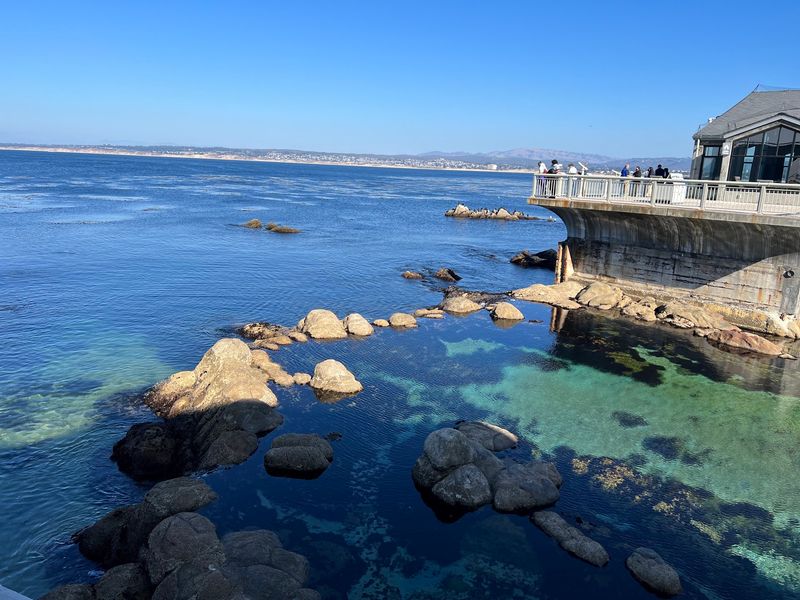
Not every animal here lives in a tank. Some of the best wildlife watching happens outside on the scenic decks overlooking the California coast.
The Life on the Bay area offers views where you can spot local wildlife. Sea otters and humpback whales may appear, though the ocean never promises anything.
Right next to the aquarium sits the Great Tide Pool. This partially man-made rocky area serves as a natural habitat for wild marine life.
Look for dolphins, whales, sea lions, and sea otters. Binoculars are provided, which saves you from squinting at every dark blob in the water.
Here’s a smart move. Step outside between indoor exhibits to rest your eyes and breathe some fresh ocean air.
The decks also make a great photo backdrop. The aquarium sits right on the water’s edge, so the view feels front-row in the best way.
Remember, these animals are completely wild. A sea otter napping in the kelp outside isn’t on any schedule, and that makes spotting one feel like winning a tiny lottery.
Snacks, Parking, And Smart Moves For An Easy Visit
Hungry after all that ocean gazing? The Aquarium Cafe is open daily and closes 30 minutes before the aquarium does.
It’s cash-free and offers dine-in service. You can order by mobile device, kiosk, or with staff, which keeps things moving.
Outside food and drinks generally aren’t allowed. Exceptions apply for guests with medical needs, and refillable water bottles are welcome.
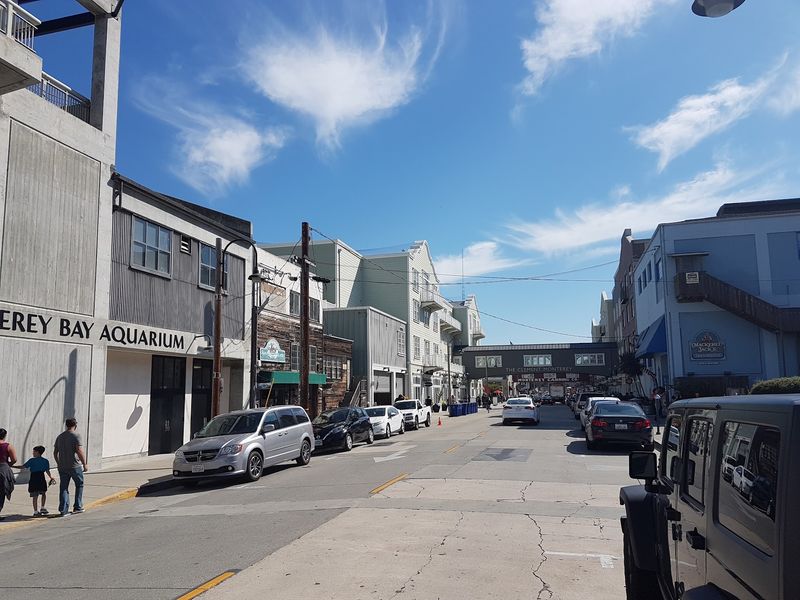
Getting there takes a little planning. You’ll find the aquarium at 886 Cannery Row, Monterey, CA 93940, at the west end of historic Cannery Row.
There’s no public parking on-site. Nearby options include Cannery Row Lot 7, the Cannery Row Parking Garage on Foam Street, and Cannery Row Parking Lot 21.
Metered street parking also exists on Foam Street, Ocean View Boulevard, and Wave Street. Biking? Bicycle parking sits along the adjacent recreational trail.
The aquarium is designed to be fully accessible. Guests with disability placards or plates can park free in metered spaces on surrounding streets.
Check current hours before you go, since schedules can shift by season. Buying tickets online ahead of time is a smart way to start your California ocean day.