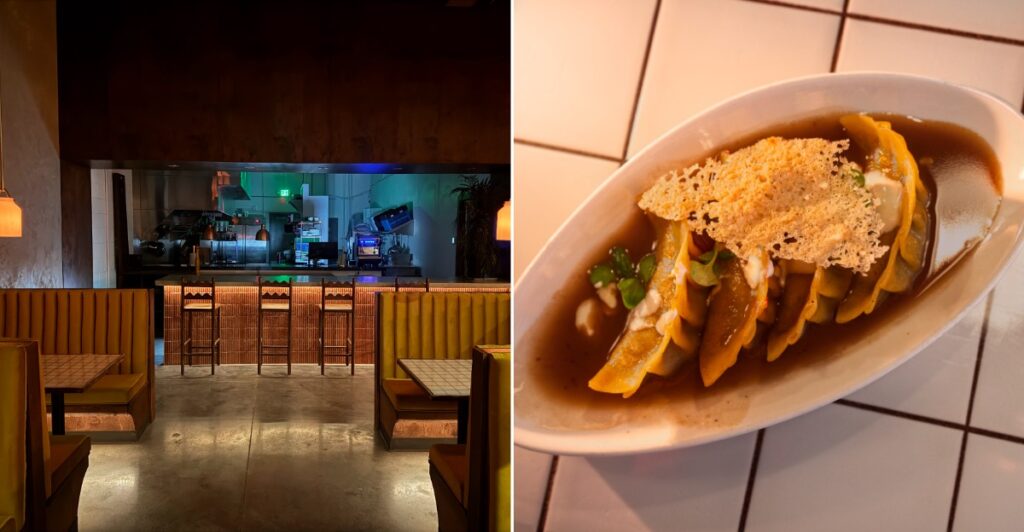
Gyoza-shaped ravioli with browned butter demi-glace and parmesan cream. That one dish tells you a lot about a small Utah dining room with an open kitchen that suddenly has the whole country paying attention.
The kitchen blends Italian comfort with careful Japanese technique. The style even has a name, Itameshi, and it shows up in desserts like matcha tiramisu and in arancini shaped like onigiri.
Then the big news landed. The New York Times named it one of the 50 best restaurants in the country for 2026, and it was the only Utah spot on the list.
I like how a place this new skipped the warm-up and went straight to the main stage. So what does it take for a dining room this small to earn that kind of national buzz in barely a year?
The National Spotlight Found This Tiny Kitchen Fast
Fifty restaurants made the New York Times list of the best in America for 2026. Junah was one of them, and it was the only pick from all of Utah.
That is a wild result for a restaurant that only opened in the spring of 2025. Most new spots spend their first year just learning where to put the napkins.
The good news did not stop there. Junah also landed on the list of James Beard Awards semifinalists in 2026, which is a huge deal in the food world.
The James Beard Awards are often called the Oscars of food. Getting named a semifinalist means chefs and food experts across the country noticed what this kitchen is doing.
I believe that kind of double recognition says something real. One honor can be luck, but two big ones in the same year feel like a pattern.
For Salt Lake City, it is a proud moment too. The city has a growing food scene, and this restaurant just gave it a giant national megaphone.
So yes, the hype is loud right now. The fun part is finding out what sits behind it.
Two Chefs, Two Backgrounds, One Very Clever Menu
Behind every great restaurant is a team, and this one starts with two co-owners. Hiro Tagai and Felipe Oliveira run the kitchen together as chefs and partners.
Their stories fit together like puzzle pieces. Oliveira built his skills in Italian cooking, including time as Executive Chef at Valter’s Osteria in Salt Lake City.
Tagai brings the Japanese side of the equation. He was born in Japan and grew up in Utah, so both cultures feel personal to him.
Put those backgrounds in one kitchen and you get Junah. The menu reads like a friendly conversation between two cooking traditions that actually get along.
These two are not new to running restaurants either. They also own Koyote, another Salt Lake City spot, so they know how to keep a dining room humming.
That experience matters more than people think. A bold idea is exciting, but steady hands make sure it tastes good night after night.
I can’t imagine this menu working without both voices in the room. Each chef seems to keep the other from playing it too safe.
Italian Comfort Meets Japanese Precision, And It Works
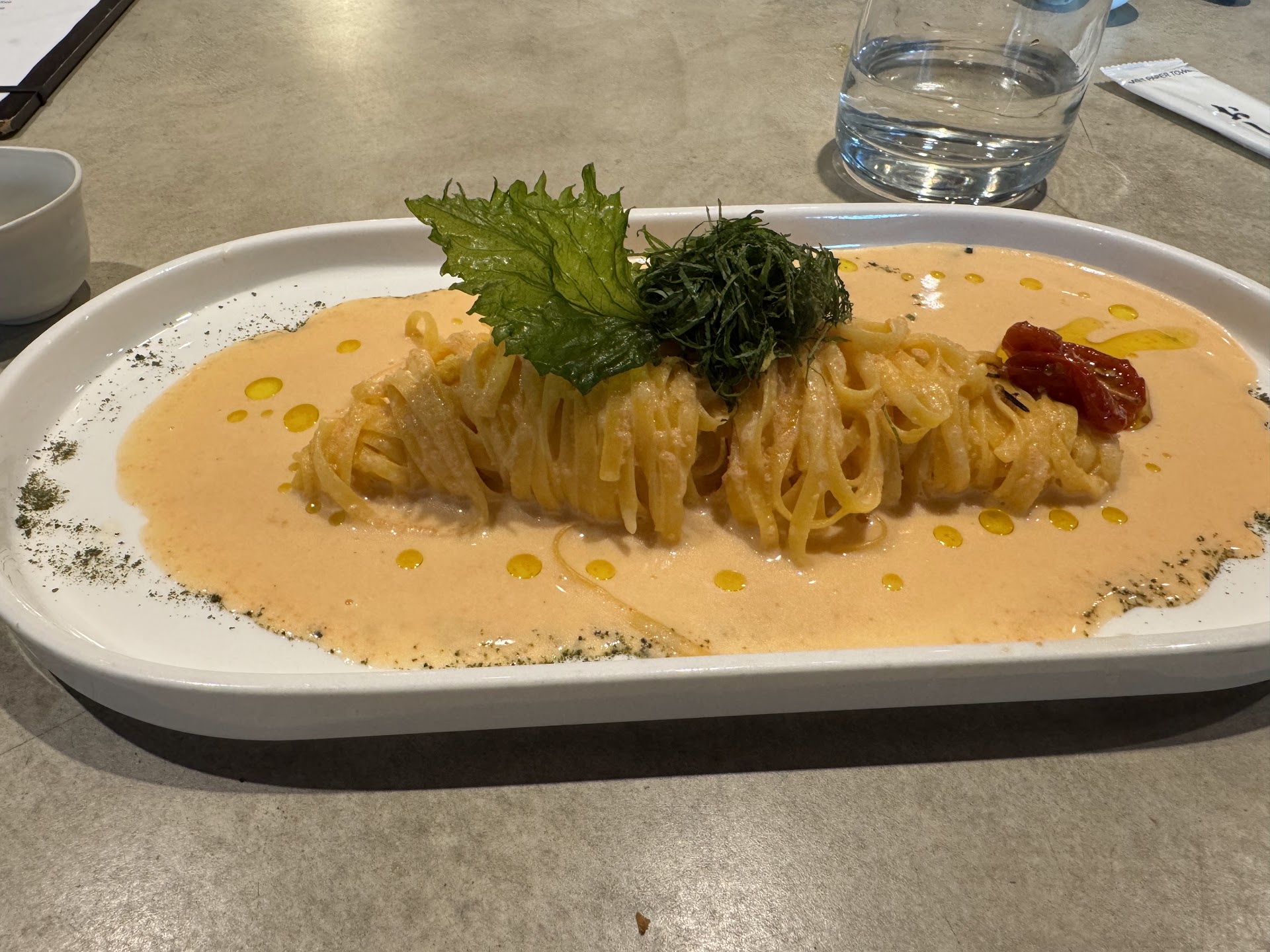
Pasta and nori in the same sentence might sound like a dare. At Junah, it is the whole plan, and the style has an official name: Itameshi.
Itameshi means Italian food made with a Japanese touch. Think hearty Italian flavors paired with the careful, detailed techniques Japanese cooking is famous for.
The result is food that feels familiar but surprises you anyway. A dish might look like something your grandma made, then hit you with ponzu or miso.
Presentation gets serious attention here. Plates are built with precision, and the kitchen leans on excellent, simple ingredients instead of piling on extras.
The menu also keeps moving. It is seasonal and evolving, so the lineup can shift as ingredients change through the year.
That makes every visit a little different. Your favorite dish might take a break, and a new one might step in to steal the show.
The goal is adventurous food that still feels approachable. You do not need a food dictionary to enjoy dinner, though a curious appetite definitely helps.
Start With The Starters Or Regret It Later
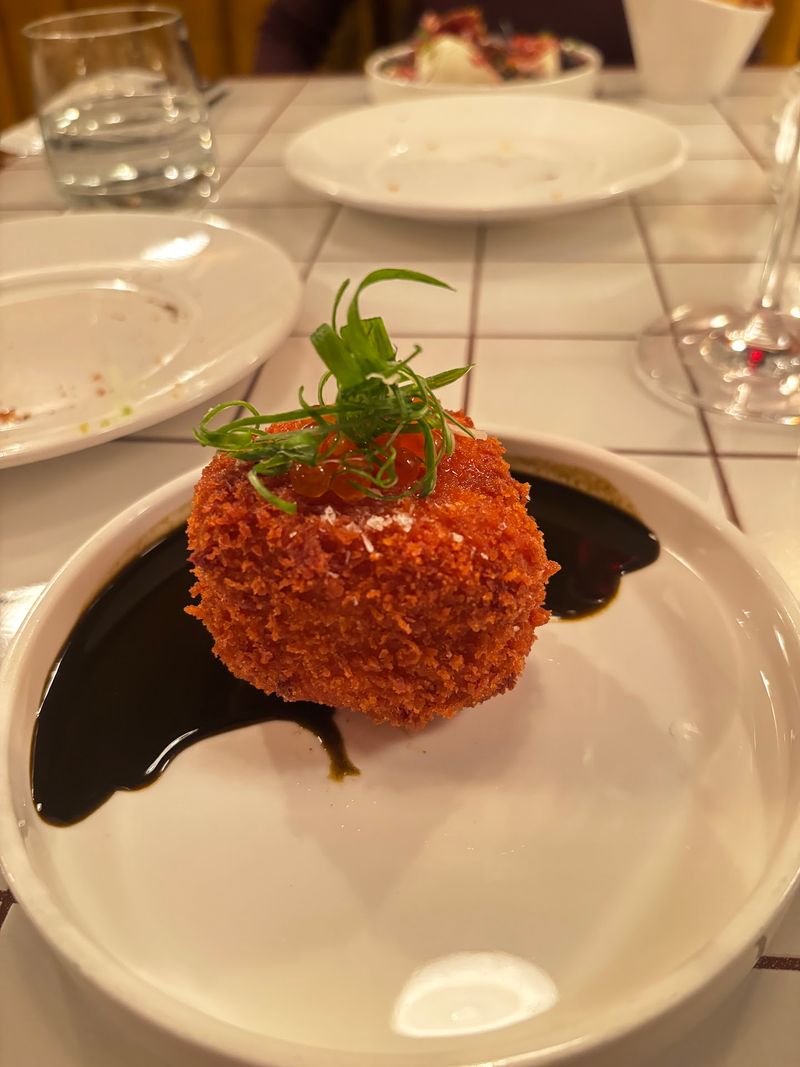
Golden garlic chips. Salmon roe.
Foam on top of thinly sliced fish. The Aurora crudo shows up dressed for a party.
This starter uses shima aji, also called striped jack, in a bright champagne vinaigrette. Mandarin orange, watermelon radish, fennel, and microgreens round it out.
Then there are the Buffalo Burrata Arancini, which look like little onigiri rice triangles. They use Italian arborio rice and fresh buffalo burrata, then get fried in panko.
The toppings are where the fusion really kicks in. Ponzu ikura and a dark nori cream sauce finish each piece.
Beef fans have a pick too. The Tartare di Manzo comes with acidic citronette, Parmesan foam, pickled mustard, and fennel.
Notice a theme? Every starter at Junah takes something classic and gives it a sharp little twist.
Sharing is a smart move here. Ordering a couple of starters for the table lets everyone taste the range before the pasta arrives.
Pasta That Looks Like Dumplings Deserves Your Attention
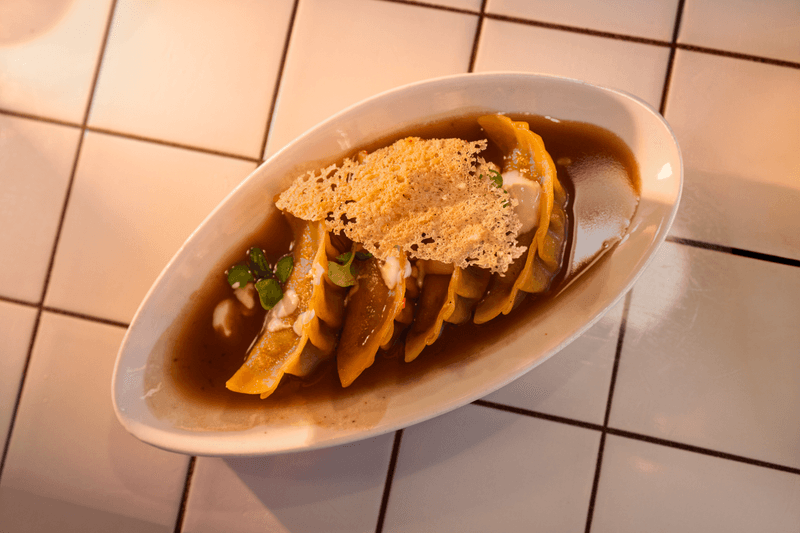
Here is a fun one to explain to your friends. Junah serves ravioli folded to look like gyoza, the Japanese dumplings you might know from takeout.
The sauce goes full luxury. Browned butter demi-glace and parmesan cream give these little pockets a rich, cozy finish.
Gnocchi alla Junah is one of the signature dishes. When a restaurant puts its own name on a plate, that is usually a hint to pay attention.
Meat lovers should look for the Wagyu ragu, listed as Paccheri al Wagyu Ragù. Paccheri are wide tube noodles, which are great at catching every bit of sauce.
Each pasta plays the fusion game a bit differently. Some lean Italian, some lean Japanese, and some sit right in the middle.
Because the menu is seasonal, the pasta lineup can change. A good habit is asking which dishes are new before you lock in an order.
Honestly, this section of the menu might be the toughest decision of your night. Bring someone willing to share forks.
The Main Courses Go Bold Without Going Overboard
Steak with koji and truffle sauce sounds like a menu written by two chefs having way too much fun. That is pretty much the Tagliata di Bosco.
This dish features grilled, sliced steak with Japanese mushrooms and truffle sauce. Koji, horseradish taro, broccolini, and chimichurri pile on even more personality.
Seafood gets its moment too. Miso cod brings one of the best-known Japanese flavors right onto an Italian-inspired menu.
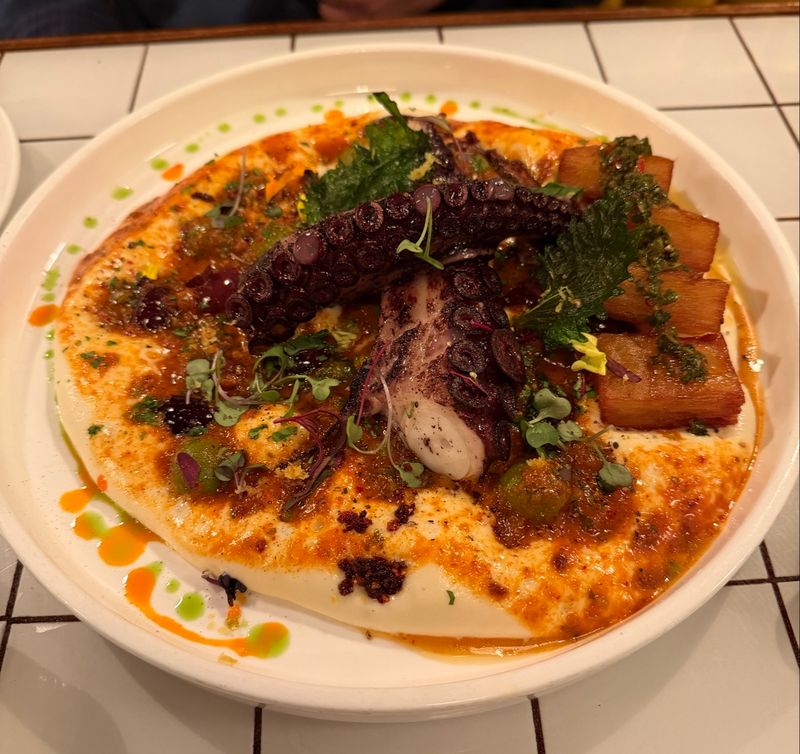
Octopus fans can look for Pulpo alla Siciliana. It is grilled octopus with a nod to Sicily, the sunny island off the toe of Italy’s boot.
What I like most is how each main plays fair to both cultures. Nothing feels like a gimmick tossed in just to say fusion.
Mains here pair nicely with a shared starter or pasta. Splitting a few plates is an easy way to try more of the menu in one visit.
Just pace yourself. Dessert is coming, and it would be a shame to miss it.
Free Bread And Matcha Tiramisu Bookend The Meal
Some of the best bites at Junah show up before you even order. Every table gets complimentary house-baked sourdough bread.
It comes with compound butters, which are butters mixed with extra flavors. Truffle and olive are two of the options, and they make plain bread feel fancy.
Fair warning, though. Filling up on bread is a real risk, and nobody would blame you.
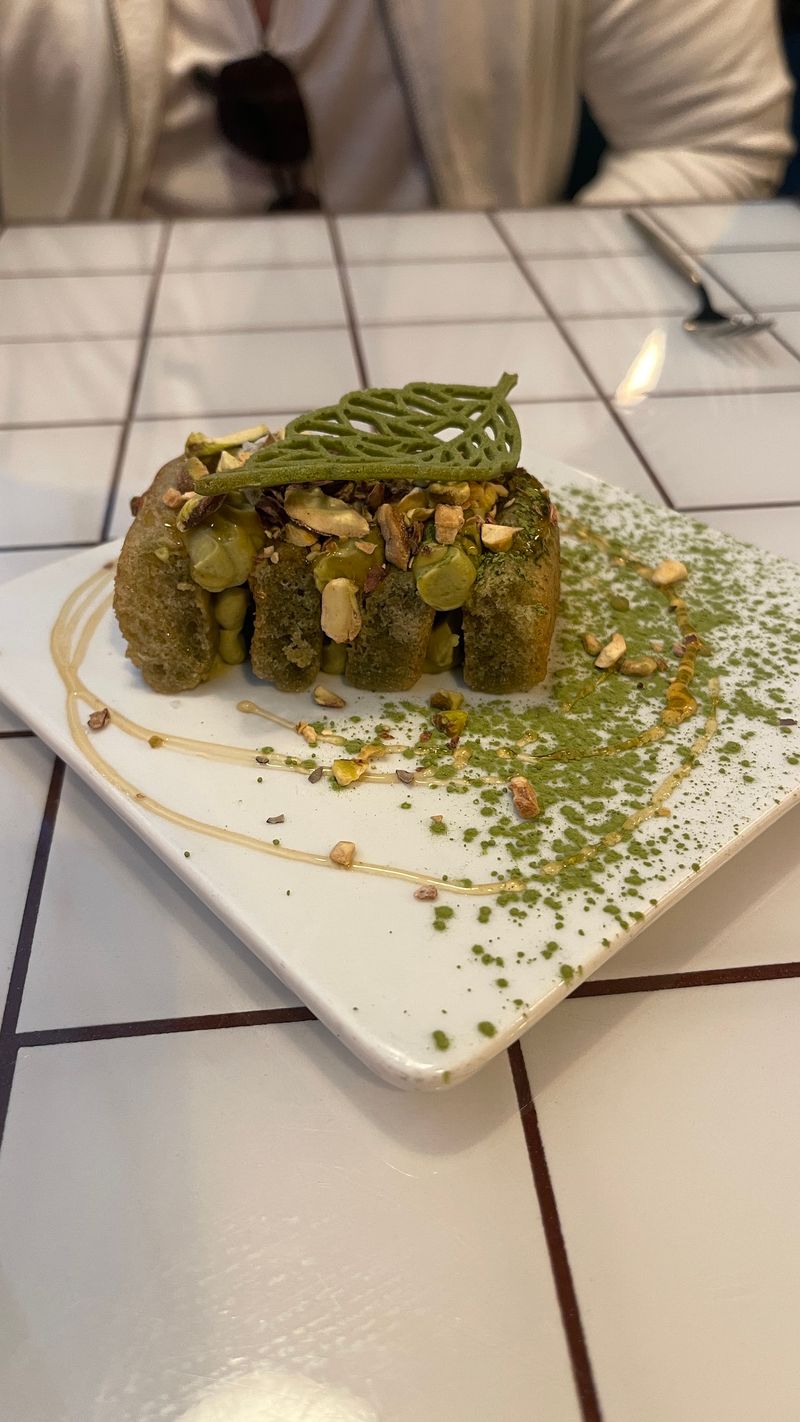
At the other end of dinner sits the Matcha tiramisu, one of the signature dishes. It swaps in matcha, the bright green Japanese tea powder, for a classic Italian dessert.
That dessert might be the cleanest example of the whole Itameshi idea. Two famous treats from two countries end up on one spoon.
Matcha has a gentle, earthy flavor that is a little grassy. It makes a nice partner for creamy layers and keeps things from feeling too heavy.
So dinner here basically starts with a gift and ends with a mash-up. That is a pretty great way to frame a meal.
Grab A Counter Seat And Watch The Chefs Work
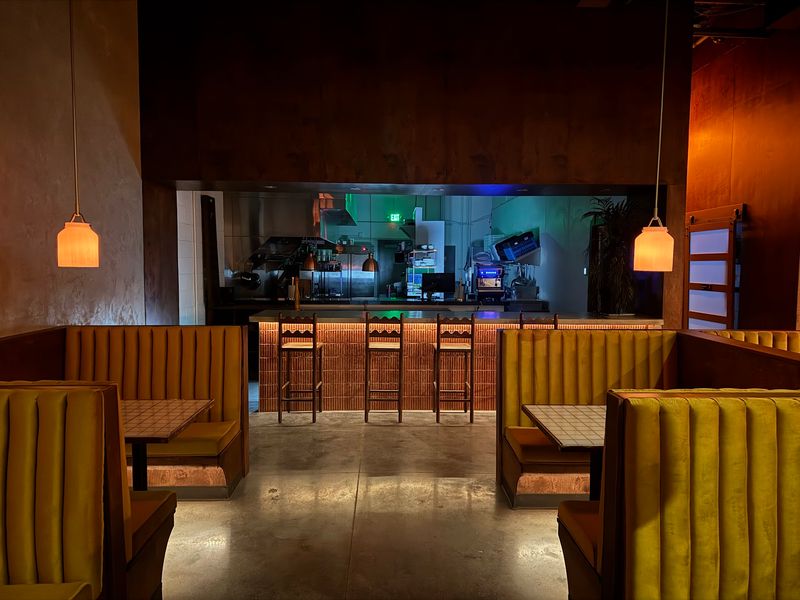
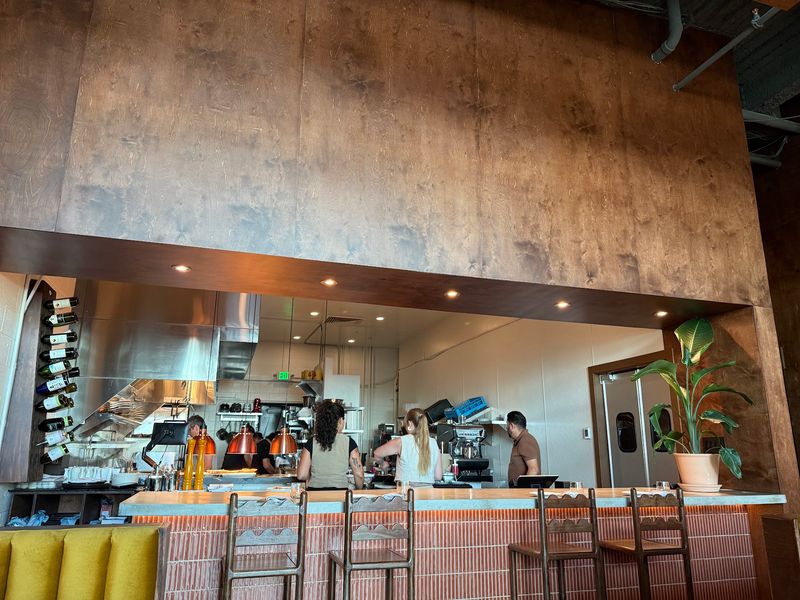
Cooking shows are fun, but a live one is even better. Junah has an open kitchen with a small bar counter facing the action.
Sitting there means you can watch dishes come together in real time. Every swirl of sauce and careful garnish happens right in front of you.
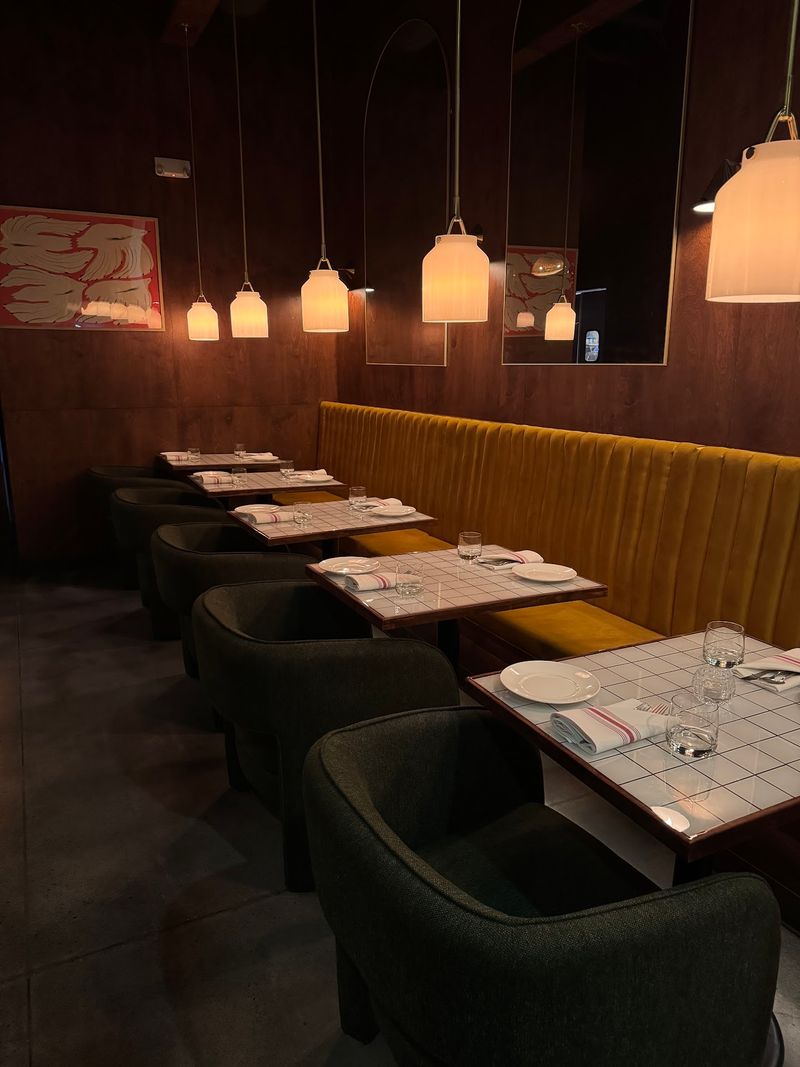
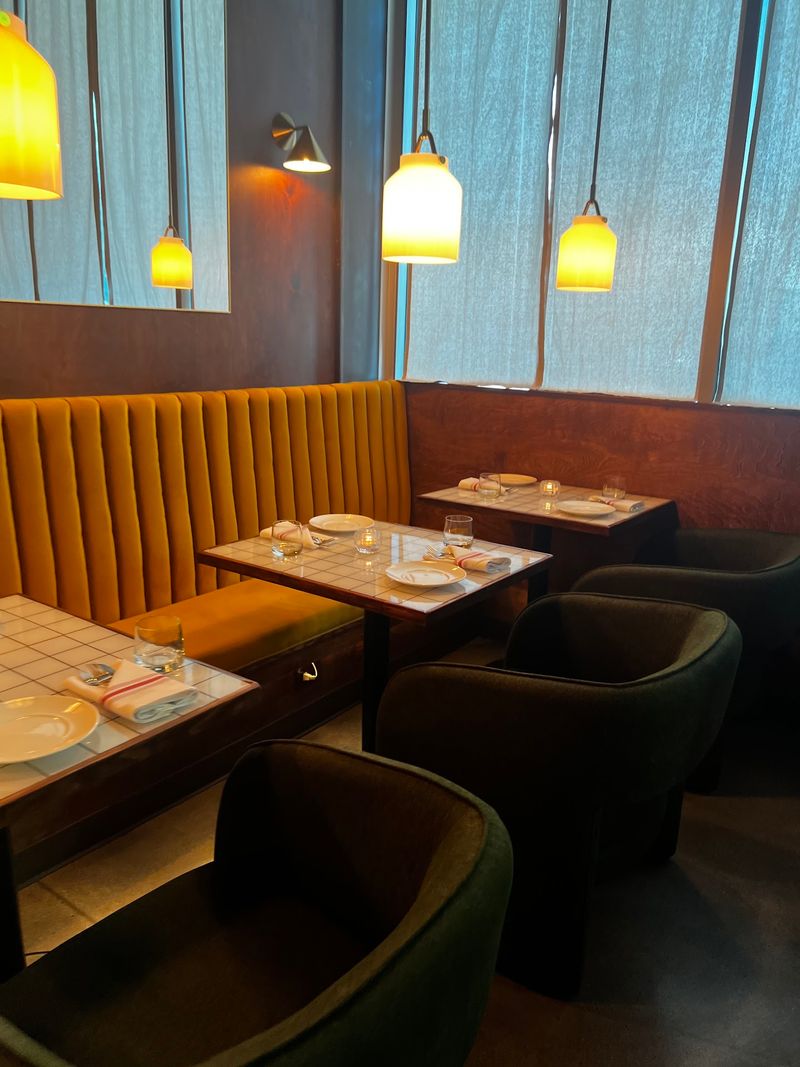
The room itself is cozy yet chic. It feels refined, but it stays relaxed and comfortable instead of stiff or stuffy.
That balance makes it a strong pick for date night. It also works well for birthdays, anniversaries, or any night that deserves a little extra.
The space is intimate, which is a polite way of saying it is not huge. Smaller rooms often feel warmer, and this one leans into that charm.
You won’t need a suit or a fancy dress. Smart casual feels right for a place that is polished without being formal.
My tip is simple. If you love seeing how food gets made, ask about counter seating when you plan your visit.
Plan Ahead Because Dinner Here Is Worth The Effort
Finding it is the easy part. Junah sits at 916 S Jefferson St B, Salt Lake City, UT 84101, in the lively Central 9th neighborhood.
Central 9th is a fun, walkable part of Salt Lake City. It has a creative, local feel that matches a restaurant with this much personality.
Timing takes more thought. Junah serves dinner Tuesday through Saturday from 5 to 9 PM, and it closes on Sundays and Mondays.
The restaurant accepts both reservations and walk-ins. With national attention and a cozy room, booking ahead is the safer bet.
Walk-ins can still try their luck. Showing up early in the evening on a weeknight may give you a better shot.
Visiting from outside Utah? This makes a great dinner stop during a city trip, especially if you want a taste of the local food scene.
Big honors usually mean more people showing up. Get your table sorted soon, and you can say you went before the next award landed.