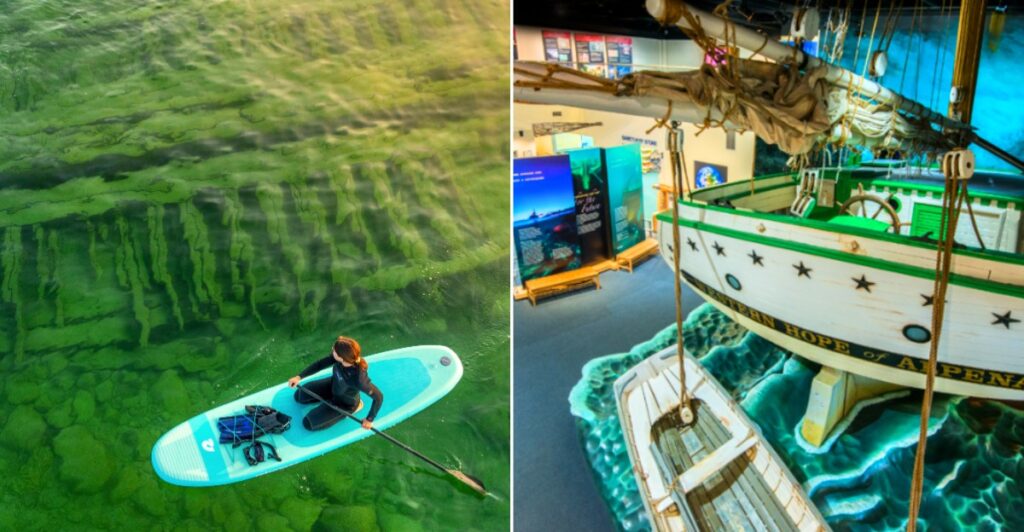
Nearly 200 ships have gone down in one stretch of Lake Huron. Some of those wrecks sit in water so shallow you can see them from a kayak.
The cold, fresh water keeps them in remarkable shape. Wooden schooners and steel freighters still rest on the bottom, many looking like they sank last century, which they did.
This corner of Michigan treats history as something you can float right over. Scuba gear helps, sure. But snorkelers, paddlers, and even folks on a glass-bottom boat get a front-row seat too.
There’s also a museum with a full-size ship you can climb aboard, and it costs nothing to enter. I can’t imagine a better way to make a kid care about maritime history. So which would you choose first, the deck or the deep?
Certified Divers Get A World-Class Underwater Playground
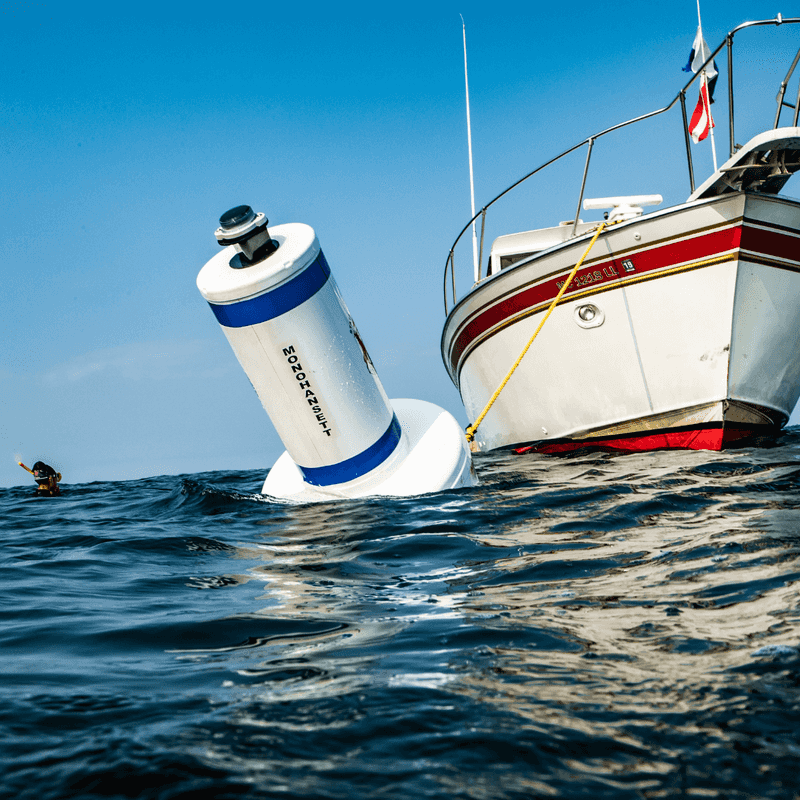
Scuba divers, this is your moment. The sanctuary gives certified divers open access to its wrecks, and the variety is hard to beat.
Wrecks rest anywhere from a few inches deep to about 200 feet down. That range means beginners and seasoned technical divers can both find something worth exploring. Nobody gets left on the boat.
Seasonal moorings go out from May through September. They make diving safer and spare the fragile wrecks from anchor damage. A dropped anchor can crack a timber that survived more than a century, so these buoys matter.
Visibility in cold freshwater can be impressive. It lets divers trace hull lines, deck features, and cargo areas in fine detail. Every wreck tells a slightly different story about how ships were built and lost.
Planning ahead pays off here. Local dive charters run during the warmer months, and Lake Huron stays chilly even in summer. A proper drysuit or thick wetsuit is a smart call.
Remember the golden rule of the sanctuary. Look closely, snap photos, and leave everything exactly where it sits. These wrecks are protected history, not souvenir bins.
Welcome To The Stretch Of Lake Huron Sailors Called Shipwreck Alley
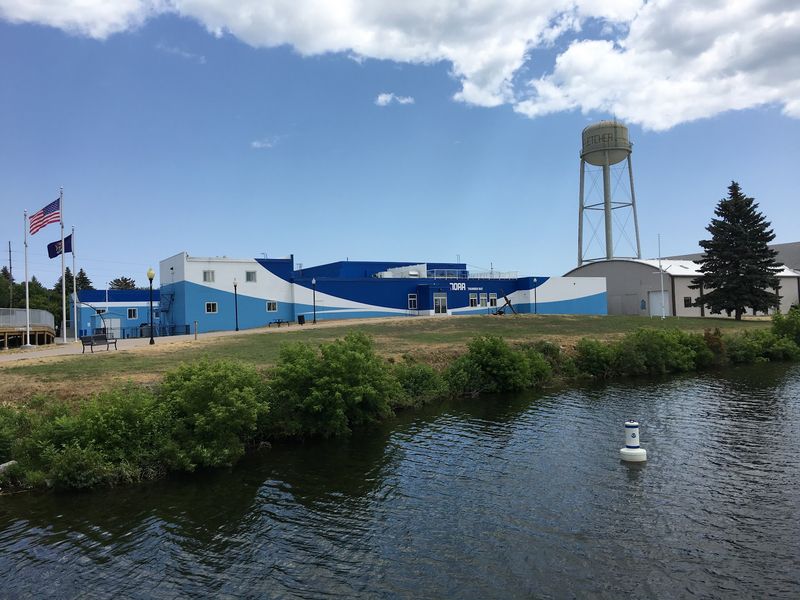
Thunder Bay National Marine Sanctuary lies in Lake Huron off Alpena, Michigan. Begin at the Great Lakes Maritime Heritage Center, 500 West Fletcher Street in downtown Alpena, near the Thunder Bay River.
The heritage center is a shoreside orientation point for the sanctuary, not a dive entry directly into shipwreck waters. Its location by the river helps distinguish it from marina launch sites.
Visit the center for information about the wrecks and conditions, then arrange an appropriate boat or dive trip with a qualified operator. Never assume a wreck can be reached safely from the museum’s waterfront.
No Tank Needed When A Snorkel Or Kayak Will Do
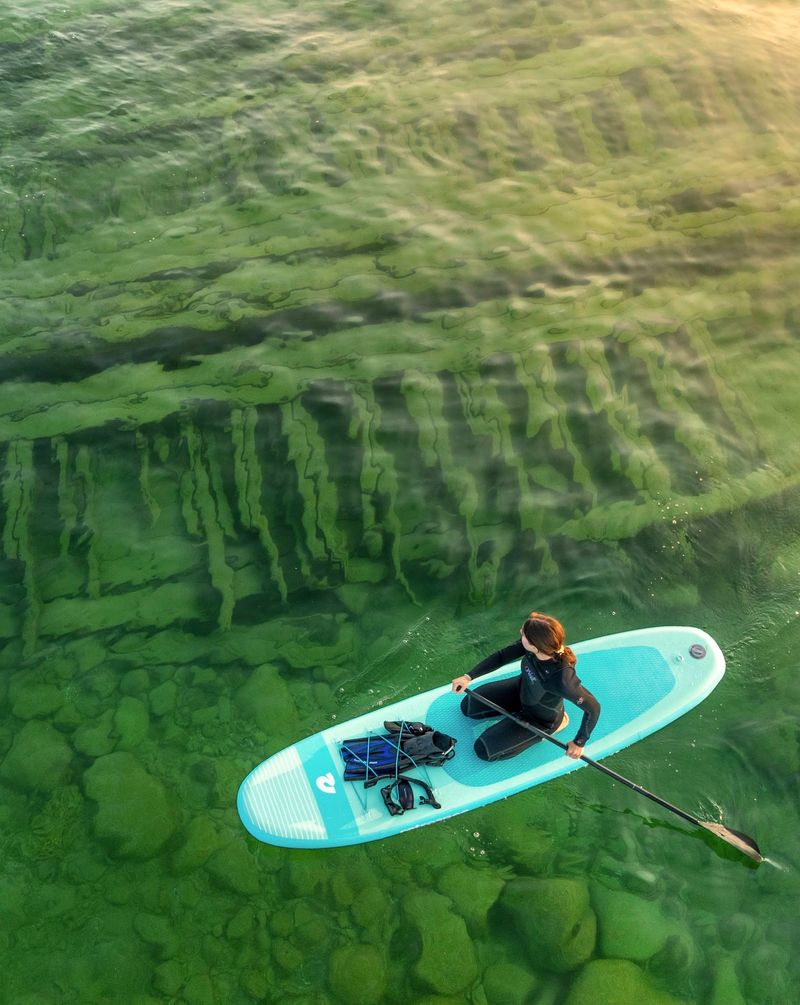
Some of these shipwrecks barely bother hiding. A few sit in water just inches deep, close enough to spot from the surface.
That’s great news for anyone without a scuba card. Snorkelers can float right above old timbers and ribs of wooden hulls. Kayakers and paddleboarders can glide overhead and peer straight down.
It feels a bit like reading history over someone’s shoulder. You get the outline, the shape, and the scale without ever going under. On a calm, sunny day, the view can be surprisingly clear.
The wider region connects to the Huron Blueways, a network of paddling routes along the coast. That makes it easier to plan a day on the water with shipwrecks as a bonus stop.
A few tips help a lot. Check the weather before you launch, since Lake Huron can change its mood fast. Wear a life jacket and bring a friend.
Keep your fins and paddles off the wrecks too. Even shallow sites are protected and fragile. Treat them gently, and they’ll still be there for the next curious paddler.
Stay Totally Dry On A Glass-Bottom Boat Tour
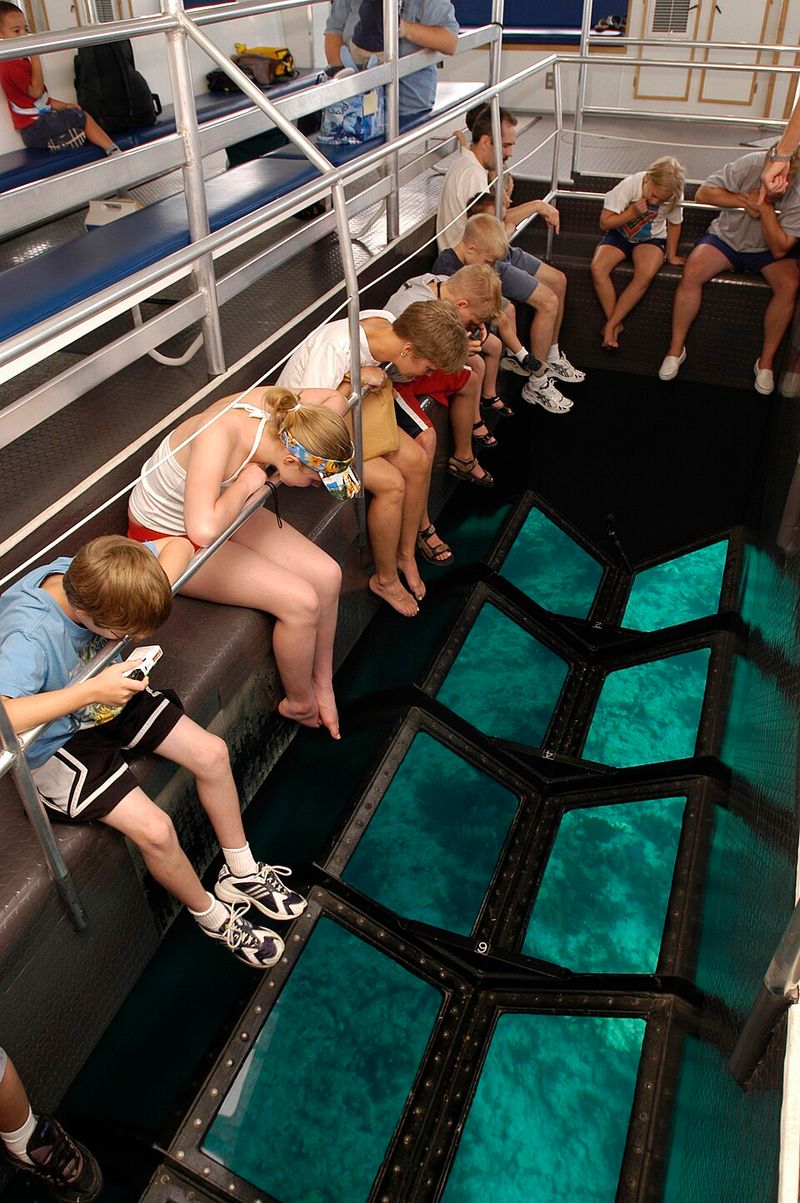
Two big windows set into the floor change everything. The Lady Michigan glass-bottom boats let passengers stare straight down at shipwrecks without getting a single sock wet.
These 65-foot boats leave from Alpena. Each has two large viewing wells on the main deck. Wrecks on the bottom of Lake Huron slide into view right below your feet.
Tours typically run daily from June into the fall color season. That means you can pair a shipwreck trip with autumn leaves along the shore. Not a bad combo.
Tickets are sold at an office across the street from the Great Lakes Maritime Heritage Center. Booking ahead is wise in busy months, since popular departure times can fill up.
The boat tours run separately from the museum. Think of them as the museum’s floating extension. One shows artifacts behind glass, and the other shows entire ships under glass.
This option is perfect for grandparents, little kids, and anyone who prefers dry land vibes. You still get the jaw-drop moment. You just skip the wetsuit wrestling match.
Start Your Shipwreck Adventure At A Free Museum On The River
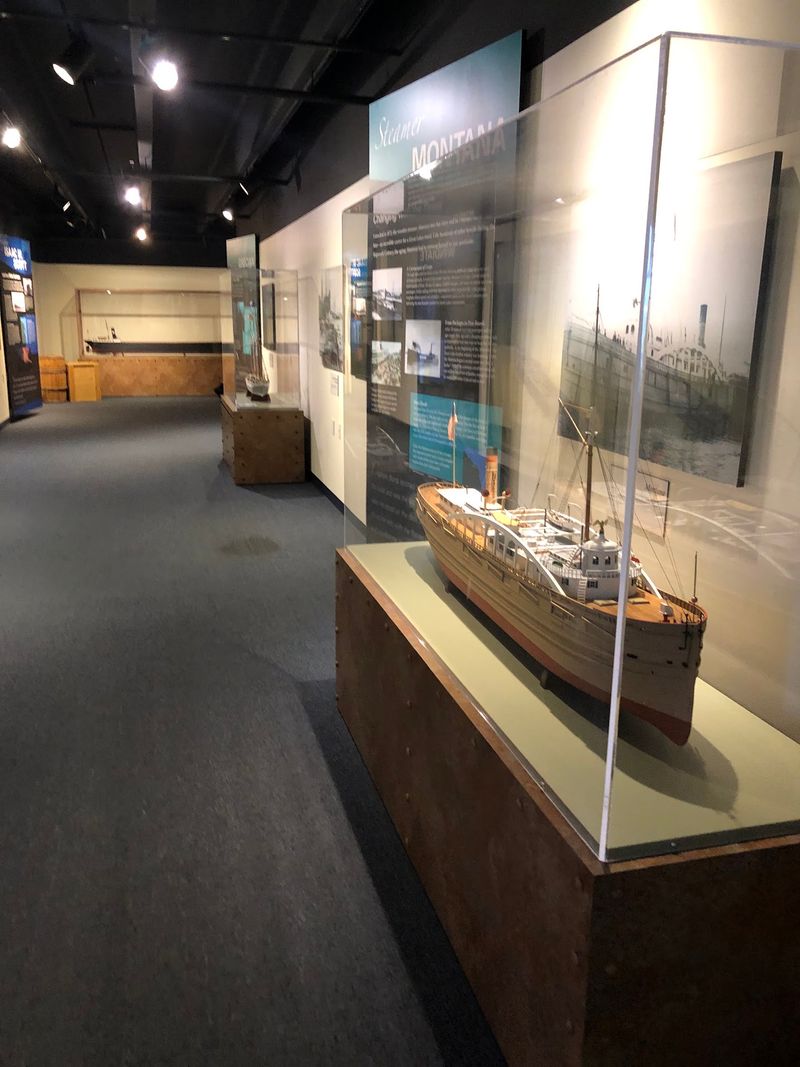
Free admission is a beautiful phrase. The Great Lakes Maritime Heritage Center offers exactly that, and it’s the main visitor stop for the sanctuary.
You’ll find it at 500 West Fletcher Street, Alpena, Michigan 49707. The building serves as headquarters for Thunder Bay National Marine Sanctuary. It once was a paper mill, which is a fun twist for a place full of stories.
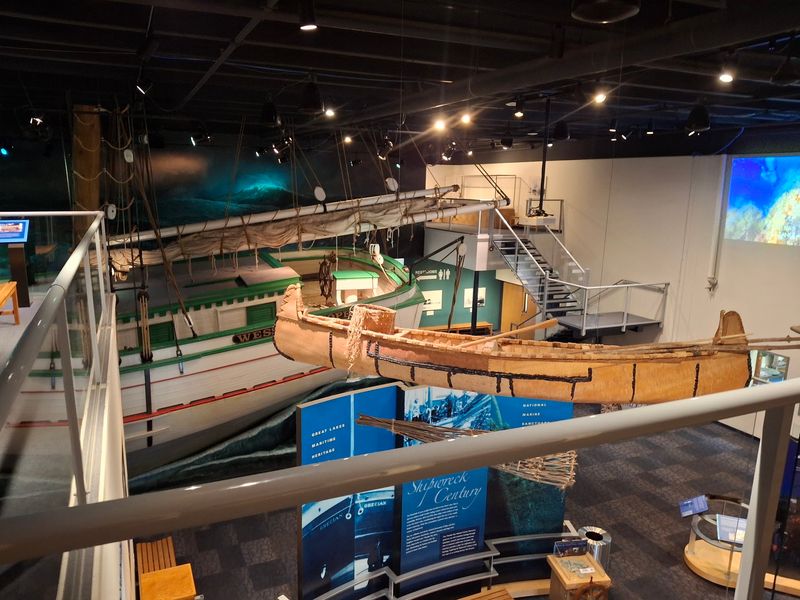
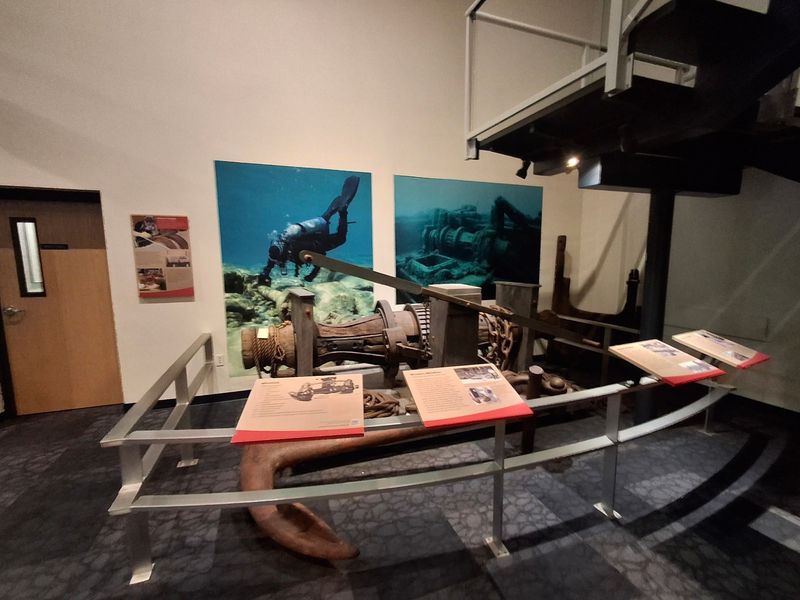
Inside, about 20,000 square feet of exhibits cover the region’s maritime past. The main permanent exhibit, Exploring the Shipwreck Century, fills around 9,000 square feet by itself. It mixes classic displays with hands-on discovery.
Hours run seven days a week. Weekdays open at 8 a.m., and weekends open at 10 a.m., with closing at 5 p.m. That makes it an easy stop even on a gray winter day.
Admission stays free thanks partly to donations and the Sanctuary Store. Purchases there help support education programs through the Friends of Thunder Bay National Marine Sanctuary nonprofit.
So grab a souvenir if something catches your eye. You’re basically funding the next field trip.
Climb Aboard A Full-Size Schooner During A Fake Storm
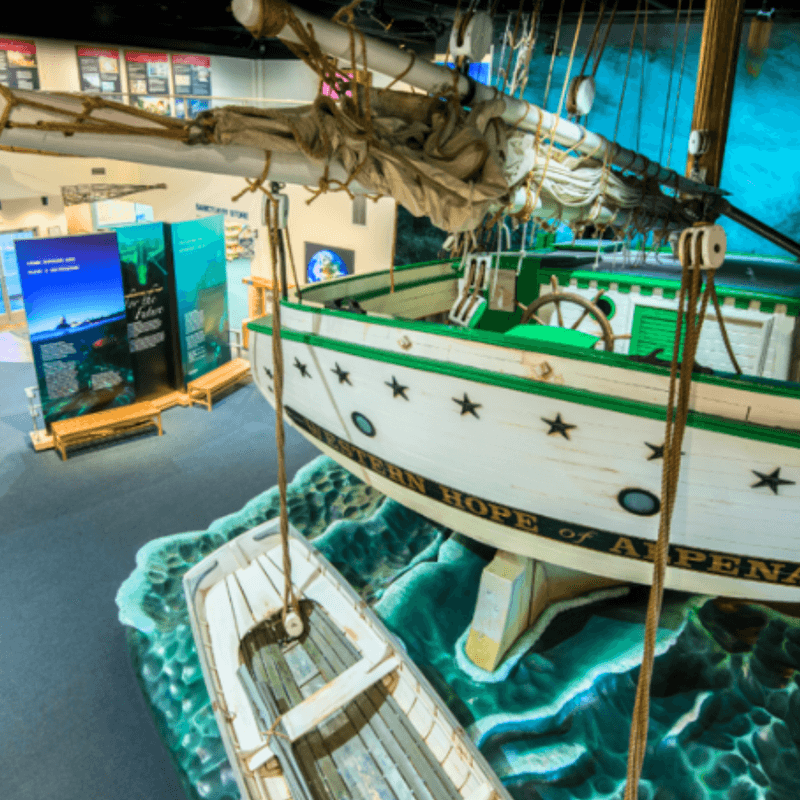
Here’s a ship that never sinks. Inside the heritage center sits a life-size recreation of a historic Great Lakes schooner, and visitors can walk right aboard.
Kids can head up the gangplank and explore its deck. The exhibit recreates what sailors faced during a rough Lake Huron storm. It’s dramatic, but nobody needs a bucket.
The schooner makes the history feel personal. Reading about storms is one thing. Standing on deck helps you picture the crew who worked these boats in wild weather.
Nearby, other exhibits let you explore wrecks virtually. Simulated dive stations give a swimmer’s view over sunken ships. No mask, no fins, and no cold water shock required.
Artifact displays fill out the experience. You’ll also find interactive stations about diving technology and how researchers study wrecks today. Science and history team up nicely here.
Plan more time than you expect. Families often find there’s more to see than one quick loop allows. The ship alone can keep younger explorers busy for a good while, and honestly, adults won’t mind either.
Movies, A Rooftop View, And A Riverside Trail Round Things Out
A high-definition theater might not be the first thing you expect at a shipwreck museum. Yet the center has one, showing films about Great Lakes shipping, sailing, and wrecks.
Short films make a great break between exhibits. They add faces, voices, and context to the artifacts you just saw. Tired feet appreciate the seats too.
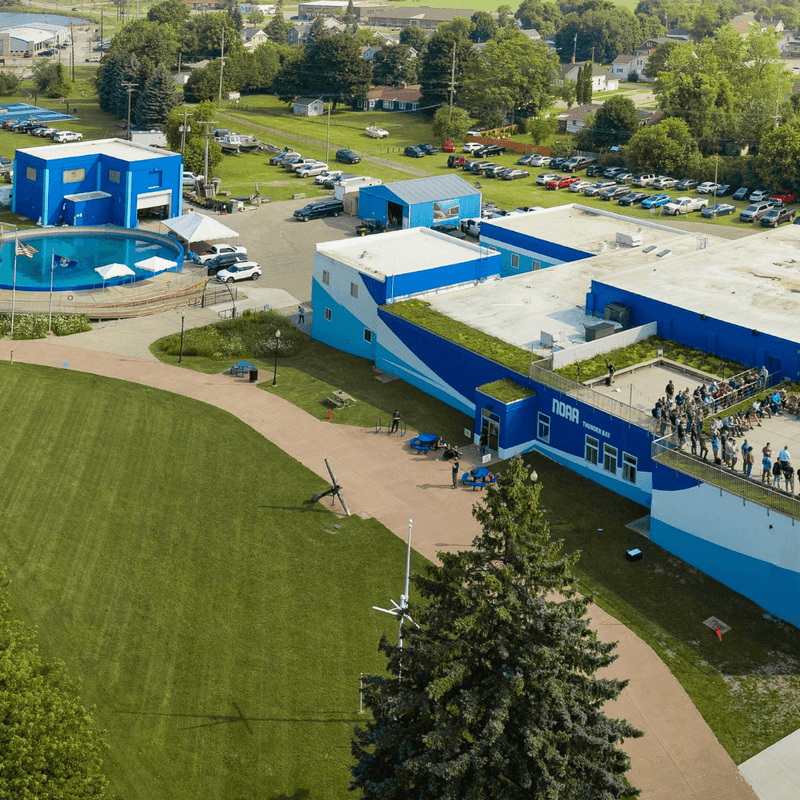
The building also features a green roof deck overlooking the Thunder Bay River. It’s a pleasant spot to pause and soak in the water views. After all those wreck stories, calm water looks extra nice.
Outside, the Great Lakes Maritime Heritage Trail follows the Thunder Bay River. The walking path stretches more than a mile. Interpretive signs along the way share more about Lake Huron’s past.
It’s an easy, low-key stroll. You get fresh air and a little extra history in the same trip. Few museum visits end with a riverside walk built right in.
Event spaces and meeting rooms round out the building. The center works as a real community hub for Alpena, not just a place to look at old stuff.
Underwater Robots And A Winter Film Festival Keep Things Lively
Building an underwater robot sounds like a summer camp dream. At Thunder Bay National Marine Sanctuary, it’s a real program for young explorers.
The Summer in the Sanctuary series offers youth options like Underwater Robot Academy and Archaeology Adventure. Kids learn about marine technology and how archaeologists study shipwrecks. It’s science class with way better props.
Students get plenty of options during the school year too. The sanctuary offers field trips, classroom cruises aboard the Lady Michigan, and virtual resources. There are even competitions in filmmaking and underwater robotics.
Adults aren’t left out. Public lectures from historians and scientists pop up throughout the year. Workshops and special events add more reasons to come back.
Then there’s January. The sanctuary hosts the Thunder Bay International Film Festival, featuring ocean and Great Lakes films. Social events and chances to meet filmmakers come along with the screenings.
A film festival in northern Michigan in the dead of winter? It’s a cozy plan, honestly. Few things beat warm seats and big stories when the lake outside is frozen.
Lighthouses And Lake Days Make Alpena Worth A Longer Stay
Eight historic lighthouses dot the wider region. That’s a pretty strong reason to stretch your shipwreck trip into a full weekend.
The lighthouses make sense here. Ships needed guidance through this dangerous stretch of Lake Huron, and these towers tell that side of the story. Seeing them after the museum connects the dots nicely.
Fishing in Lake Huron is another popular way to spend time in the area. Paddlers can explore the Huron Blueways along the coast. Between land, water, and history, the itinerary fills itself.
Timing helps you plan. Dive season mostly runs from May through September. Glass-bottom tours usually go from June into fall. The heritage center stays open all year, so even winter visits work.
That flexibility is a big win. Summer brings snorkeling and boat rides. Colder months bring quiet museum time and that January film festival.
Alpena, Michigan, wraps all this into one manageable trip. You’ll head home knowing more about Great Lakes sailors than you ever expected. And you might start eyeing every calm lake wondering what’s hiding below.