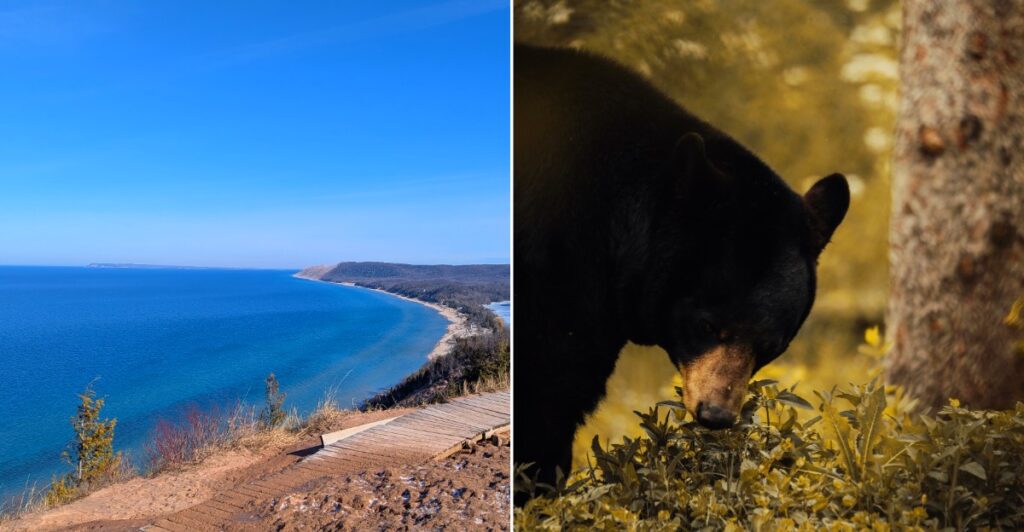
A legend about a mother bear and her two cubs swimming across a giant lake gave this shoreline its name. Real black bears still roam the quiet forests behind those famous dunes today.
The dunes here rise as high as 450 feet above Lake Michigan, which sounds fun until you’re halfway up. Those same bluffs look out toward two islands tied to that old bear story.
This corner of Michigan mixes lazy beach days with true wilderness. White-tailed deer, red foxes, owls, and rare shorebirds all share the same 35 miles of coast.
There is no better place to hunt for wildlife while collecting sand in every pocket you own. So where does a curious visitor even start, and how close is too close to a bear?
A Sad Little Bear Legend Explains Everything About The Name
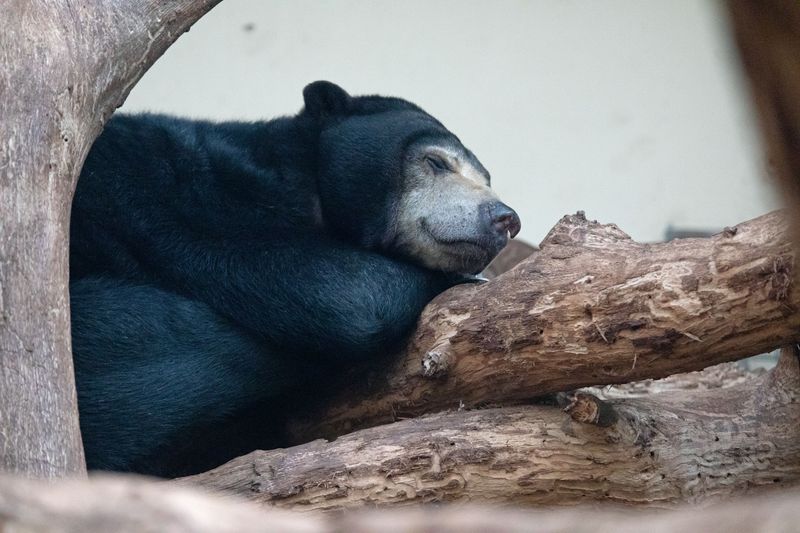
Long ago, according to an Anishinaabe legend, a mother bear and her two cubs fled a huge fire on the far side of Lake Michigan. They swam and swam, but the cubs fell behind.
The mother reached shore and waited on a bluff for them. Her cubs became North and South Manitou Islands, and she became the Sleeping Bear dune.
That story sets a lovely tone for a park that still shelters real bears. It also explains why those two islands get so much attention from overlooks.
The visitor center plays a park film that shares the legend along with scenes from different seasons. It’s a relaxing way to rest your feet before the hiking starts.
The auditorium also displays local artwork in several mediums. Give the walls a closer look before the lights go down.
You’ll find all of this at 9922 West Front Street in Empire, Michigan 49630. The small town sits right at the southern end of the park.
Knowing the legend makes every island view feel more meaningful. Suddenly, those distant shapes on the water have names and a story.
M-72 Points To The Dunes
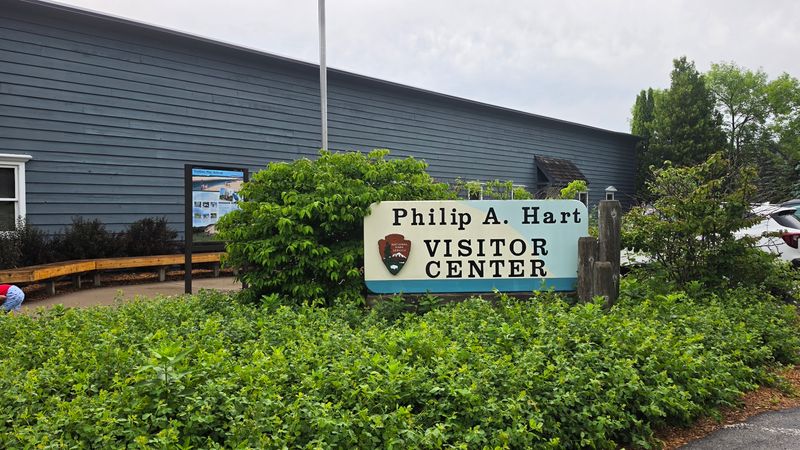
Sleeping Bear Dunes National Lakeshore stretches along northwest Michigan’s Lake Michigan coast. For maps and current wildlife information, start at the Philip A. Hart Visitor Center, 9922 Front Street in Empire, reached along M-72.
The visitor center lies near the junction of M-72 and M-22, just east of central Empire. It is a practical orientation point before driving to individual beaches, dunes and trails.
Park at the visitor center, ask about conditions and choose your intended park access point from the map. Keep a respectful distance from wildlife and store food securely when visiting.
Yes, Real Black Bears Wander These Woods
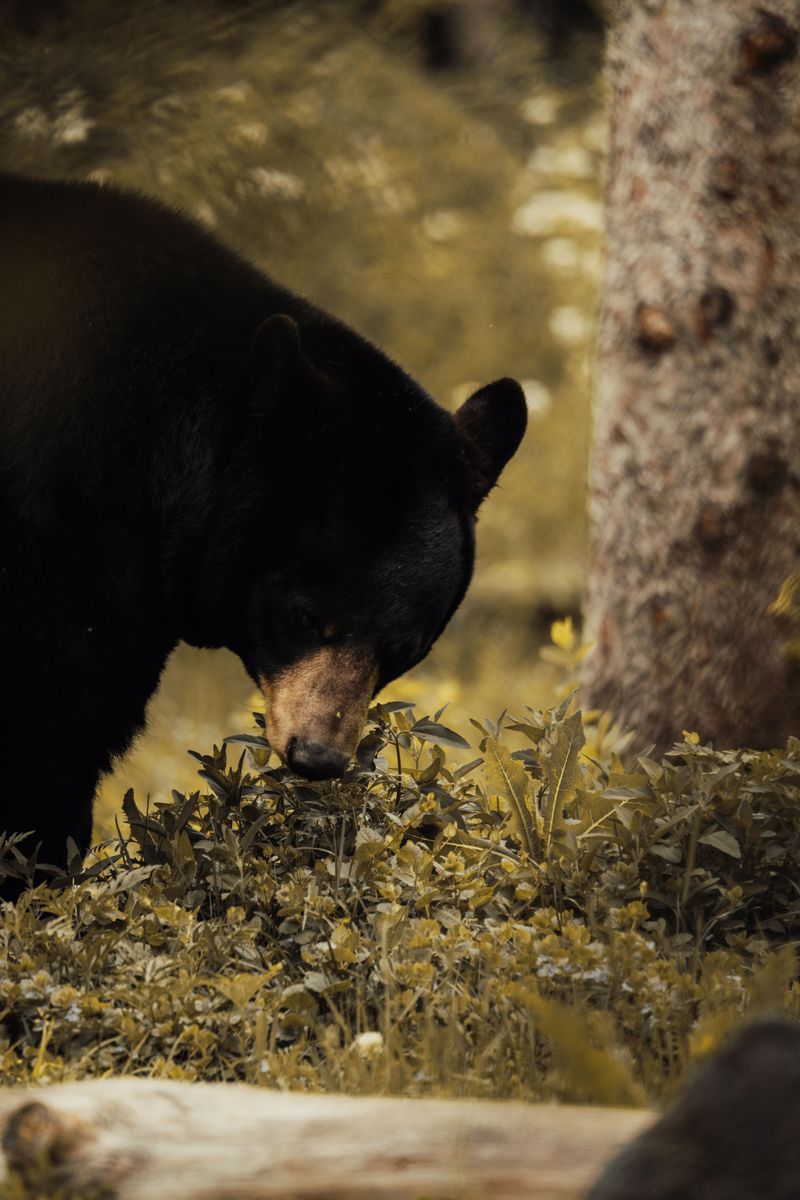
Black bears are the only bear species living in Michigan. Sleeping Bear Dunes National Lakeshore is part of their home range, so the park name isn’t just poetry.
These bears are omnivores, which means they eat plants, berries, insects, and other foods. They mostly mind their own business and avoid people when they can.
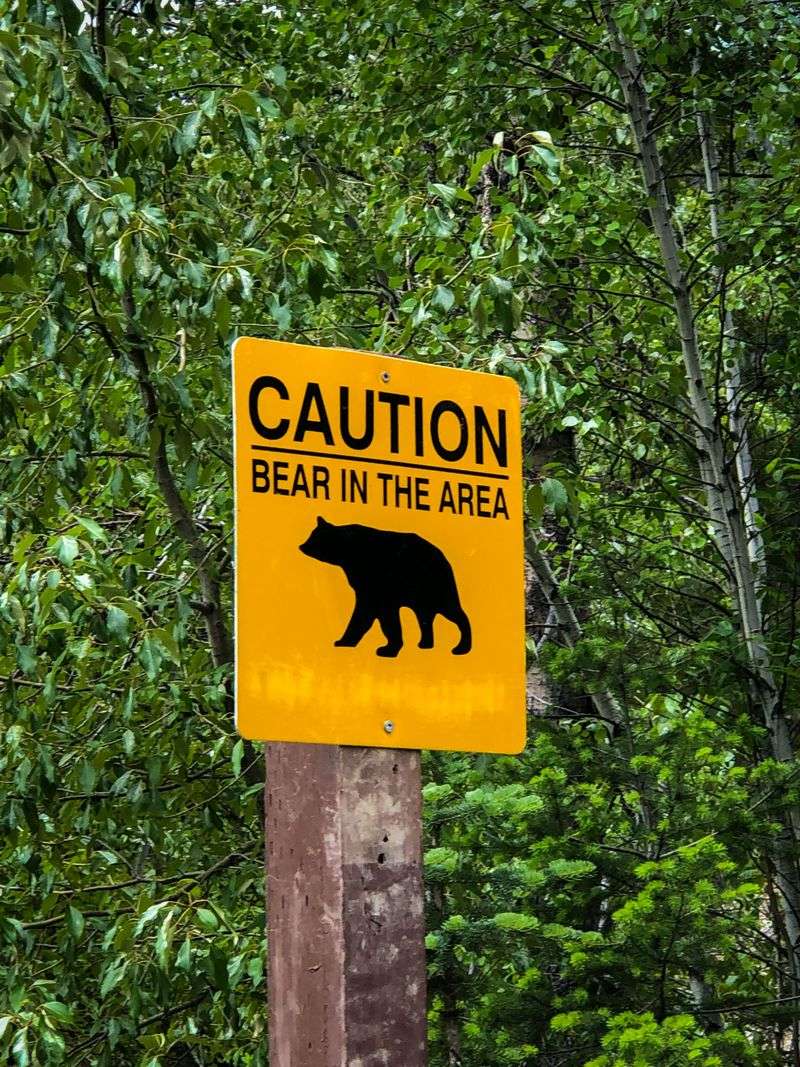
Still, a bear sighting deserves respect. Keep a generous distance, stay calm, and never walk toward one for a better photo.
Your snacks matter more than you think. Store food properly at campsites and pack out every wrapper, because a bear that learns about human food rarely forgets.
Rangers at the Philip A. Hart Visitor Center can share current safety tips before you head out. Ask them about recent activity in the areas you plan to visit.
Most visitors never spot a bear at all. That’s normal, since the woods here are big and bears are good at staying out of sight.
Even so, knowing they’re nearby adds a little thrill to every forest trail. Keep your eyes open and your granola bars zipped.
Deer, Foxes, And A Tiny Shorebird With Big Fans
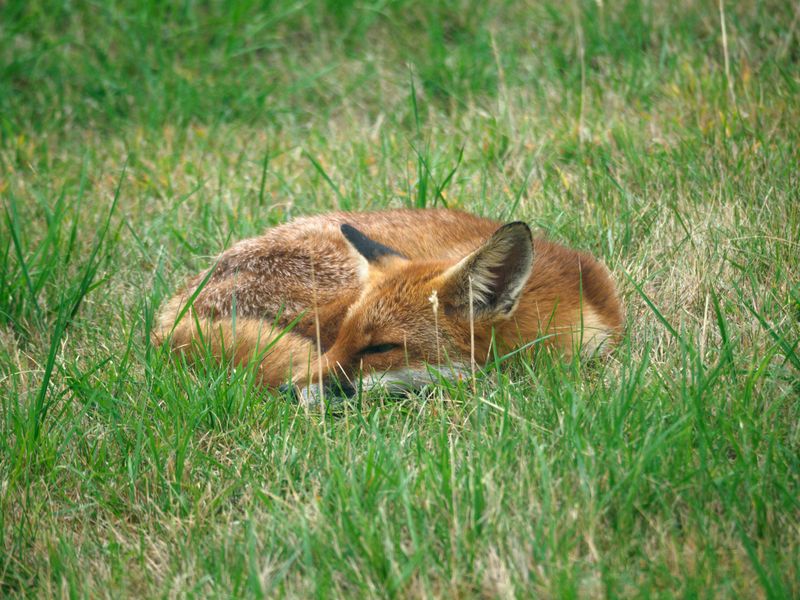
Bears get the headlines, but plenty of other animals share this coastline. White-tailed deer and red foxes are among the more common sightings.
Look up and you might catch hawks circling or hear owls at dusk. Squirrels and rabbits fill in the background like busy little extras in a movie.
Then there’s the piping plover, a small sand-colored shorebird. The Great Lakes population is endangered, and some of these birds nest on the park’s beaches.
During nesting season, parts of certain beaches may be roped off. Please respect those signs, because the eggs blend into the sand almost perfectly.
Dogs on the beach need extra care during this time, too. Check where pets are allowed before letting Fido run toward the waves.
The exhibit area at the visitor center shows many of the park’s animals and plants. It’s a great cheat sheet before you start your own sightings list.
Bring binoculars if you own a pair. They let you get a close look while giving every creature the space it needs.
Your Calves Will Have Opinions About The Dune Climb
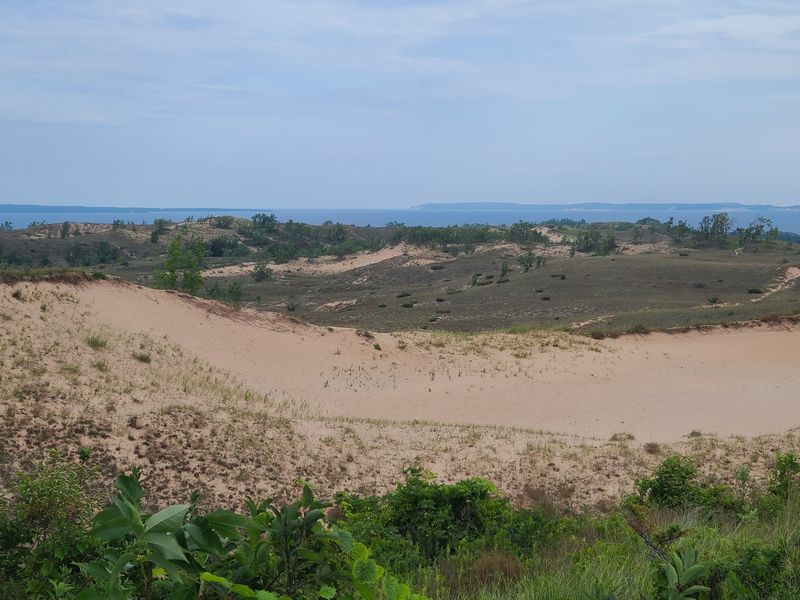
Sand is sneaky. It looks soft and easy, then it steals half your step every time you push upward.
The Dune Climb is the park’s most famous sandy workout. People scramble up the slope, catch their breath, and then happily run back down.
Some bluffs across the park rise as high as 450 feet above Lake Michigan. Glaciers, wind, and water shaped this landscape over a very long time.
Hikers who keep going past the first big hill face a much longer trek toward the lake. The trip back is the hard part, so bring plenty of water and pace yourself.
Shoes help on hot afternoons when the sand heats up. Bare feet sound charming until they meet sunbaked dunes.
Rangers at the visitor center can suggest easier options if steep climbs aren’t your thing. There are many ways to enjoy dune views without a leg-burning challenge.
Either way, the top delivers wide views and serious bragging rights. Just maybe skip leg day at the gym that week.
Seven Miles Of Overlooks Without Breaking A Sweat
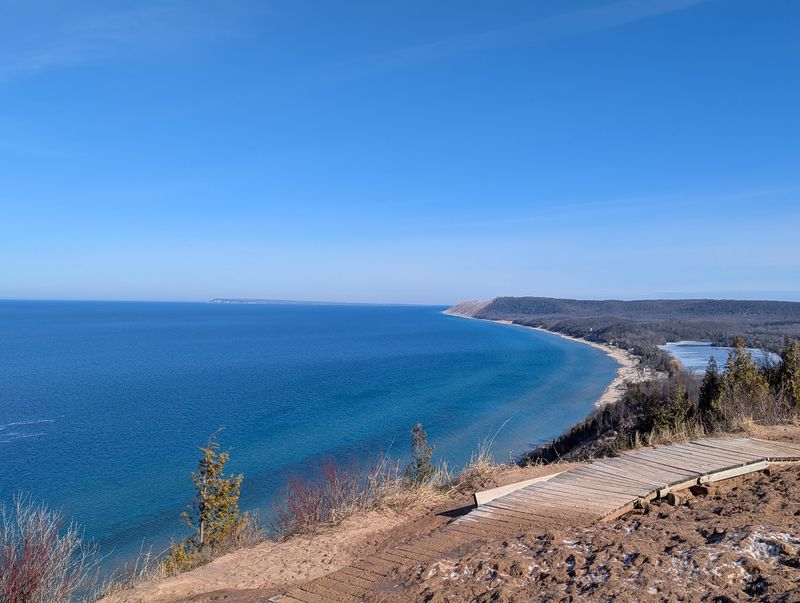
Not every great view requires climbing a mountain of sand. The Pierce Stocking Scenic Drive loops about 7.4 miles through forest and dune country.
Along the way, you’ll find the Glen Lake Overlook, the Dune Overlook, and the Lake Michigan Overlook. There’s also a charming covered bridge that feels straight out of a storybook.
The Lake Michigan Overlook sits high above the water on a steep bluff. Stay behind the railings, because the slope is far steeper than it looks.
The drive is open to cars during the warmer months. In winter, it closes to vehicles, though it can still be used on foot.
Visiting late in the season? Rangers can map out alternate scenic routes when the drive has closed.
Forest sections along the road are good spots to watch quietly for deer. Drive slowly and keep cameras handy, since animals don’t schedule their appearances.
Pack a picnic and take your time at each stop. A leisurely pace turns a short loop into an afternoon you’ll remember.
Bikes, Boots, And Skis All Have A Trail Here
Paved, peaceful, and long enough to tire out the whole family. The Sleeping Bear Heritage Trail stretches more than 20 miles through the park.
Walkers, bikers, and strollers all share the path. When snow cooperates, some sections even work for cross-country skiing.
Hikers who want dirt under their boots have plenty of choices. Empire Bluff Trail, Pyramid Point Trail, and the Alligator Hill trail system each offer something different.
Empire Bluff Trail starts close to the visitor center. That makes it an easy add-on after you pick up maps and park passes.
Quiet forest trails are prime spots for spotting wildlife tracks. Look for hoofprints in soft dirt and listen for birds overhead.
Hiking in bear country means staying alert and making some noise on blind curves. A friendly chat with your trail buddy usually does the trick.
Ask a ranger which trails fit your energy level and your schedule. Some are quick strolls, while others will happily eat up your whole morning.
Old Villages And Brave Lifesavers Tell The Human Story
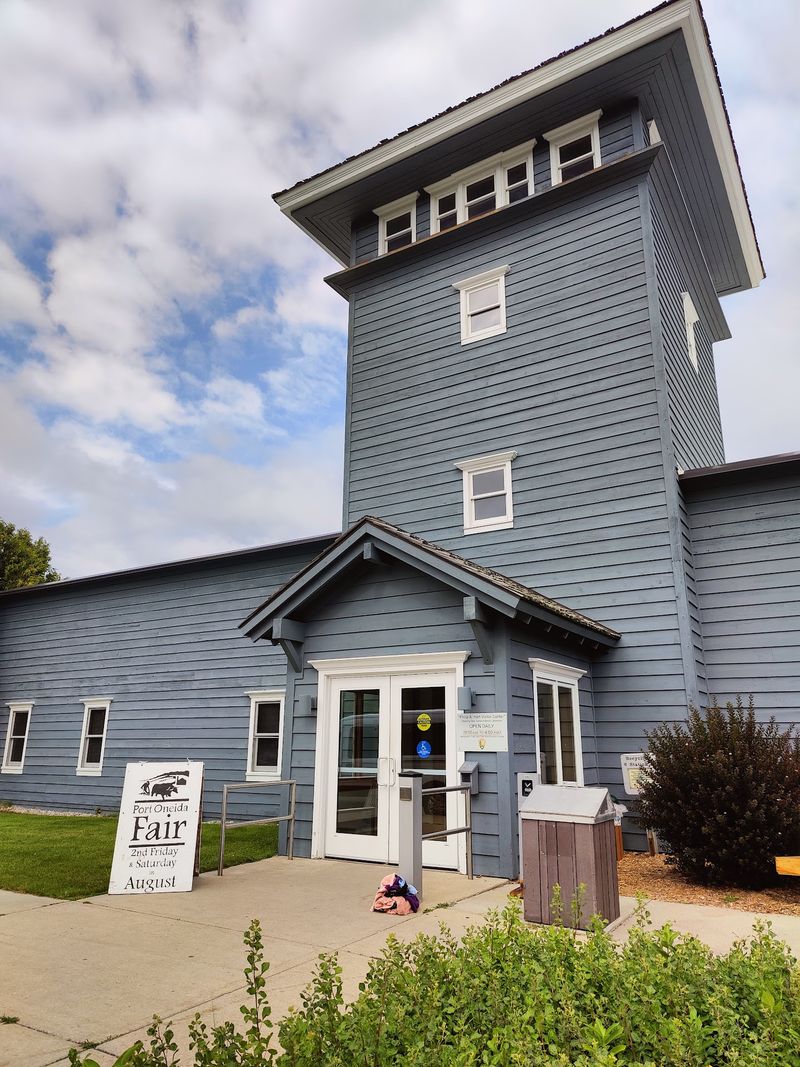
History hides in the barns and boathouses here. Glen Haven Historic Village preserves a lakeside town from the early 1900s.
You can visit the blacksmith shop and the Cannery Boathouse Museum. The boats inside offer a peek at how people once worked these waters.
Nearby, the Sleeping Bear Point Maritime Museum shares stories of lifesaving crews. These teams rescued sailors when storms battered ships along the coast.
Farther north, the Port Oneida Rural Historic District holds old farmsteads across rolling fields. A driving or walking tour lets you explore at your own speed.
The park also protects historic lighthouses along its shores. Northern Michigan winters were harsh, and these buildings helped guide ships safely.
Each of these places shows that people shared this land with bears and foxes, too. Farmers and fishermen lived alongside the same wild neighbors you might spot today.
Check with the visitor center about seasonal hours before you go. Some historic buildings open only during the warmer months.
Every Season Brings A New Wild Show

Winter might be the sneakiest season for wildlife watching. Fresh snow records every track, so you can follow the paths of deer, foxes, and snowshoe hares.
Groomed ski trails at spots like Alligator Hill make cold days fun. Bundle up and enjoy forests that feel wonderfully quiet.
Spring brings wildflowers across the park’s woods and meadows. It’s also when bears wake up hungry after winter.
Summer is beach time, with miles of Lake Michigan shoreline to explore. Inland lakes and rivers add more spots for paddling and cooling off.
Fall paints the hills in bright colors, which makes every drive feel like a postcard. Cooler air also means a more comfortable dune hike.
Want to stay overnight? Platte River Campground and D.H. Day Campground give you a base close to the action.
Sleeping Bear Dunes National Lakeshore welcomes visitors year-round, though some facilities close seasonally. Stop at the Philip A. Hart Visitor Center first and let the rangers point you toward the best season’s surprises.