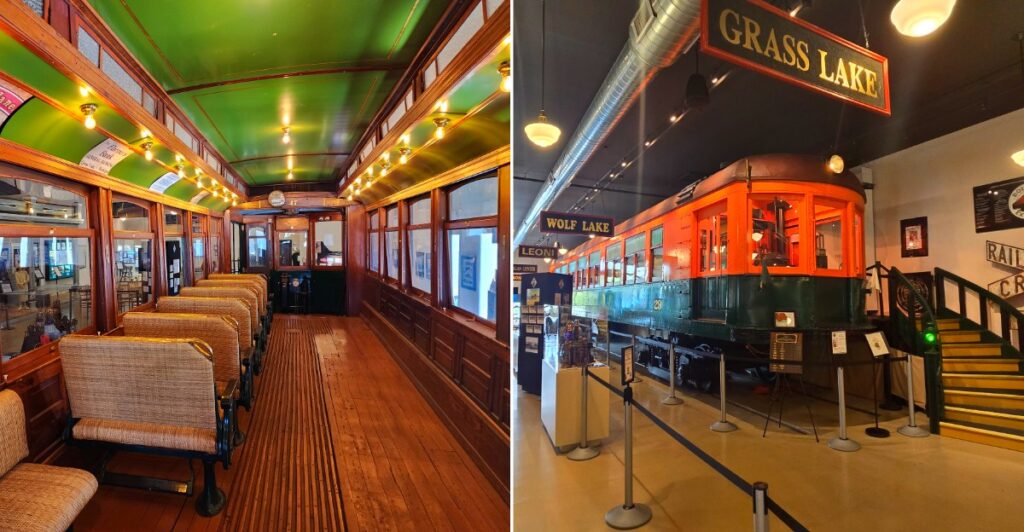
A restored antique railcar sits indoors here, and it still jolts and rumbles like it’s heading down the tracks. The windows show digitally enhanced historical footage. You feel the bumps of a journey that hasn’t run in about a century.
The ride retraces an old electric interurban route between two Michigan towns. Those humming passenger cars once linked communities across the southern part of the state. Then cars took over, and the whole system slowly vanished.
You can step inside real restored cars, ring into the past, and ask volunteer docents anything. Admission costs nothing at all.
I can’t imagine a cheaper ticket to the early 1900s. So what does a long-gone railway actually feel like from the inside? Turns out, you can find out in one afternoon.
One Very Rare Motor Deserves Your Full Attention
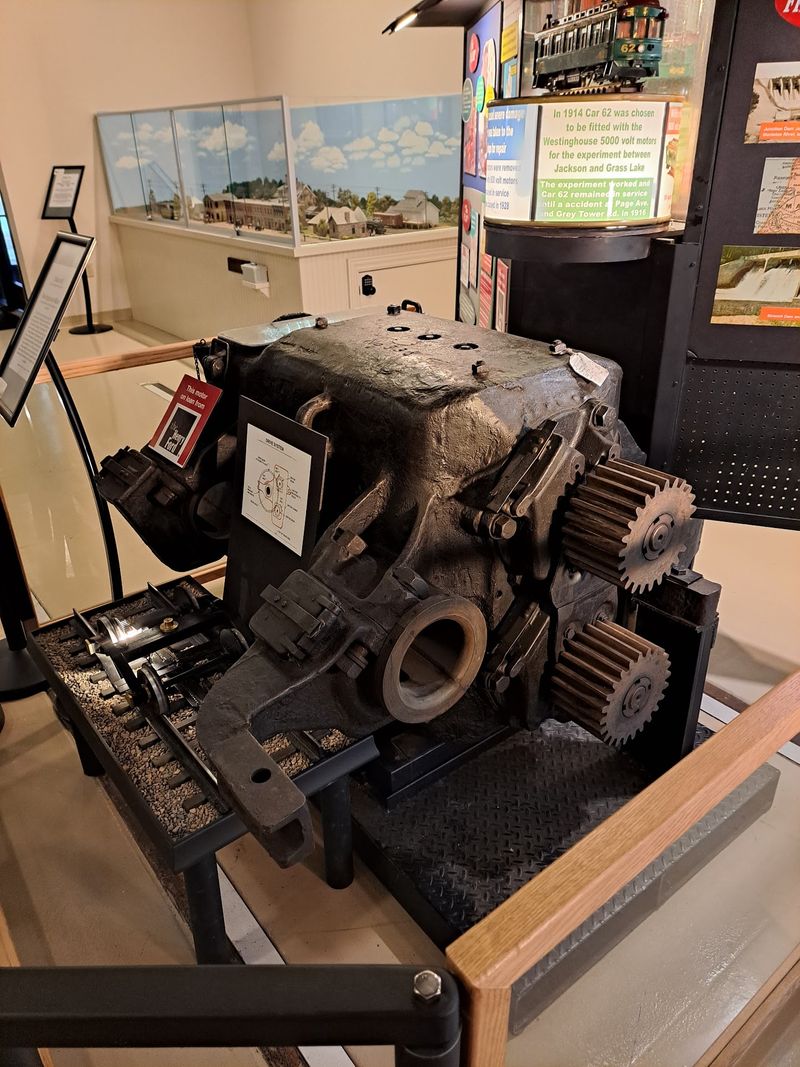
Only four prototypes of this machine were ever built. One of them now sits at the museum in Grass Lake.
It’s a rare 5000 Volt Motor, and it carries serious engineering history. The Henry Ford Museum gifted it to the Lost Railway Museum, which tells you how special it is.
Fans of motors and machinery will want to linger here. Even if you can’t explain voltage to save your life, the sheer size and rarity make it impressive.
Think of it as a peek behind the curtain of the interurban era. Those electric cars needed powerful equipment, and inventors were testing bold ideas.
That spirit of experimenting is what makes this piece fun. Engineers in that period were trying to push electric travel further and faster.
Bring curious kids over and ask what they think it did. Their guesses might be wild, and that’s a great opening for a real conversation.
Got questions of your own? Volunteer docents are often around and happy to share details. A rare artifact paired with a good explanation beats a plaque any day.
Michigan Avenue Takes You Back To The Railway
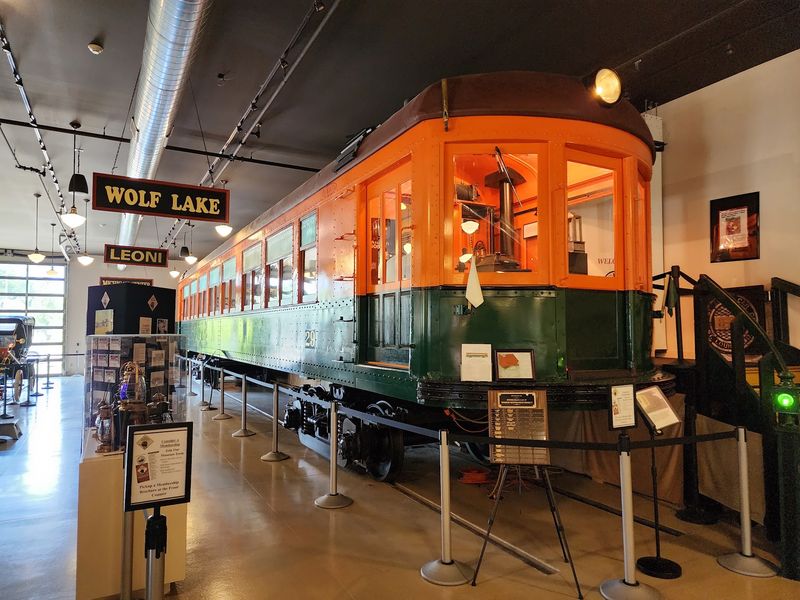
The Lost Railway Museum sits on West Michigan Avenue in Grass Lake, Michigan. Leave Interstate 94 for the village and head toward the historic downtown corridor.
The museum occupies a downtown building along Michigan Avenue, close to the village’s railroad heritage sites. Look for the Lost Railway Museum entrance rather than an operating passenger station.
Use permitted downtown parking and walk to the museum entrance. Check opening hours before arriving for the Boland Express experience.
Step Inside Car #47 And Admire Years Of Patient Work
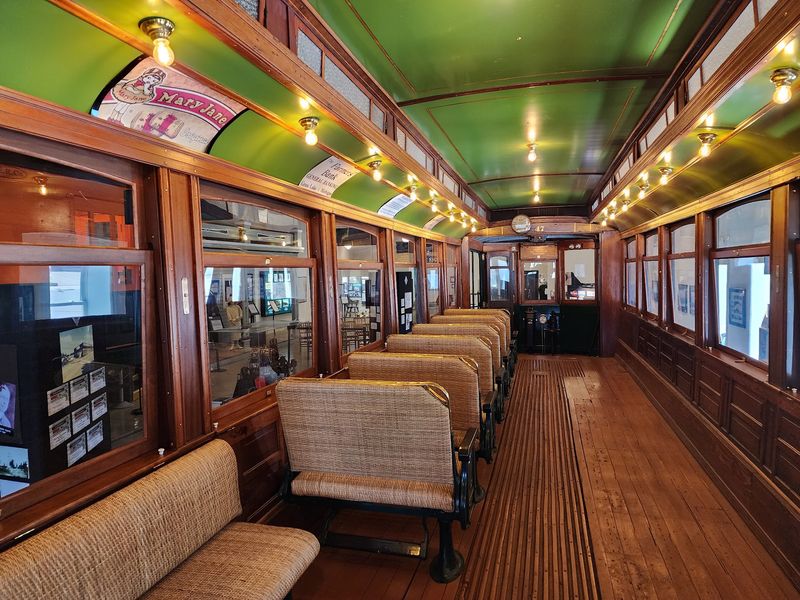
Restoration takes time, and Car #47 proves it. The car arrived at the museum in May 2017, just in time for the grand opening.
Volunteers kept working on it for years afterward. Its restoration was finally completed in 2022, so the finished car you see today reflects a long labor of love.
Here’s the best part. You don’t just stand behind a rope and squint at it.
The Lost Railway Museum lets visitors step inside its restored interurban cars. That means you can stand where passengers once stood and get a feel for the space.
Look around at the seats, the windows, and the layout. Then think about riding this to the next town for groceries or a visit with relatives.
Kids especially tend to light up when they’re allowed aboard real history. It turns a quiet museum stop into something closer to an adventure.
Take a moment to appreciate the volunteer effort, too. Bringing an old electric railcar back to life is no small project, and the result is worth a careful look from every angle.
Meet The Railway That Michigan Simply Misplaced
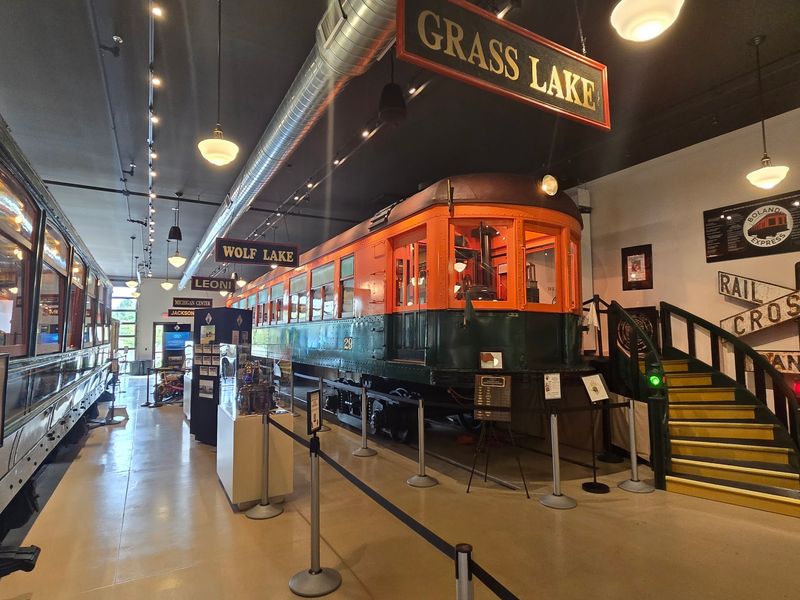
Early 1900s travelers in southern Michigan didn’t always need a horse or a brand-new car. Many simply hopped on an interurban, an electric passenger railway that linked town after town.
These cars connected places like Ann Arbor, Jackson, Battle Creek, and Lansing. More than six interurban lines once crossed Jackson County alone, which is a lot of humming wire for one county.
People rode them for shopping trips, errands, and connections to bigger cities. For small communities, the interurban was a real lifeline to the wider world.
So where did it all go? As automobiles grew popular, riders drifted away, and the lines slowly disappeared.
That fade explains the word “lost” in the museum’s name. An entire transportation network that shaped daily life became almost forgotten within a few decades.
I believe that’s the most surprising part of the story. Most of us assume cars always ruled the roads, but there was a time when electric rails did much of the heavy lifting.
Knowing this backstory makes every exhibit click. Give yourself a few minutes with it before wandering further in.
A Tiny Downtown Hides A Big Surprise
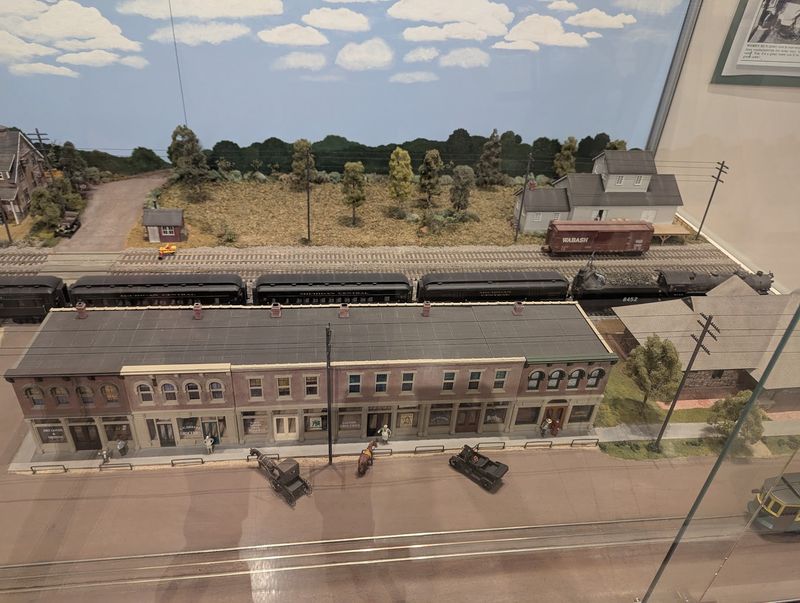
Miniature worlds have a funny way of making grown adults lean in close. The model layout here is no exception.
It recreates the north side of Michigan Avenue in downtown Grass Lake between 1900 and 1910. Historic buildings line the scene in careful detail.
Behind those buildings runs a miniature Michigan Central Railroad line. And look closely, because a replica of Car #47 moves through the tiny downtown.
That little moving car is the detail that hooks people. You’ve just seen the full-size Car #47, and now you can watch its mini twin roll past.
The model also helps you picture the town as it once was. Real streets, real buildings, and real rail lines all appear at a scale you can take in at once.
Fun fact: the museum’s own address sits on that same avenue. So you’re studying a street you literally parked on.
Spend a few minutes spotting details. Kids can hunt for the moving car while adults compare old storefronts to what they passed outside. It’s history you can stare at without blinking.
Hands Are Welcome Here, Which Is Rare For A Museum
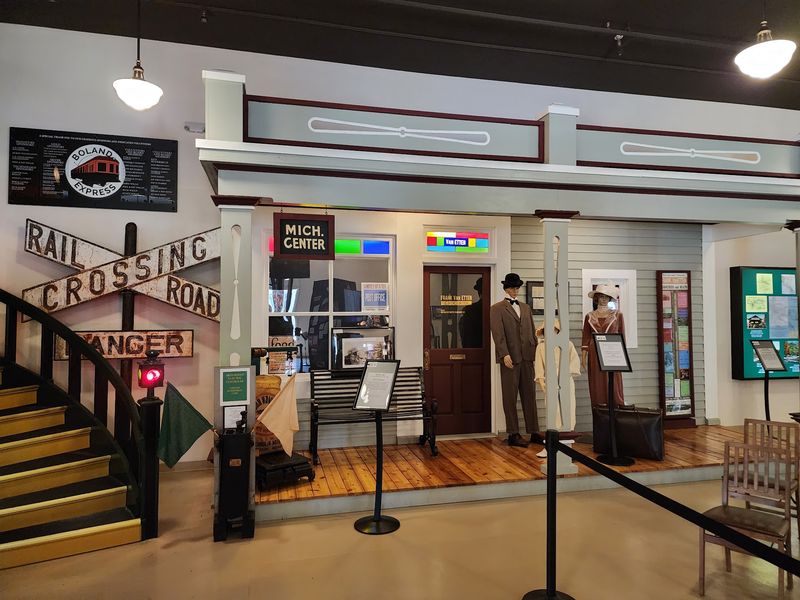
Plenty of museums feel like one long list of things you can’t touch. This one flips that idea around.
The exhibits at the Lost Railway Museum are designed to be hands-on. Interactive displays and “moving stories” invite you to engage instead of just reading signs.
That’s great news for families. Kids who usually wilt after ten minutes in a museum get plenty to do with their hands and eyes.
Adults benefit, too. Learning sticks better when you can interact with it, even if you’re well past sixth grade.
The displays show how transportation changed in the early 1900s and how it shaped life in this corner of Michigan. Big shifts become easy to grasp when you can explore them up close.
A short introductory video often helps set the stage. Watching it first gives the rest of the exhibits helpful context.
My advice? Let curiosity lead the way. Wander, try things, and ask questions as they pop up. A free museum built for touching and exploring is a pretty generous gift to anyone with restless kids or a curious mind.
Free Admission Means You Can Spend That Money On Souvenirs
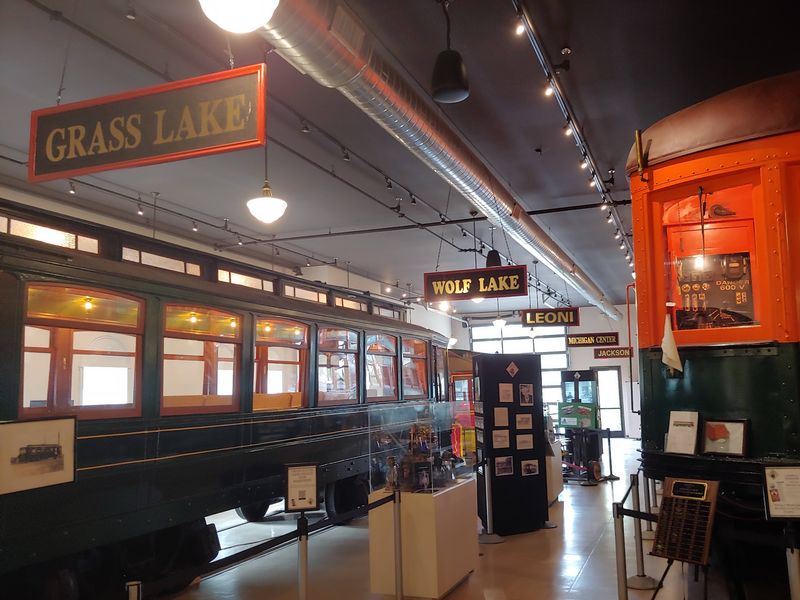
Zero dollars. That’s the price of admission, and it’s a pretty hard deal to beat.
The museum runs on a free-entry model, though donations are encouraged. Those gifts help support upkeep and ongoing restoration efforts.
Cash donations are accepted on-site, and online giving is another option. If you enjoy your visit, chipping in helps the next railcar get its turn in the spotlight.
Since the museum is volunteer-driven, every bit truly matters. Restoring antique railcars takes materials, skill, and plenty of time.
Before you leave, swing by the gift shop. It’s a handy spot to pick up a souvenir for the train fan in your life.
Little ones especially might appreciate a keepsake from their “ride” on the Boland Express. A small memento can keep the excitement going all the way home.
Grandparents, take note, too. A free outing that delivers history, a simulated train trip, and a gift shop stop makes for an easy win with grandkids.
So go ahead and budget for a donation and a treat. Your wallet will still feel lighter on guilt than on cash.
Plan Your Trip Around These Midweek-Friendly Hours
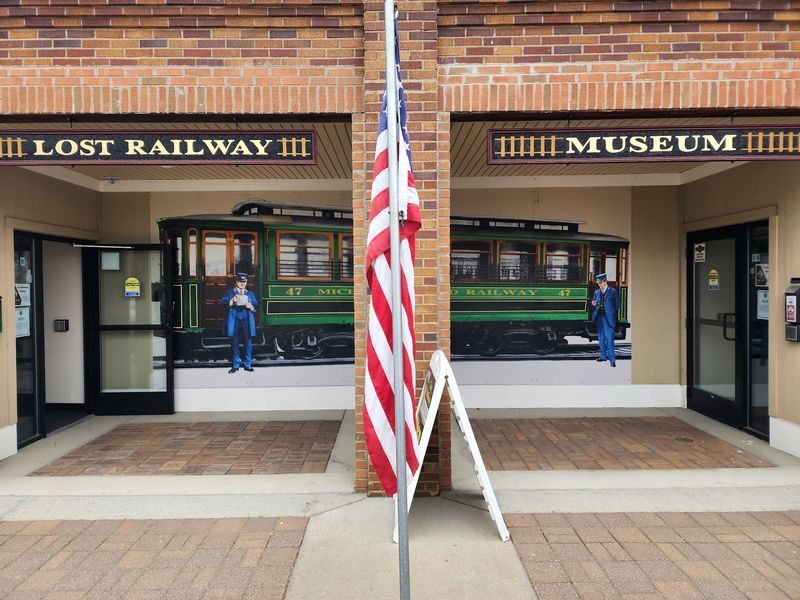
Timing matters with this one, so mark your calendar. The museum is open Wednesday through Saturday from 10 a.m. to 4 p.m.
Sunday through Tuesday, the doors stay closed. Hours can shift for holidays and special events, so checking ahead is smart.
You’ll find it at 142 West Michigan Avenue, Grass Lake, Michigan 49240. Grass Lake is a village in Jackson County with a classic small-town main street.
Travelers on I-94 can make it a quick detour. It’s an easy way to break up a long drive across southern Michigan.
Plan on about an hour or so for a relaxed visit. That leaves time for the video, the exhibits, the cars, and the virtual ride.
Bringing a group? Guided tours can be scheduled ahead, usually with a minimum donation per guest. It’s a good fit for clubs, classes, or a big family outing.
Arriving earlier in the day gives you a calmer pace. Then you can grab lunch in town afterward and call it a well-spent afternoon on the old interurban line.
Throw A Party Next To Real Railway History
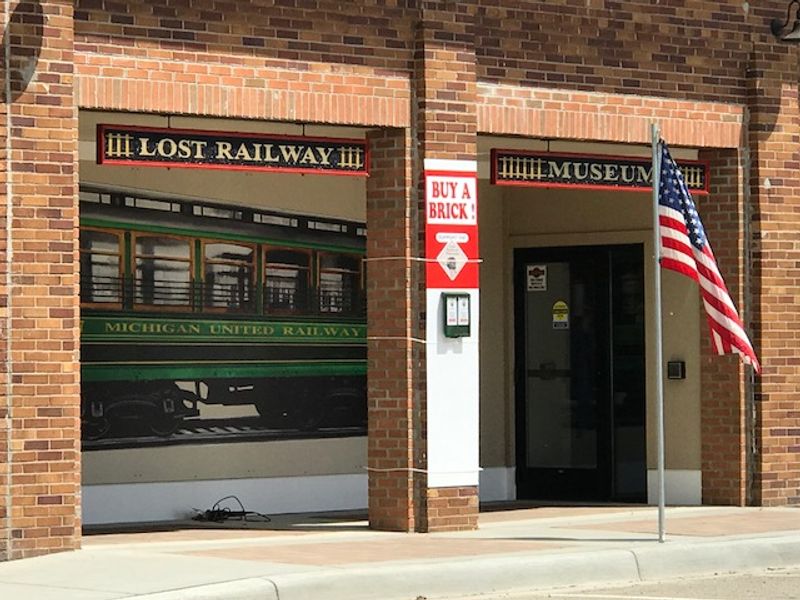
Birthday parties usually happen at pizza places or bowling alleys. Here’s a more unusual option for your next celebration.
The Lost Railway Museum offers a banquet room for rent. It works for parties, receptions, showers, birthdays, and anniversaries.
The room fits groups of roughly 20 to 60 people. That’s a comfortable size for family gatherings or a decent crowd of friends.
Audio-visual equipment is included, which helps with slideshows or speeches. Access to a caterer’s kitchen makes serving food a lot easier.
Rentals for events outside regular museum hours have their own rates. Reaching out ahead of time will help you sort out the details.
Picture the bonus for guests who love trains. A party near restored interurban cars beats yet another plain community hall.
It’s also a neat way to support the museum. Rental income helps a volunteer-run place keep its exhibits growing.
Keep an eye on new displays, too, since the collection keeps evolving. Whether you’re there for cake or Car #29, this Michigan museum gives everyone a reason to come back for another ride.