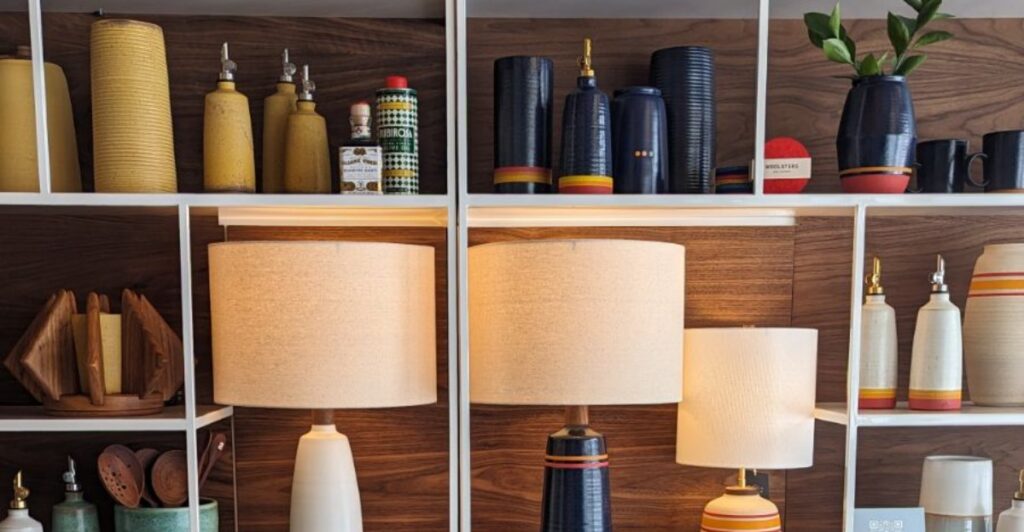
The recyclable aluminum can traces its inspiration back to one brick factory in Colorado. That same factory spent over a century turning clay into fine dinnerware, laboratory equipment, and advanced technical ceramics.
Now the old factory campus is getting a bold, carefully planned second life. Its 1916 brick facade still stands tall along the street, and features from the former kilns stayed put too.
I love that nobody bulldozed the story here. Crews dug up old artifacts during construction, and the Coors family archivist carefully saved every piece for future display.
The first new building now runs on geothermal wells reaching 500 feet underground, with solar panels on the roof. I honestly can’t imagine a better mix of old grit and fresh, clever ideas, so what does a pottery factory become next?
It All Started With A Pottery Dream And A Generous Backer
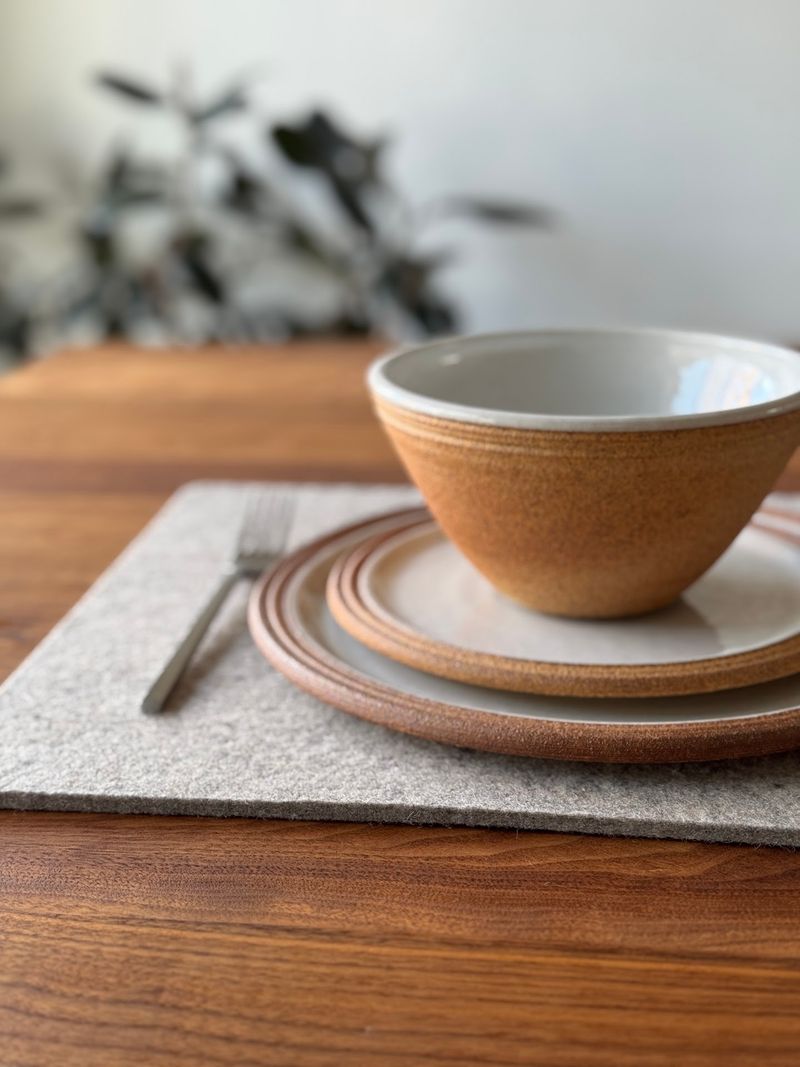
John Herold had a pottery dream in 1910, and Adolph Coors had the money to back it. Together they launched the Herold China and Pottery Company on this Golden hillside.
Today that same ground is called Clayworks, and its first finished building carries a fitting name. Clayworks (The Pottery) keeps the old clay story front and center.
Coors bought the company outright in 1914. By 1920, it had a new name, Coors Porcelain Company, and a much bigger future.
For more than a century, the site worked as an economic engine for Golden. Workers turned out fine dinnerware, laboratory equipment, and advanced technical ceramics.
That range is pretty wild when you think about it. The same campus that made plates for dinner tables also made gear for science labs.
I like knowing the roots before exploring a place. It turns a walk past old brick into a walk through Colorado manufacturing history.
The Coors family’s real estate company now leads the redevelopment. So the story stays in the family, just with a very different next chapter.
Those 1916 Bricks Refused To Retire, And Good For Them
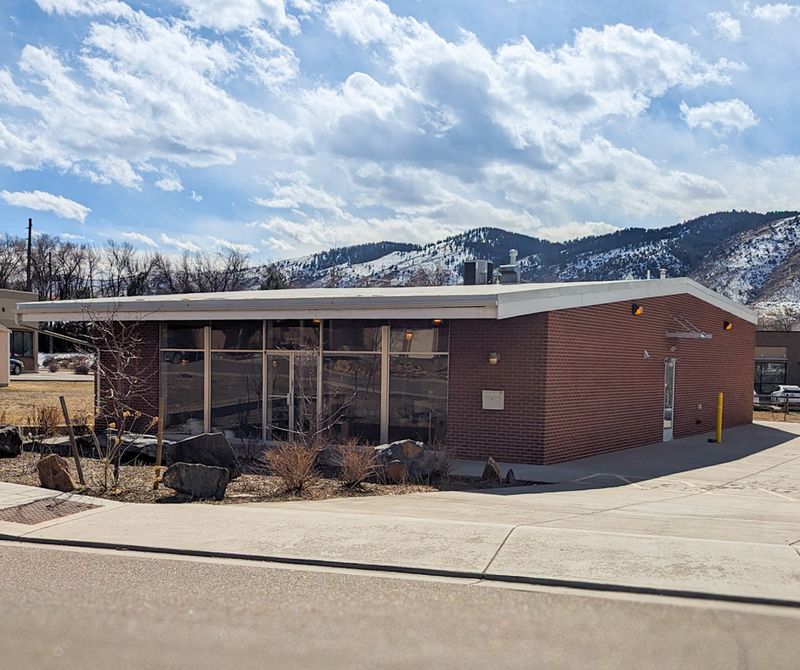
Bricks laid in 1916 are still doing their job along Ford Street. The historic facade survived the makeover, and losing it would have been a real shame.
Clayworks leans hard into adaptive reuse. That means keeping old structures and features instead of starting from a blank slate.
Features from the former kilns made the cut too. Those kilns once fired the clay that built this site’s reputation, so keeping them feels right.
Then there are the buried treasures. Crews uncovered artifacts during construction that reflect the property’s long industrial life.
The Coors family archivist collected those finds. The plan is to display them within Clayworks in the future, so keep an eye out.
My advice is simple: slow down on Ford Street. Look up at the brickwork and think about how many workers passed through those walls.
New developments often feel like they could be anywhere. This one wears its history right on the front, which gives it real personality.
It’s a great reminder that old buildings can carry new purpose. The brick stays put while everything behind it gets a fresh start.
Your Recycling Bin Owes This Hillside A Thank-You Note
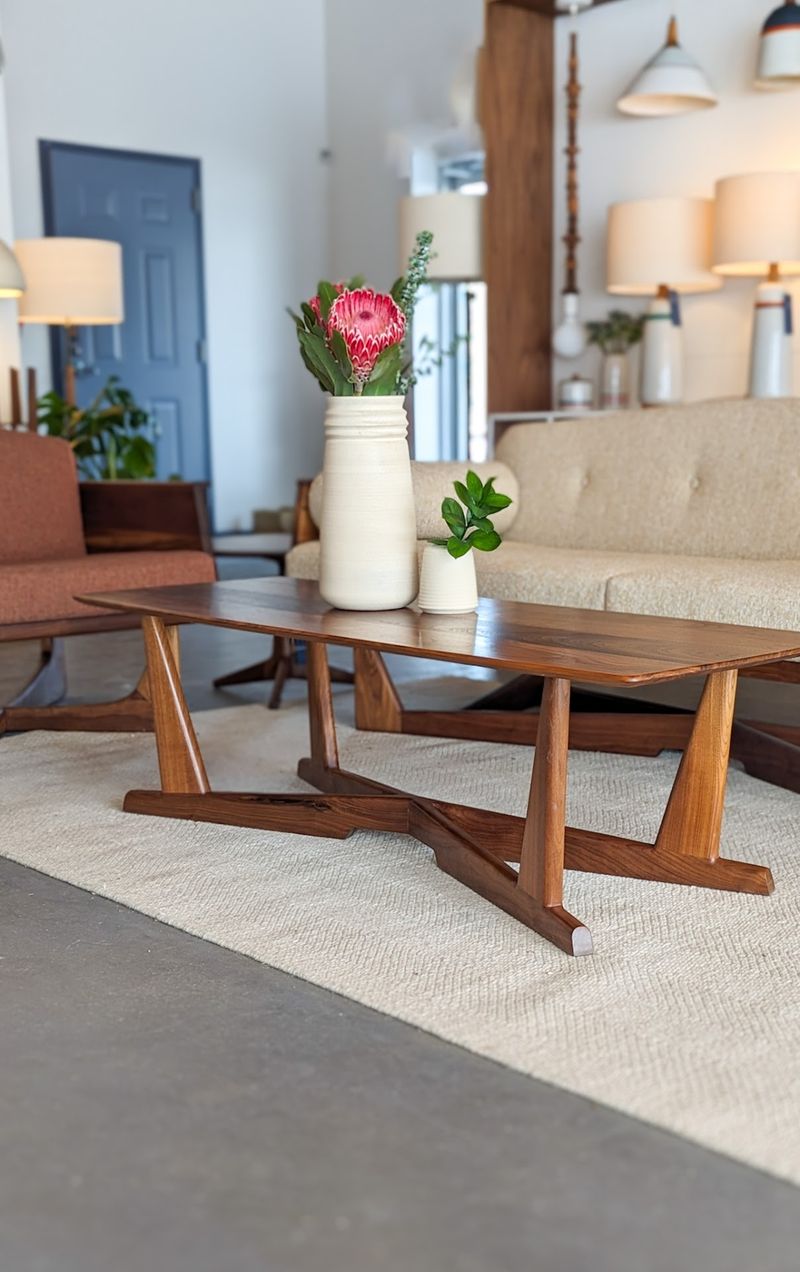
Here’s a fun one for your next trivia night. The idea for the recyclable aluminum beverage can traces back to this very site in 1959.
Yes, a pottery factory helped inspire one of the most recycled items in your kitchen. Innovation clearly ran deep on this Golden campus.
The company kept pushing into new territory over the decades. It moved from dinnerware into lab equipment and then into advanced technical ceramics.
That spirit of trying new things is part of why the redevelopment makes sense. Clayworks frames itself as continuing that legacy for the next generation.
Remember that the next time you toss a can into the recycling bin. A small piece of that story started right here in Colorado.
I believe places like this deserve more credit. Big ideas don’t always come from glossy labs in giant cities.
Sometimes they come from a brick factory at the edge of the foothills. That makes a stroll around Clayworks feel a little like visiting an inventor’s workshop.
Bring that fact along when you visit with kids. It’s a great way to make history feel real and surprisingly close to home.
The Real Power Source Sits 500 Feet Below Your Shoes
Forty-two wells plunge 500 feet underground beneath this campus. They feed a geothermal system designed to meet approximately 80 percent of The Pottery building’s heating and cooling needs.
The building runs fully electric from top to bottom. Up top, a 180-kW solar array soaks up that famous Colorado sunshine.
The goals are big here too. The Pottery is targeting both LEED Gold and WELL Gold certifications.
LEED focuses on green building performance. WELL looks at how a building supports the health and comfort of the people inside.
Zoom out and the ambition grows. The overall Clayworks district aims for a comprehensive zero-carbon target as it builds out.
I find it kind of poetic. A site that once relied on fiery kilns now uses a geothermal system to help heat and cool its new office building.
For curious visitors, this is a neat talking point while strolling the grounds. Most of the system stays out of sight, which is part of its charm.
Kids who love science may get a kick out of it. Ask them to guess how deep 500 feet really is.
It’s roughly the height of a 45-story skyscraper, flipped upside down. That’s a fun mental picture for any road trip.
Fresh Coffee Is Brewing Where Clay Once Fired
Coffee is coming to the old pottery, and the timing feels perfect. Sweet Bloom Coffee Roasters is building out the first retail space in The Pottery.
You’ll find it at 800 Ford Street, Suite 102, Golden, CO 80401. The shop is expected to open before the end of 2026.
Sweet Bloom has earned recognition as a top coffee roaster. Landing it as the very first retail tenant sends a clear signal about quality.
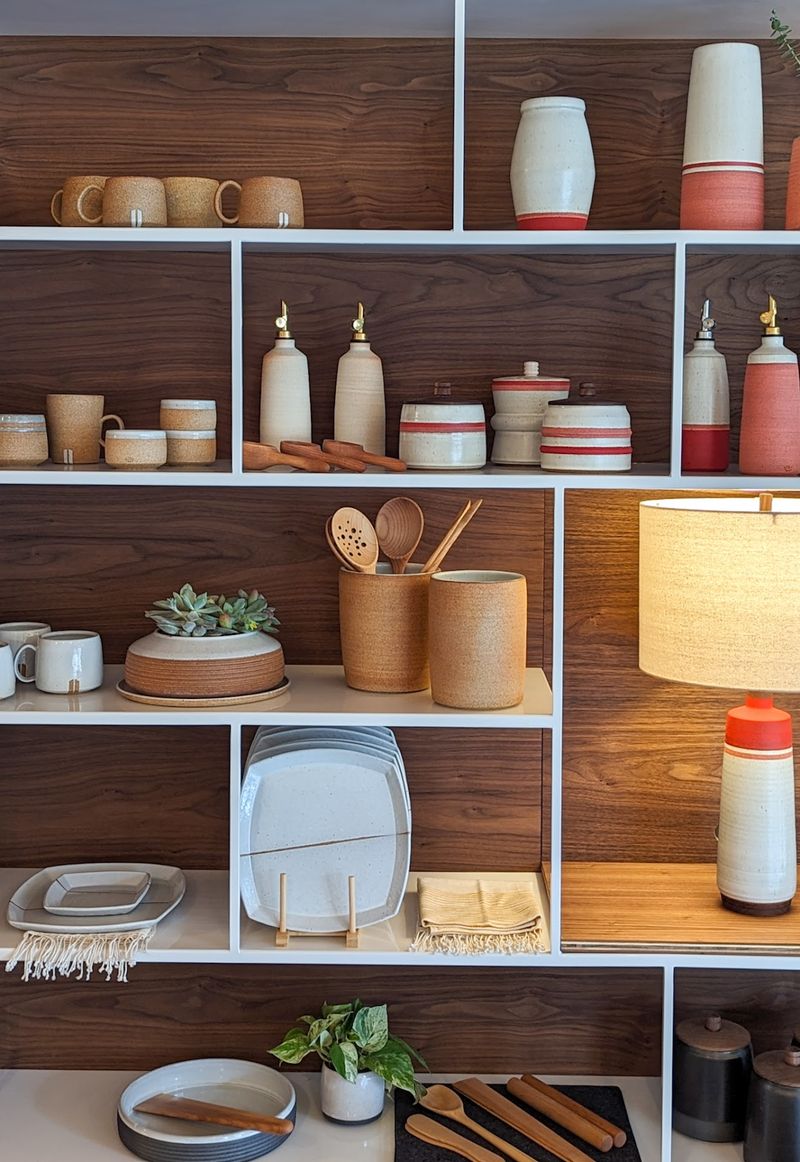
It feels fitting to see mugs filling up where ceramics were once made. A clay factory serving coffee is a story that practically wrote itself.
Check before you go, since opening dates can shift during construction. A quick look at the shop’s social pages should clear things up.
More food is on the way too. Ground-floor retail and restaurant spaces in The Pottery are available for lease, with infrastructure ready for food operators.
That means today’s coffee stop could grow into a full lineup of bites. I’m already curious about who will sign on next.
For now, plan a short visit around the plaza and the building exterior. Then circle back once the espresso machines start humming.
A New Plaza And Fresh Streets Make Wandering Easy
Open space came early in this project, which is a smart move. The Clayworks plaza is complete and ready to serve as a community gathering spot.
Its landscaping takes cues from Colorado itself. That gives the plaza a local feel instead of a generic office-park look.
Getting around got easier too. New streets, including 8th Street and an extension of 9th Street, are finished and open to the public.
Those connections help stitch the campus into downtown Golden. For a century, this ground belonged to factory work, not afternoon strolls.
The master plan calls for even more. Future promenades, plazas, and rooftop patios could host live music, events, and art.
The hillside slopes south, which brings in natural sunlight. It also opens up views over Golden, a nice bonus for anyone pausing outside.
My tip is to treat the plaza as a starting point. Take in the landscaping, then wander the new streets at your own pace.
It’s free to enjoy, and it hints at what this neighborhood wants to become. Call it a sneak preview with fresh air included.
The Original Makers Came Back Home, And That Says A Lot
Talk about a homecoming. CoorsTek moved its global headquarters back to the original campus in October 2026, bringing 165 employees along.
The company lives in The Pottery, the 188,600-square-foot building at the heart of phase one. First tenants arrived in mid-September 2026, just ahead of completion.
CoorsTek grew from the same roots as the old porcelain company. So its return feels less like a move and more like a family reunion.
I like that the original makers came back. Plenty of redevelopments erase the past, but this one invited it back inside.
Having a big employer on site matters for a new district. Workers need coffee, lunch, and places to unwind, which helps future shops find footing.
For visitors, keep in mind that this is a working office building. Respect private areas and enjoy the public spaces outside.
The bigger picture is pretty inspiring. A century-old Colorado company chose to plant itself right back where it started.
That kind of loyalty is rare in business. It also makes The Pottery feel like much more than another shiny office.
A High School Turned Hotel Is Just Part Of The Plan
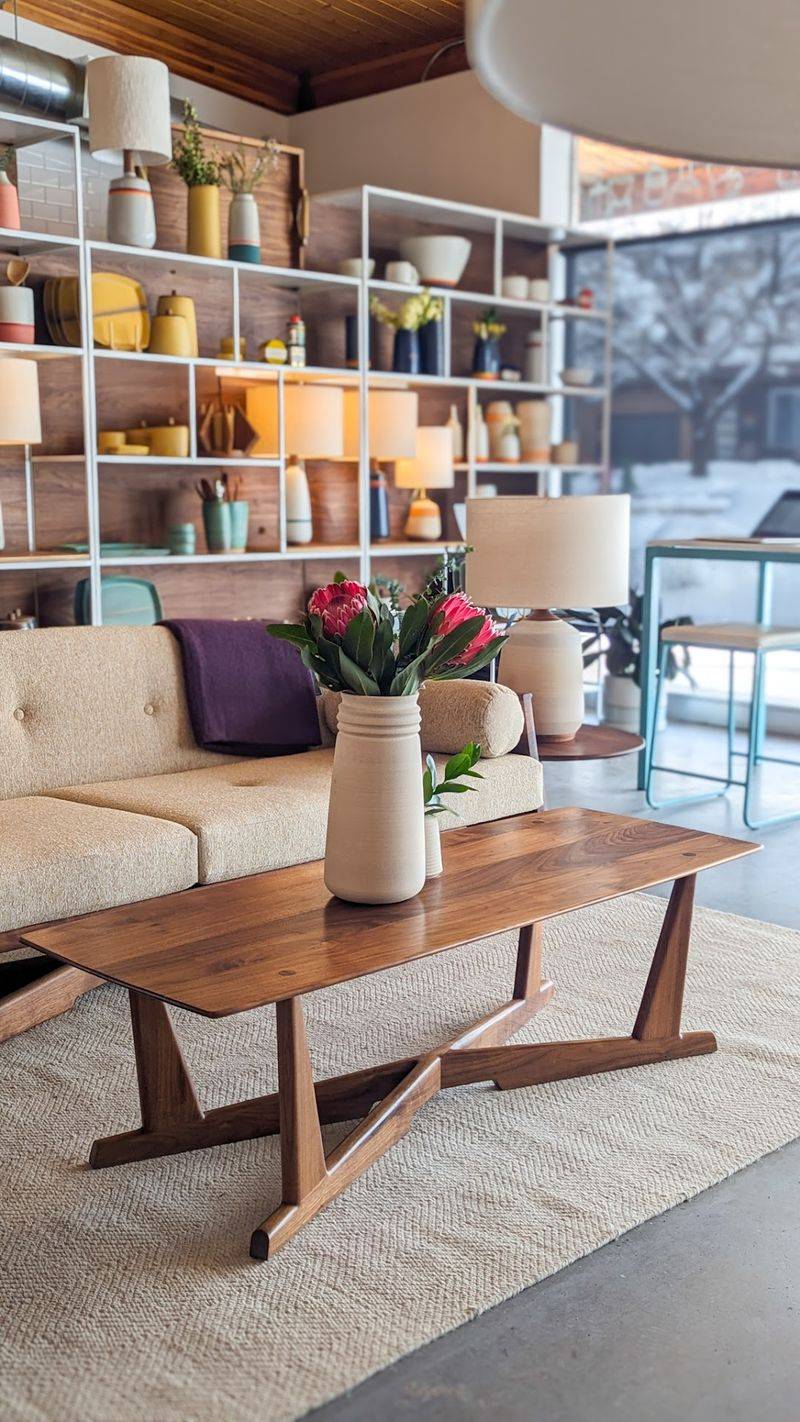
A high school might become a hotel, and that’s not a typo. Plans call for a boutique hotel that reuses the historic Golden High School.
That’s just one piece of a long game. Clayworks will roll out future phases over the next eight to ten years.
Expect more office buildings along the way. For-rent apartments are part of the plan too, with 10 percent set aside as affordable housing.
Shops and restaurants round out the vision. The goal is a true mixed-use neighborhood where people live, work, and hang out in one spot.
Patience will pay off here. Much of this district remains in progress, so each visit could look a little different from the last.
I find that part exciting rather than frustrating. Watching a neighborhood grow in real time is a show most travelers never get to see.
The affordable housing piece deserves a shout-out. It helps make sure the new district includes room for more than just a few lucky folks.
Keep this one on your list for repeat trips. Today’s construction zone could become tomorrow’s favorite weekend hangout.
Art, Trails, And Mountain Views Round Out The Visit
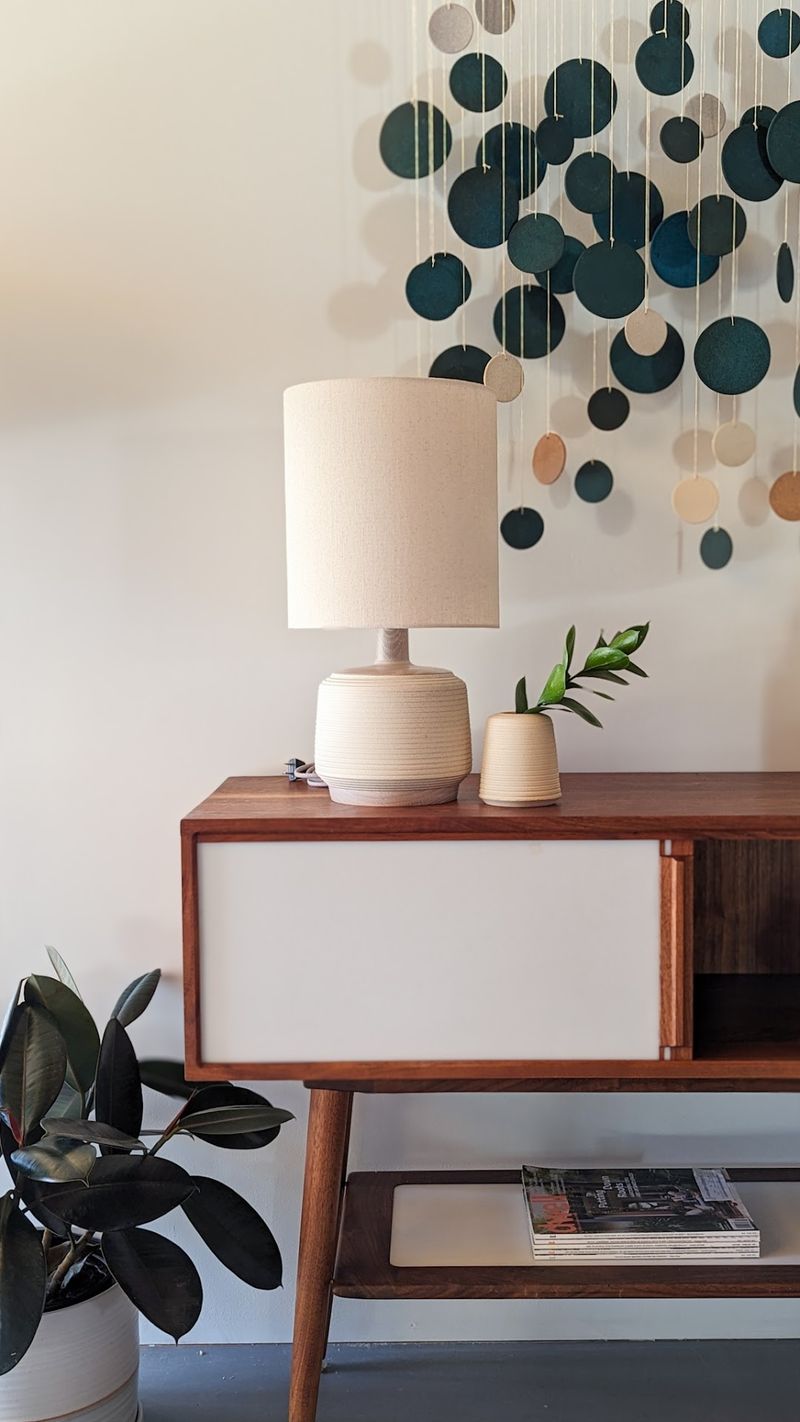
Craft built this place, so it makes sense that art sits at the center of its future. Clayworks plans a robust public art program across the district.
The vision ties together craft, sustainability, and community. It also aims to support a thriving arts scene, which suits a former pottery perfectly.
Outdoor fans get a bonus. Clayworks connects to nearby favorites like the Clear Creek Trail, so a walk or bike ride fits easily into a visit.
Golden makes a great home base in Colorado. The district sits right in downtown, close to the heart of this foothills town.
Pair a stop at Clayworks with time along the creek. Then stroll back through the plaza and check out the historic brick on Ford Street.
I can’t think of a better way to spend a sunny afternoon. You get history, fresh air, and a peek at what’s coming next.
Art installations should grow as the project grows. That gives you one more reason to come back and see what’s new.
Clay once shaped this hillside’s past. Now creativity of every kind gets a shot at shaping its future.