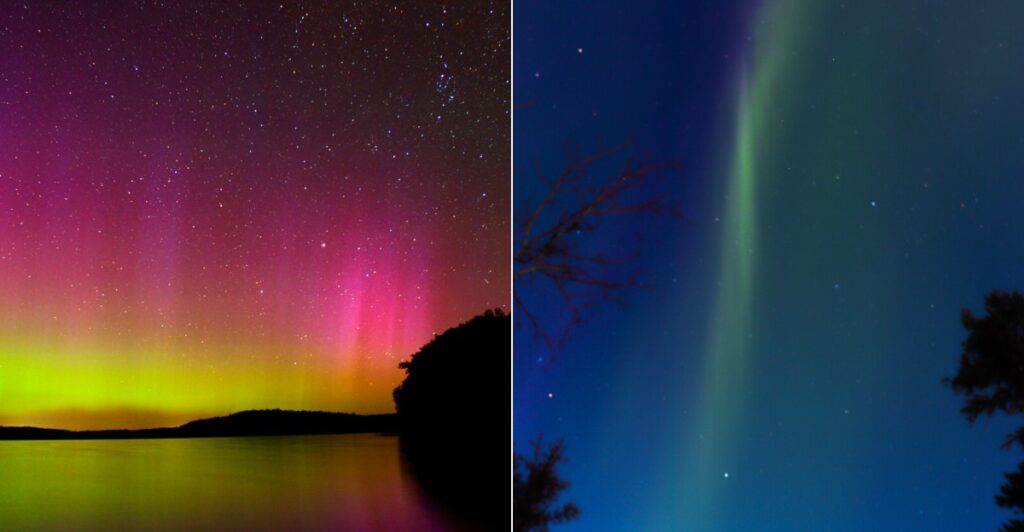
One park near the top of the Lower Peninsula stays open 24 hours a day, all year long, just so people can stare at the dark. When it earned its title in 2011, it became one of the first ten International Dark Sky Parks in the world.
That fact stopped me in my tracks. I always figured you needed a plane ticket to Alaska or Iceland to see the aurora dance.
Turns out Michigan has a serious lineup of dark places along its Great Lakes shores. A few are wild state parks where you hike or paddle in. Others have towering dunes, sandstone cliffs, or even a roaring waterfall.
The recipe is pretty simple: a clear night, a solar storm, and an open view to the north. I love that the hardest part might be staying awake. So where should you set up your lawn chair?
Headlands International Dark Sky Park
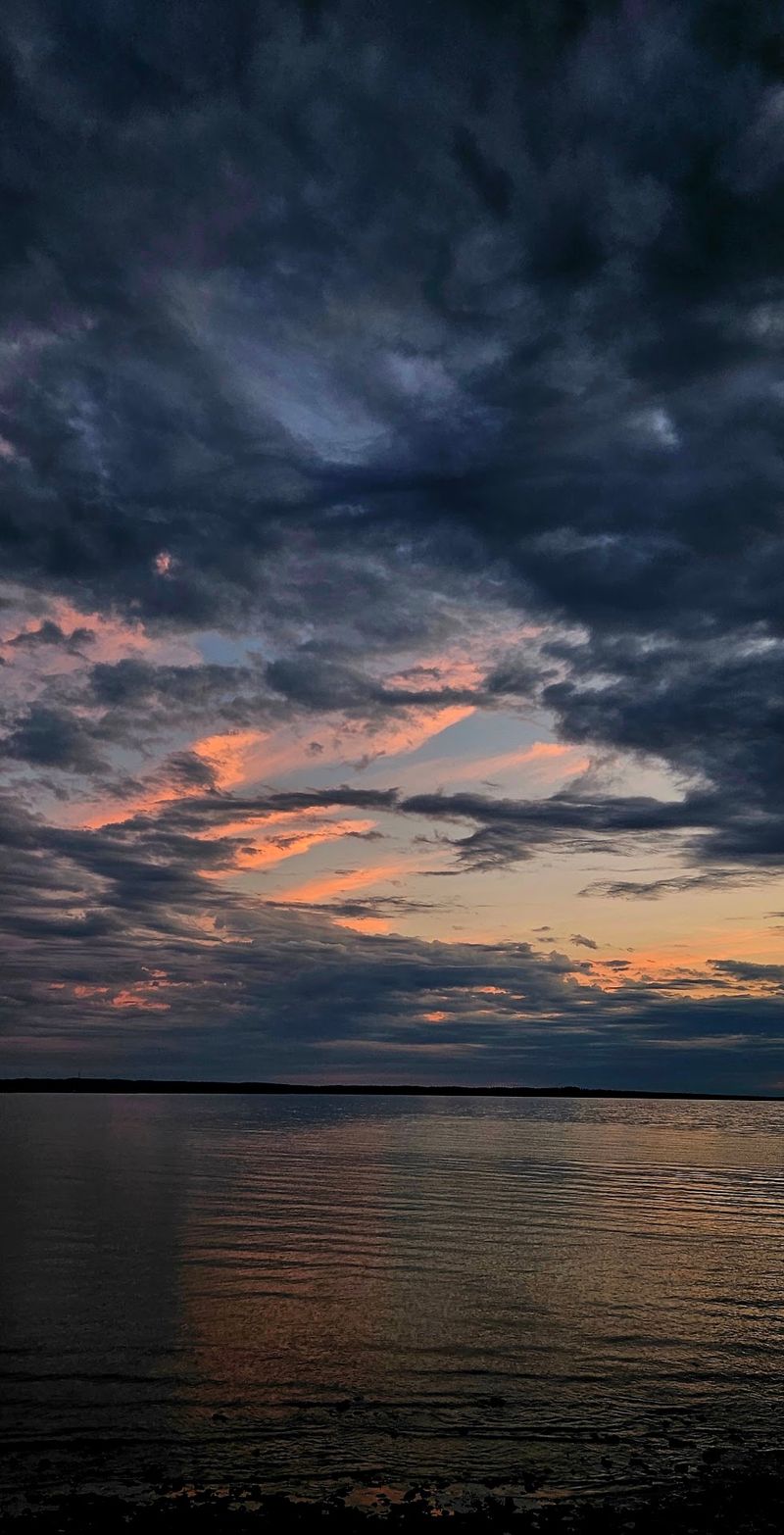
Most parks lock the gates at sunset, but this one basically flips off the porch light and invites you in. Headlands International Dark Sky Park stays open 24 hours a day, all year long.
Back in 2011, it became one of the first ten International Dark Sky Parks in the world. That’s a big honor for a stretch of woods near the Straits of Mackinac.
The park covers about 600 acres. You also get more than two miles of undeveloped Lake Michigan shoreline, so no hotels or streetlights glow along the water.
For aurora hunting, that shoreline is your best friend. The Northern Lights usually show up low on the northern horizon, so an open view over the lake matters a lot.
About five miles of trails wind through the park too. Walk them in daylight first so you know the paths before heading out after dark.
A red flashlight is a smart pick for the trip. Red light helps your eyes stay adjusted, and other skywatchers will thank you.
Give your eyes 20 to 30 minutes to fully adapt. Faint auroras can look like pale gray clouds at first, and then your phone camera reveals the green.
Check the aurora forecast before you leave home. The Kp index from NOAA’s Space Weather Prediction Center gives a handy clue about how far south the lights might reach.
Dress warmer than you think you need. Lake winds at night can surprise you, even in summer.
Address: 15675 Headlands Rd, Mackinaw City, MI 49701
Dr. T.K. Lawless Park
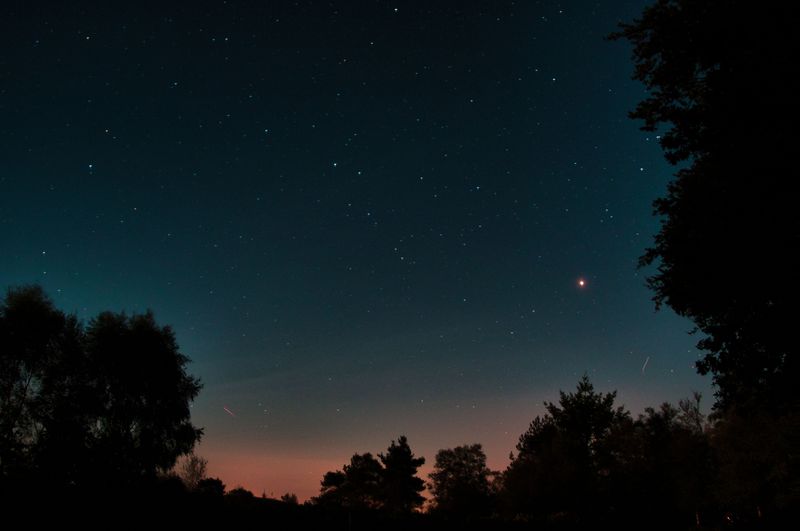
Southwest Michigan isn’t usually where people go hunting for pitch-black skies. Dr. T.K. Lawless Park in Cass County changed that story when it became an International Dark Sky Park in 2020.
The park spreads across about 820 acres of nature. That’s plenty of room to escape the glow of nearby towns.
Timing takes a little planning here. Regular hours run from dawn to dusk, with special hours set for stargazing events.
So keep an eye on the park’s event schedule. Those nights give you a welcome, official way to stay after dark.
Auroras do reach this far south sometimes, though it takes a stronger solar storm. When the forecast looks big, a southern dark sky spot can save you a four-hour drive north.
Daytime visits have their own perks. The park offers hiking trails, cross-country skiing, and sledding hills.
A winter afternoon of sledding followed by a stargazing event sounds like a pretty great family day. Just pack hot cocoa and extra mittens.
Before your trip, download a stargazing app. It can help you name planets and constellations while you wait for the sky to do something wild.
Patience is the real skill with auroras. They can flare up, fade, and come back within an hour.
Phone cameras often catch color your eyes miss. Try a night mode setting and lean the phone against something steady.
Address: 15122 Monkey Run St, Vandalia, MI 49095
Port Crescent State Park
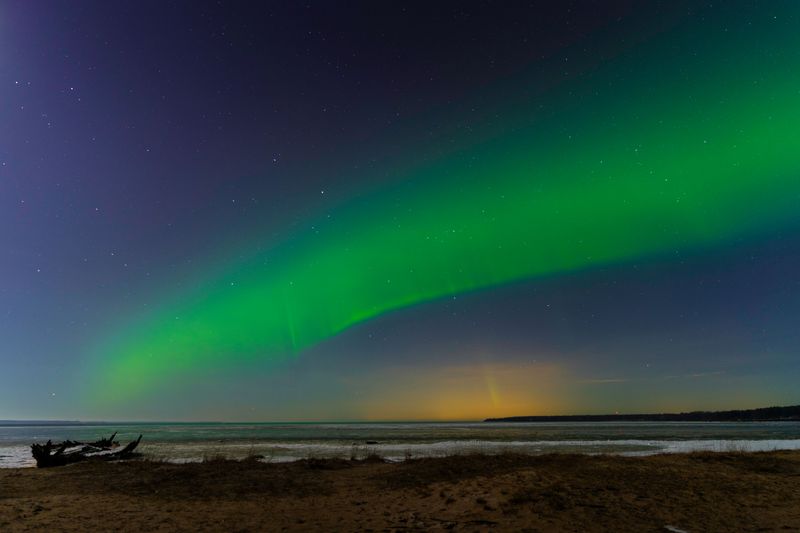
Michigan’s mitten has a thumb, and the very tip of it might be one of the best aurora seats around. Port Crescent State Park sits right there on Lake Huron in Port Austin.
It’s a designated Michigan Dark Sky Preserve. The park also has about three miles of sandy shoreline.
Facing north over Lake Huron gives you a wide-open view. That’s exactly where the Northern Lights like to show off.
The park has a boardwalk and an observation deck. Both make handy spots for setting up a camera or a camp chair.
Camping here is part of the fun. Options include camper cabins and geodesic domes, which are round shelters that look a bit like tiny planetariums.
Sleeping on-site is a big win for aurora chasing. The best displays often happen late at night, so a short walk beats a long drive home.
Set an alarm for sky checks around midnight and later. Space weather doesn’t care about your bedtime.
Bring bug spray in the warmer months. Beaches near water can get buggy once the sun drops.
A tripod is worth packing if you want photos. Long exposures can turn a faint glow into bold green ribbons.
Look for meteors and the Milky Way while you wait. Even on a quiet aurora night, the stars put on a decent show.
Address: 1775 Port Crescent Rd, Port Austin, MI 48467
Lake Hudson Recreation Area
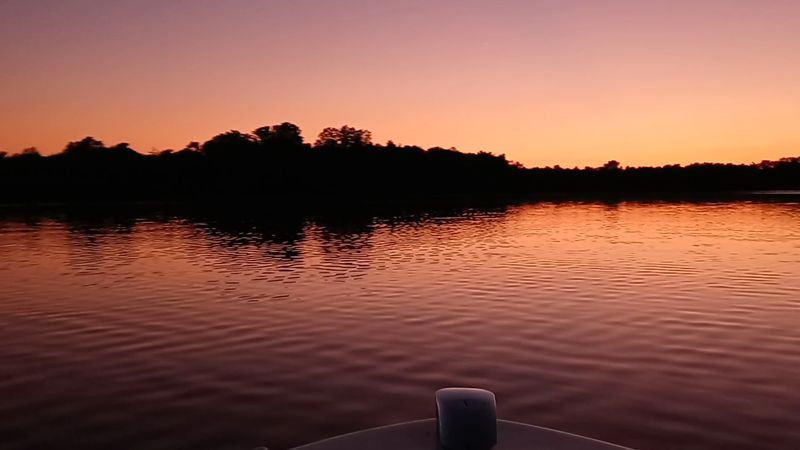
Long before dark skies were trendy, Lake Hudson Recreation Area was already keeping the lights low. It was Michigan’s first state park to be named a Dark Sky Preserve.
That history makes it a fun stop for anyone who loves the night sky. It’s also open 24 hours a day, year-round, for night-sky viewing.
The park sits in Lenawee County near the Ohio border. So yes, you can chase auroras in the far south of the state when a strong storm hits.
The centerpiece is a 500-acre lake with a no-wake rule. Calm water can mirror the sky, which makes for dreamy photos when the lights cooperate.
Daytime fun comes easy here. You can fish, paddle, swim at the designated beach, or hike a 1.5-mile trail.
Make a full day of it. Spend the afternoon on the water, eat a picnic dinner, then wait for full dark.
Moonlight can wash out faint auroras. Check the moon phase and aim for nights near the new moon when possible.
Your car’s headlights matter too. Park facing away from the viewing area, and switch lights off quickly so you don’t blind fellow skywatchers.
Southern auroras often look like a soft red or pink glow low in the north. Your camera may show it better than your eyes, so snap a test shot.
Keep expectations relaxed and snacks plentiful. A starry night at a quiet lake still beats scrolling on the couch.
Address: 5505 Morey Hwy, Clayton, MI 49235
Thompson’s Harbor State Park
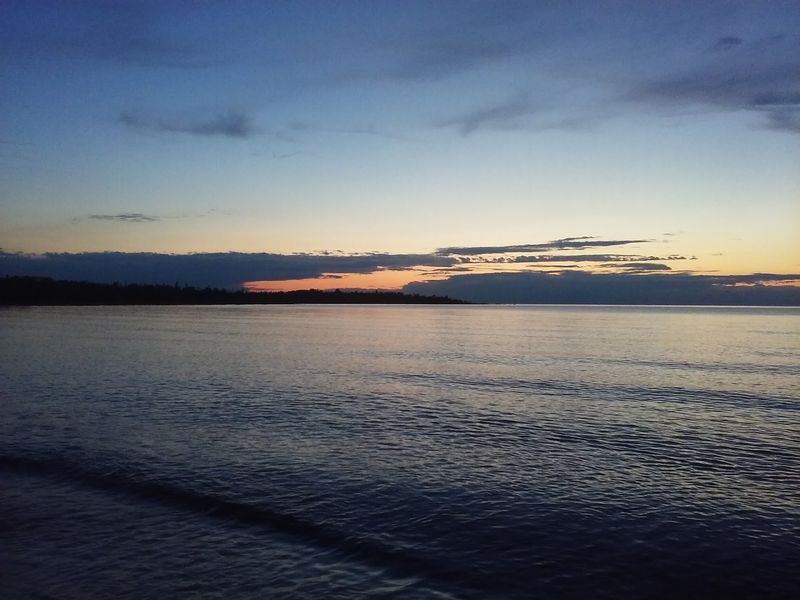
No campground, no fancy visitor center, and miles of quiet shoreline. Thompson’s Harbor State Park keeps things wonderfully simple.
The park covers more than 5,000 acres. It stretches along about seven and a half miles of Lake Huron shoreline near Rogers City.
It became a Michigan Dark Sky Preserve in 2016. Being undeveloped is a huge plus, since fewer buildings means fewer lights.
Roughly six miles of hiking trails cross the park. Scout them by day so you can find a clear lakeside view for later.
Birdwatchers enjoy this place too. Bring binoculars in the afternoon, then swap them for a blanket at night.
Since the park is rustic, plan ahead. Pack water, snacks, a charged phone, and a backup light.
Cell service can be spotty in remote areas. Download maps and aurora forecasts before you lose signal.
Tell someone where you’re going and when you’ll be back. It’s a simple step that makes remote night trips much safer.
Look north over the lake and give it time. Auroras sometimes start as a faint arc, then burst into dancing pillars.
The quiet here might be the best part. With just waves and wind, the sky feels like a private screening.
Snap photos sparingly at first. Watching with your own eyes is the memory you’ll keep longest.
Address: US-23 N, Rogers City, MI 49779
Negwegon State Park
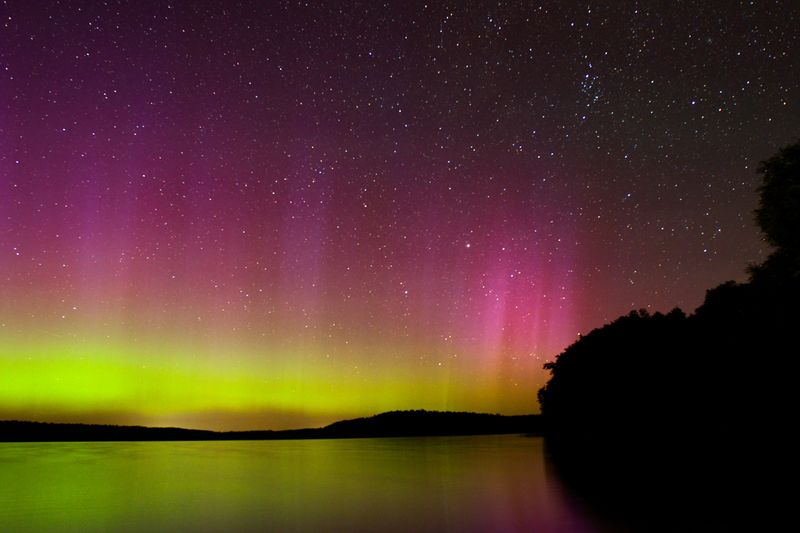
Ten miles of Lake Huron shoreline with barely a building in sight? Negwegon State Park delivers that kind of wild.
The park is undeveloped and remote, and it’s a designated dark sky preserve. That combo makes for very dark skies near Harrisville.
Camping here takes effort. The campsites are primitive and reached only by hiking or paddling in.
That effort pays off at night. No headlights rolling through, no campground lamps, just you and the sky.
Hikers can roam about ten miles of trails. Plan your route in daylight and mark your viewing spot on a map.
Packing light matters on hike-in trips. Still, bring layers, a headlamp with a red mode, and plenty of water.
Lake Huron lies to the east here, so look for an open stretch with a clear northern view. A beach curve or a gap in the trees can work well.
Leave no trace while you’re there. Wild places stay wild only if visitors pack out what they bring in.
Paddlers get a special treat. Camping by the water means you can roll out of your tent and check the sky in seconds.
Some aurora nights bring tall beams that seem to sway. Others bring a quiet glow that slowly brightens, so stick around.
Pack a little patience along with the trail mix. The best part of the show sometimes arrives after midnight.
Address: US-23, Harrisville, MI 48740
Rockport Recreation Area
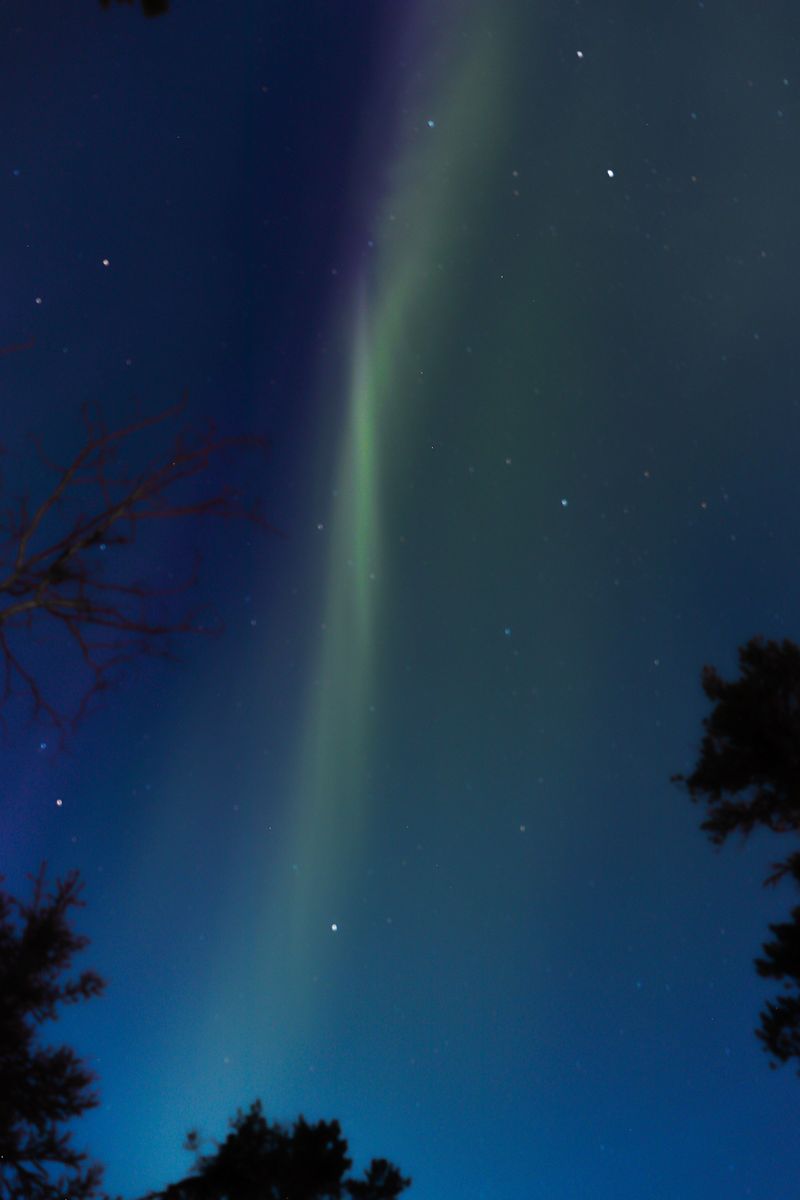
Fossils by day and auroras by night is a pretty great trade. Rockport Recreation Area near Alpena offers both.
It holds the title of Michigan’s 100th state park. It’s also a designated Dark Sky Preserve on the Lake Huron shore.
The park covers 4,237 acres. Highlights include a deep-water port and a historic limestone quarry.
Fossil hunting is the big daytime draw. Ancient sea creatures left their marks in the rock, and you can search for them yourself.
Kids love a treasure hunt, and so do grown-ups. Check the park’s rules on collecting before you pocket anything.
When the sun sets, the open views of Lake Huron take over. Find a spot near the shore with a clear look to the north.
Hiking trails help you explore beyond the quarry. Learn them in daylight so the walk back after dark feels easy.
A folding chair and a thermos make long waits more fun. Aurora watching is part science and part sitting around.
Check the cloud forecast as closely as the space weather. A huge solar storm won’t help if thick clouds cover the sky.
Alpena is close by for supplies. Grab snacks and fresh batteries in town before heading out.
Cold air drains batteries fast. Keep the spares in an inside pocket so they stay ready.
Address: 5001 Rockport Rd, Alpena, MI 49707
Pictured Rocks National Lakeshore
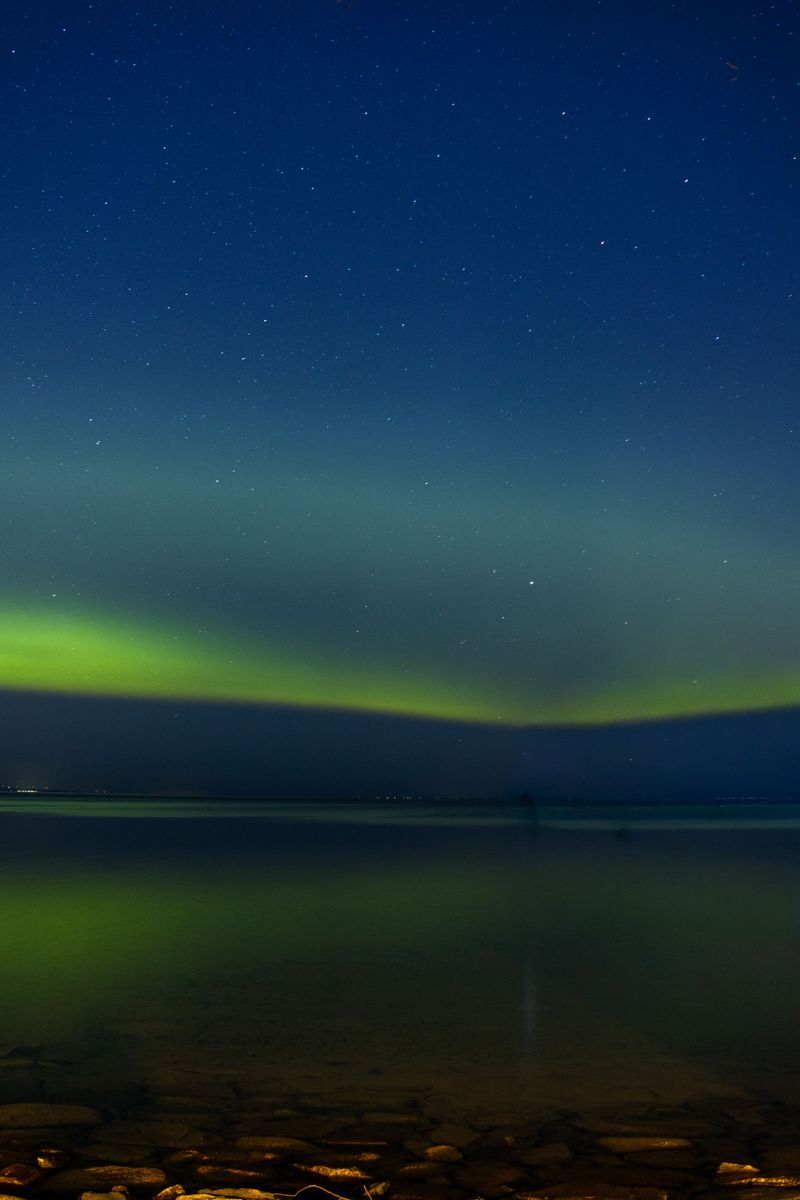
Colorful cliffs by day and colorful skies by night sounds almost greedy. Pictured Rocks National Lakeshore can pull off both.
The park runs about 40 miles along Lake Superior’s southern shore. Sandstone cliffs and long undeveloped stretches mean lots of dark places to explore.
Lake Superior to the north is a big deal for aurora fans. You can look straight out over the water toward the lights.
The park is open year-round, 24 hours a day. Night visits are fair game.
Miners Castle is a popular spot with an elevated view. Sand Point offers a wide-open horizon near Munising.
Up in the Upper Peninsula, auroras show up more often than in southern Michigan. That’s because you’re farther north and closer to the action.
Winter here is serious. Some park roads close seasonally, so check conditions before driving out at night.
Bring a thermos and hand warmers no matter the season. Lake Superior keeps nights chilly even in summer.
Stay well back from cliff edges in the dark. A great photo is never worth a risky step.
Munising makes a handy base for food and lodging. Spend the day on a cliff hike, nap, then head back out late.
A wide-angle lens helps capture both cliffs and sky. Many phones have a wide setting worth trying too.
Address: N8391 Sand Point Rd, Munising, MI 49862
Sleeping Bear Dunes National Lakeshore
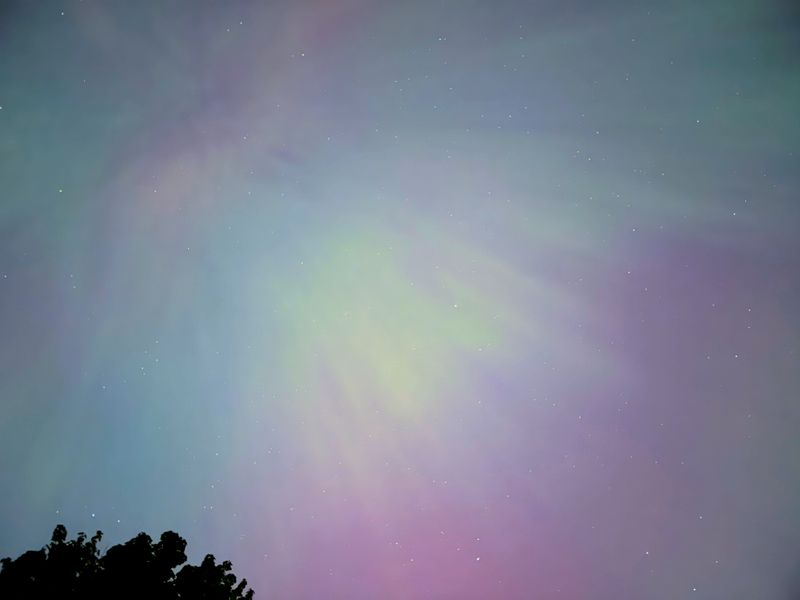
Climbing a giant sand dune at night to watch the sky glow green sounds like a dream. At Sleeping Bear Dunes National Lakeshore, it can happen.
The park was designated a National Lakeshore in 1970. It’s famous for huge freshwater dunes and sweeping views of Lake Michigan.
High spots help with aurora viewing. More height means a clearer look at the low northern horizon.
Beaches work well too. Long open stretches give you a wide sky with little in the way.
The visitor center in Empire makes a good first stop. Pick up maps and ask rangers about safe places to view after dark.
Climbing dunes takes more energy than you expect. Go up slowly, and save some legs for the trip down.
Sand gets cold fast at night. A blanket or foam pad under you makes sitting much nicer.
Respect posted closures and fragile plants. Dune grass holds the sand in place, so stay on marked routes.
Lake Michigan lies to the west here, so position yourself with a clear northern view. A beach that curves north can be perfect.
Forests cover big parts of the park too. Tree-lined roads can block views, so aim for open ground.
Bring friends and take turns watching. One person can scan the sky while the others refill the snacks.
Address: 9922 W Front St, Empire, MI 49630
Tahquamenon Falls State Park
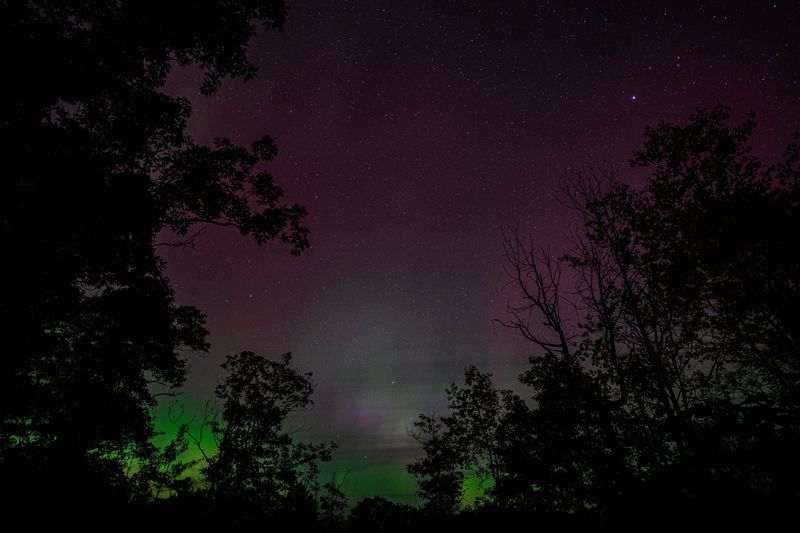
A waterfall roaring in the dark while the sky shimmers overhead is a pretty epic soundtrack. Tahquamenon Falls State Park can serve that up.
The Upper Falls is one of the largest waterfalls east of the Mississippi. It’s more than 200 feet across with a drop of almost 50 feet.
The park spans nearly 50,000 acres in the eastern Upper Peninsula. That much wilderness keeps the skies very dark.
More than 40 miles of hiking trails wind through the forest. Several campgrounds let you stay overnight under the stars.
The falls are mostly surrounded by trees. For a wider aurora view, look for open areas or head toward the Lake Superior shore near Paradise.
Camping makes late-night checks easy. Pop out of the tent, glance north, and crawl back in if it’s quiet.
The river’s water has a tea-brown color from tannins in nearby cedar swamps. It’s a fun fact to share while you wait for the sky.
Mosquitoes can be fierce in summer. Long sleeves and repellent help a lot.
Winter brings snow and frozen scenery. Dress in layers and keep your phone warm so the battery lasts.
Plan a daytime hike to the falls first. Then rest up for a long night of sky watching.
Address: 41382 W M-123, Paradise, MI 49768
Wilderness State Park
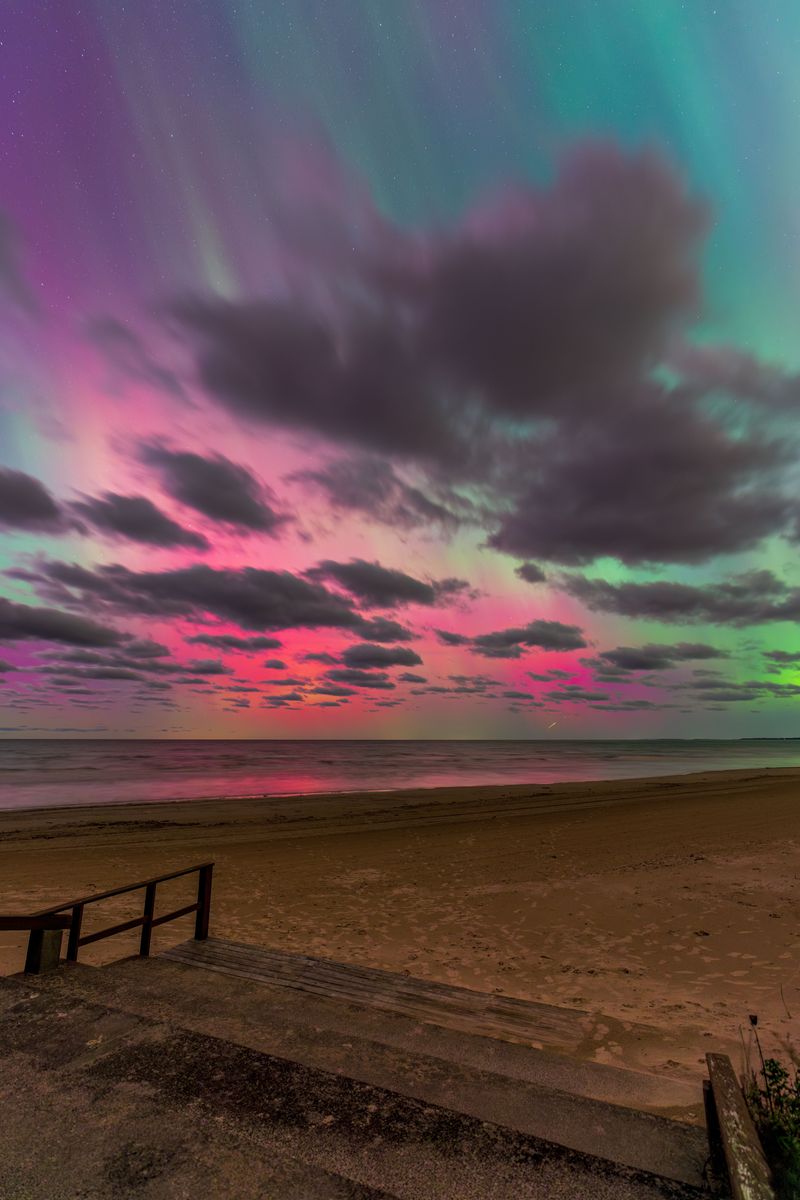
With a name like Wilderness State Park, you’d expect dark nights. This park near the Straits lives up to it.
It sits about 11 miles west of Mackinaw City. The park includes 26 miles of Lake Michigan shoreline and over 10,000 acres of forest.
It’s a designated Michigan Dark Sky Preserve. Open beaches give you clear views across the water.
Over 20 miles of trails cross the park. Hike them by day to find your favorite viewing beach.
Camping lets you stay close to the action. Aurora displays often peak late, so being nearby is a smart move.
Pairing this park with Headlands makes a fun aurora road trip. They’re close enough to try both on a multi-night visit.
Turn on aurora alerts on your phone. A quick ping can save you from sleeping through the show.
Wear boots with good grip. Rocky beaches can get slippery in the dark.
Bring a buddy and a backup light. Long walks back to the car feel shorter with company.
Snap a few photos, then put the phone away. Michigan’s sky deserves your full attention.
Keep watching even if it seems quiet. Auroras can wake up fast, and that sudden burst of color might be the moment you remember for years.
Address: 903 Wilderness Park Dr, Carp Lake, MI 49718