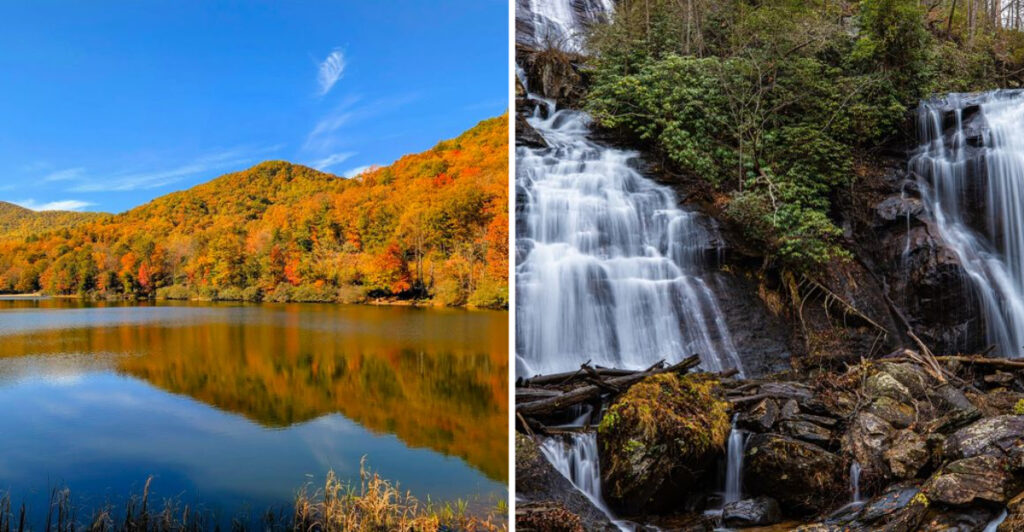
Are you heading into the northeastern corner of Georgia? This drive stretches 41 miles through some of the most beautiful mountain scenery the state has to offer. This loop winds through the National Forest, climbing past waterfalls, ridge-top overlooks, and valleys that seem almost too beautiful to be real. This is the drive that rewards every turn with something worth pulling over for. Road trippers chasing fall foliage, hikers looking for trails and so many more can be seen upon many beautiful stops.
This byway delivers the kind of experience that stays with you long after the drive is done. Pack your snacks, bring some good music and good company.
Relax and enjoy this trip, Georgia will show its true beauty.
A 41-Mile Loop Worth Every Mile
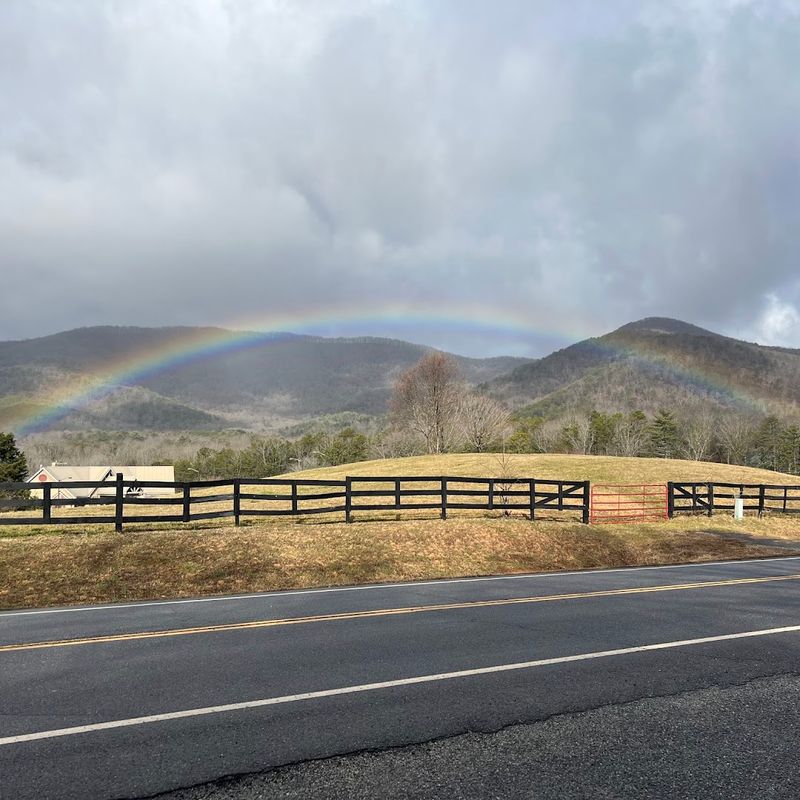
On the road, you are always free.
Not every road trip is created equal. The Russell-Brasstown Scenic Byway makes that point the moment you leave the flatlands behind.
Stretching 41 miles through the Blue Ridge Mountains in Georgia, this loop is part of the larger Chattahoochee-Oconee National Forests system.
The byway connects Richard B. Russell Scenic Highway (Georgia Highway 348) with Georgia Highway 180, forming a complete loop that drivers can tackle in either direction.
Most people take about two to three hours to complete the drive without stops, but that would honestly be a waste.
The road itself is narrow in places, with tight curves and elevation changes that keep things interesting. Passenger cars handle it fine, but larger RVs should check road conditions before heading out.
The pavement is generally well-maintained, and the forest canopy creates a natural tunnel effect that feels almost theatrical.
Spring brings wildflowers, summer brings deep green shade, fall brings fiery color, and winter turns the whole corridor into something quietly spectacular.
Standing On Georgia’s Highest Point
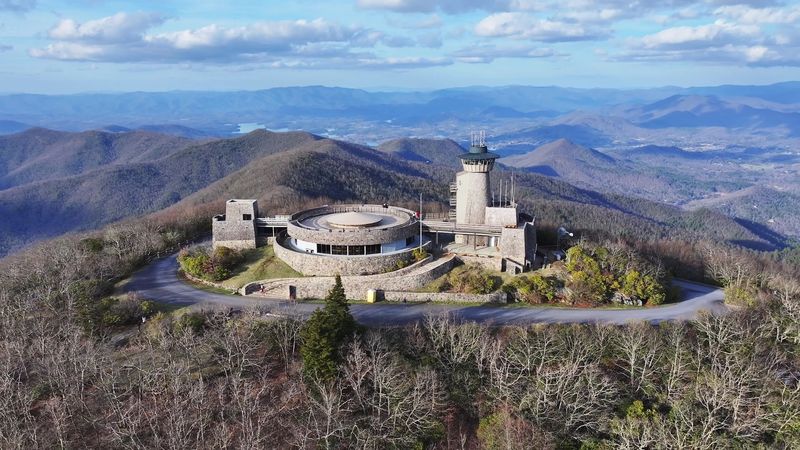
Standing at 4,784 feet above sea level, Brasstown Bald is the highest point in Georgia. It earns that title with a view that stretches into four states on a clear day.
The summit is accessible via a short but steep paved trail from the parking area, or by a seasonal shuttle bus for those who prefer a less strenuous approach.
At the top, a circular observation deck wraps around the visitor center, giving a full 360-degree panorama of the surrounding Blue Ridge Mountains.
On the best days, you can see into North Carolina, South Carolina, and Tennessee from a single spot.
The visitor center itself tells the story of the Cherokee people who called this mountain home long before it became a hiking destination.
The name Brasstown Bald comes from a mistranslation of the Cherokee word “Itse’yi,” meaning “place of fresh green.”
Getting there early in the morning helps avoid crowds and often rewards visitors with a sea of clouds filling the valleys below, which is a sight that genuinely stops people in their tracks.
Georgia’s Second Oldest State Park And Still A Showstopper
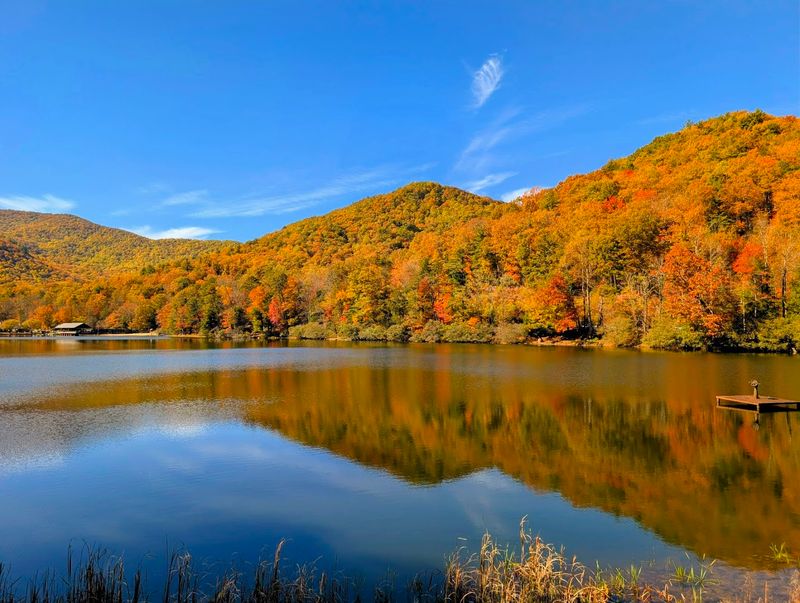
Opened in 1931, Vogel State Park holds the title of Georgia’s second-oldest state park. It has been drawing visitors into the mountains ever since.
Sitting at the base of Blood Mountain near Blairsville, the park serves as a natural gateway to the byway and a perfect home base for exploring the surrounding area.
The centerpiece is a 20-acre lake that reflects the surrounding ridgelines like a mirror on calm mornings. Paddle boats are available for rent, and the shoreline trail makes for an easy and rewarding walk at any fitness level.
Camping here is a well-loved tradition, with sites ranging from basic tent spots to full-hookup RV pads and cozy rental cottages.
The park also connects to the Bear Hair Gap Trail and the longer Coosa Backcountry Trail, giving hikers options from a quick afternoon loop to a multi-day overnight adventure.
Fall foliage season turns the park into one of the most photographed places in all of Georgia, and for very good reason.
A Waterfall Hidden In Plain Sight
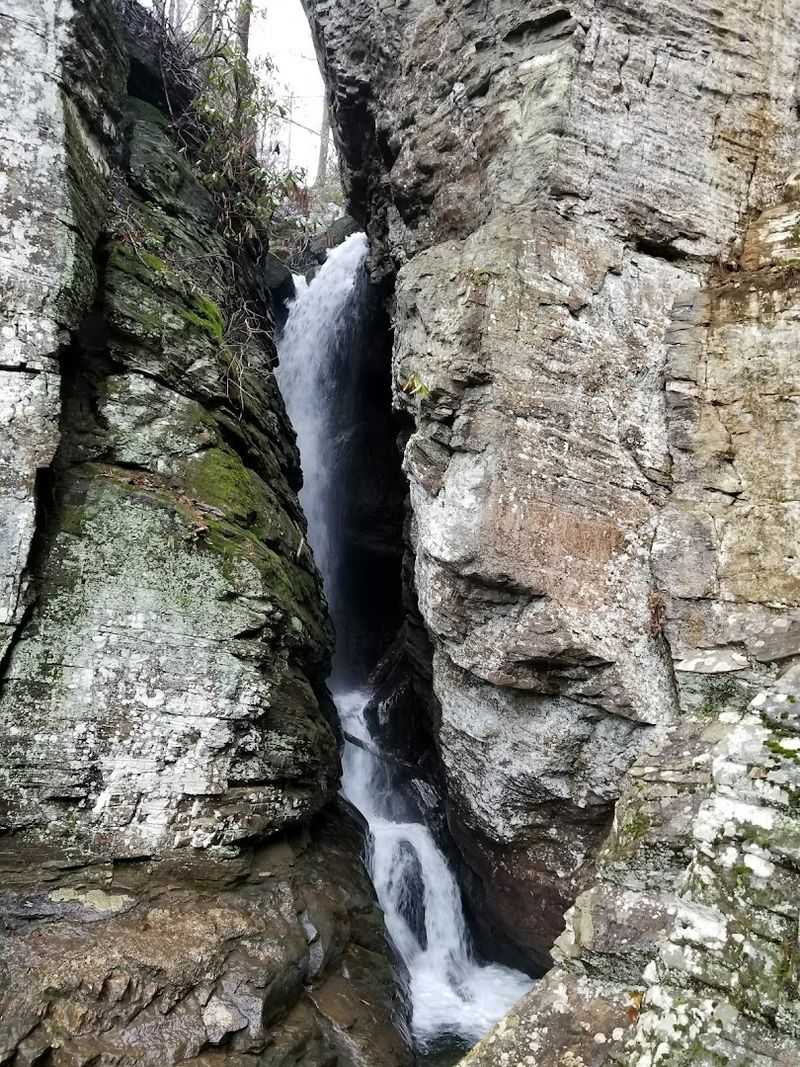
Some waterfalls announce themselves with roadside signs and paved paths.
Raven Cliffs Falls takes a different approach, rewarding only those willing to earn it with a 4.4-mile round-trip hike through one of Georgia’s most dramatic gorges.
The trail follows Dodd Creek upstream through a forest of hemlocks and hardwoods, crossing the creek several times on wooden footbridges.
As the gorge narrows, the walls close in and the sound of rushing water grows louder until the falls finally reveal themselves.
The result is a waterfall that looks like it belongs in a fairy tale, with water appearing to pour straight out of the mountain itself.
The surrounding Raven Cliffs Wilderness area is one of the quieter corners of the Chattahoochee National Forest in Georgia, meaning crowds are lighter here than at more accessible waterfalls.
Wear waterproof shoes, because the creek crossings can be slippery, and plan for the hike to take about two hours at a comfortable pace.
Two Waterfalls For The Price Of One
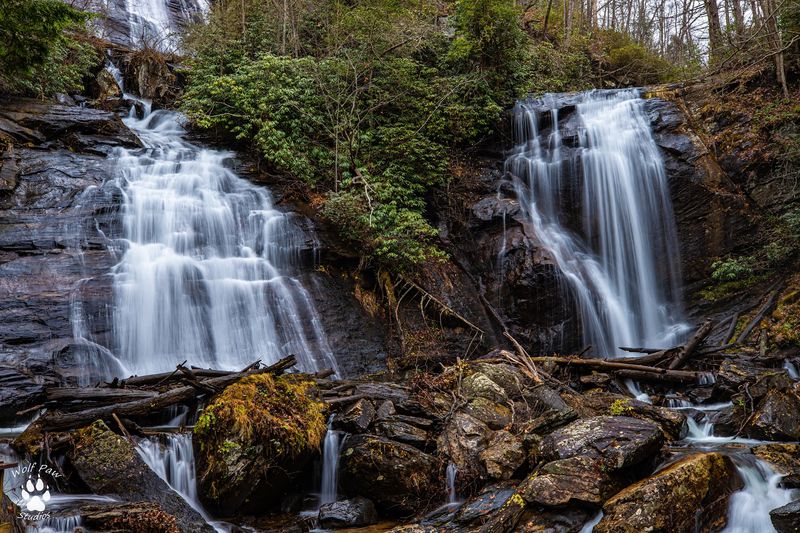
Anna Ruby Falls is one of those places that delivers exactly what it promises and then a little more.
Located near Helen, Georgia, this double waterfall is formed by Curtis Creek and York Creek converging at the base of Tray Mountain, creating two separate falls that drop side by side into the same pool.
The paved half-mile trail from the parking area is accessible to most visitors and winds through a cool forest corridor that feels refreshingly shaded even in summer.
The falls themselves drop 153 feet and 50 feet respectively, and the platform at the base gives an up-close view that photographs beautifully in almost any light.
Anna Ruby Falls sits within the Chattahoochee National Forest and is managed in partnership with Unicoi State Park nearby.
There is a small fee to park, which helps maintain the trail and surrounding facilities.
Early morning visits on weekdays offer the most peaceful experience, though even busy weekend afternoons here feel less hectic than comparable attractions elsewhere in Georgia thanks to the natural acoustics of the falls.
A Bavarian Village In The Blue Ridge
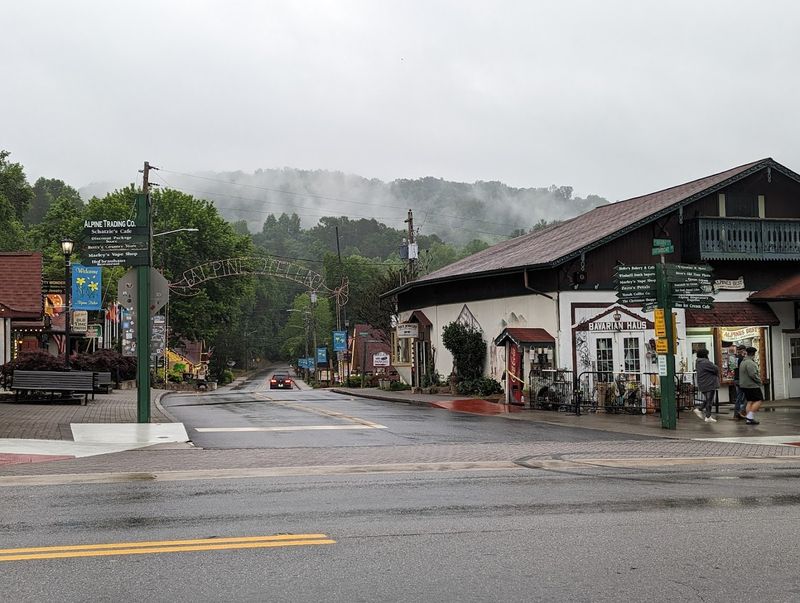
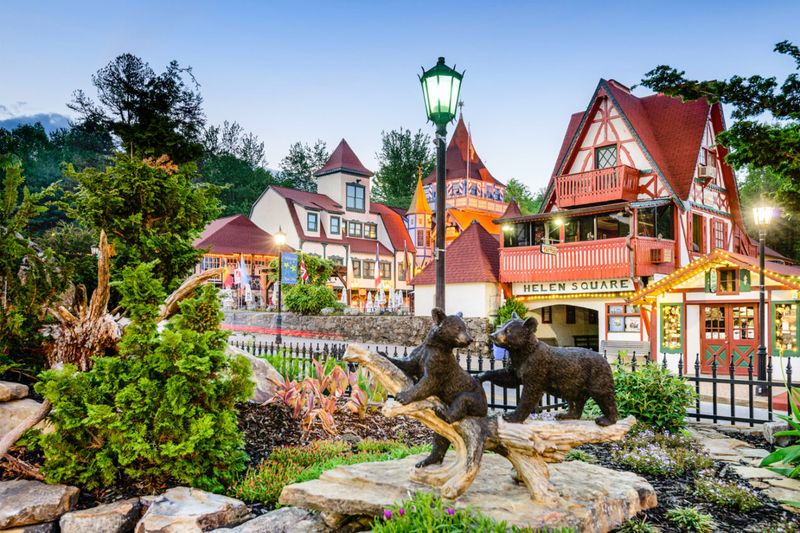
Few towns in Georgia stop first-time visitors quite like Helen does. Sitting in the Chattahoochee River valley just outside the byway corridor, Helen reinvented itself in 1969 when local business owners transformed a struggling lumber town into a replica Bavarian Alpine village.
The result is genuinely charming in a way that defies easy description.
Cobblestone walkways, painted facades, and flower boxes line the main street, and the surrounding mountains add a backdrop that actually makes the Alpine theme feel surprisingly appropriate.
The Chattahoochee River runs right through town, and tubing on it has become one of the most popular summer activities in all of Georgia.
Beyond the visual novelty, Helen offers a solid base for byway travelers, with plenty of lodging options, restaurants, and outfitters catering to hikers, cyclists, and paddlers.
The town hosts festivals throughout the year, including one of the longest-running Oktoberfest celebrations in the United States. It is quirky, it is touristy, and it is absolutely worth an afternoon stop on any Russell-Brasstown itinerary.
The Byway At Its Most Dramatic
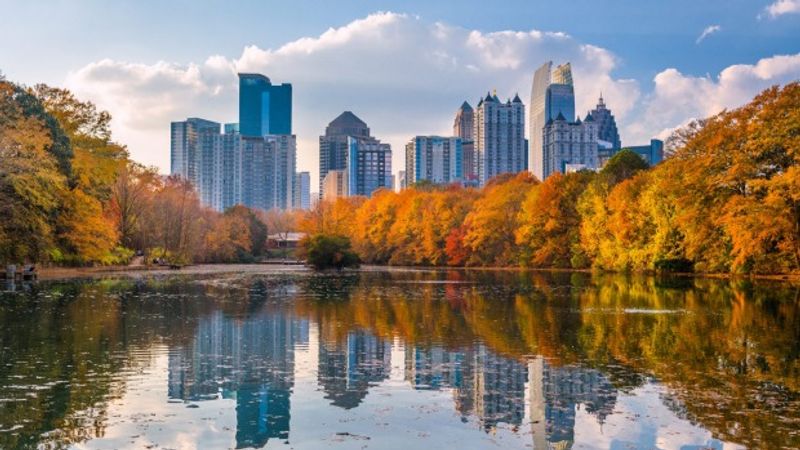
Georgia does not always get credit for its fall foliage, but the Russell-Brasstown Scenic Byway makes a very strong case for a recount.
The higher elevations along the byway typically see peak color between mid-October and early November, when the hardwood forests shift into full display mode.
The combination of elevation change and forest diversity along the 41-mile route means colors vary noticeably from valley floors to ridge tops.
Lower sections tend to hold gold and yellow tones while the upper elevations blaze with deep reds and oranges, creating a layered visual effect that photographers chase every year.
Georgia’s fall color season attracts visitors from across the Southeast who want mountain foliage without the longer drive to New England.
Parking areas at overlooks fill up quickly on weekends in October, so arriving earlier makes a real difference.
The combination of the winding road, the mountain backdrop, and the canopy of color overhead makes fall the most celebrated time to drive this byway, though it honestly rewards visitors in every season.
Hiking Trails Along The Byway
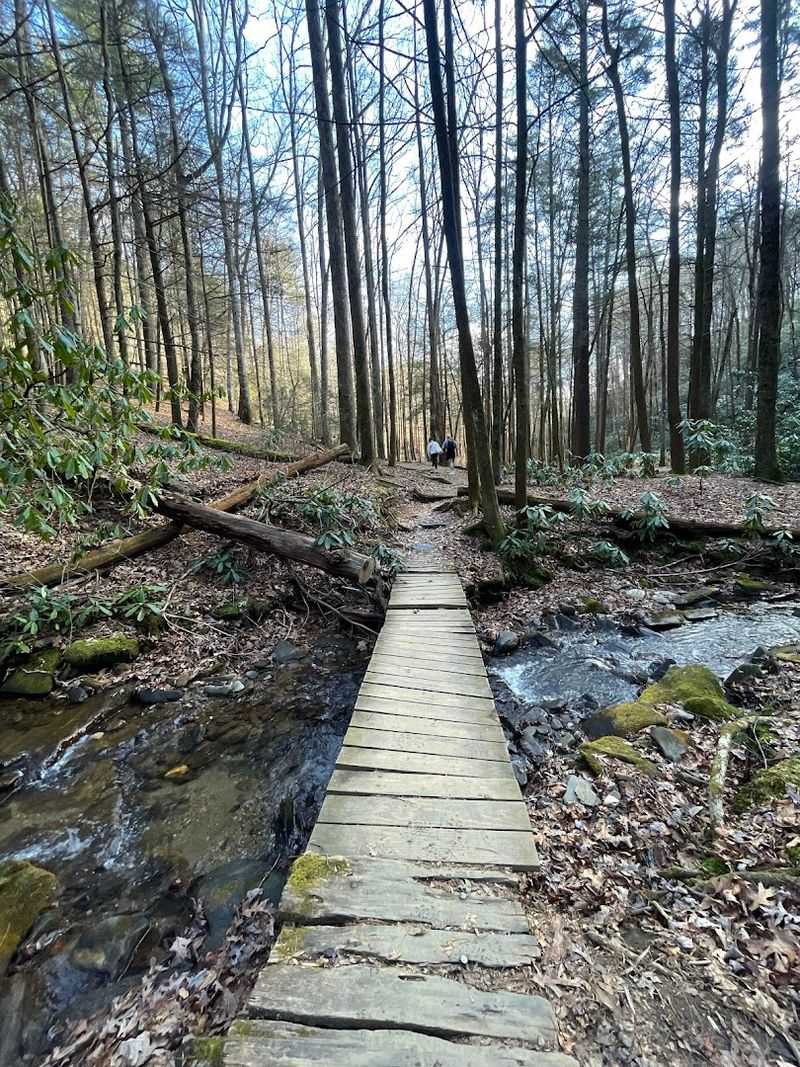
One of the strongest arguments for turning this drive into a multi-day trip is the sheer number of quality hiking trails accessible directly from the byway corridor. From short nature walks to sections of the Appalachian Trail, the options genuinely cover every experience level.
The Appalachian Trail crosses Georgia Highway 348 at Tesnatee Gap, making it easy to day-hike north toward Bull Gap or south toward Levelland Mountain without needing a shuttle.
The Blood Mountain loop, accessible from Vogel State Park or the Byron Reece trailhead off US-129, is one of the most popular hikes in all of Georgia and rewards the effort with sweeping ridge views.
Shorter options include the DeSoto Falls trail, a 2.2-mile round trip that passes two separate waterfalls in the Chattahoochee National Forest, and the Coosa Backcountry Trail loop for those wanting an overnight experience.
Trail conditions are generally good, but spring can bring muddy sections after heavy rain. Sturdy shoes, a trail map, and a water bottle are the minimum requirements for any of these outings.
Where The Byway Rewards Patience
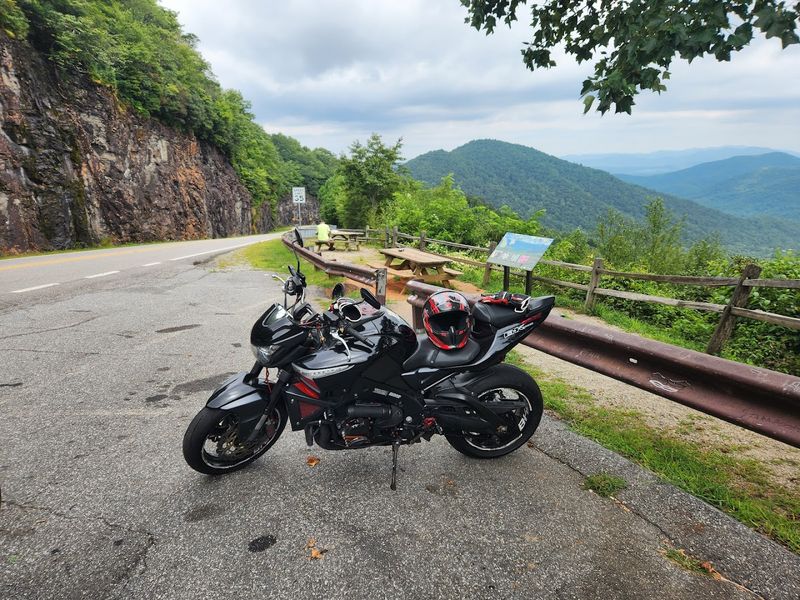
The Russell-Brasstown Scenic Byway is not a drive designed for speed. The overlooks and pullouts scattered along the route are part of the experience, and skipping them would be like ordering a meal and not eating it.
Richard B. Russell Scenic Highway climbs to elevations above 3,600 feet, and the roadside pullouts at the higher sections offer unobstructed views across valleys that stretch for miles.
The Tesnatee Gap overlook is a favorite for both the view and its position along the Appalachian Trail ridge.
Sunrise and sunset visits to these overlooks are especially rewarding.
Early morning light fills the valleys with a soft golden haze, and the absence of midday haze means sharper views of distant ridgelines.
Georgia’s mountain overlooks along this byway also serve as excellent wildlife-watching spots, with red-tailed hawks frequently riding thermals above the tree line.
Binoculars are worth packing, and a thermos of something warm makes early morning stops significantly more enjoyable regardless of the season.
What Lives In These Mountains
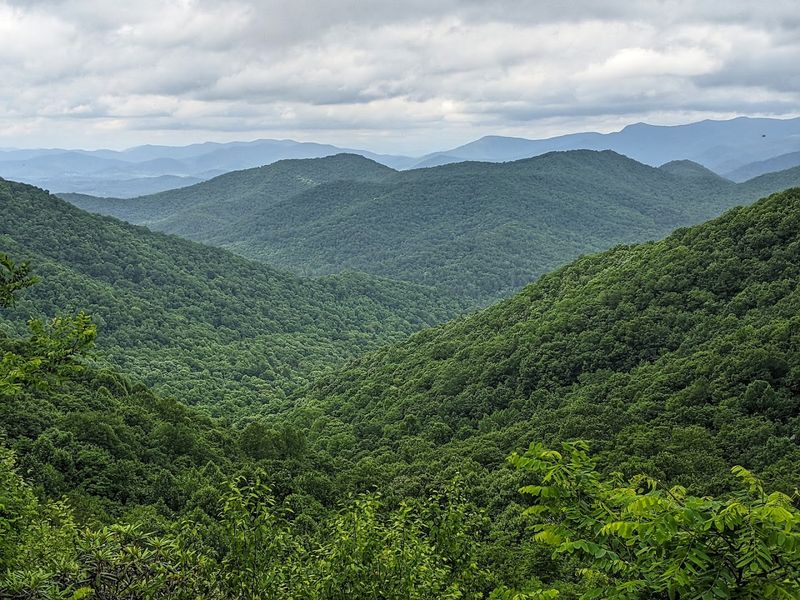
The Chattahoochee National Forest that surrounds the byway is home to a surprisingly rich variety of wildlife. Patient observers are frequently rewarded.
White-tailed deer are common along the road at dawn and dusk, and black bears live throughout the forest, though sightings require some luck.
Wild turkey, red foxes, and a wide range of songbirds are regularly spotted by hikers and drivers who slow down and pay attention.
The streams feeding the waterfalls along the byway support populations of native brook trout, making this area popular with fly fishing enthusiasts who know where to look.
Wildflower season in spring brings trillium, bloodroot, and wild azalea blooming across the forest floor, turning the understory into something that feels almost curated.
Georgia’s mountain forests are part of one of the most biodiverse temperate ecosystems in North America, a fact that surprises many visitors who associate biodiversity primarily with tropical environments.
Keeping noise low and moving quietly on trails significantly increases the chances of genuine wildlife encounters rather than just footprints and rustling bushes.
Best Time To Visit And How To Plan Your Trip
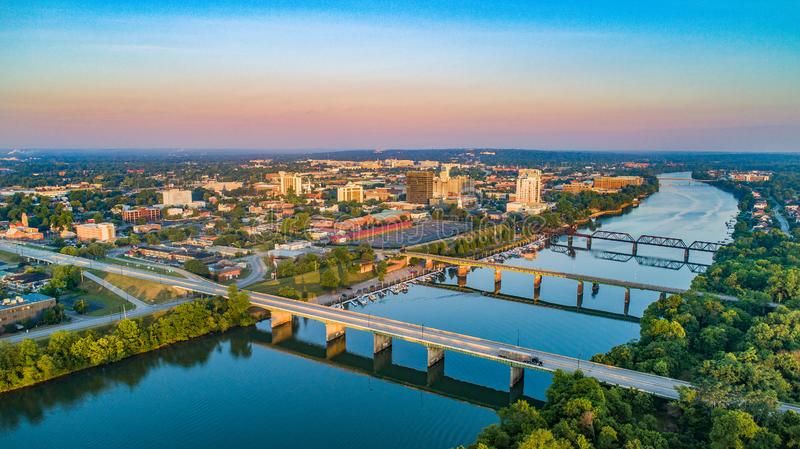
Timing a visit to the Russell-Brasstown Scenic Byway well makes the difference between a pleasant outing and an unforgettable one. Spring and fall are the most popular seasons, and for good reason, but each time of year offers something distinct.
Spring runs roughly from late March through May and brings wildflowers, rushing waterfalls fed by snowmelt, and mild temperatures perfect for hiking.
Summer is warm but the elevation keeps things cooler than the Georgia lowlands, making it a popular escape from the heat of Atlanta and other cities. Fall, as mentioned, is the peak season for foliage and crowds.
Winter brings solitude, occasional snow at higher elevations, and a stripped-back beauty that appeals to photographers and quiet-seekers.
The closest major town for supplies and lodging is Blairsville, with Helen serving as the more tourist-oriented base to the south.
Cell service along parts of the byway is limited, so downloading offline maps before departure is a practical step. Filling the gas tank before starting the loop is equally advised, as stations along the route itself are scarce.
Why This Drive Belongs On Every Georgia Road Trip List
Georgia has a lot of road trip routes competing for attention, from the coastal drive along the Golden Isles to the rolling farmland of the state’s heartland.
The Russell-Brasstown Scenic Byway earns its place at the top of that list not through hype but through consistent, reliable beauty.
The combination of accessible waterfalls, high-elevation overlooks, a charming nearby town, Georgia’s tallest peak, and a well-maintained road through old-growth forest creates a route that covers an enormous amount of ground in just 41 miles.
Few drives in the entire Southeast pack that kind of variety into such a compact loop.
Road trips through Georgia’s mountains have a way of resetting perspective, and the byway is the best argument for taking the route every single time.
It is the kind of drive that makes passengers put their phones down and look out the window, which in the current era might be the highest compliment a road can receive.
Plan a weekend, bring good shoes, and let the mountains do the rest.