Have you ever walked through a place and felt like someone was watching you, even though you were completely alone? Minnesota has no shortage of those kinds of places.
Old mansions, historic hotels, underground caves, and abandoned military sites have all earned reputations that attract the curious and the brave. Visitors notice footsteps, cold spots, and a sense of being watched, with staff and locals sharing long-held stories.
Some sites are known for dramatic events in history, others for inexplicable experiences that continue to puzzle investigators. Every site has a unique, eerie charm, with flickering shadows or distant echoes hinting at the past. Plan your visit carefully and see if you dare to experience the uncanny firsthand.
These are not just campfire stories.
Many of these places have documented histories, long-standing local legends, and decades of reported strange activity that keep curious visitors coming back year after year. If you think haunted houses are just for Halloween, these eleven real locations might change your mind. Keep the lights on.
1. Forepaugh’s Restaurant, St. Paul
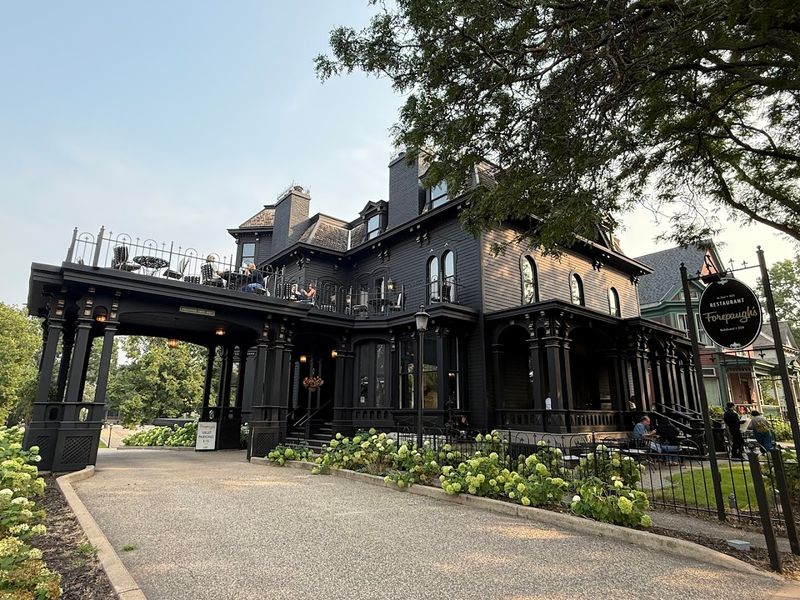
While many restaurants are celebrated for their cuisine, Forepaugh’s is remembered for something far more chilling. Located at 276 South Exchange Street in St. Paul, this stunning Victorian mansion was built in 1870 by wealthy merchant Joseph Forepaugh.
The house carries a dark history rooted in tragedy, and locals have been talking about it for well over a century.
Joseph Forepaugh witnessed heartbreak that led her to a tragic end inside the house. Many staff members and guests over the years have reported seeing a woman in a white dress drifting through the dining rooms and stairways.
Lights flicker without explanation. Candles extinguish themselves in still air. Some employees have refused to work certain shifts alone.
What makes Forepaugh’s especially compelling is that it does not lean into cheap ghost-story theatrics. It operates as a serious, upscale restaurant with a well-regarded menu, which makes the reported paranormal activity feel all the more credible.
Guests come for dinner and leave with stories they cannot explain. The building itself is gorgeous, full of dark wood, stained glass, and period details that make you feel like you have traveled back in time.
Seen as Molly or simply a flicker of candlelight, the lady in white adds an unsettling edge to the house’s atmosphere.
2. Orpheum Theatre – Minneapolis
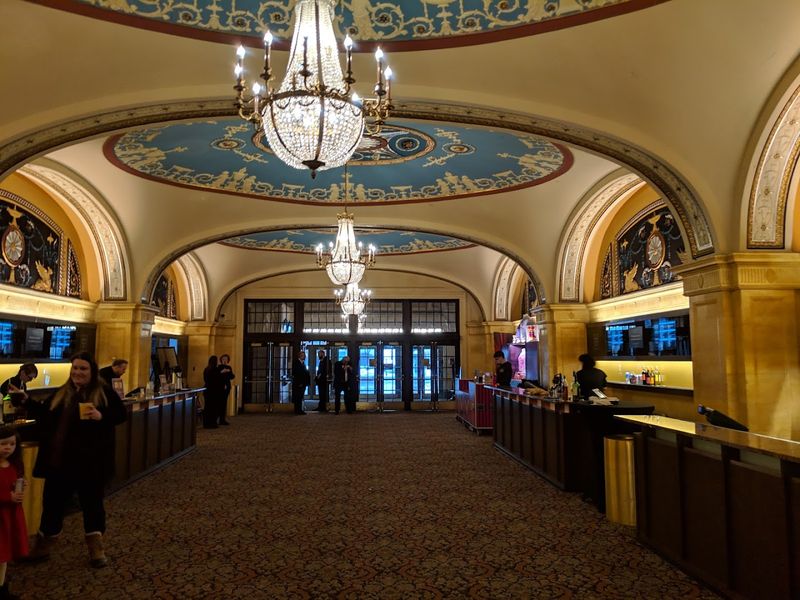
I once caught an evening show at the Orpheum Theatre and felt a hush that wasn’t just the performance. Patrons and staff tell tales of a lady in period dress who wanders backstage, and actors sometimes report props moving on their own.
Some nights, the soundboard picks up phantom applause or faint singing when no one is on stage to make a noise.
I like to sit in the balcony and listen for the small, unexplained sounds that make you feel the building remembers its past. Stagehands share tales of locked dressing rooms opening, curtains swaying on their own, and chills drifting through empty corridors.
Footsteps echo in hallways with no one in sight, and some performers swear they’ve felt a presence watching rehearsals late at night. Even the ornate chandeliers seem to hum softly, as if echoing the voices of the theatre’s earliest audiences.
The mix of architectural grandeur and lingering energy gives every visit a quiet, thrilling tension.
If you see it as ghostly or just the theatre’s character, the Orpheum delivers an experience that blurs the line between performance and the unknown. If you are ready to explore its history and mysteries firsthand, the theatre is located at 910 Hennepin Avenue, Minneapolis, Minnesota 55403.
3. Glensheen Mansion, Duluth
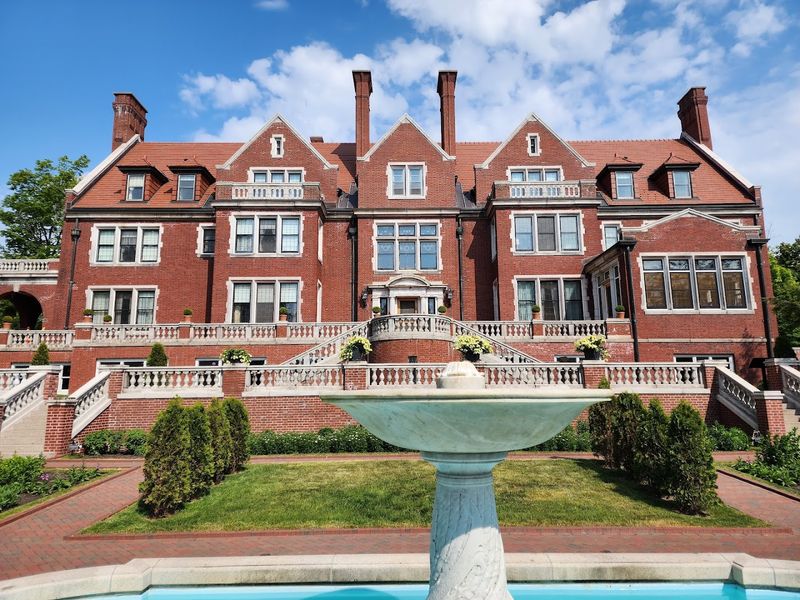
Glensheen Mansion overlooks the shores of Lake Superior at 3300 London Road in Duluth and remains one of Minnesota’s most closely documented crime locations. Built between 1905 and 1908 for businessman Chester Congdon, the 39-room estate is breathtaking in its architecture and craftsmanship.
But it is the events of June 1977 that gave this place its lasting dark reputation.
During that summer, 83-year-old Elisabeth Congdon and her night nurse, Velma Pietila, passed away in the mansion under tragic circumstances. The crime shocked the state and became one of the most sensational cases in Minnesota legal history.
Elisabeth’s daughter Marjorie Congdon and her husband Roger Caldwell were ultimately convicted after years of legal twists and retrials.
Today, Glensheen is open for public tours, and the history of the tragic events is openly discussed.
Visitors and staff have reported unexplained sounds coming from the upper rooms. Some feel as if they are being followed through the hallways.
Elisabeth’s bedroom, in particular, is said to carry an especially unsettling atmosphere.
I think what makes Glensheen so haunting is that the tragedy was real, recent in historical terms, and deeply personal. This was not a battlefield or a prison.
It was someone’s home. Walking through the rooms with original furniture and family portraits leaves an emotional weight that lingers long after you leave.
4. First Avenue, Minneapolis
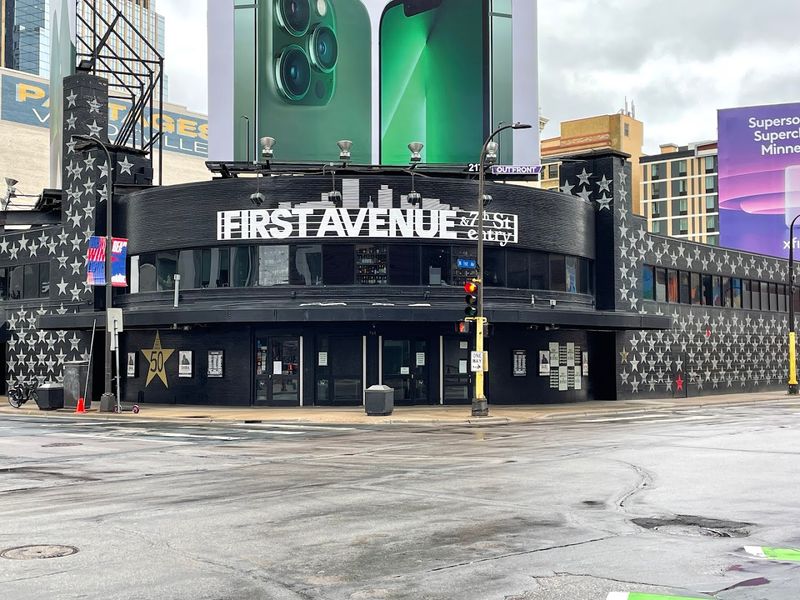
First Avenue at 701 First Avenue North in Minneapolis is one of the most iconic music venues in the country. It launched the career of Prince, hosted countless legendary performances, and remains a beating heart of the city’s music scene.
It also reportedly has a few permanent residents who never bought a ticket.
The building has a long history that predates its life as a music venue. Originally built in 1937 as a Greyhound bus depot, it became a concert hall in 1970.
Decades of late-night energy, packed crowds, and raw emotion have soaked into its walls.
Staff members have reported strange occurrences in the basement and backstage areas. Equipment sometimes seems to move on its own, and unexplained sounds echo between shows.
Many also describe the unsettling feeling of a presence in rooms that should be empty.
One figure reported by multiple employees over the years is described as a man in older clothing who appears near the stage area and then disappears. No one has been able to identify who he might be or connect him to a specific historical event at the venue.
Spaces that host large, emotionally charged events, like concerts, appear to build an energy that stays behind. First Avenue has hosted joy, grief, celebration, and loss across more than five decades.
It makes sense that something might remain. The music stops, but maybe not everything leaves with the crowd.
5. Drury Lane, Stillwater
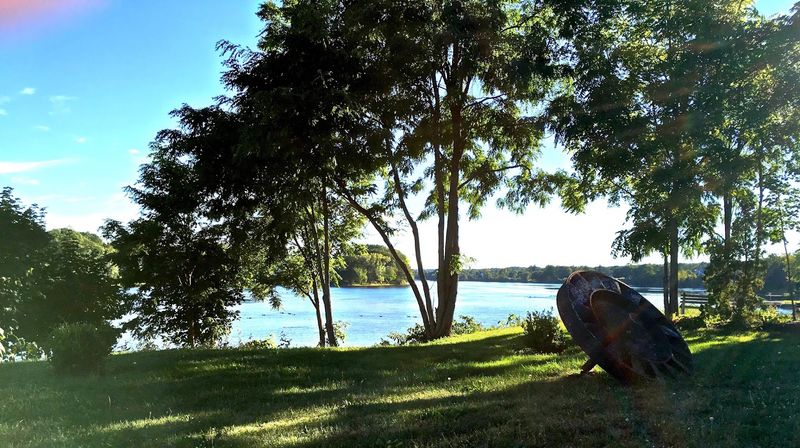
Stillwater is one of those towns that wears its history openly. Established in 1843, it’s one of Minnesota’s oldest European-settled cities, with streets lined by buildings that have witnessed generations.
Drury Lane, a quiet residential stretch, is among Stillwater’s most infamous ghost spots, taken seriously by locals.
Reports include shadowy figures moving between properties, unexplained night sounds, and animals acting strangely along the road. Some of these stories trace back to the town’s early settler history, including hardships that marked Stillwater’s founding years.
The town also sits near the site of the old Minnesota Territorial Prison, which operated from 1853 and whose dark history casts a long shadow over the surrounding area.
Known for its downtown charm, antiques, and river views, Stillwater also features ghost tours that make Drury Lane a key stop. I have read accounts from people who visited on calm, clear nights and came away genuinely rattled by what they experienced or heard.
The town’s age alone gives it a certain atmospheric weight. With its early hardships, Drury Lane feels less like a curiosity and more like a place that holds memories most would rather forget.
6. The Soap Factory, Minneapolis
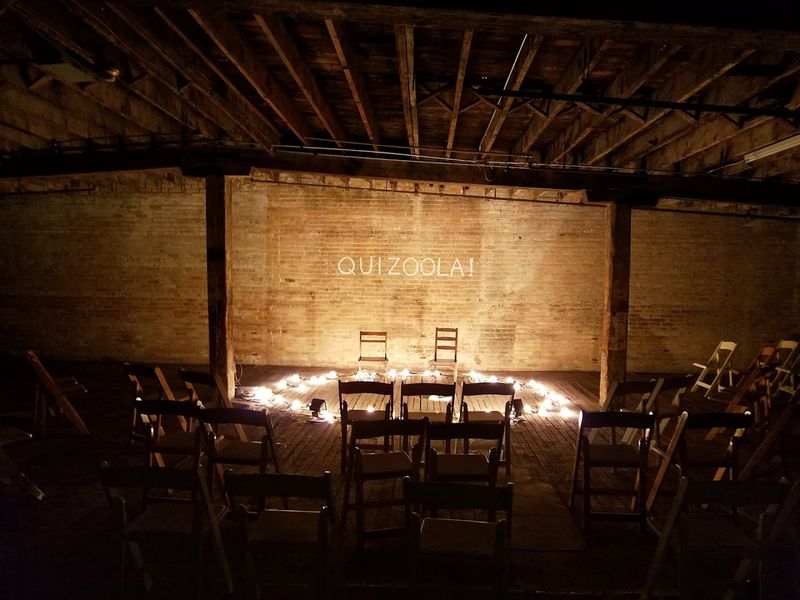
For a haunted spot that leans into its reputation with creative purpose, The Soap Factory is unmatched. You can find it at 518 Second Street SE in Minneapolis.
Originally built in the 1880s as a soap manufacturing plant, the building later became an experimental art gallery known for pushing creative boundaries.
It closed as an active gallery space, but its legacy, especially around its annual haunted basement events, became the stuff of local legend.
The building itself is genuinely unsettling even without any staged effects. With exposed brick, low ceilings, and maze-like corridors, the old industrial structure has a basement designed to unsettle.
Staff and artists reported unexplained sounds, uneasy feelings in certain rooms, and objects appearing where no one left them.
For years, The Soap Factory’s haunted basement drew thousands of visitors. It became known as one of the Midwest’s most genuinely terrifying experiences.
The fear factor came not from sudden shocks, but from the immersive atmosphere and psychological tension.
Even people who knew the scares were staged came out shaken. Part of that reaction, I believe, came from the building itself.
When a space has real history and real strangeness baked into its bones, no amount of theatrical staging is needed to make it feel haunted. The Soap Factory had both.
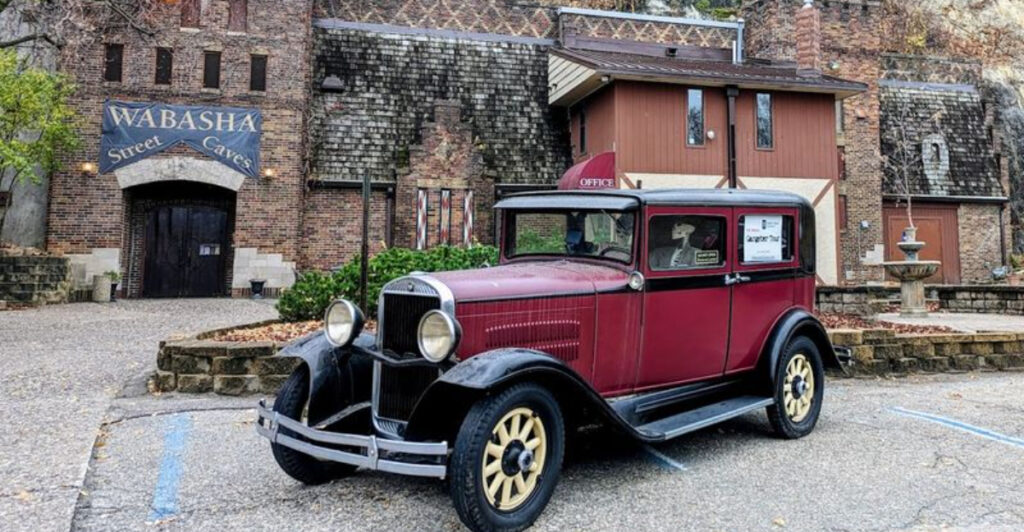
7. Wabasha Street Caves, St. Paul
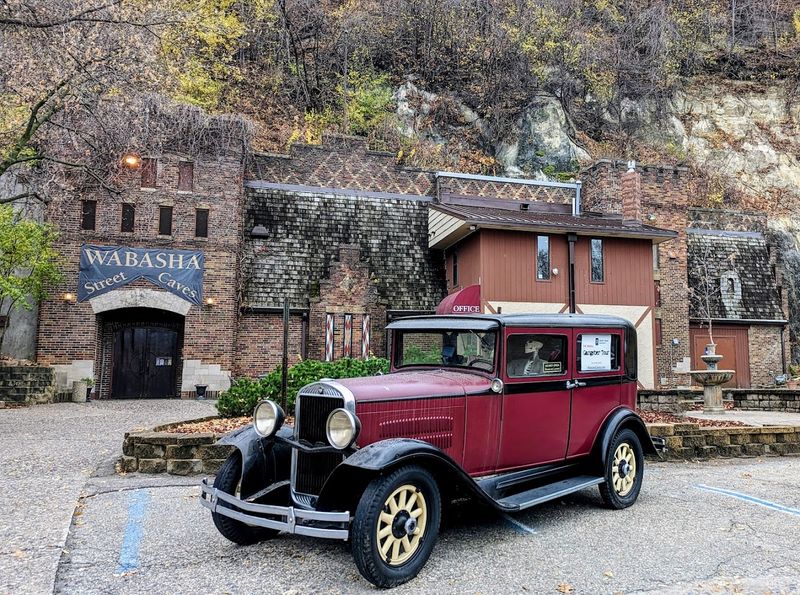
The Wabasha Street Caves at 215 Wabasha Street South in St. Paul are cut directly into the sandstone bluffs along the Mississippi River. They stand as one of the most historically layered locations in the entire state.
Originally mined for silica in the 1840s, the caves later served as a mushroom farm before becoming the Castle Royal nightclub in the 1930s. That nightclub era is where things get particularly interesting.
In the gangster era, the Castle Royal attracted infamous figures, reportedly including the Karpis-Barker gang.
Three gangsters are said to haunt the caves, with their presence reported by guides, staff, and visitors for decades.
The caves now operate as an event venue and offer history and ghost tours that are consistently well-attended. With its real criminal past, subterranean environment, and long-standing ghost reports, the caves stand out as one of Minnesota’s most atmospheric stops.
I find the gangster-era connection especially compelling because it grounds the haunting claims in documented historical events rather than vague legend. Something genuinely dark happened in these tunnels.
You get to decide if the darkness remains once the tour ends.
8. The Palmer House Hotel, Sauk Centre
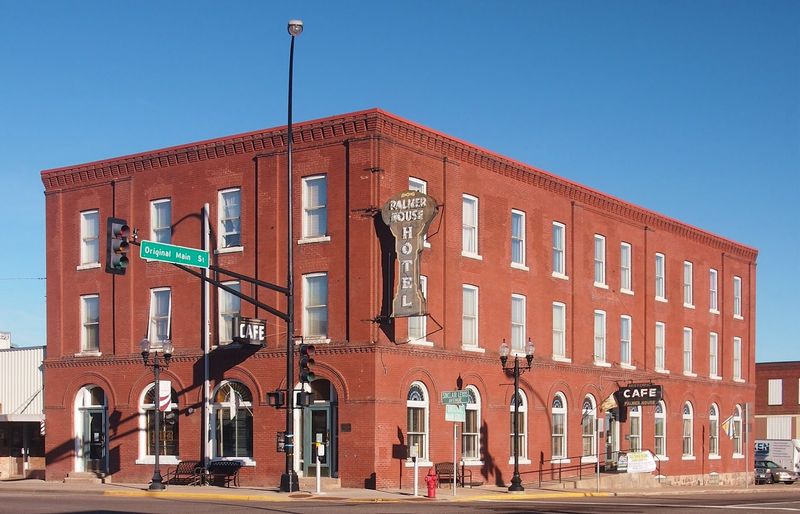
While famous as Sinclair Lewis’s hometown, Sauk Centre has another draw that appeals to a different visitor. Since 1901, the Palmer House Hotel at 228 Original Main Street has welcomed guests.
It also holds one of the Midwest’s most noted and well-documented haunting reputations.
Over the years, guests and staff have reported a remarkable range of unexplained activity. Balls of light have been observed rolling down the hallways.
Room 11 stands out for its activity. Visitors often feel watched, notice objects shifting, and experience a deep unease that leads some to change rooms at night.
Considered the most haunted part of the hotel, the basement has drawn numerous paranormal investigation teams. They’ve recorded audio and visual phenomena that remain unexplained.
What I appreciate about the Palmer House is that the owners have always treated the hauntings seriously rather than exploitatively. They welcome investigators, maintain records of reported experiences, and engage openly with guests who have questions.
The hotel itself is charming and well-preserved, which makes the contrast between its welcoming surface and its unsettling reputation all the more striking. Room 11 remains bookable.
Many guests request it specifically. Not everyone makes it through the night without a story to tell.
9. Fort Snelling, St. Paul
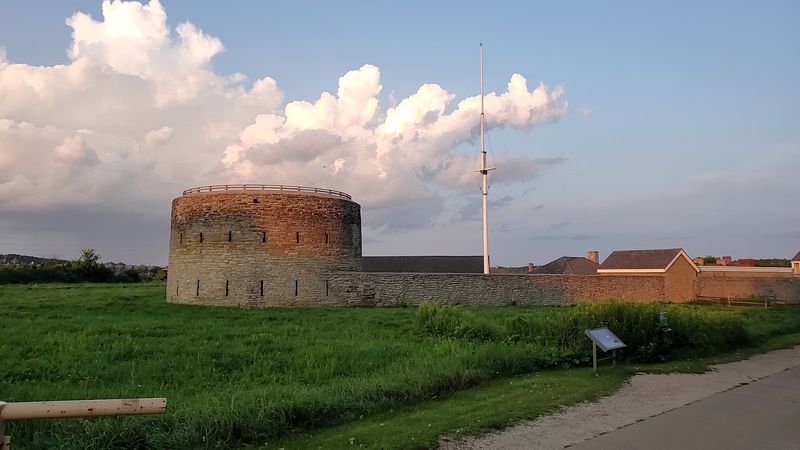
Fort Snelling stands at the confluence of the Mississippi and Minnesota rivers at 200 Tower Avenue in St. Paul, and its history is as heavy as any site in the country. Founded in the 1820s as a U.S. military outpost, the fort saw over a century of conflict, forced relocation, and tragedy.
It was a hub for military operations and later a site for Dakota internment following the U.S.-Dakota War of 1862. Many endured harsh conditions while passing through.
Given that weight of history, it is not surprising that Fort Snelling has accumulated significant ghost lore. Visitors and staff have reported seeing apparitions dressed in period military uniforms.
They also hear unexplained sounds of marching or drumming when the grounds are empty. Cold spots appear in various areas with no environmental explanation.
Strange activity is often reported near the historic round tower, attracting multiple paranormal investigation groups over the years.
Fort Snelling is now a Minnesota state historic site operated by the Minnesota Historical Society, and it offers living history programs and guided tours. I think the haunting reports here carry a particular gravity because they are connected to real, documented suffering on a large scale.
This is a place where entire communities were held, displaced, and changed forever. History like that doesn’t just disappear.
It settles into the ground and stays.
10. James J. Hill House – St. Paul
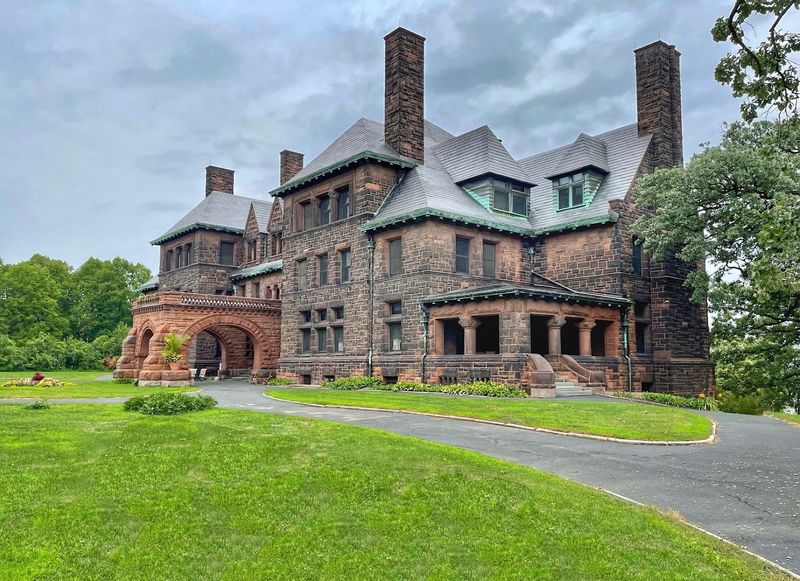
I visited the James J. Hill House and felt the heavy history the moment you step inside.
The mansion’s ornate rooms seem to hold conversations from another era, and many people report seeing a figure on the grand staircase.
You can almost hear distant footsteps and the creak of floorboards in quiet corners.
Tour guides share stories of cold spots, moving objects, and a lingering presence near the library that makes you pull your coat tighter. During candlelit evening events, the air seems charged, and you sense why locals whisper about the past refusing to leave.
Even the portraits lining the walls feel alive, their eyes following your movements as you wander from room to room. The intricate woodwork, antique furniture, and heavy draperies amplify the feeling that time itself pauses within these walls.
This place makes you want to listen closely to every soft sound. Visitors often leave unsettled, yet strangely drawn back for more each time.
If you are eager to explore its history and mysteries, the mansion is located at 240 Summit Avenue, St. Paul, Minnesota 55102.
11. Ramsey County Courthouse, St. Paul
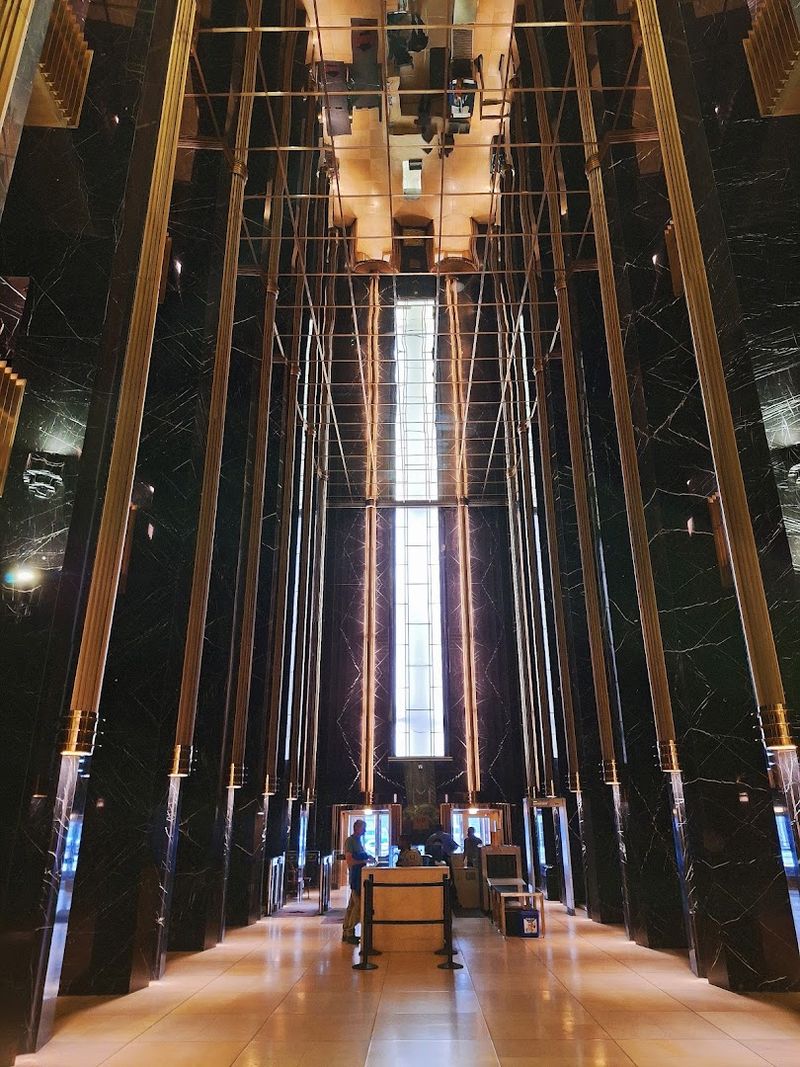
The Ramsey County Courthouse at 15 West Kellogg Boulevard in St. Paul is one of the most architecturally striking buildings in Minnesota. Completed in 1932 in bold Art Deco style, it houses the 36-foot-tall rotating onyx statue, Vision of Peace, which dominates the interior.
It is a genuinely impressive space. It is also, according to decades of local lore, genuinely haunted.
Staff and after-hours workers have noticed footsteps in empty corridors. Lights flicker on and off without explanation.
In the lower levels and stairwells, people often feel an eerie sense of being observed.
The building’s history of trials and executions gives its haunting claims a historical context that makes them harder to dismiss.
Court buildings absorb human drama in a way few other institutions do. Grief, desperation, anger, and fear pass through their halls every single day.
The Ramsey County Courthouse has been doing that for nearly a century, and some believe that accumulation of emotion leaves something behind.
I cannot say with certainty what causes the reported disturbances. What I can say is that if you find yourself alone in that building after hours, the silence feels different than it should.
Minnesota has many unsettling places, but few carry the quiet, institutional dread of this one quite so effectively. Would you dare to explore here on your own?