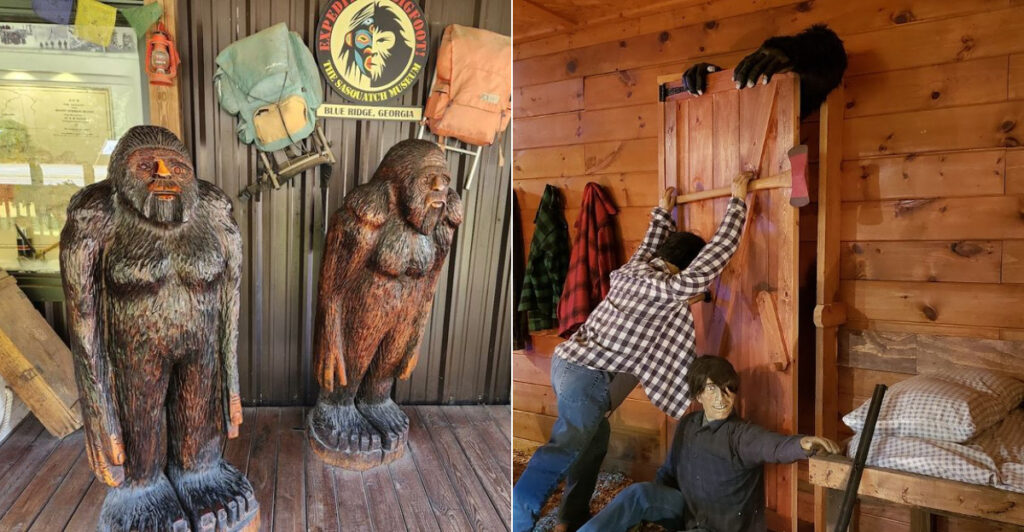
Not every museum in Georgia follows the usual script, and this one proves it right away. Instead of traditional exhibits, this space focuses on one of the most talked-about creatures in American folklore. What makes it interesting is not just the subject, but how much material has been gathered around it.
Visitors often come in unsure what to expect and leave realizing they spent far more time than planned. There is a steady flow to the experience, with each section adding something new without feeling overwhelming.
It reflects years of collected stories and ongoing interest in the topic. You do not need to be an expert or even a fan to stay engaged.
The setup does the work for you. Take a closer look at why this unusual Georgia stop leaves such a strong impression.
The Concept Behind The Museum
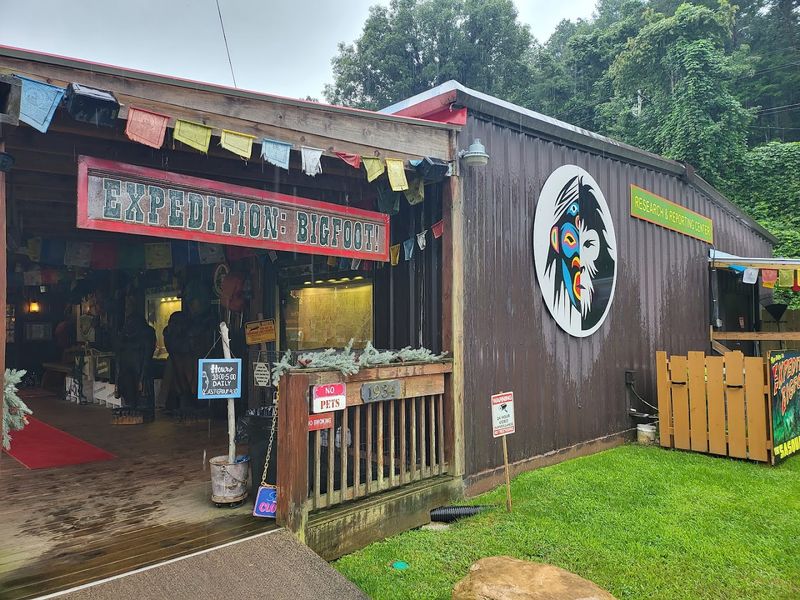
Most museums follow a familiar formula, but Expedition Bigfoot throws that playbook out the window. The entire concept is built around treating Bigfoot not as a punchline but as a serious subject of folklore, eyewitness accounts, and cultural study.
That approach is what sets it apart from the moment you arrive.
The museum does not ask you to believe. Instead, it lays out the evidence, the history, and the stories, then lets you make up your own mind.
That kind of intellectual respect for the visitor is surprisingly refreshing. You are not being sold a fantasy.
You are being invited to explore a genuine mystery that has persisted across centuries and continents.
Located at 1934 GA-515, Blue Ridge, GA 30513, the museum is right along a well-traveled mountain route, making it easy to include in a day trip. The building itself gives off a rugged, outdoorsy feel that fits the subject perfectly.
Even before going inside, the signage and exterior displays give you a sense of the care that went into building this place. As you travel through Georgia, you can stop at this museum for an experience that is both engaging and memorable.
A Bigfoot Collection That Covers More Ground Than You Expect
My first reaction inside the museum was simple surprise. The collection is much larger and more varied than I anticipated.
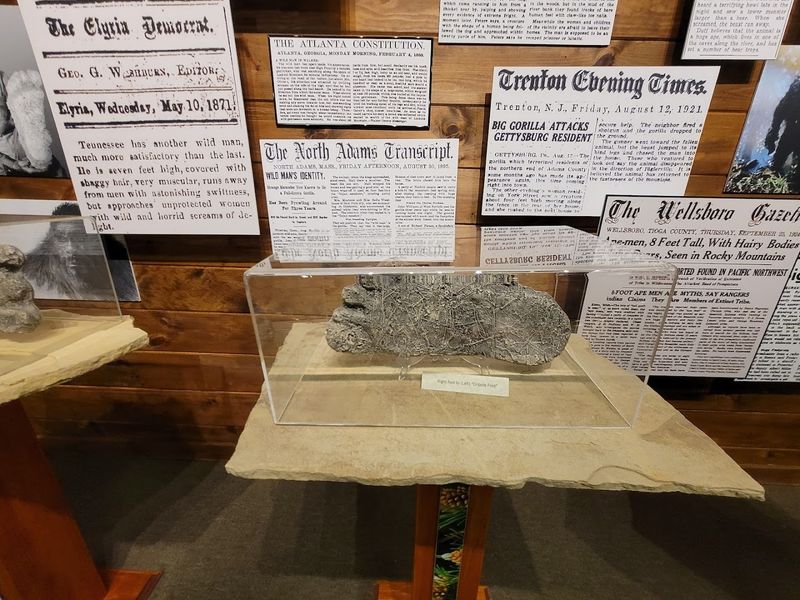
Plaster casts of enormous footprints line the walls, each one labeled with the location and date of the discovery.
Some of them come from well-known Bigfoot sighting regions. Others are from places I had never associated with Bigfoot before, including swamps in Florida and forests in the Pacific Northwest.
Beyond the footprint casts, the museum displays old camping gear said to have been used on expeditions. It also features historical records, newspaper clippings, and even a mummified hand that stopped me cold.
That last item alone sparked a long conversation between me and the person I was visiting with. Nobody could quite agree on what it was, and that uncertainty felt very much in keeping with the whole experience.
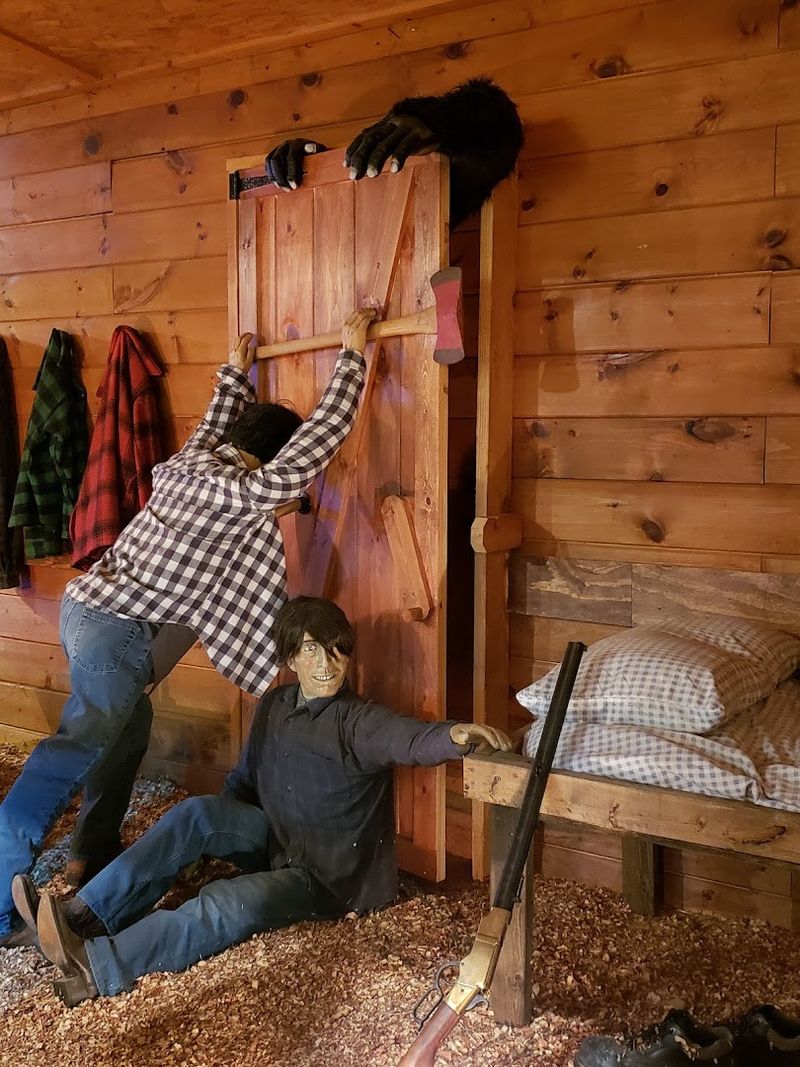
There are also life-size scene recreations based on actual reported encounters. These dioramas are detailed and surprisingly realistic.
The collection is clearly organized with intention, and that careful presentation really enhances the experience. You get the sense that the people behind this museum genuinely respect both the subject and the audience viewing it.
How The Exhibits Are Organized Throughout The Space
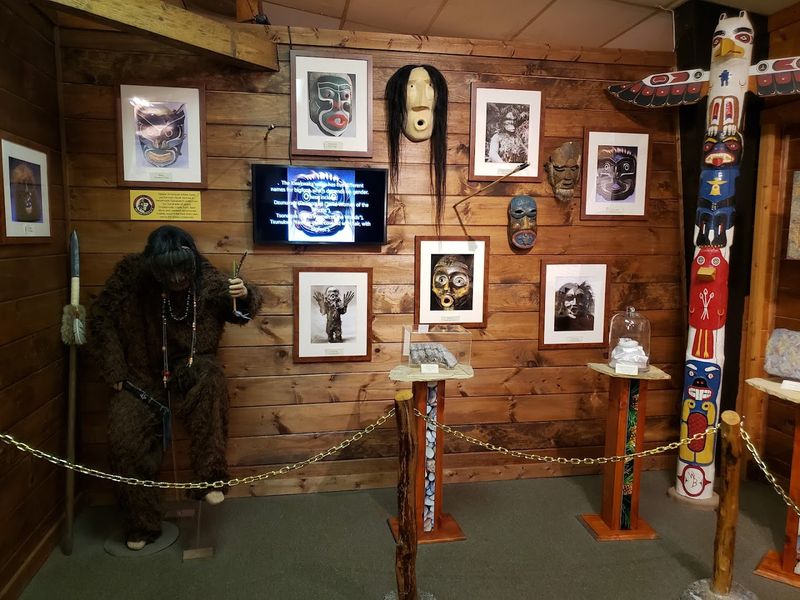
The museum flows through roughly seven distinct areas, each one focused on a different angle of the Bigfoot story. Layout feels intentional rather than random.
You move from historical accounts to physical evidence and then to cultural representations.
This progression makes the overall experience feel like a true narrative rather than a collection of random objects.
One of the first areas covers early American and Indigenous accounts of large bipedal creatures. I found this section genuinely fascinating.
Many Native American nations have names and traditions for creatures like Bigfoot, and the museum gives that context proper attention.
It was the part of the exhibit that surprised me most, because it reframes the whole conversation around a much longer history than most people consider.
Further into the museum, the focus shifts to more recent sightings, research expeditions, and media coverage. There is also a dedicated movie area where you can sit and watch footage and documentary content.
The self-guided format works well here because you can spend as much or as little time as you want in each area. I moved slowly through the Indigenous history section and skimmed some of the later displays.
The layout made it easy to do this without feeling like I missed anything important.
What I Noticed While Exploring The Displays Up Close
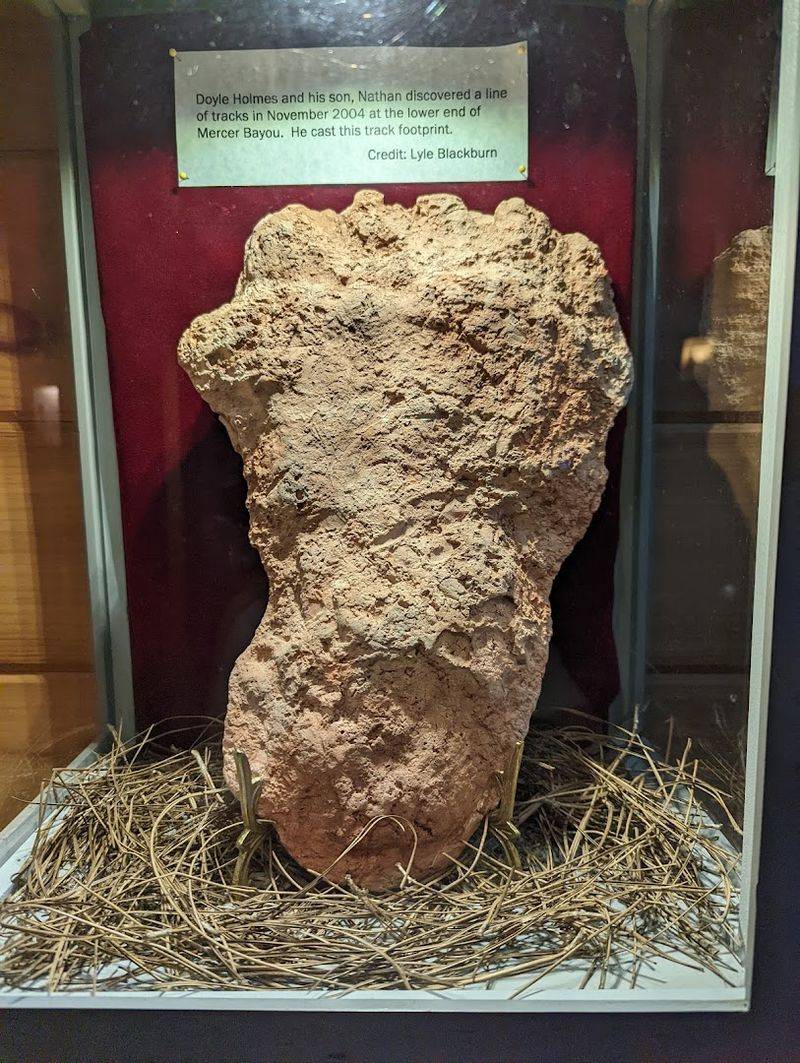
Getting up close to the individual displays is where the real details start to emerge. Some of the footprint casts show distinct toe shapes and pressure ridges that researchers have used to argue for the authenticity of certain sightings.
Even if you don’t buy that argument, the physical objects themselves are genuinely interesting to examine. You start looking at them the way a scientist might, trying to figure out what could have made them.
The life-size dioramas deserve a closer look too. Each one is based on a specific reported encounter, and small plaques explain the background of each case.
One scene that stuck with me depicted a nighttime encounter near a campsite. The lighting in that part of the museum enhanced the atmosphere in a thoughtful, natural way.
I also noticed a large interactive map covered in location pins marking sighting reports from across North America. That map alone could keep a curious visitor busy for twenty minutes.
The sheer density of pins in certain regions is striking. Georgia has its own cluster of pins, which was something I had not expected.
Seeing the local sighting data made the whole thing feel more immediate and personal. It shifted the subject from distant myth to something that people in this region have reportedly encountered firsthand.
The Educational Storytelling That Makes This Place Stand Out
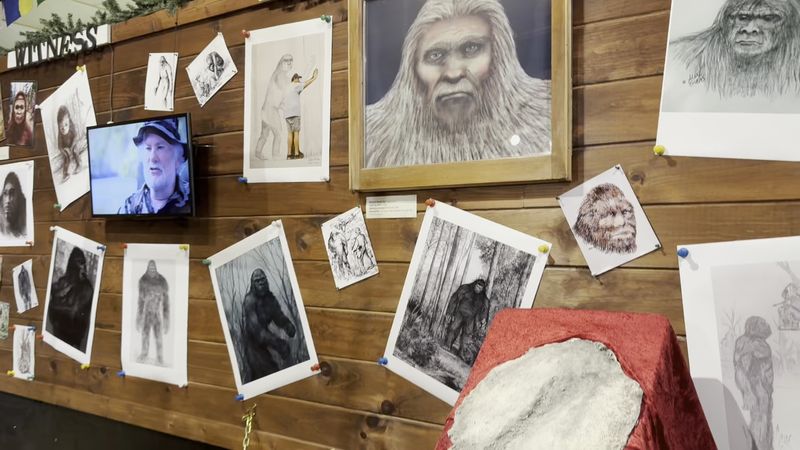
A lot of attraction-style museums lean hard on spectacle and skip the substance. Expedition Bigfoot takes a noticeably different path.
The storytelling throughout the exhibits is grounded in actual documented accounts, cultural history, and research findings.
Even a skeptic can walk through and appreciate the educational content without feeling like they are being asked to accept anything on faith.
The section on Native American traditions around Sasquatch-like beings is one of the strongest parts of the museum. Multiple nations are represented, each with their own name and cultural context for these creatures.
Reading through those accounts gave me a much broader sense of how deeply rooted this subject is in North American history. It is not a modern invention or a product of sensational media.
These stories go back generations.
The museum also covers the scientific debate around Bigfoot in a balanced way. It presents the arguments made by researchers and the counterarguments from skeptics without pushing you toward a conclusion.
That balance is harder to maintain than it sounds, and the museum pulls it off consistently throughout the exhibits.
By the time I reached the final sections, I felt genuinely more informed about the subject than when I arrived. That is exactly what good educational storytelling is supposed to accomplish, and this museum earns that description honestly.
Experiencing The Museum’s Atmosphere
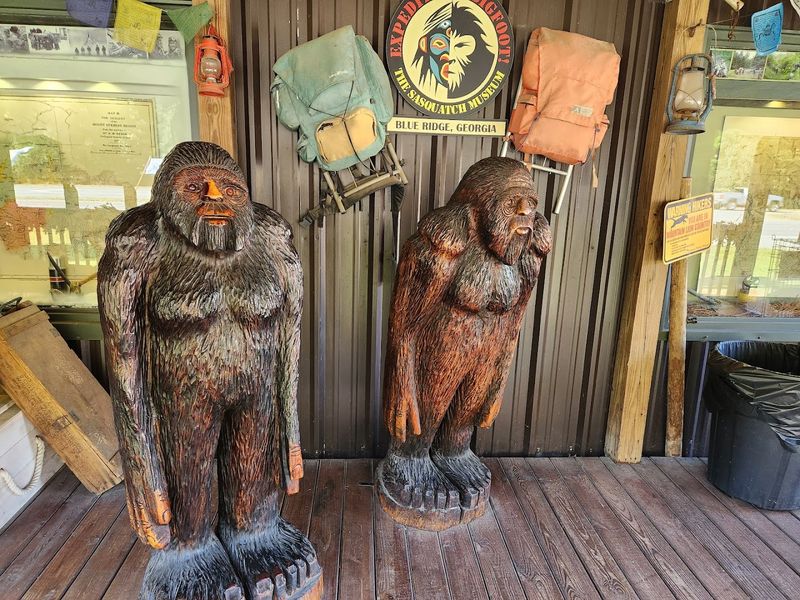
There is a specific feeling you get inside this museum that is hard to name exactly. It exists somewhere between curiosity and unease, and the environment is clearly designed to produce that response.
The lighting shifts from bright and informational to darker and more immersive as you move through the exhibits.
The sound design adds another layer to the experience. Ambient forest sounds play in certain sections, and in the movie area, audio from documentary footage drifts out into the surrounding space.
None of it feels overdone. It enhances the mood without distracting from the actual content of the displays.
I appreciated that the museum trusted the material to carry the experience rather than drowning it in theatrical effects.
The staff contributes a lot to the overall atmosphere too. Everyone I interacted with was relaxed and friendly, happy to answer questions but not hovering over you while you explored.
That balance between accessible and unintrusive made the self-guided format feel comfortable rather than lonely.
For a topic that can feel unsettling, the staff keeps the atmosphere welcoming while maintaining the exhibits’ seriousness. The whole atmosphere feels like it was calibrated carefully, and that care shows in how naturally the space draws you through it.
Where The Museum Is And What’s Nearby
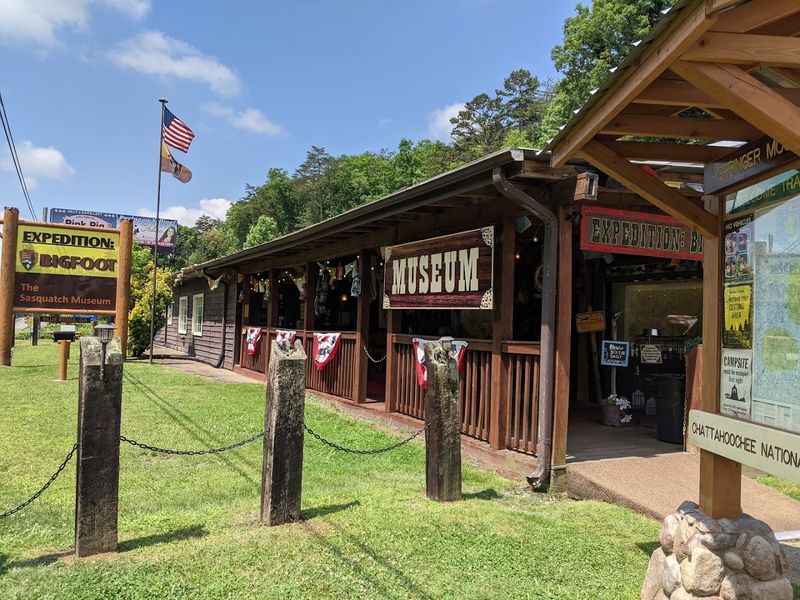
Blue Ridge is one of those small mountain towns that earns its reputation without trying too hard. The downtown area is walkable, full of independent shops, restaurants, and galleries that give the place real character.
The museum fits naturally into that environment because the whole town has a spirit of discovery about it. Coming here feels like a deliberate choice rather than a default destination.
The North Georgia mountains surrounding Blue Ridge are part of what makes the Bigfoot theme feel so fitting. Dense forest covers the ridgelines, and the rugged terrain makes the idea of something large living there feel plausible.
That geographic context adds an unspoken layer to the museum experience. The landscape outside reinforces the stories inside in a way that a city-based museum simply could not replicate.
If you are planning a full day around the visit, the area offers hiking trails, river access, a historic train excursion, and plenty of dining options. I ended up spending most of the afternoon in town after leaving the museum, and the whole trip felt cohesive and well-paced.
Georgia has many mountain towns to explore, but Blue Ridge stands out with a charm that leaves a lasting impression. The museum is a big part of that personality, but the surrounding area holds its own just as well.
Maximizing Your Time At The Museum
Planning ahead makes a real difference with a visit like this. The museum is open seven days a week from 10 AM to 5 PM, which gives you solid scheduling flexibility.
Admission is very reasonable considering the amount of content and exhibits you get to explore.
Active duty military members receive free admission, and veterans qualify for a discount, which is a detail worth knowing before you go.
Plan on spending somewhere between an hour and two hours inside, depending on how thoroughly you want to explore each section. If you intend to watch the documentary film in the movie area, budget extra time for that.
The self-guided format means you control the pace entirely, so there is no pressure to rush through anything. I found that moving slowly through the first few sections and picking up speed toward the end worked well for me personally.
The gift shop is worth a browse before you leave. It has the usual shirts, stickers, and novelties, but also some distinctive items that make better souvenirs than standard tourist fare.
Parking is straightforward and accessible, and the building is wheelchair friendly throughout.
You can reach the museum by phone or visit their website to check for any schedule updates before making the trip. Going on a weekday tends to mean smaller crowds and more room to explore at your own pace.
Tempted or hesitant, make the trip and see what surprises await you.