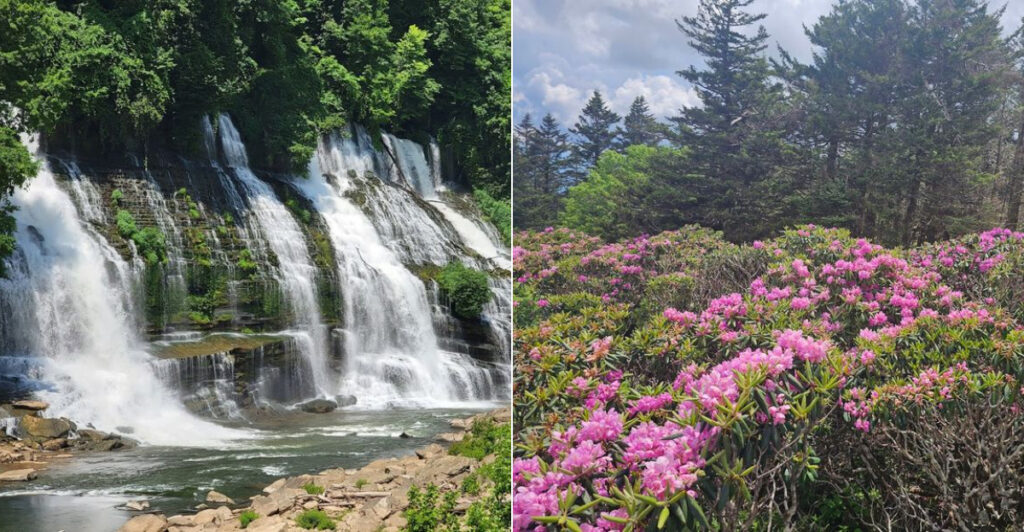
Beyond the major tourist spots, Tennessee reveals a landscape filled with roaring waterfalls, rocky overlooks, and deep forests. This state does not need to shout to impress you.
Rugged gorges provide breathtaking scenery without the usual crowds or hassle. The views are big, the trails are rewarding, and the atmosphere feels calmer in all the right ways.
You get more room to look around, more chances to hear the water, and far fewer distractions pulling you out of the moment. That is a pretty great trade.
Looking for the kind of outdoor adventure that gives you dramatic landscapes without packed parking lots and crowded boardwalks? Tennessee has plenty of it.
These state parks show off a wilder, quieter, more exciting side of the state, with the kind of natural beauty that keeps a day trip from feeling ordinary.
1. South Cumberland State Park
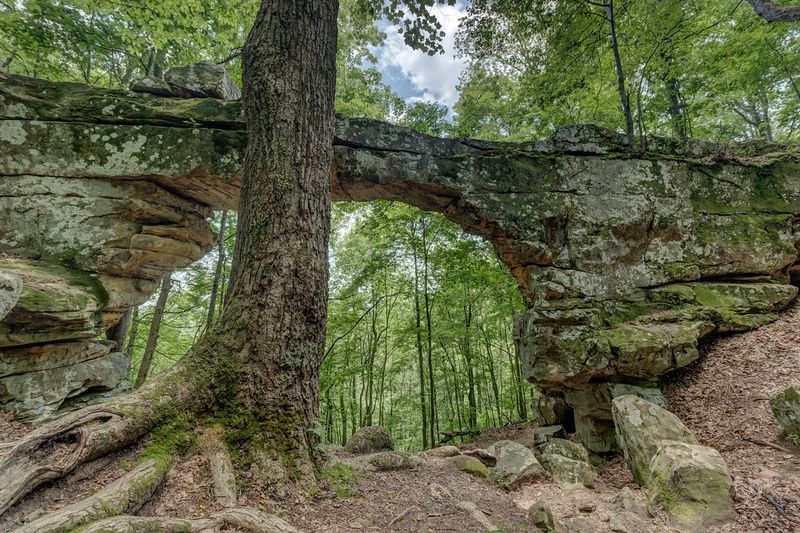
Some parks give you one great view. South Cumberland State Park gives you an entire region to explore.
Spread across five counties in the Cumberland Plateau of Tennessee, this park is actually a collection of natural areas connected under one name.
With more than 35,000 acres of rugged terrain, this is one of the most underrated outdoor destinations in the state.
The Fiery Gizzard Trail is the crown jewel here and it has earned a serious reputation among Tennessee hikers.
The full trail runs about 12 miles one way.
It takes you through deep gorges, past cascading waterfalls, over massive boulders, and along streams that look straight out of a hiking magazine.
You do not need to do the full route to enjoy it. Even a few miles in will reward you with scenery that feels completely wild and remote.
There are several access points and visitor centers throughout the park, including one at Grundy Forest near Tracy City.
The staff there can help you plan a route based on your fitness level and the time you have available. Dogs are welcome on the trails, which makes it a popular spot for people who want to bring their four-legged hiking partners along.
What makes South Cumberland stand out is the sheer variety.
One section might take you along a quiet creek, while another puts you on an exposed ridgeline with views stretching for miles.
2. Fall Creek Falls State Park
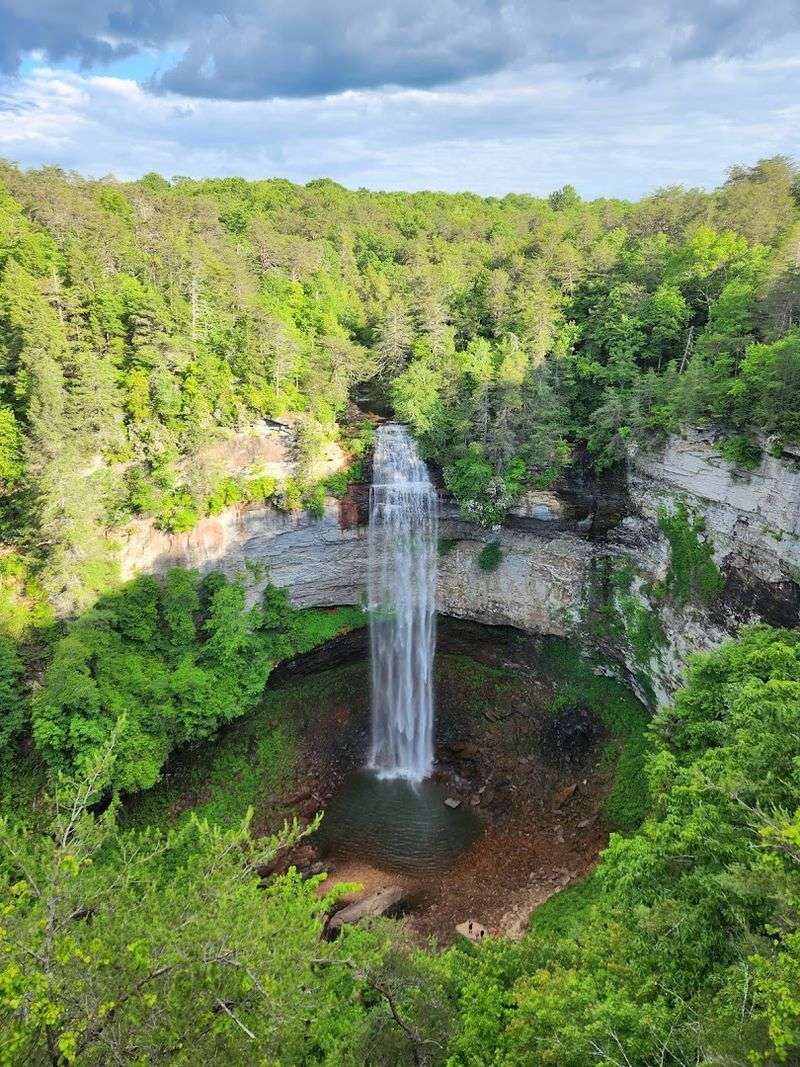
At the overlook, 256 feet of crashing water drops straight into the gorge below. The sheer force of it is enough to stop you in your tracks.
Fall Creek Falls State Park, located near Spencer in Van Buren County, Tennessee, is home to one of the tallest free-falling waterfalls in the eastern United States.
That alone makes it worth the trip. The park covers over 26,000 acres of the Cumberland Plateau, and the trail system gives you access to multiple waterfalls, cascades, and swimming holes.
You can hike the Gorge Overlook Trail for sweeping views or take the longer loop down into the gorge itself, where the air gets cooler and the sound of rushing water fills everything around you.
Families love this park because it works for all skill levels.
There are easy paved paths near the main falls for younger kids, and more rugged backcountry trails for those who want a real challenge.
The park also has a golf course, a lake with canoe rentals, and a full-service inn if you want to stay overnight without sleeping in a tent.
Fall and spring are the best times to visit. Fall brings brilliant foliage that frames every waterfall in shades of orange and red, while spring means the water volume is at its peak.
Is there a better combination than a massive waterfall surrounded by autumn color? Plan a full day here because one hour simply will not be enough.
3. Cummins Falls State Park
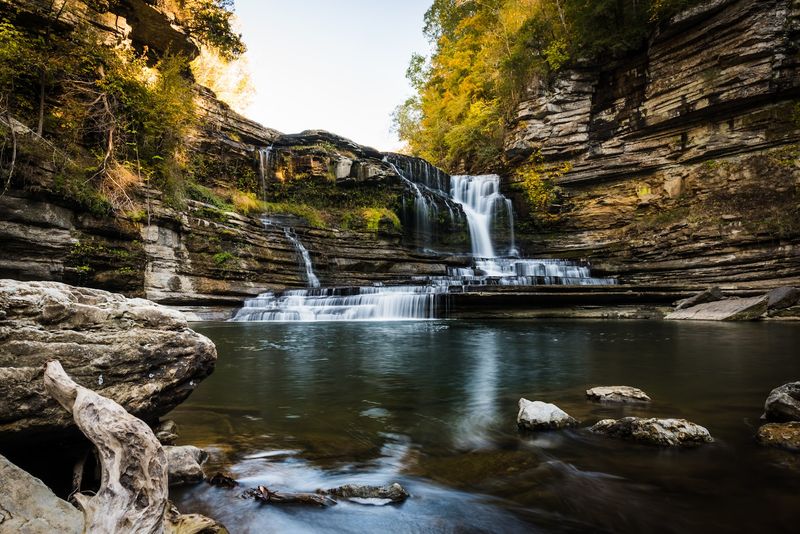
Picture a waterfall so wide and powerful that the mist hits your face from 50 feet away.
That is Cummins Falls, a 75-foot cascade located near Cookeville in Jackson County, Tennessee. The park is one of the newer additions to the Tennessee state park system, but it has quickly become one of the most visited, and for very good reason.
Getting to the falls requires a short but exciting hike that involves crossing a creek multiple times. The trail is only about a mile and a half round trip, but it is rocky and wet, so proper footwear matters.
Water shoes or sturdy trail runners work well here. The payoff at the end is a natural swimming hole at the base of the falls where you can wade in and feel the cool water rushing past you.
The swimming area is genuinely spectacular.
The canyon walls rise up on both sides, the water is crystal clear, and the sound of the falls echoes off the rocks in a way that makes the whole place feel like a hidden world.
Go on a weekday if you want more space to yourself.
Weekends in summer get busy, though the park does limit entry numbers to keep it from feeling overcrowded.
Cummins Falls is the kind of place that earns a permanent spot in your photo roll.
Bring a dry bag for your phone, wear clothes you do not mind getting wet, and plan to spend at least two to three hours soaking up everything this compact but stunning park has to offer.
4. Burgess Falls State Park
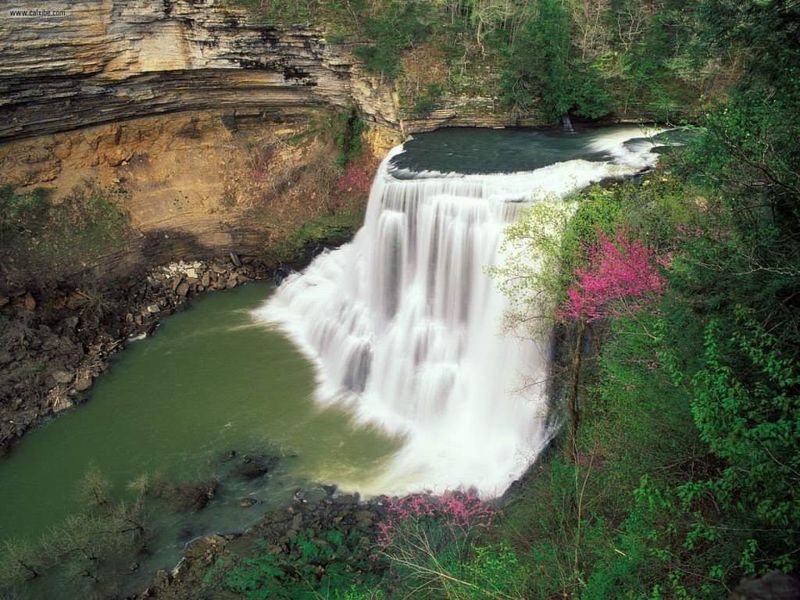
Four waterfalls on one trail sounds almost made up, but Burgess Falls State Park delivers that kind of scenery without overpromising.
The main trail follows the Falling Water River downstream, and with each half mile or so, another waterfall appears.
The grand finale is the main Burgess Falls drop, a dramatic 136-foot plunge into a deep rocky canyon that is genuinely hard to walk away from.
The trail is about three miles round trip and rated moderate, making it accessible for most hikers who are reasonably active.
The path hugs the river closely in many spots, and the sound of moving water follows you the entire way.
There are overlook platforms positioned at key viewpoints so you can take in the falls from above before heading down closer to the water.
One thing that sets this park apart is the geology.
The canyon walls are made of layered limestone and shale, and the river has carved through them over thousands of years to create these dramatic drops.
You can actually see the different rock layers in the cliff faces as you hike, which gives the trail an extra layer of visual interest beyond just the waterfalls themselves.
The park is free to enter, which makes it one of the best value outdoor experiences in all of Tennessee.
Parking is limited, so an early morning arrival is strongly recommended, especially on weekends between May and October.
Once you see the main falls up close, you will completely understand why this trail has such a devoted following among Tennessee hikers.
5. Rock Island State Park
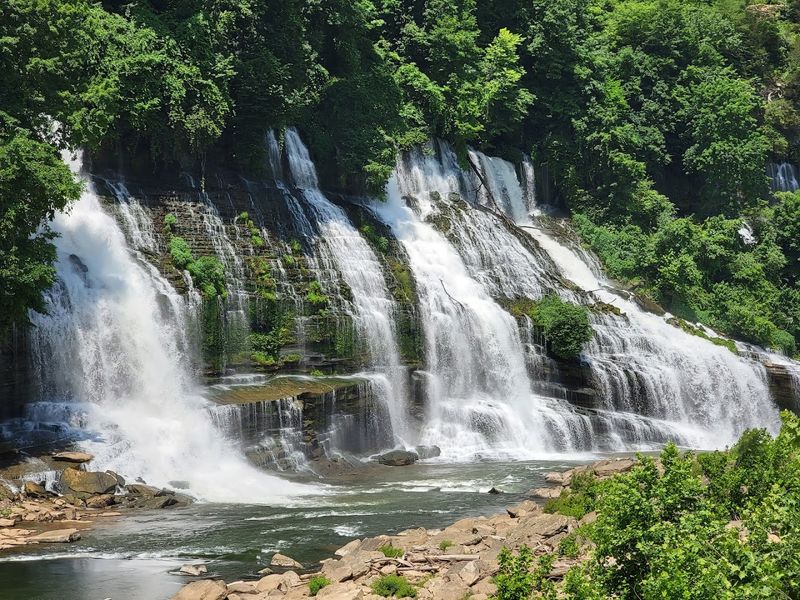
Not every great park is built around a single trail or one famous waterfall.
Rock Island State Park, located near the town of Rock Island in Warren County, Tennessee, is a place where the whole package comes together.
This park has everything. Rushing water, a sandy beach, rocky bluffs, and one of the most striking natural swimming areas in the state.
The Great Falls of the Caney Fork River anchor the park and create a scene that stops people mid-step.
The beach at Rock Island sits just downstream from where the river releases through a series of waterfalls and rapids.
When water levels are right, the sandy shoreline and turquoise water look almost tropical.
It is one of those spots where first-time visitors tend to stop and ask each other if this is really a state park in Tennessee.
Beyond the beach, the park has trails that wind along the river gorge and give you elevated views of the water below.
The Twin Falls area is a short walk from the main parking area and features two separate cascades dropping side by side into a rocky pool.
Kayakers and canoeists also use the river, so the park has an active outdoor energy that feels exciting without being chaotic.
Rock Island works well as a half-day or full-day trip.
It sits roughly halfway between Nashville and Chattanooga, which makes it a smart stop if you are road-tripping across the state.
The campground has sites near the river, and waking up to the sound of moving water is an experience that is genuinely hard to beat.
6. Roan Mountain State Park
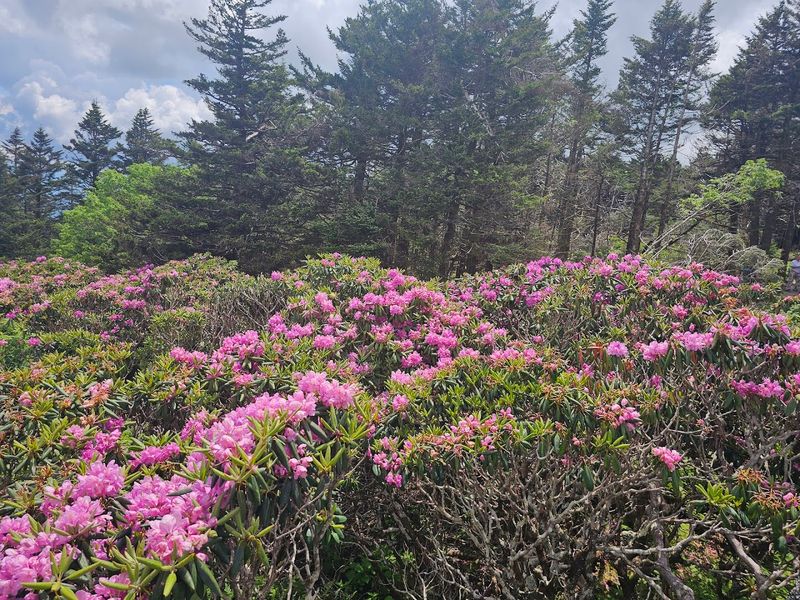
Roan Mountain rises to 6,285 feet, and it really does rule the Tennessee skyline.
The views up there feel completely different from anywhere else in the state.
Roan Mountain State Park, located near the town of Roan Mountain in Carter County, Tennessee, serves as the base camp for exploring this remarkable high-elevation environment.
The Appalachian Trail passes right through the area, and the views from the open balds stretch across multiple states on a clear day.
The rhododendron bloom in June is what draws most people here for the first time.
The Catawba rhododendrons on Roan Mountain form one of the largest natural gardens of their kind in the world, and during peak bloom, the entire ridgeline turns a vivid shade of purple-pink.
It is a spectacle that people plan entire trips around, and it absolutely lives up to the anticipation.
Outside of bloom season, the park is still worth every bit of the drive. Fall color at this elevation is exceptional because the high-altitude trees turn earlier than those in the valleys below.
Winter brings snow and a completely different kind of quiet beauty.
The park has a swimming pool, cabins, and a campground, so you can easily turn a day visit into a longer stay.
The trails range from easy walks through the campground area to more demanding climbs up toward the balds.
Roan Mountain features trails where thick forests give way to open skies and sweeping mountain vistas. Few places in the eastern United States can match this kind of scenery.
7. Frozen Head State Park
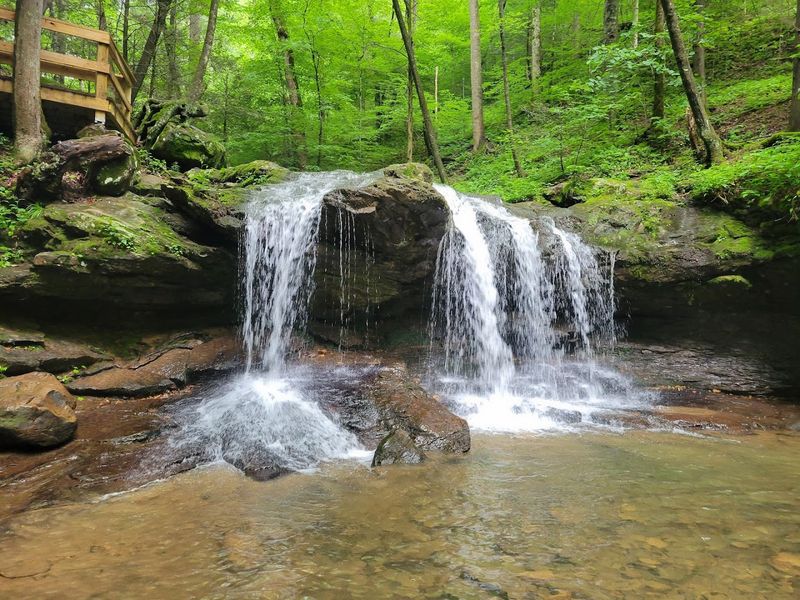
The name alone raises questions, and the park answers them in the best possible way.
Frozen Head State Park, near Wartburg in Morgan County, Tennessee, lies in a remote part of the Cumberland Mountains.
Its highest summit often collects ice and snow in winter, inspiring the park’s memorable name.
The park protects over 24,000 acres of some of the most intact old-growth forest remaining in the state.
Hikers who make it to the top of Frozen Head Mountain are rewarded with a fire tower that offers 360-degree views across a sea of forested ridges.
The summit trail is about 10 miles round trip with significant elevation gain, so it demands real effort. But the sense of accomplishment at the top, paired with those sweeping views, makes the climb feel completely worth it.
The forest here is genuinely impressive. Ancient tulip poplars and hemlocks create a canopy so thick that summer hikes feel cooler than expected.
The park has over 50 miles of trails total, ranging from short creek walks to serious backcountry routes.
Wildflowers in spring are spectacular, with trillium, bloodroot, and wild ginger carpeting the forest floor in waves of color.
Frozen Head also holds an unusual piece of running history.
It is the site of the legendary Barkley Marathons, an extreme ultramarathon so brutally difficult that it has a completion rate in the single digits.
You probably do not need to run 100 miles here to enjoy it, but knowing that history makes every trail feel just a little more epic.
8. Pickett CCC Memorial State Park
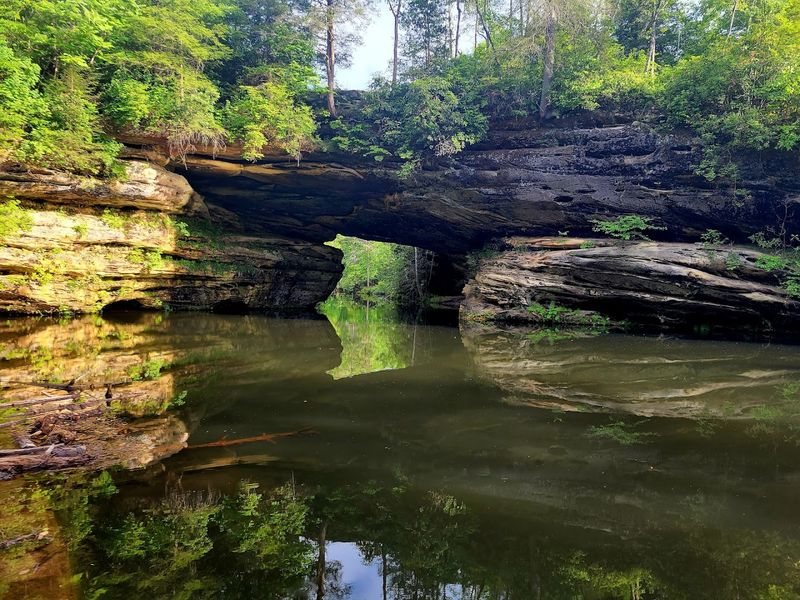
Placed into the far north of Tennessee near Jamestown in Pickett County, this park is one of the most geologically fascinating places in the entire state.
Pickett CCC Memorial State Park preserves a landscape sculpted by millions of years of erosion. Sandstone formations here have been carved into arches, bridges, and caves that evoke a prehistoric world.
The park covers around 19,000 acres, and much of it feels genuinely untouched.
The natural bridges here are the main attraction.
Thompson Creek Natural Bridge is one of the largest natural arches in the eastern United States.
The hike to reach it passes through rugged, stunning terrain, making the journey as rewarding as the destination.
Rock overhangs and bluff shelters line the trails, and some of them show evidence of use by Native Americans thousands of years ago.
The park connects directly to the Big South Fork National River and Recreation Area, which means your hiking options effectively expand into a much larger wilderness.
This border location gives Pickett a wild, backcountry feel that is rare for a state park.
The trails are not heavily trafficked, and it is entirely possible to spend a full day on the trail without seeing more than a handful of other hikers.
Pickett also has a small lake for fishing and swimming, plus cabins and camping for overnight stays. What truly separates this park from others on this list is the quiet.
The kind of quiet where you stop and realize you have not heard a single human sound in over an hour, and that feels like a genuine luxury.