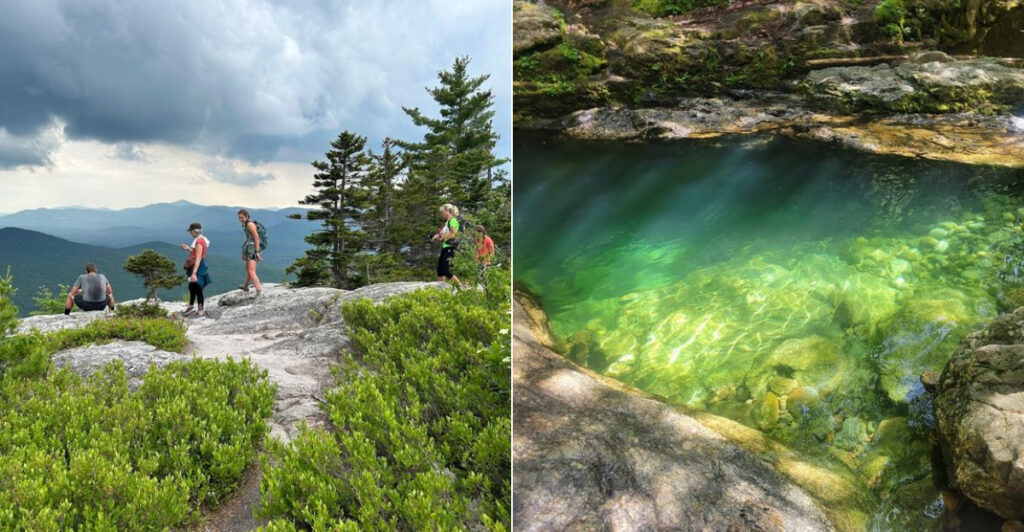
Maine knows how to make a hike feel like a reward. You start out under the trees, follow a trail that stays cool and quiet, and then suddenly the whole scene changes. The water shows up first, clear, green, and bright enough to stop you in your tracks.
Then come the smooth rocks, the rushing stream, and the kind of shady forest setting that makes you want to stay a while. It feels refreshing before you even get close.
That is what makes this spot stand out. The walk is scenic, the payoff is huge, and the whole experience feels like the kind of summer find people hope for but do not always get.
If you have been craving a trail with a real wow moment at the end, this one makes a very strong case.
The Trail That Starts It All
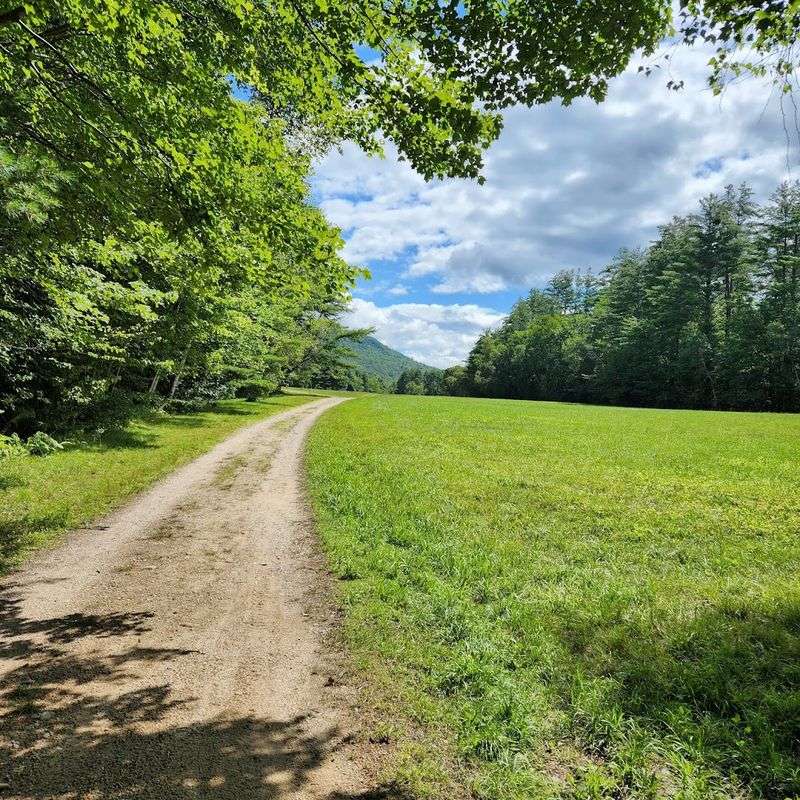
Not every great adventure begins with a dramatic entrance, and the Blueberry Mountain Trailhead on Shell Pond Rd in Stow, ME 04037 is proof of that. It looks modest at first, just a dirt path disappearing into the trees, but what waits ahead is anything but ordinary.
The trail runs about 4 miles round trip, which makes it a perfect length for almost anyone. Families with kids, solo hikers, and first-timers all find it manageable without feeling too easy or too short.
The path follows Evans Brook for much of the route, so you hear rushing water almost the entire way. That sound alone makes the walk feel refreshing before you even arrive at the pool.
The terrain is mostly flat to gently rolling, with a few rocky sections near the water crossings. Wear sturdy shoes with grip, because wet rocks along the stream can be slippery, especially in spring or after rain.
Trail markers are present but not always obvious, so pay attention to where the path leads. Going with someone who has been before or downloading an offline map is a smart move.
The parking area at the start is small, with room for only a handful of cars. Arriving early on weekends is the best way to guarantee a spot and beat the crowds.
Ready to take that first step?
Rattlesnake Pool Up Close
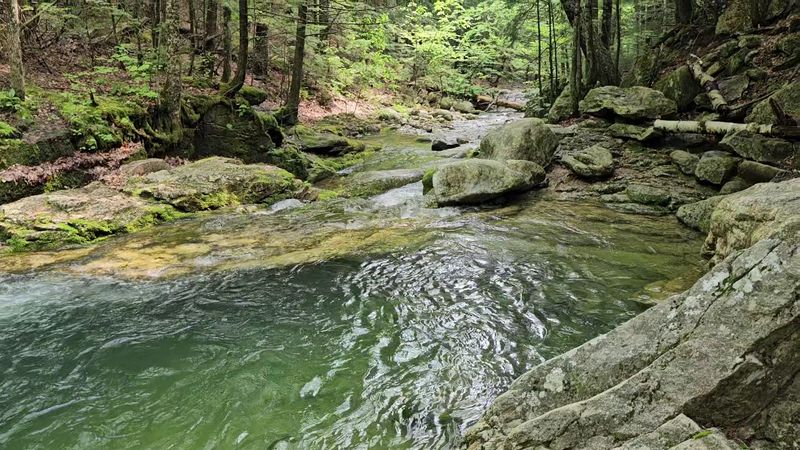
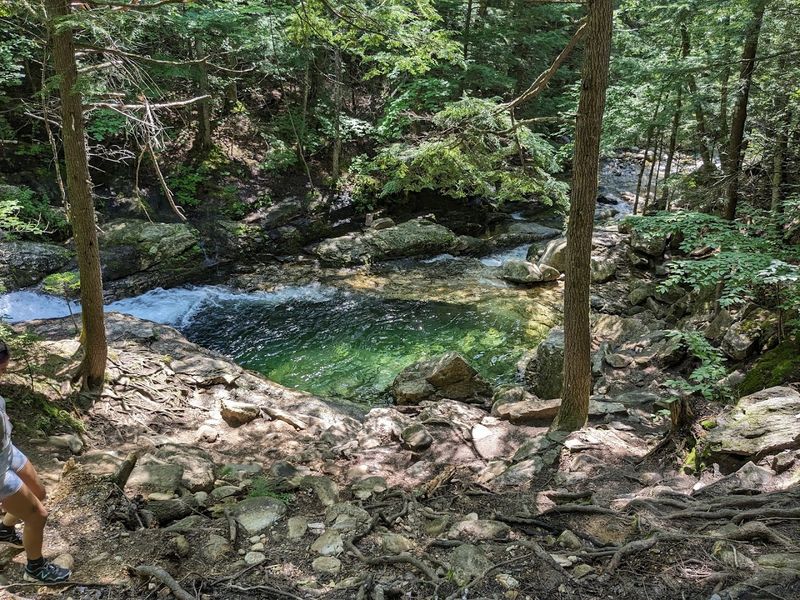
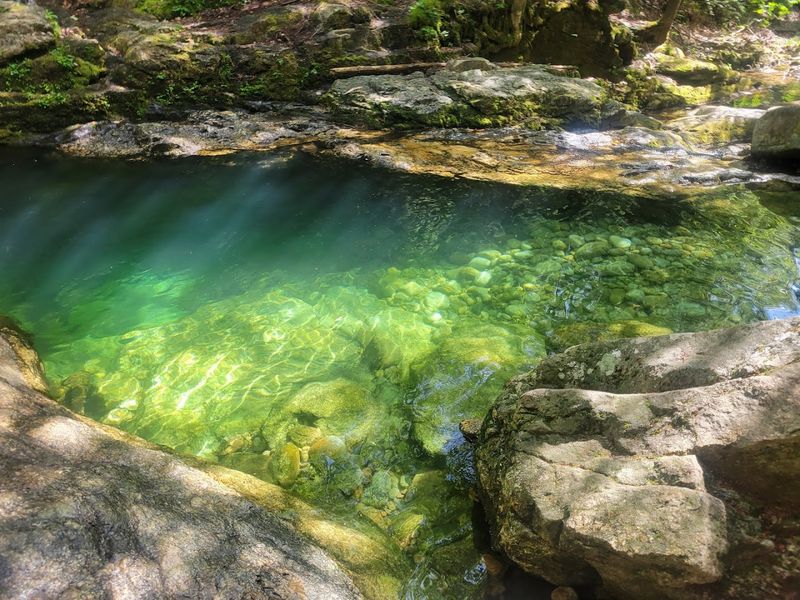
The first time you see Rattlesnake Pool, you will probably stop walking and just stare. The water is an intense shade of green that almost looks painted, and it sits inside a natural bowl of smooth granite boulders like something out of a storybook.
Water stays cold and remarkably clear throughout the warmer months. On a sunny day, light filters through the tree canopy and hits the surface at just the right angle.
The reflections shift and dance, making the pool look different every time you glance at it. Have you ever seen water that looks this alive?
The pool is wide enough for a small group to swim comfortably, with natural ledges on the sides that work perfectly as spots to sit, dry off, or just watch the water move. Depth varies depending on rainfall and the season, so always check conditions before jumping in.
During peak summer, the water level tends to be ideal for wading and swimming. No lifeguards are present, so adults need to keep a close eye on children near the water.
The rocks can be slick, and the current near the inlet can be stronger than it appears from a distance.
The Forest Walk Along Evans Brook
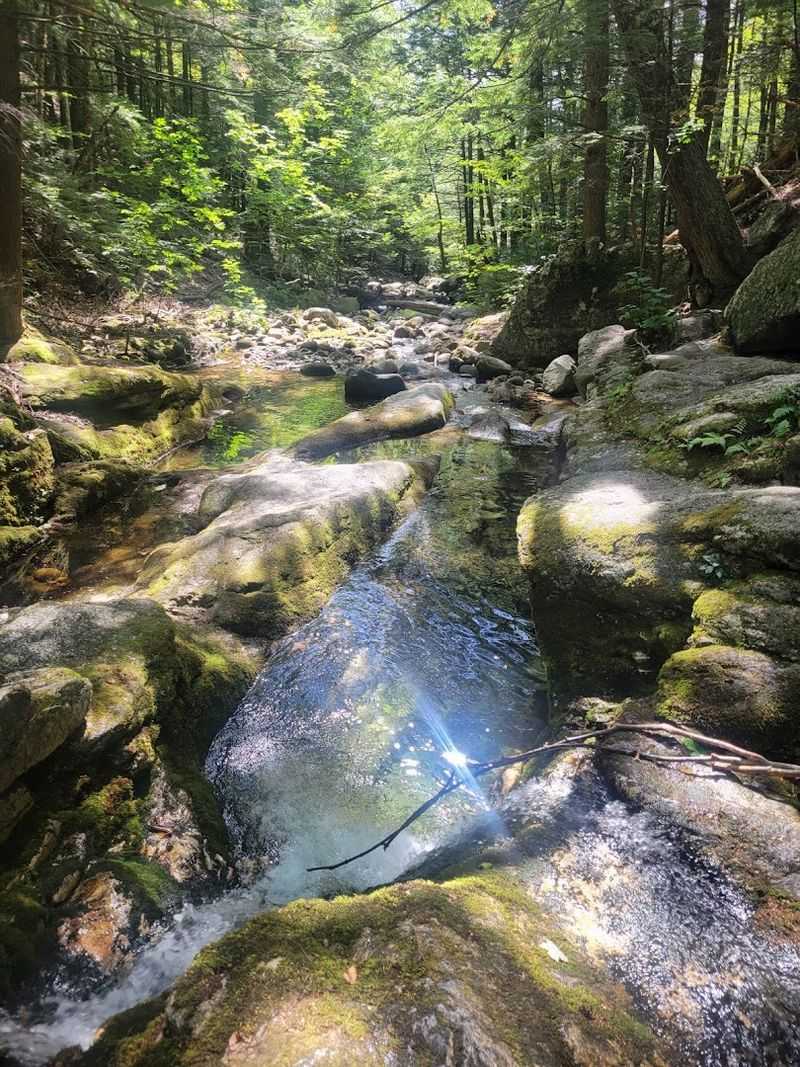
The stream runs alongside the trail for most of the route, gurgling and splashing over rocks with a constant, cheerful energy.
The brook is small but lively. It changes character as you walk, sometimes wide and calm, sometimes narrow and fast-moving where it squeezes between boulders.
Watching it shift keeps you entertained the whole way. The forest around the brook is thick with ferns, mossy logs, and tall hardwoods that create a canopy overhead.
In summer, everything is intensely green, and the air smells like pine and cool water. Look down into the shallow sections of the brook and you might spot small fish darting between the stones.
The water is clean enough to see the bottom clearly in most spots, which says a lot about the health of this ecosystem. A few informal crossings require you to hop across rocks or step through shallow water.
These spots are fun for kids and add a small sense of adventure to the walk without making things difficult. The brook also acts as a natural guide back to the trailhead on the return trip, so getting turned around is unlikely.
Best Times To Visit For The Full Experience
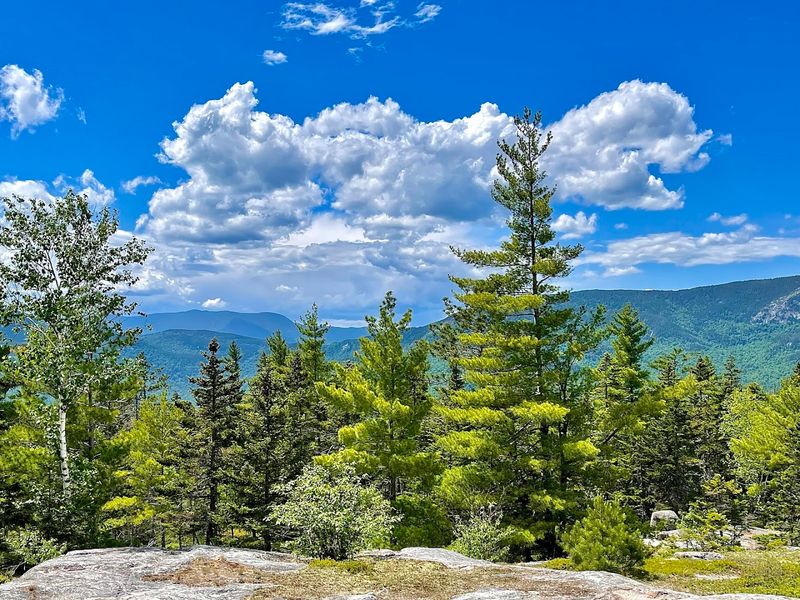
Timing your visit to Rattlesnake Pool makes a real difference in what you experience. Each season brings something different to this trail, and knowing what to expect helps you plan the perfect trip.
Summer is the most popular window, and for good reason. The pool is at its best from late June through August, when water levels are good for swimming and the forest canopy provides shade on warm afternoons.
Weekdays are noticeably quieter than weekends. Early morning visits in July and August are especially rewarding.
The light is soft, the air is still cool, and you often have the pool entirely to yourself for the first hour.
Fall brings a completely different kind of magic. The surrounding hardwoods turn orange, red, and gold, and the trail becomes a corridor of color.
Swimming is cold by October, but the scenery more than makes up for it.
Spring visits after snowmelt can be muddy and the water levels run high, which makes swimming less safe. That said, the brook is dramatic and powerful in May, and wildflowers start appearing along the path.
Winter access is possible but not maintained, and the trail can be icy. Only experienced hikers with proper gear should attempt it in cold months.
Whatever season you choose, arriving with a full water bottle and a light snack will keep your energy up for the whole round trip.
Wildlife You Might Spot Along The Way
The trail to Rattlesnake Pool passes through a healthy stretch of Maine forest, and the wildlife reflects that. Keep your eyes open and your voice low, and you are likely to spot more than just trees on this hike.
White-tailed deer are common in this area and are often seen in the early morning near the brook. They tend to freeze and stare before moving off quietly into the trees, giving you a few seconds of genuine eye contact if you stay still.
Songbirds are everywhere along the trail in summer. Warblers, thrushes, and the occasional woodpecker fill the woods with sound from the moment you start walking.
Frogs and salamanders love the wet, rocky areas near the stream crossings. Kids especially get a kick out of finding them tucked under flat stones or sitting on mossy banks right at the water’s edge.
Red squirrels are bold and vocal, often announcing your presence to the entire forest before you even realize they are watching. Their chattering is a regular soundtrack on this trail.
Larger animals like moose and black bears do live in the broader region, though sightings on this particular short trail are rare. Still, making noise while hiking is always a smart habit in Maine.
Bring binoculars if you have them.
The forest canopy near the pool is a great spot to watch birds from the rocks while you rest.
What To Pack For A Perfect Day Here
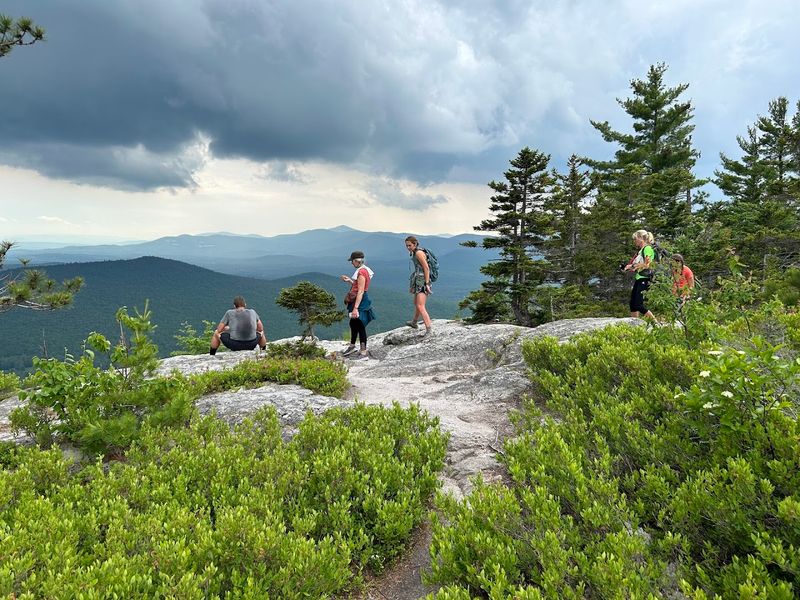
Packing smart for Rattlesnake Pool does not require a huge gear investment, but a few key items make a noticeable difference in how much you enjoy the day. This is a short trail, but it rewards preparation.
Water is the most important thing to bring. The hike is not long, but the sun and physical activity add up quickly in summer.
Carry at least one liter per person, and more if you plan to spend time at the pool.
Footwear matters more than most people expect. The trail surface includes exposed roots, wet rocks near the brook, and muddy patches after rain.
Trail runners or light hiking boots with grip are the right call. A swimsuit and a quick-dry towel are must-haves if you plan to get in the water.
The pool is cold, but on a warm day, that cold is exactly what you want. What could be better than earning a swim at the end of a trail?
Sunscreen and insect repellent are worth applying before you start. The forest provides shade, but open areas near the pool get direct sun, and Maine mosquitoes are enthusiastic in early summer.
A small snack like trail mix or a granola bar gives you energy for the return walk after spending time at the pool. The hike back always feels just a little longer than the way in.
The History And Character Of Stow, Maine
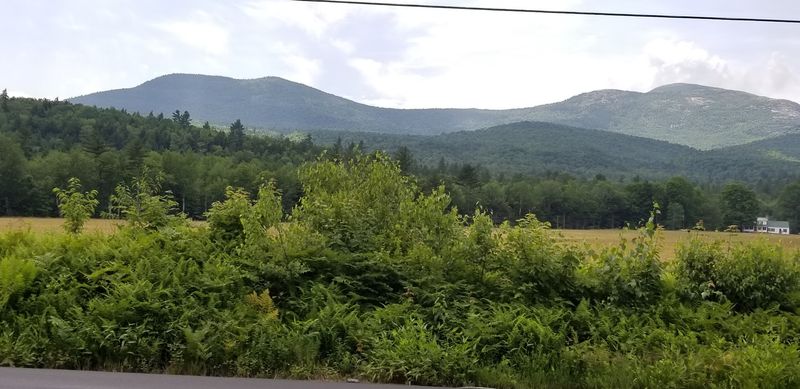
Stow is one of those small Maine towns that most people drive past without stopping, which means those who do stop get something the crowds miss entirely. The town sits in Oxford County, placed between the White Mountain National Forest and the Saco River valley.
The population of Stow hovers around a few hundred residents, which keeps the area quiet and largely undeveloped. That low density is exactly why the forest feels so untouched and the trails stay in such good condition.
Logging and farming shaped this region for generations, and the landscape still carries that history. Old stone walls appear in the woods where fields once stood, and you can spot them running between the trees not far from the trail.
The name Rattlesnake Pool has its own local lore. Timber rattlesnakes were once more common in New England than they are today, and many natural features in the region carry that name as a nod to earlier times.
Stow sits near the New Hampshire border, which makes it a natural stopping point for travelers exploring both states. The combination of Maine’s deep forests and New Hampshire’s mountain views within a short drive makes this corner of New England especially rewarding.
Tips For A Respectful And Enjoyable Visit
Rattlesnake Pool has grown in popularity over recent years, and that means the people who visit have a bigger responsibility to keep it in good shape. A few simple habits go a long way toward protecting this place for future visitors.
Stay on the marked trail whenever possible. The vegetation around the brook and pool is sensitive, and cutting across the banks or trampling the ferns causes erosion that is hard to reverse.
Your footprint matters more than you might think. Pack out everything you bring in.
There are no trash cans at the trailhead or along the route, so every wrapper, bottle cap, and food scrap needs to come home with you.
The trail is clean right now because visitors have made that choice. Keep noise levels reasonable.
The forest is a shared space, and loud music or shouting carries far in quiet woods.
Other hikers come here specifically for the peace, and so do the animals that live here year-round.
Check local regulations before your visit, as rules around swimming in natural areas can change seasonally. The Maine Bureau of Parks and Lands is a reliable source for current information.
Sharing the location responsibly on social media helps prevent overcrowding, which is one of the biggest threats to small natural sites like this one.