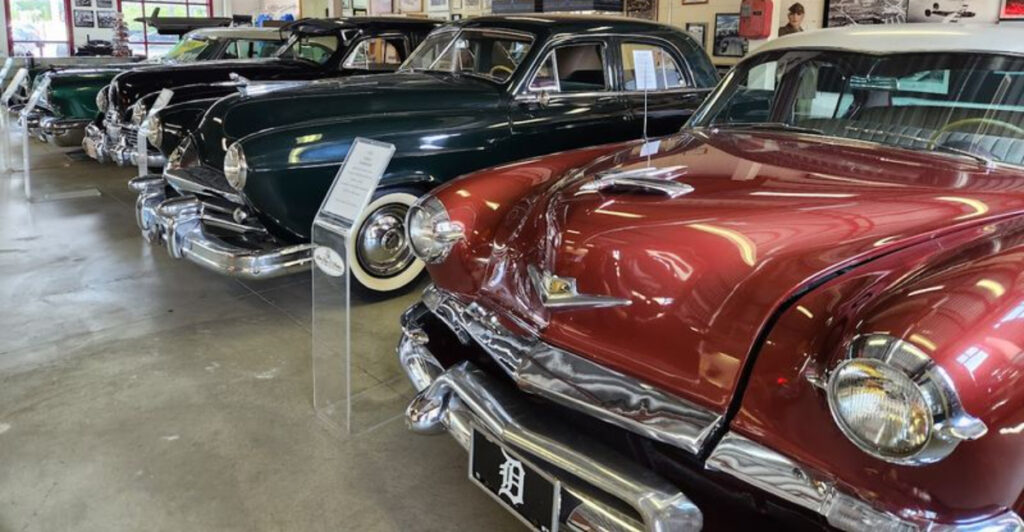
Michigan knows cars better than almost anywhere else, so a place like this already has a head start. But this museum does more than lean on the state’s reputation.
It gives car lovers and curious visitors a reason to slow down and really look around. Inside, you will find rare vehicles, memorable stories, and the kind of automotive history that feels personal instead of dusty.
The collection has plenty to catch your eye, but the bigger draw is how much character the place has. You do not need to know engines or collect classic cars to enjoy it.
You just need a little curiosity and a little time. What starts as a quick stop can easily turn into a full afternoon once the stories, the cars, and the history start pulling you in.
For anyone who enjoys places with real personality, this one makes a strong impression fast.
The Story Behind The Museum
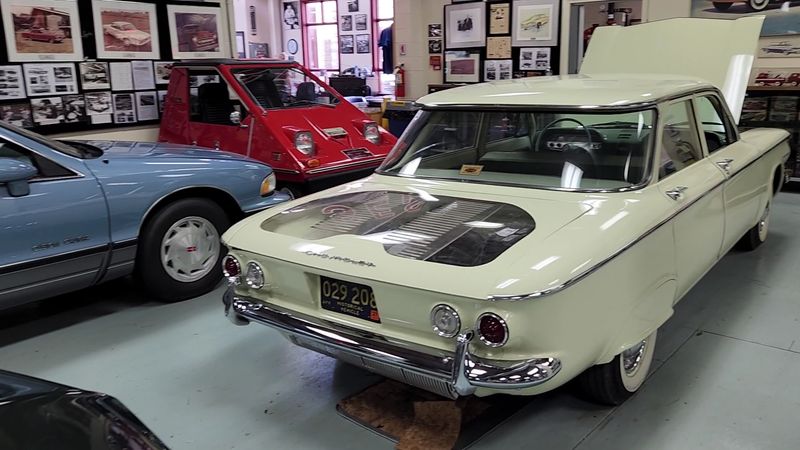
Not every museum starts with a grand plan. The Ypsilanti Automotive Heritage Museum grew from a community passion for preserving the car-making legacy of a city that played a real role in American automotive history.
The museum sits in the heart of a city that was once home to Kaiser-Frazer, one of the most ambitious postwar automakers in the United States. That company tried to shake up the industry in the late 1940s, and its story is told right here.
The museum was founded by local volunteers who wanted to make sure that story was not forgotten. They collected cars, documents, photos, and artifacts over many years to build something genuinely meaningful.
What started as a small operation has grown into a full destination that draws visitors from across Michigan and beyond. The building itself has history baked into every corner.
Walking through the front door, you get the sense that real people with real dedication put this place together. It does not feel like a corporate exhibit.
It feels personal, honest, and deeply connected to the community that built it.
The Kaiser-Frazer Connection
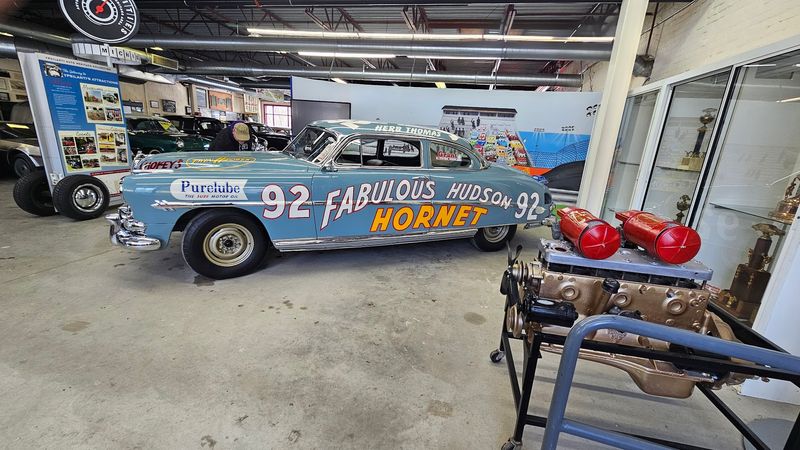
Most people have never heard of Kaiser-Frazer, and that is exactly why this part of the museum is so exciting. After World War II, two businessmen named Henry J.
Kaiser and Joseph Frazer decided to take on the Big Three automakers. That was a bold move.
They set up production right in Willow Run, just outside Ypsilanti, in a massive plant that had been used to build bombers during the war. For a few years, they actually competed with Ford, GM, and Chrysler.
The museum dedicates serious space to telling this story. You will find original Kaiser and Frazer vehicles on display, along with advertisements, factory records, and personal stories from workers who were there.
It is a chapter of American industrial history that most history books skip over, which makes finding it here feel like a real discovery. Did you know Kaiser-Frazer produced over 740,000 vehicles before closing in 1955?
The cars themselves are stunning. The designs were ahead of their time, with sleek lines and features that the major brands would not adopt for years.
Seeing them in person makes you wonder what might have happened if things had gone differently.
This section of the museum alone is worth the visit.
It is the kind of story that sticks with you long after you have driven back home, and it gives Ypsilanti a proud, unique place in American car history.
Classic Cars That Will Make Your Jaw Drop
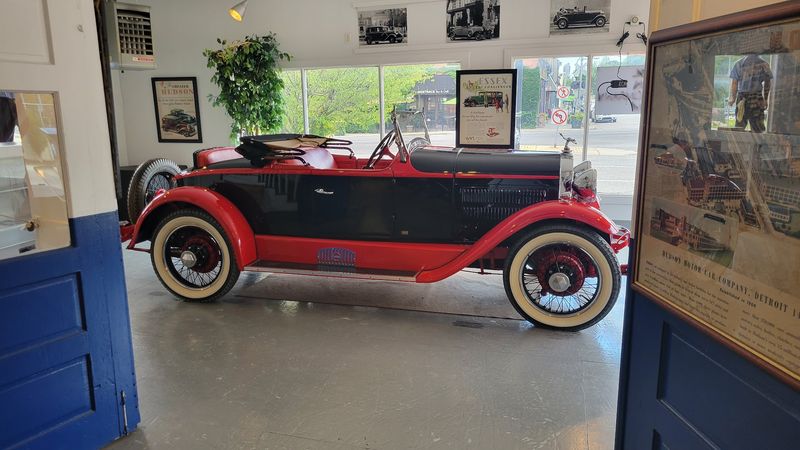
There is something about a perfectly preserved classic car that stops you in your tracks. The Ypsilanti Automotive Heritage Museum has a rotating collection of vehicles that covers decades of American automotive design, and every single one is worth a long look.
From wide-bodied 1950s cruisers with chrome bumpers to sharp 1960s muscle cars with roaring engines, the variety here is impressive. Each vehicle tells its own story about the era it came from.
The museum works with private collectors and donors to keep the collection fresh and interesting. That means repeat visitors often find something new on the floor, which gives people a reason to come back more than once.
What makes this collection different from a standard car show is the context. Each vehicle comes with information about its history, its owner, and its place in the broader story of American car culture.
You are not just looking at a pretty car. You are learning something.
Kids tend to love this part of the museum too. There is something universally appealing about big, colorful, shiny vehicles from another era.
Parents often find themselves explaining history without even trying.
Which car would you want to take for a spin? That is the question most visitors are quietly asking themselves as they move through the collection, and it makes for a surprisingly fun afternoon of imagining life in a different decade.
The Tucker Torpedo On Display
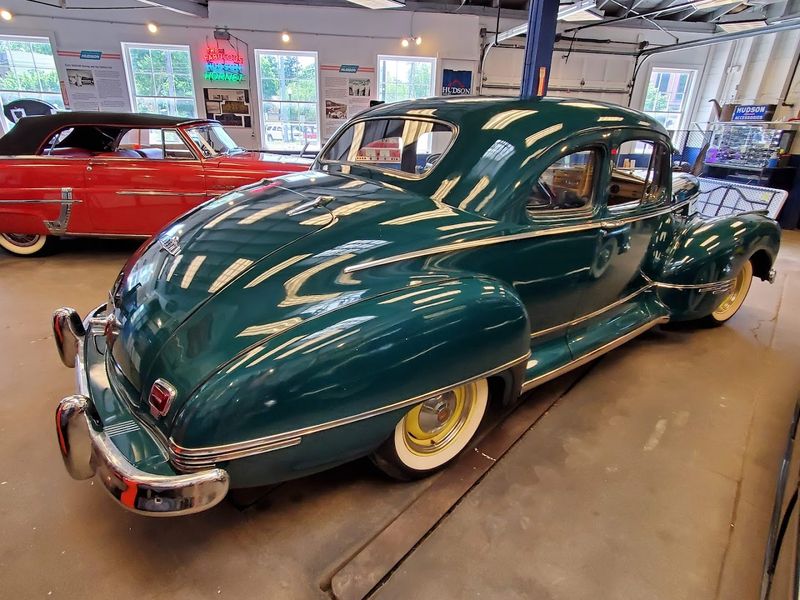
One of the most talked-about features of the Ypsilanti Automotive Heritage Museum is its Tucker. If that name rings a bell, it might be because the Tucker 48 is one of the most dramatic stories in American car history.
Preston Tucker designed a revolutionary vehicle in the late 1940s that included a center headlight that turned with the steering wheel, a padded dashboard for safety, and a rear-mounted engine. For 1948, these ideas were extraordinary.
Only 51 Tucker 48s were ever built before the company collapsed amid controversy and legal battles. Fewer than 50 survive today, making each one incredibly rare and valuable.
The museum’s Tucker is a genuine showstopper. Visitors gather around it, take photos, and read every word of the accompanying exhibit.
It is one of those cars that proves innovation does not always win, but it always leaves a mark.
Seeing a Tucker in person is a rare experience that most car enthusiasts never get. The fact that this museum has one speaks to the seriousness and dedication of the people who built this collection.
A Museum Built By The Community, For The Community
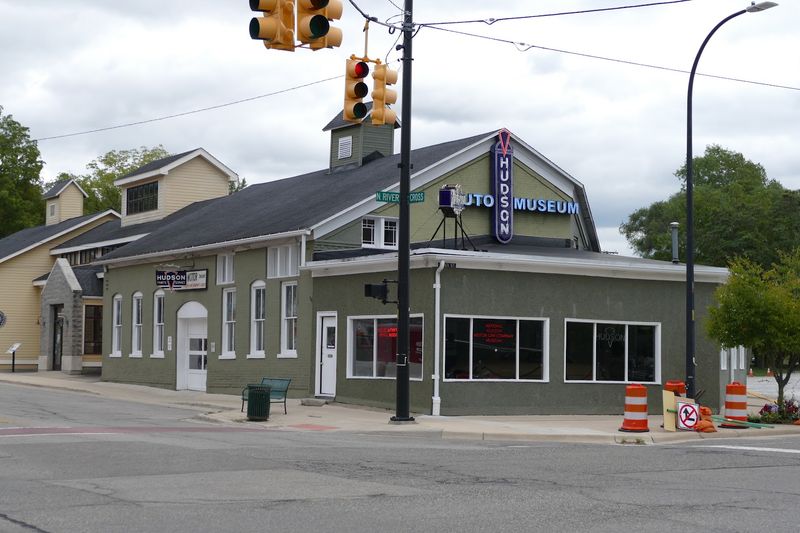
Most big museums have corporate sponsors, paid curators, and massive budgets. The Ypsilanti Automotive Heritage Museum operates differently.
It was built by passionate volunteers who wanted to honor their city’s history, and that spirit is still very much alive today.
Many of the people you meet when you visit have deep personal connections to the automotive industry. Some are former factory workers. Others are lifelong collectors.
A few are historians who have spent years researching the cars and companies on display.
That personal touch changes the experience completely. When someone who actually worked in a plant tells you about the cars being built there, the history becomes real in a way that no printed label can replicate.
The museum also hosts events, car shows, and educational programs that bring the community together. It is a living institution, not just a storage space for old vehicles.
Local schools bring students here for field trips. Families make it a regular weekend outing.
Out-of-town visitors are often surprised to find such a rich and well-organized collection in a mid-sized Michigan city.
Ypsilanti Itself Is Worth Exploring
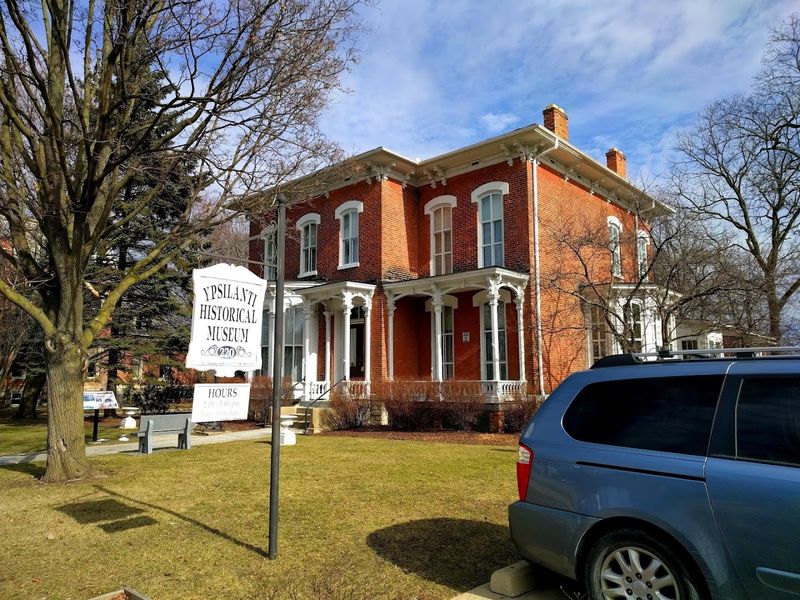
The museum is a great reason to visit Ypsilanti, but the city has plenty more to offer once you step back outside. Ypsilanti is a lively, historic Michigan city with a distinct character that sets it apart from its neighbors.
The downtown area around Cross Street has locally owned shops, cafes, and restaurants that reflect the city’s creative and independent spirit. A walk through the neighborhood after your museum visit turns the whole trip into a proper outing.
Ypsilanti is also home to Eastern Michigan University, which gives the city a youthful, energetic atmosphere. The mix of students, longtime residents, and visitors creates a community that feels genuinely alive.
The famous Ypsilanti Water Tower, one of the most recognized landmarks in the area, is just a short walk from the museum. It has been standing since 1890 and offers a striking photo opportunity that locals and tourists both enjoy.
The Huron River runs through the area, and there are parks and trails nearby that make for a pleasant addition to your day. Combining a museum visit with some outdoor time is easy here.
Practical Tips For Planning Your Visit
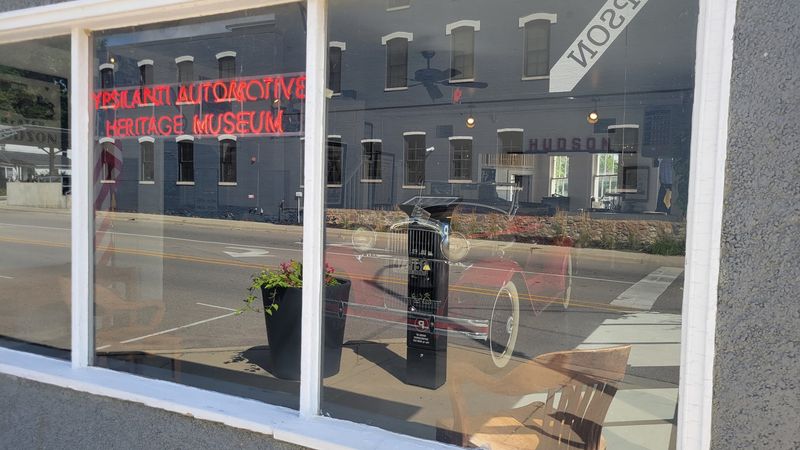
Planning a visit to the Ypsilanti Automotive Heritage Museum is straightforward, and a little preparation goes a long way toward making the most of your time there.
The museum is located at 100 E Cross St, Ypsilanti, MI 48198, in a part of downtown Ypsilanti that is easy to navigate. Parking is available nearby, and the area has other shops and restaurants worth exploring before or after your visit.
Admission is very affordable, which makes it a great option for families, solo travelers, and groups. The museum is open on weekends, so checking current hours before you go is always a smart move.
Plan to spend at least two hours inside if you want to read the exhibits and really absorb the history. Car enthusiasts who love reading every detail might find themselves there for much longer.
The museum is accessible and welcoming to visitors of all ages. There is plenty to see at eye level for younger visitors, and the staff is always happy to answer questions or point out highlights.
Bringing a camera is highly recommended. The cars are beautiful, the lighting inside is good for photography, and you will want to remember what you saw.
Why This Museum Deserves A Spot On Your Michigan Road Trip
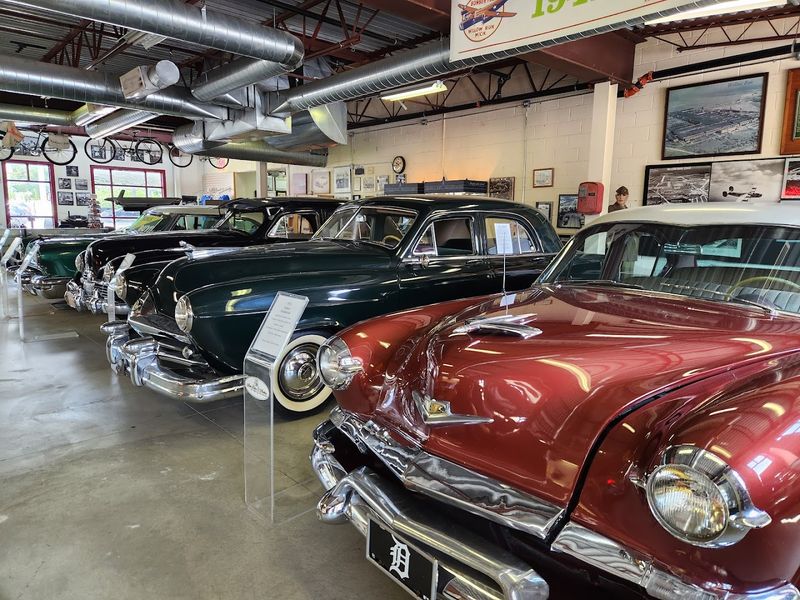
Michigan is full of places worth visiting, but the Ypsilanti Automotive Heritage Museum earns its place on any serious road trip itinerary. It offers something that bigger, more famous attractions often miss: a genuine, human-scale story told with care and passion.
Seeing them in person connects you to a history that most people never encounter in school or in mainstream media.
For car enthusiasts, this is an obvious stop. But even travelers who would not normally call themselves car fans find themselves captivated by the exhibits, the stories, and the sheer visual appeal of the collection.
The museum is compact enough to visit in a single afternoon, which makes it easy to fit into a larger trip through southeastern Michigan. Detroit is less than an hour away, and Ann Arbor is just next door, so combining destinations is simple.
The cars here are not just objects. They are evidence of ambition, creativity, and the complicated reality of American industry.