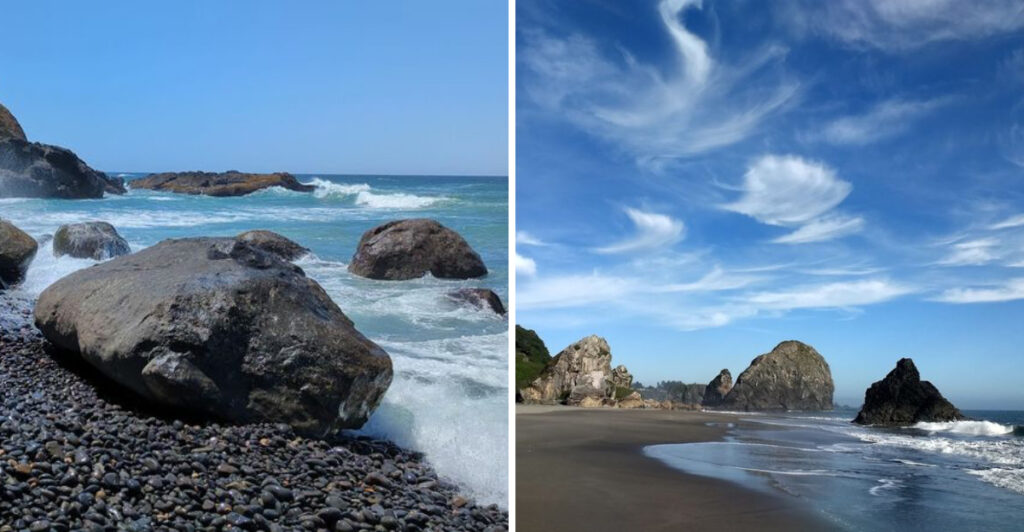
Bring your curiosity, something about the hunt just hits different. You are not just walking on a beach.
You are scanning, searching, hoping that the next glint in the sand turns into something special. The coastline stretches wide, wild, and unpredictable, and every tide feels like it is hiding a secret waiting to be found.
Some days reward patience. Other days surprise you instantly.
That is what makes this experience so addictive. Along the rugged shoreline of Oregon, the terrain shifts from smooth sand to rocky pockets where the real treasures tend to gather.
And along the coast of those quiet, overlooked corners are exactly where the magic happens. Keep your eyes low.
Something small, colorful, and ocean-worn might be closer than you think. Oregon truly has something to offer!
Moolack Beach
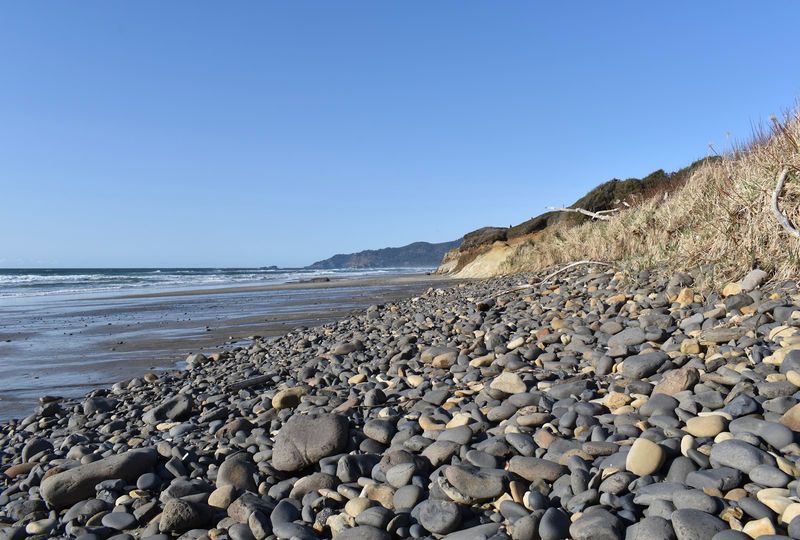
Quiet shoreline, serious treasure potential.
Moolack Beach near Newport, Oregon earns its reputation quietly, one smooth piece of sea glass at a time.
North of Newport along the central Oregon Coast, this stretch of shoreline is known among beachcombers as a good spot to occasionally find frosted sea glass in shades of green, brown, and the occasionally prized cobalt blue.
The beach sits between rocky headlands that help trap and collect debris washed in by the Pacific, which means the glass-to-sand ratio here can be surprisingly generous after a good storm.
Low tide is your best friend at Moolack Beach, as it exposes more of the rocky areas where sea glass tends to cluster.
Wear sturdy shoes because the terrain mixes soft sand with slippery rocks and driftwood.
Parking is available along Highway 101, and access is straightforward, making this a great first stop on any sea glass road trip along the Oregon Coast.
Agate Beach
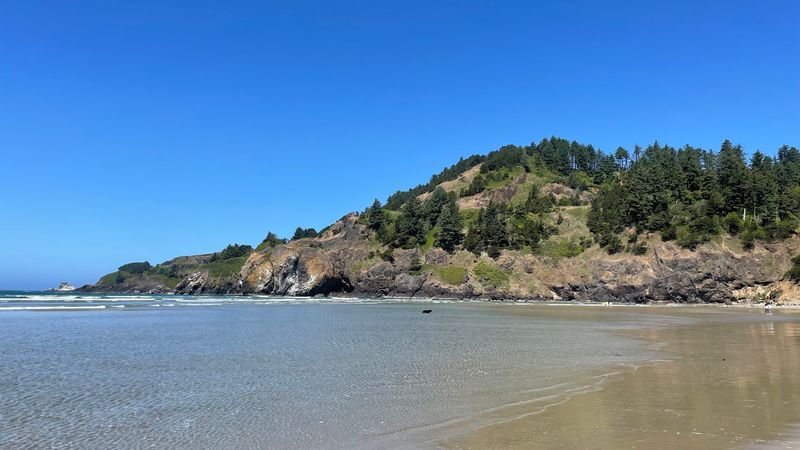
The name says it all, and yet Agate Beach near Newport, Oregon holds more surprises than most visitors expect when they first set foot on its wide, sandy shore.
Famous for its polished agates, this beach also yields a solid collection of sea glass, especially after winter storms churn up the ocean floor and deposit fresh finds along the tideline.
The combination of agates and sea glass makes every walk here feel like a double treasure hunt, and it is hard to leave without at least a few pieces tucked into your pocket.
Green and brown glass are most common, but patient hunters occasionally find white, amber, and even rare red pieces mixed in with the gravel near the water’s edge.
The beach stretches for a generous length, so spreading out and exploring different sections often leads to better finds.
Agate Beach is easily accessible from Newport and has nearby amenities, making it a comfortable and rewarding stop for families and solo hunters alike.
Beverly Beach State Park
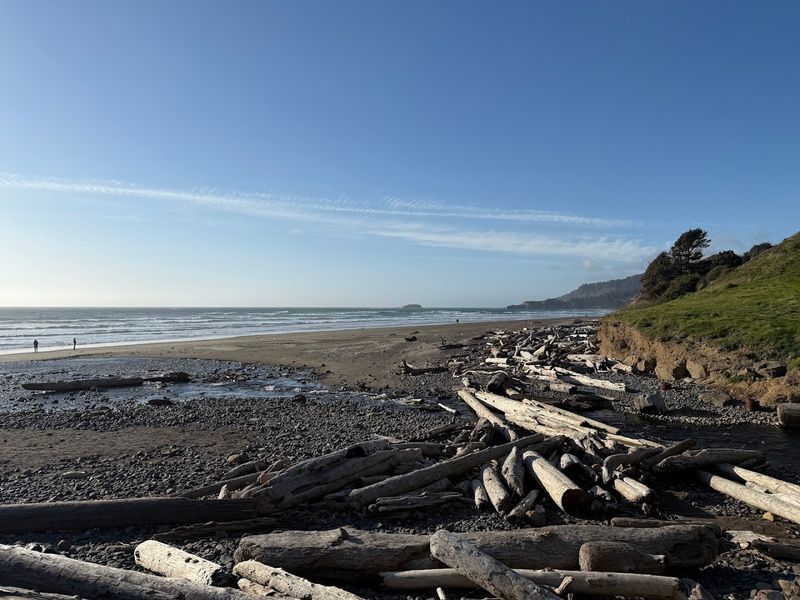
Right between the forest and the ocean, Beverly Beach State Park near Newport, Oregon offers one of the most scenic settings on the central coast for a sea glass adventure.
The beach here is long and wide, with a rocky section near the creek outlet that tends to collect more sea glass than the softer sandy stretches further south.
Spencer Creek flows through the park and empties onto the beach, and the area around its mouth is a particularly productive zone for finding smoothed glass pieces after the tide goes out.
Hunters who walk north toward the rocky outcroppings often find the best concentration of glass, especially green, clear, and brown shards that have been tumbled to a satisfying frosted finish.
The state park itself has full camping facilities, which means you can extend your stay and hit the beach at multiple low tides over several days.
Early morning visits tend to be less crowded and give you the best shot at first pick of whatever the overnight tide brought in.
Seal Rock State Recreation Site, Seal Rock, Oregon
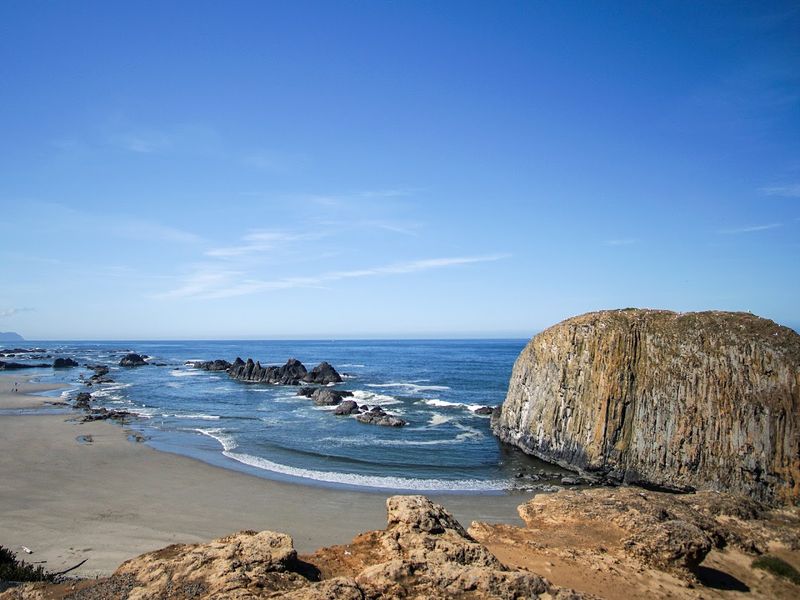
Few beaches on the Oregon Coast look as dramatic as Seal Rock State Recreation Site near the small community of Seal Rock, and the scenery is only half the reason to visit.
The massive basalt sea stacks that give this spot its name also create natural pockets and channels where sea glass collects with impressive regularity.
When the tide drops, those rocky crevices between the formations become prime hunting territory, and experienced collectors know to check every nook carefully.
Green and brown glass are the most frequent finds, but the unusual geology here sometimes surfaces older, thicker pieces that suggest they have been tumbling in the Pacific for a very long time.
Tide pool enthusiasts and wildlife watchers often share the beach with sea glass hunters, giving the whole place a lively, curious energy.
Parking is free and the site is well maintained by Oregon State Parks, so there are no barriers between you and a productive afternoon of crouching over rocks and filling your pockets with frosted ocean jewels.
Bob Creek Wayside
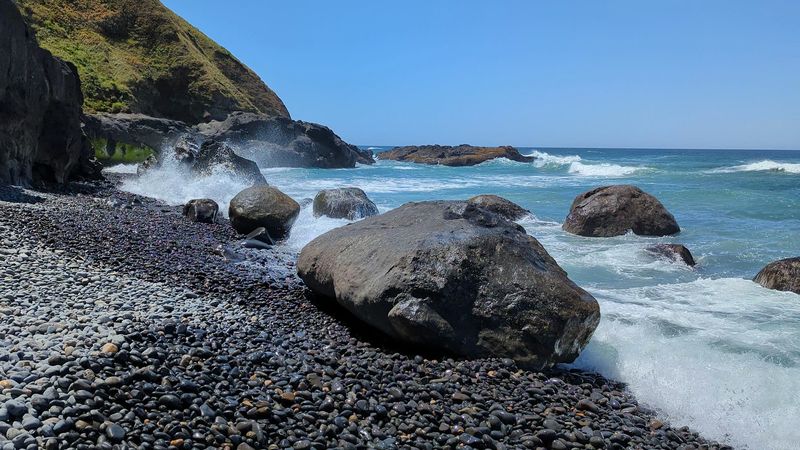
Blink and you might miss it, but you should not.
Along Highway 101 just south of Yachats, Bob Creek Wayside is the kind of spot that rewards people who pay attention to small roadside pullouts.
This compact beach is not large, but what it lacks in size it more than makes up for in sea glass density, particularly in the gravel beds near where Bob Creek meets the ocean.
The creek acts as a natural funnel, pushing sediment and glass pieces toward the shoreline and concentrating them in ways that larger open beaches simply cannot replicate.
Collectors who visit after heavy rain or a strong swell often find freshly exposed pieces that have not yet been spotted by anyone else.
The glass here tends to be well-frosted and comes in a satisfying range of greens, browns, and whites, with the occasional aqua or teal piece appearing to make your heart skip a beat.
The wayside has limited parking but is rarely crowded, which makes it one of the most peaceful and productive little sea glass spots on the central Oregon Coast.
Oceanside Beach State Recreation Site
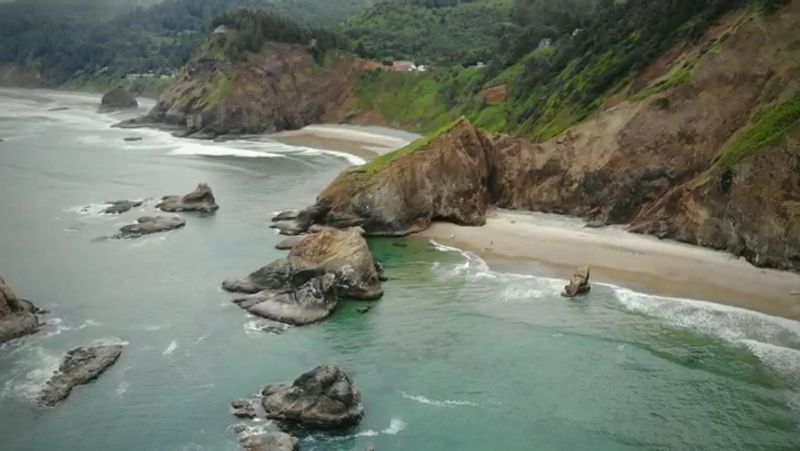
There is a tunnel through the headland at Oceanside Beach State Recreation Site near Oceanside, Oregon, and walking through it feels like stepping into a secret world built for treasure hunters.
The beach on the other side of that tunnel is more sheltered and rocky than the main stretch, and it is often reported as one of the better spots for finding sea glass on the northern Oregon Coast.
The combination of basalt rocks, tidal action, and the area’s history of coastal shipping means that glass pieces here can vary widely in age, color, and thickness.
Collectors have reported finding purple and lavender glass at Oceanside, which forms when clear manganese glass is exposed to sunlight over many decades, making it among the most prized finds anywhere on the coast.
The main beach is also worth checking, especially the gravel berms that form along the high tide line after winter storms.
Oceanside itself is a small, charming community with a relaxed pace, so plan to spend a full afternoon exploring both sides of the headland before heading back to your car.
Lincoln City Beaches
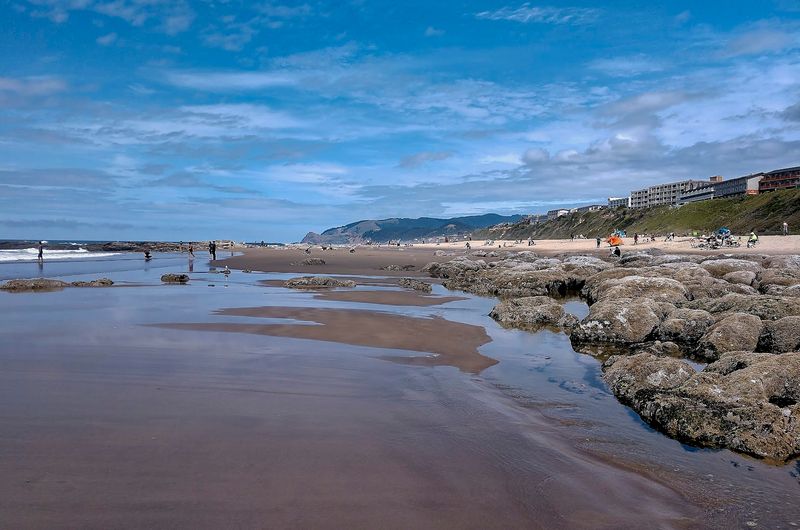
Lincoln City packs three distinct beach access points into one stretch of coastline, and each one offers a slightly different sea glass hunting experience worth exploring on its own terms.
Roads End, at the northern tip of Lincoln City, is the most productive of the three, thanks to its rocky shoreline and the way the headland concentrates glass against the base of the cliffs.
D River Beach, near the center of town, sits at the mouth of what is claimed to be one of the shortest rivers in the world, and the gravel deposits around the river mouth can yield solid finds at low tide.
Taft Beach at the southern end tends to have more sand and fewer rocks, but after significant storms it produces glass along the wrack line that is well worth sorting through.
Lincoln City also hosts organized glass floats events throughout the year where artists hide hand-blown glass floats on the beach, which adds a festive, community spirit to the already treasure-focused culture here.
Pack snacks, wear layers, and plan to hop between all three access points for the most rewarding haul.
Bayocean Spit
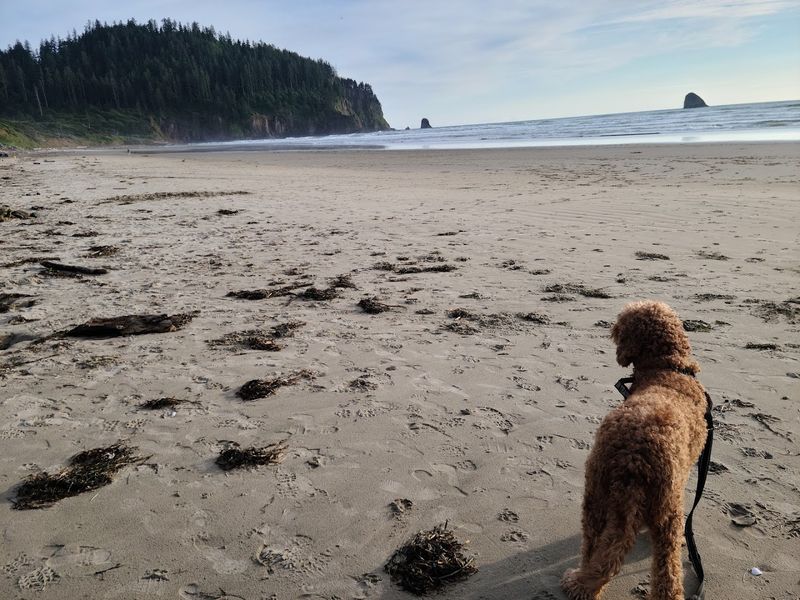
Bayocean Spit near Tillamook, Oregon carries a fascinating and somewhat melancholy history that makes every piece of sea glass found here feel like a genuine artifact.
A resort town called Bayocean once stood on this narrow strip of land between the Pacific Ocean and Tillamook Bay, but erosion gradually claimed the buildings over the mid-20th century, leaving behind debris that eventually worked its way into the ocean and began its transformation into sea glass.
Today the spit is a wild and undeveloped stretch of beach managed as part of the Tillamook Bay area, and it rewards patient hunters with a wide variety of glass colors and thicknesses.
The bay side of the spit is calmer and sometimes yields different finds than the ocean side, so it is worth walking both shorelines during a single visit.
The hike out to the best sections of the spit can take a while, so bring water and sturdy footwear for the sandy trail.
The combination of history, wildlife, and sea glass makes Bayocean Spit one of the most uniquely compelling beaches on the entire Oregon Coast.
Gold Beach
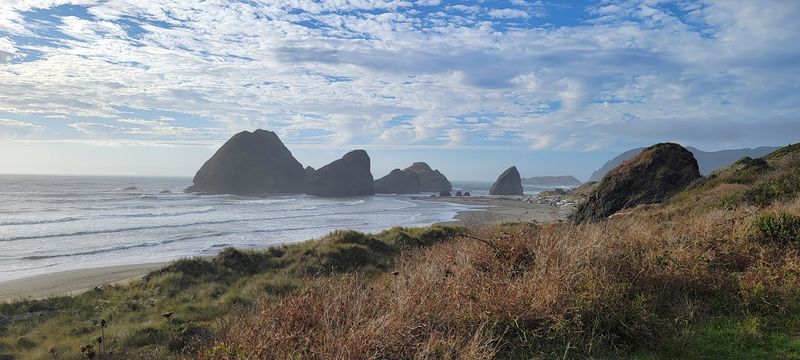
Gold Beach lives up to its name in more ways than one, and those who come searching for sea glass along this southern Oregon Coast town rarely leave disappointed.
Situated at the mouth of the Rogue River in Gold Beach, Oregon, this area benefits from the river’s constant contribution of sediment, rocks, and occasionally glass that gets deposited along the shoreline and then tumbled smooth by the Pacific.
The beaches around the Rogue River mouth shift frequently with the tides and seasonal flows, which means the landscape is always changing and new glass surfaces regularly.
Hunters who explore the gravel bars and rocky stretches north and south of the river mouth tend to find the highest concentrations of frosted glass in green, brown, and white.
The area’s relative remoteness compared to more popular northern coast towns means less competition on the beach, which is a significant advantage for serious collectors.
Gold Beach also sits near some of the most dramatic coastal scenery in Oregon, so even a slow hunting day still delivers breathtaking views of sea stacks and wild surf.
Harris Beach State Park
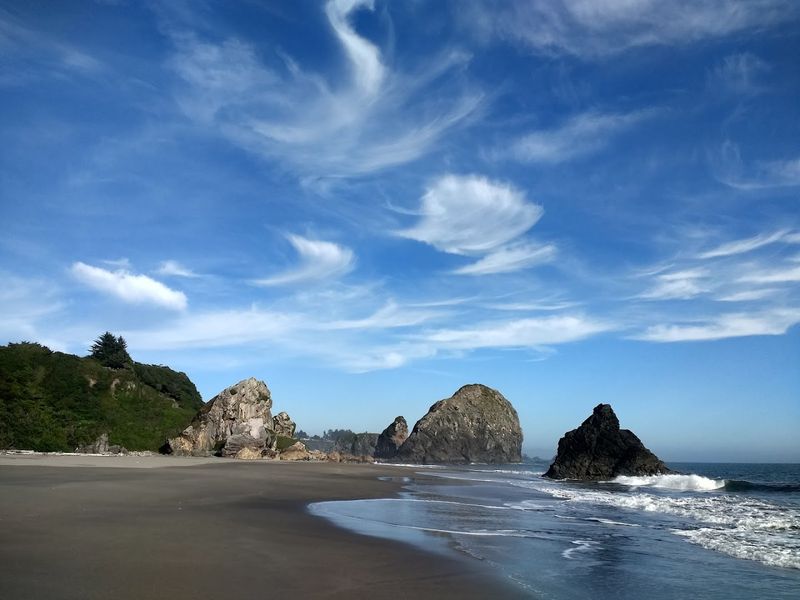
Harris Beach State Park near Brookings in the far southern corner of Oregon is the kind of place that stops you in your tracks the moment you see it.
The park features a rugged, rocky coastline studded with dramatic sea stacks and offshore islands, and it is often mentioned by beachcombers as one of the more promising spots for finding sea glass in Oregon.
The rocky substrate and strong Pacific swells create ideal conditions for tumbling glass into beautifully frosted pieces, and the variety of colors found here is impressive even by Oregon standards.
Brookings enjoys a milder climate than much of the Oregon Coast due to the Chetco Effect, a local weather phenomenon, which means more comfortable hunting conditions throughout the year.
The gravel and cobble sections of the beach near the park’s main access trail are the most productive zones, especially at lower tides when the rocks are fully exposed.
Harris Beach is also a full-service state park with camping, making it easy to base yourself here for multiple days of serious sea glass collecting along one of Oregon’s most spectacular stretches of coastline.