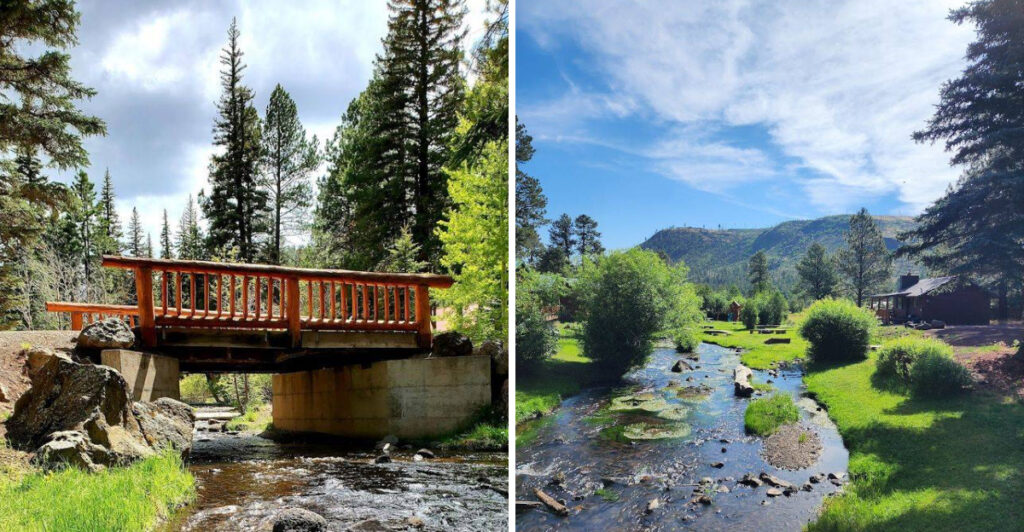
Nothing here begs for attention, and that is exactly the appeal. No packed sidewalks, no loud attractions, no feeling that you have to hurry from one thing to the next.
This Arizona mountain town wins people over in a quieter way, with cool air, pine-covered views, and the kind of calm that starts working on you almost as soon as you arrive. The days feel wider here.
A walk lasts longer, a cabin feels cozier, and sitting beside the water somehow becomes enough of a plan. Arizona can be dramatic, but this place leans the other direction and ends up being just as memorable.
That is why locals keep returning. Not for a rush, but for the relief of finding somewhere that still feels wonderfully unbothered.
Arizona’s Highest Town And What That Actually Means
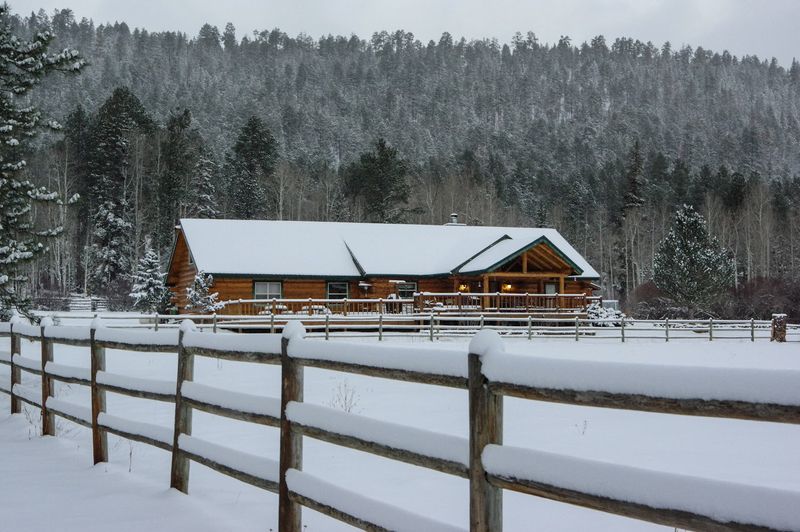
How many towns get to claim the top spot on the altitude chart? Greer sits at a high elevation of around 8,400 feet, making it one of the highest communities in Arizona.
That number is not just a fun fact for trivia night. It means cooler summers when the rest of Arizona is melting, and proper snow-covered winters that feel genuinely seasonal.
Sitting within Apache County, the village is completely encircled by the Apache-Sitgreaves National Forest, which means the surrounding landscape stays wild and largely untouched.
No sprawling suburbs are creeping in from the edges here. The forest simply begins where the community ends, and that boundary feels intentional and protective.
For visitors coming from lower elevations, the change in temperature and scenery hits almost immediately after the long winding drive up through the mountains.
It is that dramatic shift in environment that sets the tone for everything Greer delivers, and it starts the moment you arrive.
The Little Colorado River Runs Right Through It
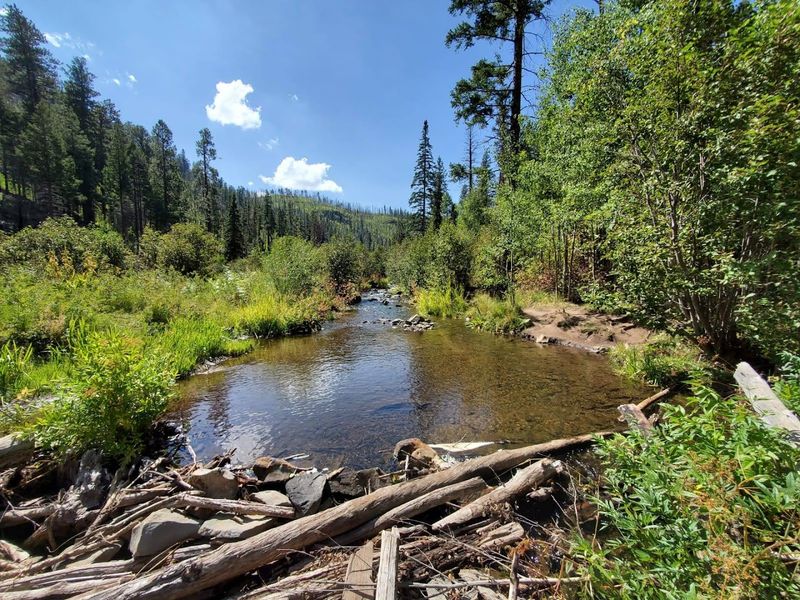
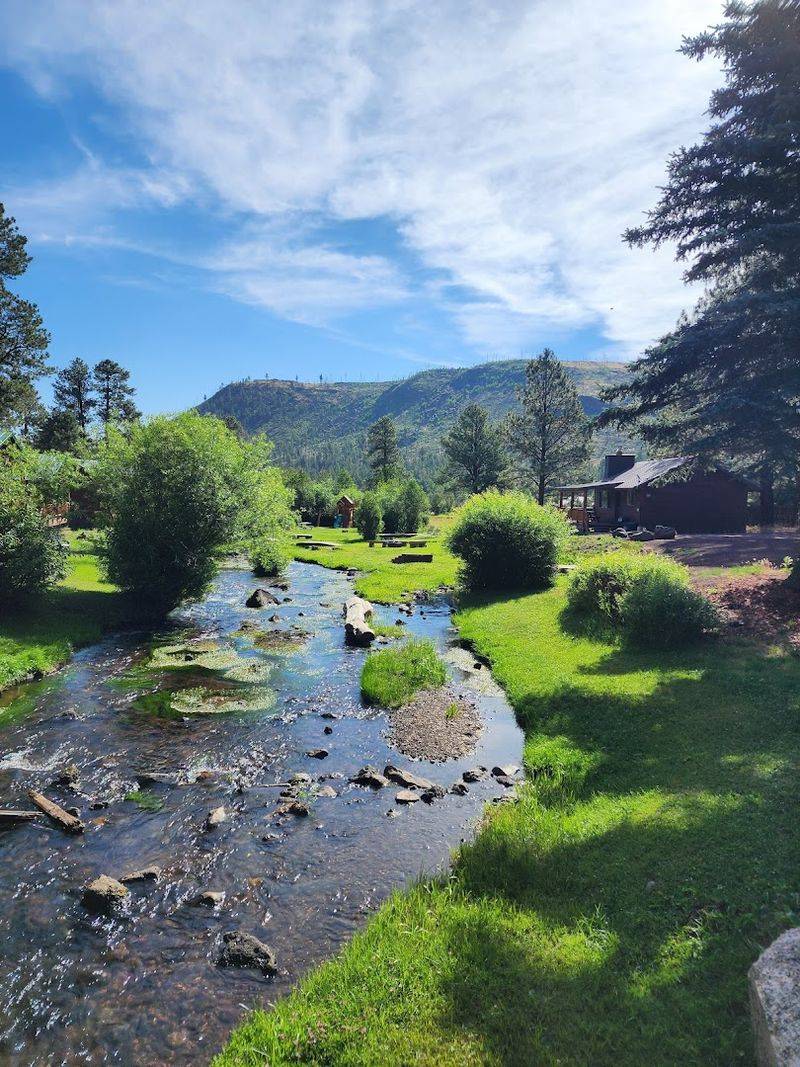
Few things define a mountain town quite like the river that runs through it, and Greer has a good one.
The Little Colorado River originates right here in the White Mountains, beginning its long journey in the meadows surrounding the village before eventually making its way across Arizona.
At this early stage, it is narrow, cold, and remarkably clear. The kind of water that makes you want to sit beside it for longer than planned.
Fishing is one of the main reasons people seek out this stretch of the river. The stream is stocked and managed, making it a reliable spot for trout fishing across multiple seasons.
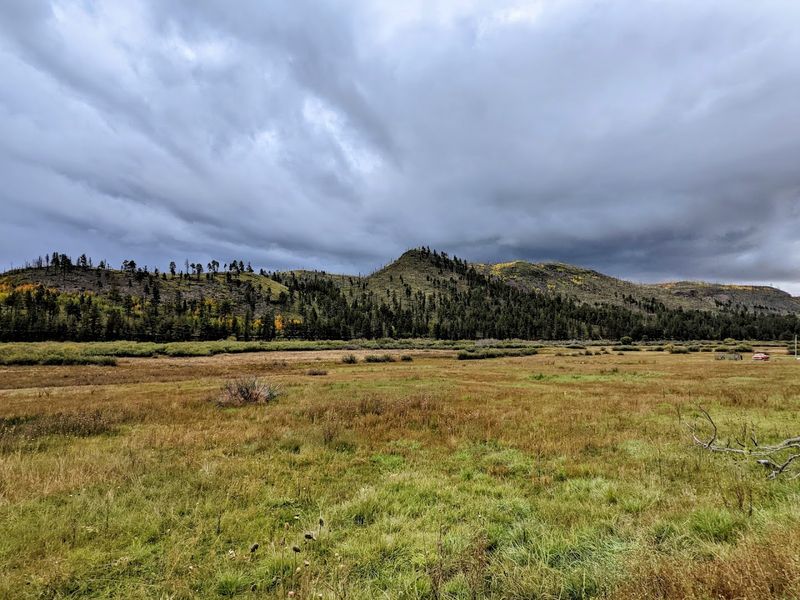
Even for those who have no interest in fishing, the river corridor offers easy walking paths through open meadows with views of the surrounding pine-covered ridgelines.
There is something grounding about watching a river begin its life in a quiet meadow, and this one does it beautifully.
Fishing Culture That Feels Timeless
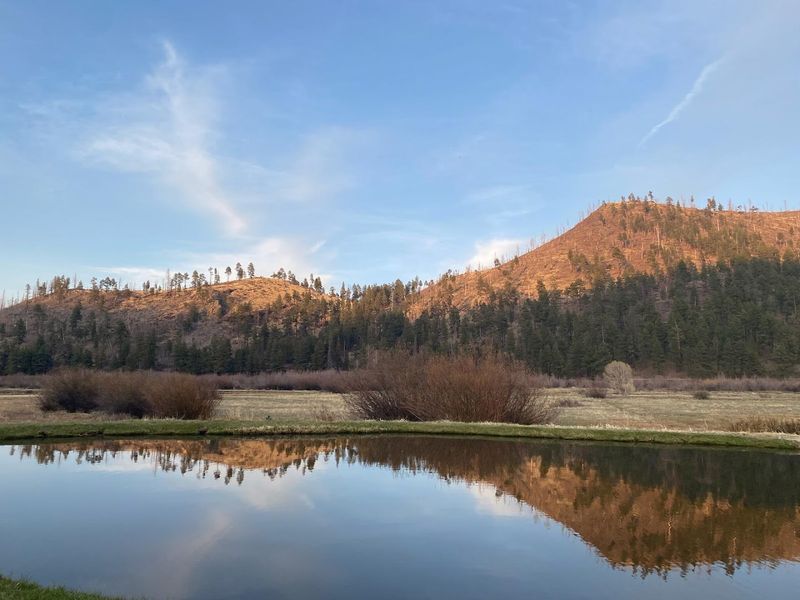
Fishing is one of the most popular activities in the area.
Beyond the Little Colorado River, the nearby Greer Lakes, which include Bunch Reservoir and River Reservoir, offer productive still-water fishing for rainbow and brown trout throughout much of the year.
These are not crowded, commercialized fishing spots. They are quiet, scenic bodies of water where the main competition is the occasional heron standing at the water’s edge.
Fly fishing, in particular, has a long tradition in this part of Arizona. The meadow stretches along the river corridor are ideal for casting, and the clear water makes it possible to spot fish before making a move.
Families with younger kids often find the lakes easier and more rewarding for a first fishing experience, with calmer water and reliable catches.
Whether you are a seasoned angler or a complete beginner, the fishing around this village has a way of making the hours disappear entirely.
Winter Transforms The Village Into Something Else Entirely
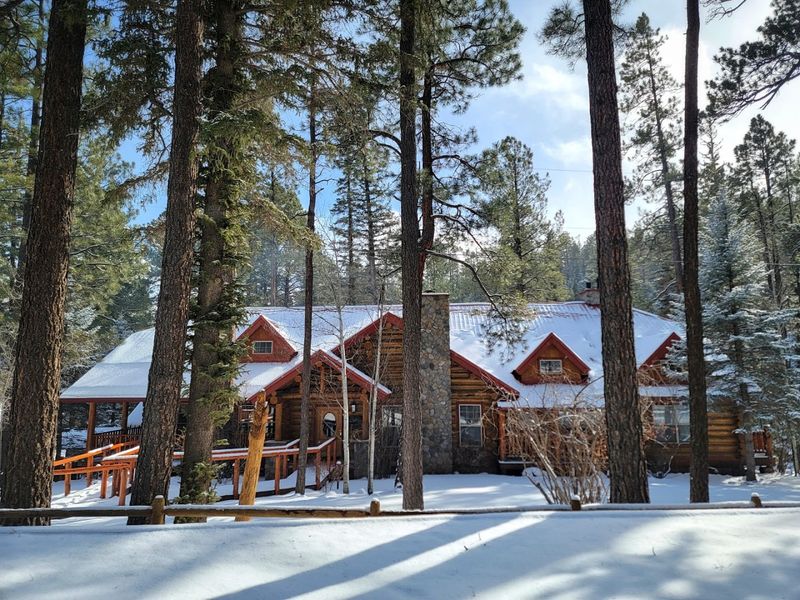
Most of Arizona does not do winter the way Greer does winter.
When snow arrives in the White Mountains, this small community transforms into a quieter, more atmospheric version of itself. The log cabins take on a storybook quality under a layer of white, and the pine forest becomes dramatically still.
Cross-country skiing is one of the most popular winter activities in the area. The meadows and forest trails around Greer provide natural routes that do not require lifts or crowds.
Snowshoeing is equally popular, and the relatively flat terrain near the village makes it accessible to people of most fitness levels. It is genuinely enjoyable without requiring any technical skill.
The nearby Sunrise Park Resort, located a short drive away on the Fort Apache Indian Reservation, offers downhill skiing for those who want a more traditional mountain ski experience.
Winter in Greer is not something Arizona residents typically expect to find at home, which makes discovering it feel like a well-kept regional secret.
Log Cabins, Lodges, And The Art Of Slowing Down
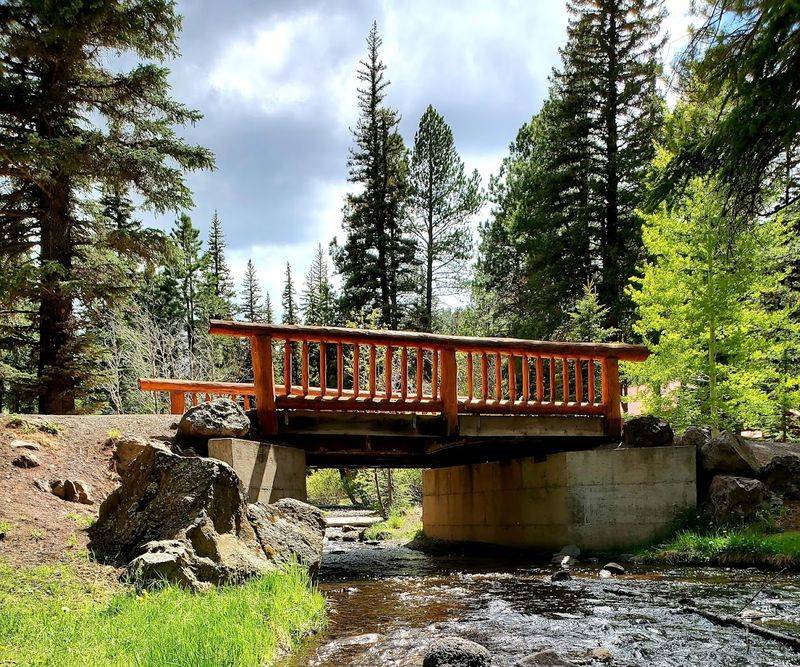
The accommodation options in Greer are a big part of why people return so often.
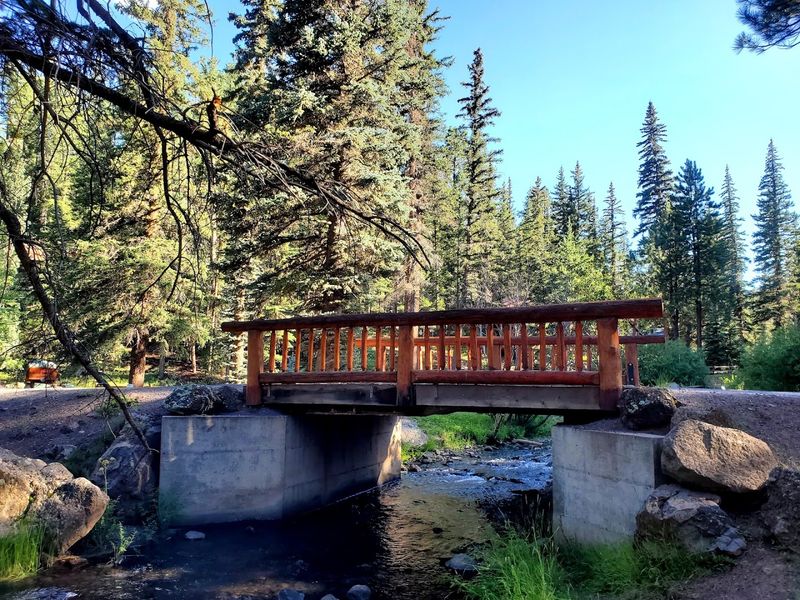
Rather than chain hotels or modern resort complexes, the village is built around privately owned log cabins and small lodges that lean fully into the mountain aesthetic. Fireplaces, wood paneling, front porches, and views of the forest are standard features rather than upgrades.
Many cabins are available for multi-night rental, which suits the pace of the place perfectly. Greer is not a one-night stop.
It rewards those who settle in for a few days and let the rhythm of the mountains replace whatever they brought with them from the city.
The lack of large commercial development is deliberate. The community has maintained its small-scale character over the decades, and that restraint is one of its most appealing qualities.
Waking up in a log cabin with a view of pine trees and no sounds except birds and wind is an experience that becomes surprisingly hard to replicate once you have had it.
Hiking Through Apache-Sitgreaves National Forest
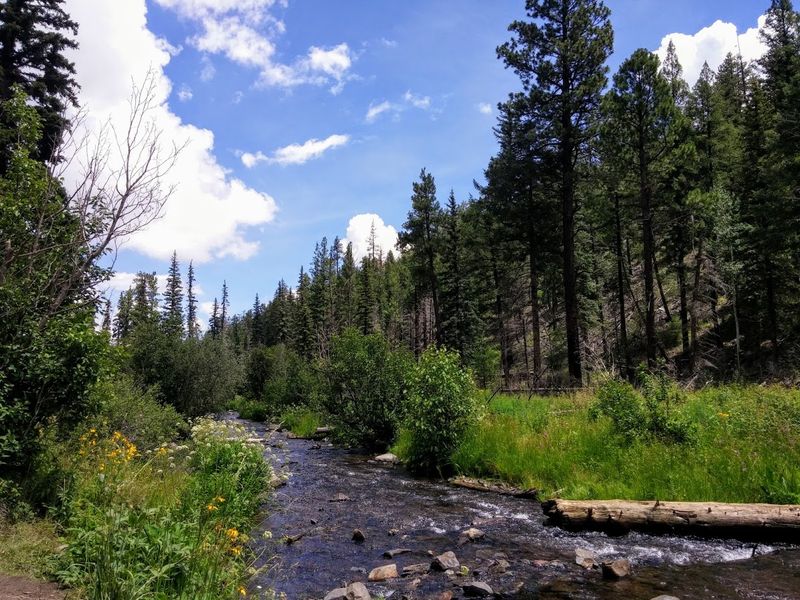
The Apache-Sitgreaves National Forest wraps around Greer on all sides, and that proximity to protected land is one of the village’s greatest advantages.
The forest covers a vast area across eastern Arizona, and the trails near Greer range from easy meadow walks to more demanding ridge hikes with rewarding elevation gains.
The Mount Baldy Wilderness area sits close by and draws hikers who want to experience the highest peak in Arizona outside of the San Francisco Peaks. The trails through this wilderness are well-regarded for their scenery and the sense of genuine remoteness they offer.
Wildlife sightings are common throughout the forest. Elk are frequently spotted in the meadows, particularly in the early morning and late afternoon.
Mule deer, wild turkey, and a variety of hawks are regular trail companions.
The trails here do not feel overcrowded the way popular hiking spots in other parts of Arizona tend to get.
That breathing room is part of what makes the hiking experience feel so restorative.
Wildlife Watching In The White Mountains
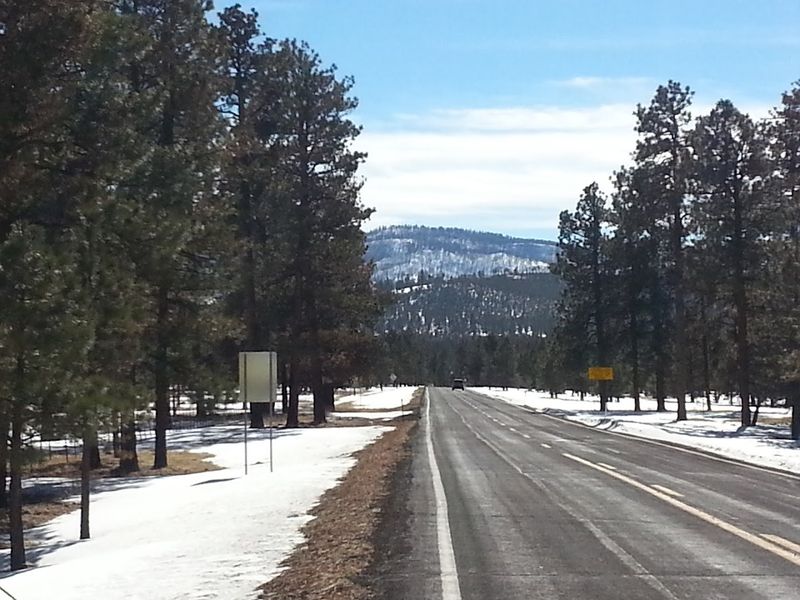
Greer sits in one of the most biologically rich regions of Arizona, and the wildlife here reflects that.
Elk are the star attraction for many visitors. The meadows surrounding the village serve as regular grazing grounds, and early morning drives along the road into town often reward patient observers with close-range views of entire herds.
The riparian areas along the Little Colorado River are excellent for birdwatching. The White Mountains are part of a migration corridor, and the variety of species that pass through or nest in the area is impressive enough to attract dedicated birders from across the region.
Black bears are present in the forest and occasionally wander near the village, particularly in late summer and fall when they are preparing for winter. Awareness and basic food storage practices are encouraged for all visitors.
The combination of meadow, forest, and river habitat packed into a small area creates exceptional conditions for wildlife encounters.
Patience is the only gear you truly need out here.
The Quiet History Of A Mountain Community
Greer does not have a flashy origin story involving gold rushes or famous outlaws, and that understated history suits it perfectly.
The community developed as a small agricultural and ranching settlement in the late 19th century, taking advantage of the meadows and reliable water supply from the Little Colorado River headwaters.
The area was settled by Mormon pioneers who recognized the valley’s potential for farming at high elevation, a challenging but ultimately rewarding endeavor given the short growing season.
Over time, the community shifted toward its current identity as a recreational retreat, as Arizona residents from lower elevations discovered the appeal of the cool mountain climate.
That transition from working agricultural community to beloved getaway destination happened gradually and without dramatic reinvention. The character of the place simply evolved while retaining its quiet, unassuming nature.
Understanding that history adds a layer of appreciation when you walk through the meadows or pass the older structures still standing along the main road through the village.
Summer Is Cool When The Rest Of Arizona Is Not
The seasonal appeal of Greer is impossible to overstate when you consider what summer looks like in most of Arizona.
While cities like Phoenix and Tucson regularly hit extreme heat during July and August, Greer sits comfortably in temperatures that feel like a different state entirely. Daytime highs in summer are typically mild enough for comfortable outdoor activity throughout the day.
This temperature contrast is the single biggest reason Arizona residents make the drive up into the White Mountains each summer. It is not just a pleasant change; for many, it feels like a necessity.
Summer also brings wildflowers to the meadows around the village. The combination of monsoon moisture and mountain elevation produces blooms that add vivid color to an already green and textured landscape.
Afternoon thunderstorms are common during the monsoon season and are considered part of the experience rather than an inconvenience.
Watching a storm build over the White Mountains from a cabin porch is one of those simple pleasures that sticks with people long after they head home.
Why People Keep Coming Back To This Village
Repeat visitors to Greer often struggle to explain exactly why they keep returning, which might be the most telling sign of what the place actually offers.
It is not one landmark or one activity. It is the combination of cool air, forested surroundings, slow pace, and the absence of the noise and visual clutter that defines most modern destinations.
The village sits at Arizona 85927, within Apache County, and it remains unincorporated, meaning it has no city government, no downtown development plan, and no aggressive push toward tourism infrastructure.
That structural simplicity keeps the place from becoming something it was never meant to be. What you find in Greer today is not dramatically different from what visitors found here several decades ago.
For people living in the fast-moving, heat-heavy parts of Arizona, that consistency is profoundly appealing. Knowing that the cabin, the river, and the elk-filled meadows will be there waiting requires no research or advance planning.
Some places earn loyalty not by changing, but by refusing to.