Big landscapes, powerful waterfalls, and views that stop you in your tracks show up fast on this list. These state parks bring that national park beauty without the long lines, packed trails, or crowded viewpoints that usually come with it.
Oregon knows how to deliver moments that feel bigger than expected, and these parks prove it again and again. One stop leads to another, and before you know it, the whole day turns into something worth remembering.
If you are looking for wide-open space and standout views without the chaos, this is where Oregon really makes it easy to enjoy it all.
1. Silver Falls State Park
Ten waterfalls in one park is not a rumor.
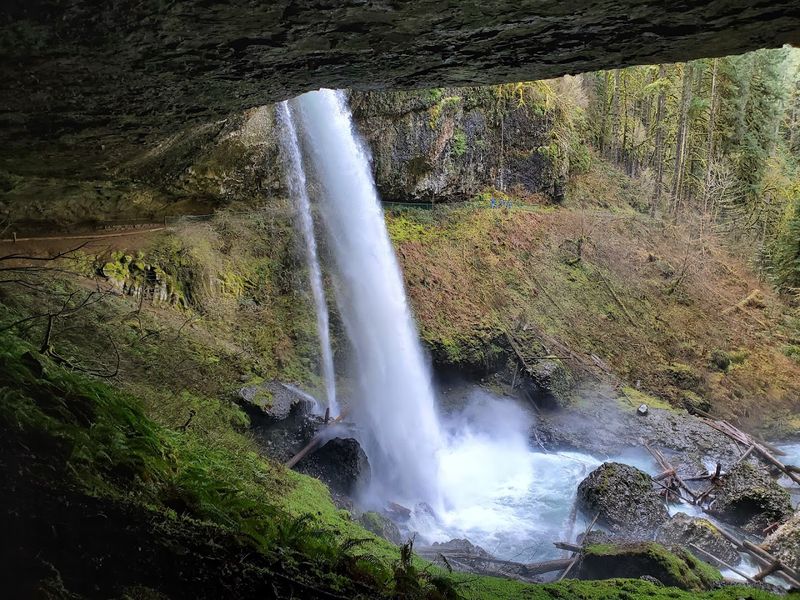
Silver Falls State Park, located near Sublimity along Silver Falls Highway SE, is Oregon’s largest state park, and it earns that title without any argument.
The Trail of Ten Falls is the crown jewel here, looping through old-growth forest and leading hikers directly behind the curtain of several waterfalls, including South Falls, which drops a staggering 177 feet into a wide canyon basin.
The trail system is well-marked and manageable for most fitness levels, though some sections involve elevation changes that will remind your legs they exist.
Spring and early summer bring the most dramatic water flow, when snowmelt pushes the falls to their fullest volume.
Autumn turns the surrounding forest into a canvas of amber and rust, making it one of the most photogenic times to visit.
Camping is available on-site, so there’s no reason to rush out before the golden-hour light hits the canyon walls.
If you’ve ever looked at a national park brochure and thought, “I wish I could do this without the chaos,” Silver Falls is your answer, and it’s been waiting patiently for you.
2. Smith Rock State Park
Not every state park makes you feel small in the best possible way, but Smith Rock does it effortlessly.
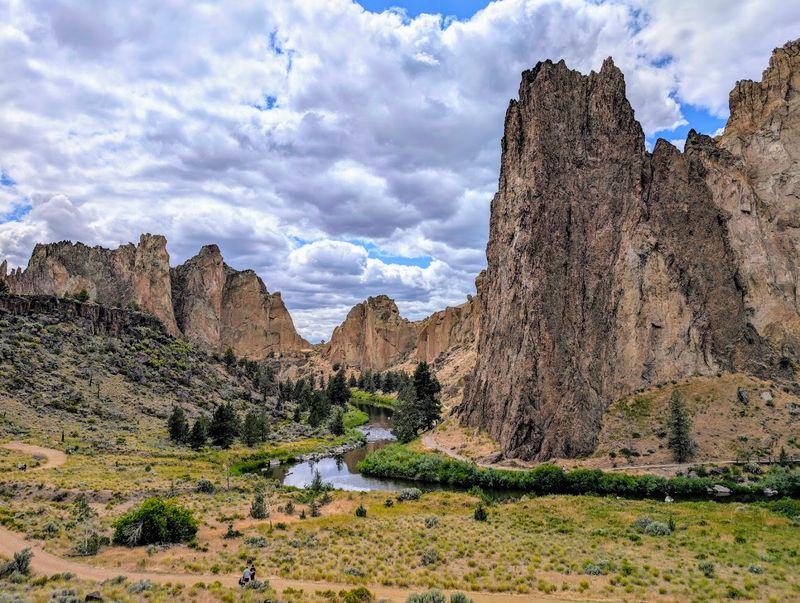
Situated near Terrebonne on NE Crooked River Drive, Smith Rock State Park is internationally recognized as one of the birthplaces of American sport climbing, drawing rock climbers from across the globe to its sheer volcanic walls.
The Crooked River carves a deep, winding canyon at the base of the formations, and the contrast between the teal-green water and the orange and rust-colored cliffs is nothing short of striking.
Hiking options range from easy riverside strolls to demanding summit climbs, with the Misery Ridge Trail offering some of the most rewarding panoramic views in the entire state.
Wildlife sightings are common here, with golden eagles, mule deer, and river otters all making regular appearances along the canyon floor.
Sunrise visits are particularly special, when the early light turns the rock faces into something that looks almost painted.
The scale of Smith Rock genuinely surprises first-time visitors who expect something modest and leave planning their return trip before they’ve even reached their car.
Pack plenty of water, wear sturdy shoes, and prepare to spend far longer here than you originally planned.
3. Golden And Silver Falls State Natural Area
The coastal mountains of Coos County near Coos Bay are hiding this natural area is the kind of place that rewards people willing to drive a winding forest road to get there.
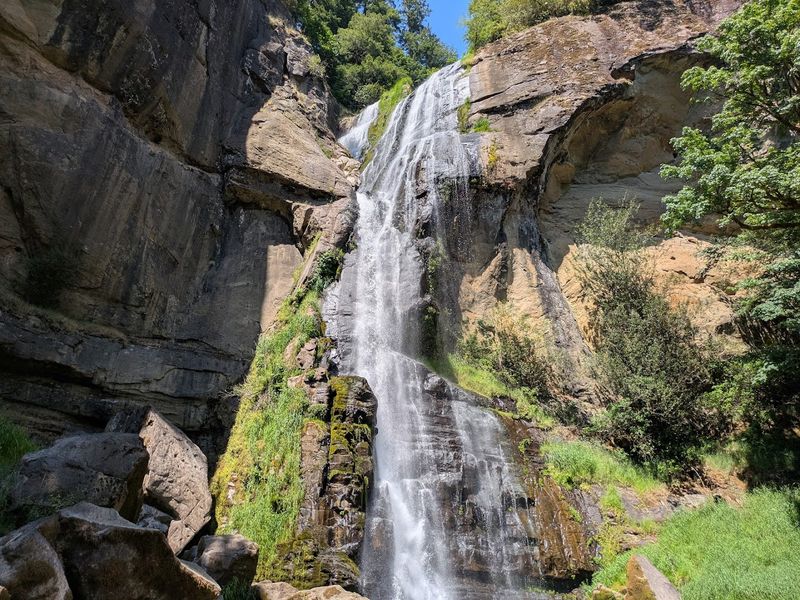
Golden and Silver Falls State Natural Area features two separate waterfalls, each with its own distinct personality and approach trail, tucked into a canyon draped in ferns, moss, and ancient myrtlewood trees.
Golden Falls is the taller of the two, plunging dramatically over a sheer cliff face in a way that makes you instinctively reach for your camera.
Silver Falls, while slightly shorter, flows through a narrower canyon with a moody, enclosed atmosphere that feels almost secretive.
The trails to each waterfall are relatively short, with separate paths leading to Golden Falls and Silver Falls.
Because the area sits well off the main coastal highway, crowds are noticeably thinner than at more well-known waterfall destinations in Oregon.
Visiting after heavy rainfall amplifies the drama considerably, as both falls swell with extra volume and the surrounding canyon fills with the sound of rushing water.
It’s the kind of place locals have quietly cherished for years, and once you visit, you’ll completely understand why they haven’t been shouting about it.
4. White River Falls State Park
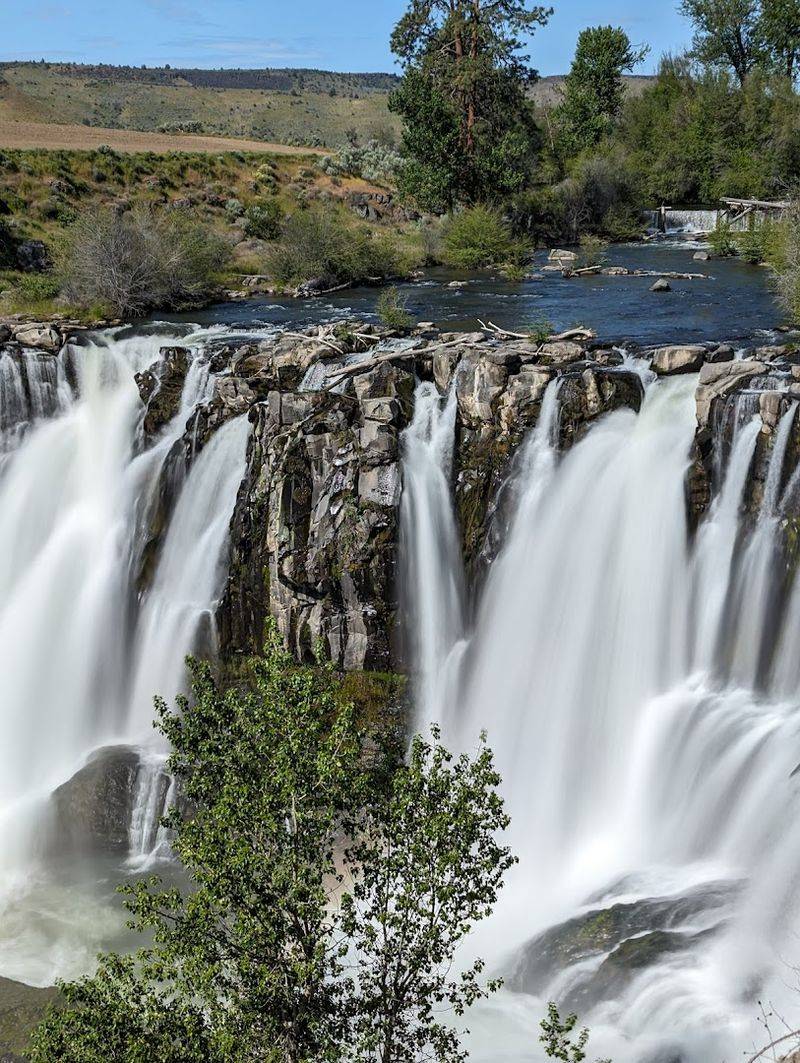
Raw, powerful, and completely underestimated, White River Falls is the kind of waterfall that stops you mid-step the moment it comes into view.
Located near Tygh Valley on West State Road, this compact park packs a serious punch despite its small footprint.
The main attraction is a roughly 90-foot waterfall that thunders over a basalt ledge and crashes into a canyon carved by centuries of relentless water movement.
The surrounding landscape has a distinctly high-desert character, with wide open skies and rocky terrain that sets it apart from Oregon’s more forested waterfall parks.
A short trail leads down from the parking area to a lower viewpoint and the ruins of an old hydroelectric power plant, which adds an unexpected layer of industrial history to the natural scenery.
Spring is unquestionably the best time to visit, when snowmelt from the Cascade Range sends the White River surging at full force.
By late summer, the flow reduces significantly, so timing your visit in the earlier months makes a meaningful difference in what you’ll experience.
Few people expect a waterfall this dramatic to exist in a high-desert setting, and that element of surprise is a big part of what makes White River Falls so genuinely satisfying to discover.
5. Saddle Mountain State Natural Area
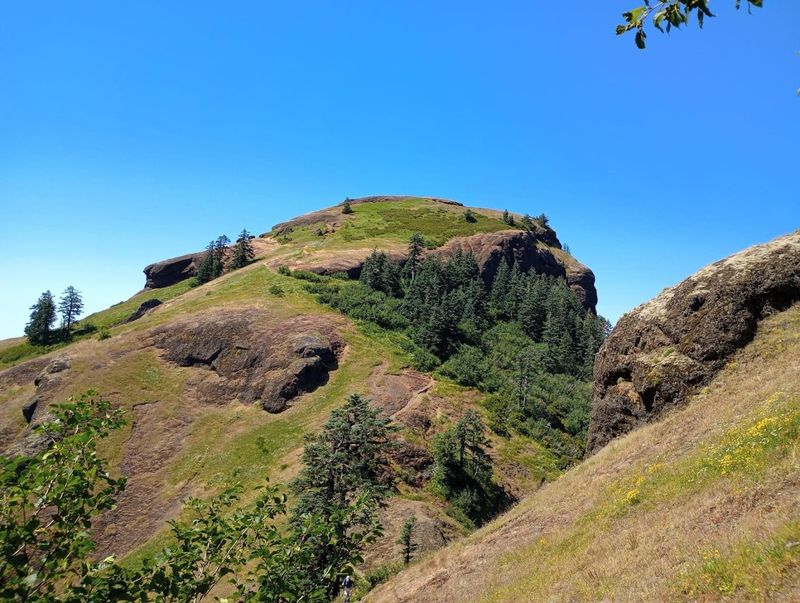
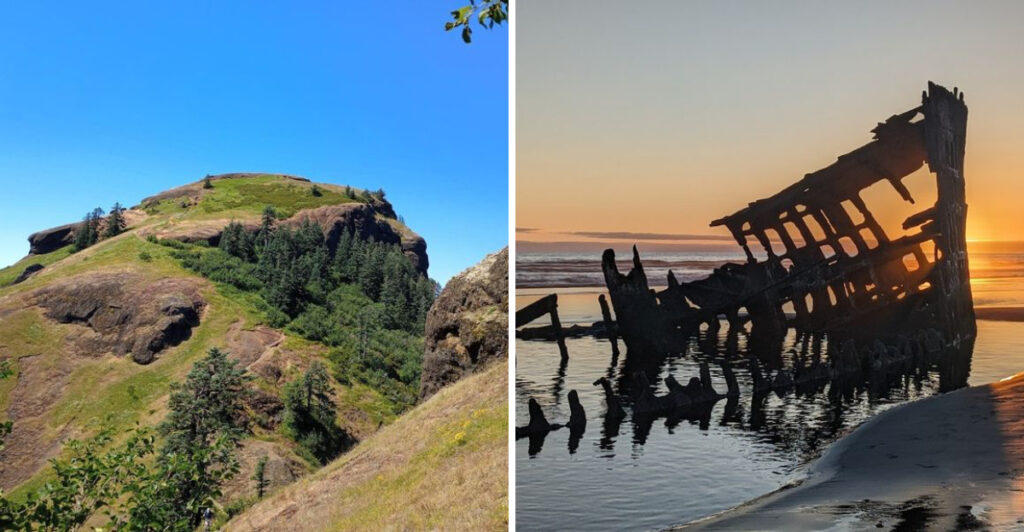
Standing at the top of Saddle Mountain, the Pacific Ocean and the Cascade peaks are both visible on a clear day, which is a combination not many hikes in the Pacific Northwest can offer.
Located near Seaside in the northern Coast Range, Saddle Mountain State Natural Area is one of Oregon State Parks’ own highlighted hiking destinations, and the trail earns that recognition honestly.
The hike to the 3,283-foot summit is about five miles round trip with a significant elevation gain, so it asks something of you before it rewards you.
The upper portions of the trail pass through rare subalpine meadows that bloom with wildflowers in late spring and early summer, hosting plant species found almost nowhere else in the region.
The exposure near the summit can be dramatic, with rocky scrambles and sweeping views that open up in every direction as you climb above the treeline.
Early morning starts are highly recommended, both to beat any afternoon fog rolling in from the coast and to catch the light at its most flattering angle on the surrounding ridges.
Wildlife is present in the area, though sightings vary and are not guaranteed on every hike.
This is not a casual stroll, but every step of effort translates directly into scenery that will stay with you long after the drive home.
6. Humbug Mountain State Park
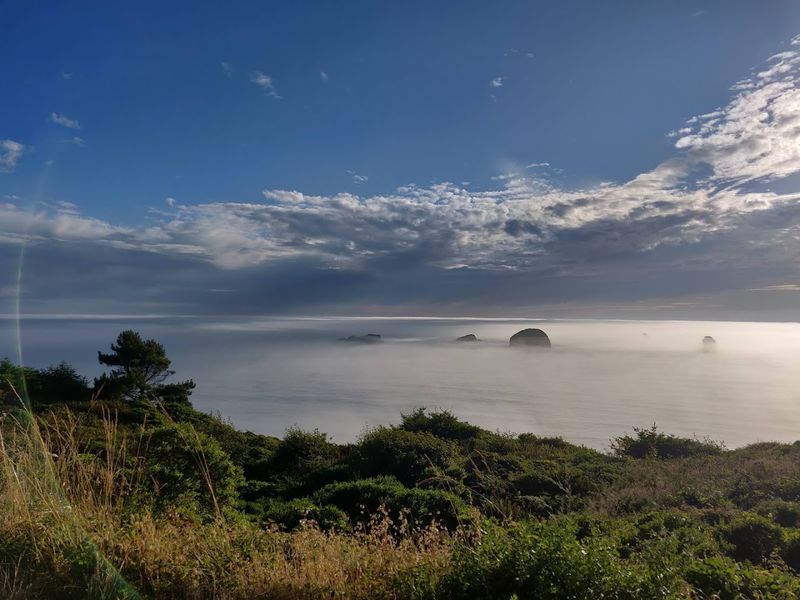
The name might raise an eyebrow, but Humbug Mountain delivers scenery that is anything but disappointing.
Found along the southern Oregon coast near Port Orford, Humbug Mountain State Park sits where dense coastal forest meets one of the most rugged stretches of Pacific shoreline in the entire state.
The centerpiece is a roughly six-mile round-trip trail that climbs through forest to the summit of Humbug Mountain, offering filtered views of the coastline through the trees along the way.
Unlike the more visited parks further north on the Oregon Coast, this area has a quieter, more tucked-away quality that feels almost private.
The campground sits in a sheltered canyon close to the beach, making it one of the more scenic and comfortable camping spots on the entire coast.
Tidepools along the nearby shoreline are rich with marine life, and beachcombing here often turns up interesting finds after a strong storm swell.
Port Orford itself is one of Oregon’s oldest coastal towns and has a distinct character worth exploring before or after your time in the park.
For anyone looking to experience Oregon’s coast without navigating crowded parking lots or shoulder-to-shoulder viewpoints, Humbug Mountain offers something far more personal and genuinely rewarding.
7. Fort Stevens State Park
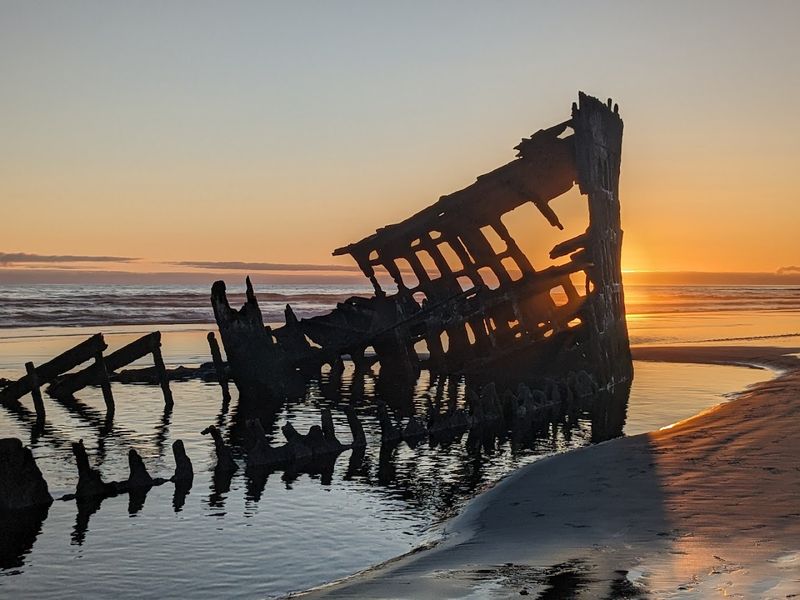
Fort Stevens is less of a state park and more of a full destination that happens to be labeled as one.
Located in Hammond near the mouth of the Columbia River, Fort Stevens State Park is one of the largest state parks in Oregon, covering thousands of acres of beach, forest, wetlands, and historic military grounds.
The iconic wreck of the Peter Iredale sits partially buried in the sand near the north beach, its rusted iron skeleton rising from the shoreline in a way that has been drawing visitors and photographers for well over a century.
History runs deep here, as Fort Stevens served as an active military installation from the Civil War era through World War II, and the remaining fortifications and bunkers are open for exploration.
The park includes miles of paved bike trails, freshwater lakes for swimming and fishing, and direct access to wide Pacific beaches.
Birdwatching is exceptional throughout the year, particularly in the wetland areas where migratory species pass through in large numbers.
Camping options are extensive and well-maintained, catering to everything from tent campers to large RVs.
The sheer variety packed into this single park means you could spend an entire long weekend here and still feel like you’ve only scratched the surface of what Fort Stevens has to offer.
8. Mayer State Park
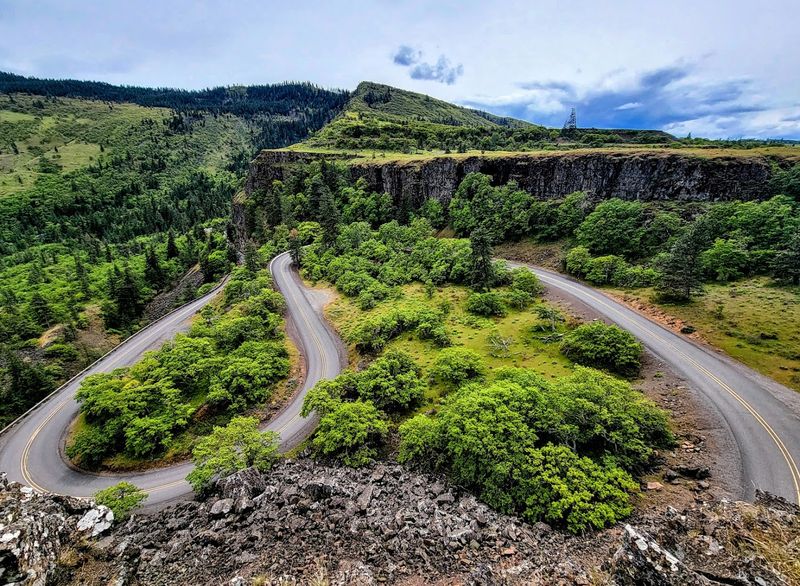
The Columbia River Gorge gets a lot of attention, and most of it lands on the same handful of overlooks and trailheads that fill up fast on any given weekend.
Mayer State Park, located in the Corbett area along the Washington border, is the alternative that Travel Oregon specifically highlights for visitors who want the Gorge experience without the crowd situation.
The park sits along the Columbia River and offers direct water access, open grassy areas, and views of the river that are expansive and genuinely impressive without requiring a strenuous hike to reach them.
Windsurfing and kiteboarding are popular activities here, as the Gorge’s famous wind corridor runs reliably through this stretch of the river and draws water sports enthusiasts throughout the warmer months.
Water access is available, though the area is especially known for windsurfing and kiteboarding.
The surrounding landscape transitions between basalt cliffs, oak woodlands, and open hillsides, giving the area a visual variety that shifts noticeably with the seasons.
Wildflowers bloom across the hillsides in spring, while autumn brings warm tones to the oak groves and a crispness to the river air that makes every breath feel worthwhile.
Consider this your quiet door into one of Oregon’s most celebrated landscapes, held just slightly ajar for those who know to look.
9. Wallowa Lake State Park
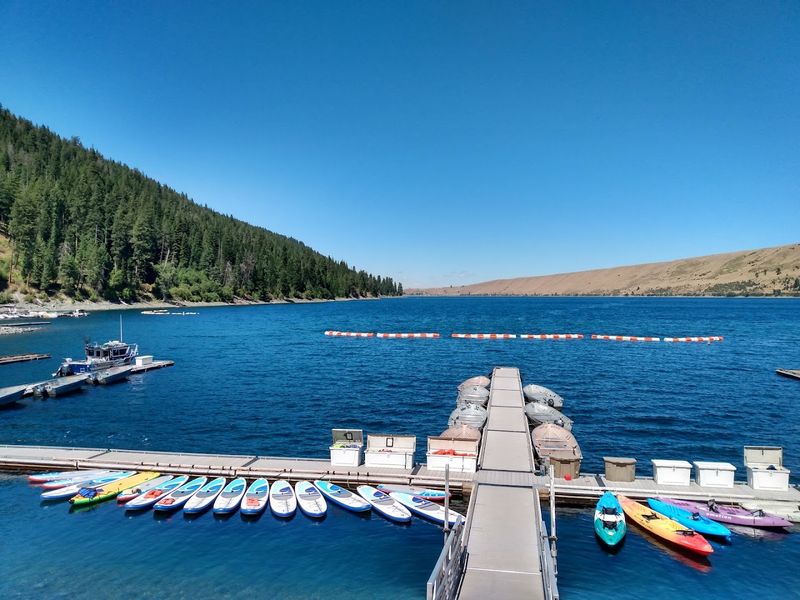
There are state parks, and then there are places that make you pull over for a second just to take in how unreal the backdrop looks.
Wallowa Lake State Park sits at the south end of a glacial lake with the Wallowa Mountains rising dramatically behind it, and that combination gives the whole place a scale that feels far bigger than the average state park experience.
Oregon State Parks describes it as an ideal base camp for wilderness treks and watersports, and that really gets at why it belongs on this list.
The large day-use area includes a beach, fishing access, picnic areas, and space to spread out without feeling boxed in by crowds.
What makes it especially convincing as a national-park-level stop is how easily the scenery expands beyond the shoreline.
The park continues upriver to the seasonally open Little Alps Day-use Area, which provides access to the Wallowa Lake Trailhead and the Eagle Cap Wilderness.
That means one visit can shift quickly from a peaceful lakeside afternoon to the kind of mountain setting people usually expect from much bigger-name destinations.
The lake, the peaks, and the surrounding forest all work together to create a view that feels bold, clean, and memorable from the moment you arrive. If you want Oregon scenery that feels oversized without the usual crush of visitors, Wallowa Lake makes a very strong case for itself.
10. Shore Acres State Park
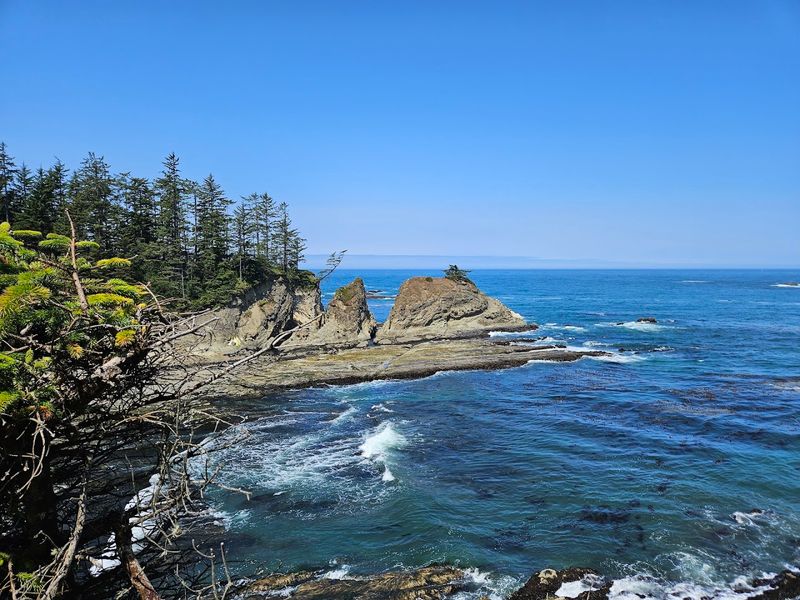
Shore Acres does not ease you into the scenery. It puts you right on the edge of it.
Perched on craggy sandstone cliffs above the Pacific, Shore Acres State Park has the kind of coastal drama that instantly feels bigger than a standard roadside stop.
Oregon State Parks describes it as a place that celebrates both rugged natural beauty and carefully designed grounds, and that contrast is a huge part of its appeal.
One moment you are looking out at crashing surf, rocky shoreline, and wide-open ocean views, and the next you are wandering through formal gardens that bring an entirely different kind of beauty to the experience.
That mix gives Shore Acres a sense of variety that makes it feel surprisingly substantial for a day-use park.
The cliffside setting alone is enough to earn its place in this lineup, especially for anyone who wants Oregon coast scenery without automatically defaulting to the busiest headline-making stops.
It feels dramatic in the way national park viewpoints often do, with the added bonus of being easier to work into a day trip. The ocean does most of the heavy lifting here, but the gardens and manicured grounds keep the experience from feeling one-note.
Shore Acres is proof that a state park does not need huge acreage to leave a huge impression.