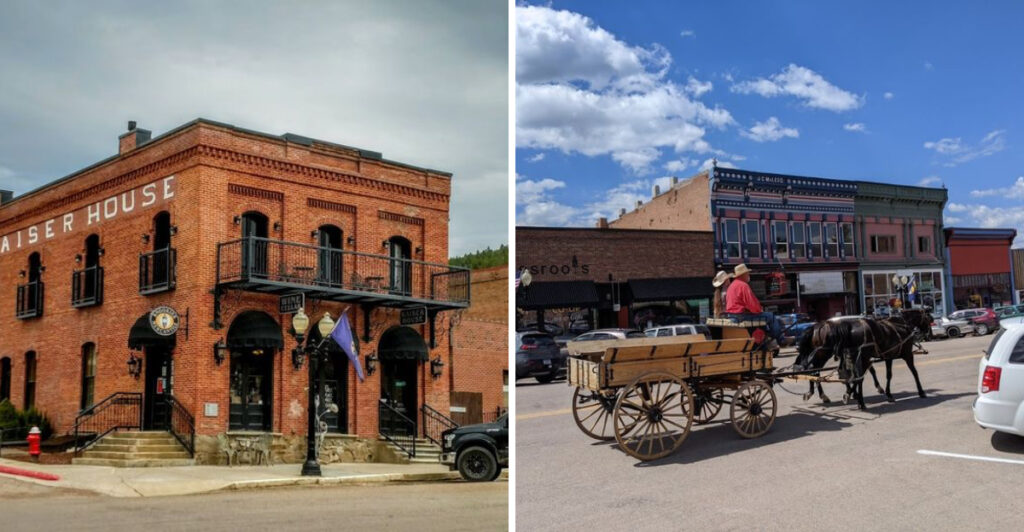
Montana has a secret and it is hiding in plain sight along a painted main street in a town most people have never heard of.
Victorian storefronts, a candy shop that stops traffic, a ski area with barely anyone on it, and a ghost town up the mountain that feels completely forgotten by the rest of the world.
Philipsburg is the kind of place that locals genuinely hope stays quiet, and honestly after spending time here it is easy to understand why.
The moment you pull into Flint Creek Valley and see that main street for the first time, something shifts. It just feels different from everywhere else in Montana.
Skip the Saturday visit to the candy shop, drive slowly through the valley on the way in, and clear the whole day. You are going to want it.
Broadway Street And Its Victorian Storefronts
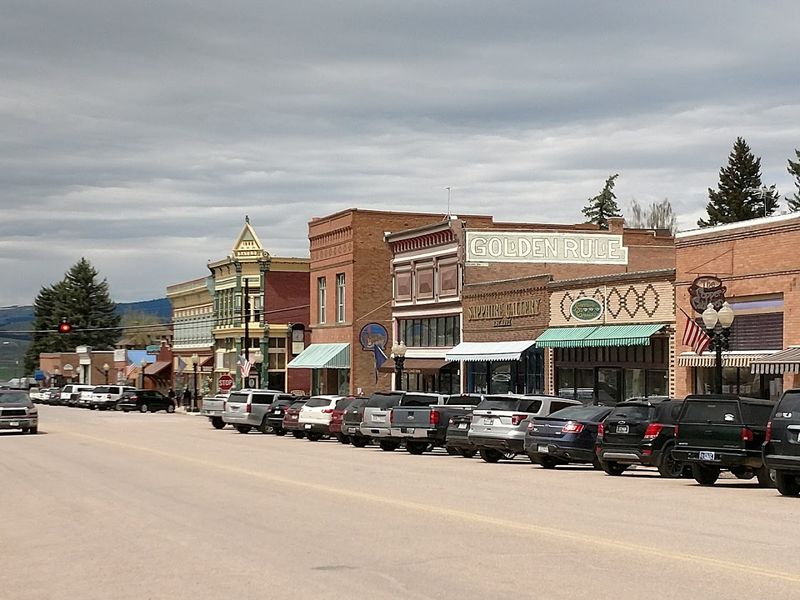
Broadway Street stops people in their tracks, and not because of traffic. The colorful Victorian storefronts that line this main drag have been carefully maintained, giving the whole street an almost theatrical quality that feels too good to be a movie set.
Philipsburg, Montana earned its name from Philip Deidesheimer, the mining engineer who designed the ore smelter around which the town originally formed. That industrial origin feels distant now when you are standing in front of century-old facades painted in cheerful shades of red, blue, and gold.
The post office still operates from a building that has stood for over a hundred years, which says something about how seriously this community takes its history. Broadway is not a preserved relic kept behind glass.
It is a living, working street where locals grab their mail, shop for supplies, and stop to chat with neighbors. The architecture is the backdrop, and daily life is the main event.
The Sweet Palace: Montana’s Sweetest Surprise
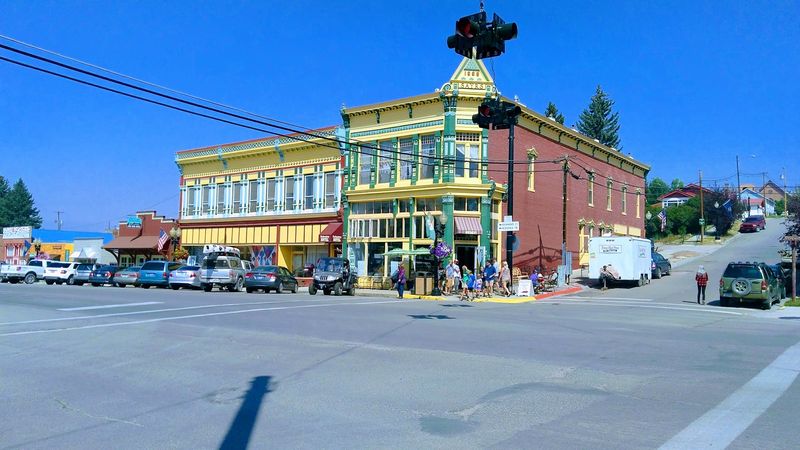
Over 1,100 varieties of candy under one roof sounds like a childhood fantasy, but The Sweet Palace on Broadway makes it a very real and very sugary reality. This Victorian-era candy shop in a building dating from Philipsburg’s silver boom has become one of Montana’s most unlikely tourist draws.
The building itself is part of the appeal. The Victorian interior matches the era of the storefront, so stepping inside feels like wandering into a confectionery from another time.
Taffy, fudge, gummies, hard candies, and novelty sweets fill the shelves in an almost overwhelming display of color and variety.
What makes The Sweet Palace stand out beyond its product range is how perfectly it fits Philipsburg’s personality. Nothing about this town tries too hard, yet everything delivers.
A candy shop in a 130-year-old building that somehow became a regional landmark is exactly the kind of quirky, unforced charm that keeps visitors coming back long after the sugar rush fades.
Discovery Ski Area: Powder Without The Crowds
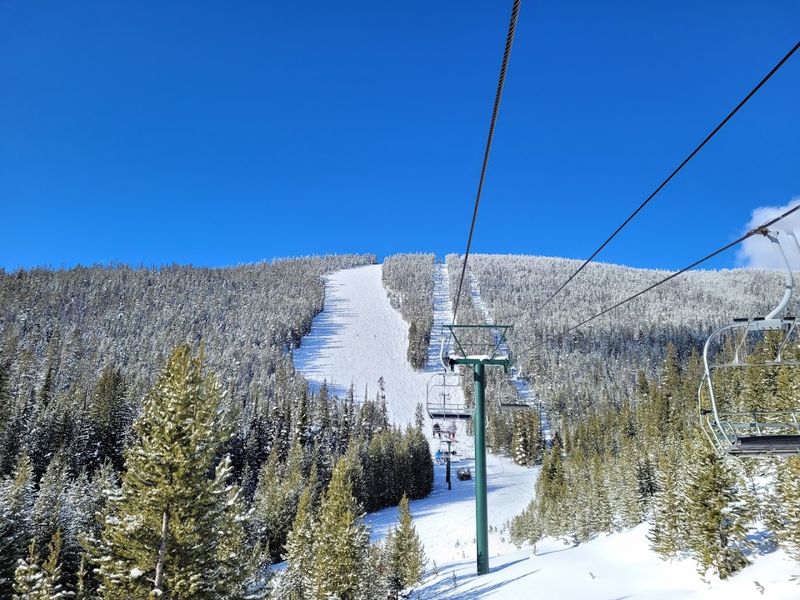
Ski resorts with short lift lines sound like urban legends in the modern era of crowded mountain towns, but Discovery Ski Area, located just south of Philipsburg along Montana Highway 1, operates like one.
With over 2,200 acres of terrain and a fraction of the crowds found at more famous resorts, it has earned a loyal following among locals who guard the secret with quiet pride.
The snowfall in this part of southwest Montana tends to be reliable, and the variety of terrain means skiers and snowboarders of different skill levels find something worth returning for each season. Beginners get room to learn without the anxiety of dodging experts, while advanced riders find challenging runs that do not require a two-hour lift queue.
Discovery is not trying to compete with the big-name resorts, and that is precisely what makes it special. There are no flashy resort villages or overpriced slope-side restaurants.
Just mountain, snow, and the kind of uncomplicated fun that reminds people why they loved skiing in the first place.
High-Altitude Fishing And Paddling
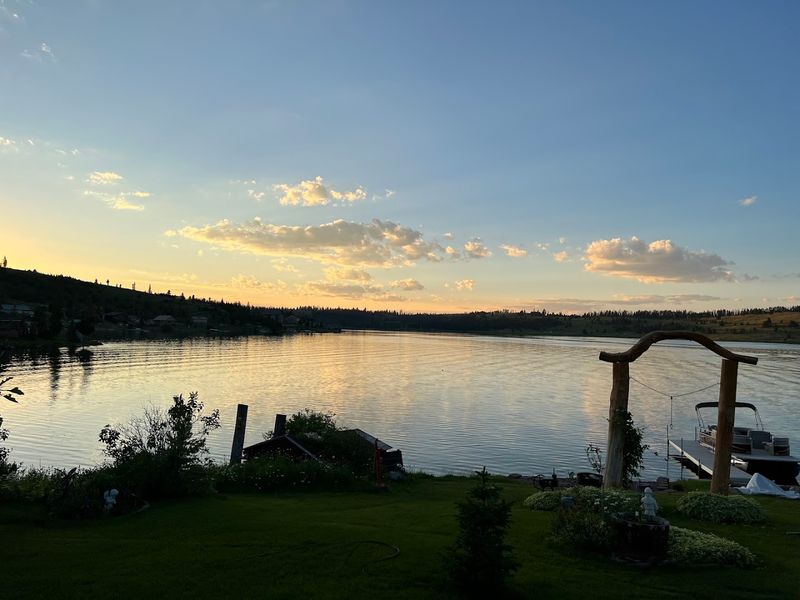
At 6,400 feet above sea level, Georgetown Lake sits like a mirror framed by lodgepole pines and granite ridges, covering around 2,800 acres of some of the most photogenic water in Montana. It is the kind of place that makes fishing feel less like a hobby and more like a form of meditation.
Anglers come here for trout, and the lake tends to reward patience with results. Fly fishing is popular, but the lake also accommodates those who prefer to cast from a kayak or canoe as they drift along the pine-lined shore.
Paddleboarding has grown in popularity here as the scenery makes even a slow, casual paddle feel like an achievement.
Summer brings hikers and campers who use the lake as a base for exploring the surrounding mountains, while winter transforms it into an ice fishing destination that draws enthusiasts willing to brave the cold for a chance at what lies beneath. Georgetown Lake is genuinely four-season, which is a rare quality in any destination.
History Left Standing In A Ghost Town
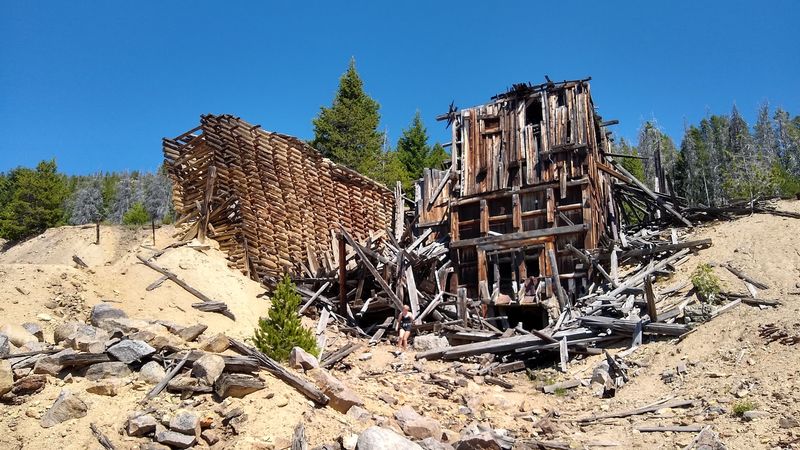
Ghost towns in Montana are not uncommon, but Granite Ghost Town carries a particular weight that goes beyond crumbling wood and rusted nails. Accessible via a rough mountain road above Philipsburg, the site preserves the bones of what was once a booming silver mining community that rose fast and collapsed faster.
The miners’ union hall still stands as the most prominent structure on the hill, its walls holding decades of labor history that shaped this corner of southwest Montana. Collapsed cabins dot the surrounding slope, and the overall scene is one of quiet, respectful abandonment rather than neglect.
Visiting Granite requires a bit of effort, and that effort filters out the casual crowd, leaving the site to those genuinely curious about the region’s past. The rough road is part of the experience, building anticipation before delivering a place that feels genuinely untouched by commercial tourism.
History here is not curated or sanitized. It is simply left standing, exactly as time allowed it to remain.
The Flint Creek Valley Setting
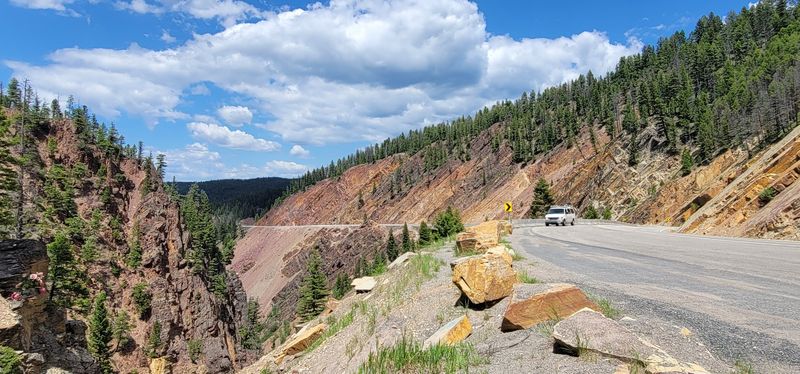
The valley itself deserves recognition as an attraction, not just a backdrop. Flint Creek Valley stretches out around Philipsburg in a way that makes it easy to understand why people chose to settle here despite the harsh winters and remote location.
The surrounding mountain ranges frame the valley with the kind of drama that landscape painters spend careers trying to capture.
The creek that gives the valley its name winds through meadows that shift color through the seasons, from the pale gold of early spring to the deep green of summer and the amber tones of fall. Wildlife sightings are common enough to feel like a reasonable expectation rather than a lucky bonus.
Driving into town along the valley floor sets a tone that Broadway Street then reinforces. There is a sense of arrival here that larger, more accessible towns rarely produce.
The remoteness is not a drawback. It functions as a kind of natural filter, ensuring that the people who do show up came with intention rather than impulse.
The Mining History That Built Everything
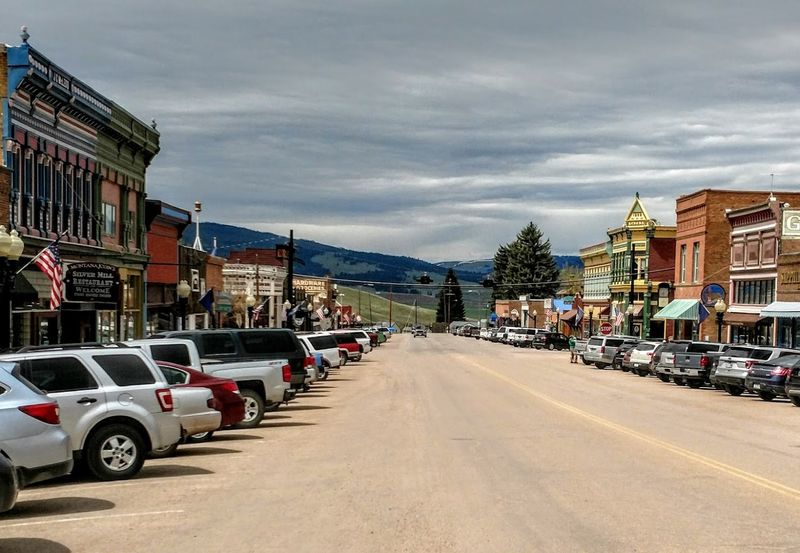
Silver built Philipsburg, and the evidence of that origin is everywhere you look. The town was named after Philip Deidesheimer, the mining engineer who designed and supervised construction of the ore smelter that anchored the original settlement.
Without that industrial foundation, none of the Victorian charm that visitors admire today would exist.
Montana’s mining era left behind more than ruins and ghost towns. It left behind a cultural identity that Philipsburg wears with obvious pride.
The architecture, the street layout, and the community character all trace back to a period when silver was the reason anyone came to this valley in the first place.
Understanding that history makes the town richer as a destination. The candy shop and the ski area are wonderful, but they exist within a context that goes back to boom-and-bust cycles that shaped not just this town but the entire region.
Philipsburg survived when other mining towns did not, and that survival story is woven into every building on Broadway Street, whether or not the signage mentions it.
The Peaceful, Unhurried Atmosphere
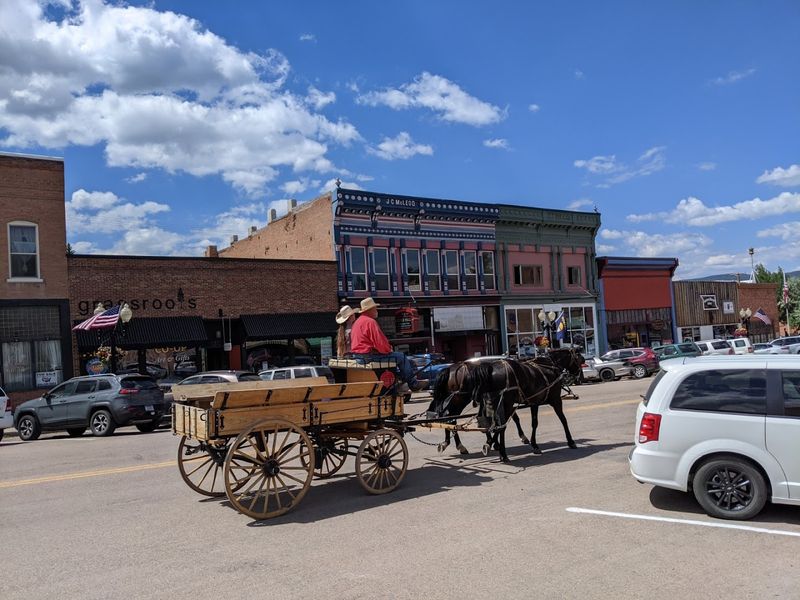
Pace matters more than most travel guides admit. A town of fewer than a thousand people moves at a rhythm that feels almost countercultural in an era of constant acceleration, and Philipsburg has that rhythm in abundance.
Afternoons here have a quality of stillness that does not feel empty. It feels chosen.
Locals move through their day without the urgency that defines life in larger cities, and that energy is genuinely contagious. Visitors who arrive expecting a checklist of attractions often find themselves slowing down within a few hours, sitting on a bench on Broadway, watching nothing in particular happen, and enjoying it more than they expected.
This kind of atmosphere is increasingly rare and increasingly valuable. Montana has many scenic towns, but not all of them have managed to preserve the social texture that makes small-town life feel meaningful rather than merely quaint.
Philipsburg has that texture intact, and locals are understandably protective of it, aware that the wrong kind of attention can dissolve what makes a place worth protecting in the first place.
Outdoor Adventures Beyond The Ski Slopes
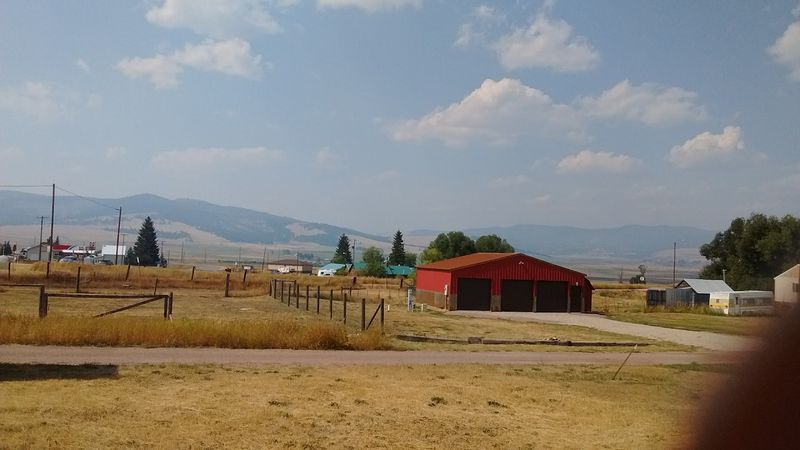
When the snow melts, the mountains around Philipsburg do not close for business. They simply change their offering.
Hiking trails spread through the surrounding ranges, connecting meadows, ridgelines, and forest sections that reward both casual walkers and serious trekkers with views that feel disproportionately spectacular for the effort involved.
Mountain biking has grown as a warm-season activity in the area, with trails that range from manageable gravel paths to technical singletrack that challenges experienced riders. The terrain is varied enough to prevent any single visit from feeling like a repeat of the last.
Wildlife watching is woven into almost any outdoor activity here. The valley and surrounding mountains support populations of deer, elk, and various bird species, meaning that even a short drive outside of town can turn into an unplanned wildlife encounter.
For visitors who want outdoor adventure without the infrastructure of a major resort town, the Philipsburg area offers a depth of options that consistently surprises people who assumed they were coming to a quiet historic district and nothing more.
Philipsburg’s Architecture As A Living Museum
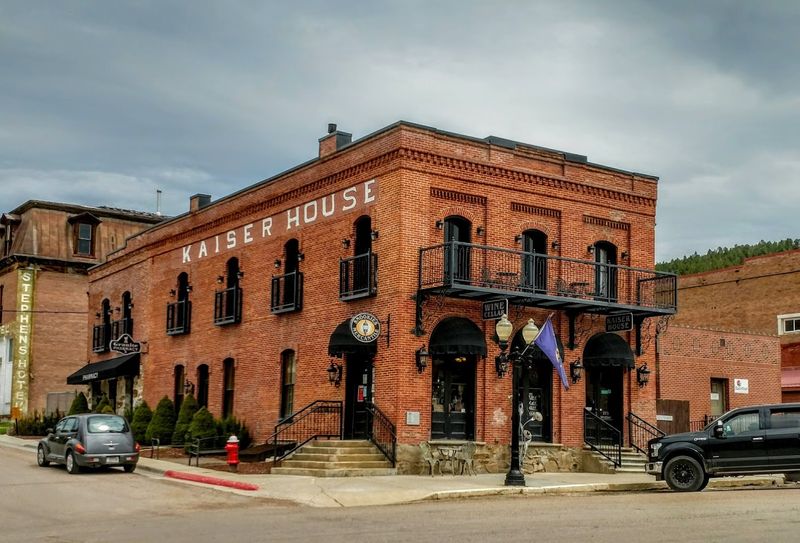
Not every town with old buildings qualifies as architecturally interesting. Philipsburg earns the distinction honestly.
The Victorian storefronts along Broadway have been maintained with enough care to feel authentic rather than reconstructed, and the variety of styles within a compact area makes the streetscape genuinely engaging to walk through slowly.
The post office building is one of the more quietly impressive structures, having served its original function for over a century without losing its character to renovation. That kind of continuity is almost impossible to manufacture, and it gives the block a credibility that purpose-built historic districts often lack.
Architecture enthusiasts find Philipsburg rewarding in a way that goes beyond surface appreciation. The buildings here tell a specific story about a specific moment in Montana’s history, when silver money funded ambitions that expressed themselves in ornate facades and solid construction meant to signal permanence.
Some of those buildings outlasted the industry that funded them by more than a century, which is its own kind of architectural statement about the difference between wealth and endurance.
Best Times To Visit And What To Expect
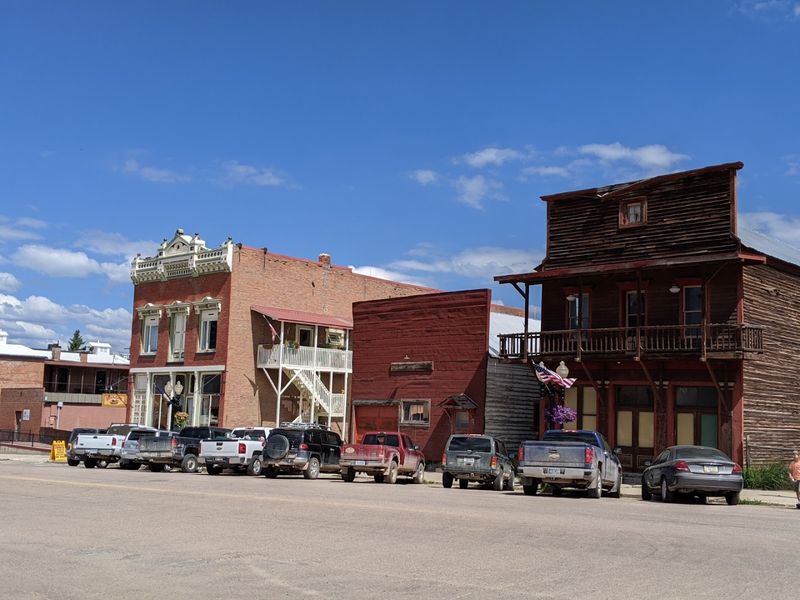
Timing a visit to Philipsburg depends on what kind of experience you are after, and fortunately the town holds appeal across most of the calendar year. Summer brings the most comfortable temperatures and the full range of outdoor activities, from hiking and fishing at Georgetown Lake to exploring Granite Ghost Town before the access road becomes difficult.
Fall is quietly spectacular here. The valley colors shift dramatically, the summer visitors thin out, and the town settles into a slower, more local rhythm that suits its character well.
Arriving in September or October means fewer people competing for the same view of Broadway Street at golden hour.
Winter draws skiers to Discovery and ice fishing enthusiasts to Georgetown Lake, while the historic downtown takes on a different quality under snow. Spring is the most unpredictable season, with road conditions around the ghost town and higher trails remaining uncertain into May.
Whatever the season, the town itself remains open and welcoming, which is part of what makes planning a visit here feel low-stakes and genuinely flexible.
Why Locals Want To Keep This Place Quiet
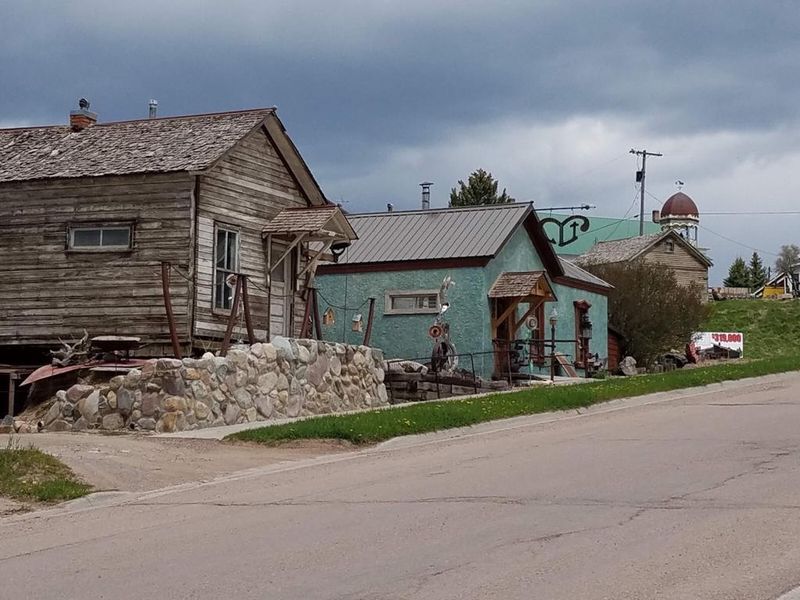
There is a particular kind of civic pride that expresses itself not through boosterism but through restraint, and Philipsburg, Montana has it in full measure. Locals here are not unfriendly to visitors.
They are protective of something fragile, the quality of life that comes from living in a place that has not yet been optimized for tourism.
Granite County, where Philipsburg serves as the county seat, is one of the less populated corners of Montana, and that low density is part of what preserves the town’s character. When too many people discover a place at once, the infrastructure changes to accommodate them, and in that process, the original appeal often gets diluted beyond recognition.
What Philipsburg offers is not just scenery or history or outdoor recreation, though it delivers all three with impressive consistency. It offers the experience of a town that still belongs primarily to the people who live in it.
Visitors are welcome, but the place does not perform for them. It simply continues being itself, which turns out to be more than enough.