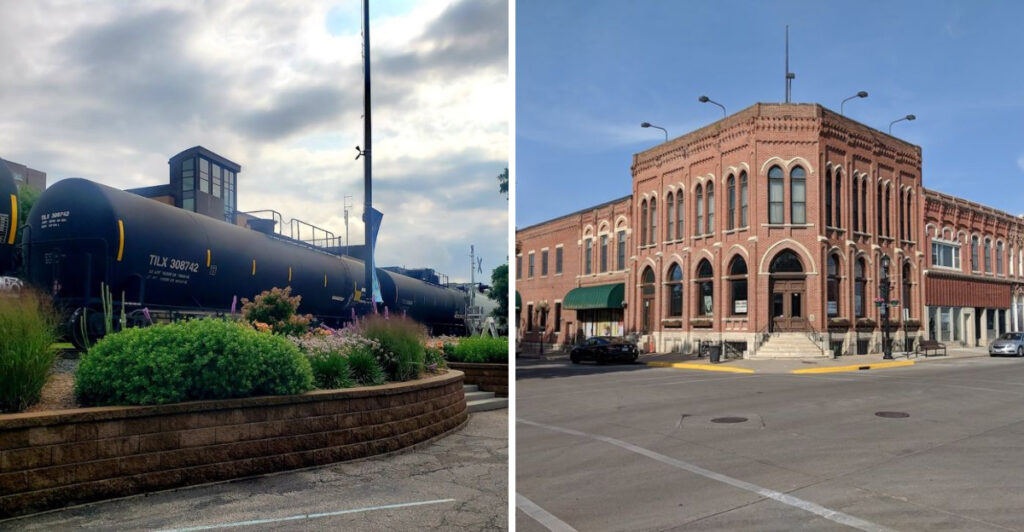
What if a $1,200 monthly budget could actually buy you a life worth bragging about?
Minnesota has been quietly keeping a secret, and that secret lives tucked between towering limestone bluffs and the wide, rolling current of the Mississippi River.
This is a place where the scenery is free, the downtown is real, and the cost of living does not demand a second income.
Minnesota’s river country rewards the people who find it. Picture morning hikes above the city, bald eagles drifting along the riverbank, and a downtown full of red brick charm that never asks you to overspend.
The math here just works differently than everywhere else.
The Affordable Heart Of A River City
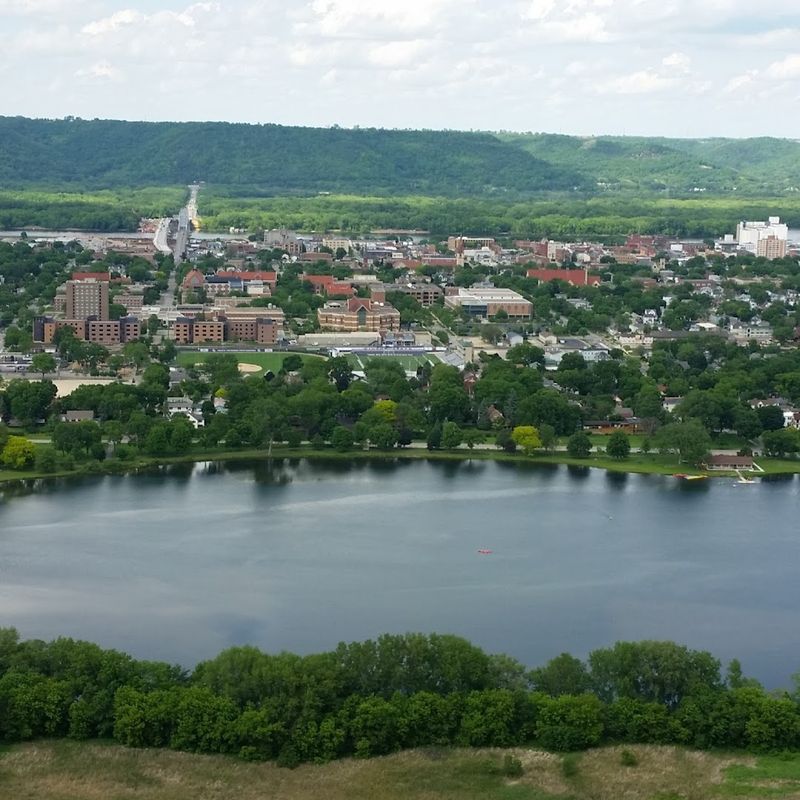
Budget-conscious living rarely looks this scenic. Winona, Minnesota sits tucked between the Mississippi River and a series of towering limestone bluffs, giving it a dramatic backdrop that most cities twice its size would envy.
Housing costs here run noticeably lower than the national average. Renters can often find one-bedroom apartments without stretching a modest budget to its breaking point, and the overall cost of everyday goods tends to stay reasonable throughout the year.
Groceries, transportation, and basic services all land at price points that make a tight monthly figure feel workable rather than stressful. The city operates with a pace that favors simplicity over excess.
There are no sprawling shopping malls demanding impulse buys around every corner. Instead, the focus lands on community, outdoor access, and local businesses that keep money circulating close to home.
For anyone serious about stretching every dollar without sacrificing quality of life, this corner of southeastern Minnesota makes the math feel almost refreshingly easy.
Sugar Loaf And The Bluff Country Setting

That rocky spire poking above the treeline is not a movie set. Sugar Loaf is Winona’s most recognizable natural landmark, a remnant limestone pinnacle that has watched over the city for longer than anyone can remember.
The surrounding Driftless Area, a region that escaped the flattening force of ancient glaciers, gives Winona its unusually rugged terrain. Ridges, valleys, and bluffs roll through the landscape in ways that feel more like the American Southwest than the upper Midwest.
This setting does something important for residents on a budget: it provides endless free entertainment. Hiking trails wind up and along the bluffs, rewarding those who make the climb with sweeping views of the Mississippi River valley below.
No ticket, no parking fee, no reservation required. The scenery belongs to everyone.
Minnesota’s Driftless Area is one of the most visually distinctive regions in the entire state, and Winona sits right at its heart, making every walk feel like a small adventure.
The Mississippi River As A Free Backyard

Not everyone gets to call one of North America’s greatest rivers their neighborhood backdrop. Winona sits directly on the Mississippi, and the river functions less like a boundary and more like a communal living room for residents who know how to use it.
Fishing, kayaking, birdwatching, and simply sitting on the bank watching barges drift past are all part of daily life here. None of these activities require much money, and most require none at all.
Levee Park stretches along the riverfront and gives locals a well-maintained green space for picnics, morning walks, and watching the sun drop behind the bluffs on the Wisconsin side. The park is open, free, and genuinely beautiful throughout most of the year.
Bald eagles are a regular sight along this stretch of the Mississippi, especially during colder months when they gather near open water. Spotting one feels like a small reward that no subscription service can replicate.
Living on a tight budget is considerably easier when nature handles most of the entertainment schedule.
A Downtown Built For Browsing On A Budget
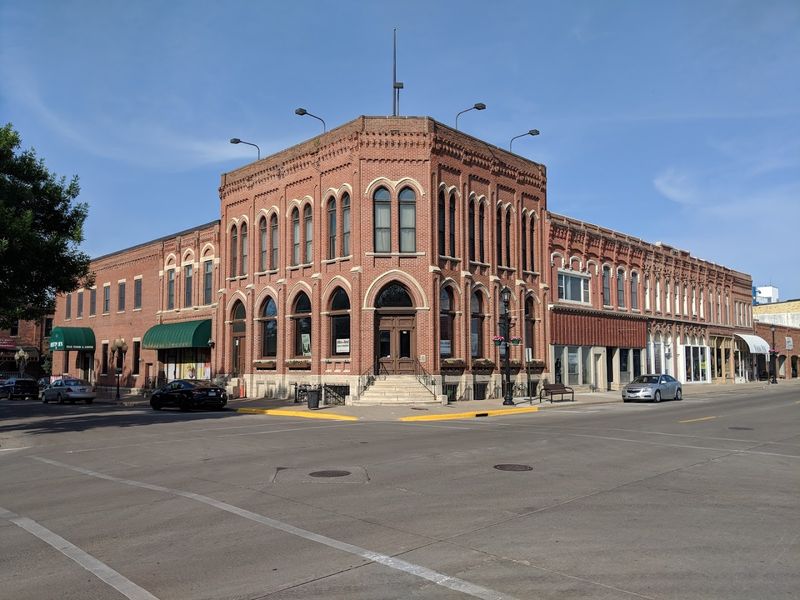
Winona’s downtown has the kind of bones that developers in bigger cities spend millions trying to recreate. Solid red brick buildings line the streets, most of them dating back to the late 1800s when the city was a booming lumber and wheat milling hub.
Today those same buildings house local shops, coffee spots, and small restaurants that keep prices reasonable because their customer base is made up of actual residents rather than tourists passing through on a weekend trip.
The historic architecture gives the whole area a grounded, unhurried feel. There is no pressure to spend big here, and window shopping along Third Street or popping into a used bookstore costs exactly nothing.
Community events and seasonal markets pop up regularly, offering affordable ways to connect with neighbors and pick up locally made goods without paying premium prices. Minnesota winters can be long, but a lively downtown makes them considerably more bearable.
The city address, Winona, MN 55987, sits at the center of a community that has quietly kept its character intact for generations.
Outdoor Recreation Without The Price Tag
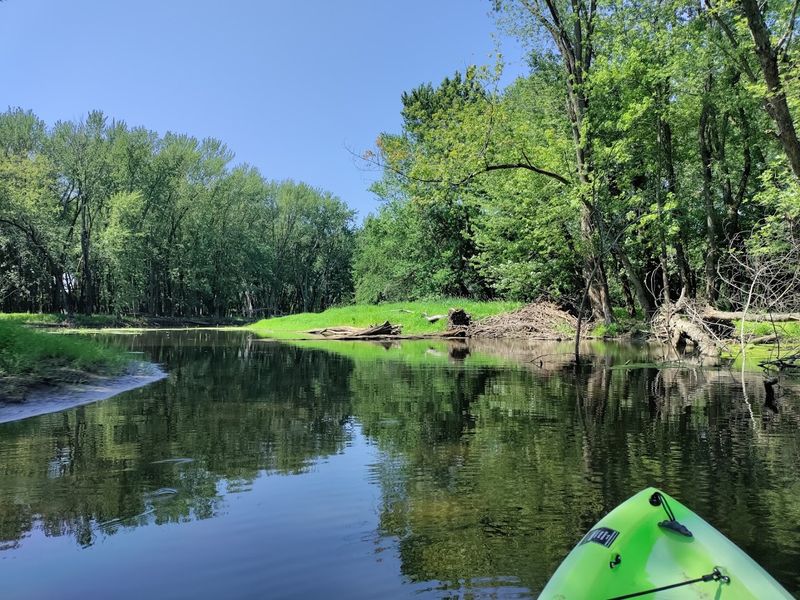
The outdoor options around Winona would look impressive on any list, and the fact that most of them cost nothing makes them genuinely remarkable for budget-focused residents.
Garvin Heights City Park sits high above the city and delivers panoramic views of the river valley that stretch for miles on a clear day. The drive or hike up is short, and the payoff is enormous.
Nearby Great River Bluffs State Park adds more trail mileage and even broader vistas, giving outdoor enthusiasts a full season’s worth of hiking for a modest daily or annual vehicle permit fee.
Cyclists have dedicated paths along the river corridor, and paddlers can access the Mississippi at multiple public launch points throughout the area.
Winters in this part of Minnesota bring snowshoeing and cross-country skiing to the same trails that are green and leafy in summer.
The landscape earns its keep year-round.
For anyone who finds joy in movement and fresh air, Winona delivers a recreational calendar that a modest monthly budget can absolutely support.
Housing Costs That Actually Make Sense

Housing is where the $1,200 monthly budget conversation gets real, and Winona holds up well under scrutiny.
Rental prices here sit below what most mid-sized Minnesota cities charge, and the housing stock ranges from older craftsman homes near downtown to more modern apartments closer to the university district.
The presence of Winona State University and Saint Mary’s University of Minnesota keeps a healthy rental market active.
That competition works in a renter’s favor when negotiating lease terms.
For those thinking about buying rather than renting, home prices in Winona have historically stayed modest compared to the Twin Cities metro area or even Rochester.
A first-time buyer working with a careful budget has real options here.
Utility costs in older homes can climb during harsh Minnesota winters, so factoring in heating expenses is important when running the numbers.
Newer, better-insulated units tend to keep those bills more predictable.
Overall, the housing market here supports the kind of careful financial planning that makes a lean monthly budget not just survivable but genuinely comfortable.
The Cultural Life That Costs Little
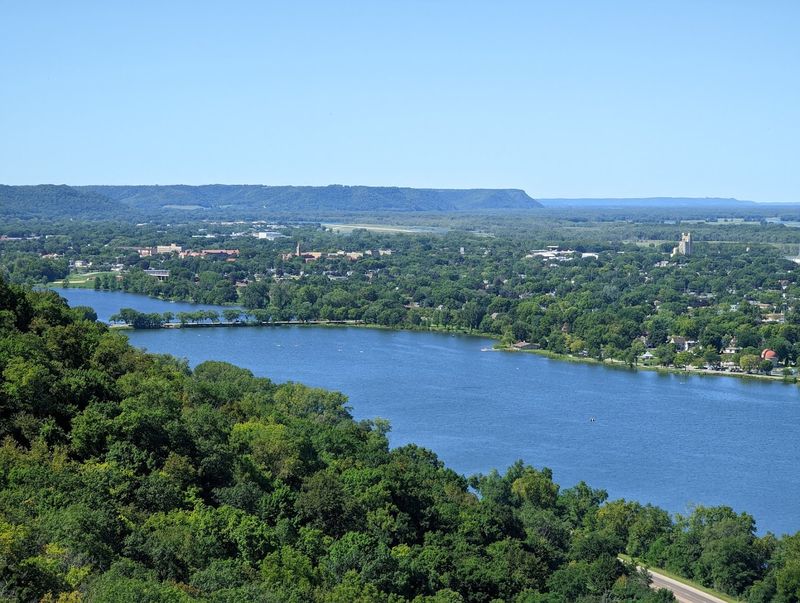
Culture does not have to come with a steep ticket price, and Winona proves that point with consistency. The city’s arts and community scene punches above its weight for a town of its size.
The Minnesota Marine Art Museum sits right on the river and presents rotating exhibitions inspired by water, nature, and community.
Admission is affordable, and the purpose-built setting overlooking the Mississippi makes the visit worthwhile on its own.
Throughout the warmer months, free outdoor concerts, farmers markets, and festivals fill the community calendar with options that require nothing more than showing up.
The Winona Steamboat Days festival draws crowds each summer with events spread across multiple days.
Local theater groups, university performances, and gallery openings add more layers to a cultural life that feels active without demanding a large entertainment budget.
Minnesota’s arts community has deep roots, and Winona carries that tradition forward at a scale that feels personal rather than overwhelming.
Entertainment here is something residents build together, which tends to make it more memorable anyway.
Getting Around Without A Big Car Budget

Transportation costs can quietly destroy a tight monthly budget, and Winona’s compact layout works in favor of anyone trying to keep those expenses low. The city is small enough that many daily errands are manageable on foot or by bicycle.
A dedicated riverfront trail and a network of relatively flat city streets make cycling a practical choice for much of the year, at least during the warmer months when Minnesota weather cooperates.
Bike infrastructure has improved steadily, and the short distances between neighborhoods mean that a reliable bicycle can genuinely replace a car for many daily tasks.
For those who do need a vehicle, lower traffic levels mean less wear and tear, and parking in Winona is rarely the stressful or expensive ordeal it becomes in larger cities.
Public transit options exist but are limited, so most residents plan around personal transportation.
The key advantage here is that the distances are short, and fuel costs stay manageable when daily driving is measured in blocks rather than miles.
A smaller city footprint quietly saves money in ways that are easy to overlook until you do the math.
Food And Grocery Costs In A River Town
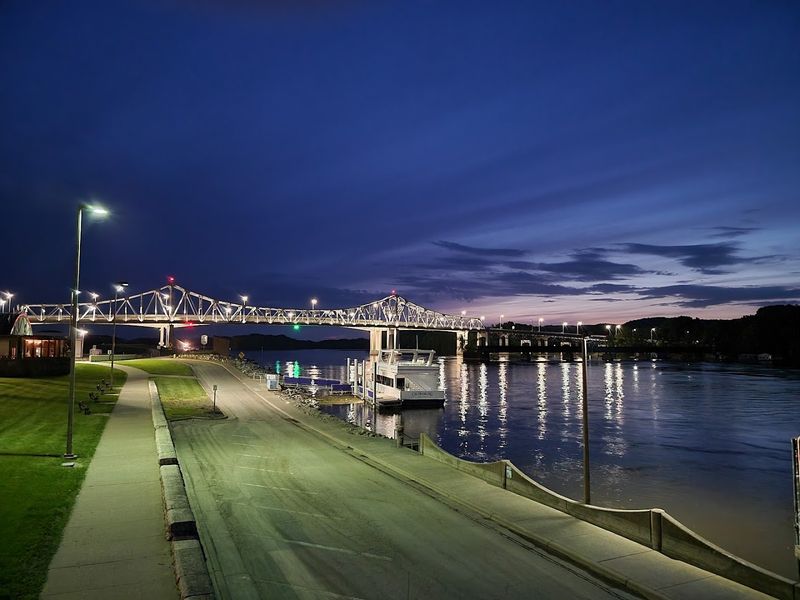
Feeding yourself well on a tight budget is one of the more practical tests of any small city’s affordability, and Winona passes without much drama.
Grocery costs here stay in line with what most of rural and small-town Minnesota offers, which is meaningfully lower than what urban residents in the Twin Cities typically pay.
Several grocery options serve the city, and local farmers markets during the growing season add fresh, often reasonably priced produce to the mix. Buying directly from regional growers during summer and fall is both affordable and genuinely satisfying.
Local restaurants and cafes tend toward casual pricing, reflecting a customer base that values good food but is not interested in paying big-city premiums for it. Lunch spots near downtown regularly offer filling meals at prices that do not require a second thought.
Cooking at home remains the most budget-friendly approach anywhere, and Winona’s grocery access makes that easy to sustain.
The combination of reasonable store prices and seasonal market options gives residents solid tools for keeping food costs predictable throughout the year.
Why This Town Rewards The Patient And The Practical

Winona is not a city that announces itself loudly. It rewards people who slow down enough to notice what is actually there.
The combination of natural beauty, genuine community character, and a cost of living that does not punish modest earners creates something that is harder to find than it should be. Living here on a careful monthly budget is not about sacrifice; it is about prioritizing what actually matters.
Free trails, a river that never charges admission, affordable housing, low-key cultural offerings, and a downtown that still functions as a real neighborhood rather than a tourist performance all add up to something meaningful.
Minnesota winters require honest preparation, and Winona is no exception. But the city’s residents tend to treat the cold season as part of the rhythm rather than a reason to leave.
For the right kind of person, one who values quiet mornings, open landscapes, and a community that knows its neighbors, Winona offers a quality of life that a modest income can genuinely sustain. That is a rarer thing than most people realize.