New Mexico does not make it too easy. It makes you work for it just a little. And then it hands you something extraordinary. Picture this: tall pines, ancient canyon walls, and at the end of a manageable trail, a steaming natural pool waiting just for you.
No crowds. No noise. Just warm water, wild scenery, and the kind of quiet that reminds you why you took time off in the first place. People who make this trip once almost always come back.
That kind of loyalty does not happen by accident. New Mexico has a way of hiding its best experiences behind a little effort and a short walk.
This is one of those experiences. Pack your towel, lace up your shoes, and keep reading. Something really good is waiting at the end of that trail.
The Trail That Gets You There
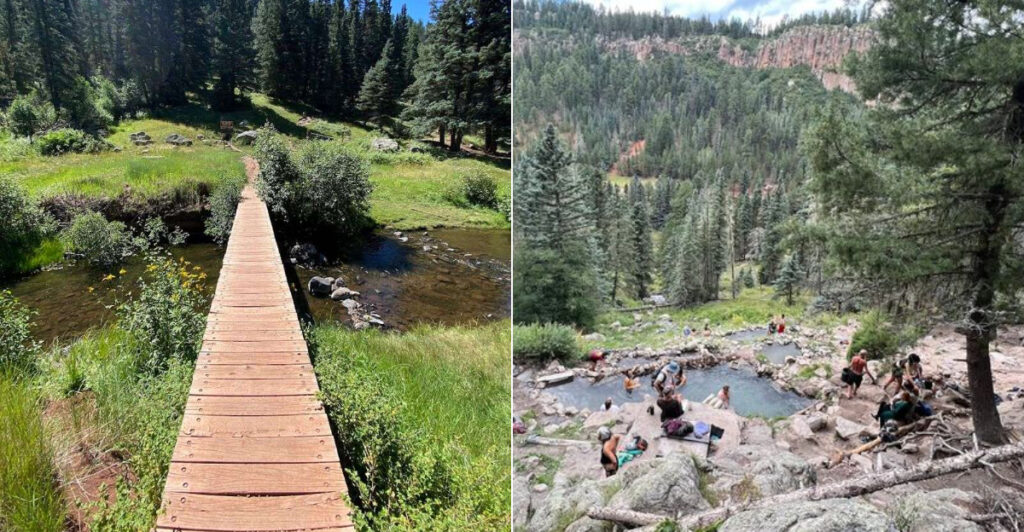
Not every great destination makes you work for it, but San Antonio Hot Spring politely asks you to lace up your hiking boots and earn the experience. The trailhead sits off Forest Road 376 near Jemez Springs in the Jemez Mountains of New Mexico, and the hike itself is roughly 3.5 miles round trip.
That distance is very doable for most hikers, including families with older kids and casual trail walkers. The elevation gain is moderate, so you will feel the effort in your legs without feeling like you ran a marathon.
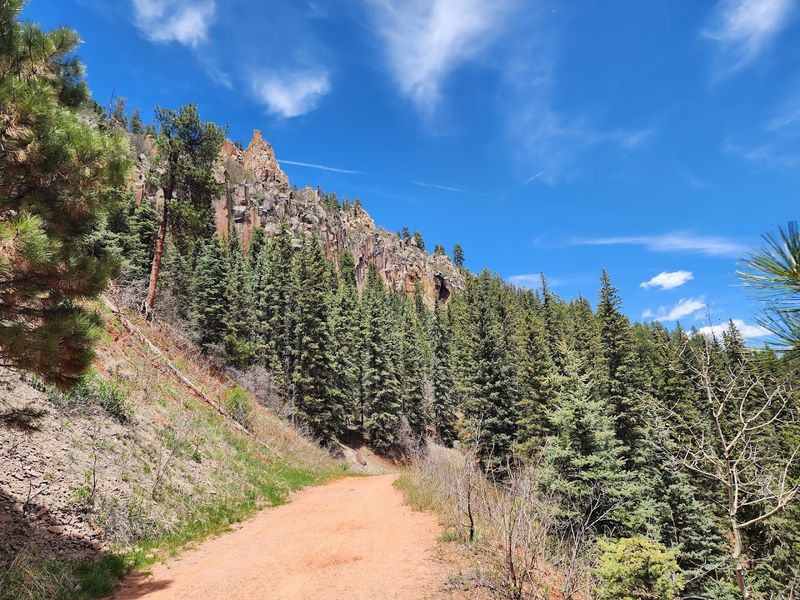
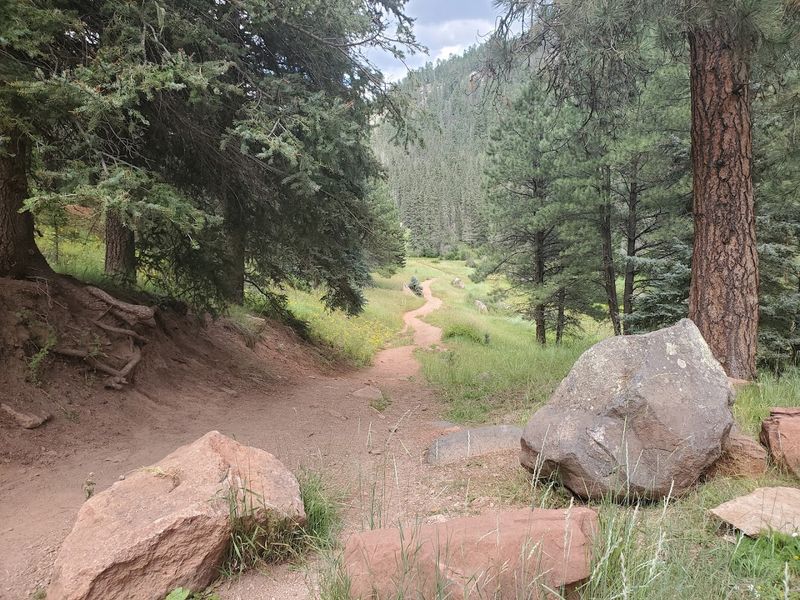
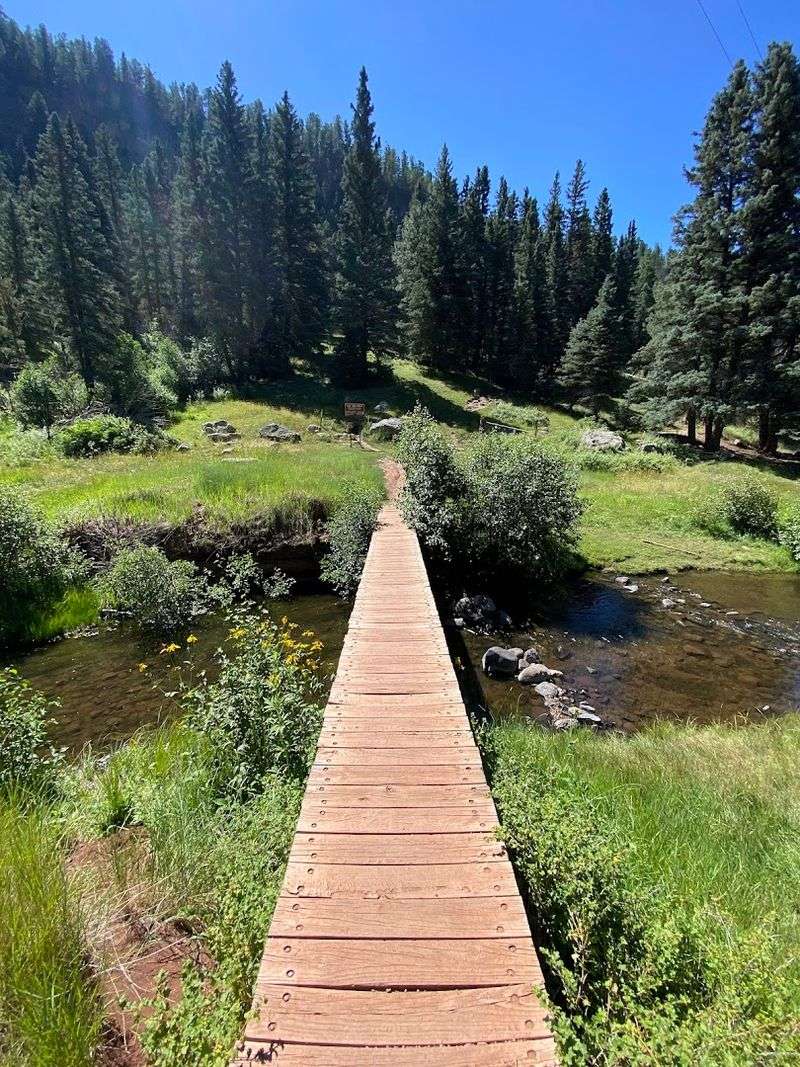
The path moves through a beautiful mix of ponderosa pine and mixed conifer forest, with the sound of San Antonio Creek nearby for much of the walk. Tall canyon walls rise on either side in certain stretches, giving the trail a dramatic feel that makes the journey feel like its own reward.
The trail surface is mostly packed dirt with some rocky sections, so sturdy shoes or light hiking boots are a smart choice. Trekking poles help on the uneven parts, especially if you are carrying a pack.
First-time visitors sometimes underestimate how remote this area feels once you are on the trail. There are no food stands, no restrooms along the path, and no phone signal to speak of.
That quiet, off-the-grid feeling is exactly what makes the hike so refreshing before you even reach the hot spring.
What The Hot Spring Actually Looks Like
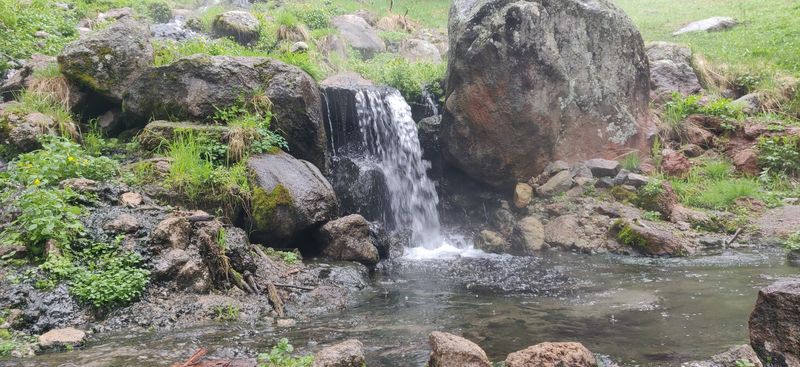
The moment you round the last bend on the trail and spot the steam rising from the rocks, something shifts in your whole body. San Antonio Hot Spring sits at the base of a dramatic cliff face, fed by a waterfall of geothermally heated water that cascades directly into the soaking pool below.
The pool itself is large enough to comfortably fit a small group of people, with a natural rock basin that has been shaped over centuries by flowing water and mineral deposits.
The water temperature hovers around 100 to 106 degrees Fahrenheit, which is hot enough to feel deeply therapeutic but not so extreme that it becomes uncomfortable.
The setting is visually striking in a way that photos struggle to capture. Lush green moss clings to the canyon walls, ferns grow in the cracks above the waterfall, and the contrast between the steaming pool and the cool mountain air creates a dreamy kind of atmosphere.
The water itself has a slight mineral quality from the geothermal activity underground, and some visitors say their skin feels noticeably softer after a long soak. The mineral content gives the water a faint blue-green tint in certain lighting conditions.
There is no man-made infrastructure here. No changing rooms, no concrete decking, no lifeguards. Just a wild, beautiful, completely natural pool that has been drawing visitors to this canyon for generations.
The Best Time Of Year To Visit
Timing your visit to San Antonio Hot Spring can make a big difference in the overall experience. The spring is at a higher elevation in the mountains, which means the seasons play a real role in what you will find when you arrive.
Fall is widely considered the most spectacular time to visit. From late September through October, the aspens and cottonwoods along the trail turn brilliant shades of gold and orange, and the cooler air makes the contrast with the hot water feel absolutely perfect.
The steam rising off the pool against a backdrop of autumn color is a sight that sticks with you. Spring brings a different kind of beauty, with wildflowers blooming along the trail and snowmelt feeding the creek nearby.
The water flow over the hot spring waterfall tends to be stronger in spring, which is a treat to watch and feel. Summer visits are popular but can get crowded on weekends.
Arriving early in the morning on a weekday is the best strategy if you want the pool to yourself or close to it.
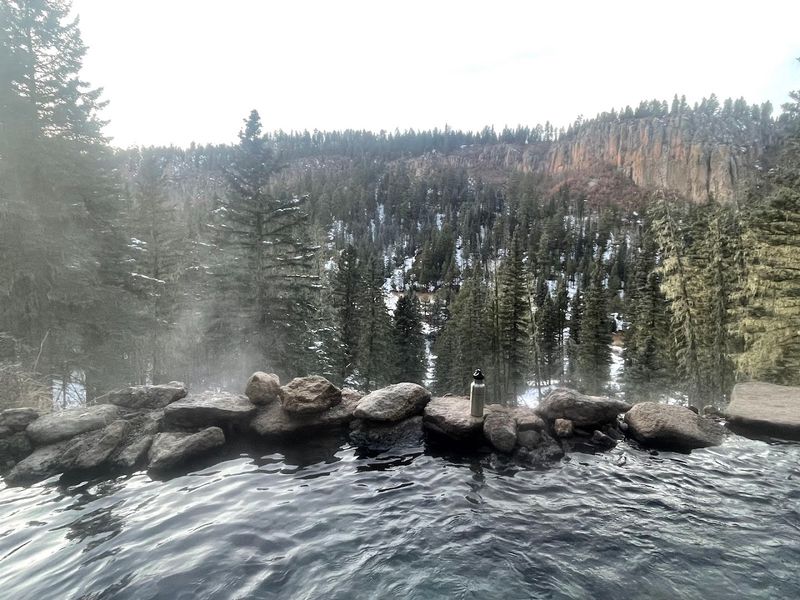
Winter visits are possible and genuinely magical when snow covers the surrounding landscape, but the road to the trailhead can be closed or difficult to navigate in heavy snow. Always check road conditions before heading out in colder months.
The Geology Behind The Heat
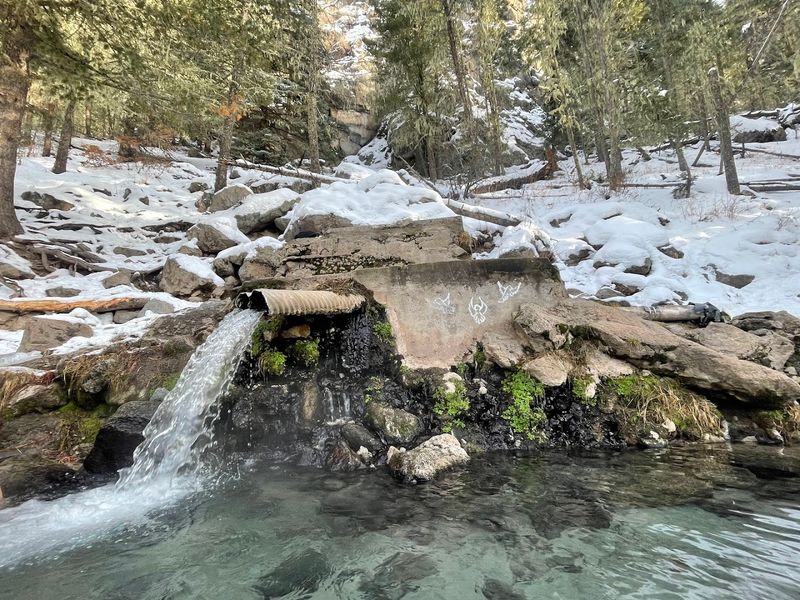
That warm, steaming water does not appear by accident. The heat behind San Antonio Hot Spring comes from deep underground volcanic activity in the Jemez Mountains, which sit within one of the most geologically active zones in New Mexico.
The entire Jemez region sits on the edge of the Valles Caldera, a massive ancient volcanic crater that formed roughly 1.25 million years ago after a supervolcanic eruption. The residual heat from that event still warms groundwater as it moves through deep rock layers.
That heated water eventually rises to the surface at spots like this one. The water picks up dissolved minerals along the way, including calcium, magnesium, and silica, which is why the rocks around the spring are often stained in shades of orange, rust, and cream.
Those mineral deposits build up slowly over time and are part of what gives the spring its distinctive look. The temperature of the water at San Antonio Hot Spring stays relatively consistent throughout the year because it comes from deep enough underground that surface temperatures do not affect it much.
That consistency is one of the reasons the spring has been used by people in this region for a very long time. Indigenous peoples of the Jemez area knew about these thermal waters long before any trail was ever cut through the forest.
The springs were considered sacred and were used for healing and ceremony.
What To Pack For The Trip
Packing smart is one of those things that separates a great trip from a frustrating one. The hike is short, but the remoteness of the location means you need to be self-sufficient from start to finish.
Water is the most important thing to bring, and more than you think you need. The hike is not long, but the altitude and physical effort can dehydrate you faster than expected.
A quick-dry towel is absolutely essential. Many first-timers arrive without one and spend the hike back in wet clothes, which is uncomfortable and cold in the cooler months. A compact microfiber towel takes up almost no space in a pack.
Bring a change of clothes or at least a dry layer to put on after your soak. The walk back feels much better when you are not dripping. A waterproof bag for your wet swimsuit and towel also saves a lot of hassle.
Sunscreen matters even on overcast days, especially at higher elevations where UV exposure is stronger. A small first aid kit and a fully charged phone for emergencies round out a well-prepared pack.
Jemez Springs And The Town Around The Trail
The trailhead for San Antonio Hot Spring sits within reach of Jemez Springs, a small village in Sandoval County, New Mexico, that serves as the perfect base for this kind of outdoor adventure. The town has a population of just a few hundred people, but it punches well above its size in terms of character and charm.
Jemez Springs is set inside a narrow canyon carved by the Jemez River, with red sandstone walls rising dramatically on both sides of the road. Driving into town for the first time genuinely makes people slow down just to take it all in.
The village has a handful of small shops, a cafe or two, and some cozy accommodation options ranging from cabins to bed-and-breakfast style lodges. Staying overnight makes the whole trip feel more relaxed, especially if you want to hit the trail early before other visitors arrive.
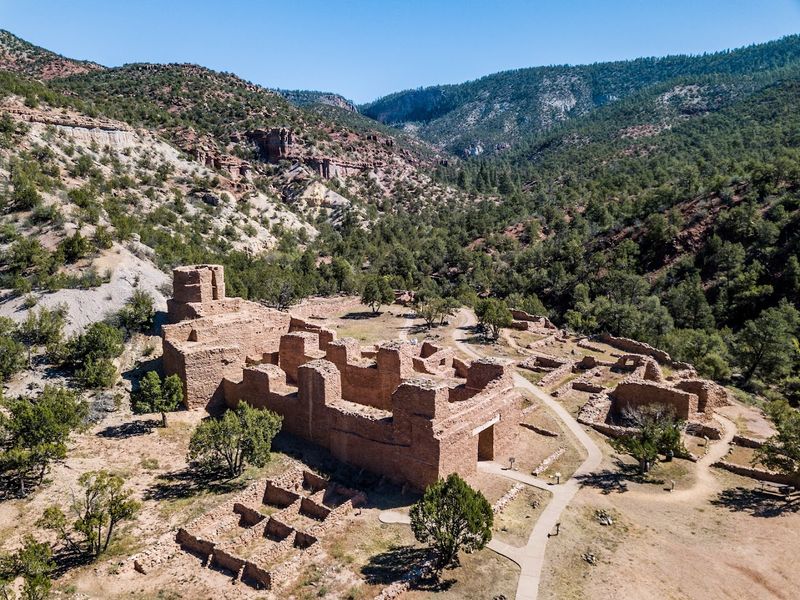
The Jemez State Monument is right in town and worth a short visit. It preserves the ruins of a 17th-century Spanish mission church built on top of an ancient Pueblo village, and the history packed into that small site is genuinely fascinating.
Local people in Jemez Springs tend to be friendly and happy to share trail tips or point you toward a good meal. Small-town hospitality is very much alive here.
Trail Etiquette And Respecting The Spring
San Antonio Hot Spring is a natural resource on public land managed by the Santa Fe National Forest, and the way visitors treat it today directly affects what future visitors will find. Trail etiquette here is not just politeness, it is a real responsibility.
The most important rule is to pack out everything you pack in. There are no trash cans at the spring or along the trail, so every wrapper, bottle, and piece of food packaging needs to come back with you. Leave No Trace principles are the standard here.
Soap, shampoo, and other personal care products should never be used in the hot spring. The pool is a natural ecosystem, and introducing chemicals disrupts the delicate balance of the water and the organisms that live in it.
Clothing is required at the spring, as it is located on public land with a mixed audience of visitors including families. Respecting that standard makes the experience comfortable for everyone sharing the space.
If the pool is crowded when you arrive, waiting your turn or enjoying the scenery while others finish their soak is the right move. Rushing people out of the water is poor form in any outdoor setting.
Why This Soak Stays With You Long After The Hike
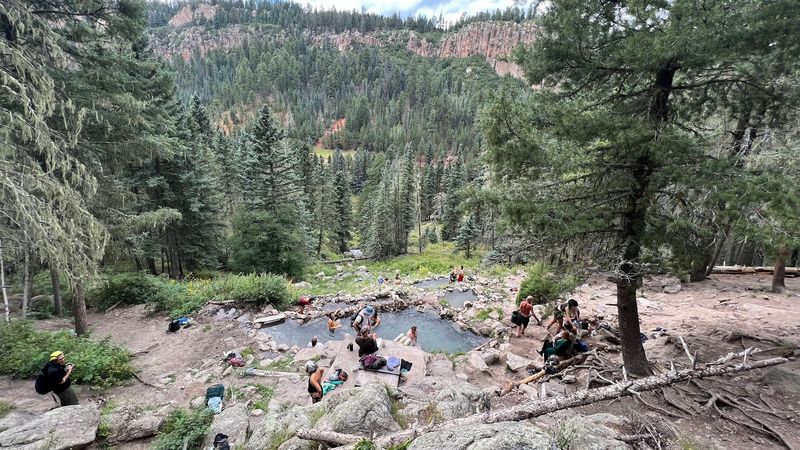
There is something about earning a soak through physical effort that makes the reward feel completely different from stepping into any ordinary hot tub. The walk to San Antonio Hot Spring is short enough to be accessible, but just long enough to make your muscles genuinely appreciate what waits at the end.
Sitting in geothermally heated water while canyon walls rise above you and pine trees line the ridgeline is a sensory experience that is hard to replicate anywhere else.
The sound of the waterfall feeding the pool, the smell of the forest, and the warmth spreading through your body all combine into something that feels deeply restorative.
People who visit once often describe it as a reset. A few hours in that canyon, away from screens and noise and the relentless pace of daily life is all you need.
The spring also has a social quality that is hard to find in more commercial settings. Strangers share the pool, swap trail stories, and exchange recommendations for other hikes in the Jemez area.
Some people have made lasting friendships over a shared soak in that canyon. The hike back to the trailhead after a long soak has a particular kind of quiet satisfaction to it. Tired legs, warm muscles, and the memory of that steam rising against the canyon walls make every step feel earned.