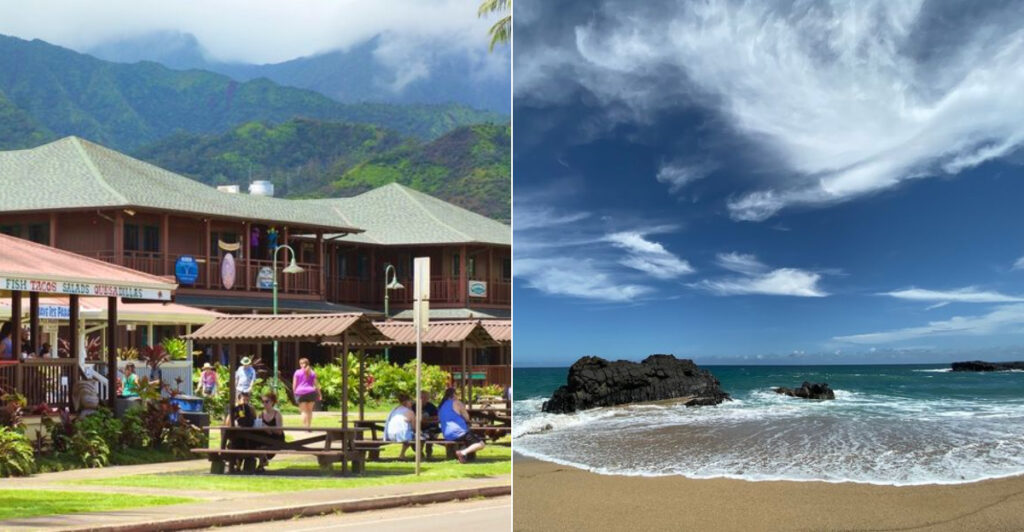
Hawaii before the crowds. Before the noise. Before the rush. It still exists and it is more beautiful than you imagined.
There is a small town that locals have fought hard to keep exactly the way it is. No skyscrapers. No chain restaurants. No loud tourist traps stealing your attention.
Just mountains, a crescent bay so stunning it barely looks real, and taro fields that have been farmed for centuries. Can you remember the last time a place genuinely stopped you in your tracks? This one will.
The pace here is slow on purpose. Nobody is rushing anywhere and after about ten minutes, you will not want to either. The community here loves where they live and that feeling is impossible to miss. Hawaii has many faces. This is the one worth searching for.
A Bay That Stops You Mid-Sentence
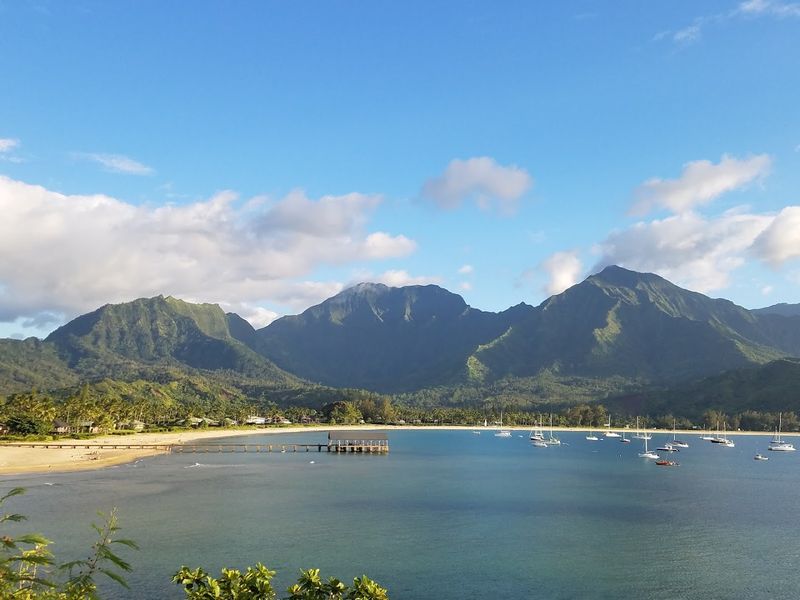
Some places earn their reputation slowly, but Hanalei Bay earns it the second you see it. The crescent shape of this bay stretches nearly two miles of golden sand, framed by mountains so green they look freshly painted after every rain shower.
The water shifts between shades of blue and turquoise depending on the time of day, and the light in the late afternoon turns everything golden in a way that makes even amateur photographers look talented.
Hanalei Bay sits on the north shore of Kauai, the oldest of the main Hawaiian Islands, and its protected crescent shape makes it one of the calmest spots for swimming during the summer months. Winter brings bigger swells that attract surfers from around the world.
The beach itself is public and free, lined with ironwood trees that provide shade when the midday sun gets serious. Families spread out here in the mornings, surfers paddle out at dawn, and by evening the whole bay takes on a quiet, almost ceremonial glow.
It is the kind of place that resets your internal clock and reminds you what relaxation actually feels like.
The Surf Culture That Never Sold Out
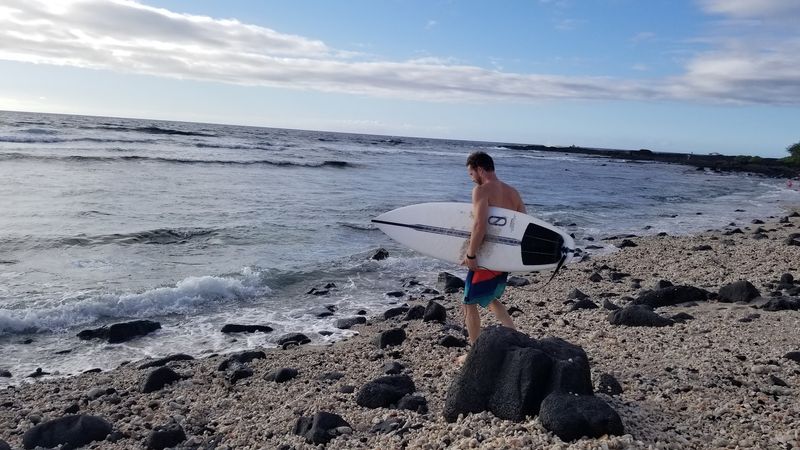
At the eastern end of Hanalei Bay, a surf break called Pine Trees draws riders who prefer character over crowds. Located within Waioli Beach Park, this spot has been a local favorite for decades, and the vibe in the water reflects that history.
Experienced surfers will tell you that Pine Trees offers a forgiving wave during calmer conditions, making it a solid choice for intermediate riders who want to improve without getting pounded. Beginners can find surf lessons right in town, with instructors who grew up on these very waves.
The surf culture in Hanalei is refreshingly unpretentious. Nobody here is trying to impress anyone with the latest gear or the loudest board. People paddle out, catch waves, share the lineup respectfully, and paddle back in when they are done.
Local surf shops along the main road rent boards and offer advice without any hard sell. The atmosphere feels cooperative rather than competitive, which is rare in popular surf destinations.
Even watching from the shore is worthwhile, especially when the winter swells arrive and the waves grow into something that commands full attention.
Taro Fields That Have Fed Generations
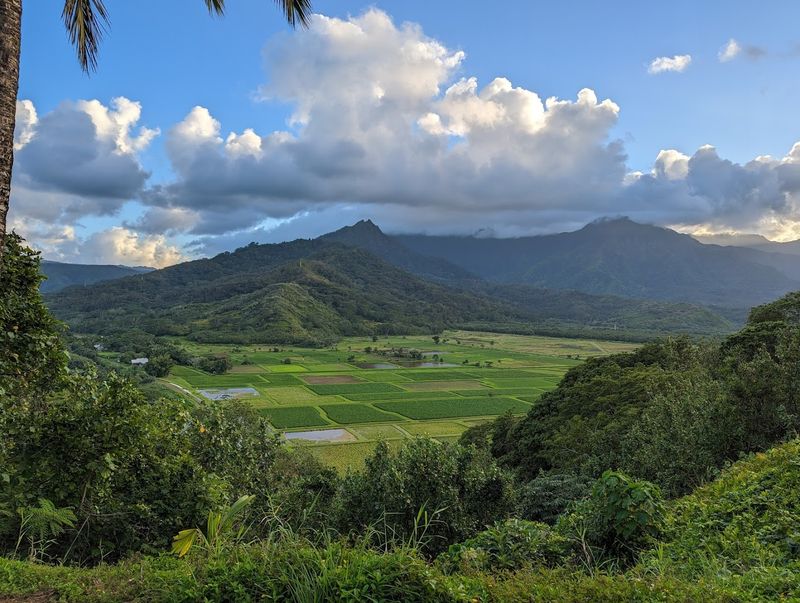
Long before tourists discovered Hanalei, the valley was already famous for something far more important: taro. This root plant has been cultivated in the Hanalei Valley for over a thousand years, and the flooded paddies you see today are a direct continuation of that tradition.
Taro is not just food in Hawaiian culture. It holds a deeply spiritual role as an ancestor plant, and the families who still farm it here carry that knowledge with care.
Driving slowly past the fields on the way into town, you notice the paddies reflecting the sky like a series of small mirrors. It is one of those quiet, unexpected sights that stays with you.
The Hanalei Valley Lookout, located just east of town along the Kuhio Highway, gives visitors an elevated view of the entire valley floor. From up there, the patchwork of green fields against the mountain backdrop is genuinely stunning.
The lookout is free and takes about five minutes to reach from the main road, but most people end up standing there far longer than planned. Local farmers occasionally offer fresh poi, made from pounded taro, at markets in town.
A Wildlife Refuge Hidden In Plain Sight

Right inside the Hanalei Valley, sharing space with those ancient taro fields, the Hanalei National Wildlife Refuge quietly goes about its important work.
Established in 1972, this refuge protects critical wetland habitat for some of Hawaii’s rarest birds, including the Hawaiian stilt, the Hawaiian coot, the Hawaiian moorhen, and the endangered Hawaiian duck.
These birds are not easy to find anywhere else on earth, which makes spotting them here feel like a small, personal victory. Bring binoculars and a little patience, and the refuge rewards you generously.
The refuge is not open for general hiking, but the Hanalei Valley Lookout provides a perfect elevated vantage point where you can scan the wetlands below. Early morning visits offer the best chance of seeing active bird behavior before the day heats up.
The partnership between the wildlife refuge and the taro farmers below is one of the most quietly remarkable conservation stories in all of Hawaii. Farmers maintain the flooded fields that birds depend on, and the birds in turn help signal the health of the wetland ecosystem.
It is a relationship built over generations, and it functions beautifully without any fanfare.
The Main Road That Time Forgot
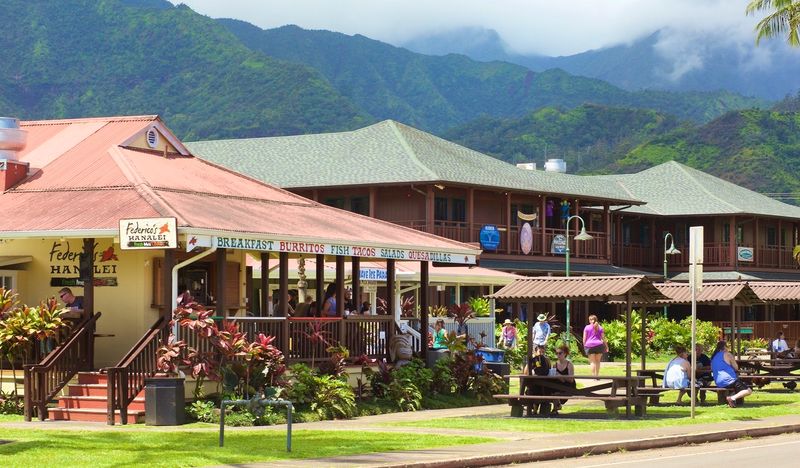
One lane bridges, a single main road, and a speed limit that nobody seems to exceed even accidentally. Hanalei town moves at its own pace, and the main street reflects that philosophy in every storefront and hand-painted sign.
The commercial strip is small enough to walk end to end in about ten minutes, but interesting enough to keep you browsing for hours. You will find locally owned shops selling handmade jewelry, vintage aloha shirts, fresh fruit, and surf gear that has seen real use.
The buildings are mostly low, wooden, and weathered in a way that feels intentional rather than neglected. What makes the main road special is what is missing.
There are no chain stores, no identical franchise coffee windows, and no oversized signage competing for your attention. Everything here was built by someone who actually lives nearby, and that shows in the details.
Local food trucks and small cafes anchor the social life of the town, offering fresh fish plates, smoothies, and baked goods that rotate with the season. Conversations happen easily here between strangers, because the town is small enough that everyone ends up in the same few spots.
Visitors often describe feeling like a temporary local after just one or two days, which is exactly the kind of welcome that makes Hanalei so hard to leave when checkout day finally arrives.
Lumahai Beach And Its Cinematic Backstory
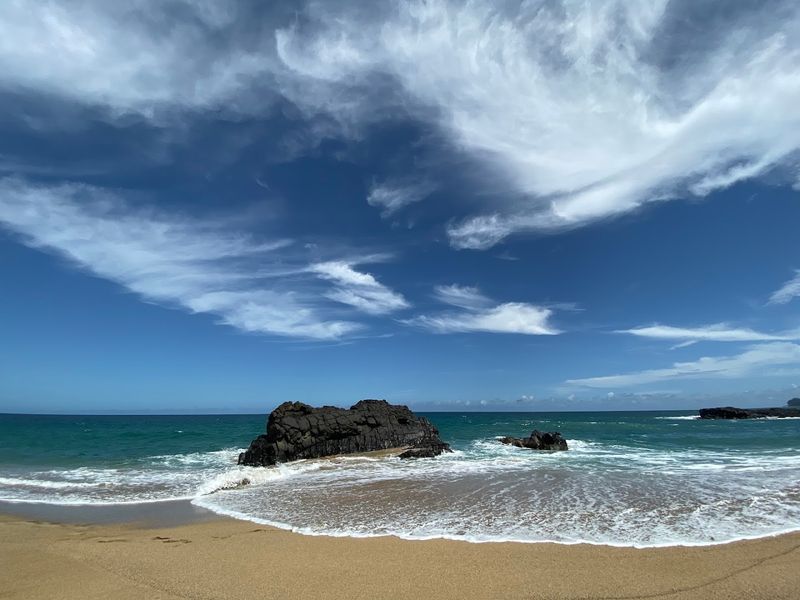
Some beaches come with a story, and Lumahai Beach has one of the most cinematic stories in all of Hawaii. This is the beach used as a filming location for the 1958 movie South Pacific, and standing on its black volcanic rock edges while waves crash against the shore.
It is easy to understand why the filmmakers chose it. The beach sits just west of Hanalei, backed by a thick wall of tropical forest that descends almost to the waterline. There are no facilities here, no lifeguards, and no parking lot with a gift shop.
You pull off the road, follow a short trail down, and suddenly you are standing somewhere that feels completely removed from ordinary life.
Swimming at Lumahai can be dangerous, particularly in winter when the surf swells and the currents strengthen. Most visitors come here to walk, photograph, and simply absorb the dramatic scenery.
The forested hills behind Lumahai are part of what makes the setting so striking. The contrast between the dark rocks, white foam, and deep green forest creates a visual combination that cameras struggle to fully capture.
Locals will tell you that the beach looks different every single day depending on the clouds and the swell. Going back twice in the same trip and seeing two completely different landscapes is entirely possible, and honestly, highly recommended.
Mountain Views That Earn Every Glance
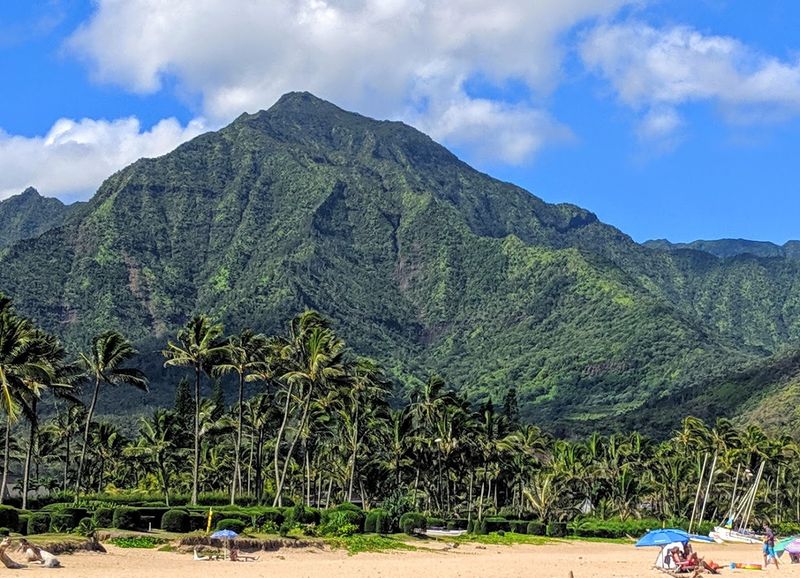
The mountains behind Hanalei are not background scenery. They are active participants in the daily experience of the town, changing mood and color with every passing cloud and every rain shower that rolls in from the coast.
The ridgelines above town regularly catch mist and clouds, and after rainfall, thin waterfalls appear on the cliff faces like temporary decorations that nobody planned. Some of these falls only exist for a few hours before the rock dries and they disappear again.
Catching one mid-flow feels like being in the right place at exactly the right moment. The Na Pali Coast, one of the most dramatic stretches of coastal cliffs in the entire Pacific, begins just west of Hanalei and is accessible by boat, kayak, or on foot via the Kalalau Trail.
The trailhead at Ke’e Beach, located at the end of the road past Hanalei, offers a starting point for one of Hawaii’s most celebrated hikes.
Either approach works perfectly here. The mountains visible from town offer a satisfying backdrop even for those who never lace up a hiking boot.
How To Visit Without Rushing Any Of It
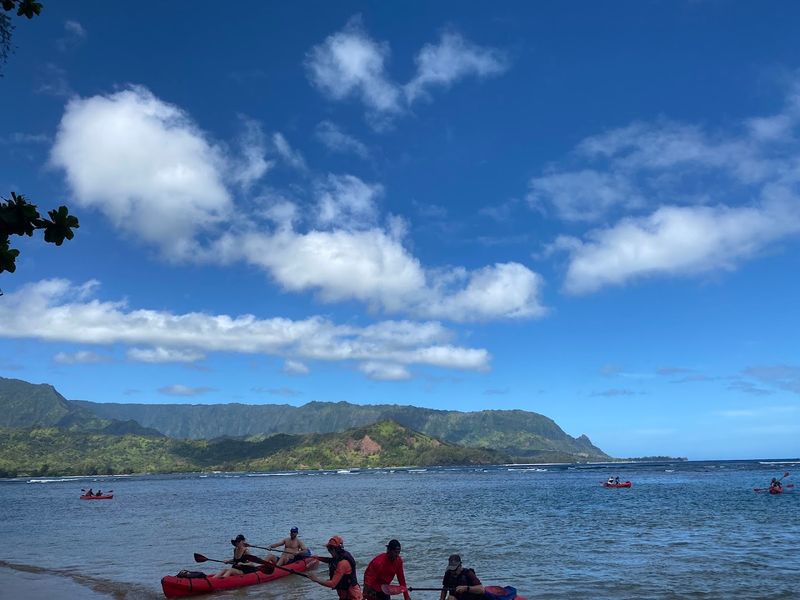
Hanalei rewards slow travelers and quietly frustrates anyone who tries to rush through it. The town sits at the end of a road on the north shore of Kauai.
The single-lane bridges leading into the valley naturally enforce a pace that most people initially resist and then quickly appreciate.
The best time to visit is generally between May and September, when the north shore experiences calmer seas and more predictable sunshine. Winter months bring higher rainfall and larger surf, which has its own appeal but requires more flexibility in your plans.
Checking surf and weather reports before heading to any beach here is genuinely useful, not just cautious advice. Accommodation options near Hanalei range from vacation rentals in the valley to small inns and cottages along the north shore.
Getting around requires a rental car, as public transportation options in this part of Kauai are very limited. Once you arrive, park the car and walk as much as possible.
The town is compact, the distances are short, and the things worth noticing are often the ones you would miss through a windshield. Hanalei is best experienced at the speed of your own two feet, with no particular schedule and no reason to be anywhere else.