Can a lake keep a secret? This one tried.
For years, those who found it guarded it like a favorite song nobody else had heard.
The water was impossibly blue, the mornings quiet enough to hear the world breathe, and the whole place ran on the kind of easy rhythm that only the best Iowa lake places manage to hold. Then everyone showed up.
The boat launches backed up early, the roads turned slow, and rental prices climbed to match the demand. What once felt like a secret now reads like a shared headline.
Timing matters here, and so does knowing what to look for. It’s good knowing what changed exactly, what held on, and whether the trip to Iowa is still worth making.
The Water That Made This Lake Famous
West Okoboji Lake is no ordinary body of water. West Okoboji Lake is celebrated for its exceptional water clarity and deep blue color, qualities that have earned it a reputation as one of the most visually striking lakes in the Midwest.
The water clarity here was once so striking that visitors could see several feet below the surface, making it a paradise for swimmers, divers, and anyone who simply loved watching sunlight dance through clean water.
That reputation drew people from across Iowa and neighboring states, and for good reason.
Unfortunately, heavier boat traffic and seasonal congestion have stirred up sediment and increased surface noise. The serenity that once defined a morning on this lake is harder to find during peak summer weeks.
The water is still beautiful, but the experience around it has shifted considerably.
The lake sits in the Iowa Great Lakes region near Arnolds Park, IA 51331, offering a natural backdrop that feels almost too good to be true.
When Quiet Mornings Became A Thing Of The Past
Ask anyone who visited West Okoboji Lake twenty years ago what they remember most, and chances are they will mention the mornings.
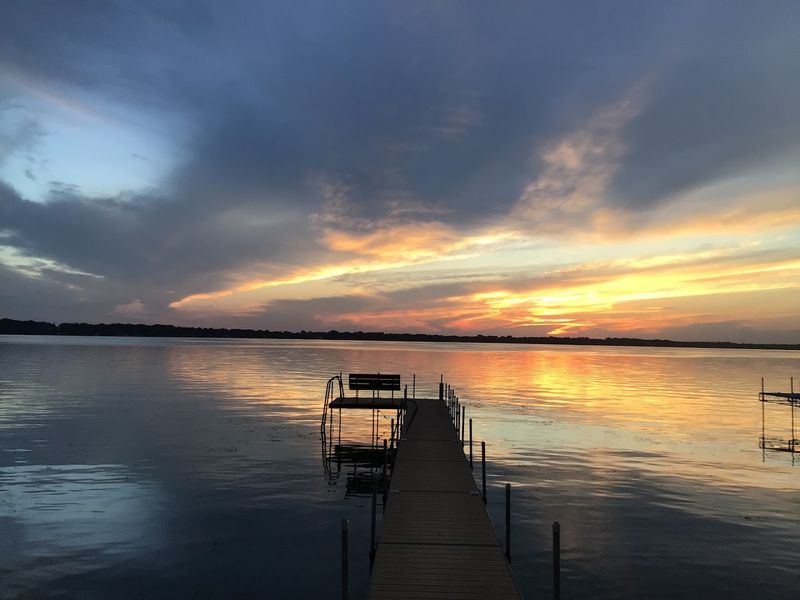
Mist rising off the water, loons calling across the lake, and the sound of a single fishing boat heading out before sunrise. That kind of stillness was the whole point.
Iowa summers are short, and people here knew how to make the most of them without rushing. A slow cup of coffee on the dock was not a luxury; it was just Tuesday.
These days, boat launches fill up early, jet skis cut across the water by mid-morning, and the noise level climbs fast. The lake has not changed, but the culture around it has.
Seasonal overcrowding has turned peaceful mornings into a race for position on the water.
For longtime locals and returning visitors, this shift is one of the most noticeable and most lamented changes to the West Okoboji experience.
Arnolds Park And The Amusement Strip
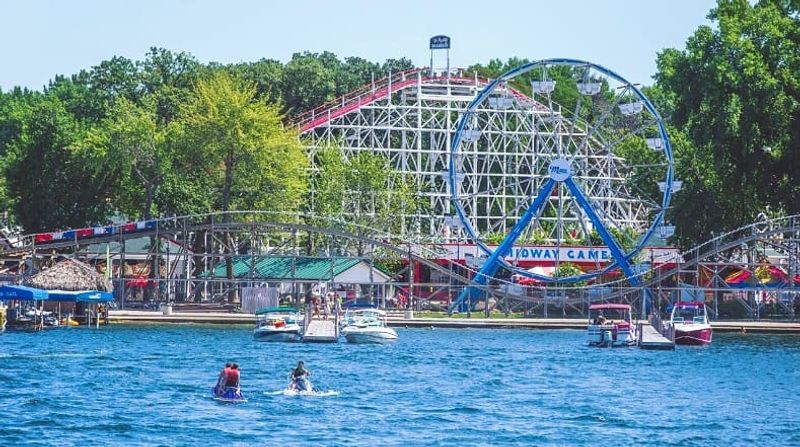
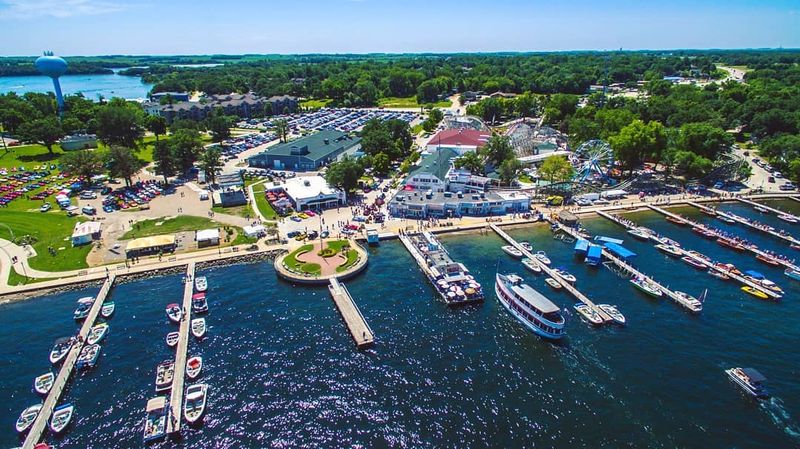
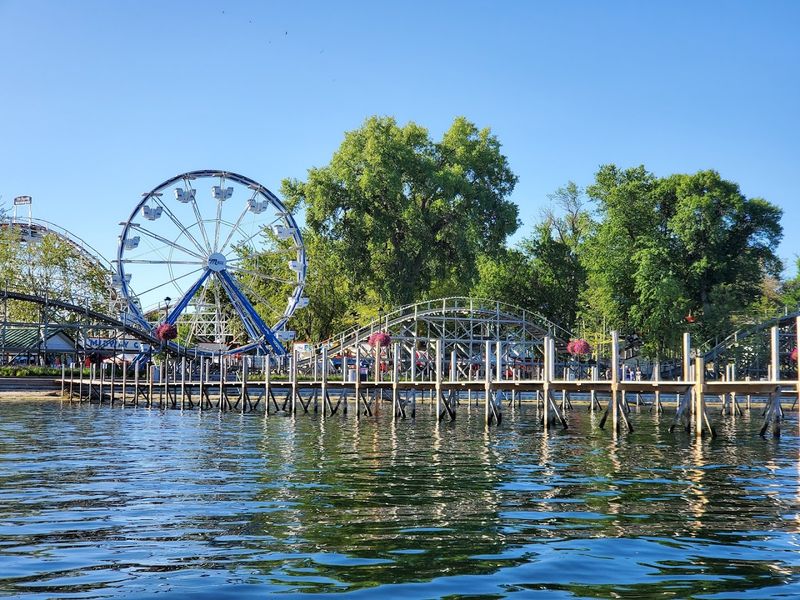
Few places in Iowa carry as much nostalgic weight as the amusement strip along the West Okoboji shoreline. Arnolds Park Amusement Park became the beating heart of this community decades ago.
A classic wooden roller coaster, a historic carousel, and lakeside views gave it a charm that modern theme parks simply cannot replicate.
Families returned summer after summer, passing the tradition down like a favorite recipe. The park became more than rides; it became a ritual.
Locally owned shops, food stands, and the iconic Queen II boat tours made the area feel complete.
As tourism surged, however, wait times grew long, parking became a headache, and the relaxed pace evaporated.
What was once a breezy afternoon outing now requires strategic planning. The park still delivers fun, but the spontaneity that made it feel like a true small-town treasure has been slowly squeezed out by the sheer volume of visitors.
This Amusement Park is located at 37 Lake St in Arnolds Park.
Traffic, Parking, And The Summer Gridlock
Getting to West Okoboji Lake used to be half the fun. The drive through the Iowa countryside, past cornfields and small towns, felt like a genuine escape.
Arriving at the lake meant stepping out of the car and straight into relaxation. That transition now comes with a side of frustration.
Peak summer weekends have turned the roads around Arnolds Park and the surrounding Iowa Great Lakes area into slow-moving lines. Parking near the waterfront fills up quickly, and finding a spot close to the lake can eat up a surprising chunk of the day.
For families with young children or anyone hoping to make spontaneous plans, the logistics have become a real deterrent.
Local infrastructure was simply not designed for the volume of visitors that now arrives each season.
Road improvements and parking solutions have been discussed, but the gap between demand and capacity remains wide. What was once a carefree arrival has turned into an exercise in patience.
The Local Culture That Crowds Can Displace
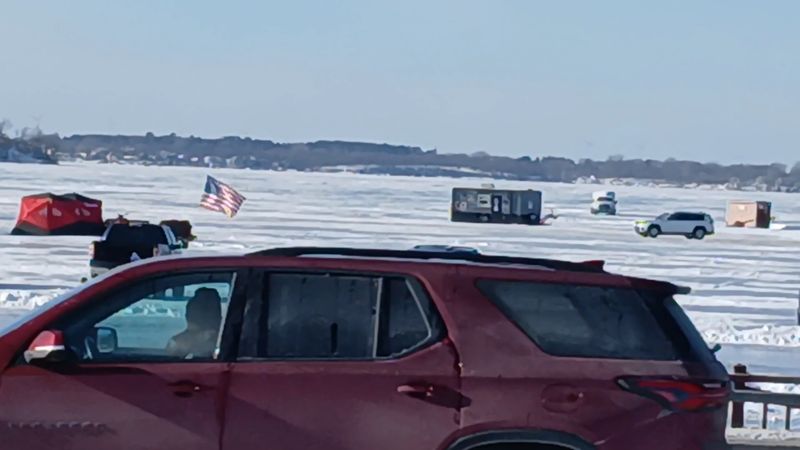
One of the most underrated qualities of any small lake town is its local culture, and West Okoboji had plenty of it.
Locally owned diners, bait shops run by families who knew every regular by name, and community events that felt genuinely communal rather than staged for tourists.
That texture is what separates a real lake town from a resort destination.
Iowa has a strong tradition of community pride, and towns like Arnolds Park built their identities around the people who lived and worked there year-round, not just the visitors who showed up in July.
Heavy tourism pressure has a way of gradually replacing local character with generic amenities designed for transient crowds.
When foot traffic triples every summer, businesses shift their focus toward volume rather than relationships.
Some longtime shops have closed or changed hands, and the personal touches that made the area feel like home have become harder to spot amid the seasonal rush.
The Shoreline Experience Has Changed
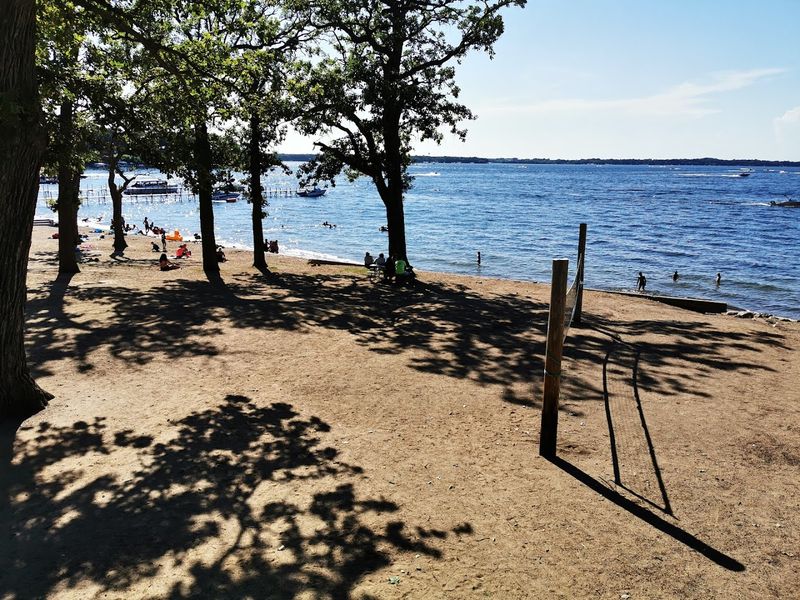
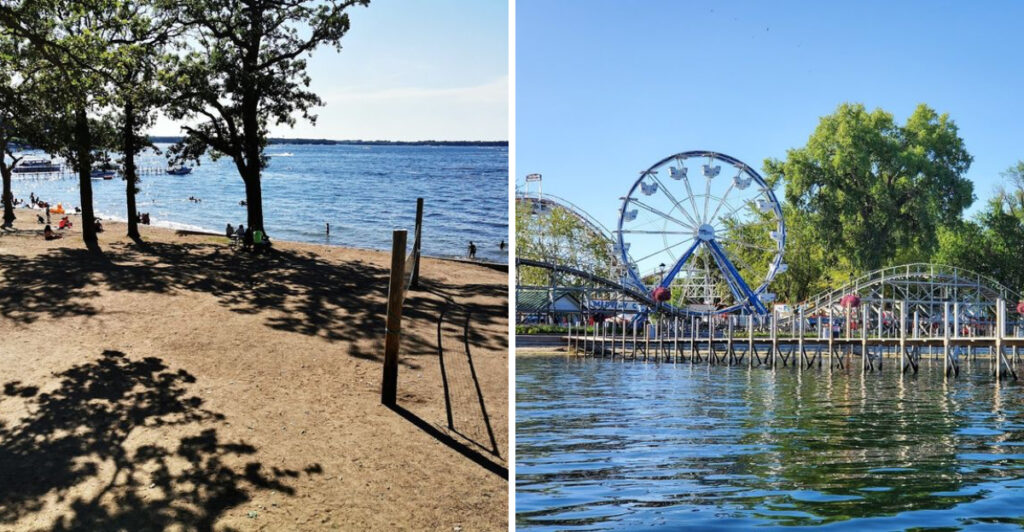
The shoreline of West Okoboji Lake was once a place where you could spread out a towel and feel like you had found your own private stretch of Iowa heaven.
Sandy patches, grassy banks, and clear shallow water made it ideal for families, swimmers, and anyone who just wanted to sit and watch the lake do its thing.
Those spots still exist, but finding an uncrowded one during summer requires either early arrival or insider knowledge. Popular access points along Lakeshore Drive and nearby stretches fill up fast on warm weekends, leaving latecomers to scramble for whatever is left.
The quality of the shoreline itself has also faced pressure.
More foot traffic means more wear on natural areas, and the visual clutter of packed beaches can make it hard to appreciate the lake’s natural beauty.
The view is still worth the trip, but the experience of actually being on the shore has become noticeably more competitive.
Boating Culture And The Battle For Space
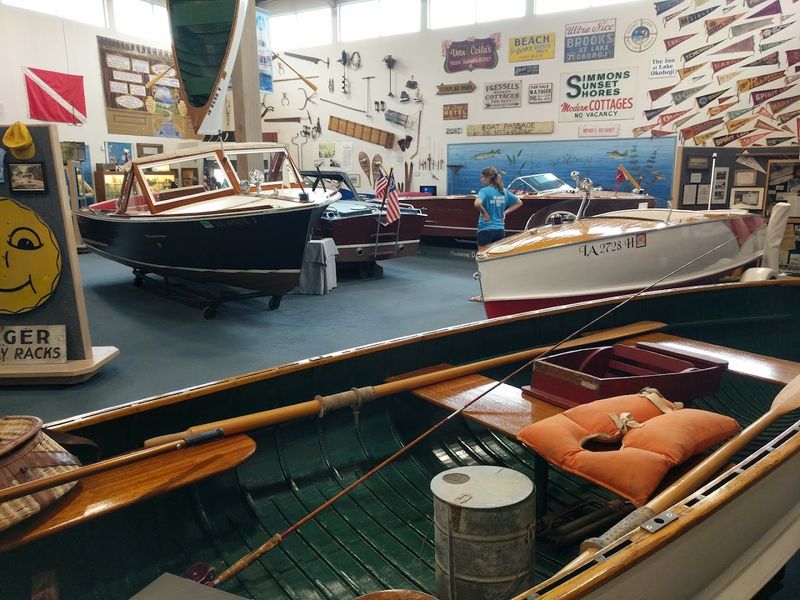
Boating has always been central to life on West Okoboji Lake. Whether it was a leisurely pontoon cruise, an early morning fishing trip, or a water skiing run across glassy water, the lake offered something for every kind of boater.
The Iowa Great Lakes region built much of its summer identity around this tradition.
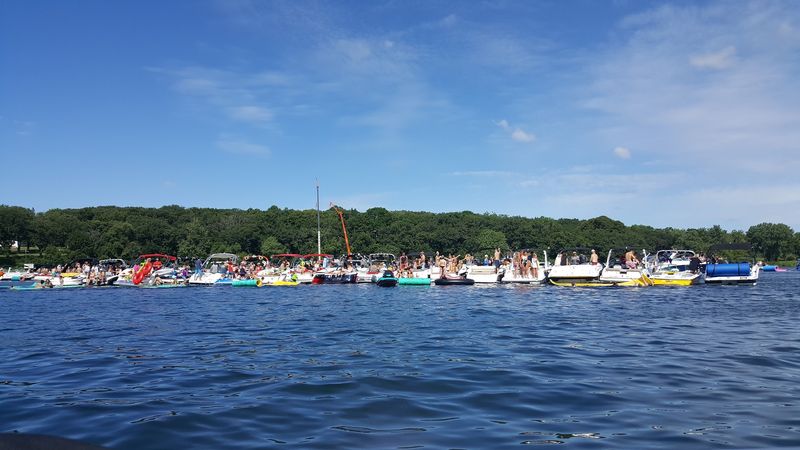
The problem is that too many boats on a lake of any size changes the experience dramatically. West Okoboji, while sizeable, has limits.
On busy summer days, the water can feel more like a highway than a lake, with wakes from multiple vessels making calm water almost impossible to find.
Safety concerns have also grown alongside the increase in boat traffic.
Navigating a crowded lake requires constant attention, and the relaxed joy of a slow afternoon cruise can quickly turn stressful.
Longtime boaters who remember quieter seasons describe the current situation as a significant departure from what made West Okoboji so enjoyable to navigate.
Seasonal Pricing And The Cost Of Popularity
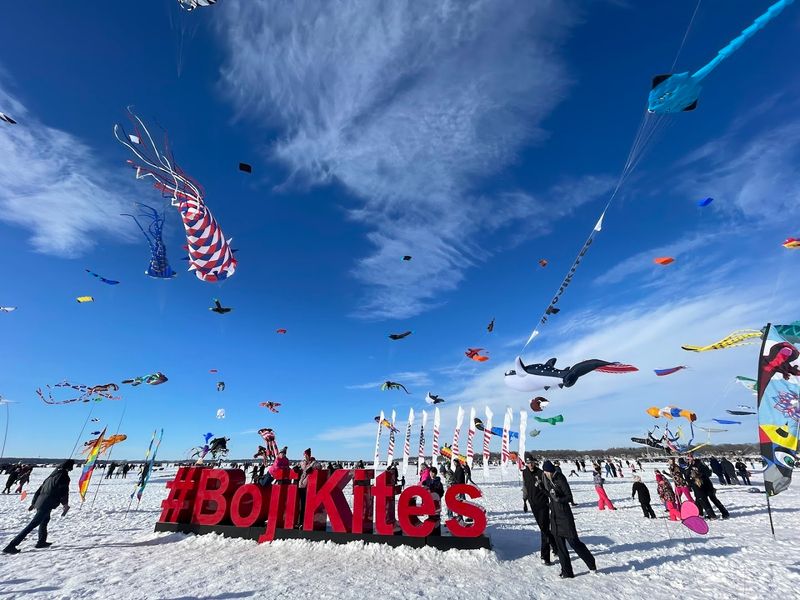
Popularity has a price, and West Okoboji Lake visitors have felt it. As the Iowa Great Lakes region grew in reputation, the cost of everything from lakefront rentals to dining out climbed steadily.
What was once an affordable Midwestern family vacation has shifted into a considerably more expensive outing.
Rental properties along the lake now command premium rates during peak weeks, making it difficult for middle-income families to afford the same getaway their parents enjoyed on a modest budget.
Restaurants and shops in Arnolds Park have adjusted their pricing to match the seasonal demand, which is understandable from a business standpoint but jarring for those expecting small-town prices.
The economic shift reflects the broader tension between a town’s original character and its transformed role as a high-demand destination.
Iowa lake towns like this one were built on accessibility, the idea that anyone could show up and have a great time. That open-door spirit feels a little harder to access when the price tag keeps climbing each summer.
What Off-Season West Okoboji Still Offers
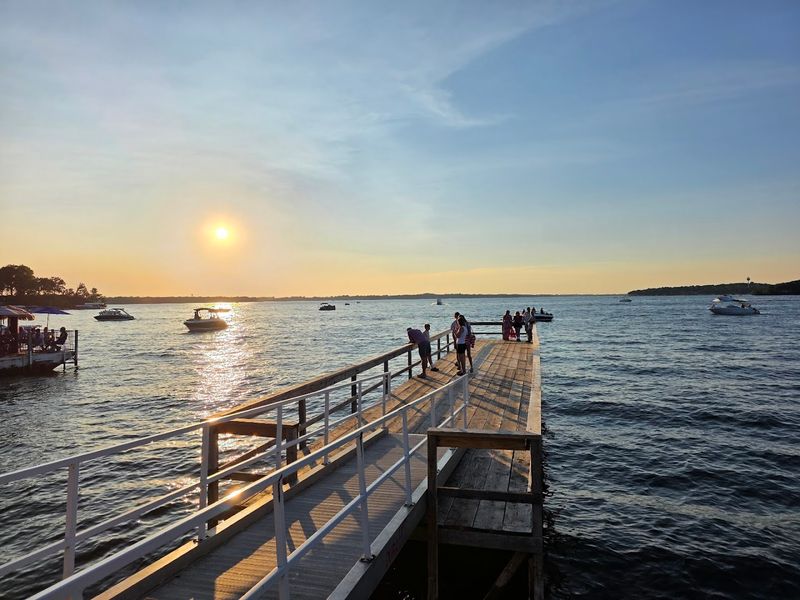
Here is the part that does not get talked about enough: West Okoboji Lake off-season is genuinely wonderful. Once the summer crowds thin out and Iowa’s autumn settles in, the lake transforms back into something close to what it used to be year-round.
The water reflects the changing leaves, the air carries a crispness that sharpens every view, and the shoreline feels like it belongs to you again.
Late spring and early fall visits offer most of the same scenery and access without the gridlock and noise. Hiking trails, fishing, and quiet paddling become genuinely peaceful activities rather than competitive sports for available space.
Local businesses that stay open beyond the summer rush often provide a more relaxed and personal experience during quieter months.
For anyone who feels priced out or crowded out of a peak-season visit, timing a trip to the shoulder season might be the best way to rediscover what made West Okoboji Lake worth visiting in the first place.
Can The Charm Be Saved
The real question hovering over West Okoboji Lake and the broader Iowa Great Lakes area is whether the charm that built its reputation can survive its own success.
Communities around the lake are aware of the challenge.
Conversations about sustainable tourism, smarter infrastructure, and protecting natural areas have been happening at local and regional levels.
Some efforts are already visible. Improvements to public access points, community-led initiatives to manage seasonal traffic, and a growing appreciation for what makes the area unique are all signs that people care about getting this right.
Whether those efforts will be enough depends on choices made by visitors as much as by local planners. Traveling during less congested times, supporting locally owned businesses, and treating natural spaces with respect all make a difference.
West Okoboji Lake still has the bones of something truly special. Iowa’s lake towns deserve thoughtful visitors who come to experience the place, not just consume it.