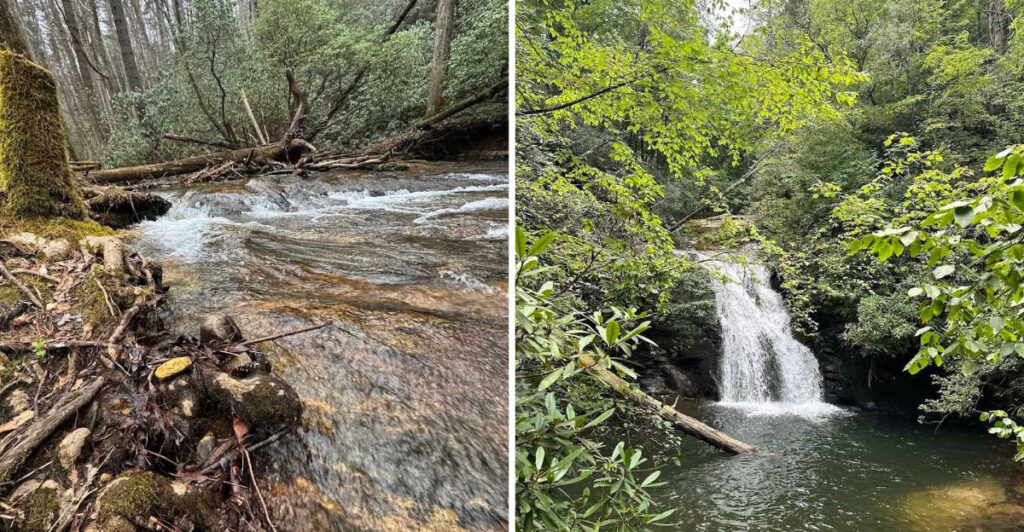
Did you ever take a trail that feels far too pretty to keep secret? That is the pull here.
What starts as a short walk through deep green forest quickly turns into one of those Georgia outings that seems to get better with every step.
The air feels cooler near the creek, the trees crowd in just enough, and the sound of rushing water keeps teasing what waits ahead.
Then comes the real reward. A hidden swimming hole, a striking waterfall, and that instant wow factor you hope for but do not always get.
Georgia does that beautifully when wild scenery and a little effort meet at exactly the right moment. Keep going, because the best part of the trail saves itself for last.
The Road Less Smoothly Traveled
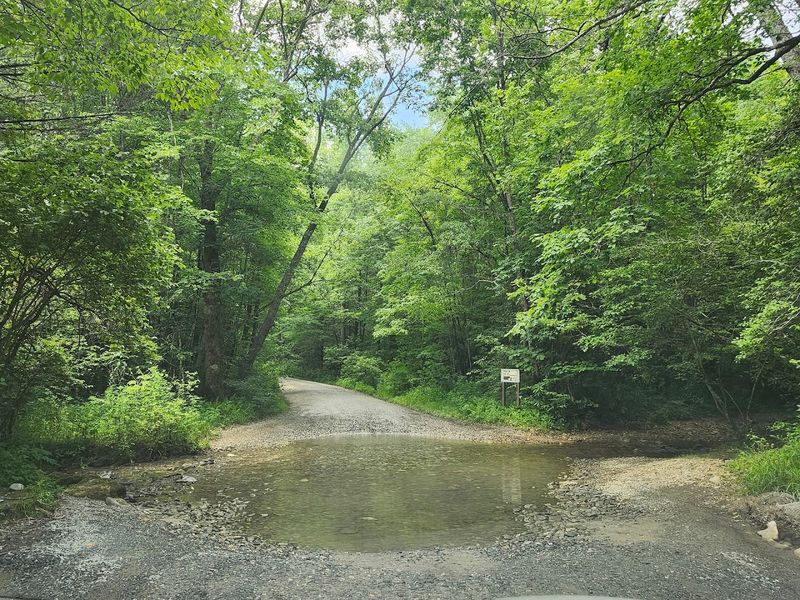
Reaching this trail is half the adventure, and not in a bad way.
The road is bumpy, narrow, and not exactly welcoming to low-clearance sedans. An SUV, truck, or vehicle with solid ground clearance will make the drive far more comfortable.
The access road off Indian Grave Gap Road, also known as Forest Service Road 283, is a winding, unpaved stretch that sits about 11.5 miles north of Helen, Georgia, along GA Highway 17/75.
About 100 yards from the entrance, there is a shallow creek crossing that most vehicles can handle under normal conditions, but it can catch first-timers off guard. The parking area at the trailhead is small, with fewer than a dozen spots, so arriving early on weekends is strongly advised.
On busy summer days, especially around holidays, the road can get congested with vehicles trying to pass each other on a path barely wide enough for one. Early morning arrivals tend to have a much smoother experience getting in and finding a spot.
The Trail Itself Is Short But Full Of Character
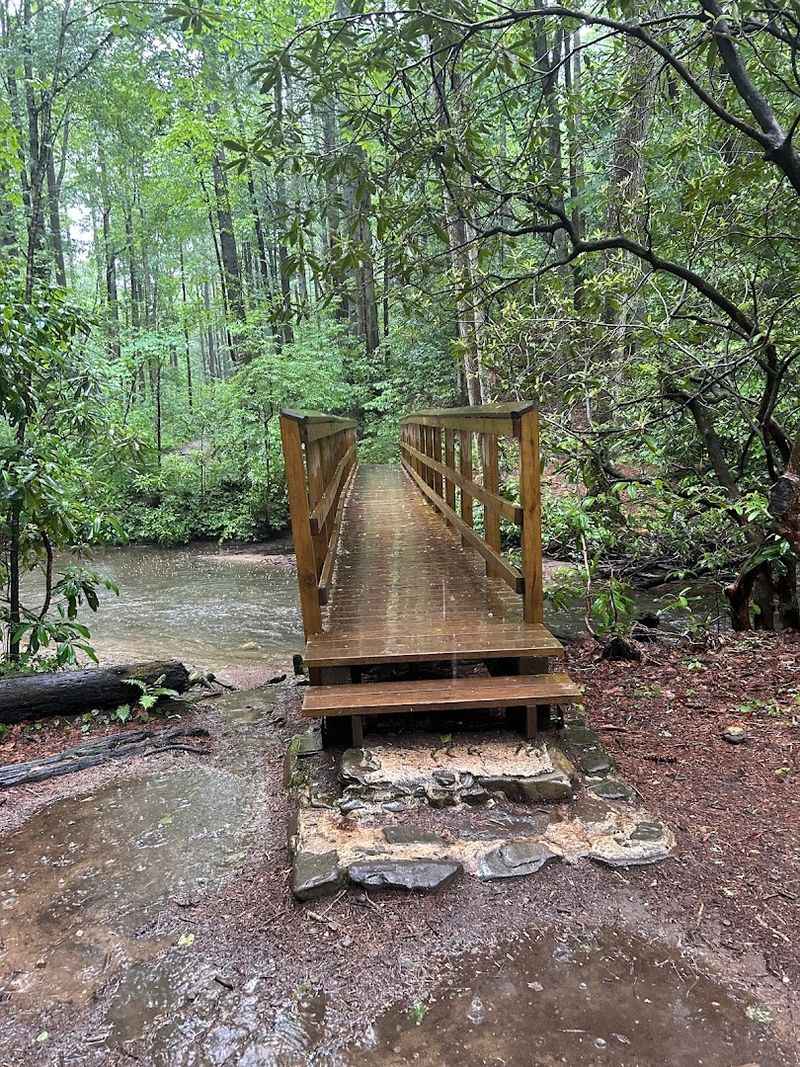
Do not let the 1.2-mile distance fool you into thinking this is a casual stroll. The Blue Hole Falls Trail winds through rugged North Georgia forest terrain, complete with exposed roots, uneven ground, and a few sections that can get slippery after rain.
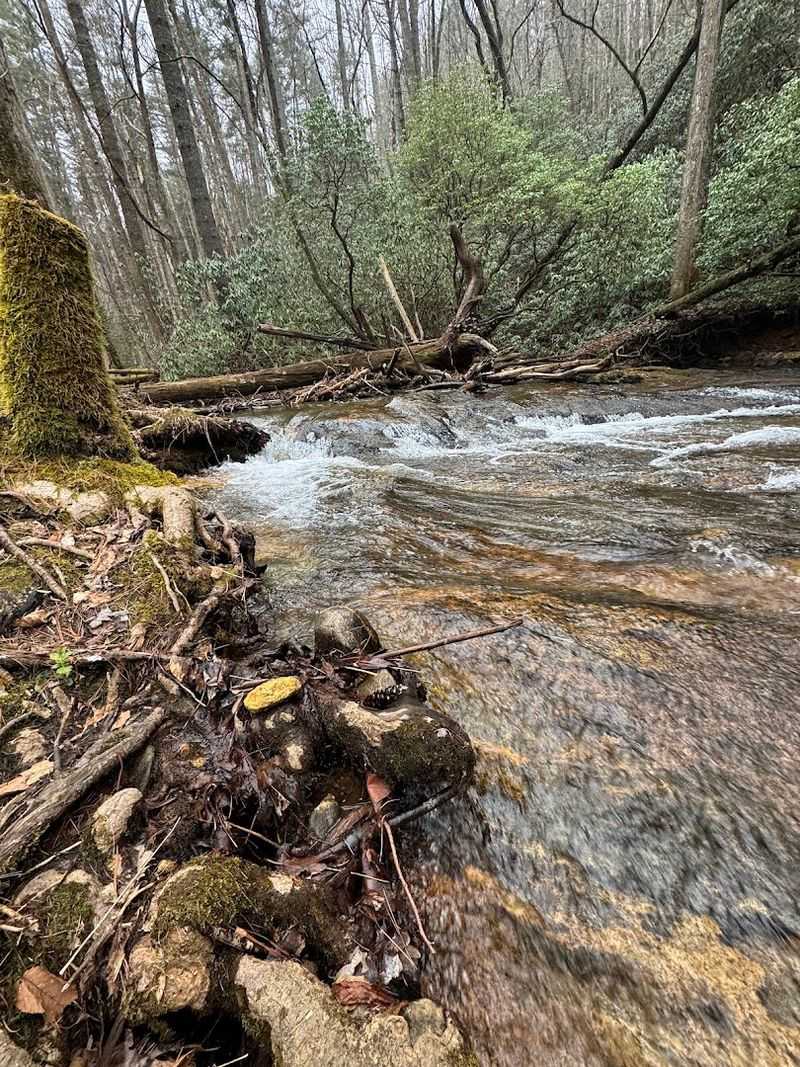
The path follows High Shoals Creek for much of the route, offering the kind of scenery that makes you stop walking just to look around. Wooden bridges cross the creek at several points, and the sound of rushing water follows you nearly the entire way.
The trail descends toward the falls on the way in, which feels easy and pleasant. That same elevation change becomes a workout on the return trip, so saving some energy for the uphill climb back is a smart move.
Trail markers are minimal, and some informal shortcuts created by previous hikers can lead in the wrong direction. Sticking to the main path and downloading an offline map before heading out are both habits worth forming before arriving in Georgia.
The Forest Scenery Along The Way
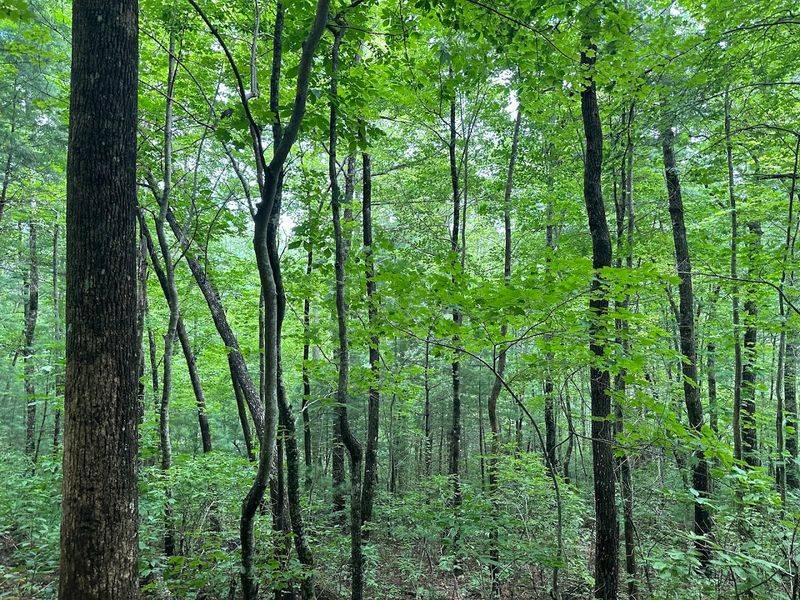
The forest surrounding this trail is dense, green, and almost theatrical in how beautiful it looks. Tall hardwood trees create a canopy overhead that filters sunlight into soft, shifting patterns on the ground below.
Mossy boulders line the creek banks, and the vegetation along the trail has that rich, saturated look that only comes from a consistently moist mountain environment.
In spring and early summer, the greenery reaches peak intensity, making the whole hike feel like walking through a living painting.
The Chattahoochee National Forest, which surrounds this area of Georgia, is one of the most biodiverse forest systems in the eastern United States.
The variety of plant life visible from the trail alone is genuinely impressive, from ferns and wildflowers to towering oaks and hemlocks.
Even on overcast days, the forest retains a moody, atmospheric quality that many hikers find just as appealing as sunny conditions. The trail rewards those who slow down and pay attention to the smaller details tucked between the trees.
The Waterfall Worth Every Step
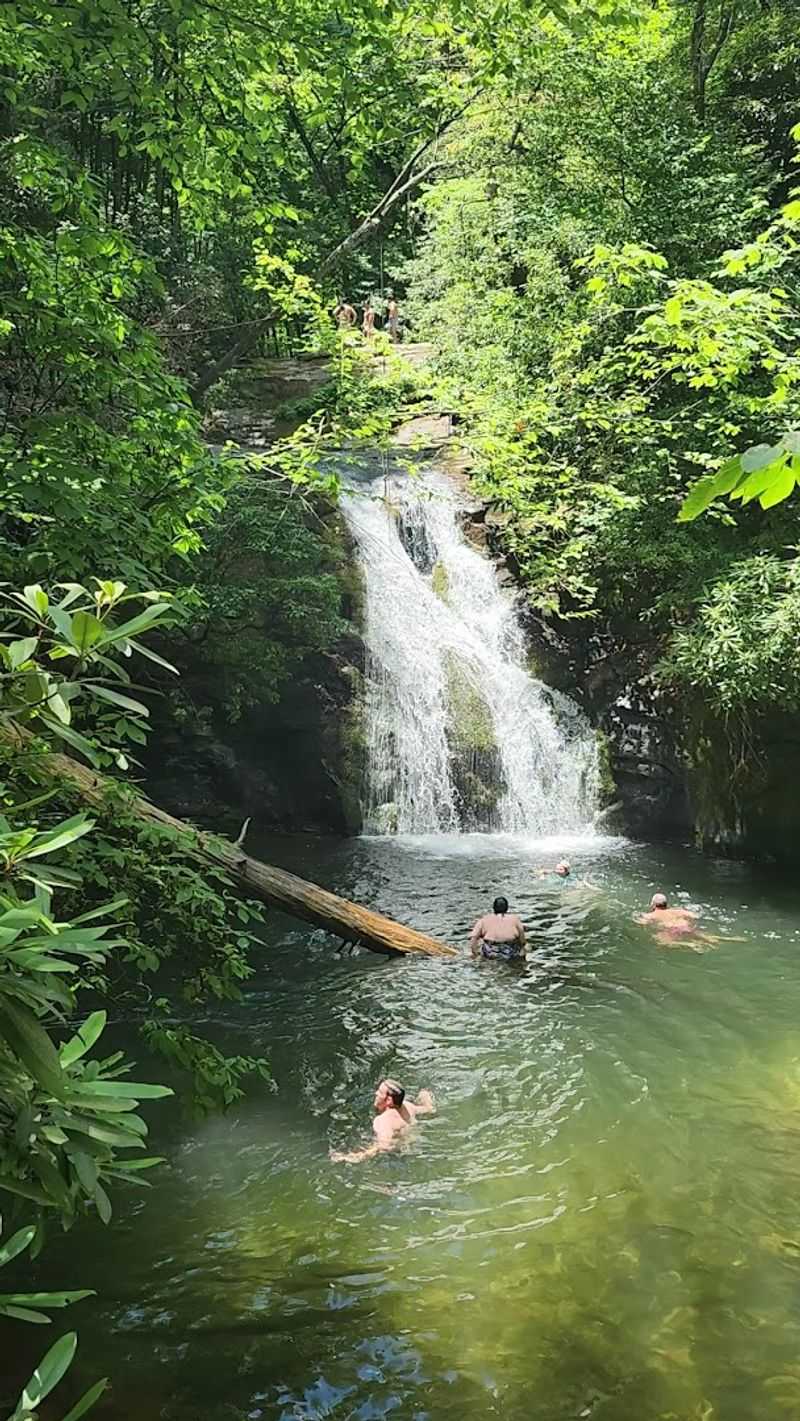
The waterfall itself is the undeniable star of the show. Blue Hole Falls drops a little over 20 feet down a rocky face before plunging into a deep, clear pool that gives the entire spot its name.
The water in the pool has a distinctly blue-green tint when sunlight hits it at the right angle, and the surrounding rocks are draped in moss that adds to the visual drama.
A small observation deck sits nearby, offering a safe and well-positioned view of the falls without requiring anyone to scramble over wet rocks.
The pool beneath the falls reaches depths of more than ten feet in places, which is part of what makes it so popular as a swimming destination. The sound of the water hitting the pool below is constant and deeply satisfying after a hike through the woods.
This is one of those spots in Georgia that earns its reputation not through hype but through sheer natural beauty. The falls look just as striking in photos as they do in person, which is rarer than it sounds.
Swimming In The Blue Hole Is Worth It
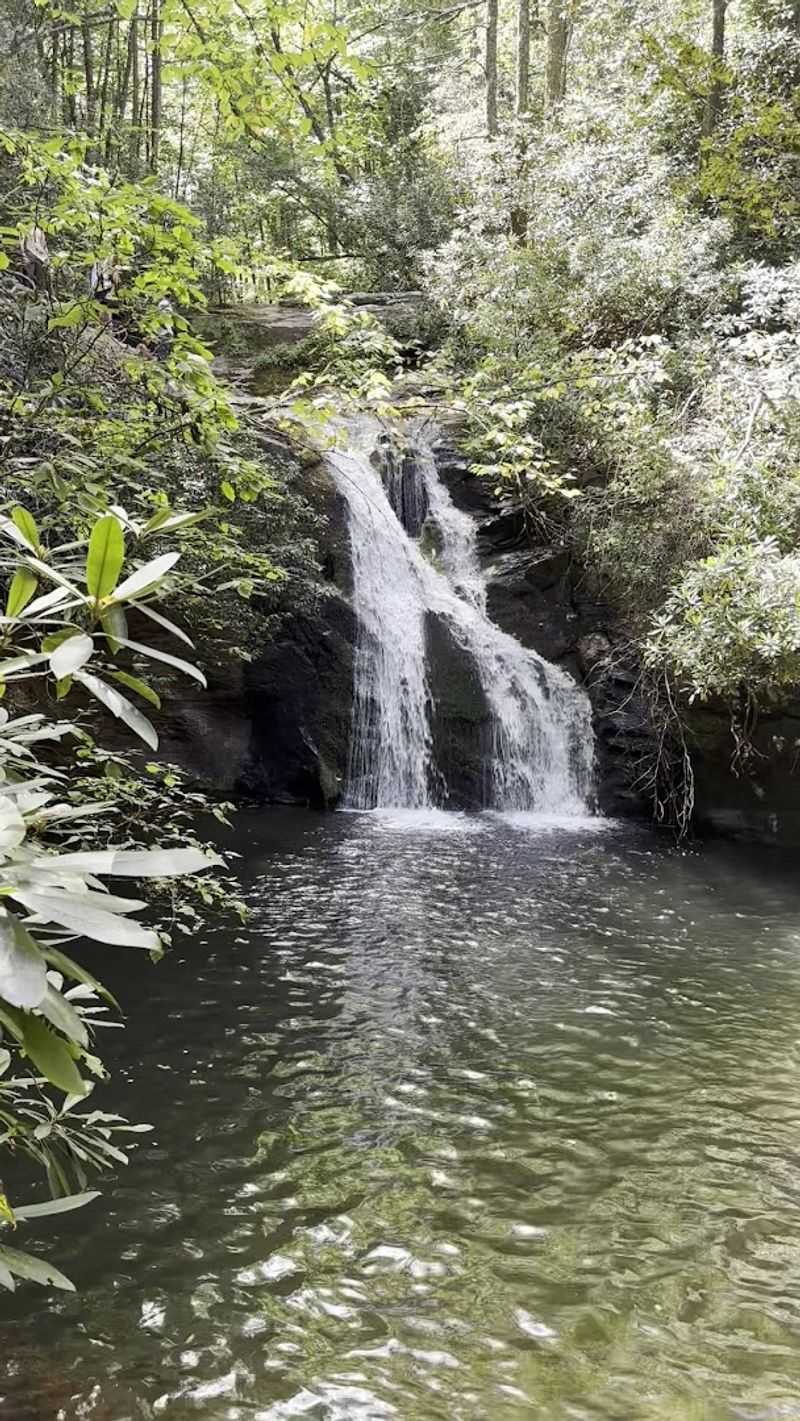
Jumping into the Blue Hole after a summer hike is one of those experiences that immediately justifies every uphill step on the return trail.
The water temperature in the pool typically stays in the low-to-mid 40s Fahrenheit even during the hottest months, which means the first plunge is always a shock to the system.
That said, the cold water feels genuinely refreshing after hiking through warm, humid Georgia air, and most swimmers adjust quickly enough to enjoy a proper swim. The pool is deep, clear, and clean, with a rocky bottom visible from the surface on bright days.
There are informal paths that lead to the top of the falls, where some visitors choose to jump from the edge into the pool below.
This is an activity that carries real risk due to submerged rocks and unpredictable water conditions, so it should only be considered by those who fully understand the hazards involved.
Wearing water shoes or hiking sandals is a practical choice here, as the rocks around the pool edge can be extremely slippery when wet.
What Every Visitor Should Know
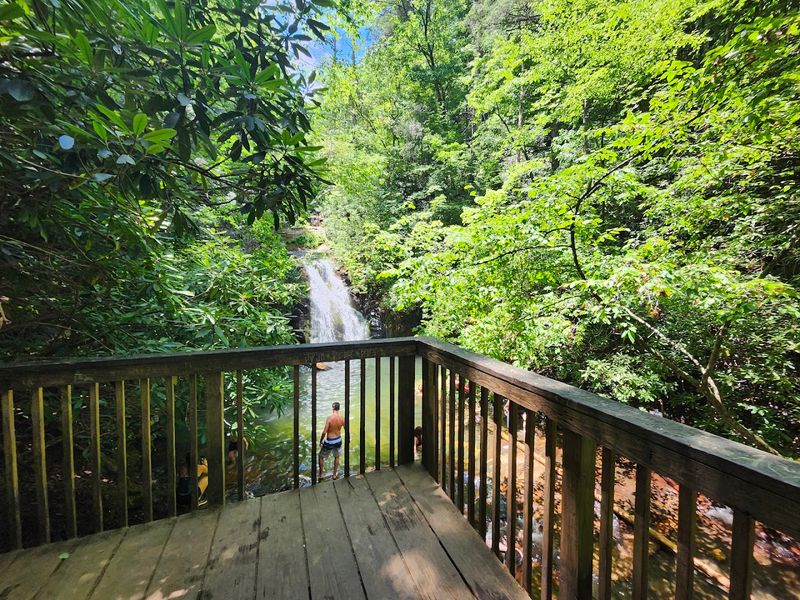
Blue Hole Falls is beautiful, but it does not reward carelessness. The rocks around the falls and pool are consistently wet and can be dangerously slippery, especially for anyone wearing regular sneakers or sandals without grip.
The trail itself also has sections that become slick after rainfall, and the combination of exposed roots and uneven terrain means that paying attention to each step is important throughout the hike.
Sturdy, closed-toe hiking shoes with good traction are strongly recommended for everyone on this trail.
The swimming hole is deep, and the current near the base of the falls can be unpredictable. Young children and non-swimmers should stay well back from the water’s edge, and swimming alone is never a smart idea at a remote location like this.
Emergency response times in this part of North Georgia can be long due to the remote nature of the area, which is a practical reason to take all precautions seriously before getting in the water or climbing near the falls.
Preparation is genuinely more important here than at more developed attractions.
The Bonus Waterfall Nearby
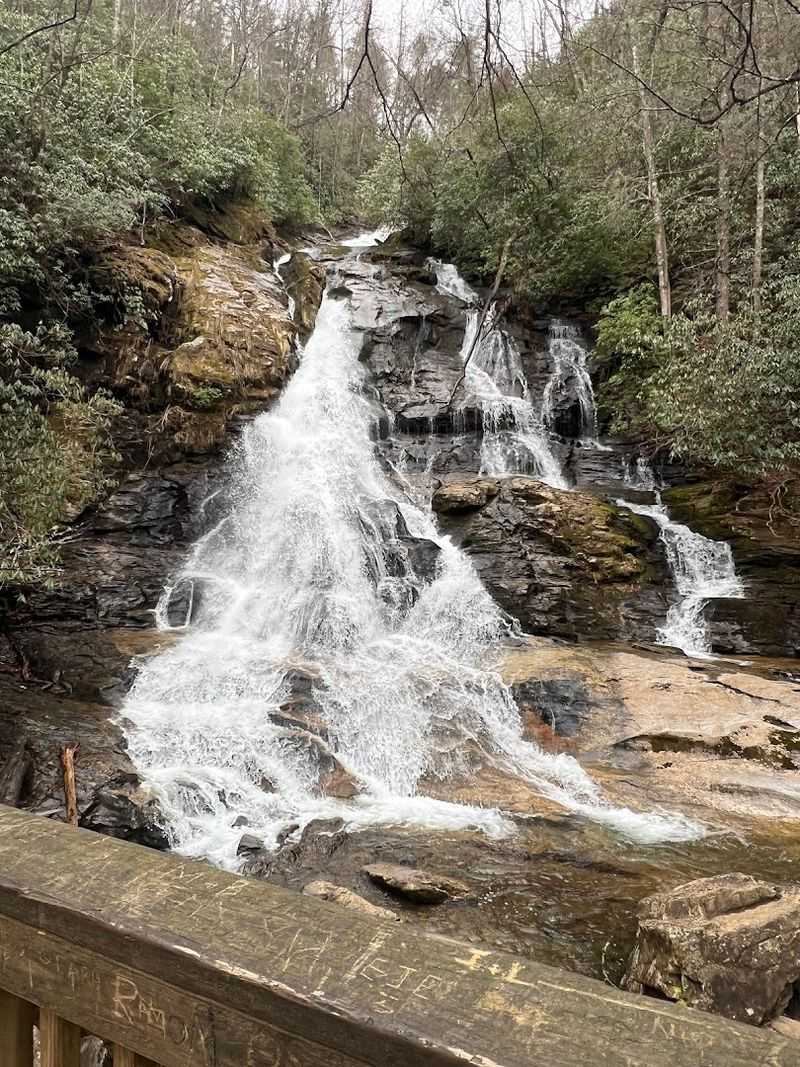
Blue Hole Falls gets most of the attention, but it is not even the only waterfall on this trail system. High Shoals Falls, located roughly ten minutes further along the trail, is actually considered by many visitors to be the more visually dramatic of the two.
High Shoals Falls is a wide, multi-tiered cascade that spreads across a broad rock face before flowing into the creek below. The viewing area for High Shoals Falls is well-positioned and offers a broader perspective of the falls compared to the more enclosed feeling at Blue Hole.
Many hikers choose to visit both falls in a single outing, which adds a bit of distance to the trip but gives a more complete picture of what this trail system in Georgia has to offer. The additional walk between the two falls is pleasant and follows the creek closely.
For anyone who makes it all the way to Blue Hole, continuing on to High Shoals Falls is a decision that very few people regret. Two waterfalls for one hike is an outcome that speaks for itself.
Camping Near The Trail
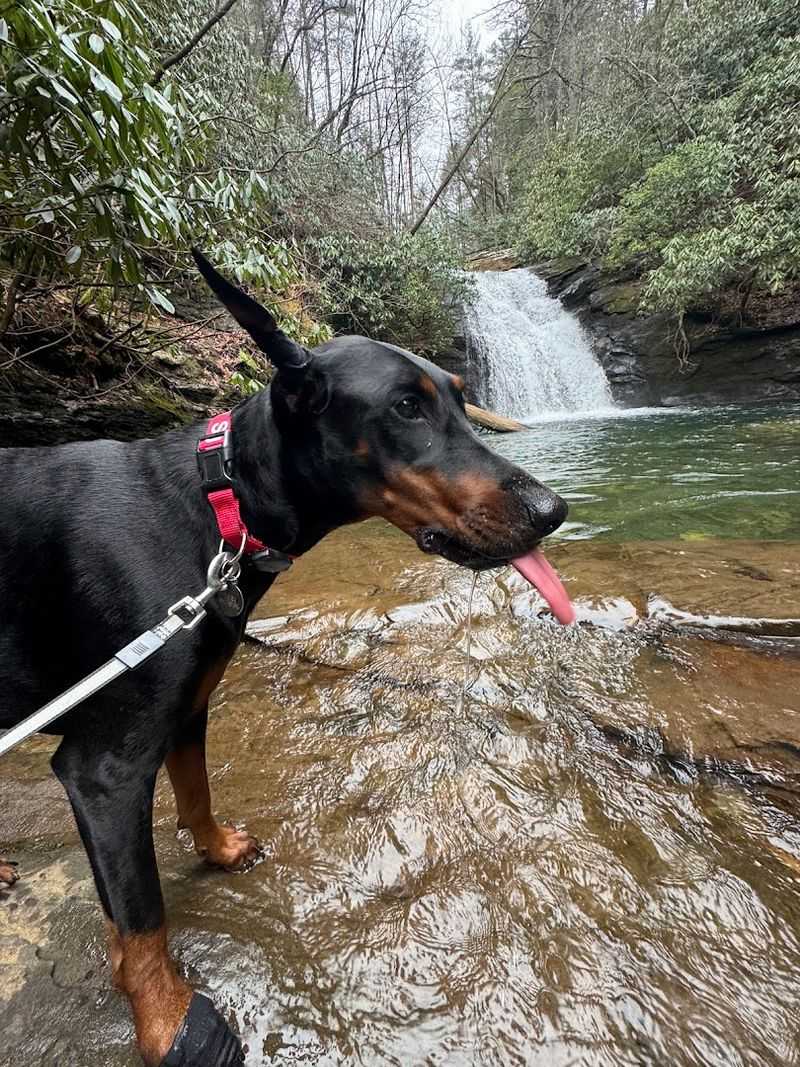
For those who want to extend the experience beyond a day trip, the trail area offers something most short hikes do not: primitive camping.
Several primitive campsites with fire rings can be found along the trail corridor, giving prepared visitors the option to spend a night in the forest.
These are basic, no-frills sites without electricity, running water, or restroom facilities. That simplicity is exactly the appeal for campers who prefer a quieter, more self-sufficient outdoor experience away from developed campgrounds.
Waking up near High Shoals Creek with the sound of water moving over rocks in the background is the kind of morning that tends to stay with people long after they have returned to regular routines.
The forest around the trail is peaceful at night, especially on weekdays when foot traffic drops considerably.
Anyone planning to camp should come fully prepared with all necessary supplies, including water filtration or enough bottled water, since there are no facilities at the trailhead or along the trail.
The area is part of the Chattahoochee National Forest in Georgia, so standard Leave No Trace principles apply throughout.
Best Times To Visit Blue Hole Falls Trail
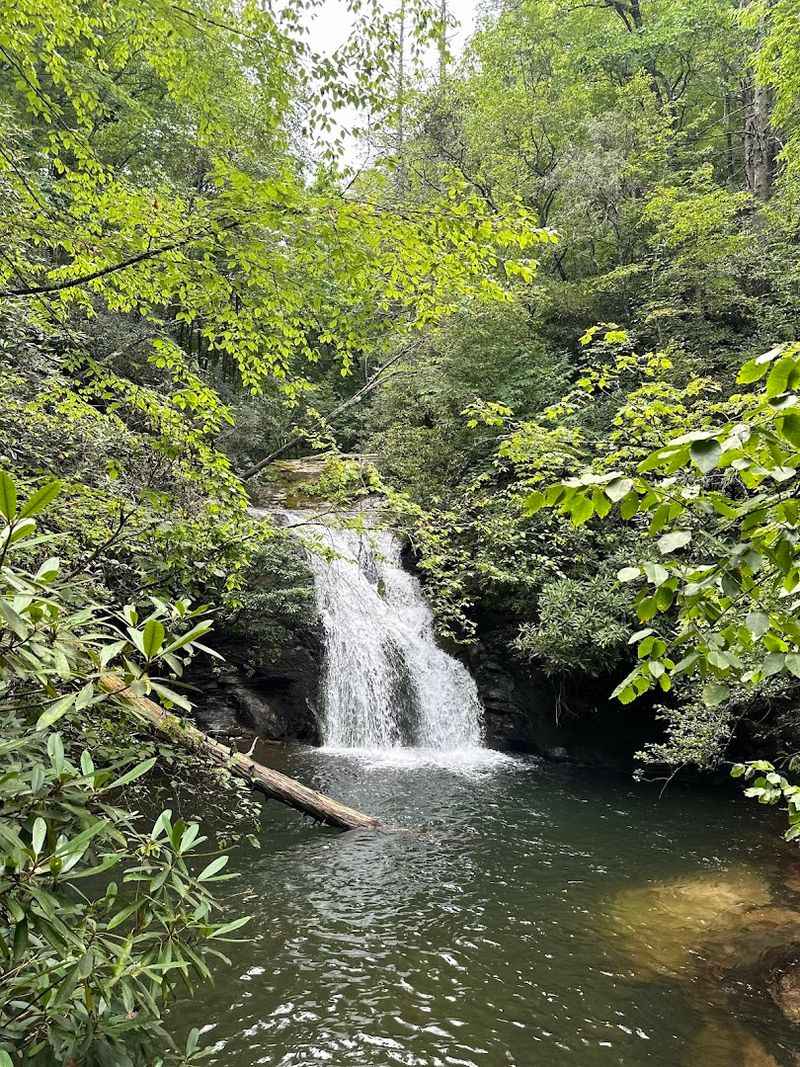
Summer is peak season at Blue Hole Falls, and for obvious reasons. The combination of warm Georgia air and ice-cold pool water creates a natural draw for swimmers, families, and hikers looking to cool off between June and August.
Weekends during summer, particularly around major holidays, can get crowded enough that parking becomes a real challenge by mid-morning.
Arriving earlier on those days is essentially the only reliable way to secure a spot and enjoy the trail without feeling surrounded by other visitors.
Spring is another excellent window for this hike. Waterfall flow tends to be stronger after winter and spring rains, and the surrounding forest fills in with fresh green growth that makes the scenery particularly vivid.
Fall brings a different kind of reward, with changing leaf colors adding warm tones of orange and red to the forest canopy.
The trail sees fewer visitors in autumn, which makes the whole experience feel more personal and unhurried. Winter visits are possible but should only be attempted by experienced hikers prepared for cold and potentially icy conditions on the trail.
What To Pack For A Smooth Visit
Packing smart for this hike makes a real difference in how the day unfolds. Water is the single most important thing to bring, especially during summer when heat and humidity in Georgia can catch people off guard on what looks like a short trail.
Sturdy hiking shoes with ankle support and good grip are essential given the uneven, root-covered terrain and the wet rocks around the falls. Flip-flops and thin-soled sneakers have a poor track record on this particular trail.
A small daypack with snacks, a basic first aid kit, and a fully charged phone loaded with an offline trail map covers the practical bases.
There is no cell service to rely on once you are deep in the Chattahoochee National Forest, so downloading maps before leaving home is a step worth taking seriously.
If swimming is part of the plan, bringing a towel, a change of clothes, and water shoes for the rocky pool edge will make the experience much more comfortable.
Sunscreen matters too, since open stretches along the creek can expose skin to direct sun for longer than expected.