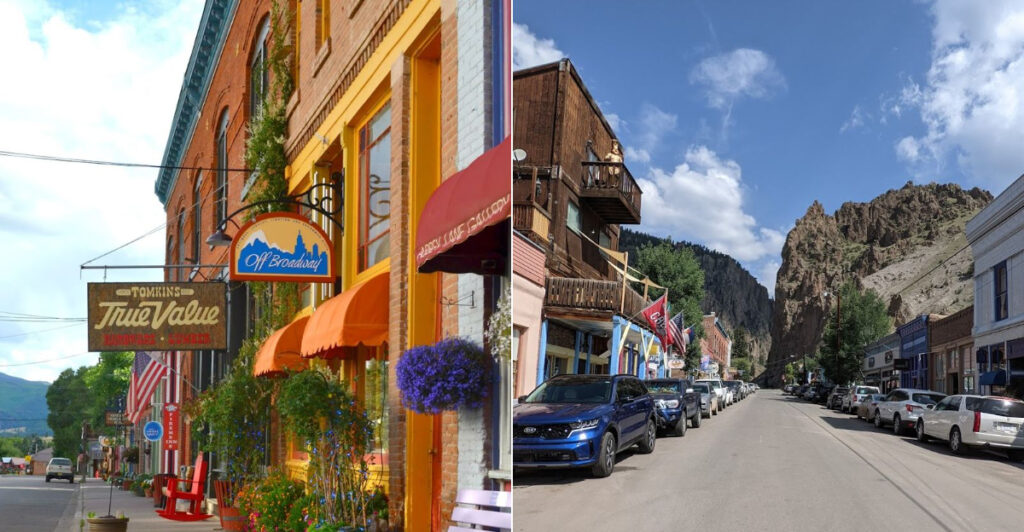
Round a canyon bend, and suddenly a tiny mountain town appears, glowing in the sunlight and completely stealing the show. Colorado quietly holds onto a historic silver mining town , home to just over 250 lucky residents.
No traffic jams. No crowds. No noise. The perfect combination for a real reset. Dramatic canyon walls rise on every side. Crisp mountain air fills the lungs instantly. Historic buildings line the main strip, each one carrying a little piece of the Old West with it. Locals wave from porches.
Dogs laze in the sun. Time quite literally slows down. Treating yourself to a proper mountain escape should be part of every traveler’s year. Colorado is ready to deliver the full experience, and this tiny town is the perfect place to press pause. Pack the flannel, charge the camera, and get ready to exhale properly.
A Town That Rewrites Your Idea Of Small
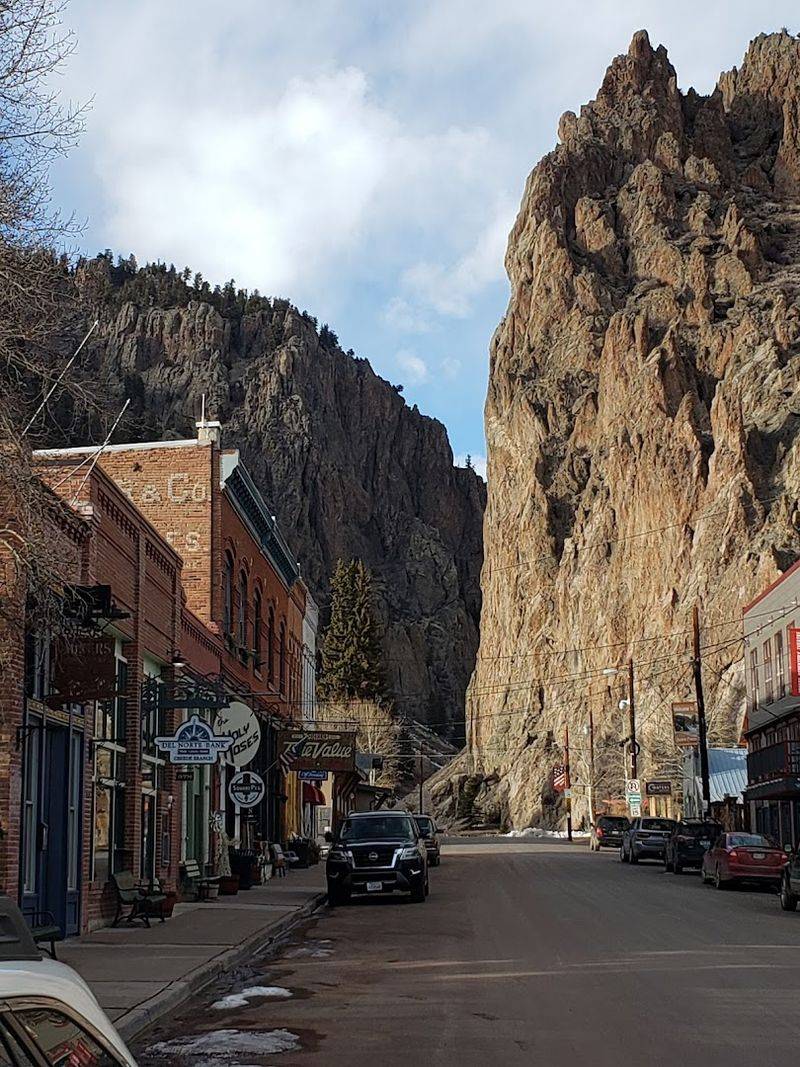
Most people underestimate Creede the moment they hear the population count. Two hundred and fifty-seven people sounds like a quiet neighborhood block, not a town with a full personality. But Creede, Colorado proves that size has nothing to do with character.
The town sits at the end of a dramatic canyon carved by the Rio Grande River. Towering volcanic rock walls rise on both sides of the main street, making every single view feel like a painting someone forgot to hang in a museum.
Locals here know every neighbor by name, and visitors pick up on that warmth almost immediately. A stranger smiling and holding a door open is not a surprise in Creede. It is just Tuesday.
The town has survived silver booms, harsh winters, and the long quiet years that followed. What remains is a community that chose to stay, to rebuild, and to welcome anyone curious enough to make the drive.
Have you ever walked down a street where everyone seemed genuinely happy to be there? That is the everyday reality here, and it has a way of rubbing off on you faster than you would expect.
Silver, Stories, And A Wild History You Can Actually Touch
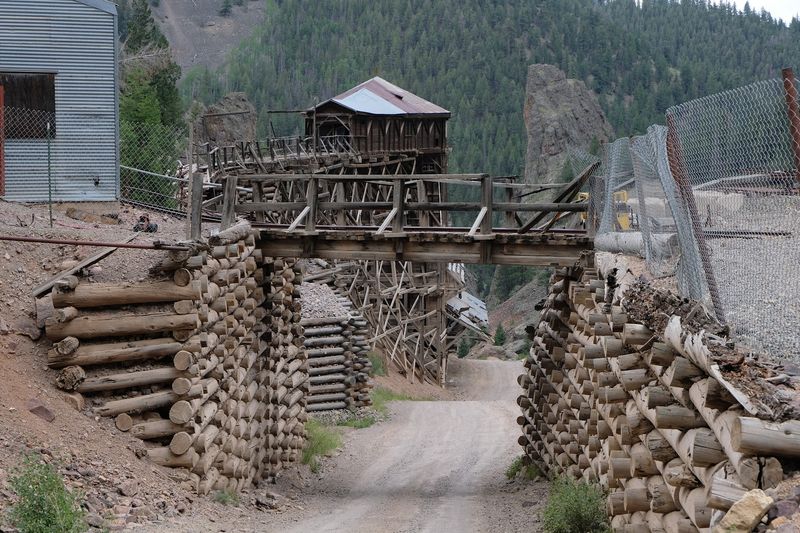
Creede exploded onto the map in 1890 when Nicholas Creede struck silver in the mountains above the canyon. Within months, the population swelled to over ten thousand people.
Saloons, gamblers, and fortune seekers poured in from every direction.
Figures like Bob Ford, the man who ended the life of Jesse James, actually lived and operated in Creede during that wild era. The town had a reputation that traveled far and wide, and not always for polite reasons.
Today, that layered history is preserved in a way that feels genuine rather than staged.
The Creede Historical Museum sits right in the heart of town and tells the full story, from the silver rush through the floods, fires, and rebuilding efforts that shaped the community.
Artifacts, photographs, and local documents bring each chapter to life without making you feel like you are standing in a dusty classroom. The museum staff often includes longtime residents who can fill in details that no exhibit panel ever could.
History here is not behind glass and roped off. It is part of the sidewalk, the buildings, and the conversations you have with people who grew up hearing these stories from their grandparents.
Outdoor Adventures That Match Any Energy Level
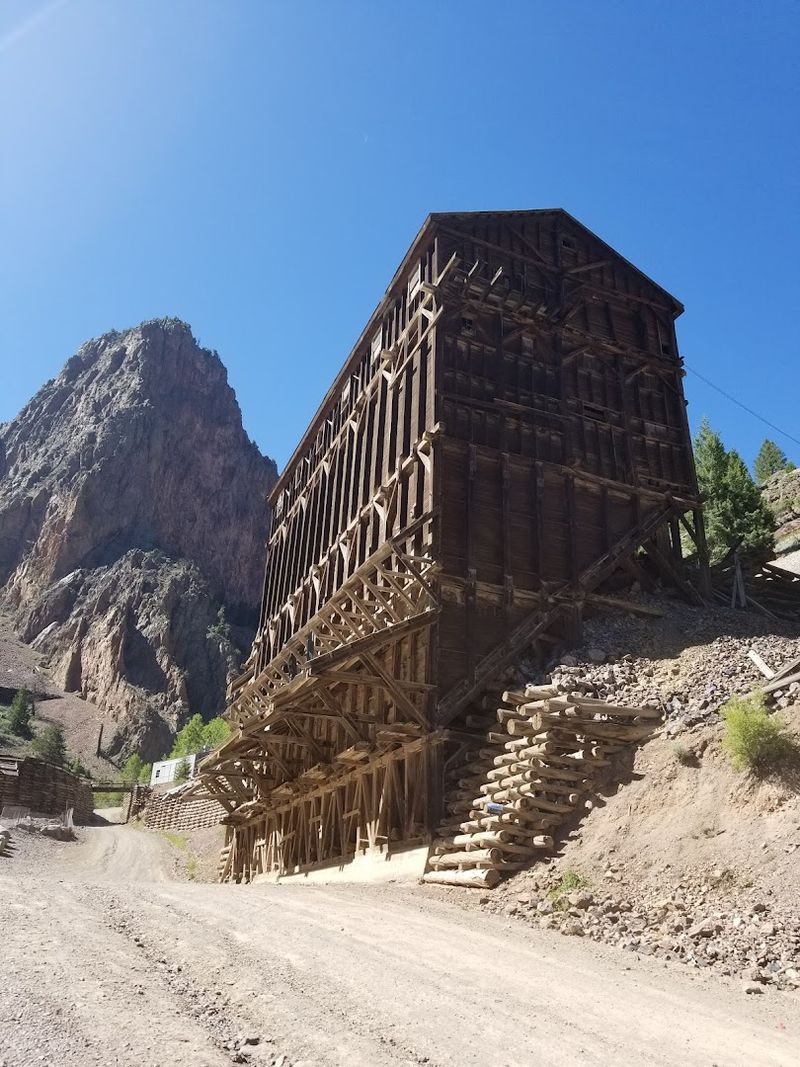
Not every outdoor adventure needs to involve a sunrise alarm and a protein bar eaten on a cliff edge. Creede offers a full range of options, from genuinely easy riverside walks to serious backcountry trails that will test experienced hikers.
The Wheeler Geological Area is one of the most dramatic and undervisited natural formations in all of Colorado. Pale volcanic spires rise from the earth in shapes that look almost architectural, and the hike to reach them winds through wildflower meadows and pine forest.
For those who prefer water, the Rio Grande River runs right through town and offers excellent fishing. Creede sits in a designated Gold Medal fishing zone, meaning the trout population is both abundant and well-protected. Anglers travel from across the state to cast a line here.
Mountain biking trails fan out in multiple directions, and horseback riding options are available for families who want a slower pace through the backcountry. The terrain shifts dramatically depending on which direction you go, so no two outings feel the same.
The Theatre That Puts This Town On A Bigger Stage
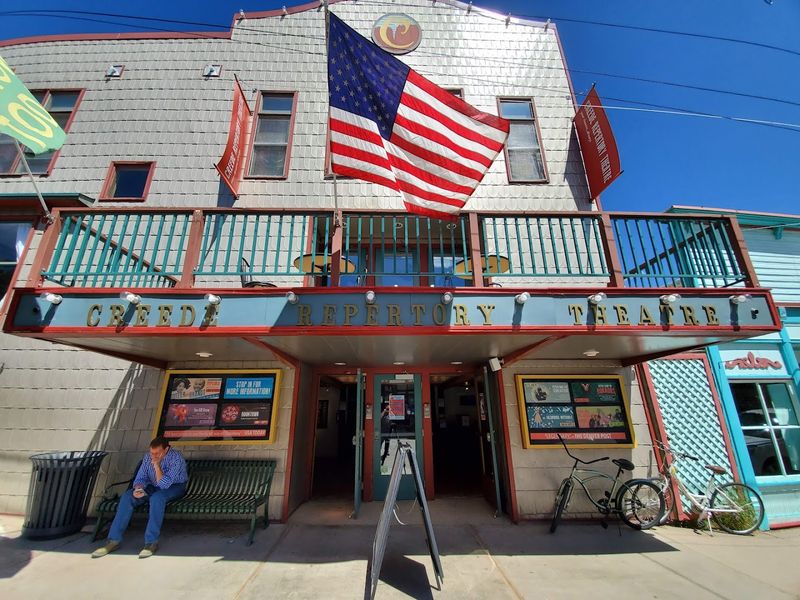
A professional repertory theatre in a town of 257 people sounds like a punchline, but the Creede Repertory Theatre is one of the most respected regional theatres in the entire country. That is not local pride talking. That is a fact backed by decades of acclaimed performances.
Founded in 1966, the CRT brings a rotating company of professional actors to Creede every summer season. They perform multiple productions in rotating repertory, meaning visitors staying for several days can see an entirely different show each night.
The main stage seats around 234 people, which means there is genuinely not a bad seat in the house. The intimacy of the space makes every performance feel personal in a way that larger venues simply cannot replicate.
Productions range from classic plays to world premieres of new works, and the quality consistently punches well above what you might expect from a small mountain town. Past audience members often describe leaving the theatre feeling surprised by how deeply a performance moved them.
Local families, out-of-town visitors, and longtime theatre lovers all share the same rows on any given evening. That mix creates an audience energy that performers and regulars both notice and appreciate.
Art That Lives And Breathes Right On The Street
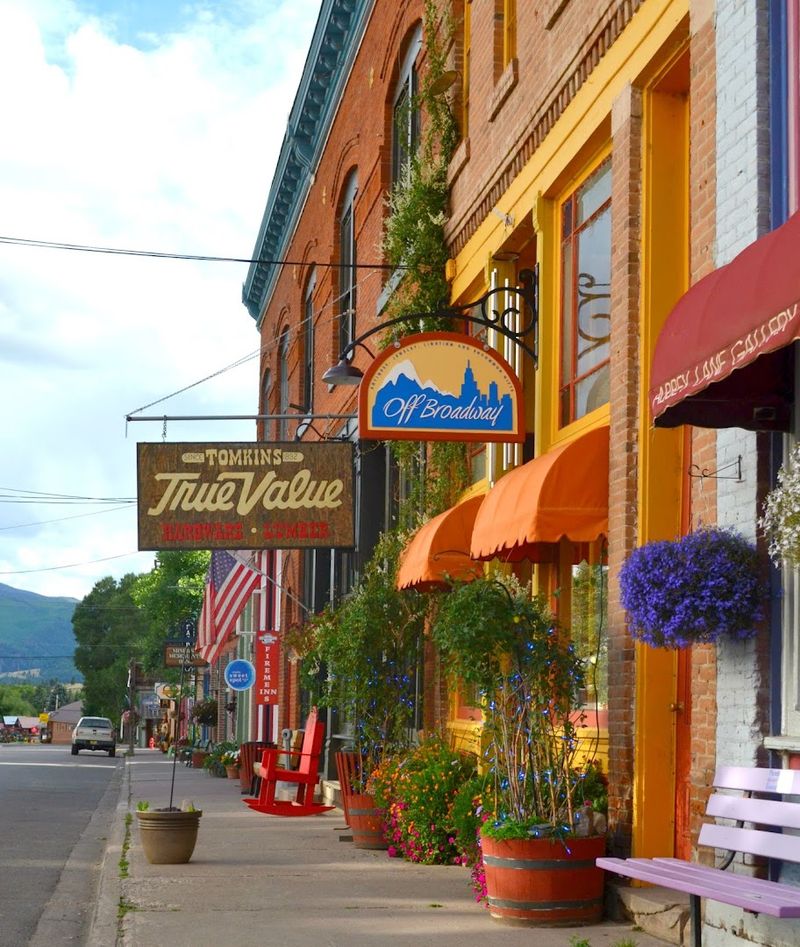
Creative people have always found their way to Creede. Something about the light, the altitude, and the sheer visual drama of the canyon seems to attract painters, sculptors, photographers, and makers of all kinds.
The downtown area is walkable in about ten minutes, but that short stretch contains an impressive number of galleries and studios. Many of them are run by the artists themselves, which means the person explaining the work on the wall is the same person who made it.
That kind of direct connection between creator and visitor changes how you experience art. You are not reading a label.
You are having a conversation with someone who can tell you exactly what they were thinking when they picked up the brush or the chisel.
Creede also hosts arts events throughout the summer that bring additional makers into town and fill the streets with a relaxed, creative energy. The annual Creede Arts Festival draws visitors from across the region who come specifically to browse, buy, and meet the people behind the work.
Even if you have never considered yourself an art person, walking through these galleries tends to change that opinion quickly. One local sculptor once said that Creede has a way of making everyone feel like they are capable of making something beautiful.
The Road Into Town Is Half The Experience
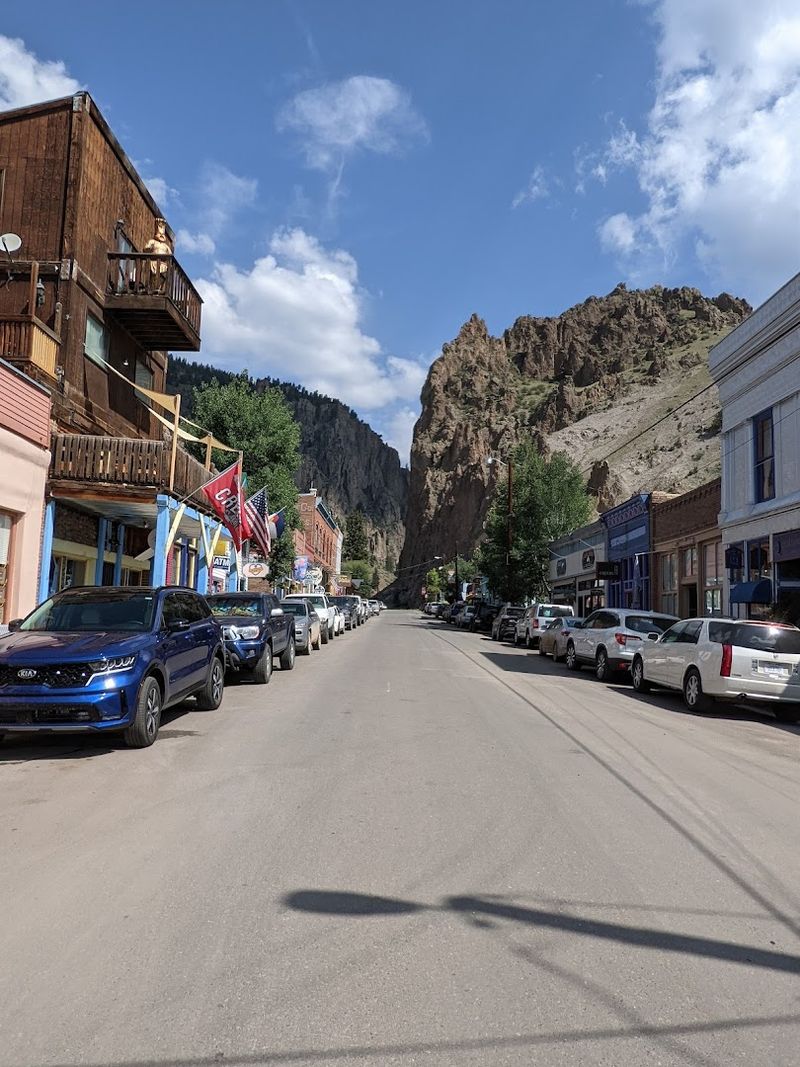
Getting to Creede is an experience that starts well before you arrive. The drive along Colorado Highway 149 winds through the Rio Grande River canyon, and the scenery builds gradually like a story working toward its best chapter.
Volcanic rock formations line the road in shades of red, orange, and gray. The canyon narrows and the walls climb higher the closer you get to town.
By the time the main street comes into view, you already feel like you have traveled somewhere genuinely far from ordinary life.
Visitors coming from the east often pass through South Fork first, where the highway follows the river and the views open up across wide mountain meadows. That contrast between open valley and tight canyon makes the final approach to Creede feel almost theatrical.
Road trippers who plan their route carefully can combine the drive with stops at the North Clear Creek Falls, one of the most photographed waterfalls in Colorado, located just a short detour off the main road. The falls drop nearly 100 feet into a volcanic bowl and are accessible with a short walk from the parking area.
Where The Seasons Actually Mean Something Different
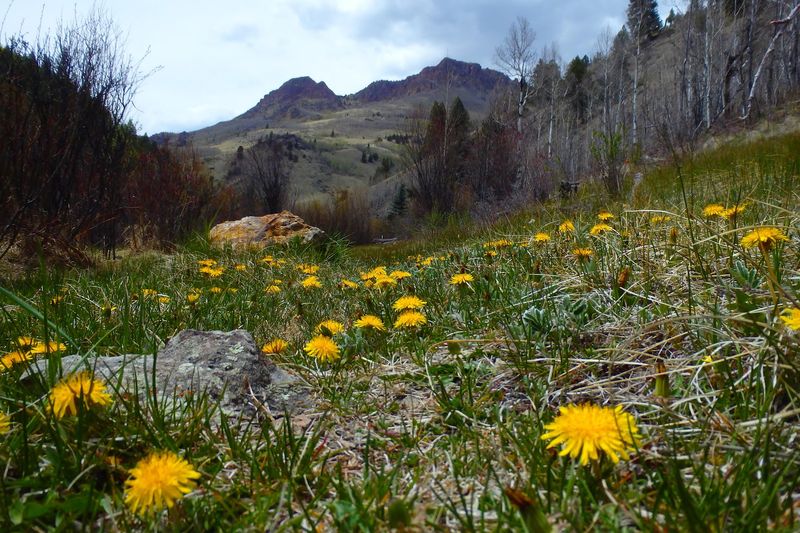
Creede is not a one-season destination, and locals will be the first to tell you that each time of year brings something completely different to the table. Summer gets the most visitors, but the shoulder seasons have a quiet magic that regulars quietly prefer to keep to themselves.
Spring arrives later at this elevation, which means wildflowers are still blooming in the meadows when much of Colorado has already moved on to summer heat. The Rio Grande runs high and fast from snowmelt, and the canyon walls seem even more vivid against the bright green of new growth.
Fall turns the aspen groves into a golden spectacle that draws photographers and leaf-peepers willing to brave the cooler temperatures. The crowds thin out noticeably after Labor Day, and the town takes on a slower, more reflective rhythm that many visitors find even more appealing than the busy summer peak.
Winter brings snow to the canyon in impressive amounts, and the town becomes a launch point for snowshoeing, cross-country skiing, and snowmobiling in the surrounding national forest.
The silence after a fresh snowfall in Creede is the kind of quiet that people who live in cities spend years trying to find.
Practical Things Worth Knowing Before You Pack Your Bag
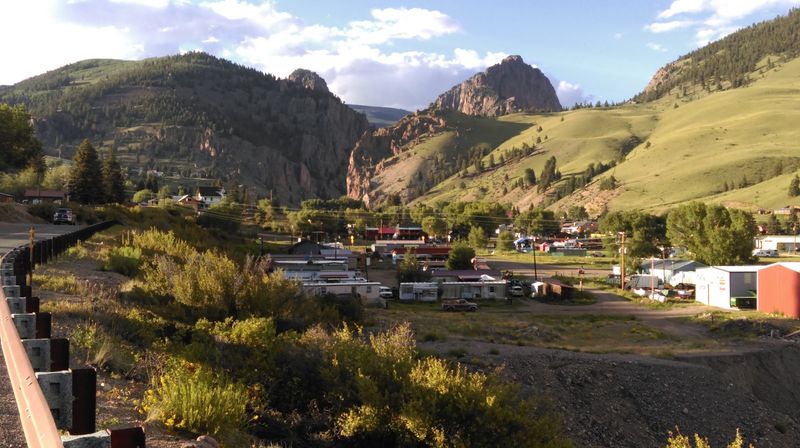
Creede sits at 8,852 feet above sea level, and that altitude is worth respecting if you are coming from lower elevations. Arriving a day early to adjust before jumping into strenuous hikes is a smart move that many first-timers skip and later wish they had not.
The town is located about three hours southwest of Colorado Springs and roughly four hours from Denver via US-285 and Colorado Highway 149. There is no commercial airport nearby, so driving is the standard way in.
Lodging options include historic hotels, cozy bed and breakfasts, and vacation rental cabins scattered through the surrounding area. Booking well in advance is strongly recommended for summer weekends, especially during theatre season or local festivals when rooms fill up fast.
The town has a small grocery store, a handful of restaurants, and a few shops, but it is not a place built around retail convenience. Bringing supplies for meals you plan to cook is a practical idea, especially for multi-day stays in more remote cabin rentals.
Cell service can be limited in parts of the canyon, which most visitors end up treating as an unexpected feature rather than a problem.