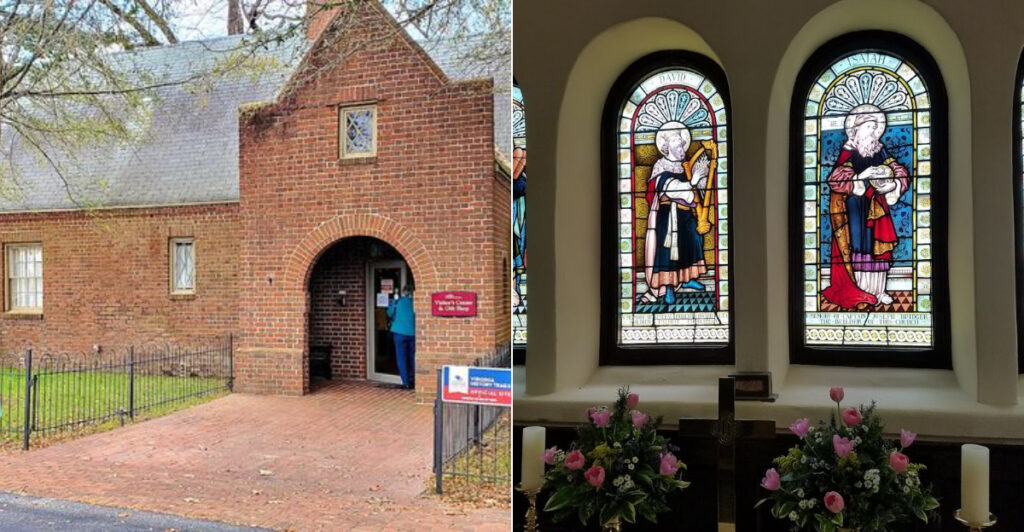
Original brickwork from the 1600s. Forty three acres of Virginia history that carries a weight most places can only dream of. This is the oldest surviving church building in the entire state, and standing on that ground makes American history feel less like a textbook and a lot more like something real and touchable.
The walls have held up for centuries. The stories behind them have only gotten richer. Every corner of this place connects directly to the very roots of American religious freedom, and that is not something that can be replicated anywhere else.
Curious travelers who make the trip leave with something that no souvenir shop can package. A genuine sense of having stood somewhere that actually mattered. Does a place with this much history and this much quiet power sound like exactly the kind of stop Virginia has been saving for the right visitor?
Four hundred years of American story are waiting. Come read them in person.
Virginia’s Oldest Brick Church
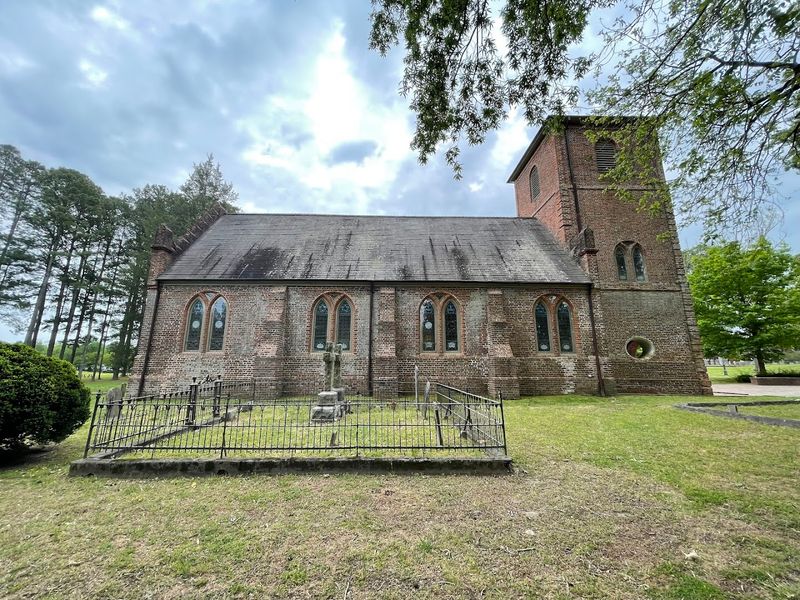
This is not a replica or a reconstruction. It is the real thing, still standing after more than three centuries of American history.
Few buildings in the entire country can claim what St. Luke’s Historic Church and Museum quietly holds: the title of Virginia’s oldest surviving brick church and oldest church building in the state. This extraordinary structure has stood on its 43-acre site since the late 1600s.
Local legend places its completion as early as 1632, which would make it one of the oldest standing buildings in all of North America. Architectural historians generally date its construction between 1685 and 1687, but either way, that is an almost unimaginable span of time for a brick building to survive.
Also known as the Old Brick Church and Newport Parish Church, it represents a living piece of colonial American life. The fact that so much of the original exterior brickwork remains intact is nothing short of remarkable.
Preservation campaigns in the 1890s and again in the 1950s helped protect what centuries of weather and history could have easily erased.
How many places can you visit in America where the walls themselves are original? Standing outside and running your eyes along those aged bricks gives a perspective that no museum display or textbook ever could.
Architecture Worth Admiring
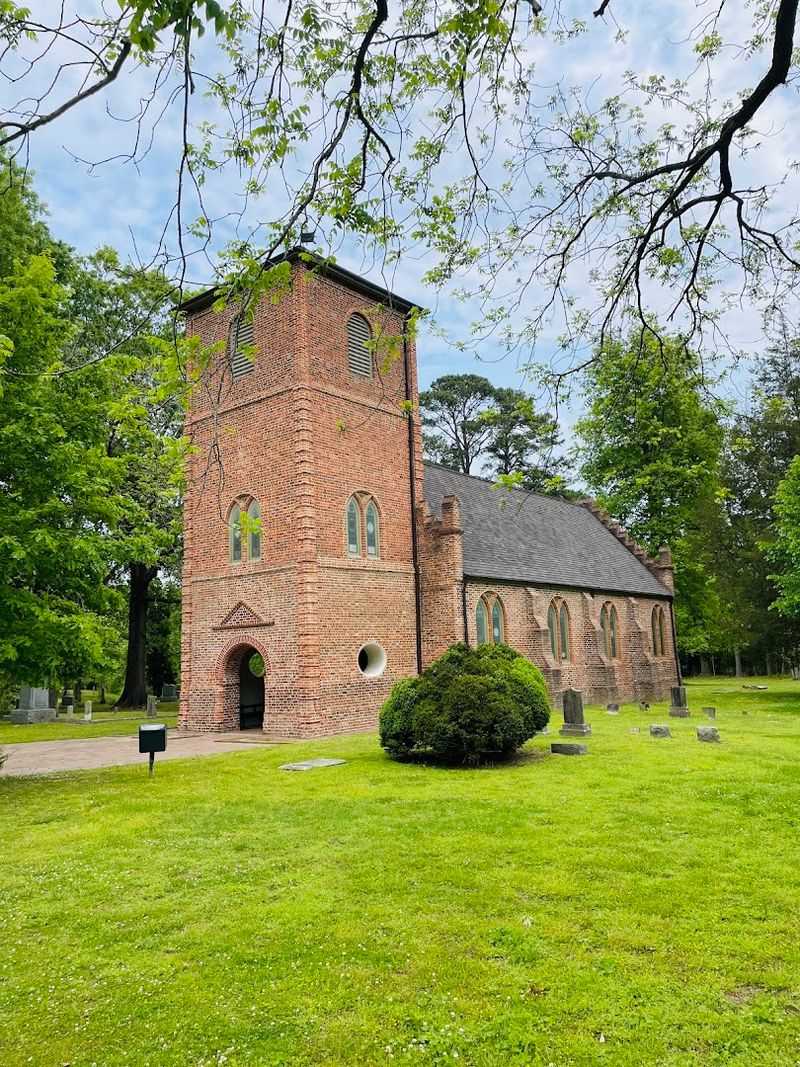
Most colonial American churches followed a plain, simple design. St. Luke’s went a completely different direction, and that choice is exactly what makes it so visually striking today.
The church is a rare surviving example of 17th-century Artisan Mannerism architecture.
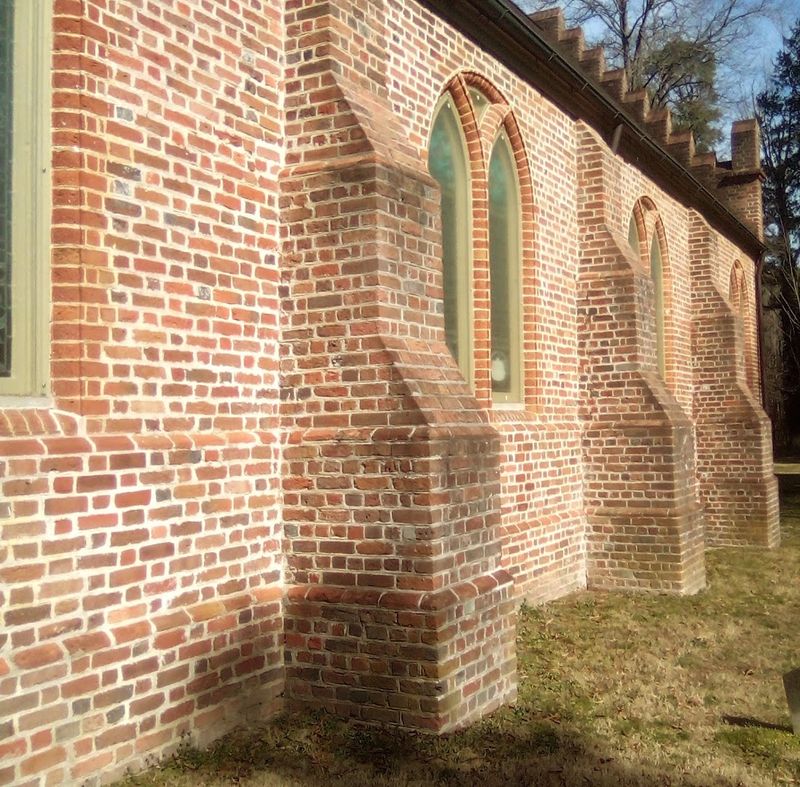
The Gothic-inspired buttresses running along the exterior walls give the building a dramatic vertical energy. The tracery windows, with their elegant stonework patterns, look more like something from medieval England than colonial Virginia.
That contrast between the surrounding rural landscape and this boldly designed structure is genuinely surprising.
Tourists say about this place that the architecture alone is worth the visit, even before you step inside. Every angle of the building offers something new to notice, from the careful brickwork to the ornate window details that have survived centuries of wear.
Have you ever looked at a building and felt like it was quietly showing off? That is the energy St. Luke’s brings.
A National Historic Landmark
Not every old building earns official recognition at the national level, but St. Luke’s Historic Church and Museum has earned it twice over. The site was designated a National Historic Landmark in 1966, placing it among the most significant historic properties in the entire United States.
Before that, President Dwight D. Eisenhower personally designated it a National Historic and Patriotic Shrine in both 1956 and 1957.
That kind of presidential attention does not happen by accident. It reflects just how important this site is to the broader story of American history, religious freedom, and colonial life.
The 43-acre property carries that weight with quiet confidence. Walking the grounds, you get a real sense of why people in positions of national leadership took notice.
This is not just a local curiosity. It is a place that shaped conversations about church, government, and individual rights in ways that still matter today.
What does it mean to stand on land that a U.S. president called a patriotic shrine? For many visitors, it means something personal and profound.
Tourists say about this place that the sense of history here is unlike anywhere else they have visited in Virginia. The landmark status is not just a title. It is a promise that this story will be protected and shared for generations to come.
The Cemetery’s Silent Stories
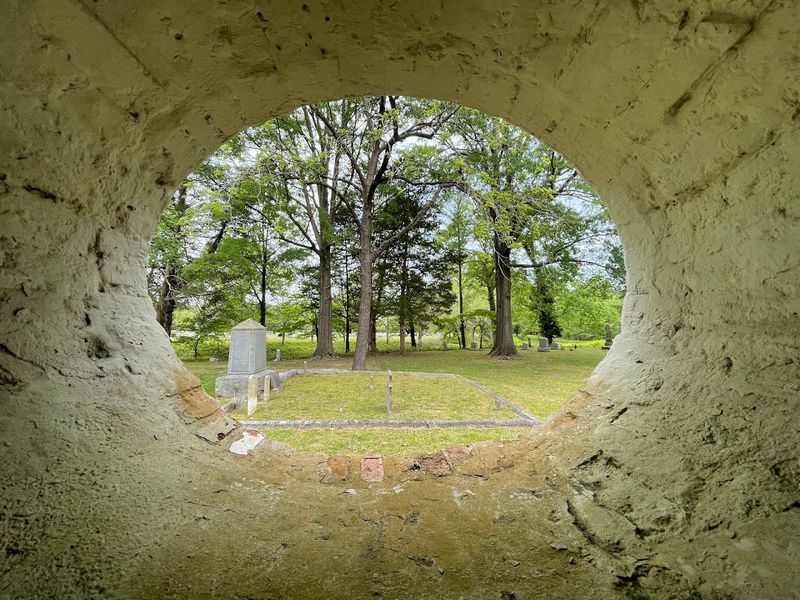
Virginia’s oldest open cemetery sits right on the grounds of St. Luke’s Historic Church and Museum, and it is one of the most quietly fascinating places you can walk through in the entire state. The gravestones stretch back centuries, and reading the inscriptions is like flipping through pages of a history book.
Some of the stones predate the church building itself, which says a great deal about how long this land has been used as a place of gathering and remembrance. The cemetery is well-maintained, with clear pathways that make it easy to wander at your own pace without feeling rushed.
Tourists say about this place that walking through the cemetery section is one of the most unexpectedly moving parts of the visit. The names, dates, and carvings on the older stones carry a weight that sneaks up on you.
You find yourself pausing longer than expected, piecing together lives from just a few chiseled words.
Can a gravestone tell you about an entire community? At St. Luke’s, the answer is absolutely yes. The cemetery is not a side attraction.
It is a central part of understanding who lived here, who worshipped here, and how colonial Virginia actually functioned as a society. Every stone is a sentence in a very long and very real story.
Guided Tours That Deliver
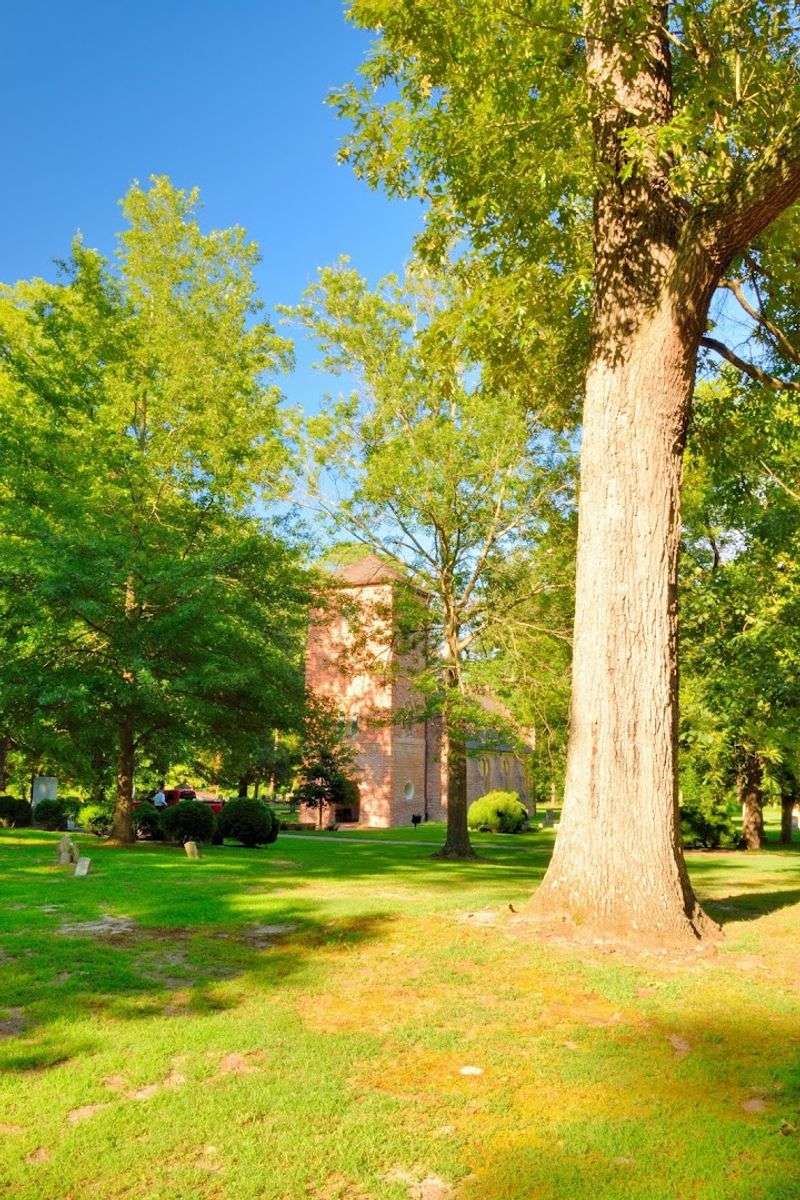
A good tour guide can completely transform a historic site visit, and St. Luke’s Historic Church and Museum has built a real reputation for exceptional guides.
Tourists say about this place that the guides are passionate, deeply knowledgeable, and genuinely enthusiastic about sharing the history in a way that feels personal rather than scripted.
Both guided and self-guided audio tour options are available, which means you can choose the experience that fits your pace and preference. The audio tour is well-narrated and packed with detail, making it a great option for families or anyone who likes to linger and explore at their own speed.
The guided tours go inside the church building and out across the grounds, covering the architecture, the cemetery, the colonial context, and the broader story of religious freedom in early America. Group tours can also be arranged, and private tours have been a popular choice for church groups, history clubs, and school visits.
The enthusiasm is contagious, and more than one visitor has left saying it was the best historic site tour they have ever experienced. The tours are affordably priced, and the knowledge you walk away with is genuinely priceless.
Religious Freedom’s Early Roots
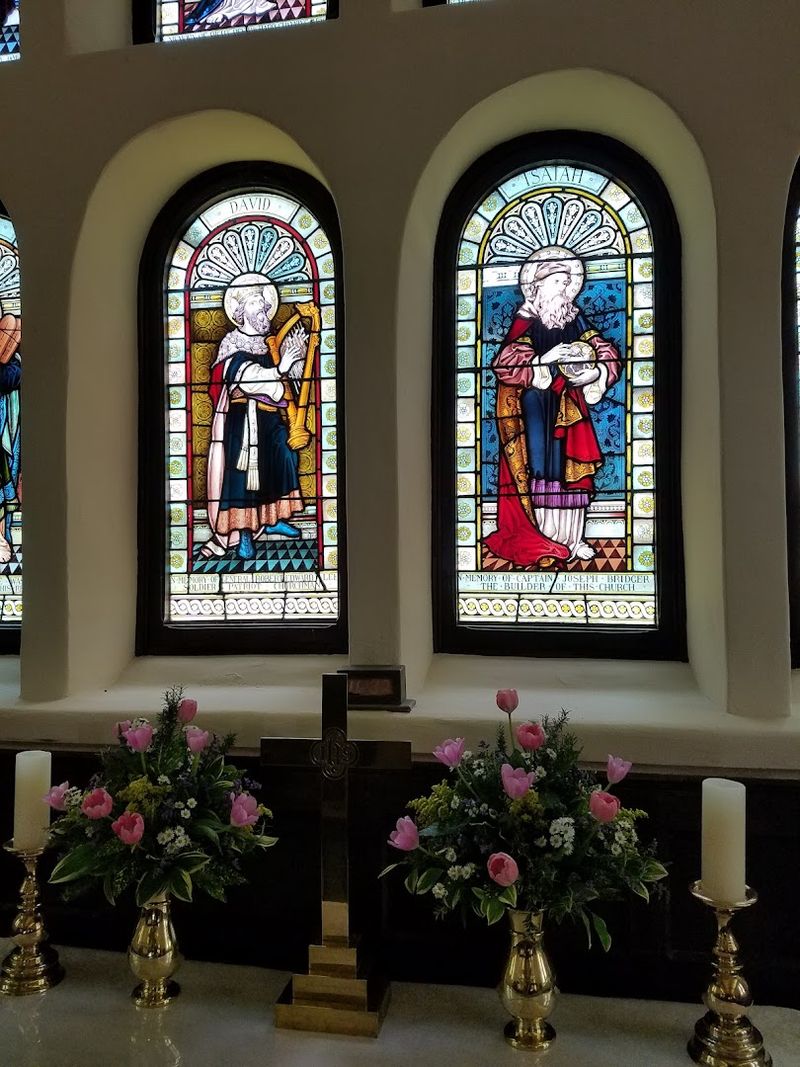
Long before the founding documents of the United States were written, the questions they answered were already being lived out in places like St. Luke’s. The church served as Newport Parish Church for the Anglican community of colonial Virginia, and the Anglican vestries of that era played a direct role in local government.
That connection between church and civil authority was exactly the tension that helped shape American ideas about the separation of church and state. St. Luke’s Historic Church and Museum leans into that history with honesty and depth, making it one of the more intellectually rich historic sites in Virginia.
The executive director, John Ericson, is recognized as a leading authority on religion in colonial Virginia and regularly delivers free lectures on the subject. Tourists say about this place that his talks are some of the most illuminating and accessible history lessons they have encountered anywhere.
Visiting this site gives that abstract history a physical address, a real set of walls, and a story that suddenly feels very close and very relevant.
Events, Weddings, And More
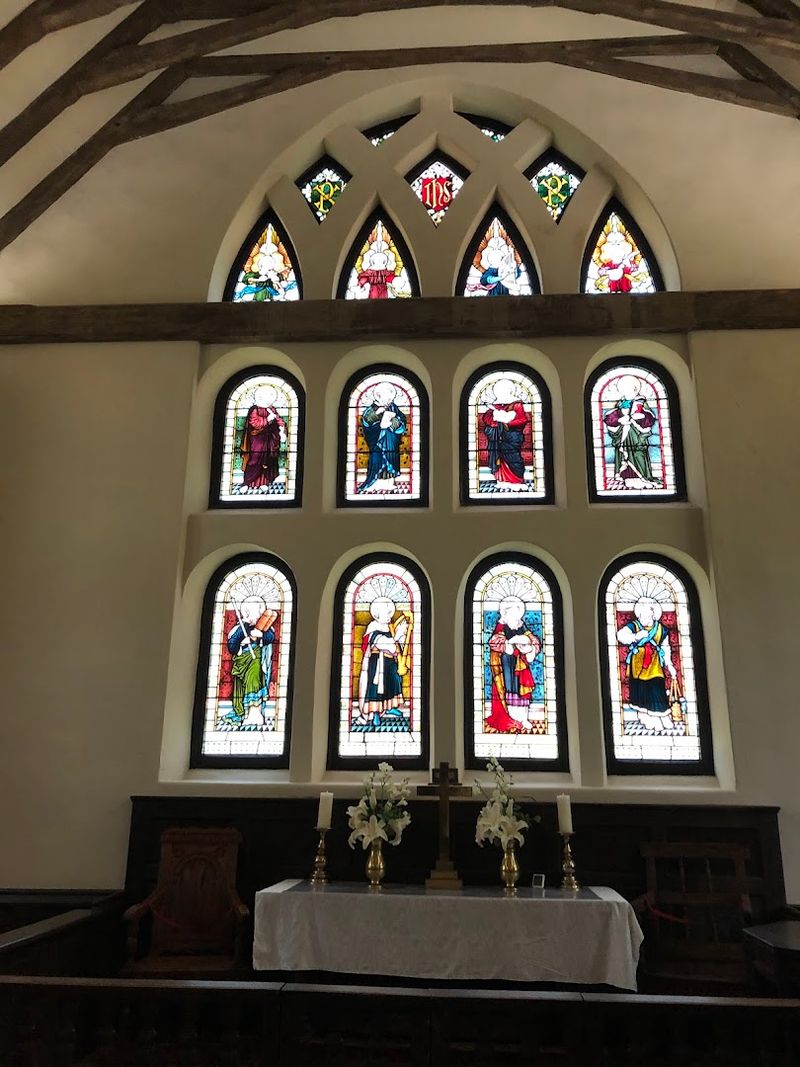
St. Luke’s Historic Church and Museum is not just a place to visit. It is a place where people mark the most meaningful moments of their lives.
The church building and its stunning 43-acre grounds have become a sought-after venue for weddings, and it is easy to understand why.
The combination of original 17th-century architecture, mature trees, open cemetery grounds, and that unmistakable sense of history creates a setting that no modern venue can replicate. Couples who have chosen St. Luke’s for their ceremonies consistently describe it as breathtaking.
Beyond weddings, the site hosts educational programs, special events, and academic lectures throughout the year. The popular Twilight Cemetery Tours in October draw visitors from across the region, blending history with a perfectly spooky seasonal atmosphere.
Cemetery preservation workshops are another unique offering that attracts history enthusiasts of all ages. What kind of event would you want to hold in a building that has stood for over 300 years? The possibilities at St. Luke’s are genuinely broad, and the staff works closely with organizers to make every event feel special.
Planning Your Visit Right
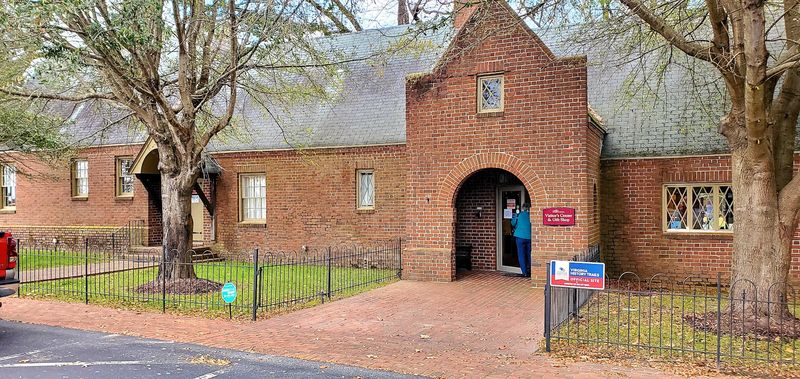
St. Luke’s Historic Church and Museum is open Thursday through Saturday from 9:30 AM to 5 PM. Those hours are worth noting before you make the trip, since the site is closed Sunday through Wednesday.
The site is located at 14477 Benns Church Blvd, Smithfield, VA 23430, and sits about ten minutes from downtown Smithfield. That proximity makes it easy to pair the visit with a walk through Smithfield’s charming historic district, where you can browse local shops and grab a bite to eat before or after your tour.
A gift shop on site offers affordable souvenirs and history-related items, making it a great spot to pick up something meaningful to take home. The walkways across the property are clear and easy to navigate, which is helpful for visitors of all mobility levels.
Dogs are welcome on the grounds, which is a detail more than a few four-legged tourists have appreciated.
Ready to make the trip? The Museums for All program also makes the site accessible to more visitors, which reflects the genuine community spirit that runs through everything St. Luke’s does.