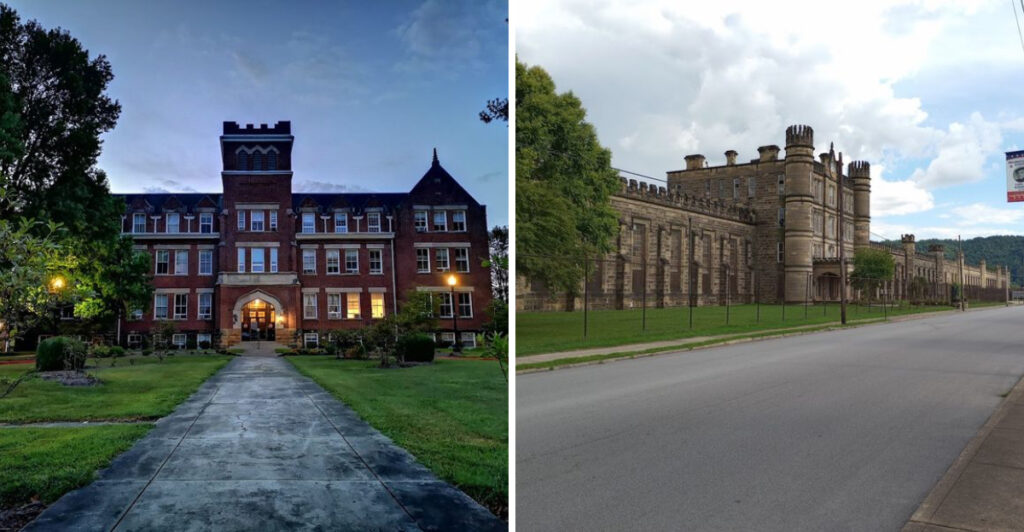
West Virginia has been quietly making a case for itself that most people are only just starting to hear. Ten small towns, jaw-dropping scenery, and a Social Security check that actually stretches instead of disappearing.
Mountain trails, river towns, covered bridges, and college energy, all at a fraction of what comparable quality of life costs in other states.
Each town on this list brings something different, historic downtowns, national forests at the back door, rivers worth fishing, and communities where neighbors still actually know each other.
The state also exempts Social Security income from state taxes, which means every dollar goes further before it is even spent. West Virginia rewards the people who actually move here, and these ten towns make the strongest possible case for why that decision is worth making.
1. Lewisburg
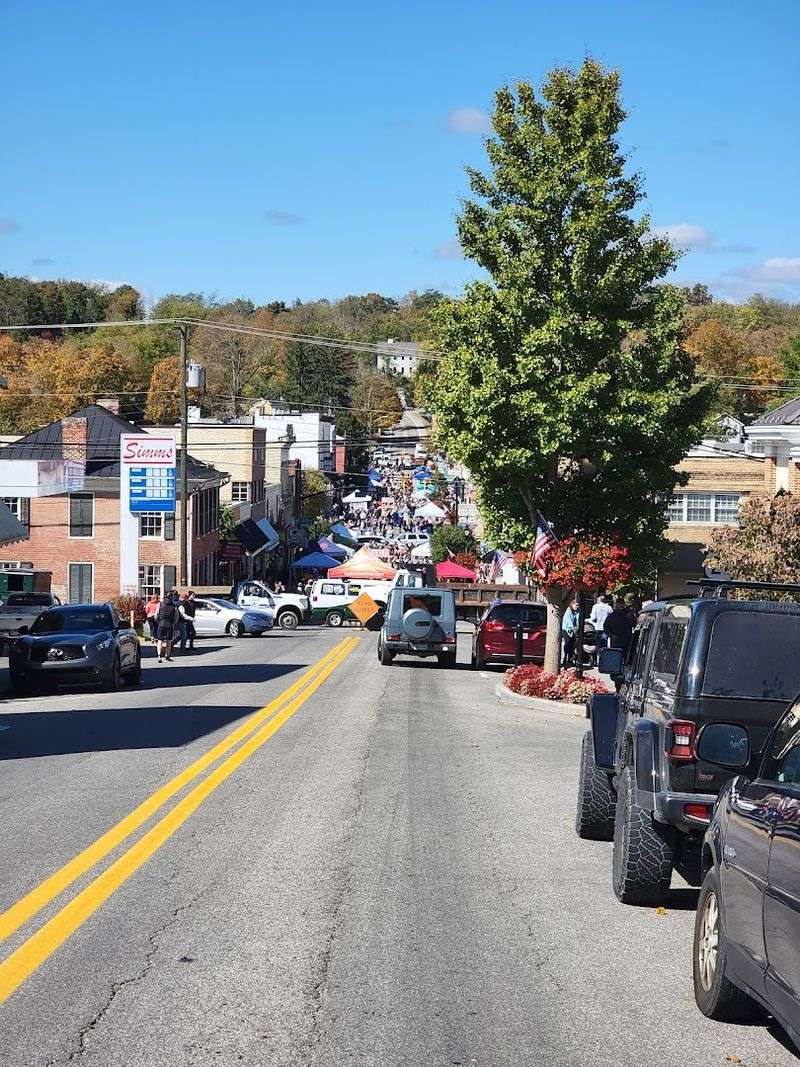
Could a town this pretty really be this affordable? Lewisburg, WV 24901, sits in Greenbrier County and consistently earns recognition as one of the coolest small towns in America, yet its cost of living remains comfortably below the national average.
Housing here is genuinely budget-friendly, with home prices and rental rates that leave room in a monthly Social Security check for groceries, utilities, and a few extras.
The historic downtown stretches along Washington Street, offering independent shops, local eateries, and a Carnegie Hall arts venue that hosts performances year-round without the big-city price tag.
Outdoor lovers appreciate the proximity to the Greenbrier River Trail, a converted rail trail that winds through scenic countryside ideal for walking or cycling at any pace.
West Virginia exempts Social Security income from state taxes, so retirees here keep more of what they earn. Lewisburg rewards those who choose it with beauty, culture, and a pace of life that feels like a genuine exhale.
2. Elkins
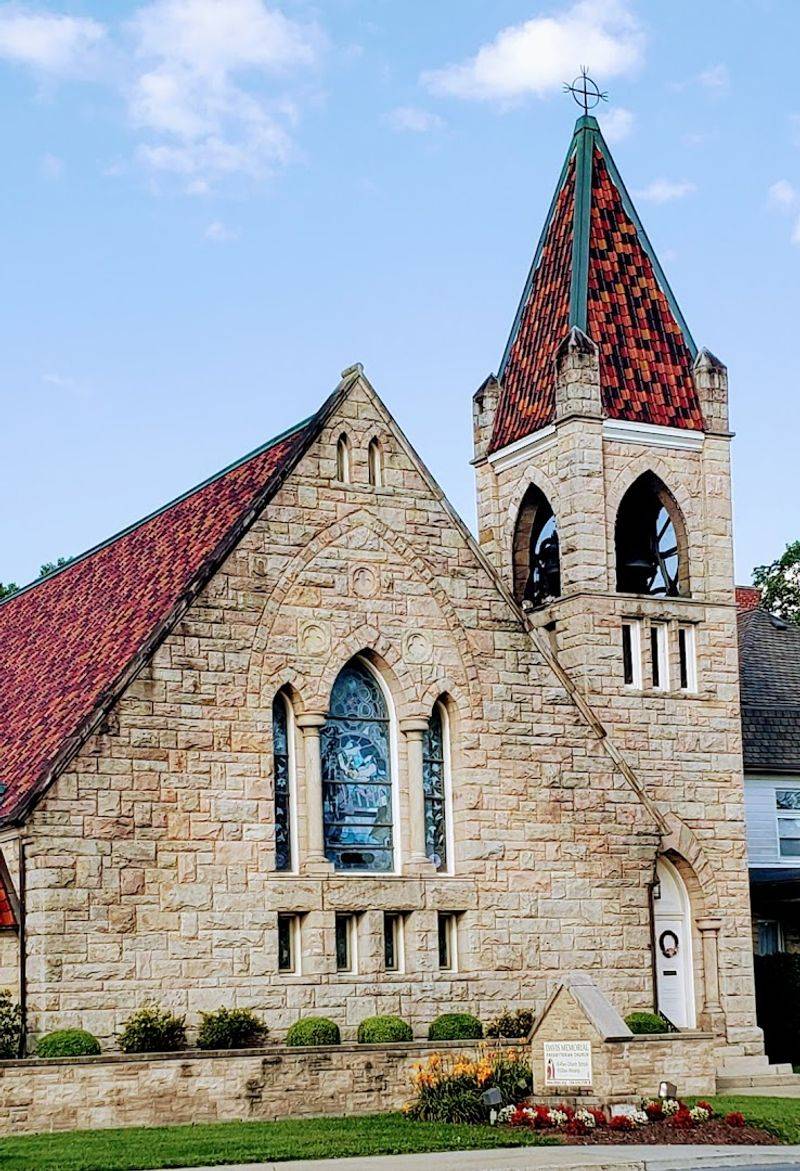
Mountain air and low rent make a surprisingly powerful combination. Elkins, WV 26241, is the seat of Randolph County and sits at the gateway to the Monongahela National Forest, giving retirees immediate access to some of the most stunning scenery in the eastern United States.
Housing costs in Elkins run well below the national average, and the overall cost of living reflects West Virginia’s broader reputation for affordability that consistently ranks among the lowest in the country.
The town hosts the Augusta Heritage Center, which runs folk arts and traditional music programs that bring the community together in ways that feel genuinely rooted rather than staged for tourists.
Healthcare access is solid for a town of its size, and the walkable downtown area means many daily errands do not require a car.
Social Security recipients benefit from the state’s tax exemption on those benefits, stretching every dollar a little further. Elkins is the kind of place where retirement feels like the beginning of something rather than the end of anything.
3. Hinton
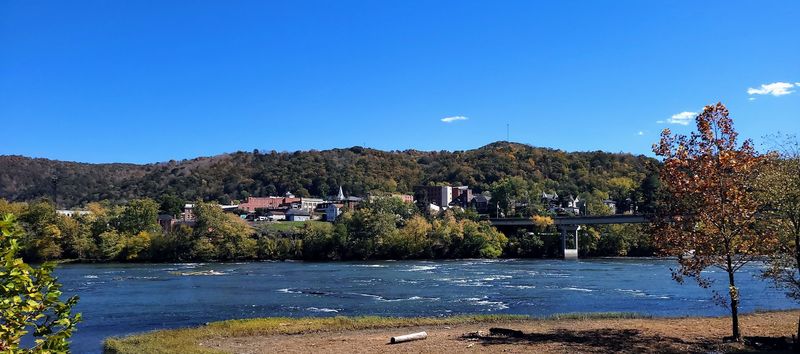
Bargain hunters and history lovers, meet your match. Hinton, WV 25951, sits along the New River in Summers County and carries one of the lowest average home prices of any town in the state, making it a standout option for retirees watching every dollar.
The community has a notably large population of residents over 65, which means local services, social programs, and the general pace of life tend to cater well to older adults seeking comfort and connection.
Hinton’s railroad heritage is woven into its architecture and identity, with the restored Hinton Railroad Museum offering a fascinating look at the era when this town was a major hub on the Chesapeake and Ohio Railway.
The New River Gorge National Park is practically a neighbor, putting world-class hiking, scenic overlooks, and river access within easy reach without any admission cost for most areas.
Crime rates in Hinton are reported as low, adding a sense of security that matters enormously when choosing where to settle. Few towns offer this much character at this little cost.
4. Buckhannon
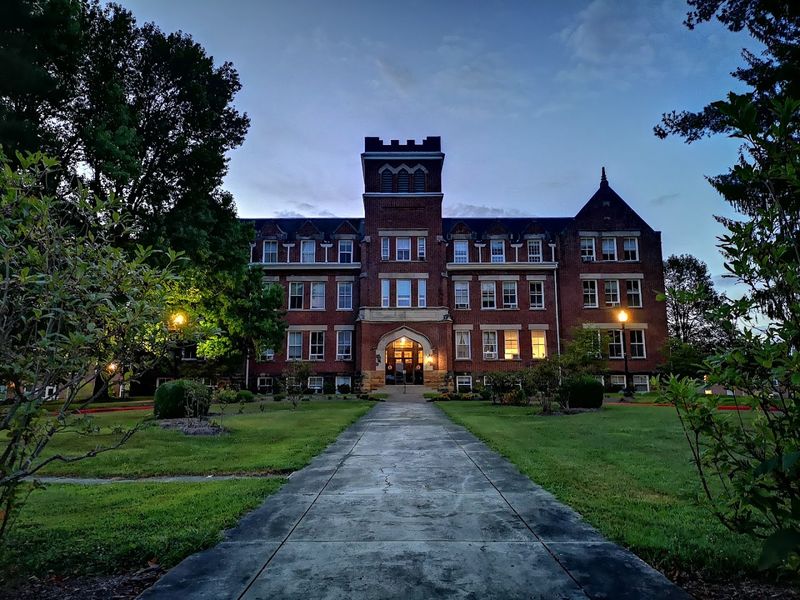
Buckhannon, WV 26201, has a way of making people feel at home before they have even unpacked. The seat of Upshur County, this small city blends academic energy from West Virginia Wesleyan College with the relaxed rhythms of rural Appalachian life.
Housing costs sit comfortably below the national average, and the overall cost of living in Buckhannon reflects the broader affordability that makes West Virginia such an appealing destination for retirees on fixed incomes.
The annual Strawberry Festival, one of the oldest festivals in the state, draws the community together every spring and gives newcomers an instant entry point into local culture without spending much at all.
Outdoor recreation is easy to access, with Audra State Park nearby offering swimming, hiking, and picnicking along the Buckhannon River in a setting that feels genuinely unspoiled.
West Virginia does not tax Social Security benefits at the state level, which adds meaningful value for anyone relying on that monthly check. Buckhannon proves that a fulfilling retirement does not require a large bank account, just the right zip code.
5. Philippi
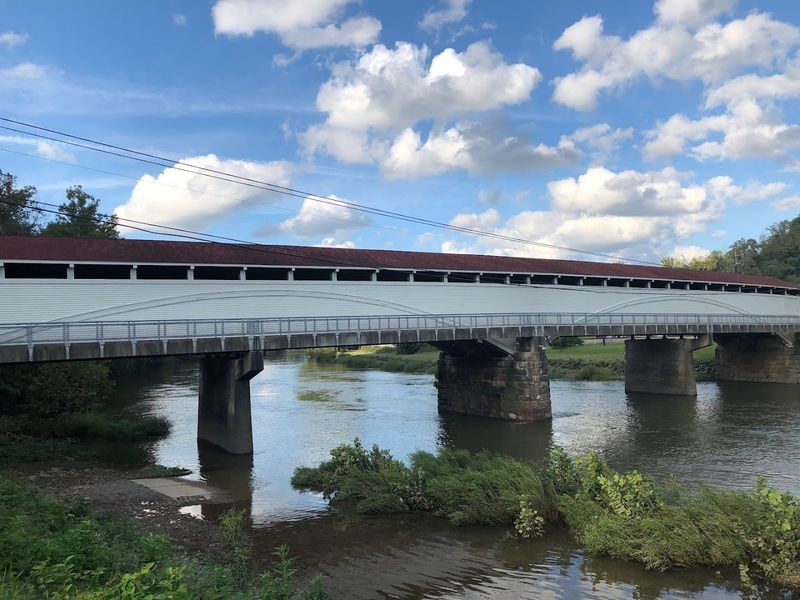
What if your retirement town came with a covered bridge built before the Civil War? Philippi, WV 26416, the seat of Barbour County, is home to the only remaining two-lane covered bridge on a federal highway in the United States, and that kind of character comes completely free.
The cost of living here tracks with West Virginia’s reputation for serious affordability, and housing options tend to be among the more modest-priced in the region, making it accessible for retirees on a Social Security budget.
Alderson-Broaddus University adds a collegiate presence to the town that keeps things lively, with occasional public events, performances, and a sense of intellectual energy that small towns do not always offer.
The Tygart Valley River runs right through town, providing scenic walking routes and peaceful spots to sit and enjoy the surroundings without spending anything.
Philippi also carries significant Civil War history, with the site of the first land battle of the war located here, giving history enthusiasts a genuinely meaningful place to explore close to home. Small in size, Philippi is surprisingly large in personality.
6. Marlinton
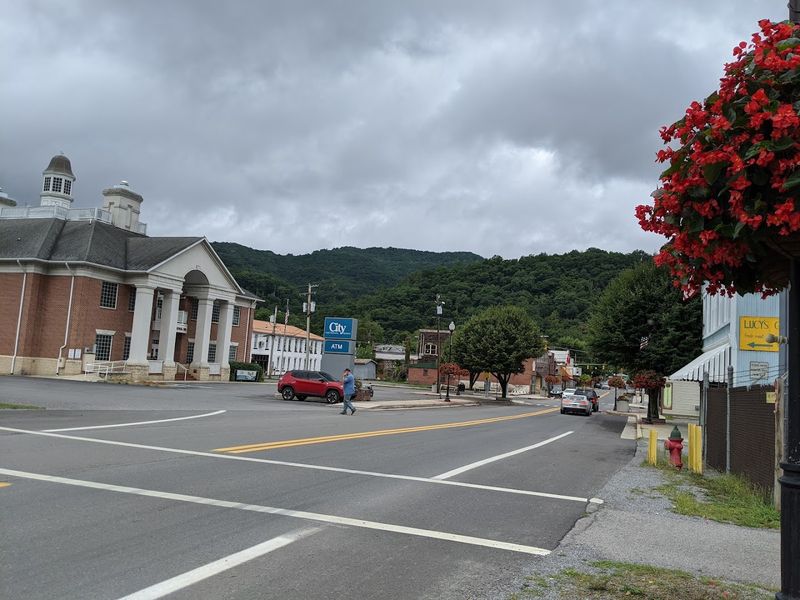
Solitude, scenery, and savings rarely come packaged this neatly. Marlinton, WV 24954, is the seat of Pocahontas County and sits deep in the Allegheny Highlands, making it one of the most naturally immersive small towns in all of West Virginia.
The cost of living here is exceptionally low, even by West Virginia standards, and housing prices reflect a market where affordability is the norm rather than the exception.
The Greenbrier River Trail passes through the area, offering over 70 miles of scenic trail along a former railroad corridor that is perfect for walking, cycling, or simply watching the river move at its own pace.
Snowshoe Mountain Resort is within reasonable driving distance, giving residents seasonal access to skiing and mountain activities without needing to live in a resort town with resort-town prices.
Pocahontas County is known for its remarkably dark skies, making stargazing a genuine nightly pastime rather than a special occasion. For retirees who value quiet, nature, and low overhead, Marlinton is the kind of place that feels like it was kept secret on purpose.
7. Moundsville
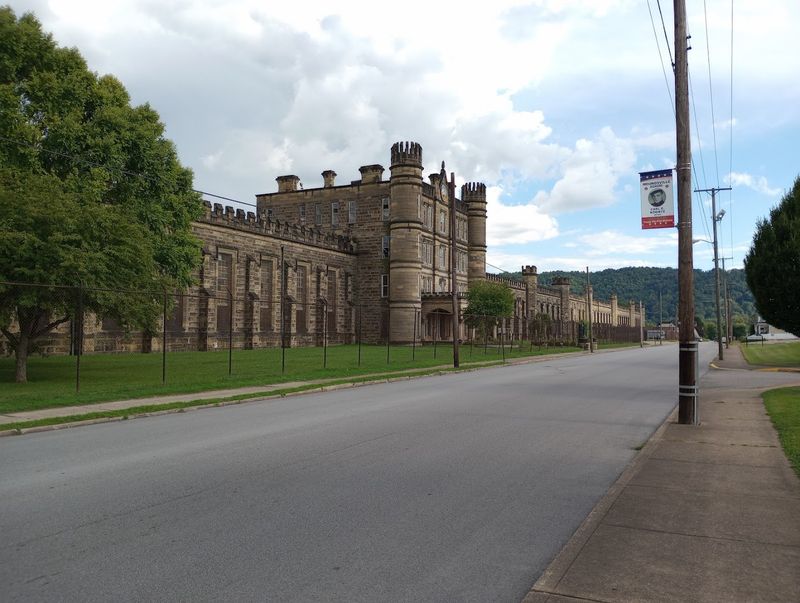
History runs unusually deep here, and so does the value. Moundsville, WV 26041, sits in Marshall County along the Ohio River and takes its name from the Grave Creek Mound, one of the largest prehistoric earthen structures built by the Adena people in North America.
The cost of living in Moundsville runs about 5% below the West Virginia state average, which is already well below the national average, creating a compounding affordability that retirees on Social Security can genuinely feel in their monthly budget.
Median home prices here tend to land in a range that keeps mortgage or rent costs manageable, and the town’s proximity to Wheeling means access to broader healthcare options and retail without paying Wheeling prices for housing.
The Grave Creek Mound Archaeological Complex includes a free museum packed with Adena artifacts that gives visitors a surprisingly rich look at the region’s ancient heritage, making it one of the most rewarding free stops in the entire state.
Outdoor recreation along the Ohio River adds another free layer of daily enjoyment. Moundsville may be small, but its combination of history, affordability, and river-town atmosphere makes it a quietly compelling choice for retirement.
8. Richwood
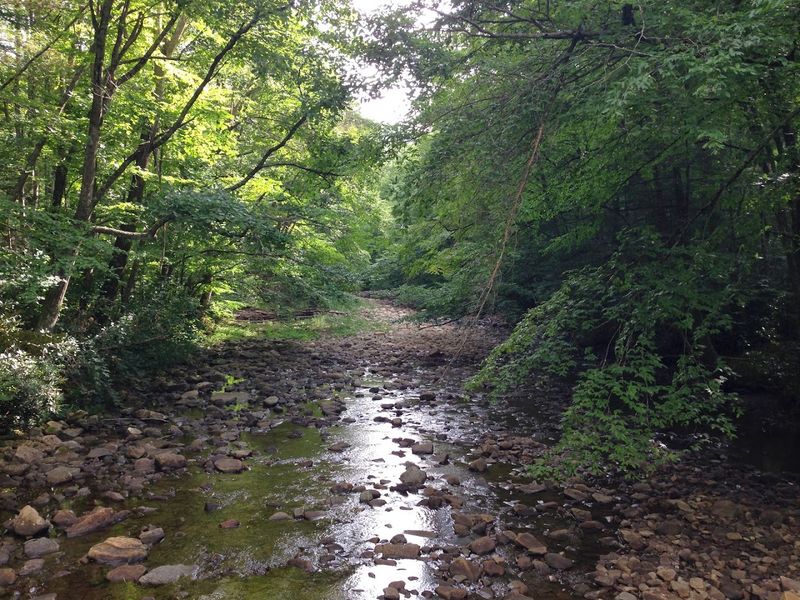
Tucked into the Cherry River valley in Nicholas County, Richwood, WV 26261, is the kind of place that rewards those willing to look past the beaten path. The town sits at a low price point for housing that makes it one of the more accessible options in the state for retirees managing a fixed monthly income.
The surrounding Monongahela National Forest essentially wraps around the community, putting hiking trails, fishing streams, and wildlife observation within minutes of downtown without any cost at all.
Richwood has a proud timber and tanning history that shaped its early identity, and remnants of that industrial past give the town a rugged, authentic character that feels far removed from manufactured charm.
The Cherry River itself offers fishing and peaceful riverside walks that serve as daily recreation for residents who prefer the outdoors to the indoors.
Community events and local organizations keep social connections alive in a town where neighbors still tend to know each other by name. For retirees who want nature at the doorstep and a genuinely low cost of living, Richwood quietly delivers on both counts without making a fuss about it.
9. Moorefield
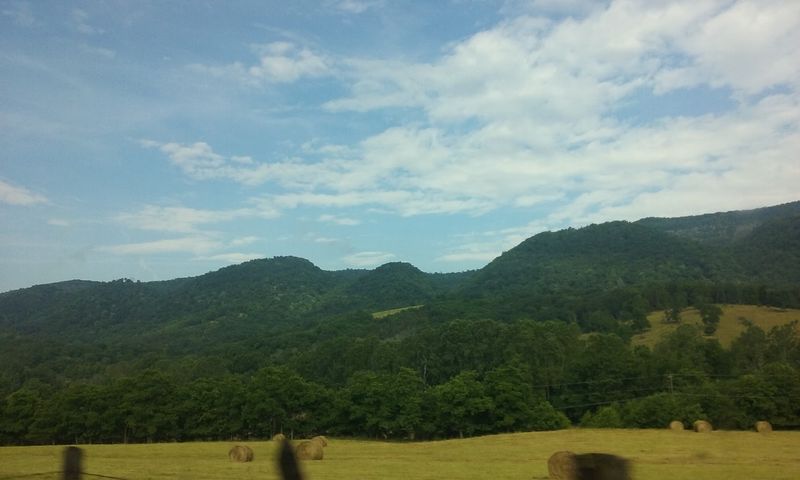
River towns have a certain pull, and Moorefield knows exactly how to use it.
Located in Hardy County along the South Branch of the Potomac River, Moorefield, WV 26836, combines agricultural heritage with genuine small-town affordability that suits retirees looking to make a Social Security check work hard.
Housing costs in Moorefield are low relative to both the state and national averages, and the surrounding Hardy County landscape offers a rural quality of life that feels spacious and unhurried in the best possible way.
The town is known as a center of the poultry industry in West Virginia, which contributes to local economic stability and keeps the community grounded in practical, working-class values.
Trout fishing in the South Branch Potomac River is a beloved local pastime, and the surrounding countryside offers hiking and wildlife watching opportunities that cost nothing but time.
Moorefield’s proximity to the George Washington National Forest extends the outdoor playground considerably for residents willing to drive a short distance. For retirees who want affordability, fresh air, and a genuine sense of community, this Hardy County town checks every box without overselling itself.
10. Shepherdstown
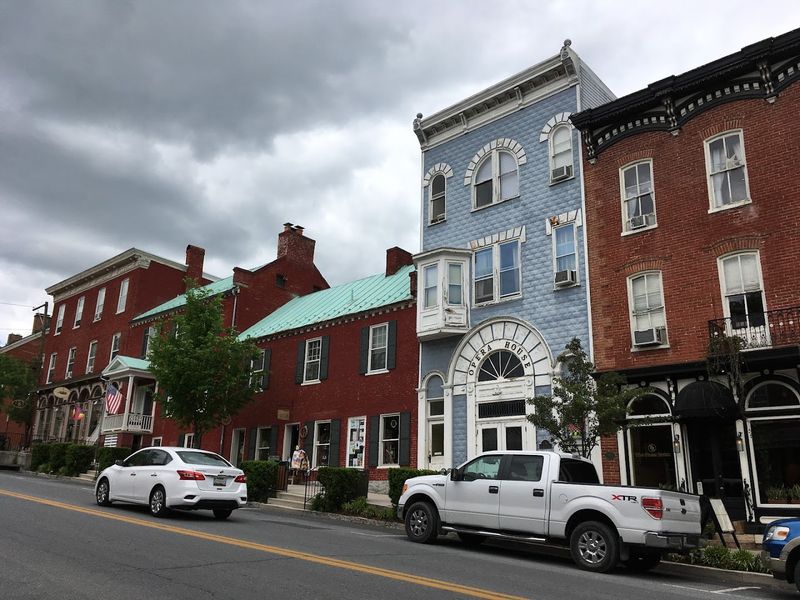
The oldest town in West Virginia has some surprisingly modern appeal for budget-conscious retirees. Shepherdstown, WV 25443, sits in Jefferson County along the Potomac River and carries a rich colonial history that predates American independence, yet it feels lively and current thanks to Shepherd University’s presence in the community.
Housing costs in Shepherdstown tend to run slightly higher than in more remote West Virginia towns, but the overall cost of living still compares favorably to national averages, and the lifestyle value here is exceptional for what you spend.
The C and O Canal National Historical Park runs right along the Potomac, offering miles of flat towpath trail ideal for walking, cycling, and birdwatching without any cost to access.
Harpers Ferry National Historical Park is just a short drive away, giving residents easy access to one of the most historically significant sites in the eastern United States.
The downtown area features independent bookshops, local restaurants, and a vibrant arts scene that punches well above its weight for a town of this size. Shepherdstown proves that history, culture, and affordability can share the same zip code quite comfortably.