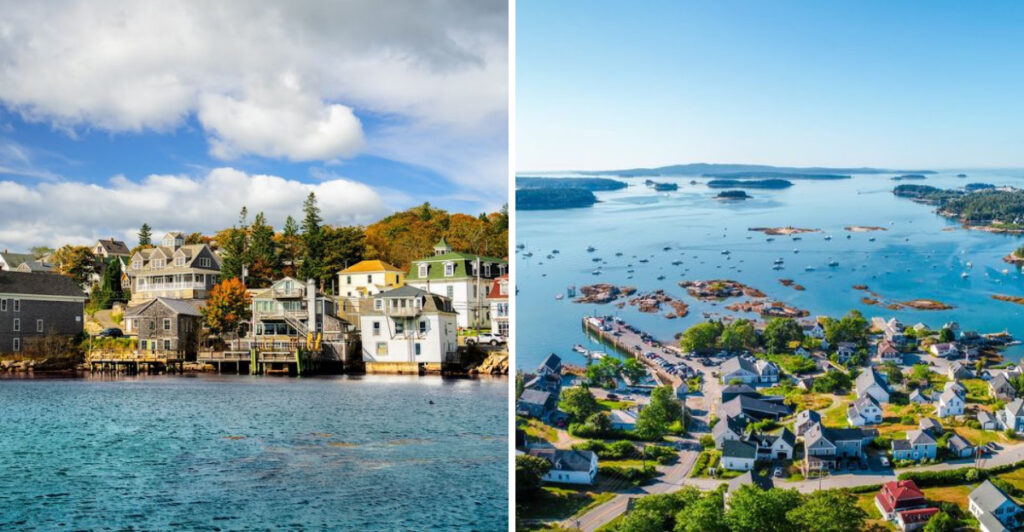
An hour down a road most people never turn onto, past a suspension bridge and through forested island interior, there is a fishing village that somehow still looks and feels exactly like itself.
Lobster boats stacked with traps heading out before dawn.
Streets rising steeply toward a harbor view that stops people mid-step. Architecture that was never renovated for anyone’s approval.
Maine rewards the traveler willing to leave the main highway, and this is where that patience pays off completely. A working port, a genuine arts scene, a century-old opera house, and ferry access to one of the quietest corners of Acadia.
The kind of place that takes about five minutes to fall for and considerably longer to leave.
A Working Harbor That Means Business
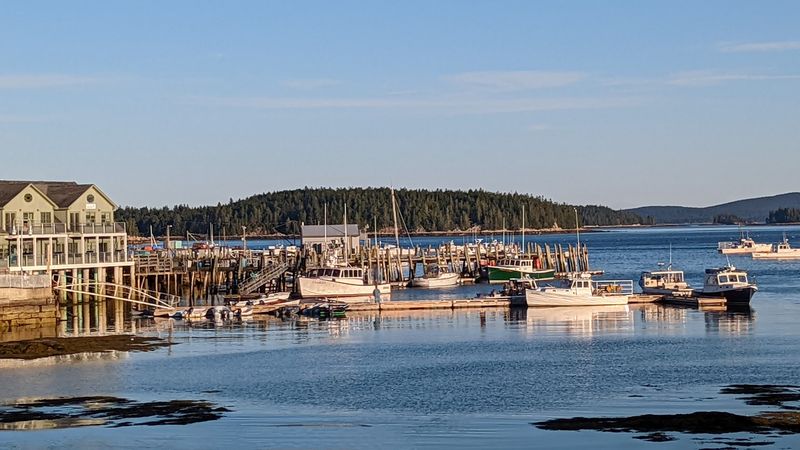
Forget the postcard-perfect marinas with gleaming sailboats and gift shops. The harbor at Stonington is the real thing, loud, briny, and built for work.
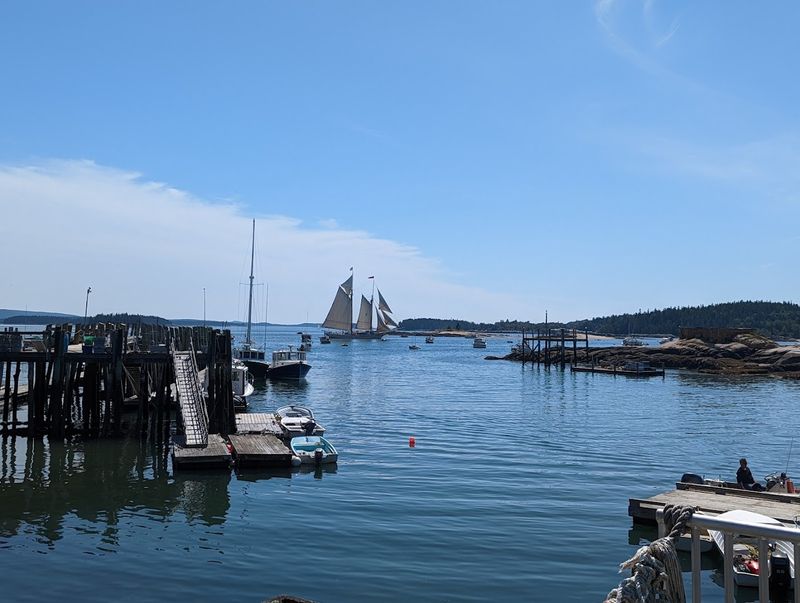
Lobster boats come and go with a routine that feels almost choreographed, and the docks are stacked with traps, rope, and the kind of gear that has been used the same way for generations.
In 2023 alone, Stonington landed around 11.4 million pounds of lobster, making it the busiest lobster port in all of Maine.
That number is not a boast, it is just Tuesday here. Watching the boats head out early in the morning or return in the afternoon gives visitors a rare front-row seat to a way of life that most coastal towns have long since traded away for boutique hotels.
The harbor sits at the heart of the village and sets the tone for everything else around it. Raw, purposeful, and quietly spectacular.
Lobster Culture Runs Deeper Than The Ocean Floor
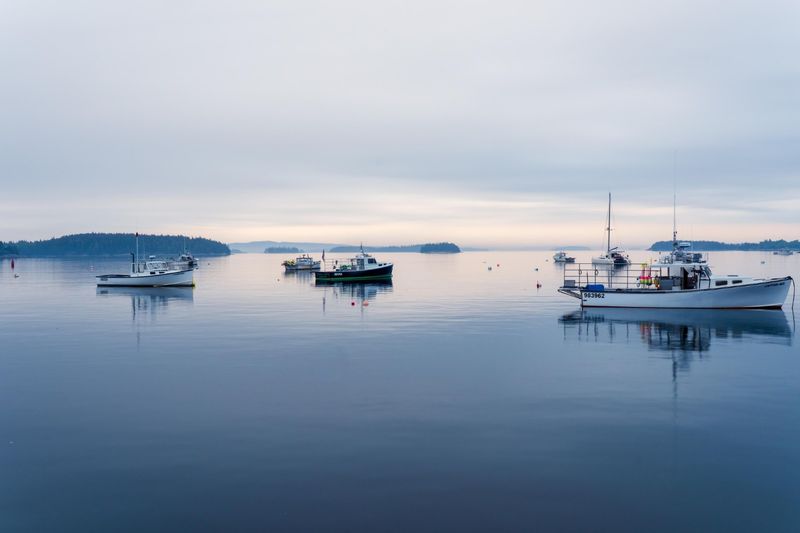
Lobstering is not just an industry in Stonington, it is the cultural backbone of the entire community. Families here have been hauling traps for generations, and the knowledge passed down through those years is as much a part of the village identity as the harbor itself.
The town’s connection to the lobster trade shapes everything from the local economy to the social calendar. Conversations at the general store often drift toward the water, the weather, and the catch.
Visitors who take the time to talk to locals quickly realize that this is not performance, it is just life.
Seafood restaurants in the area serve lobster that was in the ocean the same morning it lands on your plate, and that freshness is something no inland restaurant can replicate.
Maine’s lobster legacy is celebrated all along the coast, but Stonington is where that legacy is most alive, most active, and most sincerely lived every single day.
Views Over Penobscot Bay That Demand A Pause
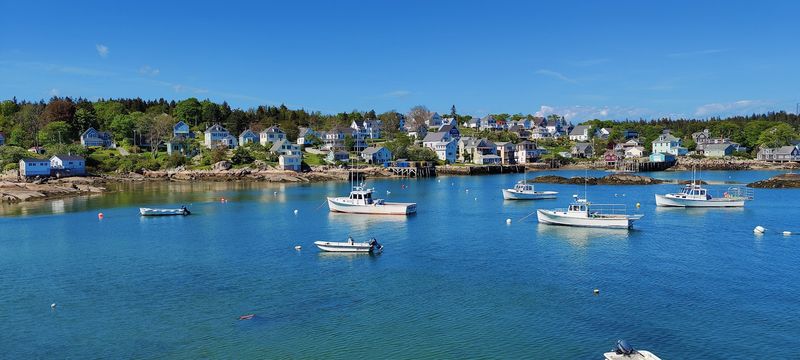
The geography of Stonington is generous in ways that feel almost unfair to the rest of Maine. Because the village sits on elevated ground sloping toward the water, views of Penobscot Bay open up from unexpected angles all over town.
Stand at the top of any of the steeper streets and the bay stretches out ahead, dotted with small islands and the occasional lobster boat cutting through the water.
On clear days, the horizon feels impossibly wide.
Penobscot Bay is one of the most scenic bodies of water on the entire East Coast, and Stonington sits at one of its most dramatic vantage points. The light here changes throughout the day in ways that photographers and painters have been chasing for decades.
Early mornings bring a soft, grey stillness to the water. By late afternoon, the bay turns shades of copper and silver that make even a quick glance feel like something worth remembering for a long time.
The Village That Time Treated Kindly
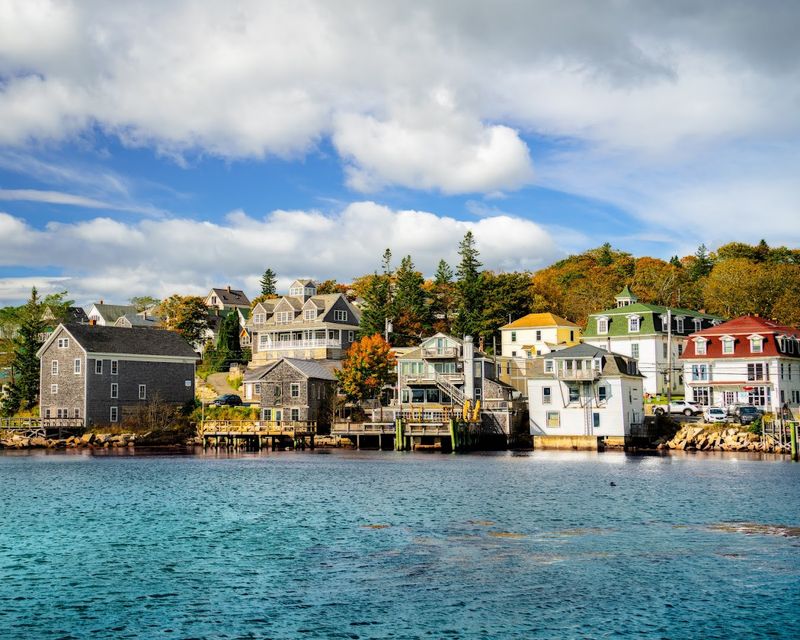
Step onto Main Street and the architecture alone tells a story worth reading slowly. The buildings lining Stonington’s streets were largely constructed in the 19th century, and many of them have been maintained with quiet pride rather than dramatic renovation.
Located at Maine 04681 on the southern end of Deer Isle in Hancock County, the village has a population of just over a thousand people, which means it has never had to reinvent itself for the masses.
The streets rise steeply from the waterfront, giving almost every vantage point a view of the harbor below.
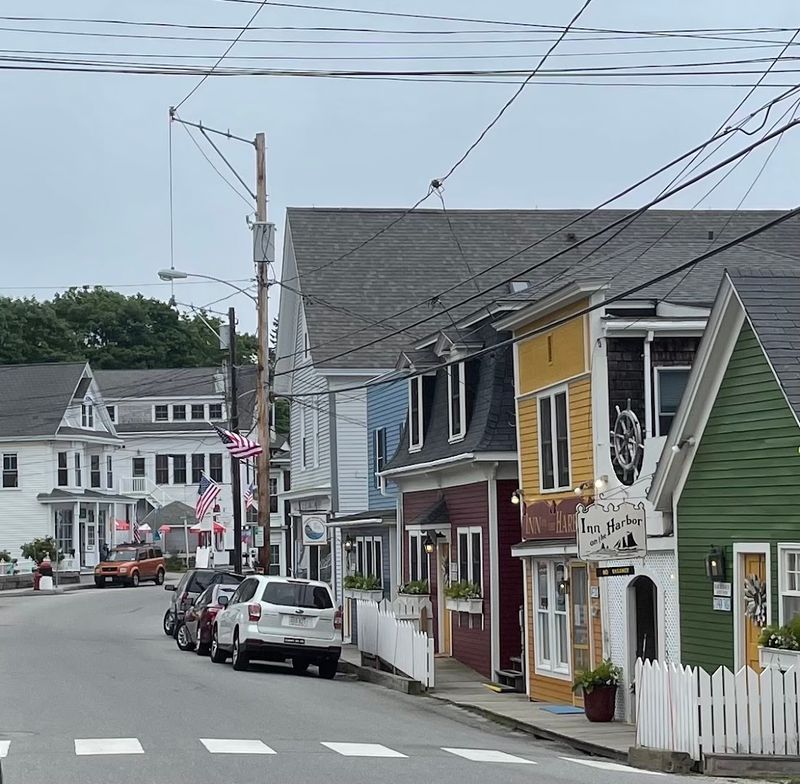
There are no chain stores crowding the sidewalks, no neon signs competing for attention. What remains is a compact, walkable village center where local businesses have held their ground for decades.
The sense of continuity here is striking. It feels less like a preserved historic district and more like a community that simply never saw a reason to change course.
An Artist’s Town With A Genuine Creative Soul
It should come as no surprise that artists have been quietly claiming Stonington as their own for years. The light, the landscape, and the unhurried pace of the village create conditions that are almost impossible to resist for anyone who works creatively.
The town has developed a genuine reputation as an artist’s enclave, with local galleries and studios scattered throughout the village.
The work shown here tends to reflect the surrounding landscape, seascapes, fishing scenes, and the textures of a working coastal town in Maine.
What makes the art scene here different from flashier coastal towns is the lack of pretension. Galleries feel approachable rather than intimidating, and many of the artists showing work are also living and working locally.
Picking up a piece of original art in Stonington feels like taking home something with real roots. The creativity here is not imported or curated for tourists, it grows directly from the place itself, which gives it an honesty that is hard to find elsewhere.
The Stonington Opera House Still Has The Stage
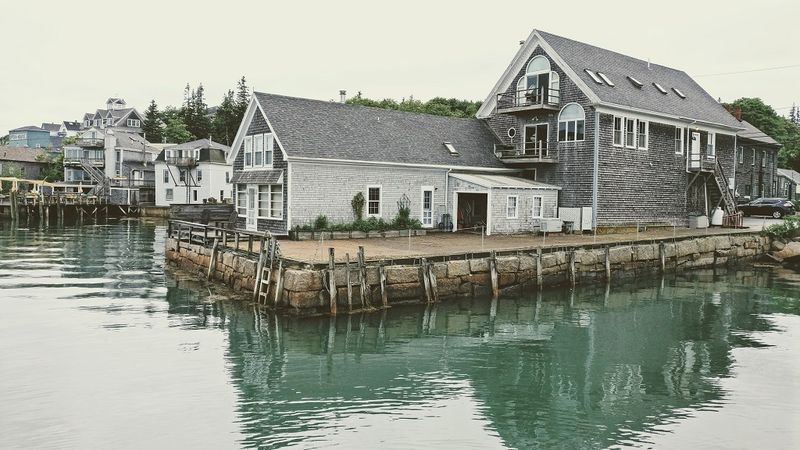
Built in 1912, the Stonington Opera House is one of those buildings that carries more history per square foot than most museums. It has been a gathering place for the community for well over a century and continues to serve that role with genuine enthusiasm.
The Opera House hosts plays, concerts, film screenings, and community events throughout the year, drawing both locals and visitors into the same shared space. For a village of just over a thousand people, having a cultural venue of this caliber is remarkable.
The building itself is worth seeing from the outside, a classic piece of early 20th-century small-town architecture that fits naturally into the streetscape around it. Inside, the atmosphere is warm and unpretentious in the best possible way.
Events here feel personal rather than performative. The Opera House represents something important about Stonington, that culture and community are not separate things in this village, they have always been the same conversation happening in the same room.
Sea Kayaking And Hiking For The Outdoors-Minded

The natural setting around Stonington does not just look beautiful, it practically invites you to get out into it.
Sea kayaking is one of the most popular ways to explore the area, and the waters around Deer Isle offer routes that range from calm harbor paddling to more adventurous open-water crossings.
The Merchant’s Row archipelago, a collection of small islands scattered to the south and east of Stonington, is a favorite destination for kayakers.
Paddling through those islands on a clear day, with seals occasionally surfacing nearby, is the kind of experience that stays with people long after they have returned home.
On land, hiking trails wind through the rocky terrain of Deer Isle, offering elevated perspectives and quiet forest walks that complement the coastal scenery.
Maine’s outdoor culture is woven into life here in a practical, everyday way. For visitors who want to earn their views rather than just admire them from a parking lot, Stonington delivers more than enough adventure to fill a long weekend.
A Gateway To Isle Au Haut And Acadia

One of Stonington’s most underappreciated roles is as the jumping-off point for Isle au Haut, a remote and largely undeveloped island that contains a portion of Acadia National Park.
A passenger ferry connects Stonington to Isle au Haut, making the village a practical base for anyone wanting to experience a quieter, less-visited section of Acadia.
The island has limited visitor numbers by design, which means the hiking trails and rocky shorelines there feel genuinely wild and uncrowded.
For travelers who have visited the main section of Acadia near Bar Harbor and found it too busy, the Isle au Haut route offers a meaningful alternative. The ferry ride itself, winding through the islands of Penobscot Bay, is scenic enough to justify the trip on its own.
Stonington’s position as a gateway here adds a layer of practical value to its appeal. It is not just a destination, it is also a starting point for some of the most rewarding outdoor experiences in all of Maine.
Fresh Seafood That Speaks For Itself
Any fishing village worth its salt should be able to back up its reputation at the table, and Stonington does exactly that without any fuss or fanfare.
The dining options here lean heavily and unapologetically on what comes out of the surrounding water.
Lobster, clams, and fresh fish appear on menus in their most honest forms, simply prepared and served in casual settings where the view of the harbor is often part of the experience.
There are no elaborate tasting menus or celebrity chef outposts here. What the town offers instead is the kind of meal that reminds you why seafood became celebrated in the first place, because when it is this fresh and this local, it does not need much help.
Eating in Stonington feels connected to the place in a way that is increasingly rare. The lobster on your plate likely came off a boat you can see from your seat, and that short distance from ocean to table makes every bite taste just a little more meaningful.
Getting There Is Part Of The Experience

Stonington sits roughly an hour’s drive from US Route 1, down a road that crosses the famous Deer Isle-Sedgwick Bridge and winds through the island’s forested interior.
That distance is exactly why most tourists never make it here, and exactly why the ones who do feel like they have discovered something real.
The drive itself is quietly beautiful, passing through small communities, past coves and inlets, and under the kind of tree canopy that makes you slow down without being told to. Arriving in Stonington after that drive feels earned in the best possible way.
Maine rewards the traveler who is willing to leave the main highway and follow a road that does not promise anything obvious. Stonington is the proof of that.
The relative remoteness that keeps the crowds away is the same quality that keeps the village so genuinely itself, unhurried, unspoiled, and completely worth the detour.