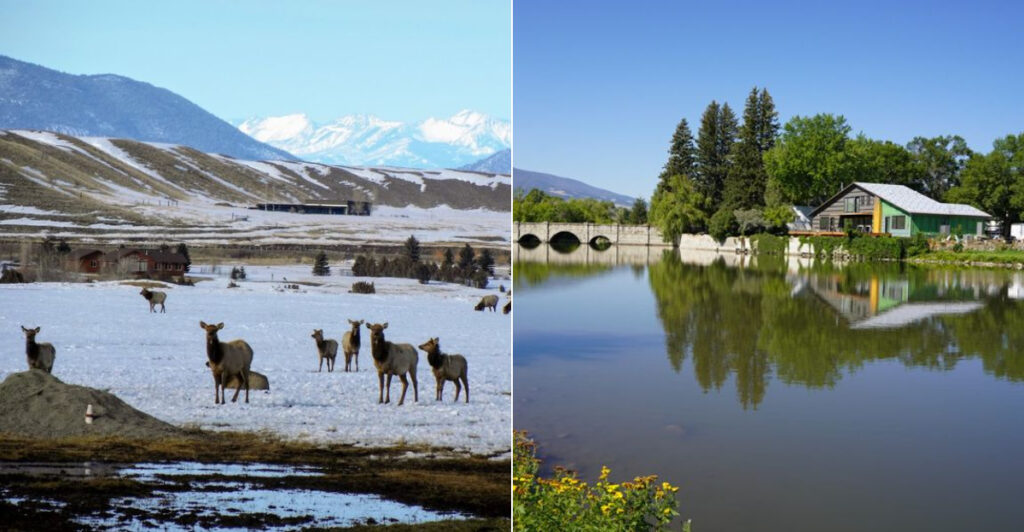
Elk sightings instead of traffic jams. Open river banks instead of packed parking lots.
Montana has a valley that makes the swap feel like the smartest decision anyone has made all year. Locals return here whenever the noise gets too loud, and it never once disappoints.
Wide skies, mountain ranges pressing in from both sides, and a river cutting straight through the middle of all of it. This is not a hidden overlook with a ten minute payoff.
This is an entire stretch of Montana that rewards every single hour spent inside it. The valley has been waiting. And the open road that leads straight into all of it is ready the moment the decision is made to go.
The Valley’s Stunning Landscape
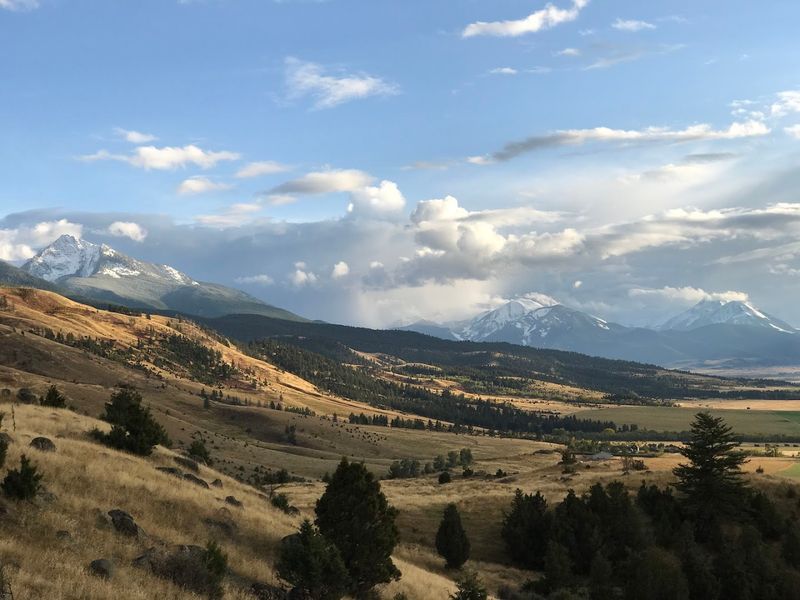
You don’t need a filter here. The view does all the work on its own.
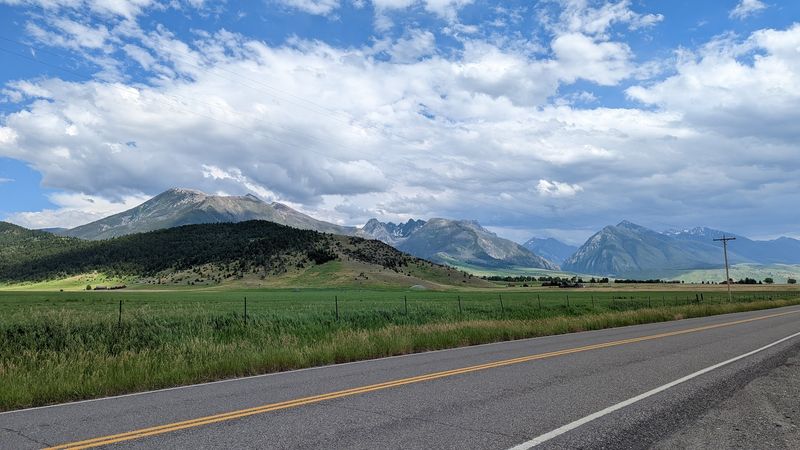
Paradise Valley sits between two mountain ranges, the Absaroka Mountains to the east and the Gallatin Range to the west.
The Yellowstone River runs right through the middle of it all, and the open grasslands spread out in every direction like a painting someone forgot to put a frame around.
Most visitors say the same thing when they first see it: they didn’t expect it to look this good in real life. One visitor put it simply, saying it’s “God’s country” and that only a handful of wild places on earth can compare.
The light here changes constantly. On a clear morning, the mountains catch the sun at angles that shift every few minutes.
By late afternoon, the golden hour turns the whole valley into something that makes even amateur photographers look like professionals.
Have you ever stood somewhere and felt like the landscape was actually watching you back? That’s what Paradise Valley does.
The valley is located in Montana 59047, running north to south between Livingston and Gardiner, and every mile of it earns its name.
East River Road Secret
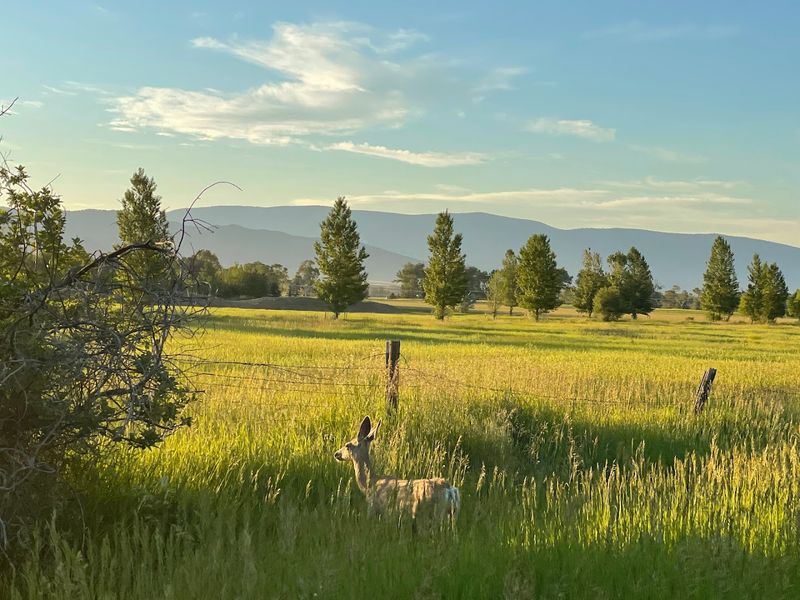
Not everyone knows about East River Road, and the locals who do aren’t exactly rushing to shout it from the rooftops. While U.S.
Highway 89 gets all the summer traffic heading to and from Yellowstone National Park, East River Road runs parallel to it on the quieter side of the Yellowstone River.
Same valley, same mountain views, far fewer cars. It’s the kind of road where you can actually pull over, roll down the window, and hear nothing but the river.
The drive is especially good in fall. The cottonwoods and junipers turn golden and rust-colored, and the tourist numbers drop off enough that you might have entire stretches of road to yourself.
Locals have been slipping away to this route for years, and it’s easy to see why.
The road passes through small communities like Pray and Emigrant, both of which feel refreshingly unhurried. No big box stores, no highway billboards, just ranch land and river views.
Could this be the most underrated scenic drive in all of Montana? It very well might be.
Pack a camera, take your time, and resist the urge to rush. East River Road rewards the patient traveler with views that Highway 89 simply can’t match.
Fly Fishing The Yellowstone
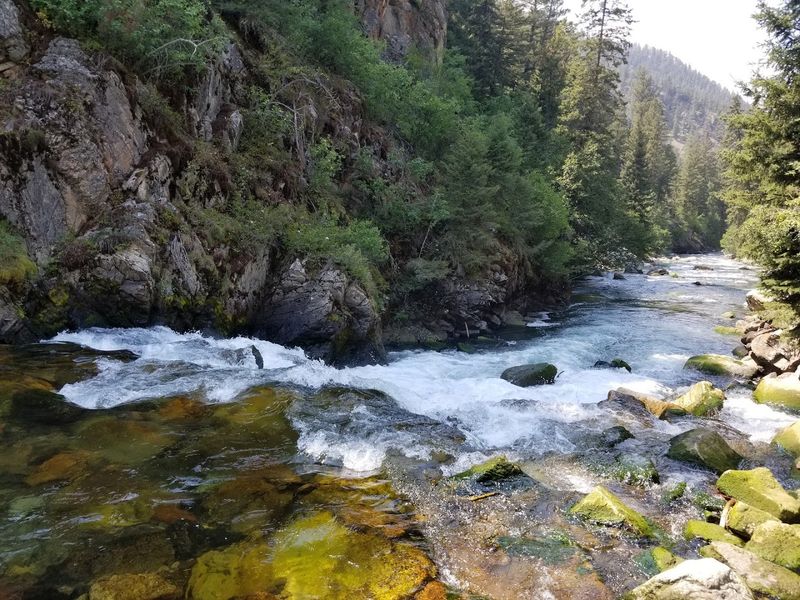
The Yellowstone River holds a title that most rivers can only dream about. It is the longest undammed river in the entire United States, and it runs straight through Paradise Valley with cold, clear water that trout absolutely love.
Fly fishing here isn’t just a hobby for people who own vests with too many pockets. It’s practically a local religion.
The river draws serious anglers from across the country who come specifically for the brown and rainbow trout that thrive in these waters. Visitors say the fishing is world-class, and that’s not an exaggeration.
The best stretches are accessible without a boat, which means you can wade in and cast without needing a guide or a lot of gear. That said, hiring a local guide is worth every penny if you want to find the spots that don’t show up on any map.
Spring and fall are the sweet spots for fishing. Summer crowds can thin out the patience of both anglers and fish, while the cooler months bring the river back to its quieter, more productive self.
Chico Hot Springs Soak
Chico Hot Springs in Pray, Montana has been warming up tired travelers since 1900, and it hasn’t lost a single degree of charm since then.
The resort sits right in the heart of Paradise Valley, and the natural hot springs feed two outdoor pools that stay open year-round.
Soaking in warm mineral water while snow dusts the Absaroka Mountains above you is the kind of experience that makes you wonder why you ever stressed about anything.
The property has a historic feel that’s hard to fake. The main lodge was built in the early 1900s, and the whole place has a worn-in comfort that newer resorts spend millions trying to replicate.
Rooms fill up fast, especially on weekends, so booking ahead is a smart move.
Beyond the pools, the resort offers horseback riding, access to nearby hiking trails, and a restaurant that locals actually drive out of their way to visit. That last part says a lot about the food quality in a region where good meals are taken seriously.
Chico is located in Pray, Montana, just off East River Road in the 59047 area. Is there a better way to end a day of hiking or fishing in this valley than soaking under an open Montana sky?
Honestly, it’s hard to think of one.
Wildlife Around Every Corner
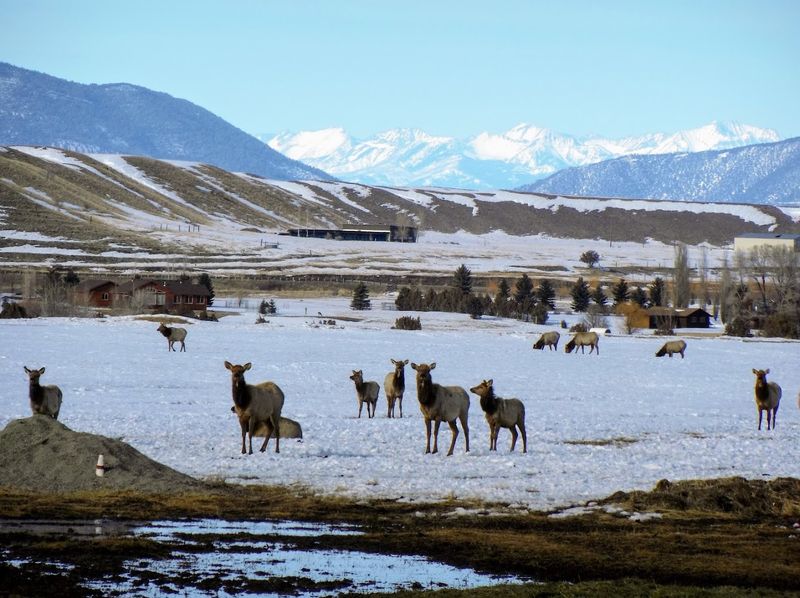
Paradise Valley doesn’t put its wildlife behind glass or in a designated viewing area. The animals here live on their own schedule, and you’re just a visitor passing through their neighborhood.
Elk are the valley’s most famous residents. Both the Northern Herd and the Paradise Valley Herd use this land as their winter range, and during the colder months, you can spot large groups moving across the open fields in the early morning.
One visitor described seeing grizzlies and elk in the same trip and said the experience left them speechless.
Bison also make appearances, especially near the southern end of the valley as it approaches Yellowstone National Park’s north entrance near Gardiner.
Deer are a common sight along the roadsides, and pronghorn antelope sometimes appear in the wider, flatter sections of the grasslands.
The key to good wildlife watching here is patience and timing. Dawn and dusk are the most active periods, and pulling off on a quiet stretch of East River Road with a pair of binoculars is often all it takes.
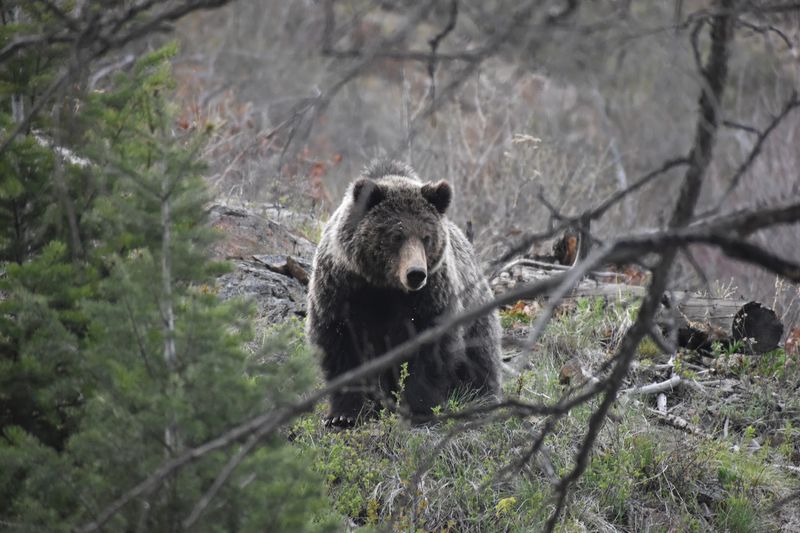
What’s it like to watch a grizzly move through an open field with nothing between you and that moment but a pair of binoculars and a very reasonable amount of respect? Montana has a way of answering that question in the most unforgettable way.
Hiking Trails Worth Exploring
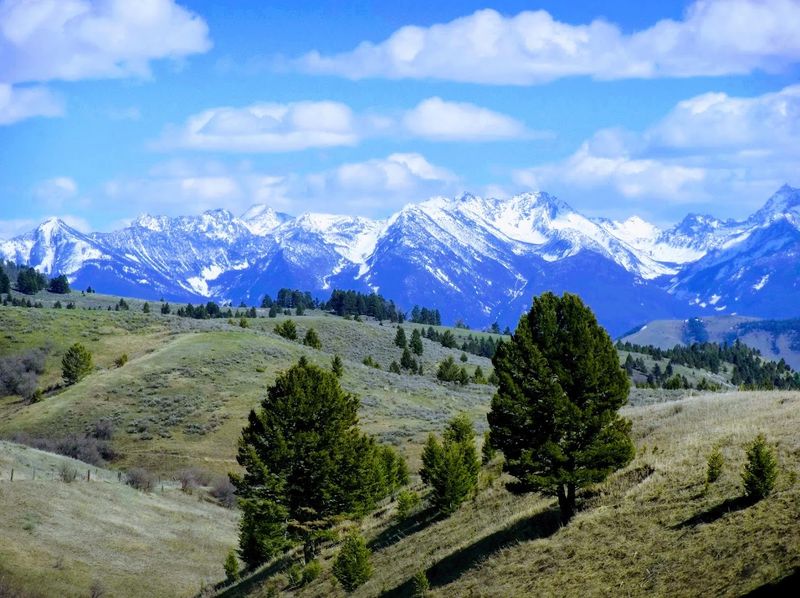
For a valley that looks peaceful from the road, Paradise Valley hides some seriously satisfying trails once you start exploring on foot.
Pine Creek Falls is the trail locals recommend most often, and it earns that reputation. The hike to the lower falls is short enough for families, while the upper falls and Pine Creek Lake push further into the Absaroka-Beartooth Wilderness for those who want a longer challenge.
The scenery gets better with every step.
Emigrant Gulch is another favorite, offering a climb that rewards hikers with sweeping views over the whole valley. On a clear day, you can see the Gallatin Range to the west and the full stretch of the valley below.
Passage Falls is a quieter option that sees fewer boots on the trail and delivers a waterfall that feels like a private discovery.
Emigrant Peak stands above the valley at over 10,000 feet and draws serious hikers looking for a full-day challenge. The trail is steep and demanding, but the panoramic views from the top are the kind that make the aching legs feel completely worth it.
Trailhead parking areas are small, so arriving early on summer weekends is a practical move. Could the best hike of your life be waiting somewhere in this Montana valley? The trails here make a very strong case for yes.
Livingston, The Valley’s Hub
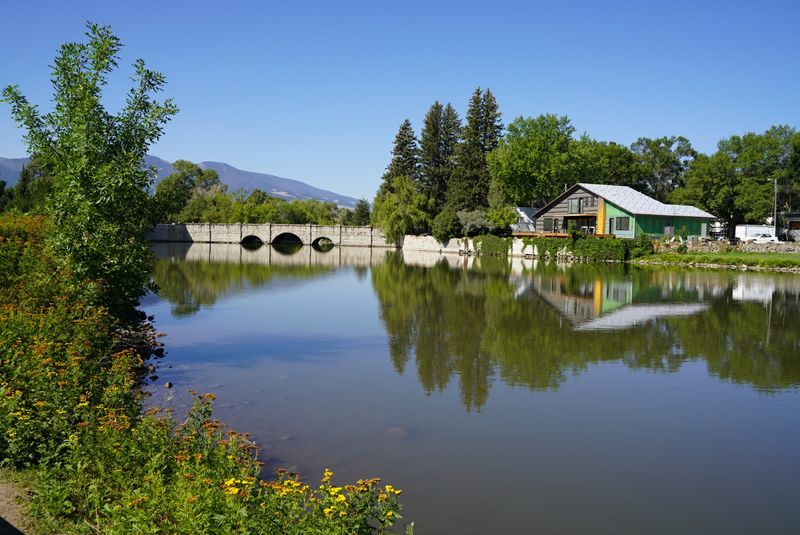
Every great valley needs a town at its gateway, and Livingston, Montana plays that role with a personality all its own.
Sitting at the north end of Paradise Valley, Livingston is the kind of town where a working ranch supply store sits next to an art gallery, and nobody finds that unusual.
The historic downtown is compact and walkable, with locally owned shops, restaurants, and galleries that reflect the mix of cowboys, artists, and musicians who have called this place home for generations.
The town has a strong creative streak. Writers, painters, and musicians have been drawn to Livingston for decades, attracted by the landscape and the unpretentious community.
That energy shows up in the quality of the local art scene and the live music that surfaces at venues around town.
Practically speaking, Livingston is the best place to stock up before heading further south into the valley. Grocery stores, gear shops, and good food are all here.
It’s also where you’ll find the most lodging options if you’re not staying at one of the valley’s smaller properties.
Park Street runs through the heart of downtown and gives you a feel for the town’s character in just a short walk. Have you ever been somewhere that felt both rugged and refined at the same time?
Livingston pulls that off without even trying.
Best Time To Visit
Timing a trip to Paradise Valley can make the difference between sharing the road with tour buses and having the whole valley practically to yourself.
Summer is the busiest season by a wide margin. Thousands of travelers pass through on their way to Yellowstone National Park, and while the valley never gets as congested as the park itself, the traffic on Highway 89 increases noticeably from June through August.
Hot springs fill up, trailhead lots overflow, and restaurant waits get longer.
Fall is when locals reclaim the valley. September and October bring cooler temperatures, the cottonwoods turn brilliant yellow along the river, and the elk rut starts drawing wildlife watchers out at dawn.
The crowds thin fast after Labor Day, and the whole valley settles into a quieter rhythm that feels like its true self.
Spring is underrated. The snow melts from the lower elevations by April, wildflowers start appearing in May, and the Yellowstone River runs high and fast from snowmelt, which makes for dramatic scenery.
Visitor numbers are lower than summer, and the valley has a fresh, just-waking-up energy that’s hard to find in peak season.
Winter brings snowshoeing, cross-country skiing, and a stillness that turns the valley into something almost otherworldly. What season fits your style?
Paradise Valley, Montana 59047 has a version of itself ready for every kind of traveler.