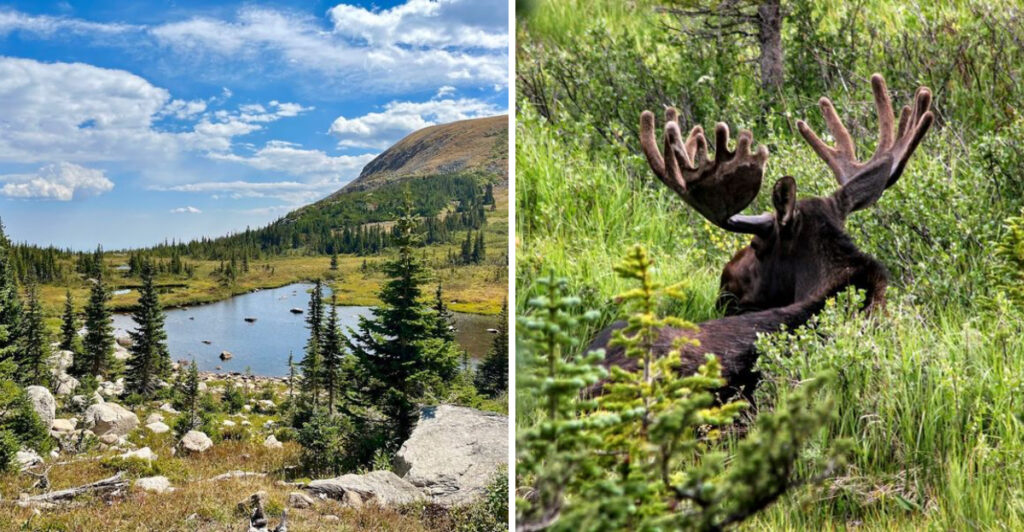
One mile of trail. Views that feel like they belong on a two-day backcountry expedition.
Colorado has been quietly keeping this alpine lake under wraps, tucked inside a wilderness area where the Indian Peaks rise sharply above still water and moose show up often enough to feel like part of the welcome committee.
Wildflowers in July turn the meadows into something almost unrealistic. Fall colors that layer deep greens against warm golds in a way that stops hikers mid-step.
A trail that families finish comfortably, and photographers never want to leave.
Colorado rewards the curious traveler, and this particular corner of the Rockies delivers a view so disproportionate to the effort required that first-timers genuinely cannot believe what they are looking at.
A Lake That Earns Its Reputation
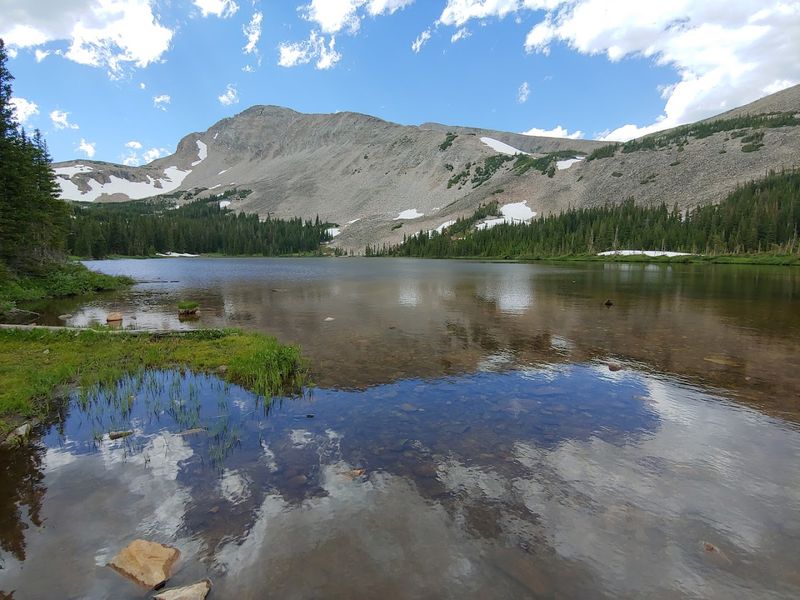
Some places live up to the hype, and Mitchell Lake is one of them. Sitting inside the Indian Peaks Wilderness near Ward, Colorado, this alpine lake sits at roughly 10,700 feet above sea level and offers views that feel almost cinematic.
The lake is framed by dense subalpine forest on one side and open rocky slopes on the other, giving it a dramatic, varied look that changes depending on where you stand.
On calm mornings, the water mirrors the peaks above so clearly that it is hard to tell where the mountain ends and the reflection begins.
What makes it especially appealing is how accessible it is. The hike from the Mitchell Lake Trailhead on Forest Rd 1122C, Ward, CO 80481 is roughly one mile each way, with a modest elevation gain that most visitors handle without much difficulty.
The reward at the end of that short trail is a view that feels completely out of proportion to the effort it took to get there.
The Trail That Welcomes Everyone
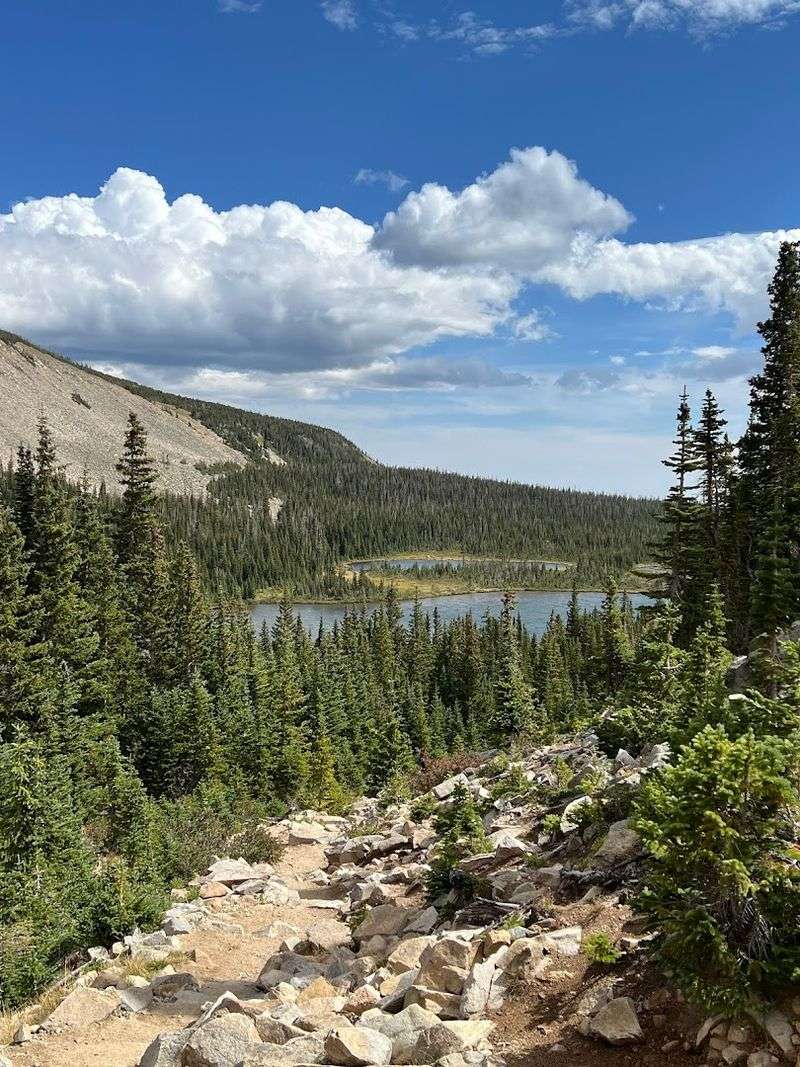
Not every stunning Colorado trail requires an early retirement and a knee replacement to complete. The path to Mitchell Lake is genuinely beginner-friendly, making it one of the more welcoming hikes in the entire Brainard Lake Recreation Area.
The trail runs through shaded forest for much of its length, offering natural cover on warmer days. It is well-marked, and signage along the route keeps hikers oriented without much guesswork involved.
That said, the trail does have its quirks. Sections can be muddy, especially earlier in the season when snowmelt is still working its way through the soil.
Rocks and exposed roots show up regularly underfoot, so sturdy footwear is a smart choice even for a short outing.
Dogs are welcome on the trail as long as they are kept on a leash. Families with younger kids tend to do well here, and the one-mile distance means even less experienced hikers can finish without feeling completely worn out by the time they reach the lake.
What The Scenery Actually Looks Like
Words like “stunning” get overused in travel writing, but the scenery around Mitchell Lake genuinely earns the description.
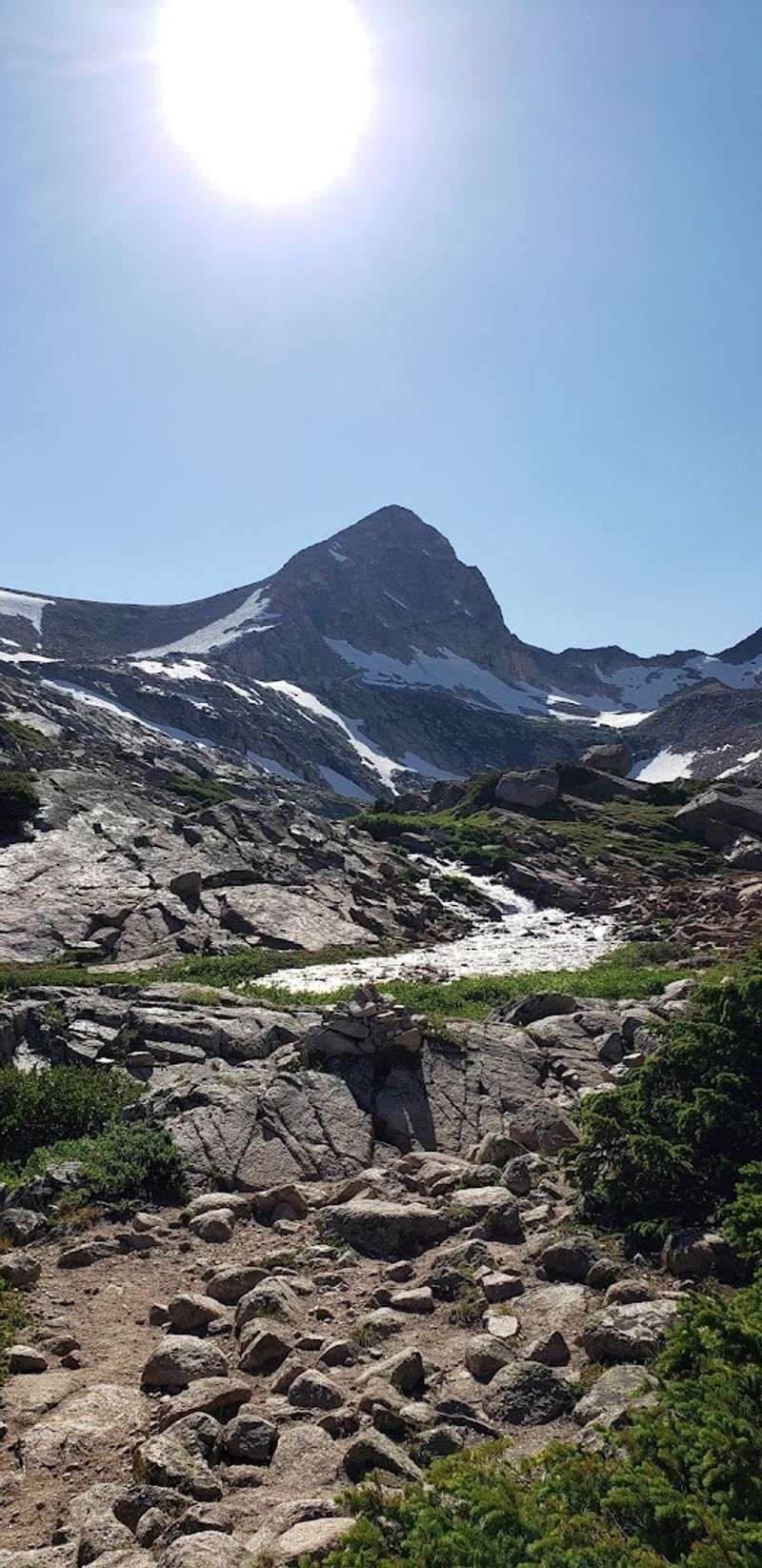
The Indian Peaks rise sharply above the lake, with Mount Audubon visible from multiple points along the trail and providing a strong focal point for the entire landscape.
The surrounding meadows shift dramatically depending on the season. In July and early August, lupine, Indian paintbrush, and columbine fill the open areas with deep purples, reds, and blues.
The combination of wildflowers at eye level and snow-capped peaks in the background creates a visual contrast that stops most visitors in their tracks.
In fall, the palette shifts entirely. The fir trees hold their deep green-blue tones while the surrounding foliage turns to warm reds and golds, creating a completely different but equally impressive look.
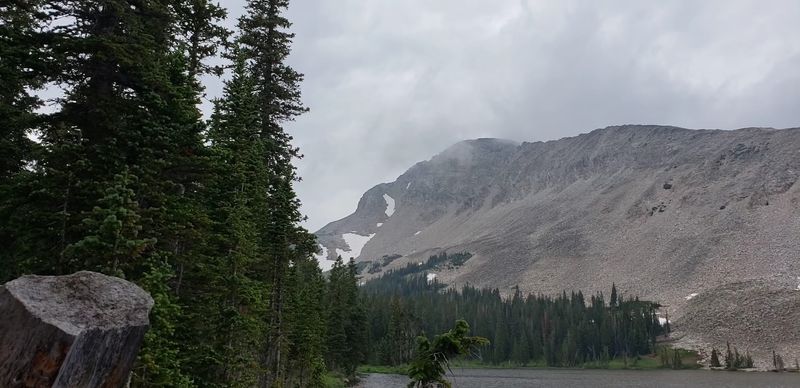
Even on overcast or foggy days, the landscape holds its own.
The muted light softens the rocky ridgelines and gives the whole area a moody, almost otherworldly quality that photographs surprisingly well.
Wildlife That Keeps Showing Up
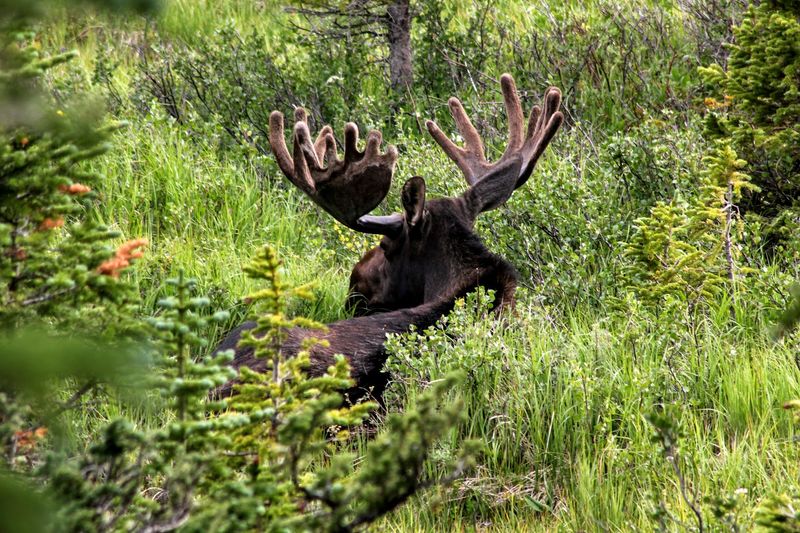
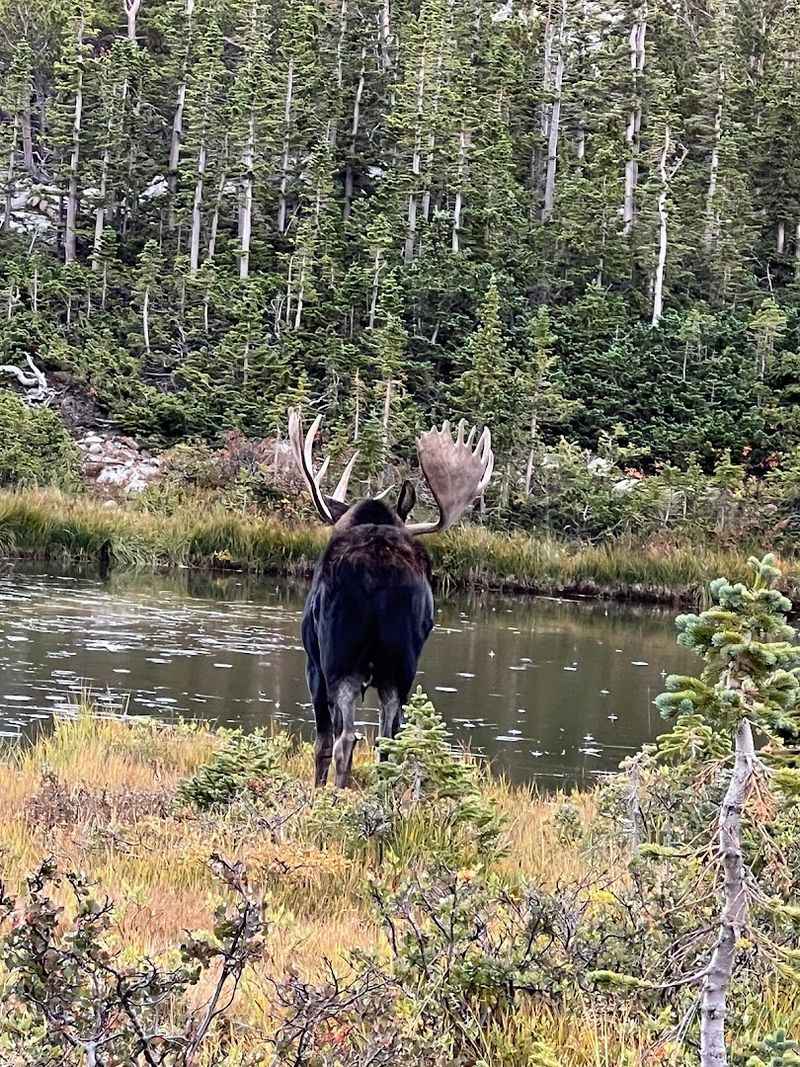
Moose sightings at Mitchell Lake are not a rare stroke of luck. They are practically a regular feature of the experience.
Multiple visitors have reported seeing moose at the lake itself and in the marshy areas along the trail, sometimes in small groups that include bulls, cows, and calves.
Beyond moose, the area is home to marmots and pikas, both of which tend to pop up on the rockier sections of the trail. Marmots are particularly bold and will often sit out in the open without much concern for passing hikers, making them easy to spot.
Deer also appear with some regularity, and the mix of forest, meadow, and water creates habitat that supports a wide range of species throughout the warmer months.
Wildlife activity tends to be highest in the early morning and late afternoon, so timing a visit around those windows increases the chances of a memorable encounter. Keeping noise low and moving at a steady, calm pace helps considerably when wildlife is nearby.
The Brainard Lake Recreation Area Connection
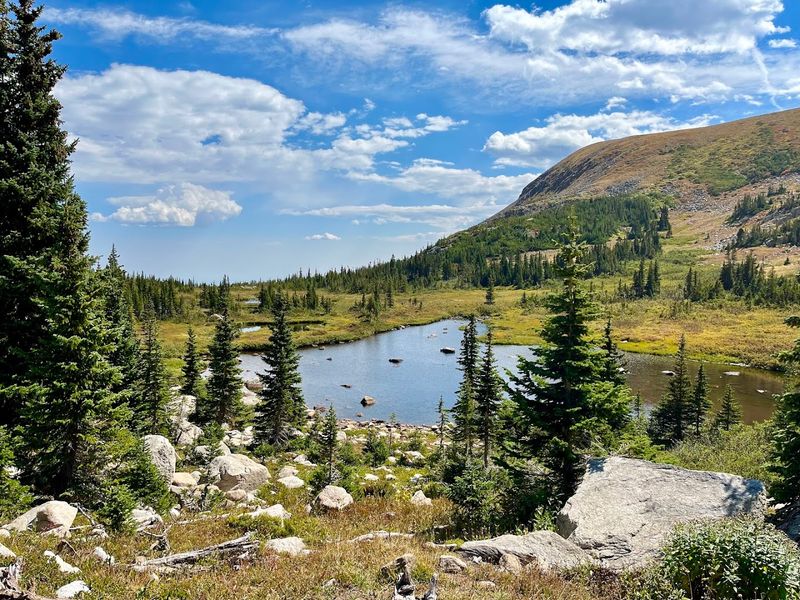
Mitchell Lake does not exist in isolation. It sits within the Brainard Lake Recreation Area, a broader network of trails, lakes, and alpine terrain that draws visitors from across Colorado and beyond.
The recreation area is managed by the U.S. Forest Service and requires an entrance fee during the main visitor season.
It also operates a timed entry reservation system from late June through early September, a policy put in place specifically because demand for access regularly outpaces the available parking and trail capacity.
The system is worth understanding before showing up.
Reservations can be made in advance through recreation.gov, and having a screenshot of the QR code saved to a phone before leaving home is a smart move since cell service in the area is unreliable at best.
The recreation area also connects to other trails and destinations, including Lake Isabelle and the Jean Lunning Trail, meaning visitors who want to extend their day have plenty of options without needing to move the car.
Planning Around the Crowds
The title of this article calls Mitchell Lake a lake almost nobody has heard of, but that framing needs a small asterisk.
The Mitchell Lake Trailhead is one of the busiest access points on the Boulder Ranger District, and on summer weekends, the parking situation can become genuinely competitive.
Arriving early is not just a casual recommendation. Parking spots at the trailhead have been known to disappear before 7 a.m. on busy Saturday mornings.
Visitors who arrive later may find themselves directed to overflow parking areas further down the road, adding meaningful distance to what would otherwise be a short outing.
Weekday visits tend to be noticeably quieter, and early morning arrivals on any day of the week dramatically improve the parking experience. Crowds on the trail itself can be substantial during peak summer hours, particularly around midday.
For anyone who prefers a more solitary experience, shoulder season visits in late September or early October offer much thinner crowds, though the road and recreation area close entirely by late October.
Going Further to Blue Lake
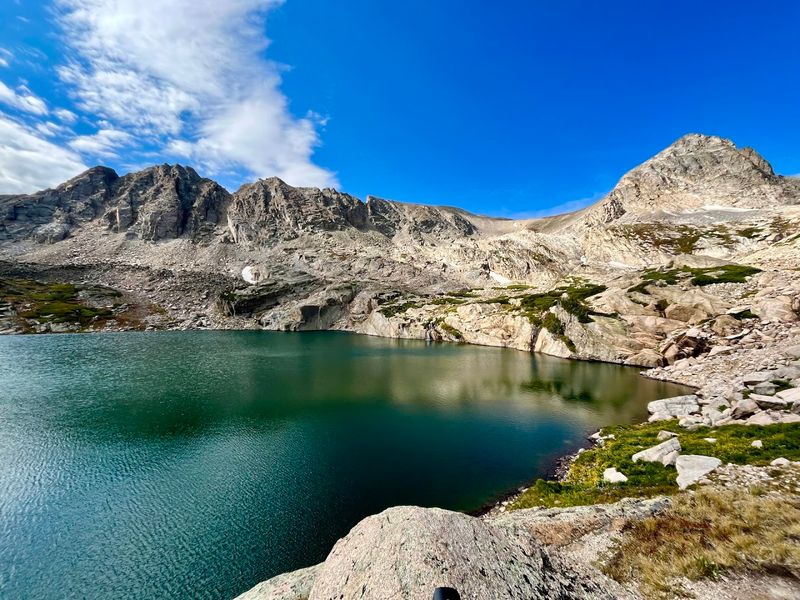
Mitchell Lake is the headline, but the trail does not stop there.
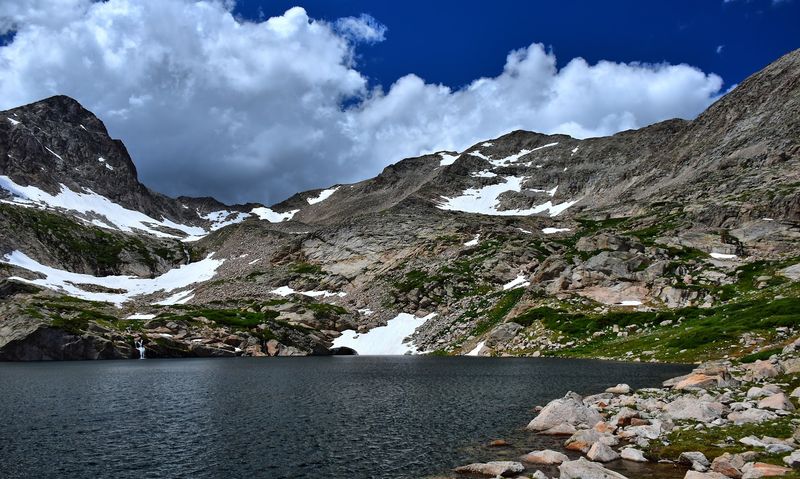
For hikers looking to push further, the route continues past Mitchell Lake through increasingly dramatic alpine terrain before arriving at Blue Lake.
The full hike to Blue Lake and back covers approximately six miles round trip, with around 800 feet of elevation gain from the trailhead. The terrain becomes noticeably more technical in the upper sections, with rocky stretches and a boulder field that require more careful footing than the lower trail.
The payoff is considerable.
Blue Lake sits in a natural bowl surrounded by towering cliffs, and in mid-summer, waterfalls drop directly into the lake from the rock faces above. The setting is dramatic in a way that few hikes in Colorado manage to deliver so efficiently.
Hikers should carry enough water, snacks, and layers for the full distance, since conditions at higher elevation can shift quickly and the extra miles add up faster than expected.
The Best Time of Year to Visit
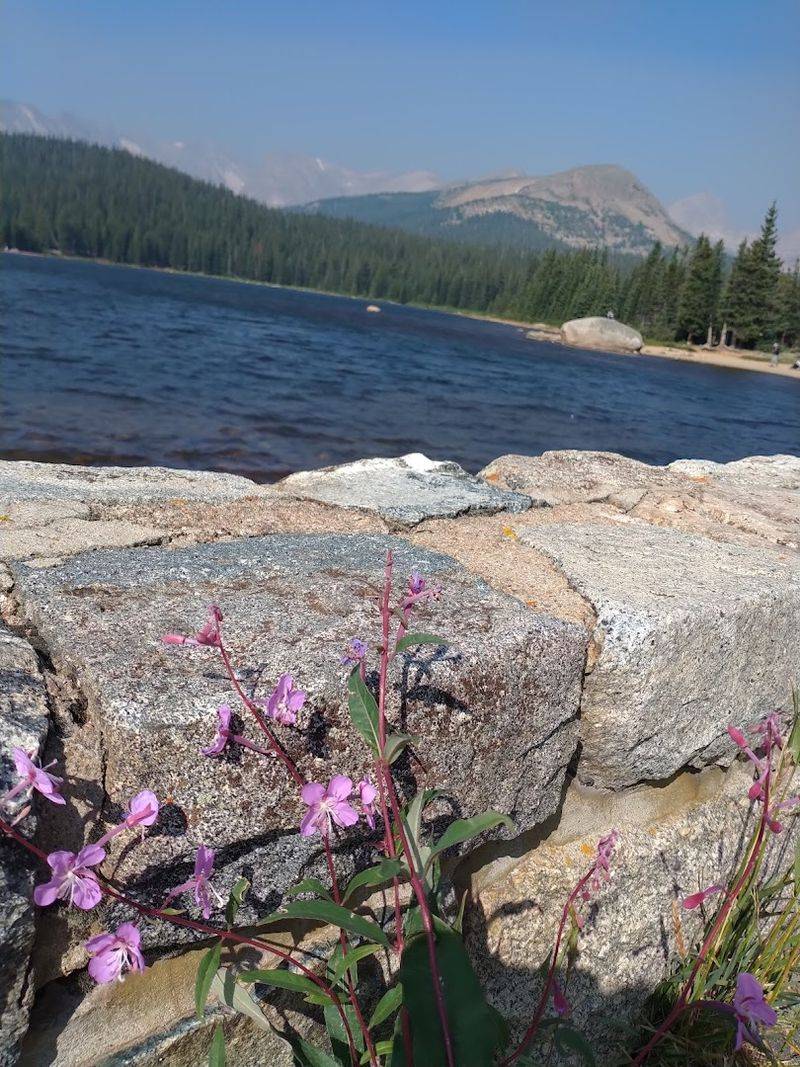
Timing a visit to Mitchell Lake makes a real difference in what the experience looks like. The Brainard Lake Road and recreation area are typically closed from late October through mid-June, which means the accessible season is concentrated into a roughly four-month window.
July and early August represent the peak of the wildflower season, when the meadows around the lake are at their most colorful and the snowpack has mostly cleared from the lower trail.
This window also coincides with the highest visitor numbers, so the trade-off between scenery and solitude is a real one.
Late August and September offer a slightly quieter experience with still-impressive scenery. Temperatures begin to drop, the crowds thin out, and the changing foliage adds a warm, golden quality to the landscape that summer visits do not provide.
Off-season visits are possible but require a much longer hike, since the road is gated and the trailhead becomes significantly harder to reach. That said, the extra effort tends to come with a near-complete absence of other people.
What to Bring and How to Prepare
Short hikes can still catch people off guard at high altitude, and Mitchell Lake sits above 10,000 feet before the trail even begins. Preparing appropriately makes the difference between a smooth outing and an uncomfortable one.
Layers are essential, even in summer. Afternoon thunderstorms are common in Colorado’s mountains, and temperatures can drop quickly when clouds move in.
A light waterproof jacket takes up almost no space and solves a lot of potential problems.
Water is another non-negotiable. The elevation and dry mountain air speed up dehydration faster than most people expect, and there are no facilities on the trail beyond the trailhead itself.
Carrying more than seems necessary is almost always the right call.
Sunscreen matters more than it does at lower elevations. The thinner atmosphere at altitude means UV exposure increases significantly, and even a short hike on a clear day can result in a surprising amount of sun damage without protection.
Restrooms are available at the Mitchell Lake Trailhead, and picnic tables are on-site for pre or post-hike breaks.
Fall Colors and the Quieter Season
Summer gets most of the attention at Mitchell Lake, but fall has a quiet, compelling case of its own. As the season shifts in late September, the landscape around the lake transforms into something that feels almost deliberately composed for a photograph.
The fir trees keep their signature blue-green color year-round, which creates a striking visual contrast against the reds, oranges, and golds that take over the surrounding foliage.
The combination gives the area a layered, richly textured look that is quite different from the bright summer palette.
Visitor numbers drop considerably after Labor Day, and by late September the trails feel noticeably emptier.
The cooler temperatures make hiking more comfortable for many people, and the lower sun angle in autumn casts a softer, warmer light across the landscape throughout the day.
Wildlife activity also tends to increase in fall as animals prepare for the coming winter, making moose and deer sightings arguably more frequent than during the busy summer months when trail traffic keeps animals at a greater distance.
Why This Colorado Lake Stays With You
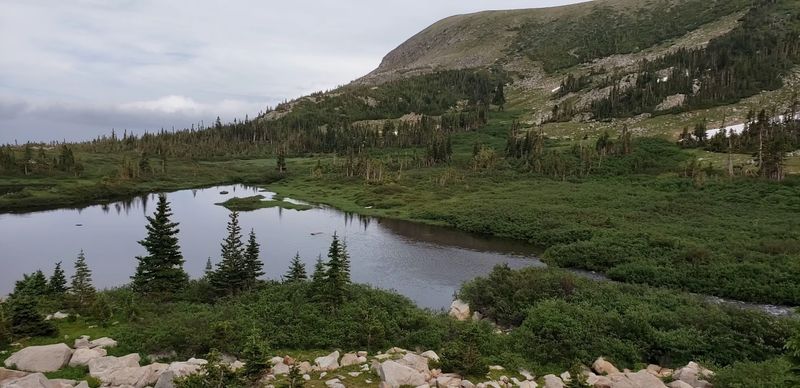
Colorado has hundreds of alpine lakes, and plenty of them are worth visiting. But Mitchell Lake has a specific combination of qualities that tends to linger in the memory longer than a lot of other destinations in the state.
Part of it is the ease of access.
The fact that a one-mile walk leads to a view of that scale feels almost like a trick, like the landscape is offering more than it should for the effort involved. It creates a sense of pleasant surprise that more demanding hikes rarely produce.
Part of it is the wildlife. Seeing a moose standing in or near an alpine lake with the Indian Peaks as a backdrop is the kind of moment that does not translate well into words or even photographs.
It simply has to be experienced in person to register properly.
And part of it is the setting itself. The Indian Peaks Wilderness in Colorado is a place where the scale of the mountains makes everything else feel very small, and Mitchell Lake sits right at the heart of that feeling.