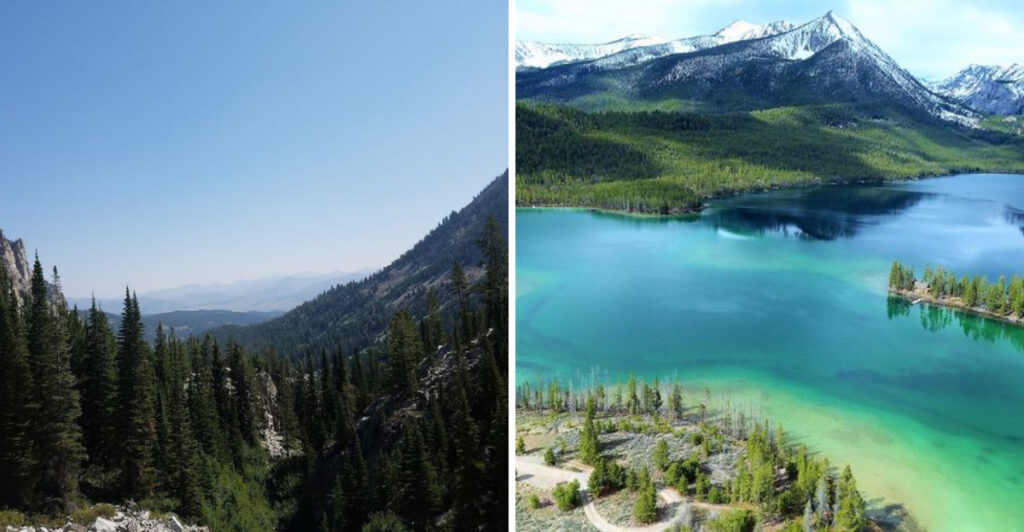
You will take the photo, stare at your screen, and immediately wonder if someone photoshopped the color. They did not.
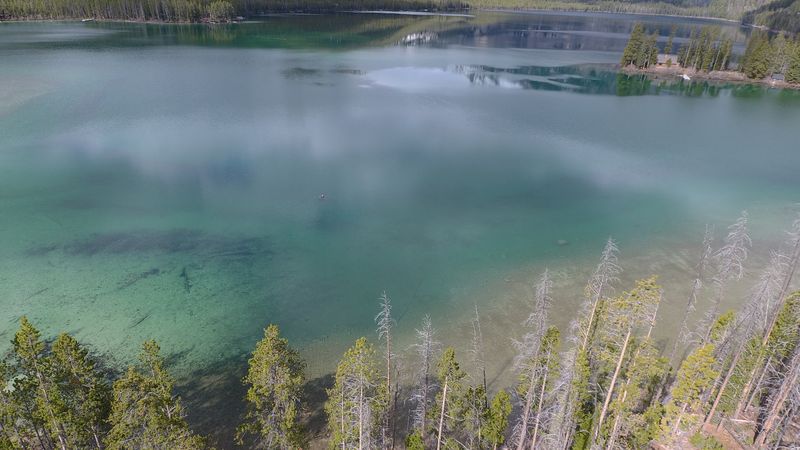
Idaho has a lake where the water is genuinely, unapologetically that blue. Clear enough to see the rocky bottom from a kayak.
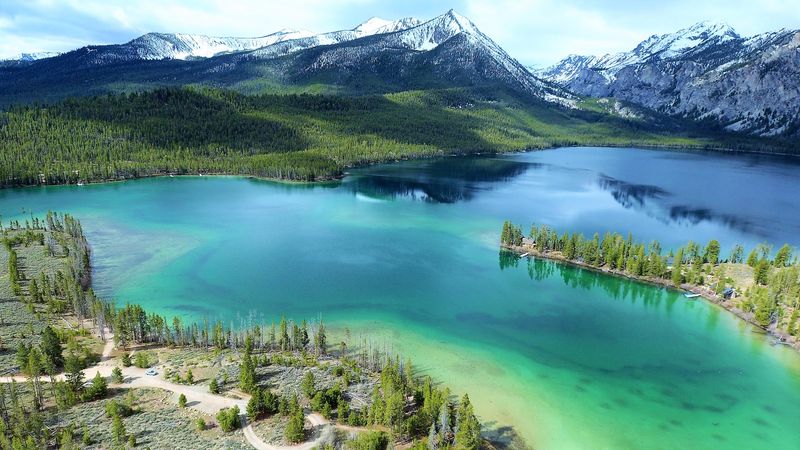
Blue that shifts from pale aquamarine at the sandy shore to deep cobalt toward the center of the lake. Surrounded by jagged granite peaks that double in the mirror surface every calm morning.
Finding it takes a short drive down a washboard gravel road into a protected Idaho wilderness area, which is exactly the kind of obstacle that keeps it feeling like a secret worth keeping. Add it to the list.
A Lake That Makes You Question Reality
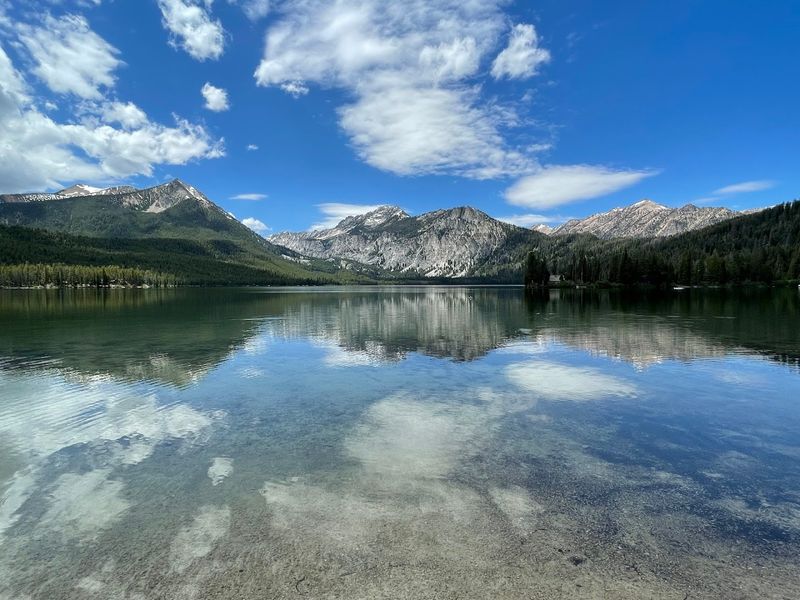
Blue water this vivid feels like a trick. Pettit Lake sits in Idaho’s Sawtooth Valley, and its color is the kind that makes people pull out their phones before they even park the car.
The clarity is not a seasonal fluke or a lucky camera angle. The water stays remarkably transparent year-round, allowing visitors to see straight to the rocky bottom even at surprising depths.
What causes it? The lake draws from snowmelt filtering through the Sawtooth Mountains, which strips out sediment and leaves behind water that reads almost surreal to the naked eye.
That blue is not one shade either. It shifts from pale aquamarine near the sandy beach to a deep cobalt toward the center, and the change happens gradually, like a gradient someone applied very carefully.
This is the kind of place that ruins other lakes for you. Once you see Pettit, average lake water just looks cloudy by comparison.
Where Exactly This Lake Hides
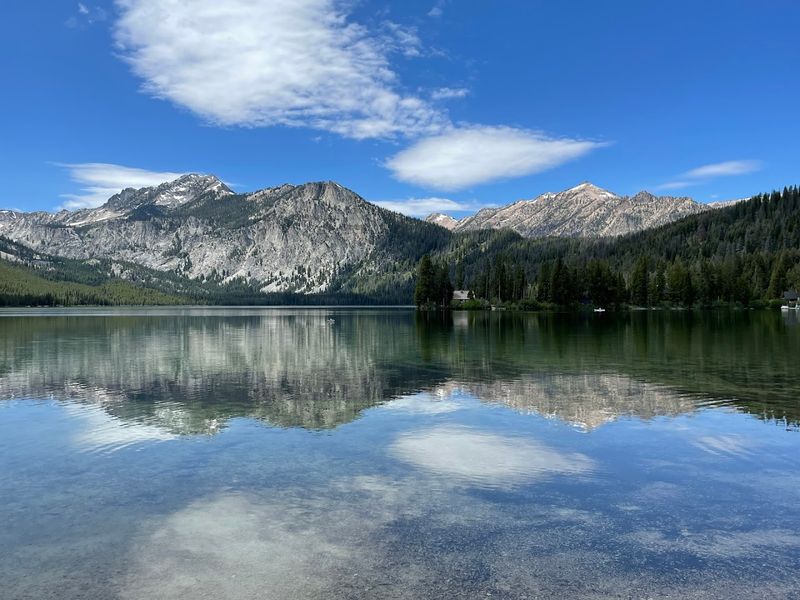
Finding Pettit Lake requires a short commitment to a gravel washboard road, and that mild inconvenience is honestly part of the charm. The effort filters out casual visitors and keeps the atmosphere calm.
The lake is located in Blaine County, Idaho, within the Sawtooth National Recreation Area. It sits roughly 16 miles south of Stanley and between 30 to 45 miles northwest of Ketchum, accessed via Forest Rd 361, Idaho 83340.
The road is generally passable for standard vehicles, though it can get dusty in dry summer months and bumpy in ways that test your patience at speed.
Once the tree line opens up and the lake appears, that mild frustration evaporates instantly. The payoff is immediate and dramatic.
GPS coordinates place the lake at approximately 43.98 degrees north latitude, deep inside one of Idaho’s most protected natural areas. The remoteness is a feature, not a bug, and the surrounding forest amplifies the sense of arrival.
Morning Light And The Art Of Doing Nothing
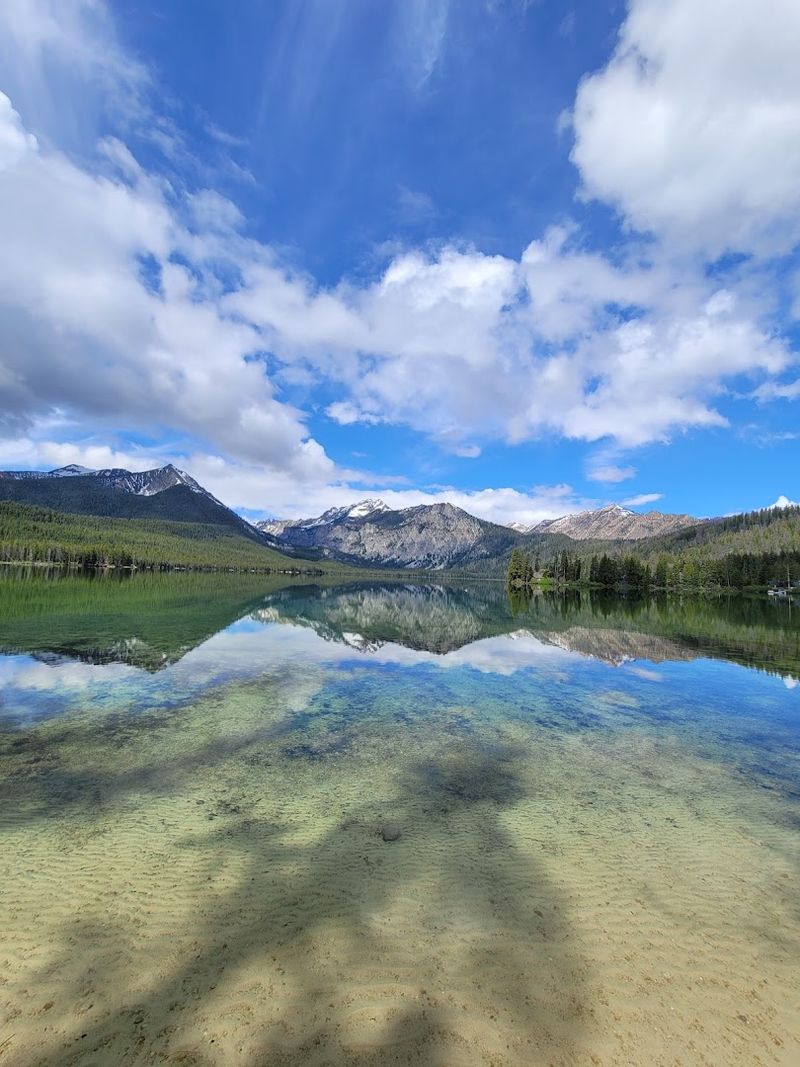
Sunrise at Pettit Lake is the kind of experience that photography tutorials dream about. The water turns completely still in the early morning hours, creating a mirror surface that doubles the mountain peaks above it.
Photographers regularly arrive before dawn to set up wide-angle shots or panoramas, because a standard phone frame simply cannot capture how large and layered the scene actually is.
The light shifts quickly after sunrise, moving from soft pink and gold tones to a sharper midday blue that makes the water look even more electric.
For visitors who are not photographers, early morning is still the best time to simply sit on the shore and experience the lake at its quietest. No boats, no splashing, no noise beyond birds and wind in the pines.
Idaho mornings at elevation have a specific quality of cool, clean air that pairs perfectly with a view like this. It is worth setting the alarm.
The Sandy Beach That Actually Delivers
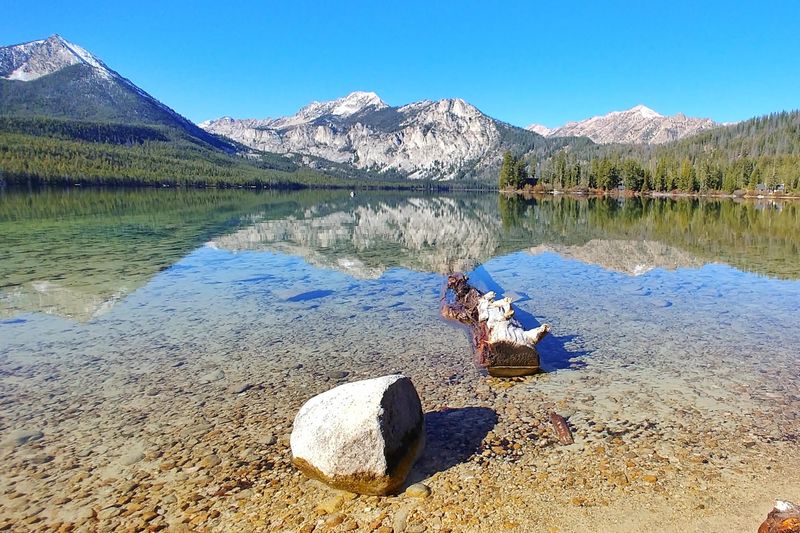
Not every mountain lake has a decent beach, but Pettit Lake comes equipped with a sandy shore that makes the whole experience feel more accessible and comfortable for families and casual visitors alike.
The beach area sits within the official Day Use section of the lake and provides a natural launching point for swimmers, sunbathers, and anyone who simply wants to wade in and confirm that yes, the water really is that clear.
Swimming here feels different from a typical lake swim. The water is cold, as expected from snowmelt-fed alpine lakes, but the visibility adds something unusual.
Looking down through the water while floating is genuinely striking.
Children tend to love the shallow entry near the sandy section, where the bottom stays visible and the calm surface makes the experience feel safe and relaxed.
The beach does not get rowdy. The overall vibe leans peaceful rather than party-oriented, which suits the setting perfectly and keeps the natural atmosphere intact.
Paddling Through Something That Feels Unreal
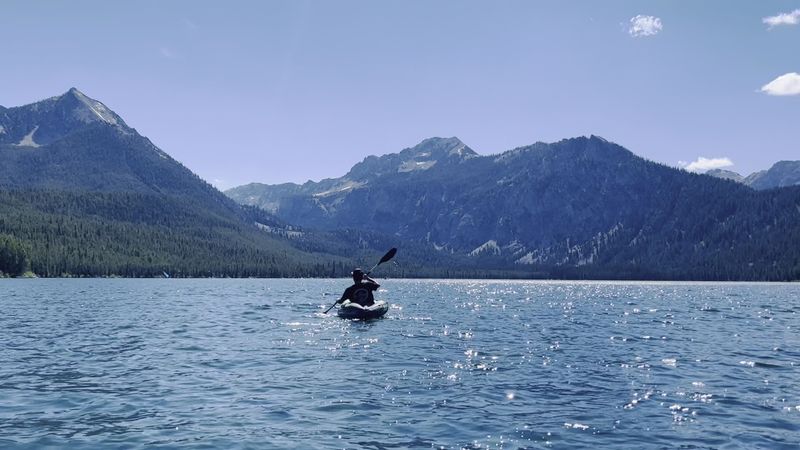
Kayaking on Pettit Lake is one of those activities that sounds good on paper but exceeds expectations completely once you are actually on the water. The clarity changes everything about the paddling experience.
Looking straight down from a kayak reveals the rocky and sandy bottom below, even in sections that feel deep. The water is so transparent that paddling feels almost like floating on glass rather than liquid.
Canoeing is equally popular here, and both options give visitors a chance to move quietly across the surface without disturbing the stillness that makes Pettit Lake so distinctive.
Motorized watercraft activity on the lake is limited, which helps keep the water calm and the noise level low, though checking current Sawtooth National Recreation Area regulations before your visit is always a practical step.
Drifting from the beach toward the center of the lake with the Sawtooth Mountains rising ahead is the kind of moment that Idaho outdoor enthusiasts describe long after the trip ends.
Fishing With A View That Distracts You From Fishing
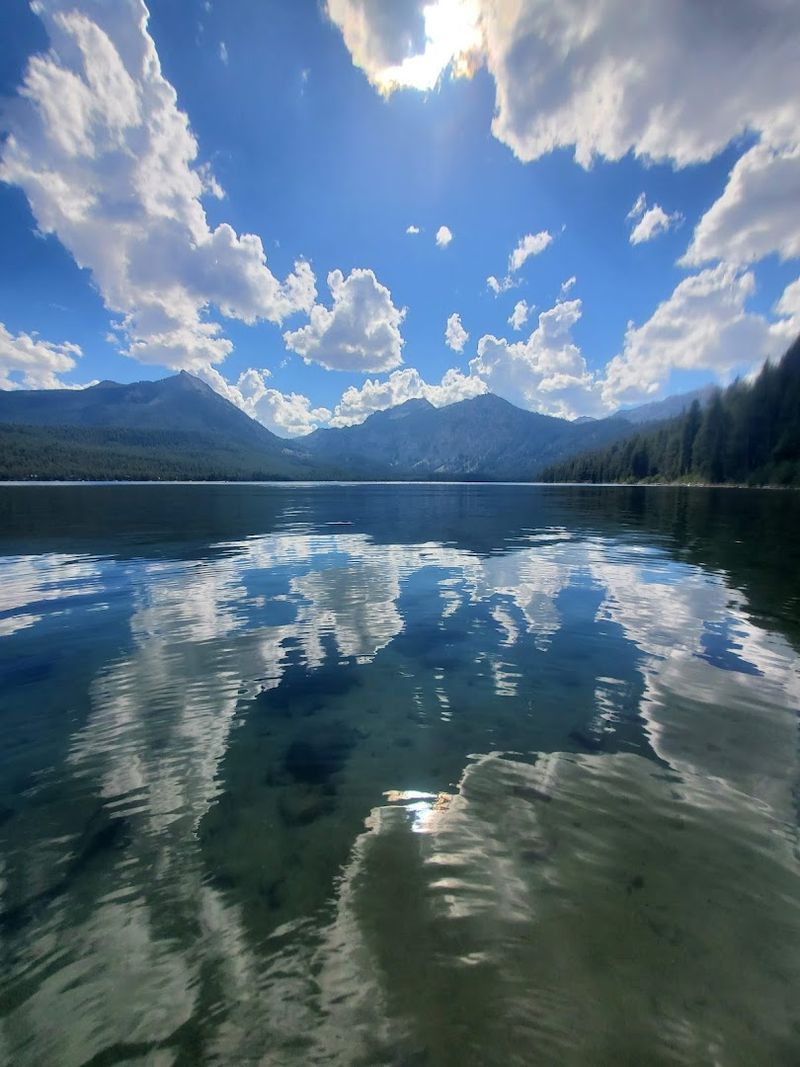
Anglers who visit Pettit Lake often admit that the scenery makes it genuinely hard to focus on the task at hand. The mountain backdrop is that distracting.
The lake supports fishing activity, and the clear water creates an interesting dynamic where fish are sometimes visible from the shore or from a boat, making the experience feel more interactive than a typical blind-cast situation.
The Sawtooth National Recreation Area has specific fishing regulations that apply to waters within its boundaries, so checking current Idaho Fish and Game guidelines before casting is always a practical step.
Early morning and late afternoon tend to be the most productive windows, both for fishing results and for the quality of light falling across the water and mountains.
Even on a slow fishing day, sitting at the edge of Pettit Lake with a line in the water and nothing but forest and peaks in every direction qualifies as a genuinely good use of time in Idaho.
The Mountains That Frame Everything
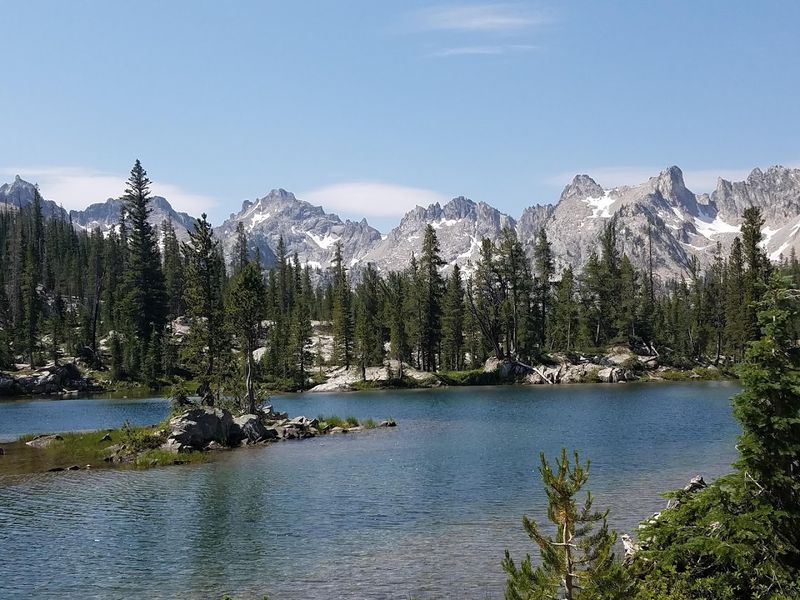
The Sawtooth Mountains do not ease into the landscape gradually. They rise sharply and dramatically behind Pettit Lake in a way that feels almost theatrical, with jagged granite peaks cutting into the sky above the treeline.
This mountain backdrop is a core part of what makes the lake so visually striking. The water color alone would be impressive, but paired with those peaks, the scene becomes something genuinely hard to describe without resorting to overstatement.
On calm days, the mountains reflect clearly in the lake surface, creating a symmetrical image that explains why photographers travel specifically to this location from across Idaho and beyond.
The range is part of the larger Sawtooth Wilderness, which protects the landscape surrounding the lake from development and ensures the views stay intact for future visitors.
Standing at the shore and looking toward those peaks, it becomes clear why the Sawtooth National Recreation Area carries the reputation it does. The mountains are the punctuation mark on every sentence this lake tries to say.
What The Day Use Area Actually Offers
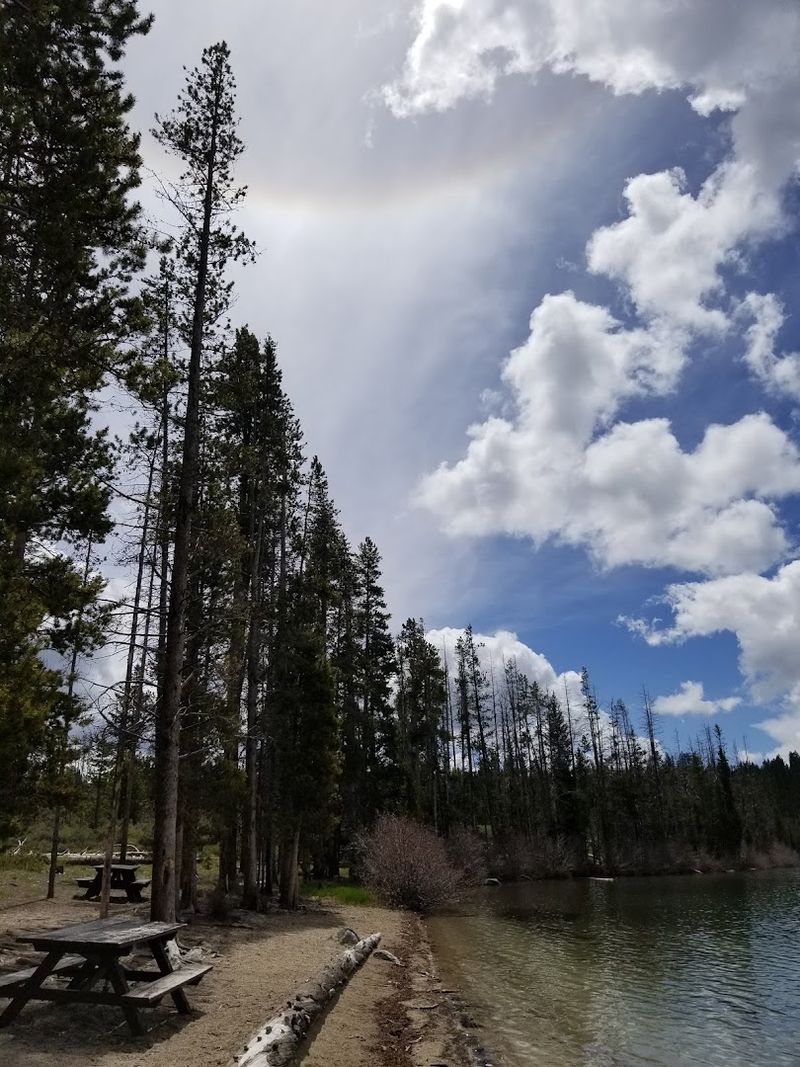
The Day Use area at Pettit Lake is where most visitors anchor their experience, and it is well-suited to a full day of outdoor activity without requiring any camping gear or advanced planning.
The area includes access to the beach, views across the open water, and space to spread out and take in the surroundings at a comfortable pace. A small fee may apply for day use access, which is worth factoring into trip planning.
The setup is simple and functional rather than heavily developed, which keeps the natural character of the lake intact. There are no loud amenities or commercial distractions pulling attention away from the scenery.
Picnic-style visits work well here, with the forest providing shade and the lake providing the entertainment. It is the kind of place where an afternoon disappears without anyone noticing.
Families, solo visitors, and small groups all find the Day Use area accommodating. The scale of the space feels right for the setting and never tips into overcrowded territory on most visits.
Hiking The Surrounding Trails
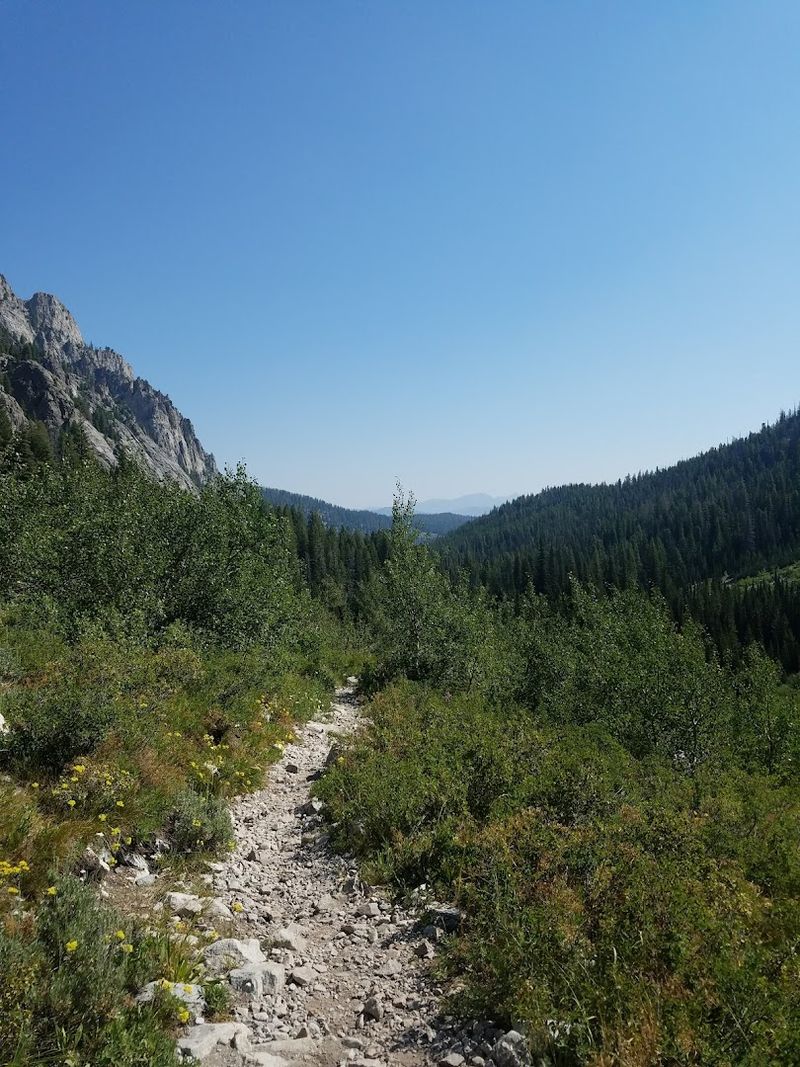
The lake itself is the headline act, but the trails branching out from the Pettit Lake area offer a strong supporting program for visitors who want to stretch their legs beyond the shoreline.
The Sawtooth National Recreation Area surrounds the lake with a network of routes ranging from short, easy walks through pine forest to longer backcountry options that gain elevation and reward hikers with expanded views of the valley below.
The Alice Lake trailhead, accessible from the Pettit Lake area, is a popular starting point for multi-day backpacking trips deeper into the Sawtooth Wilderness. Day hikers can follow portions of this trail for impressive scenery without committing to an overnight trip.
The forest terrain shifts as elevation increases, moving from dense pine stands to open rocky sections where Idaho’s mountain landscape opens up dramatically in every direction.
Trail conditions can vary significantly by season, so checking current reports before heading out is a practical habit. Snow can persist into early summer at higher elevations.
Wildlife And The Quiet Surprises Of The Forest
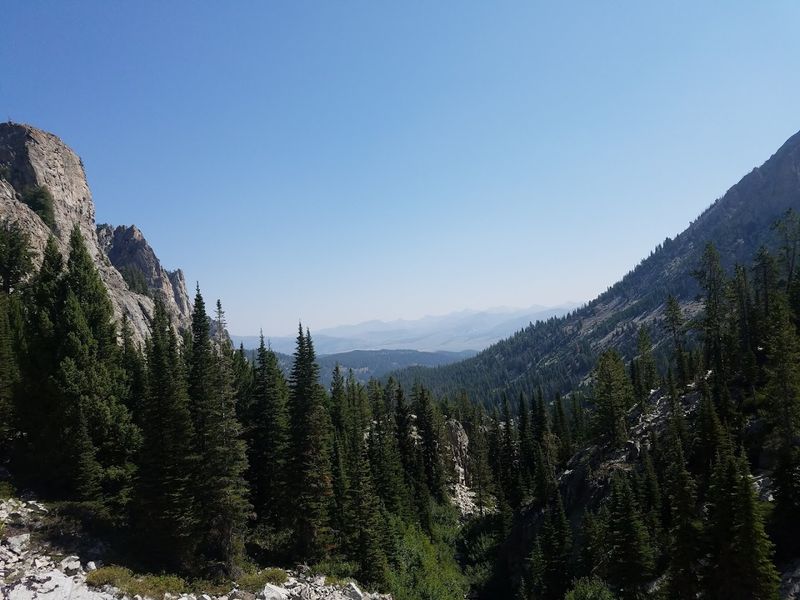
Pettit Lake does not advertise its wildlife, but the animals show up anyway. The forest surrounding the lake is active habitat for a range of species that share the Sawtooth Valley with human visitors.
Mule deer are common sightings near the tree line, especially in the early morning and evening hours when they move more freely. Osprey and other birds of prey are frequently spotted working the lake surface for fish.
The birdlife in the area rewards patient observers. The combination of lake, forest, and open mountain terrain creates a layered environment that supports a wider variety of species than a single habitat type would.
Black bears are present in the broader Sawtooth area, and standard backcountry food storage practices apply here as they do throughout Idaho wilderness zones.
Wildlife sightings at Pettit Lake tend to feel organic rather than scripted. The animals are not performing for cameras.
They are simply going about their routines in a landscape that has not been significantly altered from its natural state.
Best Times To Visit And What To Expect
Timing a visit to Pettit Lake well makes a noticeable difference in the overall experience.
The lake is accessible and at its most vibrant during the summer months, roughly from late June through early September, when the access road is clear and the water is ready for swimming and paddling.
July and August bring the most reliable weather and the highest visitor numbers, though the lake rarely feels overwhelmed. The scale of the surrounding landscape absorbs crowds effectively.
Spring visits are possible but may involve lingering snow at higher elevations and a muddier access road. Fall brings cooler temperatures and a shift in the forest color that adds a different visual dimension to the scenery.
Winter closes off practical access for most visitors, as the road conditions become unsuitable and the lake freezes over.
Whatever season draws a visit, arriving early in the day consistently improves the experience. Calm water, softer light, and fewer people are reliable rewards for an early start at this Idaho destination.
Why This Lake Stays With You Long After You Leave
Some places are impressive in the moment but fade quickly in memory. Pettit Lake operates differently.
The combination of water clarity, mountain scale, and forest quiet creates an impression that holds up well over time.
Part of what makes it linger is the sensory specificity. The cold of the water, the sound of wind moving through the pines, the exact shade of blue that shifts as clouds pass overhead; these are details that stay attached to the memory of the place.
Idaho has a strong collection of natural destinations, but Pettit Lake occupies a distinct category. It is not the most dramatic or the most remote.
It is simply one of the most immediately beautiful, with almost no effort required to appreciate it.
Visitors who make the trip once tend to return. The lake rewards repeat visits with subtle changes in light, season, and atmosphere that make each experience feel slightly different from the last.
That combination of accessibility and genuine natural beauty is rarer than it should be, and Pettit Lake has both in full measure.