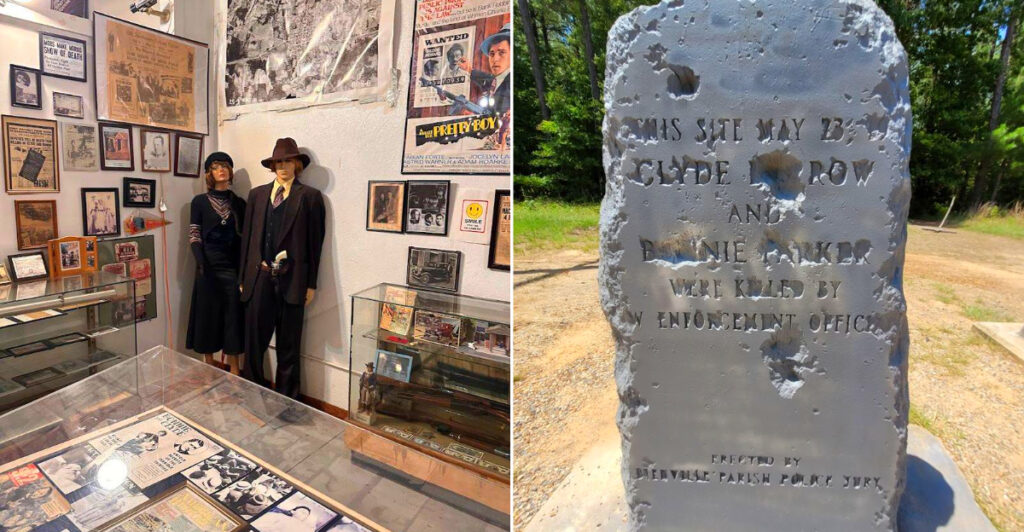
I have a weakness for small museums that make big legends feel suddenly human, and this one does that almost immediately. From the outside, the brick building looks modest enough, but inside, the story gets heavier fast.
You are not just drifting through outlaw folklore. You are standing in rooms tied to a final meal, local memory, newspaper ink, artifacts, and the uncomfortable machinery that turns violence into fame.
This Louisiana roadside museum gives travelers a stark look at Bonnie and Clyde history, Gibsland lore, crime-era artifacts, and the lasting weight behind an American legend.
What stayed with me was the lack of polish. The cramped rooms, plainspoken stories, and replica death car do not let the tale become glamorous or tidy. It feels strange, sad, fascinating, and morally complicated, which is exactly why it works. You leave quieter than you entered, thinking about myth and consequence.
Entrance Vibe
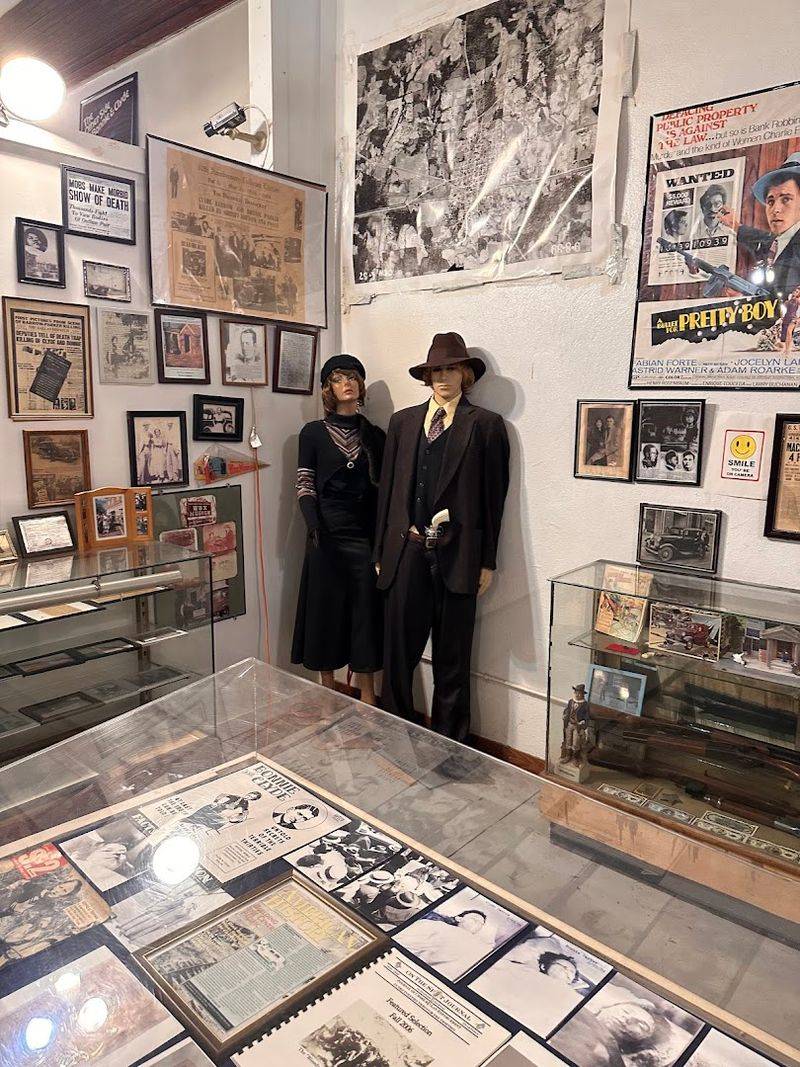
The first step inside feels like walking into an old pocket of time where the town keeps its own careful narrative. You are greeted by a cluttered intimacy, cases, photos, and postcards arranged in a way that suggests personal curation rather than institutional polish.
The museum’s scale makes every item feel proximate and intimate, encouraging low-voiced reading and quiet observation. Nothing feels overly staged, which makes the experience more persuasive, as if the room is asking you to slow down before deciding what the story means.
Ambient sounds from the adjacent cafe and the owner chatting with a visitor add to the lived-in atmosphere.
The welcome is unpretentious and direct; it feels like stepping into someone’s family room where history is actively remembered and discussed. That informality gives the place a human pulse, especially when the past feels less like a display and more like a conversation still unfolding.
Getting To The Museum
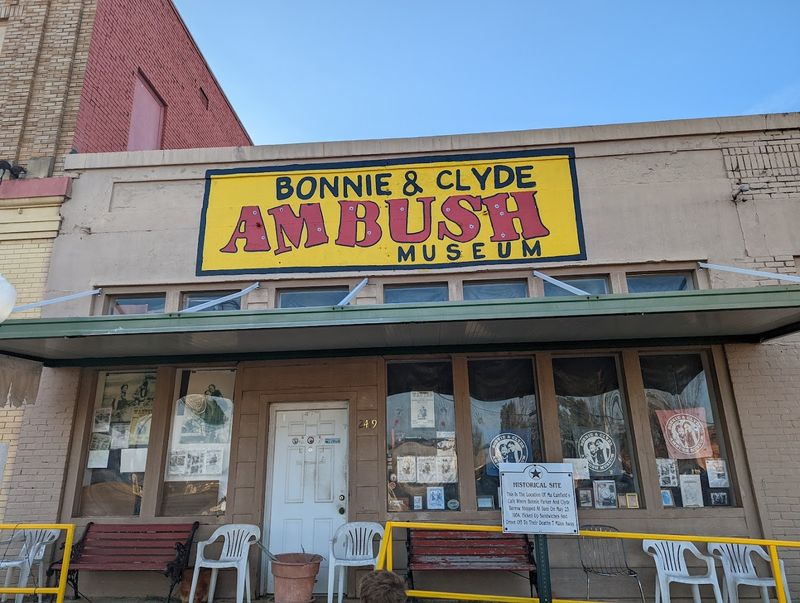
The journey to the Bonnie & Clyde Ambush Museum at 2419 Main St, Gibsland, Louisiana 71028 starts by exiting I-20 at the Gibsland/Minden turnoff (Exit 61). From there, steer south onto LA-154, passing through the quiet timberlands of Bienville Parish for a little over two miles.
This route brings you straight into the heart of the village, where the local highway transitions into the town’s primary street.
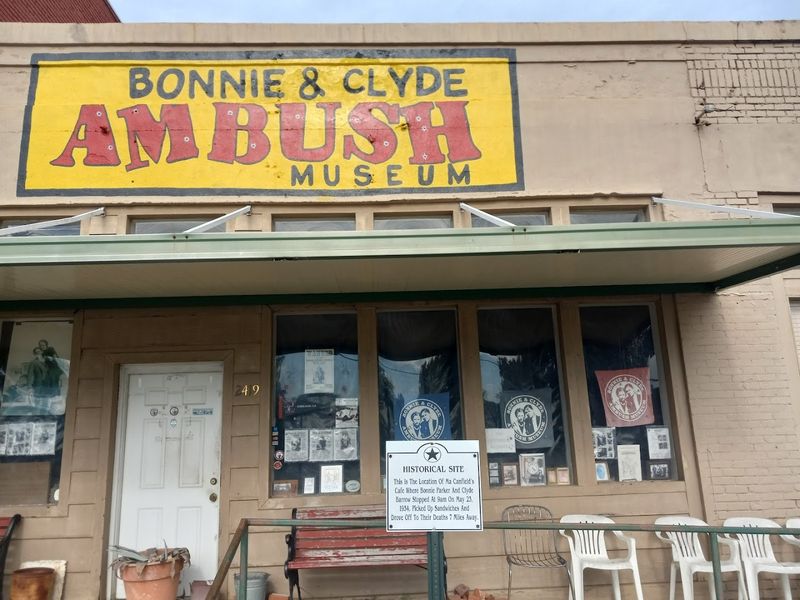
The museum itself is housed in the repurposed Ma Parish’s Cafe building, situated on the south side of the road between First and Second Streets. It stands as a prominent landmark in the small downtown strip, characterized by its red brick facade and historical murals.
You’ll know you’ve arrived when you see the vintage 1930s-style signage and the replica “death car” often positioned near the entrance. You can pull your vehicle directly into the angled parking spots that line the front of the museum.
Since the town center maintains a slow pace, street parking is ample and puts you just a few feet from the doorway. Once you’ve parked, the main entrance is centrally located on the storefront, leading directly into the collection of historical artifacts.
Replica Death Car
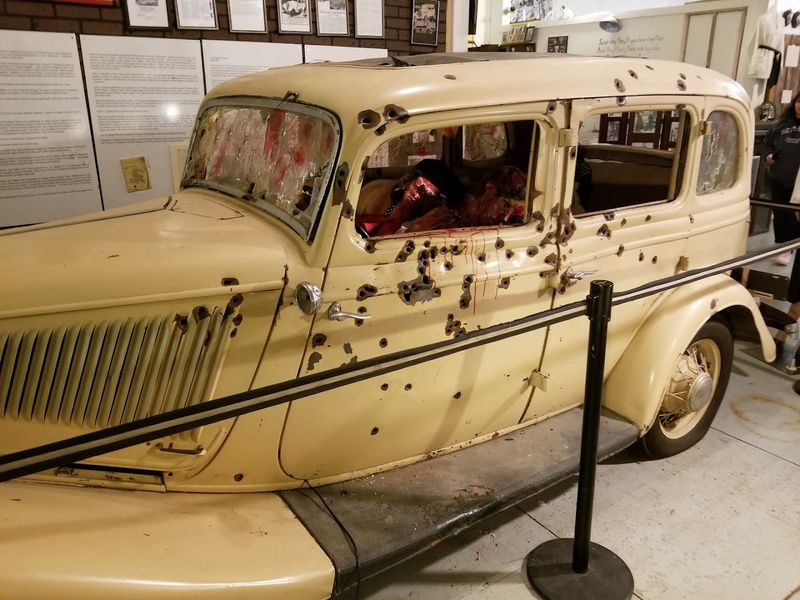
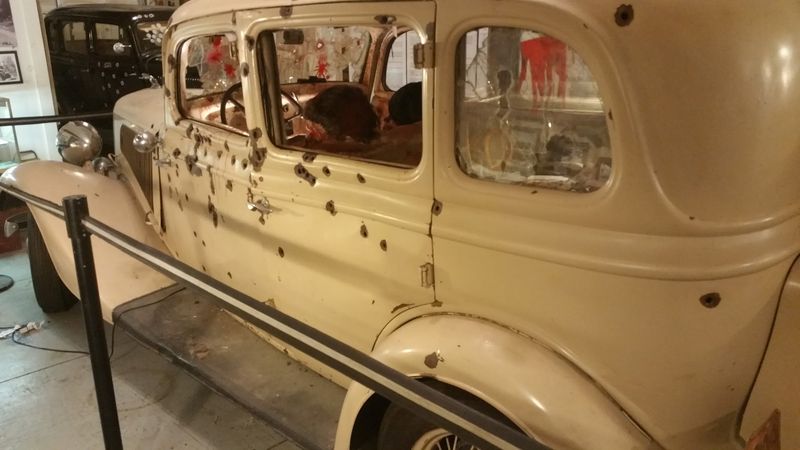
The replica of the 1934 Ford V-8 in the museum is staged to be unnerving without sensationalism; simulated bullet holes and blood-marked upholstery bring the event into the room. Because the real car is in Nevada, the replica serves as a material focal point for understanding the violence that ended their spree and the media frenzy that followed.
It also helps separate the human cost from the glossy outlaw mythology that has grown around the story. Standing near the car, you notice wear on exhibit labels and finger-pressed glass, which suggests many people have had similarly hushed reactions.
The display is effective because it insists on the physicality of the ambush rather than romanticizing it, and that restraint made the moment feel more honest than theatrical.
Instead of turning the scene into spectacle, it leaves you with discomfort, context, and the uneasy awareness that legend often begins where real lives ended.
Personal Artifacts
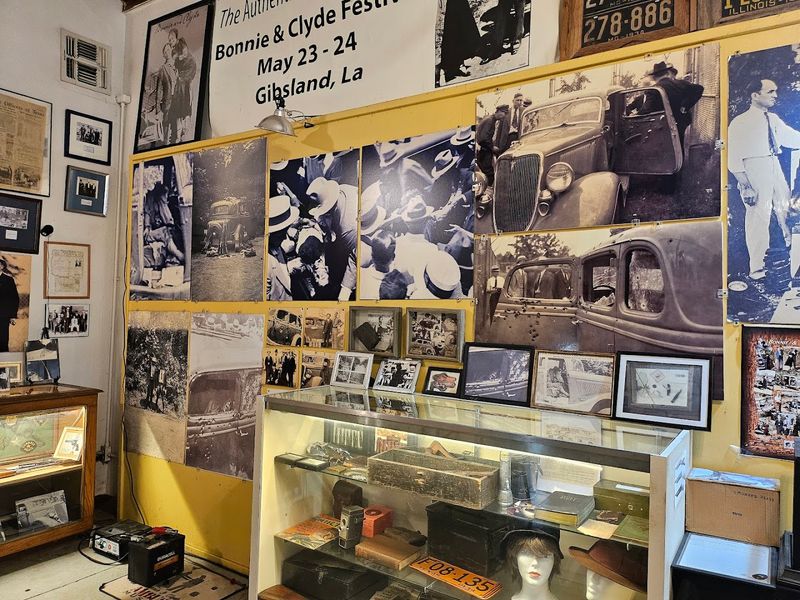
Small personal items – a hat, a purse, a pocket watch – draw attention to the human ordinary details behind the headlines. Seeing Clyde’s shoes or a perfume bottle humanizes the duo in a way that headlines never will: these were people with ordinary possessions and private histories, not only figures of legend.
The museum carefully catalogs provenance where possible and notes when items are replicas. Reading letters and seeing a joint signature reproduced on a cash register receipt highlight how mundane transactions intersected with their notoriety.
Handling these objects with respectful reading creates a quieter empathy that lingers after you leave the building.
Ambush Site Context
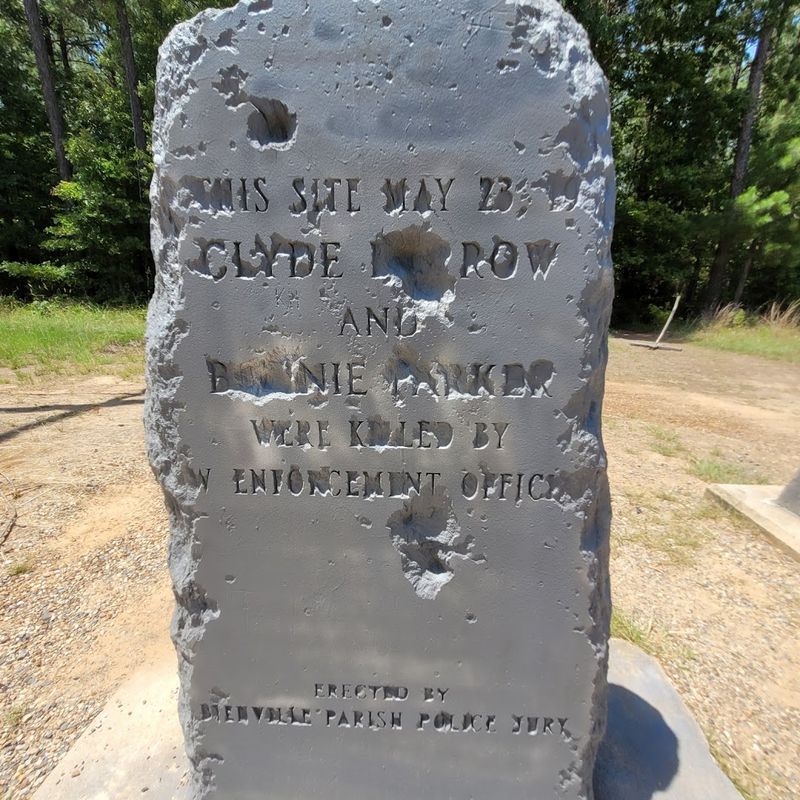
The museum takes care to point visitors to the actual ambush site, roughly seven to ten miles south on Parish Road 300/LA Highway 154, where two granite monuments mark the location.
Exhibits include fragments and debris collected from that field, and explanatory panels place the event in its fuller geographical and tactical context.
Driving to the site after the museum visit turned the exhibits into a mapped sequence of events; seeing the open road and roadside markers made the ambush feel both planned and brutally immediate.
The museum’s maps and direction tips help visitors make that short pilgrimage and appreciate the landscape’s role in the story.
Curatorial Voice
The museum’s voice is unapologetically local, with proprietors and volunteers often narrating exhibits through first-hand family stories or direct links to posse members. That oral history is a key strength; hearing L.J. “Boots” Hinton’s filmed account or Perry Carver’s explanations adds texture you would not get from labels alone.
It makes the visit feel rooted in a specific parish, road, and community rather than a flattened national legend. During my visit, an owner described provenance and debated myths politely, which felt like being let into a conversation rather than a lecture.
That tone matters because the story has been exaggerated so often in movies, souvenirs, and retellings. If you value eyewitness framing and gritty detail, the personal narration elevates the museum beyond static displays and shows how community memory keeps the story alive without sanding off its harder edges.
Exhibit Layout
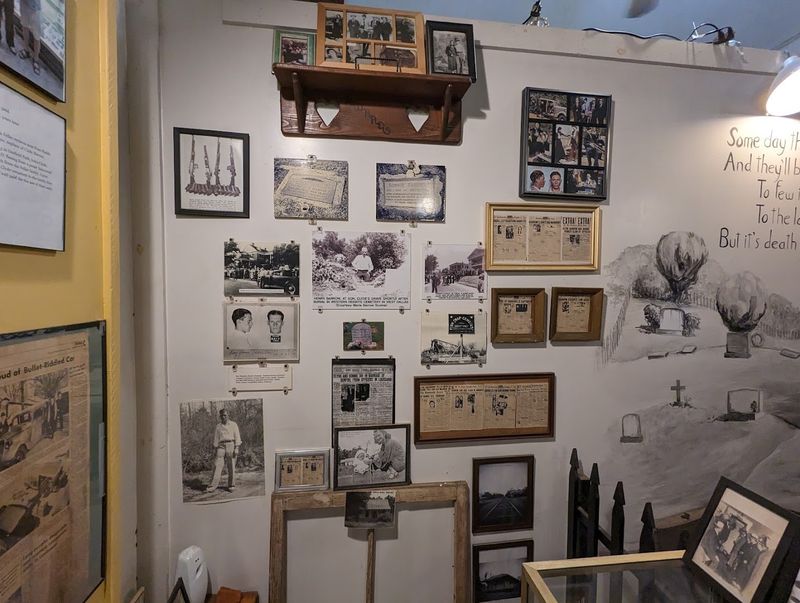
The museum’s layout is dense, with walls covered in clippings, photos, and framed memorabilia that give it a ‘packed attic’ feel. That abundance rewards slow walkers who read carefully, though it can feel chaotic if you prefer minimal displays.
I found the arrangement charmingly homespun and conducive to discovery rather than straightforward chronology.
Not every item is original, and labels often explain replicas and donations; the museum’s honesty about provenance builds trust. Allow extra time to absorb layered displays, and pace yourself so you can notice small details that might otherwise be missed on a quick walk-through.
Morgue Room Display
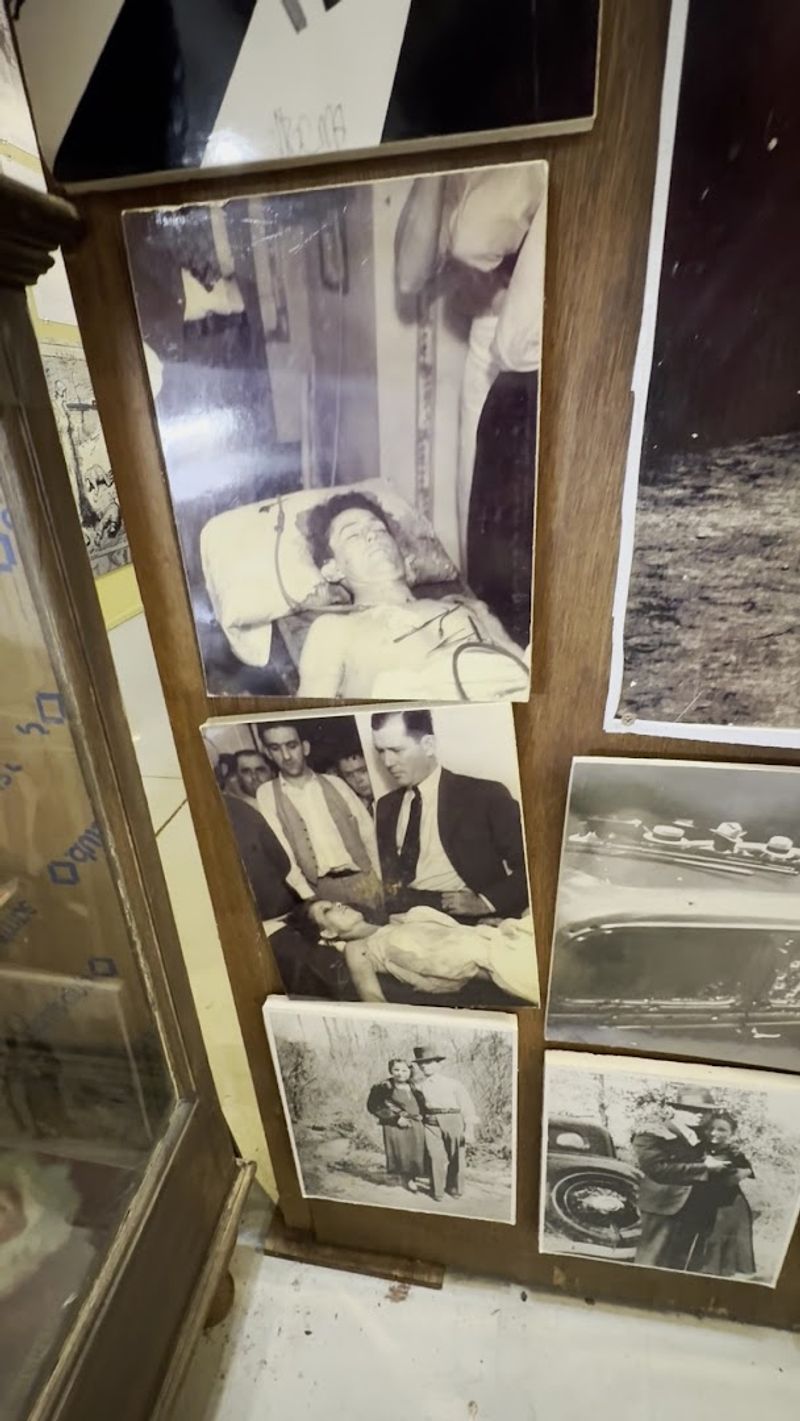
The recreated morgue room is unavoidably stark: an embalming table, mannequins representing Bonnie and Clyde, and original items related to their deaths.
The display approaches the aftermath with clinical intent rather than lurid spectacle, and signage underscores the museum’s effort to present facts and dispel myths surrounding the couple’s final moments.
Some visitors find the room difficult; I appreciated the restraint and the contextual information about how bodies were handled in 1934. If you are sensitive to graphic imagery, be prepared or ask staff about alternate routes through the exhibits to avoid the most visceral content.
Law Enforcement Tributes
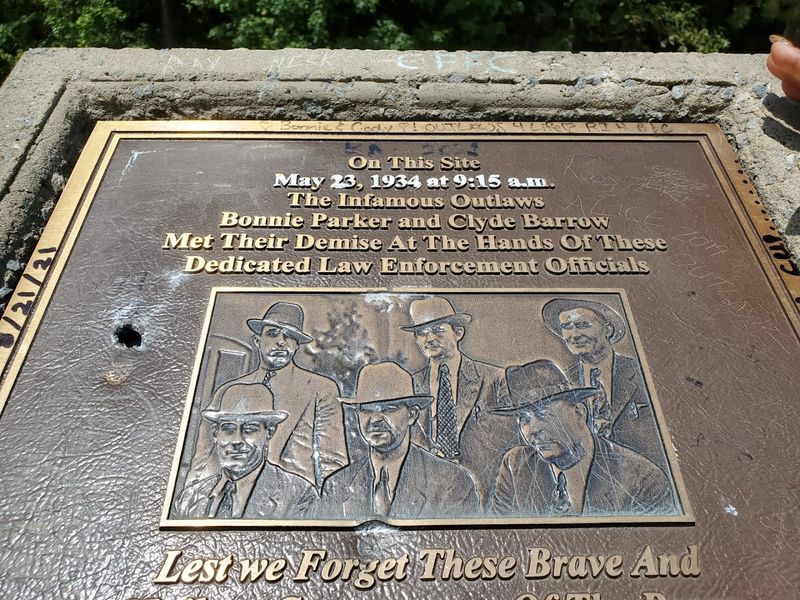
The museum also honors the law enforcement officers involved in the ambush, with portraits, press clippings, and narrative panels that explain the posse’s role and background. These displays complicate the story, reminding visitors that the event had many participants and consequences beyond the headline names.
Seeing artifacts and portraits dedicated to the officers makes the history feel more balanced; the museum resists one-sided heroics and instead situates the ambush within a broader law-and-order context.
The result is a fuller account that asks visitors to consider multiple perspectives rather than offering a tidy moral takeaway.
Preservation Techniques
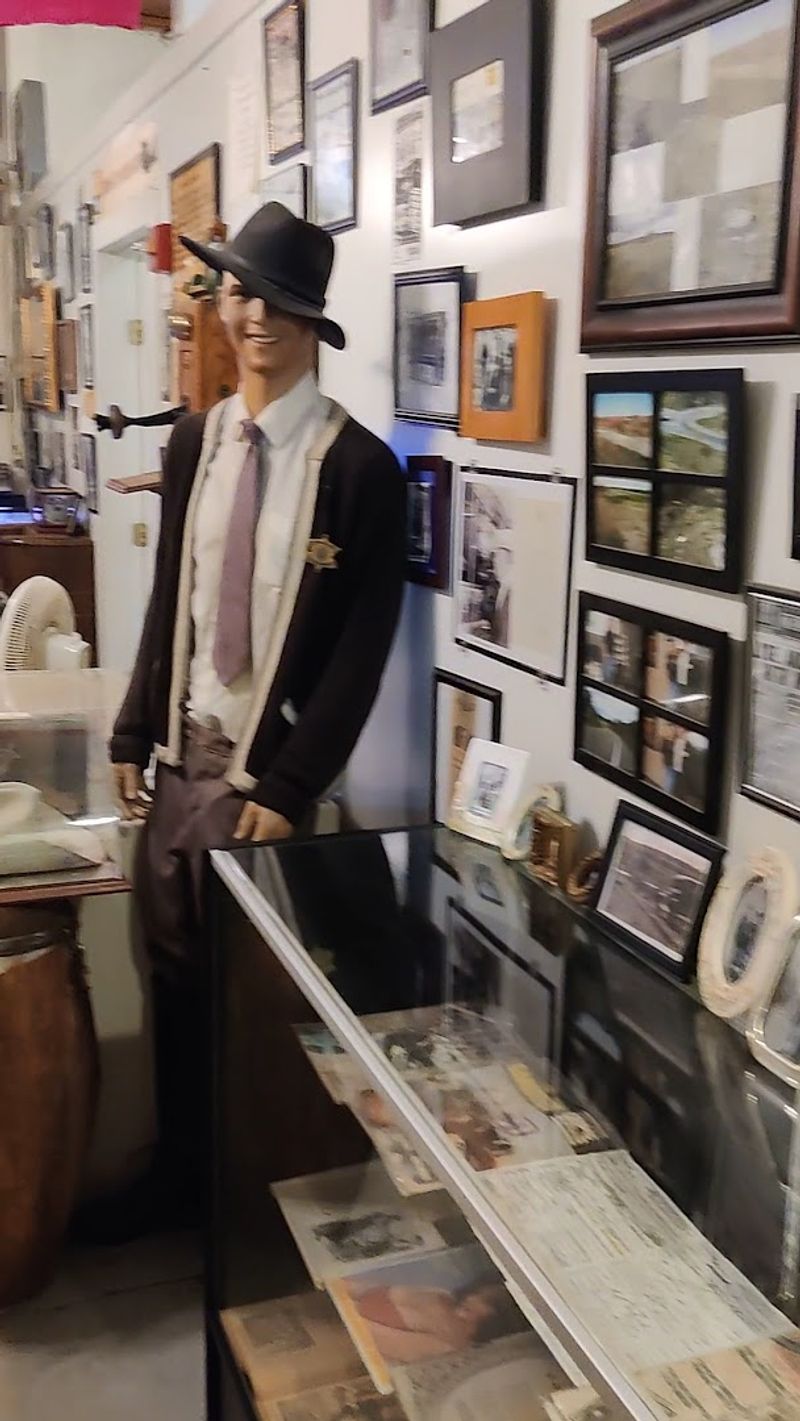
The museum’s small scale means preservation happens in view: documents in archival sleeves, gloves at the ready, and handwritten accession notes on many objects.
Staff and volunteers explain when items are originals, replicas, or donations, and their transparency about conservation choices helps visitors understand how fragile artifacts are managed.
Watching a curator handle a letter or a textile with care reveals the practical labor behind keeping the story intact. It also underscores why some items are displayed under glass and why others are rotated out, reminding visitors that stewardship is an ongoing, visible process at this local museum.
Visiting Logistics
Plan for a relaxed visit: the museum is open daily from 9:00 a.m. to 5:00 p.m., and admission is modestly priced with small discounts for seniors and children.
The cafe attached to the building invites you to linger after reading, and staff often provide directions to the ambush site and local monuments, which makes finishing the pilgrimage easy.
The building is compact and can be warm in summer, so consider visiting in cooler weather or on a weekday when crowds are lighter. Don’t forget cash for souvenirs and bring curiosity more than high expectations of museum polish; the value here lies in authentic stories and personal attention.